
Profile
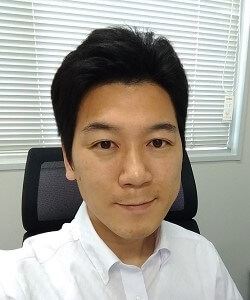
Prof Shinya FURUKAWA
Professor, Graduate School of Engineering, Osaka University
Prof Shinya Furukawa is a Full Professor in the Division of Applied Chemistry, Graduate School of Engineering, at Osaka University. He specialises in heterogeneous catalysis using advanced multimetallic materials such as high-entropy intermetallics. He has authored or co-authored over 100 articles in high-impact journals where his catalyst design concept, which is highly flexible, expandable, and multifunctional, achieved drastic improvements in catalytic performance in highly demanded molecular conversions such as hydrocarbons refinery, CO2 utilisation, and hydrogen production.
During his visit, Dr Furukawa collaborated with Prof Yan Ning to expand their joint work. Dr Furukawa cited the fruitful visit started many discussions with various researchers on catalysis and relevant fields, and he received many suggestions and connection that will plant the seed for future collaborations.
Date of CARES visit: September 2024
Presentation title: Design of Multimetallic Alloys Based on Intermetallics for Highly Efficient Catalysis: Ternary to High-Entropy
Abstract: Multimetallic alloys have increasingly attracted attention as efficient catalyst materials due to their greater activity, selectivity, and stability than conventional binary alloys. However, since there are numerous requirements for improved catalytic functions for future innovations, a more sophisticated concept of catalyst design having high flexiblity, tunability, and expandability is necessary to construct a truly functional active environment. We have developed a series of ternary alloy catalysts based on binary intermetallics AmBn, in which a part of A site is substituted with a third metal A’, namely pseudo-binary alloys: (A1−xA’x)mBn. Owing to the ordered structure of the parent intermetallic phase and the wide composition width of x, a pseudo-binary alloy has high probability of close contact of all the constituent elements and high tunability of catalytic properties. Moreover, further multimetallization of A and B sites is possible, forming a high-entropy intermetallic (HEI) structure, (A1−x−yA’xA’’y)m(B1−p−qB’pB’’q)n. Not only the advantages seen in the ternary system, HEI can easily isolate the active metal for “site-isolation” and has greater thermal stability originating from mixing entropy. We introduce the recent development of highly functional catalysts for the oxidative dehydrogenation of propane using CO2 (CO2-ODP) as an example. (CO2-ODP) is a promising technique for high-yield propylene production and CO2 utilization. The development of a highly efficient catalyst for CO2-ODP is of great interest and benefit to the industry and net zero emissions. Here, we report unique catalyst materials and design concepts based on pseudo-binary alloys and HEI for this challenging chemistry.
Past Visiting Scientists
Profile
Prof Shinya FURUKAWA
Professor, Graduate School of Engineering, Osaka University
Prof Shinya Furukawa is a Full Professor in the Division of Applied Chemistry, Graduate School of Engineering, at Osaka University. He specialises in heterogeneous catalysis using advanced multimetallic materials such as high-entropy intermetallics. He has authored or co-authored over 100 articles in high-impact journals where his catalyst design concept, which is highly flexible, expandable, and multifunctional, achieved drastic improvements in catalytic performance in highly demanded molecular conversions such as hydrocarbons refinery, CO2 utilisation, and hydrogen production.
During his visit, Dr Furukawa collaborated with Prof Yan Ning to expand their joint work. Dr Furukawa cited the fruitful visit started many discussions with various researchers on catalysis and relevant fields, and he received many suggestions and connection that will plant the seed for future collaborations.
Date of CARES visit: September 2024
Presentation title: Design of Multimetallic Alloys Based on Intermetallics for Highly Efficient Catalysis: Ternary to High-Entropy
Abstract: Multimetallic alloys have increasingly attracted attention as efficient catalyst materials due to their greater activity, selectivity, and stability than conventional binary alloys. However, since there are numerous requirements for improved catalytic functions for future innovations, a more sophisticated concept of catalyst design having high flexiblity, tunability, and expandability is necessary to construct a truly functional active environment. We have developed a series of ternary alloy catalysts based on binary intermetallics AmBn, in which a part of A site is substituted with a third metal A’, namely pseudo-binary alloys: (A1−xA’x)mBn. Owing to the ordered structure of the parent intermetallic phase and the wide composition width of x, a pseudo-binary alloy has high probability of close contact of all the constituent elements and high tunability of catalytic properties. Moreover, further multimetallization of A and B sites is possible, forming a high-entropy intermetallic (HEI) structure, (A1−x−yA’xA’’y)m(B1−p−qB’pB’’q)n. Not only the advantages seen in the ternary system, HEI can easily isolate the active metal for “site-isolation” and has greater thermal stability originating from mixing entropy. We introduce the recent development of highly functional catalysts for the oxidative dehydrogenation of propane using CO2 (CO2-ODP) as an example. (CO2-ODP) is a promising technique for high-yield propylene production and CO2 utilization. The development of a highly efficient catalyst for CO2-ODP is of great interest and benefit to the industry and net zero emissions. Here, we report unique catalyst materials and design concepts based on pseudo-binary alloys and HEI for this challenging chemistry.
Past Visiting Scientists
Profile
Prof Shinya FURUKAWA
Professor, Graduate School of Engineering, Osaka University
Prof Shinya Furukawa is a Full Professor in the Division of Applied Chemistry, Graduate School of Engineering, at Osaka University. He specialises in heterogeneous catalysis using advanced multimetallic materials such as high-entropy intermetallics. He has authored or co-authored over 100 articles in high-impact journals where his catalyst design concept, which is highly flexible, expandable, and multifunctional, achieved drastic improvements in catalytic performance in highly demanded molecular conversions such as hydrocarbons refinery, CO2 utilisation, and hydrogen production.
During his visit, Dr Furukawa collaborated with Prof Yan Ning to expand their joint work. Dr Furukawa cited the fruitful visit started many discussions with various researchers on catalysis and relevant fields, and he received many suggestions and connection that will plant the seed for future collaborations.
Date of CARES visit: September 2024
Presentation title: Design of Multimetallic Alloys Based on Intermetallics for Highly Efficient Catalysis: Ternary to High-Entropy
Abstract: Multimetallic alloys have increasingly attracted attention as efficient catalyst materials due to their greater activity, selectivity, and stability than conventional binary alloys. However, since there are numerous requirements for improved catalytic functions for future innovations, a more sophisticated concept of catalyst design having high flexiblity, tunability, and expandability is necessary to construct a truly functional active environment. We have developed a series of ternary alloy catalysts based on binary intermetallics AmBn, in which a part of A site is substituted with a third metal A’, namely pseudo-binary alloys: (A1−xA’x)mBn. Owing to the ordered structure of the parent intermetallic phase and the wide composition width of x, a pseudo-binary alloy has high probability of close contact of all the constituent elements and high tunability of catalytic properties. Moreover, further multimetallization of A and B sites is possible, forming a high-entropy intermetallic (HEI) structure, (A1−x−yA’xA’’y)m(B1−p−qB’pB’’q)n. Not only the advantages seen in the ternary system, HEI can easily isolate the active metal for “site-isolation” and has greater thermal stability originating from mixing entropy. We introduce the recent development of highly functional catalysts for the oxidative dehydrogenation of propane using CO2 (CO2-ODP) as an example. (CO2-ODP) is a promising technique for high-yield propylene production and CO2 utilization. The development of a highly efficient catalyst for CO2-ODP is of great interest and benefit to the industry and net zero emissions. Here, we report unique catalyst materials and design concepts based on pseudo-binary alloys and HEI for this challenging chemistry.
Past Visiting Scientists
Profile
Prof Shinya FURUKAWA
Professor, Graduate School of Engineering, Osaka University
Prof Shinya Furukawa is a Full Professor in the Division of Applied Chemistry, Graduate School of Engineering, at Osaka University. He specialises in heterogeneous catalysis using advanced multimetallic materials such as high-entropy intermetallics. He has authored or co-authored over 100 articles in high-impact journals where his catalyst design concept, which is highly flexible, expandable, and multifunctional, achieved drastic improvements in catalytic performance in highly demanded molecular conversions such as hydrocarbons refinery, CO2 utilisation, and hydrogen production.
During his visit, Dr Furukawa collaborated with Prof Yan Ning to expand their joint work. Dr Furukawa cited the fruitful visit started many discussions with various researchers on catalysis and relevant fields, and he received many suggestions and connection that will plant the seed for future collaborations.
Date of CARES visit: September 2024
Presentation title: Design of Multimetallic Alloys Based on Intermetallics for Highly Efficient Catalysis: Ternary to High-Entropy
Abstract: Multimetallic alloys have increasingly attracted attention as efficient catalyst materials due to their greater activity, selectivity, and stability than conventional binary alloys. However, since there are numerous requirements for improved catalytic functions for future innovations, a more sophisticated concept of catalyst design having high flexiblity, tunability, and expandability is necessary to construct a truly functional active environment. We have developed a series of ternary alloy catalysts based on binary intermetallics AmBn, in which a part of A site is substituted with a third metal A’, namely pseudo-binary alloys: (A1−xA’x)mBn. Owing to the ordered structure of the parent intermetallic phase and the wide composition width of x, a pseudo-binary alloy has high probability of close contact of all the constituent elements and high tunability of catalytic properties. Moreover, further multimetallization of A and B sites is possible, forming a high-entropy intermetallic (HEI) structure, (A1−x−yA’xA’’y)m(B1−p−qB’pB’’q)n. Not only the advantages seen in the ternary system, HEI can easily isolate the active metal for “site-isolation” and has greater thermal stability originating from mixing entropy. We introduce the recent development of highly functional catalysts for the oxidative dehydrogenation of propane using CO2 (CO2-ODP) as an example. (CO2-ODP) is a promising technique for high-yield propylene production and CO2 utilization. The development of a highly efficient catalyst for CO2-ODP is of great interest and benefit to the industry and net zero emissions. Here, we report unique catalyst materials and design concepts based on pseudo-binary alloys and HEI for this challenging chemistry.
Past Visiting Scientists
Profile
Prof Shinya FURUKAWA
Professor, Graduate School of Engineering, Osaka University
Prof Shinya Furukawa is a Full Professor in the Division of Applied Chemistry, Graduate School of Engineering, at Osaka University. He specialises in heterogeneous catalysis using advanced multimetallic materials such as high-entropy intermetallics. He has authored or co-authored over 100 articles in high-impact journals where his catalyst design concept, which is highly flexible, expandable, and multifunctional, achieved drastic improvements in catalytic performance in highly demanded molecular conversions such as hydrocarbons refinery, CO2 utilisation, and hydrogen production.
During his visit, Dr Furukawa collaborated with Prof Yan Ning to expand their joint work. Dr Furukawa cited the fruitful visit started many discussions with various researchers on catalysis and relevant fields, and he received many suggestions and connection that will plant the seed for future collaborations.
Date of CARES visit: September 2024
Presentation title: Design of Multimetallic Alloys Based on Intermetallics for Highly Efficient Catalysis: Ternary to High-Entropy
Abstract: Multimetallic alloys have increasingly attracted attention as efficient catalyst materials due to their greater activity, selectivity, and stability than conventional binary alloys. However, since there are numerous requirements for improved catalytic functions for future innovations, a more sophisticated concept of catalyst design having high flexiblity, tunability, and expandability is necessary to construct a truly functional active environment. We have developed a series of ternary alloy catalysts based on binary intermetallics AmBn, in which a part of A site is substituted with a third metal A’, namely pseudo-binary alloys: (A1−xA’x)mBn. Owing to the ordered structure of the parent intermetallic phase and the wide composition width of x, a pseudo-binary alloy has high probability of close contact of all the constituent elements and high tunability of catalytic properties. Moreover, further multimetallization of A and B sites is possible, forming a high-entropy intermetallic (HEI) structure, (A1−x−yA’xA’’y)m(B1−p−qB’pB’’q)n. Not only the advantages seen in the ternary system, HEI can easily isolate the active metal for “site-isolation” and has greater thermal stability originating from mixing entropy. We introduce the recent development of highly functional catalysts for the oxidative dehydrogenation of propane using CO2 (CO2-ODP) as an example. (CO2-ODP) is a promising technique for high-yield propylene production and CO2 utilization. The development of a highly efficient catalyst for CO2-ODP is of great interest and benefit to the industry and net zero emissions. Here, we report unique catalyst materials and design concepts based on pseudo-binary alloys and HEI for this challenging chemistry.
Past Visiting Scientists
Profile
Prof Shinya FURUKAWA
Professor, Graduate School of Engineering, Osaka University
Prof Shinya Furukawa is a Full Professor in the Division of Applied Chemistry, Graduate School of Engineering, at Osaka University. He specialises in heterogeneous catalysis using advanced multimetallic materials such as high-entropy intermetallics. He has authored or co-authored over 100 articles in high-impact journals where his catalyst design concept, which is highly flexible, expandable, and multifunctional, achieved drastic improvements in catalytic performance in highly demanded molecular conversions such as hydrocarbons refinery, CO2 utilisation, and hydrogen production.
During his visit, Dr Furukawa collaborated with Prof Yan Ning to expand their joint work. Dr Furukawa cited the fruitful visit started many discussions with various researchers on catalysis and relevant fields, and he received many suggestions and connection that will plant the seed for future collaborations.
Date of CARES visit: September 2024
Presentation title: Design of Multimetallic Alloys Based on Intermetallics for Highly Efficient Catalysis: Ternary to High-Entropy
Abstract: Multimetallic alloys have increasingly attracted attention as efficient catalyst materials due to their greater activity, selectivity, and stability than conventional binary alloys. However, since there are numerous requirements for improved catalytic functions for future innovations, a more sophisticated concept of catalyst design having high flexiblity, tunability, and expandability is necessary to construct a truly functional active environment. We have developed a series of ternary alloy catalysts based on binary intermetallics AmBn, in which a part of A site is substituted with a third metal A’, namely pseudo-binary alloys: (A1−xA’x)mBn. Owing to the ordered structure of the parent intermetallic phase and the wide composition width of x, a pseudo-binary alloy has high probability of close contact of all the constituent elements and high tunability of catalytic properties. Moreover, further multimetallization of A and B sites is possible, forming a high-entropy intermetallic (HEI) structure, (A1−x−yA’xA’’y)m(B1−p−qB’pB’’q)n. Not only the advantages seen in the ternary system, HEI can easily isolate the active metal for “site-isolation” and has greater thermal stability originating from mixing entropy. We introduce the recent development of highly functional catalysts for the oxidative dehydrogenation of propane using CO2 (CO2-ODP) as an example. (CO2-ODP) is a promising technique for high-yield propylene production and CO2 utilization. The development of a highly efficient catalyst for CO2-ODP is of great interest and benefit to the industry and net zero emissions. Here, we report unique catalyst materials and design concepts based on pseudo-binary alloys and HEI for this challenging chemistry.
Past Visiting Scientists
Profile
Prof Shinya FURUKAWA
Professor, Graduate School of Engineering, Osaka University
Prof Shinya Furukawa is a Full Professor in the Division of Applied Chemistry, Graduate School of Engineering, at Osaka University. He specialises in heterogeneous catalysis using advanced multimetallic materials such as high-entropy intermetallics. He has authored or co-authored over 100 articles in high-impact journals where his catalyst design concept, which is highly flexible, expandable, and multifunctional, achieved drastic improvements in catalytic performance in highly demanded molecular conversions such as hydrocarbons refinery, CO2 utilisation, and hydrogen production.
During his visit, Dr Furukawa collaborated with Prof Yan Ning to expand their joint work. Dr Furukawa cited the fruitful visit started many discussions with various researchers on catalysis and relevant fields, and he received many suggestions and connection that will plant the seed for future collaborations.
Date of CARES visit: September 2024
Presentation title: Design of Multimetallic Alloys Based on Intermetallics for Highly Efficient Catalysis: Ternary to High-Entropy
Abstract: Multimetallic alloys have increasingly attracted attention as efficient catalyst materials due to their greater activity, selectivity, and stability than conventional binary alloys. However, since there are numerous requirements for improved catalytic functions for future innovations, a more sophisticated concept of catalyst design having high flexiblity, tunability, and expandability is necessary to construct a truly functional active environment. We have developed a series of ternary alloy catalysts based on binary intermetallics AmBn, in which a part of A site is substituted with a third metal A’, namely pseudo-binary alloys: (A1−xA’x)mBn. Owing to the ordered structure of the parent intermetallic phase and the wide composition width of x, a pseudo-binary alloy has high probability of close contact of all the constituent elements and high tunability of catalytic properties. Moreover, further multimetallization of A and B sites is possible, forming a high-entropy intermetallic (HEI) structure, (A1−x−yA’xA’’y)m(B1−p−qB’pB’’q)n. Not only the advantages seen in the ternary system, HEI can easily isolate the active metal for “site-isolation” and has greater thermal stability originating from mixing entropy. We introduce the recent development of highly functional catalysts for the oxidative dehydrogenation of propane using CO2 (CO2-ODP) as an example. (CO2-ODP) is a promising technique for high-yield propylene production and CO2 utilization. The development of a highly efficient catalyst for CO2-ODP is of great interest and benefit to the industry and net zero emissions. Here, we report unique catalyst materials and design concepts based on pseudo-binary alloys and HEI for this challenging chemistry.
Past Visiting Scientists
Profile
Prof Shinya FURUKAWA
Professor, Graduate School of Engineering, Osaka University
Prof Shinya Furukawa is a Full Professor in the Division of Applied Chemistry, Graduate School of Engineering, at Osaka University. He specialises in heterogeneous catalysis using advanced multimetallic materials such as high-entropy intermetallics. He has authored or co-authored over 100 articles in high-impact journals where his catalyst design concept, which is highly flexible, expandable, and multifunctional, achieved drastic improvements in catalytic performance in highly demanded molecular conversions such as hydrocarbons refinery, CO2 utilisation, and hydrogen production.
During his visit, Dr Furukawa collaborated with Prof Yan Ning to expand their joint work. Dr Furukawa cited the fruitful visit started many discussions with various researchers on catalysis and relevant fields, and he received many suggestions and connection that will plant the seed for future collaborations.
Date of CARES visit: September 2024
Presentation title: Design of Multimetallic Alloys Based on Intermetallics for Highly Efficient Catalysis: Ternary to High-Entropy
Abstract: Multimetallic alloys have increasingly attracted attention as efficient catalyst materials due to their greater activity, selectivity, and stability than conventional binary alloys. However, since there are numerous requirements for improved catalytic functions for future innovations, a more sophisticated concept of catalyst design having high flexiblity, tunability, and expandability is necessary to construct a truly functional active environment. We have developed a series of ternary alloy catalysts based on binary intermetallics AmBn, in which a part of A site is substituted with a third metal A’, namely pseudo-binary alloys: (A1−xA’x)mBn. Owing to the ordered structure of the parent intermetallic phase and the wide composition width of x, a pseudo-binary alloy has high probability of close contact of all the constituent elements and high tunability of catalytic properties. Moreover, further multimetallization of A and B sites is possible, forming a high-entropy intermetallic (HEI) structure, (A1−x−yA’xA’’y)m(B1−p−qB’pB’’q)n. Not only the advantages seen in the ternary system, HEI can easily isolate the active metal for “site-isolation” and has greater thermal stability originating from mixing entropy. We introduce the recent development of highly functional catalysts for the oxidative dehydrogenation of propane using CO2 (CO2-ODP) as an example. (CO2-ODP) is a promising technique for high-yield propylene production and CO2 utilization. The development of a highly efficient catalyst for CO2-ODP is of great interest and benefit to the industry and net zero emissions. Here, we report unique catalyst materials and design concepts based on pseudo-binary alloys and HEI for this challenging chemistry.
Past Visiting Scientists
Profile
Prof Shinya FURUKAWA
Professor, Graduate School of Engineering, Osaka University
Prof Shinya Furukawa is a Full Professor in the Division of Applied Chemistry, Graduate School of Engineering, at Osaka University. He specialises in heterogeneous catalysis using advanced multimetallic materials such as high-entropy intermetallics. He has authored or co-authored over 100 articles in high-impact journals where his catalyst design concept, which is highly flexible, expandable, and multifunctional, achieved drastic improvements in catalytic performance in highly demanded molecular conversions such as hydrocarbons refinery, CO2 utilisation, and hydrogen production.
During his visit, Dr Furukawa collaborated with Prof Yan Ning to expand their joint work. Dr Furukawa cited the fruitful visit started many discussions with various researchers on catalysis and relevant fields, and he received many suggestions and connection that will plant the seed for future collaborations.
Date of CARES visit: September 2024
Presentation title: Design of Multimetallic Alloys Based on Intermetallics for Highly Efficient Catalysis: Ternary to High-Entropy
Abstract: Multimetallic alloys have increasingly attracted attention as efficient catalyst materials due to their greater activity, selectivity, and stability than conventional binary alloys. However, since there are numerous requirements for improved catalytic functions for future innovations, a more sophisticated concept of catalyst design having high flexiblity, tunability, and expandability is necessary to construct a truly functional active environment. We have developed a series of ternary alloy catalysts based on binary intermetallics AmBn, in which a part of A site is substituted with a third metal A’, namely pseudo-binary alloys: (A1−xA’x)mBn. Owing to the ordered structure of the parent intermetallic phase and the wide composition width of x, a pseudo-binary alloy has high probability of close contact of all the constituent elements and high tunability of catalytic properties. Moreover, further multimetallization of A and B sites is possible, forming a high-entropy intermetallic (HEI) structure, (A1−x−yA’xA’’y)m(B1−p−qB’pB’’q)n. Not only the advantages seen in the ternary system, HEI can easily isolate the active metal for “site-isolation” and has greater thermal stability originating from mixing entropy. We introduce the recent development of highly functional catalysts for the oxidative dehydrogenation of propane using CO2 (CO2-ODP) as an example. (CO2-ODP) is a promising technique for high-yield propylene production and CO2 utilization. The development of a highly efficient catalyst for CO2-ODP is of great interest and benefit to the industry and net zero emissions. Here, we report unique catalyst materials and design concepts based on pseudo-binary alloys and HEI for this challenging chemistry.
Past Visiting Scientists
Profile
Prof Shinya FURUKAWA
Professor, Graduate School of Engineering, Osaka University
Prof Shinya Furukawa is a Full Professor in the Division of Applied Chemistry, Graduate School of Engineering, at Osaka University. He specialises in heterogeneous catalysis using advanced multimetallic materials such as high-entropy intermetallics. He has authored or co-authored over 100 articles in high-impact journals where his catalyst design concept, which is highly flexible, expandable, and multifunctional, achieved drastic improvements in catalytic performance in highly demanded molecular conversions such as hydrocarbons refinery, CO2 utilisation, and hydrogen production.
During his visit, Dr Furukawa collaborated with Prof Yan Ning to expand their joint work. Dr Furukawa cited the fruitful visit started many discussions with various researchers on catalysis and relevant fields, and he received many suggestions and connection that will plant the seed for future collaborations.
Date of CARES visit: September 2024
Presentation title: Design of Multimetallic Alloys Based on Intermetallics for Highly Efficient Catalysis: Ternary to High-Entropy
Abstract: Multimetallic alloys have increasingly attracted attention as efficient catalyst materials due to their greater activity, selectivity, and stability than conventional binary alloys. However, since there are numerous requirements for improved catalytic functions for future innovations, a more sophisticated concept of catalyst design having high flexiblity, tunability, and expandability is necessary to construct a truly functional active environment. We have developed a series of ternary alloy catalysts based on binary intermetallics AmBn, in which a part of A site is substituted with a third metal A’, namely pseudo-binary alloys: (A1−xA’x)mBn. Owing to the ordered structure of the parent intermetallic phase and the wide composition width of x, a pseudo-binary alloy has high probability of close contact of all the constituent elements and high tunability of catalytic properties. Moreover, further multimetallization of A and B sites is possible, forming a high-entropy intermetallic (HEI) structure, (A1−x−yA’xA’’y)m(B1−p−qB’pB’’q)n. Not only the advantages seen in the ternary system, HEI can easily isolate the active metal for “site-isolation” and has greater thermal stability originating from mixing entropy. We introduce the recent development of highly functional catalysts for the oxidative dehydrogenation of propane using CO2 (CO2-ODP) as an example. (CO2-ODP) is a promising technique for high-yield propylene production and CO2 utilization. The development of a highly efficient catalyst for CO2-ODP is of great interest and benefit to the industry and net zero emissions. Here, we report unique catalyst materials and design concepts based on pseudo-binary alloys and HEI for this challenging chemistry.
Past Visiting Scientists
Profile
Prof Shinya FURUKAWA
Professor, Graduate School of Engineering, Osaka University
Prof Shinya Furukawa is a Full Professor in the Division of Applied Chemistry, Graduate School of Engineering, at Osaka University. He specialises in heterogeneous catalysis using advanced multimetallic materials such as high-entropy intermetallics. He has authored or co-authored over 100 articles in high-impact journals where his catalyst design concept, which is highly flexible, expandable, and multifunctional, achieved drastic improvements in catalytic performance in highly demanded molecular conversions such as hydrocarbons refinery, CO2 utilisation, and hydrogen production.
During his visit, Dr Furukawa collaborated with Prof Yan Ning to expand their joint work. Dr Furukawa cited the fruitful visit started many discussions with various researchers on catalysis and relevant fields, and he received many suggestions and connection that will plant the seed for future collaborations.
Date of CARES visit: September 2024
Presentation title: Design of Multimetallic Alloys Based on Intermetallics for Highly Efficient Catalysis: Ternary to High-Entropy
Abstract: Multimetallic alloys have increasingly attracted attention as efficient catalyst materials due to their greater activity, selectivity, and stability than conventional binary alloys. However, since there are numerous requirements for improved catalytic functions for future innovations, a more sophisticated concept of catalyst design having high flexiblity, tunability, and expandability is necessary to construct a truly functional active environment. We have developed a series of ternary alloy catalysts based on binary intermetallics AmBn, in which a part of A site is substituted with a third metal A’, namely pseudo-binary alloys: (A1−xA’x)mBn. Owing to the ordered structure of the parent intermetallic phase and the wide composition width of x, a pseudo-binary alloy has high probability of close contact of all the constituent elements and high tunability of catalytic properties. Moreover, further multimetallization of A and B sites is possible, forming a high-entropy intermetallic (HEI) structure, (A1−x−yA’xA’’y)m(B1−p−qB’pB’’q)n. Not only the advantages seen in the ternary system, HEI can easily isolate the active metal for “site-isolation” and has greater thermal stability originating from mixing entropy. We introduce the recent development of highly functional catalysts for the oxidative dehydrogenation of propane using CO2 (CO2-ODP) as an example. (CO2-ODP) is a promising technique for high-yield propylene production and CO2 utilization. The development of a highly efficient catalyst for CO2-ODP is of great interest and benefit to the industry and net zero emissions. Here, we report unique catalyst materials and design concepts based on pseudo-binary alloys and HEI for this challenging chemistry.
Past Visiting Scientists
Profile
Prof Shinya FURUKAWA
Professor, Graduate School of Engineering, Osaka University
Prof Shinya Furukawa is a Full Professor in the Division of Applied Chemistry, Graduate School of Engineering, at Osaka University. He specialises in heterogeneous catalysis using advanced multimetallic materials such as high-entropy intermetallics. He has authored or co-authored over 100 articles in high-impact journals where his catalyst design concept, which is highly flexible, expandable, and multifunctional, achieved drastic improvements in catalytic performance in highly demanded molecular conversions such as hydrocarbons refinery, CO2 utilisation, and hydrogen production.
During his visit, Dr Furukawa collaborated with Prof Yan Ning to expand their joint work. Dr Furukawa cited the fruitful visit started many discussions with various researchers on catalysis and relevant fields, and he received many suggestions and connection that will plant the seed for future collaborations.
Date of CARES visit: September 2024
Presentation title: Design of Multimetallic Alloys Based on Intermetallics for Highly Efficient Catalysis: Ternary to High-Entropy
Abstract: Multimetallic alloys have increasingly attracted attention as efficient catalyst materials due to their greater activity, selectivity, and stability than conventional binary alloys. However, since there are numerous requirements for improved catalytic functions for future innovations, a more sophisticated concept of catalyst design having high flexiblity, tunability, and expandability is necessary to construct a truly functional active environment. We have developed a series of ternary alloy catalysts based on binary intermetallics AmBn, in which a part of A site is substituted with a third metal A’, namely pseudo-binary alloys: (A1−xA’x)mBn. Owing to the ordered structure of the parent intermetallic phase and the wide composition width of x, a pseudo-binary alloy has high probability of close contact of all the constituent elements and high tunability of catalytic properties. Moreover, further multimetallization of A and B sites is possible, forming a high-entropy intermetallic (HEI) structure, (A1−x−yA’xA’’y)m(B1−p−qB’pB’’q)n. Not only the advantages seen in the ternary system, HEI can easily isolate the active metal for “site-isolation” and has greater thermal stability originating from mixing entropy. We introduce the recent development of highly functional catalysts for the oxidative dehydrogenation of propane using CO2 (CO2-ODP) as an example. (CO2-ODP) is a promising technique for high-yield propylene production and CO2 utilization. The development of a highly efficient catalyst for CO2-ODP is of great interest and benefit to the industry and net zero emissions. Here, we report unique catalyst materials and design concepts based on pseudo-binary alloys and HEI for this challenging chemistry.
Past Visiting Scientists
Profile
Prof Shinya FURUKAWA
Professor, Graduate School of Engineering, Osaka University
Prof Shinya Furukawa is a Full Professor in the Division of Applied Chemistry, Graduate School of Engineering, at Osaka University. He specialises in heterogeneous catalysis using advanced multimetallic materials such as high-entropy intermetallics. He has authored or co-authored over 100 articles in high-impact journals where his catalyst design concept, which is highly flexible, expandable, and multifunctional, achieved drastic improvements in catalytic performance in highly demanded molecular conversions such as hydrocarbons refinery, CO2 utilisation, and hydrogen production.
During his visit, Dr Furukawa collaborated with Prof Yan Ning to expand their joint work. Dr Furukawa cited the fruitful visit started many discussions with various researchers on catalysis and relevant fields, and he received many suggestions and connection that will plant the seed for future collaborations.
Date of CARES visit: September 2024
Presentation title: Design of Multimetallic Alloys Based on Intermetallics for Highly Efficient Catalysis: Ternary to High-Entropy
Abstract: Multimetallic alloys have increasingly attracted attention as efficient catalyst materials due to their greater activity, selectivity, and stability than conventional binary alloys. However, since there are numerous requirements for improved catalytic functions for future innovations, a more sophisticated concept of catalyst design having high flexiblity, tunability, and expandability is necessary to construct a truly functional active environment. We have developed a series of ternary alloy catalysts based on binary intermetallics AmBn, in which a part of A site is substituted with a third metal A’, namely pseudo-binary alloys: (A1−xA’x)mBn. Owing to the ordered structure of the parent intermetallic phase and the wide composition width of x, a pseudo-binary alloy has high probability of close contact of all the constituent elements and high tunability of catalytic properties. Moreover, further multimetallization of A and B sites is possible, forming a high-entropy intermetallic (HEI) structure, (A1−x−yA’xA’’y)m(B1−p−qB’pB’’q)n. Not only the advantages seen in the ternary system, HEI can easily isolate the active metal for “site-isolation” and has greater thermal stability originating from mixing entropy. We introduce the recent development of highly functional catalysts for the oxidative dehydrogenation of propane using CO2 (CO2-ODP) as an example. (CO2-ODP) is a promising technique for high-yield propylene production and CO2 utilization. The development of a highly efficient catalyst for CO2-ODP is of great interest and benefit to the industry and net zero emissions. Here, we report unique catalyst materials and design concepts based on pseudo-binary alloys and HEI for this challenging chemistry.
Past Visiting Scientists
Profile
Prof Shinya FURUKAWA
Professor, Graduate School of Engineering, Osaka University
Prof Shinya Furukawa is a Full Professor in the Division of Applied Chemistry, Graduate School of Engineering, at Osaka University. He specialises in heterogeneous catalysis using advanced multimetallic materials such as high-entropy intermetallics. He has authored or co-authored over 100 articles in high-impact journals where his catalyst design concept, which is highly flexible, expandable, and multifunctional, achieved drastic improvements in catalytic performance in highly demanded molecular conversions such as hydrocarbons refinery, CO2 utilisation, and hydrogen production.
During his visit, Dr Furukawa collaborated with Prof Yan Ning to expand their joint work. Dr Furukawa cited the fruitful visit started many discussions with various researchers on catalysis and relevant fields, and he received many suggestions and connection that will plant the seed for future collaborations.
Date of CARES visit: September 2024
Presentation title: Design of Multimetallic Alloys Based on Intermetallics for Highly Efficient Catalysis: Ternary to High-Entropy
Abstract: Multimetallic alloys have increasingly attracted attention as efficient catalyst materials due to their greater activity, selectivity, and stability than conventional binary alloys. However, since there are numerous requirements for improved catalytic functions for future innovations, a more sophisticated concept of catalyst design having high flexiblity, tunability, and expandability is necessary to construct a truly functional active environment. We have developed a series of ternary alloy catalysts based on binary intermetallics AmBn, in which a part of A site is substituted with a third metal A’, namely pseudo-binary alloys: (A1−xA’x)mBn. Owing to the ordered structure of the parent intermetallic phase and the wide composition width of x, a pseudo-binary alloy has high probability of close contact of all the constituent elements and high tunability of catalytic properties. Moreover, further multimetallization of A and B sites is possible, forming a high-entropy intermetallic (HEI) structure, (A1−x−yA’xA’’y)m(B1−p−qB’pB’’q)n. Not only the advantages seen in the ternary system, HEI can easily isolate the active metal for “site-isolation” and has greater thermal stability originating from mixing entropy. We introduce the recent development of highly functional catalysts for the oxidative dehydrogenation of propane using CO2 (CO2-ODP) as an example. (CO2-ODP) is a promising technique for high-yield propylene production and CO2 utilization. The development of a highly efficient catalyst for CO2-ODP is of great interest and benefit to the industry and net zero emissions. Here, we report unique catalyst materials and design concepts based on pseudo-binary alloys and HEI for this challenging chemistry.
Past Visiting Scientists
Profile
Prof Shinya FURUKAWA
Professor, Graduate School of Engineering, Osaka University
Prof Shinya Furukawa is a Full Professor in the Division of Applied Chemistry, Graduate School of Engineering, at Osaka University. He specialises in heterogeneous catalysis using advanced multimetallic materials such as high-entropy intermetallics. He has authored or co-authored over 100 articles in high-impact journals where his catalyst design concept, which is highly flexible, expandable, and multifunctional, achieved drastic improvements in catalytic performance in highly demanded molecular conversions such as hydrocarbons refinery, CO2 utilisation, and hydrogen production.
During his visit, Dr Furukawa collaborated with Prof Yan Ning to expand their joint work. Dr Furukawa cited the fruitful visit started many discussions with various researchers on catalysis and relevant fields, and he received many suggestions and connection that will plant the seed for future collaborations.
Date of CARES visit: September 2024
Presentation title: Design of Multimetallic Alloys Based on Intermetallics for Highly Efficient Catalysis: Ternary to High-Entropy
Abstract: Multimetallic alloys have increasingly attracted attention as efficient catalyst materials due to their greater activity, selectivity, and stability than conventional binary alloys. However, since there are numerous requirements for improved catalytic functions for future innovations, a more sophisticated concept of catalyst design having high flexiblity, tunability, and expandability is necessary to construct a truly functional active environment. We have developed a series of ternary alloy catalysts based on binary intermetallics AmBn, in which a part of A site is substituted with a third metal A’, namely pseudo-binary alloys: (A1−xA’x)mBn. Owing to the ordered structure of the parent intermetallic phase and the wide composition width of x, a pseudo-binary alloy has high probability of close contact of all the constituent elements and high tunability of catalytic properties. Moreover, further multimetallization of A and B sites is possible, forming a high-entropy intermetallic (HEI) structure, (A1−x−yA’xA’’y)m(B1−p−qB’pB’’q)n. Not only the advantages seen in the ternary system, HEI can easily isolate the active metal for “site-isolation” and has greater thermal stability originating from mixing entropy. We introduce the recent development of highly functional catalysts for the oxidative dehydrogenation of propane using CO2 (CO2-ODP) as an example. (CO2-ODP) is a promising technique for high-yield propylene production and CO2 utilization. The development of a highly efficient catalyst for CO2-ODP is of great interest and benefit to the industry and net zero emissions. Here, we report unique catalyst materials and design concepts based on pseudo-binary alloys and HEI for this challenging chemistry.
Past Visiting Scientists
Profile
Prof Shinya FURUKAWA
Professor, Graduate School of Engineering, Osaka University
Prof Shinya Furukawa is a Full Professor in the Division of Applied Chemistry, Graduate School of Engineering, at Osaka University. He specialises in heterogeneous catalysis using advanced multimetallic materials such as high-entropy intermetallics. He has authored or co-authored over 100 articles in high-impact journals where his catalyst design concept, which is highly flexible, expandable, and multifunctional, achieved drastic improvements in catalytic performance in highly demanded molecular conversions such as hydrocarbons refinery, CO2 utilisation, and hydrogen production.
During his visit, Dr Furukawa collaborated with Prof Yan Ning to expand their joint work. Dr Furukawa cited the fruitful visit started many discussions with various researchers on catalysis and relevant fields, and he received many suggestions and connection that will plant the seed for future collaborations.
Date of CARES visit: September 2024
Presentation title: Design of Multimetallic Alloys Based on Intermetallics for Highly Efficient Catalysis: Ternary to High-Entropy
Abstract: Multimetallic alloys have increasingly attracted attention as efficient catalyst materials due to their greater activity, selectivity, and stability than conventional binary alloys. However, since there are numerous requirements for improved catalytic functions for future innovations, a more sophisticated concept of catalyst design having high flexiblity, tunability, and expandability is necessary to construct a truly functional active environment. We have developed a series of ternary alloy catalysts based on binary intermetallics AmBn, in which a part of A site is substituted with a third metal A’, namely pseudo-binary alloys: (A1−xA’x)mBn. Owing to the ordered structure of the parent intermetallic phase and the wide composition width of x, a pseudo-binary alloy has high probability of close contact of all the constituent elements and high tunability of catalytic properties. Moreover, further multimetallization of A and B sites is possible, forming a high-entropy intermetallic (HEI) structure, (A1−x−yA’xA’’y)m(B1−p−qB’pB’’q)n. Not only the advantages seen in the ternary system, HEI can easily isolate the active metal for “site-isolation” and has greater thermal stability originating from mixing entropy. We introduce the recent development of highly functional catalysts for the oxidative dehydrogenation of propane using CO2 (CO2-ODP) as an example. (CO2-ODP) is a promising technique for high-yield propylene production and CO2 utilization. The development of a highly efficient catalyst for CO2-ODP is of great interest and benefit to the industry and net zero emissions. Here, we report unique catalyst materials and design concepts based on pseudo-binary alloys and HEI for this challenging chemistry.
Past Visiting Scientists
Profile
Prof Shinya FURUKAWA
Professor, Graduate School of Engineering, Osaka University
Prof Shinya Furukawa is a Full Professor in the Division of Applied Chemistry, Graduate School of Engineering, at Osaka University. He specialises in heterogeneous catalysis using advanced multimetallic materials such as high-entropy intermetallics. He has authored or co-authored over 100 articles in high-impact journals where his catalyst design concept, which is highly flexible, expandable, and multifunctional, achieved drastic improvements in catalytic performance in highly demanded molecular conversions such as hydrocarbons refinery, CO2 utilisation, and hydrogen production.
During his visit, Dr Furukawa collaborated with Prof Yan Ning to expand their joint work. Dr Furukawa cited the fruitful visit started many discussions with various researchers on catalysis and relevant fields, and he received many suggestions and connection that will plant the seed for future collaborations.
Date of CARES visit: September 2024
Presentation title: Design of Multimetallic Alloys Based on Intermetallics for Highly Efficient Catalysis: Ternary to High-Entropy
Abstract: Multimetallic alloys have increasingly attracted attention as efficient catalyst materials due to their greater activity, selectivity, and stability than conventional binary alloys. However, since there are numerous requirements for improved catalytic functions for future innovations, a more sophisticated concept of catalyst design having high flexiblity, tunability, and expandability is necessary to construct a truly functional active environment. We have developed a series of ternary alloy catalysts based on binary intermetallics AmBn, in which a part of A site is substituted with a third metal A’, namely pseudo-binary alloys: (A1−xA’x)mBn. Owing to the ordered structure of the parent intermetallic phase and the wide composition width of x, a pseudo-binary alloy has high probability of close contact of all the constituent elements and high tunability of catalytic properties. Moreover, further multimetallization of A and B sites is possible, forming a high-entropy intermetallic (HEI) structure, (A1−x−yA’xA’’y)m(B1−p−qB’pB’’q)n. Not only the advantages seen in the ternary system, HEI can easily isolate the active metal for “site-isolation” and has greater thermal stability originating from mixing entropy. We introduce the recent development of highly functional catalysts for the oxidative dehydrogenation of propane using CO2 (CO2-ODP) as an example. (CO2-ODP) is a promising technique for high-yield propylene production and CO2 utilization. The development of a highly efficient catalyst for CO2-ODP is of great interest and benefit to the industry and net zero emissions. Here, we report unique catalyst materials and design concepts based on pseudo-binary alloys and HEI for this challenging chemistry.
Past Visiting Scientists
Profile
Prof Shinya FURUKAWA
Professor, Graduate School of Engineering, Osaka University
Prof Shinya Furukawa is a Full Professor in the Division of Applied Chemistry, Graduate School of Engineering, at Osaka University. He specialises in heterogeneous catalysis using advanced multimetallic materials such as high-entropy intermetallics. He has authored or co-authored over 100 articles in high-impact journals where his catalyst design concept, which is highly flexible, expandable, and multifunctional, achieved drastic improvements in catalytic performance in highly demanded molecular conversions such as hydrocarbons refinery, CO2 utilisation, and hydrogen production.
During his visit, Dr Furukawa collaborated with Prof Yan Ning to expand their joint work. Dr Furukawa cited the fruitful visit started many discussions with various researchers on catalysis and relevant fields, and he received many suggestions and connection that will plant the seed for future collaborations.
Date of CARES visit: September 2024
Presentation title: Design of Multimetallic Alloys Based on Intermetallics for Highly Efficient Catalysis: Ternary to High-Entropy
Abstract: Multimetallic alloys have increasingly attracted attention as efficient catalyst materials due to their greater activity, selectivity, and stability than conventional binary alloys. However, since there are numerous requirements for improved catalytic functions for future innovations, a more sophisticated concept of catalyst design having high flexiblity, tunability, and expandability is necessary to construct a truly functional active environment. We have developed a series of ternary alloy catalysts based on binary intermetallics AmBn, in which a part of A site is substituted with a third metal A’, namely pseudo-binary alloys: (A1−xA’x)mBn. Owing to the ordered structure of the parent intermetallic phase and the wide composition width of x, a pseudo-binary alloy has high probability of close contact of all the constituent elements and high tunability of catalytic properties. Moreover, further multimetallization of A and B sites is possible, forming a high-entropy intermetallic (HEI) structure, (A1−x−yA’xA’’y)m(B1−p−qB’pB’’q)n. Not only the advantages seen in the ternary system, HEI can easily isolate the active metal for “site-isolation” and has greater thermal stability originating from mixing entropy. We introduce the recent development of highly functional catalysts for the oxidative dehydrogenation of propane using CO2 (CO2-ODP) as an example. (CO2-ODP) is a promising technique for high-yield propylene production and CO2 utilization. The development of a highly efficient catalyst for CO2-ODP is of great interest and benefit to the industry and net zero emissions. Here, we report unique catalyst materials and design concepts based on pseudo-binary alloys and HEI for this challenging chemistry.
Past Visiting Scientists
Profile
Prof Shinya FURUKAWA
Professor, Graduate School of Engineering, Osaka University
Prof Shinya Furukawa is a Full Professor in the Division of Applied Chemistry, Graduate School of Engineering, at Osaka University. He specialises in heterogeneous catalysis using advanced multimetallic materials such as high-entropy intermetallics. He has authored or co-authored over 100 articles in high-impact journals where his catalyst design concept, which is highly flexible, expandable, and multifunctional, achieved drastic improvements in catalytic performance in highly demanded molecular conversions such as hydrocarbons refinery, CO2 utilisation, and hydrogen production.
During his visit, Dr Furukawa collaborated with Prof Yan Ning to expand their joint work. Dr Furukawa cited the fruitful visit started many discussions with various researchers on catalysis and relevant fields, and he received many suggestions and connection that will plant the seed for future collaborations.
Date of CARES visit: September 2024
Presentation title: Design of Multimetallic Alloys Based on Intermetallics for Highly Efficient Catalysis: Ternary to High-Entropy
Abstract: Multimetallic alloys have increasingly attracted attention as efficient catalyst materials due to their greater activity, selectivity, and stability than conventional binary alloys. However, since there are numerous requirements for improved catalytic functions for future innovations, a more sophisticated concept of catalyst design having high flexiblity, tunability, and expandability is necessary to construct a truly functional active environment. We have developed a series of ternary alloy catalysts based on binary intermetallics AmBn, in which a part of A site is substituted with a third metal A’, namely pseudo-binary alloys: (A1−xA’x)mBn. Owing to the ordered structure of the parent intermetallic phase and the wide composition width of x, a pseudo-binary alloy has high probability of close contact of all the constituent elements and high tunability of catalytic properties. Moreover, further multimetallization of A and B sites is possible, forming a high-entropy intermetallic (HEI) structure, (A1−x−yA’xA’’y)m(B1−p−qB’pB’’q)n. Not only the advantages seen in the ternary system, HEI can easily isolate the active metal for “site-isolation” and has greater thermal stability originating from mixing entropy. We introduce the recent development of highly functional catalysts for the oxidative dehydrogenation of propane using CO2 (CO2-ODP) as an example. (CO2-ODP) is a promising technique for high-yield propylene production and CO2 utilization. The development of a highly efficient catalyst for CO2-ODP is of great interest and benefit to the industry and net zero emissions. Here, we report unique catalyst materials and design concepts based on pseudo-binary alloys and HEI for this challenging chemistry.
Past Visiting Scientists
Profile
Prof Shinya FURUKAWA
Professor, Graduate School of Engineering, Osaka University
Prof Shinya Furukawa is a Full Professor in the Division of Applied Chemistry, Graduate School of Engineering, at Osaka University. He specialises in heterogeneous catalysis using advanced multimetallic materials such as high-entropy intermetallics. He has authored or co-authored over 100 articles in high-impact journals where his catalyst design concept, which is highly flexible, expandable, and multifunctional, achieved drastic improvements in catalytic performance in highly demanded molecular conversions such as hydrocarbons refinery, CO2 utilisation, and hydrogen production.
During his visit, Dr Furukawa collaborated with Prof Yan Ning to expand their joint work. Dr Furukawa cited the fruitful visit started many discussions with various researchers on catalysis and relevant fields, and he received many suggestions and connection that will plant the seed for future collaborations.
Date of CARES visit: September 2024
Presentation title: Design of Multimetallic Alloys Based on Intermetallics for Highly Efficient Catalysis: Ternary to High-Entropy
Abstract: Multimetallic alloys have increasingly attracted attention as efficient catalyst materials due to their greater activity, selectivity, and stability than conventional binary alloys. However, since there are numerous requirements for improved catalytic functions for future innovations, a more sophisticated concept of catalyst design having high flexiblity, tunability, and expandability is necessary to construct a truly functional active environment. We have developed a series of ternary alloy catalysts based on binary intermetallics AmBn, in which a part of A site is substituted with a third metal A’, namely pseudo-binary alloys: (A1−xA’x)mBn. Owing to the ordered structure of the parent intermetallic phase and the wide composition width of x, a pseudo-binary alloy has high probability of close contact of all the constituent elements and high tunability of catalytic properties. Moreover, further multimetallization of A and B sites is possible, forming a high-entropy intermetallic (HEI) structure, (A1−x−yA’xA’’y)m(B1−p−qB’pB’’q)n. Not only the advantages seen in the ternary system, HEI can easily isolate the active metal for “site-isolation” and has greater thermal stability originating from mixing entropy. We introduce the recent development of highly functional catalysts for the oxidative dehydrogenation of propane using CO2 (CO2-ODP) as an example. (CO2-ODP) is a promising technique for high-yield propylene production and CO2 utilization. The development of a highly efficient catalyst for CO2-ODP is of great interest and benefit to the industry and net zero emissions. Here, we report unique catalyst materials and design concepts based on pseudo-binary alloys and HEI for this challenging chemistry.
Past Visiting Scientists
Profile
Prof Shinya FURUKAWA
Professor, Graduate School of Engineering, Osaka University
Prof Shinya Furukawa is a Full Professor in the Division of Applied Chemistry, Graduate School of Engineering, at Osaka University. He specialises in heterogeneous catalysis using advanced multimetallic materials such as high-entropy intermetallics. He has authored or co-authored over 100 articles in high-impact journals where his catalyst design concept, which is highly flexible, expandable, and multifunctional, achieved drastic improvements in catalytic performance in highly demanded molecular conversions such as hydrocarbons refinery, CO2 utilisation, and hydrogen production.
During his visit, Dr Furukawa collaborated with Prof Yan Ning to expand their joint work. Dr Furukawa cited the fruitful visit started many discussions with various researchers on catalysis and relevant fields, and he received many suggestions and connection that will plant the seed for future collaborations.
Date of CARES visit: September 2024
Presentation title: Design of Multimetallic Alloys Based on Intermetallics for Highly Efficient Catalysis: Ternary to High-Entropy
Abstract: Multimetallic alloys have increasingly attracted attention as efficient catalyst materials due to their greater activity, selectivity, and stability than conventional binary alloys. However, since there are numerous requirements for improved catalytic functions for future innovations, a more sophisticated concept of catalyst design having high flexiblity, tunability, and expandability is necessary to construct a truly functional active environment. We have developed a series of ternary alloy catalysts based on binary intermetallics AmBn, in which a part of A site is substituted with a third metal A’, namely pseudo-binary alloys: (A1−xA’x)mBn. Owing to the ordered structure of the parent intermetallic phase and the wide composition width of x, a pseudo-binary alloy has high probability of close contact of all the constituent elements and high tunability of catalytic properties. Moreover, further multimetallization of A and B sites is possible, forming a high-entropy intermetallic (HEI) structure, (A1−x−yA’xA’’y)m(B1−p−qB’pB’’q)n. Not only the advantages seen in the ternary system, HEI can easily isolate the active metal for “site-isolation” and has greater thermal stability originating from mixing entropy. We introduce the recent development of highly functional catalysts for the oxidative dehydrogenation of propane using CO2 (CO2-ODP) as an example. (CO2-ODP) is a promising technique for high-yield propylene production and CO2 utilization. The development of a highly efficient catalyst for CO2-ODP is of great interest and benefit to the industry and net zero emissions. Here, we report unique catalyst materials and design concepts based on pseudo-binary alloys and HEI for this challenging chemistry.
Past Visiting Scientists
Profile
Prof Shinya FURUKAWA
Professor, Graduate School of Engineering, Osaka University
Prof Shinya Furukawa is a Full Professor in the Division of Applied Chemistry, Graduate School of Engineering, at Osaka University. He specialises in heterogeneous catalysis using advanced multimetallic materials such as high-entropy intermetallics. He has authored or co-authored over 100 articles in high-impact journals where his catalyst design concept, which is highly flexible, expandable, and multifunctional, achieved drastic improvements in catalytic performance in highly demanded molecular conversions such as hydrocarbons refinery, CO2 utilisation, and hydrogen production.
During his visit, Dr Furukawa collaborated with Prof Yan Ning to expand their joint work. Dr Furukawa cited the fruitful visit started many discussions with various researchers on catalysis and relevant fields, and he received many suggestions and connection that will plant the seed for future collaborations.
Date of CARES visit: September 2024
Presentation title: Design of Multimetallic Alloys Based on Intermetallics for Highly Efficient Catalysis: Ternary to High-Entropy
Abstract: Multimetallic alloys have increasingly attracted attention as efficient catalyst materials due to their greater activity, selectivity, and stability than conventional binary alloys. However, since there are numerous requirements for improved catalytic functions for future innovations, a more sophisticated concept of catalyst design having high flexiblity, tunability, and expandability is necessary to construct a truly functional active environment. We have developed a series of ternary alloy catalysts based on binary intermetallics AmBn, in which a part of A site is substituted with a third metal A’, namely pseudo-binary alloys: (A1−xA’x)mBn. Owing to the ordered structure of the parent intermetallic phase and the wide composition width of x, a pseudo-binary alloy has high probability of close contact of all the constituent elements and high tunability of catalytic properties. Moreover, further multimetallization of A and B sites is possible, forming a high-entropy intermetallic (HEI) structure, (A1−x−yA’xA’’y)m(B1−p−qB’pB’’q)n. Not only the advantages seen in the ternary system, HEI can easily isolate the active metal for “site-isolation” and has greater thermal stability originating from mixing entropy. We introduce the recent development of highly functional catalysts for the oxidative dehydrogenation of propane using CO2 (CO2-ODP) as an example. (CO2-ODP) is a promising technique for high-yield propylene production and CO2 utilization. The development of a highly efficient catalyst for CO2-ODP is of great interest and benefit to the industry and net zero emissions. Here, we report unique catalyst materials and design concepts based on pseudo-binary alloys and HEI for this challenging chemistry.
Past Visiting Scientists
Profile
Prof Shinya FURUKAWA
Professor, Graduate School of Engineering, Osaka University
Prof Shinya Furukawa is a Full Professor in the Division of Applied Chemistry, Graduate School of Engineering, at Osaka University. He specialises in heterogeneous catalysis using advanced multimetallic materials such as high-entropy intermetallics. He has authored or co-authored over 100 articles in high-impact journals where his catalyst design concept, which is highly flexible, expandable, and multifunctional, achieved drastic improvements in catalytic performance in highly demanded molecular conversions such as hydrocarbons refinery, CO2 utilisation, and hydrogen production.
During his visit, Dr Furukawa collaborated with Prof Yan Ning to expand their joint work. Dr Furukawa cited the fruitful visit started many discussions with various researchers on catalysis and relevant fields, and he received many suggestions and connection that will plant the seed for future collaborations.
Date of CARES visit: September 2024
Presentation title: Design of Multimetallic Alloys Based on Intermetallics for Highly Efficient Catalysis: Ternary to High-Entropy
Abstract: Multimetallic alloys have increasingly attracted attention as efficient catalyst materials due to their greater activity, selectivity, and stability than conventional binary alloys. However, since there are numerous requirements for improved catalytic functions for future innovations, a more sophisticated concept of catalyst design having high flexiblity, tunability, and expandability is necessary to construct a truly functional active environment. We have developed a series of ternary alloy catalysts based on binary intermetallics AmBn, in which a part of A site is substituted with a third metal A’, namely pseudo-binary alloys: (A1−xA’x)mBn. Owing to the ordered structure of the parent intermetallic phase and the wide composition width of x, a pseudo-binary alloy has high probability of close contact of all the constituent elements and high tunability of catalytic properties. Moreover, further multimetallization of A and B sites is possible, forming a high-entropy intermetallic (HEI) structure, (A1−x−yA’xA’’y)m(B1−p−qB’pB’’q)n. Not only the advantages seen in the ternary system, HEI can easily isolate the active metal for “site-isolation” and has greater thermal stability originating from mixing entropy. We introduce the recent development of highly functional catalysts for the oxidative dehydrogenation of propane using CO2 (CO2-ODP) as an example. (CO2-ODP) is a promising technique for high-yield propylene production and CO2 utilization. The development of a highly efficient catalyst for CO2-ODP is of great interest and benefit to the industry and net zero emissions. Here, we report unique catalyst materials and design concepts based on pseudo-binary alloys and HEI for this challenging chemistry.
Past Visiting Scientists
Profile
Prof Shinya FURUKAWA
Professor, Graduate School of Engineering, Osaka University
Prof Shinya Furukawa is a Full Professor in the Division of Applied Chemistry, Graduate School of Engineering, at Osaka University. He specialises in heterogeneous catalysis using advanced multimetallic materials such as high-entropy intermetallics. He has authored or co-authored over 100 articles in high-impact journals where his catalyst design concept, which is highly flexible, expandable, and multifunctional, achieved drastic improvements in catalytic performance in highly demanded molecular conversions such as hydrocarbons refinery, CO2 utilisation, and hydrogen production.
During his visit, Dr Furukawa collaborated with Prof Yan Ning to expand their joint work. Dr Furukawa cited the fruitful visit started many discussions with various researchers on catalysis and relevant fields, and he received many suggestions and connection that will plant the seed for future collaborations.
Date of CARES visit: September 2024
Presentation title: Design of Multimetallic Alloys Based on Intermetallics for Highly Efficient Catalysis: Ternary to High-Entropy
Abstract: Multimetallic alloys have increasingly attracted attention as efficient catalyst materials due to their greater activity, selectivity, and stability than conventional binary alloys. However, since there are numerous requirements for improved catalytic functions for future innovations, a more sophisticated concept of catalyst design having high flexiblity, tunability, and expandability is necessary to construct a truly functional active environment. We have developed a series of ternary alloy catalysts based on binary intermetallics AmBn, in which a part of A site is substituted with a third metal A’, namely pseudo-binary alloys: (A1−xA’x)mBn. Owing to the ordered structure of the parent intermetallic phase and the wide composition width of x, a pseudo-binary alloy has high probability of close contact of all the constituent elements and high tunability of catalytic properties. Moreover, further multimetallization of A and B sites is possible, forming a high-entropy intermetallic (HEI) structure, (A1−x−yA’xA’’y)m(B1−p−qB’pB’’q)n. Not only the advantages seen in the ternary system, HEI can easily isolate the active metal for “site-isolation” and has greater thermal stability originating from mixing entropy. We introduce the recent development of highly functional catalysts for the oxidative dehydrogenation of propane using CO2 (CO2-ODP) as an example. (CO2-ODP) is a promising technique for high-yield propylene production and CO2 utilization. The development of a highly efficient catalyst for CO2-ODP is of great interest and benefit to the industry and net zero emissions. Here, we report unique catalyst materials and design concepts based on pseudo-binary alloys and HEI for this challenging chemistry.
Past Visiting Scientists
Profile
Prof Shinya FURUKAWA
Professor, Graduate School of Engineering, Osaka University
Prof Shinya Furukawa is a Full Professor in the Division of Applied Chemistry, Graduate School of Engineering, at Osaka University. He specialises in heterogeneous catalysis using advanced multimetallic materials such as high-entropy intermetallics. He has authored or co-authored over 100 articles in high-impact journals where his catalyst design concept, which is highly flexible, expandable, and multifunctional, achieved drastic improvements in catalytic performance in highly demanded molecular conversions such as hydrocarbons refinery, CO2 utilisation, and hydrogen production.
During his visit, Dr Furukawa collaborated with Prof Yan Ning to expand their joint work. Dr Furukawa cited the fruitful visit started many discussions with various researchers on catalysis and relevant fields, and he received many suggestions and connection that will plant the seed for future collaborations.
Date of CARES visit: September 2024
Presentation title: Design of Multimetallic Alloys Based on Intermetallics for Highly Efficient Catalysis: Ternary to High-Entropy
Abstract: Multimetallic alloys have increasingly attracted attention as efficient catalyst materials due to their greater activity, selectivity, and stability than conventional binary alloys. However, since there are numerous requirements for improved catalytic functions for future innovations, a more sophisticated concept of catalyst design having high flexiblity, tunability, and expandability is necessary to construct a truly functional active environment. We have developed a series of ternary alloy catalysts based on binary intermetallics AmBn, in which a part of A site is substituted with a third metal A’, namely pseudo-binary alloys: (A1−xA’x)mBn. Owing to the ordered structure of the parent intermetallic phase and the wide composition width of x, a pseudo-binary alloy has high probability of close contact of all the constituent elements and high tunability of catalytic properties. Moreover, further multimetallization of A and B sites is possible, forming a high-entropy intermetallic (HEI) structure, (A1−x−yA’xA’’y)m(B1−p−qB’pB’’q)n. Not only the advantages seen in the ternary system, HEI can easily isolate the active metal for “site-isolation” and has greater thermal stability originating from mixing entropy. We introduce the recent development of highly functional catalysts for the oxidative dehydrogenation of propane using CO2 (CO2-ODP) as an example. (CO2-ODP) is a promising technique for high-yield propylene production and CO2 utilization. The development of a highly efficient catalyst for CO2-ODP is of great interest and benefit to the industry and net zero emissions. Here, we report unique catalyst materials and design concepts based on pseudo-binary alloys and HEI for this challenging chemistry.
Past Visiting Scientists
Profile
Prof Shinya FURUKAWA
Professor, Graduate School of Engineering, Osaka University
Prof Shinya Furukawa is a Full Professor in the Division of Applied Chemistry, Graduate School of Engineering, at Osaka University. He specialises in heterogeneous catalysis using advanced multimetallic materials such as high-entropy intermetallics. He has authored or co-authored over 100 articles in high-impact journals where his catalyst design concept, which is highly flexible, expandable, and multifunctional, achieved drastic improvements in catalytic performance in highly demanded molecular conversions such as hydrocarbons refinery, CO2 utilisation, and hydrogen production.
During his visit, Dr Furukawa collaborated with Prof Yan Ning to expand their joint work. Dr Furukawa cited the fruitful visit started many discussions with various researchers on catalysis and relevant fields, and he received many suggestions and connection that will plant the seed for future collaborations.
Date of CARES visit: September 2024
Presentation title: Design of Multimetallic Alloys Based on Intermetallics for Highly Efficient Catalysis: Ternary to High-Entropy
Abstract: Multimetallic alloys have increasingly attracted attention as efficient catalyst materials due to their greater activity, selectivity, and stability than conventional binary alloys. However, since there are numerous requirements for improved catalytic functions for future innovations, a more sophisticated concept of catalyst design having high flexiblity, tunability, and expandability is necessary to construct a truly functional active environment. We have developed a series of ternary alloy catalysts based on binary intermetallics AmBn, in which a part of A site is substituted with a third metal A’, namely pseudo-binary alloys: (A1−xA’x)mBn. Owing to the ordered structure of the parent intermetallic phase and the wide composition width of x, a pseudo-binary alloy has high probability of close contact of all the constituent elements and high tunability of catalytic properties. Moreover, further multimetallization of A and B sites is possible, forming a high-entropy intermetallic (HEI) structure, (A1−x−yA’xA’’y)m(B1−p−qB’pB’’q)n. Not only the advantages seen in the ternary system, HEI can easily isolate the active metal for “site-isolation” and has greater thermal stability originating from mixing entropy. We introduce the recent development of highly functional catalysts for the oxidative dehydrogenation of propane using CO2 (CO2-ODP) as an example. (CO2-ODP) is a promising technique for high-yield propylene production and CO2 utilization. The development of a highly efficient catalyst for CO2-ODP is of great interest and benefit to the industry and net zero emissions. Here, we report unique catalyst materials and design concepts based on pseudo-binary alloys and HEI for this challenging chemistry.
Past Visiting Scientists
Profile
Prof Shinya FURUKAWA
Professor, Graduate School of Engineering, Osaka University
Prof Shinya Furukawa is a Full Professor in the Division of Applied Chemistry, Graduate School of Engineering, at Osaka University. He specialises in heterogeneous catalysis using advanced multimetallic materials such as high-entropy intermetallics. He has authored or co-authored over 100 articles in high-impact journals where his catalyst design concept, which is highly flexible, expandable, and multifunctional, achieved drastic improvements in catalytic performance in highly demanded molecular conversions such as hydrocarbons refinery, CO2 utilisation, and hydrogen production.
During his visit, Dr Furukawa collaborated with Prof Yan Ning to expand their joint work. Dr Furukawa cited the fruitful visit started many discussions with various researchers on catalysis and relevant fields, and he received many suggestions and connection that will plant the seed for future collaborations.
Date of CARES visit: September 2024
Presentation title: Design of Multimetallic Alloys Based on Intermetallics for Highly Efficient Catalysis: Ternary to High-Entropy
Abstract: Multimetallic alloys have increasingly attracted attention as efficient catalyst materials due to their greater activity, selectivity, and stability than conventional binary alloys. However, since there are numerous requirements for improved catalytic functions for future innovations, a more sophisticated concept of catalyst design having high flexiblity, tunability, and expandability is necessary to construct a truly functional active environment. We have developed a series of ternary alloy catalysts based on binary intermetallics AmBn, in which a part of A site is substituted with a third metal A’, namely pseudo-binary alloys: (A1−xA’x)mBn. Owing to the ordered structure of the parent intermetallic phase and the wide composition width of x, a pseudo-binary alloy has high probability of close contact of all the constituent elements and high tunability of catalytic properties. Moreover, further multimetallization of A and B sites is possible, forming a high-entropy intermetallic (HEI) structure, (A1−x−yA’xA’’y)m(B1−p−qB’pB’’q)n. Not only the advantages seen in the ternary system, HEI can easily isolate the active metal for “site-isolation” and has greater thermal stability originating from mixing entropy. We introduce the recent development of highly functional catalysts for the oxidative dehydrogenation of propane using CO2 (CO2-ODP) as an example. (CO2-ODP) is a promising technique for high-yield propylene production and CO2 utilization. The development of a highly efficient catalyst for CO2-ODP is of great interest and benefit to the industry and net zero emissions. Here, we report unique catalyst materials and design concepts based on pseudo-binary alloys and HEI for this challenging chemistry.
Past Visiting Scientists
Profile
Prof Shinya FURUKAWA
Professor, Graduate School of Engineering, Osaka University
Prof Shinya Furukawa is a Full Professor in the Division of Applied Chemistry, Graduate School of Engineering, at Osaka University. He specialises in heterogeneous catalysis using advanced multimetallic materials such as high-entropy intermetallics. He has authored or co-authored over 100 articles in high-impact journals where his catalyst design concept, which is highly flexible, expandable, and multifunctional, achieved drastic improvements in catalytic performance in highly demanded molecular conversions such as hydrocarbons refinery, CO2 utilisation, and hydrogen production.
During his visit, Dr Furukawa collaborated with Prof Yan Ning to expand their joint work. Dr Furukawa cited the fruitful visit started many discussions with various researchers on catalysis and relevant fields, and he received many suggestions and connection that will plant the seed for future collaborations.
Date of CARES visit: September 2024
Presentation title: Design of Multimetallic Alloys Based on Intermetallics for Highly Efficient Catalysis: Ternary to High-Entropy
Abstract: Multimetallic alloys have increasingly attracted attention as efficient catalyst materials due to their greater activity, selectivity, and stability than conventional binary alloys. However, since there are numerous requirements for improved catalytic functions for future innovations, a more sophisticated concept of catalyst design having high flexiblity, tunability, and expandability is necessary to construct a truly functional active environment. We have developed a series of ternary alloy catalysts based on binary intermetallics AmBn, in which a part of A site is substituted with a third metal A’, namely pseudo-binary alloys: (A1−xA’x)mBn. Owing to the ordered structure of the parent intermetallic phase and the wide composition width of x, a pseudo-binary alloy has high probability of close contact of all the constituent elements and high tunability of catalytic properties. Moreover, further multimetallization of A and B sites is possible, forming a high-entropy intermetallic (HEI) structure, (A1−x−yA’xA’’y)m(B1−p−qB’pB’’q)n. Not only the advantages seen in the ternary system, HEI can easily isolate the active metal for “site-isolation” and has greater thermal stability originating from mixing entropy. We introduce the recent development of highly functional catalysts for the oxidative dehydrogenation of propane using CO2 (CO2-ODP) as an example. (CO2-ODP) is a promising technique for high-yield propylene production and CO2 utilization. The development of a highly efficient catalyst for CO2-ODP is of great interest and benefit to the industry and net zero emissions. Here, we report unique catalyst materials and design concepts based on pseudo-binary alloys and HEI for this challenging chemistry.
Past Visiting Scientists
Profile
Prof Shinya FURUKAWA
Professor, Graduate School of Engineering, Osaka University
Prof Shinya Furukawa is a Full Professor in the Division of Applied Chemistry, Graduate School of Engineering, at Osaka University. He specialises in heterogeneous catalysis using advanced multimetallic materials such as high-entropy intermetallics. He has authored or co-authored over 100 articles in high-impact journals where his catalyst design concept, which is highly flexible, expandable, and multifunctional, achieved drastic improvements in catalytic performance in highly demanded molecular conversions such as hydrocarbons refinery, CO2 utilisation, and hydrogen production.
During his visit, Dr Furukawa collaborated with Prof Yan Ning to expand their joint work. Dr Furukawa cited the fruitful visit started many discussions with various researchers on catalysis and relevant fields, and he received many suggestions and connection that will plant the seed for future collaborations.
Date of CARES visit: September 2024
Presentation title: Design of Multimetallic Alloys Based on Intermetallics for Highly Efficient Catalysis: Ternary to High-Entropy
Abstract: Multimetallic alloys have increasingly attracted attention as efficient catalyst materials due to their greater activity, selectivity, and stability than conventional binary alloys. However, since there are numerous requirements for improved catalytic functions for future innovations, a more sophisticated concept of catalyst design having high flexiblity, tunability, and expandability is necessary to construct a truly functional active environment. We have developed a series of ternary alloy catalysts based on binary intermetallics AmBn, in which a part of A site is substituted with a third metal A’, namely pseudo-binary alloys: (A1−xA’x)mBn. Owing to the ordered structure of the parent intermetallic phase and the wide composition width of x, a pseudo-binary alloy has high probability of close contact of all the constituent elements and high tunability of catalytic properties. Moreover, further multimetallization of A and B sites is possible, forming a high-entropy intermetallic (HEI) structure, (A1−x−yA’xA’’y)m(B1−p−qB’pB’’q)n. Not only the advantages seen in the ternary system, HEI can easily isolate the active metal for “site-isolation” and has greater thermal stability originating from mixing entropy. We introduce the recent development of highly functional catalysts for the oxidative dehydrogenation of propane using CO2 (CO2-ODP) as an example. (CO2-ODP) is a promising technique for high-yield propylene production and CO2 utilization. The development of a highly efficient catalyst for CO2-ODP is of great interest and benefit to the industry and net zero emissions. Here, we report unique catalyst materials and design concepts based on pseudo-binary alloys and HEI for this challenging chemistry.
Past Visiting Scientists
Profile
Prof Shinya FURUKAWA
Professor, Graduate School of Engineering, Osaka University
Prof Shinya Furukawa is a Full Professor in the Division of Applied Chemistry, Graduate School of Engineering, at Osaka University. He specialises in heterogeneous catalysis using advanced multimetallic materials such as high-entropy intermetallics. He has authored or co-authored over 100 articles in high-impact journals where his catalyst design concept, which is highly flexible, expandable, and multifunctional, achieved drastic improvements in catalytic performance in highly demanded molecular conversions such as hydrocarbons refinery, CO2 utilisation, and hydrogen production.
During his visit, Dr Furukawa collaborated with Prof Yan Ning to expand their joint work. Dr Furukawa cited the fruitful visit started many discussions with various researchers on catalysis and relevant fields, and he received many suggestions and connection that will plant the seed for future collaborations.
Date of CARES visit: September 2024
Presentation title: Design of Multimetallic Alloys Based on Intermetallics for Highly Efficient Catalysis: Ternary to High-Entropy
Abstract: Multimetallic alloys have increasingly attracted attention as efficient catalyst materials due to their greater activity, selectivity, and stability than conventional binary alloys. However, since there are numerous requirements for improved catalytic functions for future innovations, a more sophisticated concept of catalyst design having high flexiblity, tunability, and expandability is necessary to construct a truly functional active environment. We have developed a series of ternary alloy catalysts based on binary intermetallics AmBn, in which a part of A site is substituted with a third metal A’, namely pseudo-binary alloys: (A1−xA’x)mBn. Owing to the ordered structure of the parent intermetallic phase and the wide composition width of x, a pseudo-binary alloy has high probability of close contact of all the constituent elements and high tunability of catalytic properties. Moreover, further multimetallization of A and B sites is possible, forming a high-entropy intermetallic (HEI) structure, (A1−x−yA’xA’’y)m(B1−p−qB’pB’’q)n. Not only the advantages seen in the ternary system, HEI can easily isolate the active metal for “site-isolation” and has greater thermal stability originating from mixing entropy. We introduce the recent development of highly functional catalysts for the oxidative dehydrogenation of propane using CO2 (CO2-ODP) as an example. (CO2-ODP) is a promising technique for high-yield propylene production and CO2 utilization. The development of a highly efficient catalyst for CO2-ODP is of great interest and benefit to the industry and net zero emissions. Here, we report unique catalyst materials and design concepts based on pseudo-binary alloys and HEI for this challenging chemistry.
Past Visiting Scientists
Profile
Prof Shinya FURUKAWA
Professor, Graduate School of Engineering, Osaka University
Prof Shinya Furukawa is a Full Professor in the Division of Applied Chemistry, Graduate School of Engineering, at Osaka University. He specialises in heterogeneous catalysis using advanced multimetallic materials such as high-entropy intermetallics. He has authored or co-authored over 100 articles in high-impact journals where his catalyst design concept, which is highly flexible, expandable, and multifunctional, achieved drastic improvements in catalytic performance in highly demanded molecular conversions such as hydrocarbons refinery, CO2 utilisation, and hydrogen production.
During his visit, Dr Furukawa collaborated with Prof Yan Ning to expand their joint work. Dr Furukawa cited the fruitful visit started many discussions with various researchers on catalysis and relevant fields, and he received many suggestions and connection that will plant the seed for future collaborations.
Date of CARES visit: September 2024
Presentation title: Design of Multimetallic Alloys Based on Intermetallics for Highly Efficient Catalysis: Ternary to High-Entropy
Abstract: Multimetallic alloys have increasingly attracted attention as efficient catalyst materials due to their greater activity, selectivity, and stability than conventional binary alloys. However, since there are numerous requirements for improved catalytic functions for future innovations, a more sophisticated concept of catalyst design having high flexiblity, tunability, and expandability is necessary to construct a truly functional active environment. We have developed a series of ternary alloy catalysts based on binary intermetallics AmBn, in which a part of A site is substituted with a third metal A’, namely pseudo-binary alloys: (A1−xA’x)mBn. Owing to the ordered structure of the parent intermetallic phase and the wide composition width of x, a pseudo-binary alloy has high probability of close contact of all the constituent elements and high tunability of catalytic properties. Moreover, further multimetallization of A and B sites is possible, forming a high-entropy intermetallic (HEI) structure, (A1−x−yA’xA’’y)m(B1−p−qB’pB’’q)n. Not only the advantages seen in the ternary system, HEI can easily isolate the active metal for “site-isolation” and has greater thermal stability originating from mixing entropy. We introduce the recent development of highly functional catalysts for the oxidative dehydrogenation of propane using CO2 (CO2-ODP) as an example. (CO2-ODP) is a promising technique for high-yield propylene production and CO2 utilization. The development of a highly efficient catalyst for CO2-ODP is of great interest and benefit to the industry and net zero emissions. Here, we report unique catalyst materials and design concepts based on pseudo-binary alloys and HEI for this challenging chemistry.
Past Visiting Scientists
Profile
Prof Shinya FURUKAWA
Professor, Graduate School of Engineering, Osaka University
Prof Shinya Furukawa is a Full Professor in the Division of Applied Chemistry, Graduate School of Engineering, at Osaka University. He specialises in heterogeneous catalysis using advanced multimetallic materials such as high-entropy intermetallics. He has authored or co-authored over 100 articles in high-impact journals where his catalyst design concept, which is highly flexible, expandable, and multifunctional, achieved drastic improvements in catalytic performance in highly demanded molecular conversions such as hydrocarbons refinery, CO2 utilisation, and hydrogen production.
During his visit, Dr Furukawa collaborated with Prof Yan Ning to expand their joint work. Dr Furukawa cited the fruitful visit started many discussions with various researchers on catalysis and relevant fields, and he received many suggestions and connection that will plant the seed for future collaborations.
Date of CARES visit: September 2024
Presentation title: Design of Multimetallic Alloys Based on Intermetallics for Highly Efficient Catalysis: Ternary to High-Entropy
Abstract: Multimetallic alloys have increasingly attracted attention as efficient catalyst materials due to their greater activity, selectivity, and stability than conventional binary alloys. However, since there are numerous requirements for improved catalytic functions for future innovations, a more sophisticated concept of catalyst design having high flexiblity, tunability, and expandability is necessary to construct a truly functional active environment. We have developed a series of ternary alloy catalysts based on binary intermetallics AmBn, in which a part of A site is substituted with a third metal A’, namely pseudo-binary alloys: (A1−xA’x)mBn. Owing to the ordered structure of the parent intermetallic phase and the wide composition width of x, a pseudo-binary alloy has high probability of close contact of all the constituent elements and high tunability of catalytic properties. Moreover, further multimetallization of A and B sites is possible, forming a high-entropy intermetallic (HEI) structure, (A1−x−yA’xA’’y)m(B1−p−qB’pB’’q)n. Not only the advantages seen in the ternary system, HEI can easily isolate the active metal for “site-isolation” and has greater thermal stability originating from mixing entropy. We introduce the recent development of highly functional catalysts for the oxidative dehydrogenation of propane using CO2 (CO2-ODP) as an example. (CO2-ODP) is a promising technique for high-yield propylene production and CO2 utilization. The development of a highly efficient catalyst for CO2-ODP is of great interest and benefit to the industry and net zero emissions. Here, we report unique catalyst materials and design concepts based on pseudo-binary alloys and HEI for this challenging chemistry.
Past Visiting Scientists
Profile
Prof Shinya FURUKAWA
Professor, Graduate School of Engineering, Osaka University
Prof Shinya Furukawa is a Full Professor in the Division of Applied Chemistry, Graduate School of Engineering, at Osaka University. He specialises in heterogeneous catalysis using advanced multimetallic materials such as high-entropy intermetallics. He has authored or co-authored over 100 articles in high-impact journals where his catalyst design concept, which is highly flexible, expandable, and multifunctional, achieved drastic improvements in catalytic performance in highly demanded molecular conversions such as hydrocarbons refinery, CO2 utilisation, and hydrogen production.
During his visit, Dr Furukawa collaborated with Prof Yan Ning to expand their joint work. Dr Furukawa cited the fruitful visit started many discussions with various researchers on catalysis and relevant fields, and he received many suggestions and connection that will plant the seed for future collaborations.
Date of CARES visit: September 2024
Presentation title: Design of Multimetallic Alloys Based on Intermetallics for Highly Efficient Catalysis: Ternary to High-Entropy
Abstract: Multimetallic alloys have increasingly attracted attention as efficient catalyst materials due to their greater activity, selectivity, and stability than conventional binary alloys. However, since there are numerous requirements for improved catalytic functions for future innovations, a more sophisticated concept of catalyst design having high flexiblity, tunability, and expandability is necessary to construct a truly functional active environment. We have developed a series of ternary alloy catalysts based on binary intermetallics AmBn, in which a part of A site is substituted with a third metal A’, namely pseudo-binary alloys: (A1−xA’x)mBn. Owing to the ordered structure of the parent intermetallic phase and the wide composition width of x, a pseudo-binary alloy has high probability of close contact of all the constituent elements and high tunability of catalytic properties. Moreover, further multimetallization of A and B sites is possible, forming a high-entropy intermetallic (HEI) structure, (A1−x−yA’xA’’y)m(B1−p−qB’pB’’q)n. Not only the advantages seen in the ternary system, HEI can easily isolate the active metal for “site-isolation” and has greater thermal stability originating from mixing entropy. We introduce the recent development of highly functional catalysts for the oxidative dehydrogenation of propane using CO2 (CO2-ODP) as an example. (CO2-ODP) is a promising technique for high-yield propylene production and CO2 utilization. The development of a highly efficient catalyst for CO2-ODP is of great interest and benefit to the industry and net zero emissions. Here, we report unique catalyst materials and design concepts based on pseudo-binary alloys and HEI for this challenging chemistry.
Past Visiting Scientists
Profile
Prof Shinya FURUKAWA
Professor, Graduate School of Engineering, Osaka University
Prof Shinya Furukawa is a Full Professor in the Division of Applied Chemistry, Graduate School of Engineering, at Osaka University. He specialises in heterogeneous catalysis using advanced multimetallic materials such as high-entropy intermetallics. He has authored or co-authored over 100 articles in high-impact journals where his catalyst design concept, which is highly flexible, expandable, and multifunctional, achieved drastic improvements in catalytic performance in highly demanded molecular conversions such as hydrocarbons refinery, CO2 utilisation, and hydrogen production.
During his visit, Dr Furukawa collaborated with Prof Yan Ning to expand their joint work. Dr Furukawa cited the fruitful visit started many discussions with various researchers on catalysis and relevant fields, and he received many suggestions and connection that will plant the seed for future collaborations.
Date of CARES visit: September 2024
Presentation title: Design of Multimetallic Alloys Based on Intermetallics for Highly Efficient Catalysis: Ternary to High-Entropy
Abstract: Multimetallic alloys have increasingly attracted attention as efficient catalyst materials due to their greater activity, selectivity, and stability than conventional binary alloys. However, since there are numerous requirements for improved catalytic functions for future innovations, a more sophisticated concept of catalyst design having high flexiblity, tunability, and expandability is necessary to construct a truly functional active environment. We have developed a series of ternary alloy catalysts based on binary intermetallics AmBn, in which a part of A site is substituted with a third metal A’, namely pseudo-binary alloys: (A1−xA’x)mBn. Owing to the ordered structure of the parent intermetallic phase and the wide composition width of x, a pseudo-binary alloy has high probability of close contact of all the constituent elements and high tunability of catalytic properties. Moreover, further multimetallization of A and B sites is possible, forming a high-entropy intermetallic (HEI) structure, (A1−x−yA’xA’’y)m(B1−p−qB’pB’’q)n. Not only the advantages seen in the ternary system, HEI can easily isolate the active metal for “site-isolation” and has greater thermal stability originating from mixing entropy. We introduce the recent development of highly functional catalysts for the oxidative dehydrogenation of propane using CO2 (CO2-ODP) as an example. (CO2-ODP) is a promising technique for high-yield propylene production and CO2 utilization. The development of a highly efficient catalyst for CO2-ODP is of great interest and benefit to the industry and net zero emissions. Here, we report unique catalyst materials and design concepts based on pseudo-binary alloys and HEI for this challenging chemistry.
Past Visiting Scientists
Profile
Prof Shinya FURUKAWA
Professor, Graduate School of Engineering, Osaka University
Prof Shinya Furukawa is a Full Professor in the Division of Applied Chemistry, Graduate School of Engineering, at Osaka University. He specialises in heterogeneous catalysis using advanced multimetallic materials such as high-entropy intermetallics. He has authored or co-authored over 100 articles in high-impact journals where his catalyst design concept, which is highly flexible, expandable, and multifunctional, achieved drastic improvements in catalytic performance in highly demanded molecular conversions such as hydrocarbons refinery, CO2 utilisation, and hydrogen production.
During his visit, Dr Furukawa collaborated with Prof Yan Ning to expand their joint work. Dr Furukawa cited the fruitful visit started many discussions with various researchers on catalysis and relevant fields, and he received many suggestions and connection that will plant the seed for future collaborations.
Date of CARES visit: September 2024
Presentation title: Design of Multimetallic Alloys Based on Intermetallics for Highly Efficient Catalysis: Ternary to High-Entropy
Abstract: Multimetallic alloys have increasingly attracted attention as efficient catalyst materials due to their greater activity, selectivity, and stability than conventional binary alloys. However, since there are numerous requirements for improved catalytic functions for future innovations, a more sophisticated concept of catalyst design having high flexiblity, tunability, and expandability is necessary to construct a truly functional active environment. We have developed a series of ternary alloy catalysts based on binary intermetallics AmBn, in which a part of A site is substituted with a third metal A’, namely pseudo-binary alloys: (A1−xA’x)mBn. Owing to the ordered structure of the parent intermetallic phase and the wide composition width of x, a pseudo-binary alloy has high probability of close contact of all the constituent elements and high tunability of catalytic properties. Moreover, further multimetallization of A and B sites is possible, forming a high-entropy intermetallic (HEI) structure, (A1−x−yA’xA’’y)m(B1−p−qB’pB’’q)n. Not only the advantages seen in the ternary system, HEI can easily isolate the active metal for “site-isolation” and has greater thermal stability originating from mixing entropy. We introduce the recent development of highly functional catalysts for the oxidative dehydrogenation of propane using CO2 (CO2-ODP) as an example. (CO2-ODP) is a promising technique for high-yield propylene production and CO2 utilization. The development of a highly efficient catalyst for CO2-ODP is of great interest and benefit to the industry and net zero emissions. Here, we report unique catalyst materials and design concepts based on pseudo-binary alloys and HEI for this challenging chemistry.
Past Visiting Scientists
Profile
Prof Shinya FURUKAWA
Professor, Graduate School of Engineering, Osaka University
Prof Shinya Furukawa is a Full Professor in the Division of Applied Chemistry, Graduate School of Engineering, at Osaka University. He specialises in heterogeneous catalysis using advanced multimetallic materials such as high-entropy intermetallics. He has authored or co-authored over 100 articles in high-impact journals where his catalyst design concept, which is highly flexible, expandable, and multifunctional, achieved drastic improvements in catalytic performance in highly demanded molecular conversions such as hydrocarbons refinery, CO2 utilisation, and hydrogen production.
During his visit, Dr Furukawa collaborated with Prof Yan Ning to expand their joint work. Dr Furukawa cited the fruitful visit started many discussions with various researchers on catalysis and relevant fields, and he received many suggestions and connection that will plant the seed for future collaborations.
Date of CARES visit: September 2024
Presentation title: Design of Multimetallic Alloys Based on Intermetallics for Highly Efficient Catalysis: Ternary to High-Entropy
Abstract: Multimetallic alloys have increasingly attracted attention as efficient catalyst materials due to their greater activity, selectivity, and stability than conventional binary alloys. However, since there are numerous requirements for improved catalytic functions for future innovations, a more sophisticated concept of catalyst design having high flexiblity, tunability, and expandability is necessary to construct a truly functional active environment. We have developed a series of ternary alloy catalysts based on binary intermetallics AmBn, in which a part of A site is substituted with a third metal A’, namely pseudo-binary alloys: (A1−xA’x)mBn. Owing to the ordered structure of the parent intermetallic phase and the wide composition width of x, a pseudo-binary alloy has high probability of close contact of all the constituent elements and high tunability of catalytic properties. Moreover, further multimetallization of A and B sites is possible, forming a high-entropy intermetallic (HEI) structure, (A1−x−yA’xA’’y)m(B1−p−qB’pB’’q)n. Not only the advantages seen in the ternary system, HEI can easily isolate the active metal for “site-isolation” and has greater thermal stability originating from mixing entropy. We introduce the recent development of highly functional catalysts for the oxidative dehydrogenation of propane using CO2 (CO2-ODP) as an example. (CO2-ODP) is a promising technique for high-yield propylene production and CO2 utilization. The development of a highly efficient catalyst for CO2-ODP is of great interest and benefit to the industry and net zero emissions. Here, we report unique catalyst materials and design concepts based on pseudo-binary alloys and HEI for this challenging chemistry.
Past Visiting Scientists
Profile
Prof Shinya FURUKAWA
Professor, Graduate School of Engineering, Osaka University
Prof Shinya Furukawa is a Full Professor in the Division of Applied Chemistry, Graduate School of Engineering, at Osaka University. He specialises in heterogeneous catalysis using advanced multimetallic materials such as high-entropy intermetallics. He has authored or co-authored over 100 articles in high-impact journals where his catalyst design concept, which is highly flexible, expandable, and multifunctional, achieved drastic improvements in catalytic performance in highly demanded molecular conversions such as hydrocarbons refinery, CO2 utilisation, and hydrogen production.
During his visit, Dr Furukawa collaborated with Prof Yan Ning to expand their joint work. Dr Furukawa cited the fruitful visit started many discussions with various researchers on catalysis and relevant fields, and he received many suggestions and connection that will plant the seed for future collaborations.
Date of CARES visit: September 2024
Presentation title: Design of Multimetallic Alloys Based on Intermetallics for Highly Efficient Catalysis: Ternary to High-Entropy
Abstract: Multimetallic alloys have increasingly attracted attention as efficient catalyst materials due to their greater activity, selectivity, and stability than conventional binary alloys. However, since there are numerous requirements for improved catalytic functions for future innovations, a more sophisticated concept of catalyst design having high flexiblity, tunability, and expandability is necessary to construct a truly functional active environment. We have developed a series of ternary alloy catalysts based on binary intermetallics AmBn, in which a part of A site is substituted with a third metal A’, namely pseudo-binary alloys: (A1−xA’x)mBn. Owing to the ordered structure of the parent intermetallic phase and the wide composition width of x, a pseudo-binary alloy has high probability of close contact of all the constituent elements and high tunability of catalytic properties. Moreover, further multimetallization of A and B sites is possible, forming a high-entropy intermetallic (HEI) structure, (A1−x−yA’xA’’y)m(B1−p−qB’pB’’q)n. Not only the advantages seen in the ternary system, HEI can easily isolate the active metal for “site-isolation” and has greater thermal stability originating from mixing entropy. We introduce the recent development of highly functional catalysts for the oxidative dehydrogenation of propane using CO2 (CO2-ODP) as an example. (CO2-ODP) is a promising technique for high-yield propylene production and CO2 utilization. The development of a highly efficient catalyst for CO2-ODP is of great interest and benefit to the industry and net zero emissions. Here, we report unique catalyst materials and design concepts based on pseudo-binary alloys and HEI for this challenging chemistry.
Past Visiting Scientists
Profile
Prof Shinya FURUKAWA
Professor, Graduate School of Engineering, Osaka University
Prof Shinya Furukawa is a Full Professor in the Division of Applied Chemistry, Graduate School of Engineering, at Osaka University. He specialises in heterogeneous catalysis using advanced multimetallic materials such as high-entropy intermetallics. He has authored or co-authored over 100 articles in high-impact journals where his catalyst design concept, which is highly flexible, expandable, and multifunctional, achieved drastic improvements in catalytic performance in highly demanded molecular conversions such as hydrocarbons refinery, CO2 utilisation, and hydrogen production.
During his visit, Dr Furukawa collaborated with Prof Yan Ning to expand their joint work. Dr Furukawa cited the fruitful visit started many discussions with various researchers on catalysis and relevant fields, and he received many suggestions and connection that will plant the seed for future collaborations.
Date of CARES visit: September 2024
Presentation title: Design of Multimetallic Alloys Based on Intermetallics for Highly Efficient Catalysis: Ternary to High-Entropy
Abstract: Multimetallic alloys have increasingly attracted attention as efficient catalyst materials due to their greater activity, selectivity, and stability than conventional binary alloys. However, since there are numerous requirements for improved catalytic functions for future innovations, a more sophisticated concept of catalyst design having high flexiblity, tunability, and expandability is necessary to construct a truly functional active environment. We have developed a series of ternary alloy catalysts based on binary intermetallics AmBn, in which a part of A site is substituted with a third metal A’, namely pseudo-binary alloys: (A1−xA’x)mBn. Owing to the ordered structure of the parent intermetallic phase and the wide composition width of x, a pseudo-binary alloy has high probability of close contact of all the constituent elements and high tunability of catalytic properties. Moreover, further multimetallization of A and B sites is possible, forming a high-entropy intermetallic (HEI) structure, (A1−x−yA’xA’’y)m(B1−p−qB’pB’’q)n. Not only the advantages seen in the ternary system, HEI can easily isolate the active metal for “site-isolation” and has greater thermal stability originating from mixing entropy. We introduce the recent development of highly functional catalysts for the oxidative dehydrogenation of propane using CO2 (CO2-ODP) as an example. (CO2-ODP) is a promising technique for high-yield propylene production and CO2 utilization. The development of a highly efficient catalyst for CO2-ODP is of great interest and benefit to the industry and net zero emissions. Here, we report unique catalyst materials and design concepts based on pseudo-binary alloys and HEI for this challenging chemistry.
Past Visiting Scientists
Profile
Prof Shinya FURUKAWA
Professor, Graduate School of Engineering, Osaka University
Prof Shinya Furukawa is a Full Professor in the Division of Applied Chemistry, Graduate School of Engineering, at Osaka University. He specialises in heterogeneous catalysis using advanced multimetallic materials such as high-entropy intermetallics. He has authored or co-authored over 100 articles in high-impact journals where his catalyst design concept, which is highly flexible, expandable, and multifunctional, achieved drastic improvements in catalytic performance in highly demanded molecular conversions such as hydrocarbons refinery, CO2 utilisation, and hydrogen production.
During his visit, Dr Furukawa collaborated with Prof Yan Ning to expand their joint work. Dr Furukawa cited the fruitful visit started many discussions with various researchers on catalysis and relevant fields, and he received many suggestions and connection that will plant the seed for future collaborations.
Date of CARES visit: September 2024
Presentation title: Design of Multimetallic Alloys Based on Intermetallics for Highly Efficient Catalysis: Ternary to High-Entropy
Abstract: Multimetallic alloys have increasingly attracted attention as efficient catalyst materials due to their greater activity, selectivity, and stability than conventional binary alloys. However, since there are numerous requirements for improved catalytic functions for future innovations, a more sophisticated concept of catalyst design having high flexiblity, tunability, and expandability is necessary to construct a truly functional active environment. We have developed a series of ternary alloy catalysts based on binary intermetallics AmBn, in which a part of A site is substituted with a third metal A’, namely pseudo-binary alloys: (A1−xA’x)mBn. Owing to the ordered structure of the parent intermetallic phase and the wide composition width of x, a pseudo-binary alloy has high probability of close contact of all the constituent elements and high tunability of catalytic properties. Moreover, further multimetallization of A and B sites is possible, forming a high-entropy intermetallic (HEI) structure, (A1−x−yA’xA’’y)m(B1−p−qB’pB’’q)n. Not only the advantages seen in the ternary system, HEI can easily isolate the active metal for “site-isolation” and has greater thermal stability originating from mixing entropy. We introduce the recent development of highly functional catalysts for the oxidative dehydrogenation of propane using CO2 (CO2-ODP) as an example. (CO2-ODP) is a promising technique for high-yield propylene production and CO2 utilization. The development of a highly efficient catalyst for CO2-ODP is of great interest and benefit to the industry and net zero emissions. Here, we report unique catalyst materials and design concepts based on pseudo-binary alloys and HEI for this challenging chemistry.
Past Visiting Scientists
Profile
Prof Shinya FURUKAWA
Professor, Graduate School of Engineering, Osaka University
Prof Shinya Furukawa is a Full Professor in the Division of Applied Chemistry, Graduate School of Engineering, at Osaka University. He specialises in heterogeneous catalysis using advanced multimetallic materials such as high-entropy intermetallics. He has authored or co-authored over 100 articles in high-impact journals where his catalyst design concept, which is highly flexible, expandable, and multifunctional, achieved drastic improvements in catalytic performance in highly demanded molecular conversions such as hydrocarbons refinery, CO2 utilisation, and hydrogen production.
During his visit, Dr Furukawa collaborated with Prof Yan Ning to expand their joint work. Dr Furukawa cited the fruitful visit started many discussions with various researchers on catalysis and relevant fields, and he received many suggestions and connection that will plant the seed for future collaborations.
Date of CARES visit: September 2024
Presentation title: Design of Multimetallic Alloys Based on Intermetallics for Highly Efficient Catalysis: Ternary to High-Entropy
Abstract: Multimetallic alloys have increasingly attracted attention as efficient catalyst materials due to their greater activity, selectivity, and stability than conventional binary alloys. However, since there are numerous requirements for improved catalytic functions for future innovations, a more sophisticated concept of catalyst design having high flexiblity, tunability, and expandability is necessary to construct a truly functional active environment. We have developed a series of ternary alloy catalysts based on binary intermetallics AmBn, in which a part of A site is substituted with a third metal A’, namely pseudo-binary alloys: (A1−xA’x)mBn. Owing to the ordered structure of the parent intermetallic phase and the wide composition width of x, a pseudo-binary alloy has high probability of close contact of all the constituent elements and high tunability of catalytic properties. Moreover, further multimetallization of A and B sites is possible, forming a high-entropy intermetallic (HEI) structure, (A1−x−yA’xA’’y)m(B1−p−qB’pB’’q)n. Not only the advantages seen in the ternary system, HEI can easily isolate the active metal for “site-isolation” and has greater thermal stability originating from mixing entropy. We introduce the recent development of highly functional catalysts for the oxidative dehydrogenation of propane using CO2 (CO2-ODP) as an example. (CO2-ODP) is a promising technique for high-yield propylene production and CO2 utilization. The development of a highly efficient catalyst for CO2-ODP is of great interest and benefit to the industry and net zero emissions. Here, we report unique catalyst materials and design concepts based on pseudo-binary alloys and HEI for this challenging chemistry.
Past Visiting Scientists
Profile
Prof Shinya FURUKAWA
Professor, Graduate School of Engineering, Osaka University
Prof Shinya Furukawa is a Full Professor in the Division of Applied Chemistry, Graduate School of Engineering, at Osaka University. He specialises in heterogeneous catalysis using advanced multimetallic materials such as high-entropy intermetallics. He has authored or co-authored over 100 articles in high-impact journals where his catalyst design concept, which is highly flexible, expandable, and multifunctional, achieved drastic improvements in catalytic performance in highly demanded molecular conversions such as hydrocarbons refinery, CO2 utilisation, and hydrogen production.
During his visit, Dr Furukawa collaborated with Prof Yan Ning to expand their joint work. Dr Furukawa cited the fruitful visit started many discussions with various researchers on catalysis and relevant fields, and he received many suggestions and connection that will plant the seed for future collaborations.
Date of CARES visit: September 2024
Presentation title: Design of Multimetallic Alloys Based on Intermetallics for Highly Efficient Catalysis: Ternary to High-Entropy
Abstract: Multimetallic alloys have increasingly attracted attention as efficient catalyst materials due to their greater activity, selectivity, and stability than conventional binary alloys. However, since there are numerous requirements for improved catalytic functions for future innovations, a more sophisticated concept of catalyst design having high flexiblity, tunability, and expandability is necessary to construct a truly functional active environment. We have developed a series of ternary alloy catalysts based on binary intermetallics AmBn, in which a part of A site is substituted with a third metal A’, namely pseudo-binary alloys: (A1−xA’x)mBn. Owing to the ordered structure of the parent intermetallic phase and the wide composition width of x, a pseudo-binary alloy has high probability of close contact of all the constituent elements and high tunability of catalytic properties. Moreover, further multimetallization of A and B sites is possible, forming a high-entropy intermetallic (HEI) structure, (A1−x−yA’xA’’y)m(B1−p−qB’pB’’q)n. Not only the advantages seen in the ternary system, HEI can easily isolate the active metal for “site-isolation” and has greater thermal stability originating from mixing entropy. We introduce the recent development of highly functional catalysts for the oxidative dehydrogenation of propane using CO2 (CO2-ODP) as an example. (CO2-ODP) is a promising technique for high-yield propylene production and CO2 utilization. The development of a highly efficient catalyst for CO2-ODP is of great interest and benefit to the industry and net zero emissions. Here, we report unique catalyst materials and design concepts based on pseudo-binary alloys and HEI for this challenging chemistry.
Past Visiting Scientists
Profile
Prof Shinya FURUKAWA
Professor, Graduate School of Engineering, Osaka University
Prof Shinya Furukawa is a Full Professor in the Division of Applied Chemistry, Graduate School of Engineering, at Osaka University. He specialises in heterogeneous catalysis using advanced multimetallic materials such as high-entropy intermetallics. He has authored or co-authored over 100 articles in high-impact journals where his catalyst design concept, which is highly flexible, expandable, and multifunctional, achieved drastic improvements in catalytic performance in highly demanded molecular conversions such as hydrocarbons refinery, CO2 utilisation, and hydrogen production.
During his visit, Dr Furukawa collaborated with Prof Yan Ning to expand their joint work. Dr Furukawa cited the fruitful visit started many discussions with various researchers on catalysis and relevant fields, and he received many suggestions and connection that will plant the seed for future collaborations.
Date of CARES visit: September 2024
Presentation title: Design of Multimetallic Alloys Based on Intermetallics for Highly Efficient Catalysis: Ternary to High-Entropy
Abstract: Multimetallic alloys have increasingly attracted attention as efficient catalyst materials due to their greater activity, selectivity, and stability than conventional binary alloys. However, since there are numerous requirements for improved catalytic functions for future innovations, a more sophisticated concept of catalyst design having high flexiblity, tunability, and expandability is necessary to construct a truly functional active environment. We have developed a series of ternary alloy catalysts based on binary intermetallics AmBn, in which a part of A site is substituted with a third metal A’, namely pseudo-binary alloys: (A1−xA’x)mBn. Owing to the ordered structure of the parent intermetallic phase and the wide composition width of x, a pseudo-binary alloy has high probability of close contact of all the constituent elements and high tunability of catalytic properties. Moreover, further multimetallization of A and B sites is possible, forming a high-entropy intermetallic (HEI) structure, (A1−x−yA’xA’’y)m(B1−p−qB’pB’’q)n. Not only the advantages seen in the ternary system, HEI can easily isolate the active metal for “site-isolation” and has greater thermal stability originating from mixing entropy. We introduce the recent development of highly functional catalysts for the oxidative dehydrogenation of propane using CO2 (CO2-ODP) as an example. (CO2-ODP) is a promising technique for high-yield propylene production and CO2 utilization. The development of a highly efficient catalyst for CO2-ODP is of great interest and benefit to the industry and net zero emissions. Here, we report unique catalyst materials and design concepts based on pseudo-binary alloys and HEI for this challenging chemistry.
Past Visiting Scientists
Profile
Prof Shinya FURUKAWA
Professor, Graduate School of Engineering, Osaka University
Prof Shinya Furukawa is a Full Professor in the Division of Applied Chemistry, Graduate School of Engineering, at Osaka University. He specialises in heterogeneous catalysis using advanced multimetallic materials such as high-entropy intermetallics. He has authored or co-authored over 100 articles in high-impact journals where his catalyst design concept, which is highly flexible, expandable, and multifunctional, achieved drastic improvements in catalytic performance in highly demanded molecular conversions such as hydrocarbons refinery, CO2 utilisation, and hydrogen production.
During his visit, Dr Furukawa collaborated with Prof Yan Ning to expand their joint work. Dr Furukawa cited the fruitful visit started many discussions with various researchers on catalysis and relevant fields, and he received many suggestions and connection that will plant the seed for future collaborations.
Date of CARES visit: September 2024
Presentation title: Design of Multimetallic Alloys Based on Intermetallics for Highly Efficient Catalysis: Ternary to High-Entropy
Abstract: Multimetallic alloys have increasingly attracted attention as efficient catalyst materials due to their greater activity, selectivity, and stability than conventional binary alloys. However, since there are numerous requirements for improved catalytic functions for future innovations, a more sophisticated concept of catalyst design having high flexiblity, tunability, and expandability is necessary to construct a truly functional active environment. We have developed a series of ternary alloy catalysts based on binary intermetallics AmBn, in which a part of A site is substituted with a third metal A’, namely pseudo-binary alloys: (A1−xA’x)mBn. Owing to the ordered structure of the parent intermetallic phase and the wide composition width of x, a pseudo-binary alloy has high probability of close contact of all the constituent elements and high tunability of catalytic properties. Moreover, further multimetallization of A and B sites is possible, forming a high-entropy intermetallic (HEI) structure, (A1−x−yA’xA’’y)m(B1−p−qB’pB’’q)n. Not only the advantages seen in the ternary system, HEI can easily isolate the active metal for “site-isolation” and has greater thermal stability originating from mixing entropy. We introduce the recent development of highly functional catalysts for the oxidative dehydrogenation of propane using CO2 (CO2-ODP) as an example. (CO2-ODP) is a promising technique for high-yield propylene production and CO2 utilization. The development of a highly efficient catalyst for CO2-ODP is of great interest and benefit to the industry and net zero emissions. Here, we report unique catalyst materials and design concepts based on pseudo-binary alloys and HEI for this challenging chemistry.
Past Visiting Scientists
Profile
Prof Shinya FURUKAWA
Professor, Graduate School of Engineering, Osaka University
Prof Shinya Furukawa is a Full Professor in the Division of Applied Chemistry, Graduate School of Engineering, at Osaka University. He specialises in heterogeneous catalysis using advanced multimetallic materials such as high-entropy intermetallics. He has authored or co-authored over 100 articles in high-impact journals where his catalyst design concept, which is highly flexible, expandable, and multifunctional, achieved drastic improvements in catalytic performance in highly demanded molecular conversions such as hydrocarbons refinery, CO2 utilisation, and hydrogen production.
During his visit, Dr Furukawa collaborated with Prof Yan Ning to expand their joint work. Dr Furukawa cited the fruitful visit started many discussions with various researchers on catalysis and relevant fields, and he received many suggestions and connection that will plant the seed for future collaborations.
Date of CARES visit: September 2024
Presentation title: Design of Multimetallic Alloys Based on Intermetallics for Highly Efficient Catalysis: Ternary to High-Entropy
Abstract: Multimetallic alloys have increasingly attracted attention as efficient catalyst materials due to their greater activity, selectivity, and stability than conventional binary alloys. However, since there are numerous requirements for improved catalytic functions for future innovations, a more sophisticated concept of catalyst design having high flexiblity, tunability, and expandability is necessary to construct a truly functional active environment. We have developed a series of ternary alloy catalysts based on binary intermetallics AmBn, in which a part of A site is substituted with a third metal A’, namely pseudo-binary alloys: (A1−xA’x)mBn. Owing to the ordered structure of the parent intermetallic phase and the wide composition width of x, a pseudo-binary alloy has high probability of close contact of all the constituent elements and high tunability of catalytic properties. Moreover, further multimetallization of A and B sites is possible, forming a high-entropy intermetallic (HEI) structure, (A1−x−yA’xA’’y)m(B1−p−qB’pB’’q)n. Not only the advantages seen in the ternary system, HEI can easily isolate the active metal for “site-isolation” and has greater thermal stability originating from mixing entropy. We introduce the recent development of highly functional catalysts for the oxidative dehydrogenation of propane using CO2 (CO2-ODP) as an example. (CO2-ODP) is a promising technique for high-yield propylene production and CO2 utilization. The development of a highly efficient catalyst for CO2-ODP is of great interest and benefit to the industry and net zero emissions. Here, we report unique catalyst materials and design concepts based on pseudo-binary alloys and HEI for this challenging chemistry.
Past Visiting Scientists
Profile
Prof Shinya FURUKAWA
Professor, Graduate School of Engineering, Osaka University
Prof Shinya Furukawa is a Full Professor in the Division of Applied Chemistry, Graduate School of Engineering, at Osaka University. He specialises in heterogeneous catalysis using advanced multimetallic materials such as high-entropy intermetallics. He has authored or co-authored over 100 articles in high-impact journals where his catalyst design concept, which is highly flexible, expandable, and multifunctional, achieved drastic improvements in catalytic performance in highly demanded molecular conversions such as hydrocarbons refinery, CO2 utilisation, and hydrogen production.
During his visit, Dr Furukawa collaborated with Prof Yan Ning to expand their joint work. Dr Furukawa cited the fruitful visit started many discussions with various researchers on catalysis and relevant fields, and he received many suggestions and connection that will plant the seed for future collaborations.
Date of CARES visit: September 2024
Presentation title: Design of Multimetallic Alloys Based on Intermetallics for Highly Efficient Catalysis: Ternary to High-Entropy
Abstract: Multimetallic alloys have increasingly attracted attention as efficient catalyst materials due to their greater activity, selectivity, and stability than conventional binary alloys. However, since there are numerous requirements for improved catalytic functions for future innovations, a more sophisticated concept of catalyst design having high flexiblity, tunability, and expandability is necessary to construct a truly functional active environment. We have developed a series of ternary alloy catalysts based on binary intermetallics AmBn, in which a part of A site is substituted with a third metal A’, namely pseudo-binary alloys: (A1−xA’x)mBn. Owing to the ordered structure of the parent intermetallic phase and the wide composition width of x, a pseudo-binary alloy has high probability of close contact of all the constituent elements and high tunability of catalytic properties. Moreover, further multimetallization of A and B sites is possible, forming a high-entropy intermetallic (HEI) structure, (A1−x−yA’xA’’y)m(B1−p−qB’pB’’q)n. Not only the advantages seen in the ternary system, HEI can easily isolate the active metal for “site-isolation” and has greater thermal stability originating from mixing entropy. We introduce the recent development of highly functional catalysts for the oxidative dehydrogenation of propane using CO2 (CO2-ODP) as an example. (CO2-ODP) is a promising technique for high-yield propylene production and CO2 utilization. The development of a highly efficient catalyst for CO2-ODP is of great interest and benefit to the industry and net zero emissions. Here, we report unique catalyst materials and design concepts based on pseudo-binary alloys and HEI for this challenging chemistry.
Past Visiting Scientists
Profile
Prof Shinya FURUKAWA
Professor, Graduate School of Engineering, Osaka University
Prof Shinya Furukawa is a Full Professor in the Division of Applied Chemistry, Graduate School of Engineering, at Osaka University. He specialises in heterogeneous catalysis using advanced multimetallic materials such as high-entropy intermetallics. He has authored or co-authored over 100 articles in high-impact journals where his catalyst design concept, which is highly flexible, expandable, and multifunctional, achieved drastic improvements in catalytic performance in highly demanded molecular conversions such as hydrocarbons refinery, CO2 utilisation, and hydrogen production.
During his visit, Dr Furukawa collaborated with Prof Yan Ning to expand their joint work. Dr Furukawa cited the fruitful visit started many discussions with various researchers on catalysis and relevant fields, and he received many suggestions and connection that will plant the seed for future collaborations.
Date of CARES visit: September 2024
Presentation title: Design of Multimetallic Alloys Based on Intermetallics for Highly Efficient Catalysis: Ternary to High-Entropy
Abstract: Multimetallic alloys have increasingly attracted attention as efficient catalyst materials due to their greater activity, selectivity, and stability than conventional binary alloys. However, since there are numerous requirements for improved catalytic functions for future innovations, a more sophisticated concept of catalyst design having high flexiblity, tunability, and expandability is necessary to construct a truly functional active environment. We have developed a series of ternary alloy catalysts based on binary intermetallics AmBn, in which a part of A site is substituted with a third metal A’, namely pseudo-binary alloys: (A1−xA’x)mBn. Owing to the ordered structure of the parent intermetallic phase and the wide composition width of x, a pseudo-binary alloy has high probability of close contact of all the constituent elements and high tunability of catalytic properties. Moreover, further multimetallization of A and B sites is possible, forming a high-entropy intermetallic (HEI) structure, (A1−x−yA’xA’’y)m(B1−p−qB’pB’’q)n. Not only the advantages seen in the ternary system, HEI can easily isolate the active metal for “site-isolation” and has greater thermal stability originating from mixing entropy. We introduce the recent development of highly functional catalysts for the oxidative dehydrogenation of propane using CO2 (CO2-ODP) as an example. (CO2-ODP) is a promising technique for high-yield propylene production and CO2 utilization. The development of a highly efficient catalyst for CO2-ODP is of great interest and benefit to the industry and net zero emissions. Here, we report unique catalyst materials and design concepts based on pseudo-binary alloys and HEI for this challenging chemistry.
Past Visiting Scientists
Profile
Prof Shinya FURUKAWA
Professor, Graduate School of Engineering, Osaka University
Prof Shinya Furukawa is a Full Professor in the Division of Applied Chemistry, Graduate School of Engineering, at Osaka University. He specialises in heterogeneous catalysis using advanced multimetallic materials such as high-entropy intermetallics. He has authored or co-authored over 100 articles in high-impact journals where his catalyst design concept, which is highly flexible, expandable, and multifunctional, achieved drastic improvements in catalytic performance in highly demanded molecular conversions such as hydrocarbons refinery, CO2 utilisation, and hydrogen production.
During his visit, Dr Furukawa collaborated with Prof Yan Ning to expand their joint work. Dr Furukawa cited the fruitful visit started many discussions with various researchers on catalysis and relevant fields, and he received many suggestions and connection that will plant the seed for future collaborations.
Date of CARES visit: September 2024
Presentation title: Design of Multimetallic Alloys Based on Intermetallics for Highly Efficient Catalysis: Ternary to High-Entropy
Abstract: Multimetallic alloys have increasingly attracted attention as efficient catalyst materials due to their greater activity, selectivity, and stability than conventional binary alloys. However, since there are numerous requirements for improved catalytic functions for future innovations, a more sophisticated concept of catalyst design having high flexiblity, tunability, and expandability is necessary to construct a truly functional active environment. We have developed a series of ternary alloy catalysts based on binary intermetallics AmBn, in which a part of A site is substituted with a third metal A’, namely pseudo-binary alloys: (A1−xA’x)mBn. Owing to the ordered structure of the parent intermetallic phase and the wide composition width of x, a pseudo-binary alloy has high probability of close contact of all the constituent elements and high tunability of catalytic properties. Moreover, further multimetallization of A and B sites is possible, forming a high-entropy intermetallic (HEI) structure, (A1−x−yA’xA’’y)m(B1−p−qB’pB’’q)n. Not only the advantages seen in the ternary system, HEI can easily isolate the active metal for “site-isolation” and has greater thermal stability originating from mixing entropy. We introduce the recent development of highly functional catalysts for the oxidative dehydrogenation of propane using CO2 (CO2-ODP) as an example. (CO2-ODP) is a promising technique for high-yield propylene production and CO2 utilization. The development of a highly efficient catalyst for CO2-ODP is of great interest and benefit to the industry and net zero emissions. Here, we report unique catalyst materials and design concepts based on pseudo-binary alloys and HEI for this challenging chemistry.
Past Visiting Scientists
Profile
Prof Shinya FURUKAWA
Professor, Graduate School of Engineering, Osaka University
Prof Shinya Furukawa is a Full Professor in the Division of Applied Chemistry, Graduate School of Engineering, at Osaka University. He specialises in heterogeneous catalysis using advanced multimetallic materials such as high-entropy intermetallics. He has authored or co-authored over 100 articles in high-impact journals where his catalyst design concept, which is highly flexible, expandable, and multifunctional, achieved drastic improvements in catalytic performance in highly demanded molecular conversions such as hydrocarbons refinery, CO2 utilisation, and hydrogen production.
During his visit, Dr Furukawa collaborated with Prof Yan Ning to expand their joint work. Dr Furukawa cited the fruitful visit started many discussions with various researchers on catalysis and relevant fields, and he received many suggestions and connection that will plant the seed for future collaborations.
Date of CARES visit: September 2024
Presentation title: Design of Multimetallic Alloys Based on Intermetallics for Highly Efficient Catalysis: Ternary to High-Entropy
Abstract: Multimetallic alloys have increasingly attracted attention as efficient catalyst materials due to their greater activity, selectivity, and stability than conventional binary alloys. However, since there are numerous requirements for improved catalytic functions for future innovations, a more sophisticated concept of catalyst design having high flexiblity, tunability, and expandability is necessary to construct a truly functional active environment. We have developed a series of ternary alloy catalysts based on binary intermetallics AmBn, in which a part of A site is substituted with a third metal A’, namely pseudo-binary alloys: (A1−xA’x)mBn. Owing to the ordered structure of the parent intermetallic phase and the wide composition width of x, a pseudo-binary alloy has high probability of close contact of all the constituent elements and high tunability of catalytic properties. Moreover, further multimetallization of A and B sites is possible, forming a high-entropy intermetallic (HEI) structure, (A1−x−yA’xA’’y)m(B1−p−qB’pB’’q)n. Not only the advantages seen in the ternary system, HEI can easily isolate the active metal for “site-isolation” and has greater thermal stability originating from mixing entropy. We introduce the recent development of highly functional catalysts for the oxidative dehydrogenation of propane using CO2 (CO2-ODP) as an example. (CO2-ODP) is a promising technique for high-yield propylene production and CO2 utilization. The development of a highly efficient catalyst for CO2-ODP is of great interest and benefit to the industry and net zero emissions. Here, we report unique catalyst materials and design concepts based on pseudo-binary alloys and HEI for this challenging chemistry.
Past Visiting Scientists
Profile
Prof Shinya FURUKAWA
Professor, Graduate School of Engineering, Osaka University
Prof Shinya Furukawa is a Full Professor in the Division of Applied Chemistry, Graduate School of Engineering, at Osaka University. He specialises in heterogeneous catalysis using advanced multimetallic materials such as high-entropy intermetallics. He has authored or co-authored over 100 articles in high-impact journals where his catalyst design concept, which is highly flexible, expandable, and multifunctional, achieved drastic improvements in catalytic performance in highly demanded molecular conversions such as hydrocarbons refinery, CO2 utilisation, and hydrogen production.
During his visit, Dr Furukawa collaborated with Prof Yan Ning to expand their joint work. Dr Furukawa cited the fruitful visit started many discussions with various researchers on catalysis and relevant fields, and he received many suggestions and connection that will plant the seed for future collaborations.
Date of CARES visit: September 2024
Presentation title: Design of Multimetallic Alloys Based on Intermetallics for Highly Efficient Catalysis: Ternary to High-Entropy
Abstract: Multimetallic alloys have increasingly attracted attention as efficient catalyst materials due to their greater activity, selectivity, and stability than conventional binary alloys. However, since there are numerous requirements for improved catalytic functions for future innovations, a more sophisticated concept of catalyst design having high flexiblity, tunability, and expandability is necessary to construct a truly functional active environment. We have developed a series of ternary alloy catalysts based on binary intermetallics AmBn, in which a part of A site is substituted with a third metal A’, namely pseudo-binary alloys: (A1−xA’x)mBn. Owing to the ordered structure of the parent intermetallic phase and the wide composition width of x, a pseudo-binary alloy has high probability of close contact of all the constituent elements and high tunability of catalytic properties. Moreover, further multimetallization of A and B sites is possible, forming a high-entropy intermetallic (HEI) structure, (A1−x−yA’xA’’y)m(B1−p−qB’pB’’q)n. Not only the advantages seen in the ternary system, HEI can easily isolate the active metal for “site-isolation” and has greater thermal stability originating from mixing entropy. We introduce the recent development of highly functional catalysts for the oxidative dehydrogenation of propane using CO2 (CO2-ODP) as an example. (CO2-ODP) is a promising technique for high-yield propylene production and CO2 utilization. The development of a highly efficient catalyst for CO2-ODP is of great interest and benefit to the industry and net zero emissions. Here, we report unique catalyst materials and design concepts based on pseudo-binary alloys and HEI for this challenging chemistry.
Past Visiting Scientists
Profile
Prof Shinya FURUKAWA
Professor, Graduate School of Engineering, Osaka University
Prof Shinya Furukawa is a Full Professor in the Division of Applied Chemistry, Graduate School of Engineering, at Osaka University. He specialises in heterogeneous catalysis using advanced multimetallic materials such as high-entropy intermetallics. He has authored or co-authored over 100 articles in high-impact journals where his catalyst design concept, which is highly flexible, expandable, and multifunctional, achieved drastic improvements in catalytic performance in highly demanded molecular conversions such as hydrocarbons refinery, CO2 utilisation, and hydrogen production.
During his visit, Dr Furukawa collaborated with Prof Yan Ning to expand their joint work. Dr Furukawa cited the fruitful visit started many discussions with various researchers on catalysis and relevant fields, and he received many suggestions and connection that will plant the seed for future collaborations.
Date of CARES visit: September 2024
Presentation title: Design of Multimetallic Alloys Based on Intermetallics for Highly Efficient Catalysis: Ternary to High-Entropy
Abstract: Multimetallic alloys have increasingly attracted attention as efficient catalyst materials due to their greater activity, selectivity, and stability than conventional binary alloys. However, since there are numerous requirements for improved catalytic functions for future innovations, a more sophisticated concept of catalyst design having high flexiblity, tunability, and expandability is necessary to construct a truly functional active environment. We have developed a series of ternary alloy catalysts based on binary intermetallics AmBn, in which a part of A site is substituted with a third metal A’, namely pseudo-binary alloys: (A1−xA’x)mBn. Owing to the ordered structure of the parent intermetallic phase and the wide composition width of x, a pseudo-binary alloy has high probability of close contact of all the constituent elements and high tunability of catalytic properties. Moreover, further multimetallization of A and B sites is possible, forming a high-entropy intermetallic (HEI) structure, (A1−x−yA’xA’’y)m(B1−p−qB’pB’’q)n. Not only the advantages seen in the ternary system, HEI can easily isolate the active metal for “site-isolation” and has greater thermal stability originating from mixing entropy. We introduce the recent development of highly functional catalysts for the oxidative dehydrogenation of propane using CO2 (CO2-ODP) as an example. (CO2-ODP) is a promising technique for high-yield propylene production and CO2 utilization. The development of a highly efficient catalyst for CO2-ODP is of great interest and benefit to the industry and net zero emissions. Here, we report unique catalyst materials and design concepts based on pseudo-binary alloys and HEI for this challenging chemistry.
Past Visiting Scientists
Profile
Prof Shinya FURUKAWA
Professor, Graduate School of Engineering, Osaka University
Prof Shinya Furukawa is a Full Professor in the Division of Applied Chemistry, Graduate School of Engineering, at Osaka University. He specialises in heterogeneous catalysis using advanced multimetallic materials such as high-entropy intermetallics. He has authored or co-authored over 100 articles in high-impact journals where his catalyst design concept, which is highly flexible, expandable, and multifunctional, achieved drastic improvements in catalytic performance in highly demanded molecular conversions such as hydrocarbons refinery, CO2 utilisation, and hydrogen production.
During his visit, Dr Furukawa collaborated with Prof Yan Ning to expand their joint work. Dr Furukawa cited the fruitful visit started many discussions with various researchers on catalysis and relevant fields, and he received many suggestions and connection that will plant the seed for future collaborations.
Date of CARES visit: September 2024
Presentation title: Design of Multimetallic Alloys Based on Intermetallics for Highly Efficient Catalysis: Ternary to High-Entropy
Abstract: Multimetallic alloys have increasingly attracted attention as efficient catalyst materials due to their greater activity, selectivity, and stability than conventional binary alloys. However, since there are numerous requirements for improved catalytic functions for future innovations, a more sophisticated concept of catalyst design having high flexiblity, tunability, and expandability is necessary to construct a truly functional active environment. We have developed a series of ternary alloy catalysts based on binary intermetallics AmBn, in which a part of A site is substituted with a third metal A’, namely pseudo-binary alloys: (A1−xA’x)mBn. Owing to the ordered structure of the parent intermetallic phase and the wide composition width of x, a pseudo-binary alloy has high probability of close contact of all the constituent elements and high tunability of catalytic properties. Moreover, further multimetallization of A and B sites is possible, forming a high-entropy intermetallic (HEI) structure, (A1−x−yA’xA’’y)m(B1−p−qB’pB’’q)n. Not only the advantages seen in the ternary system, HEI can easily isolate the active metal for “site-isolation” and has greater thermal stability originating from mixing entropy. We introduce the recent development of highly functional catalysts for the oxidative dehydrogenation of propane using CO2 (CO2-ODP) as an example. (CO2-ODP) is a promising technique for high-yield propylene production and CO2 utilization. The development of a highly efficient catalyst for CO2-ODP is of great interest and benefit to the industry and net zero emissions. Here, we report unique catalyst materials and design concepts based on pseudo-binary alloys and HEI for this challenging chemistry.
Past Visiting Scientists
Profile
Prof Shinya FURUKAWA
Professor, Graduate School of Engineering, Osaka University
Prof Shinya Furukawa is a Full Professor in the Division of Applied Chemistry, Graduate School of Engineering, at Osaka University. He specialises in heterogeneous catalysis using advanced multimetallic materials such as high-entropy intermetallics. He has authored or co-authored over 100 articles in high-impact journals where his catalyst design concept, which is highly flexible, expandable, and multifunctional, achieved drastic improvements in catalytic performance in highly demanded molecular conversions such as hydrocarbons refinery, CO2 utilisation, and hydrogen production.
During his visit, Dr Furukawa collaborated with Prof Yan Ning to expand their joint work. Dr Furukawa cited the fruitful visit started many discussions with various researchers on catalysis and relevant fields, and he received many suggestions and connection that will plant the seed for future collaborations.
Date of CARES visit: September 2024
Presentation title: Design of Multimetallic Alloys Based on Intermetallics for Highly Efficient Catalysis: Ternary to High-Entropy
Abstract: Multimetallic alloys have increasingly attracted attention as efficient catalyst materials due to their greater activity, selectivity, and stability than conventional binary alloys. However, since there are numerous requirements for improved catalytic functions for future innovations, a more sophisticated concept of catalyst design having high flexiblity, tunability, and expandability is necessary to construct a truly functional active environment. We have developed a series of ternary alloy catalysts based on binary intermetallics AmBn, in which a part of A site is substituted with a third metal A’, namely pseudo-binary alloys: (A1−xA’x)mBn. Owing to the ordered structure of the parent intermetallic phase and the wide composition width of x, a pseudo-binary alloy has high probability of close contact of all the constituent elements and high tunability of catalytic properties. Moreover, further multimetallization of A and B sites is possible, forming a high-entropy intermetallic (HEI) structure, (A1−x−yA’xA’’y)m(B1−p−qB’pB’’q)n. Not only the advantages seen in the ternary system, HEI can easily isolate the active metal for “site-isolation” and has greater thermal stability originating from mixing entropy. We introduce the recent development of highly functional catalysts for the oxidative dehydrogenation of propane using CO2 (CO2-ODP) as an example. (CO2-ODP) is a promising technique for high-yield propylene production and CO2 utilization. The development of a highly efficient catalyst for CO2-ODP is of great interest and benefit to the industry and net zero emissions. Here, we report unique catalyst materials and design concepts based on pseudo-binary alloys and HEI for this challenging chemistry.
Past Visiting Scientists
Profile
Prof Shinya FURUKAWA
Professor, Graduate School of Engineering, Osaka University
Prof Shinya Furukawa is a Full Professor in the Division of Applied Chemistry, Graduate School of Engineering, at Osaka University. He specialises in heterogeneous catalysis using advanced multimetallic materials such as high-entropy intermetallics. He has authored or co-authored over 100 articles in high-impact journals where his catalyst design concept, which is highly flexible, expandable, and multifunctional, achieved drastic improvements in catalytic performance in highly demanded molecular conversions such as hydrocarbons refinery, CO2 utilisation, and hydrogen production.
During his visit, Dr Furukawa collaborated with Prof Yan Ning to expand their joint work. Dr Furukawa cited the fruitful visit started many discussions with various researchers on catalysis and relevant fields, and he received many suggestions and connection that will plant the seed for future collaborations.
Date of CARES visit: September 2024
Presentation title: Design of Multimetallic Alloys Based on Intermetallics for Highly Efficient Catalysis: Ternary to High-Entropy
Abstract: Multimetallic alloys have increasingly attracted attention as efficient catalyst materials due to their greater activity, selectivity, and stability than conventional binary alloys. However, since there are numerous requirements for improved catalytic functions for future innovations, a more sophisticated concept of catalyst design having high flexiblity, tunability, and expandability is necessary to construct a truly functional active environment. We have developed a series of ternary alloy catalysts based on binary intermetallics AmBn, in which a part of A site is substituted with a third metal A’, namely pseudo-binary alloys: (A1−xA’x)mBn. Owing to the ordered structure of the parent intermetallic phase and the wide composition width of x, a pseudo-binary alloy has high probability of close contact of all the constituent elements and high tunability of catalytic properties. Moreover, further multimetallization of A and B sites is possible, forming a high-entropy intermetallic (HEI) structure, (A1−x−yA’xA’’y)m(B1−p−qB’pB’’q)n. Not only the advantages seen in the ternary system, HEI can easily isolate the active metal for “site-isolation” and has greater thermal stability originating from mixing entropy. We introduce the recent development of highly functional catalysts for the oxidative dehydrogenation of propane using CO2 (CO2-ODP) as an example. (CO2-ODP) is a promising technique for high-yield propylene production and CO2 utilization. The development of a highly efficient catalyst for CO2-ODP is of great interest and benefit to the industry and net zero emissions. Here, we report unique catalyst materials and design concepts based on pseudo-binary alloys and HEI for this challenging chemistry.
Past Visiting Scientists
Profile
Prof Shinya FURUKAWA
Professor, Graduate School of Engineering, Osaka University
Prof Shinya Furukawa is a Full Professor in the Division of Applied Chemistry, Graduate School of Engineering, at Osaka University. He specialises in heterogeneous catalysis using advanced multimetallic materials such as high-entropy intermetallics. He has authored or co-authored over 100 articles in high-impact journals where his catalyst design concept, which is highly flexible, expandable, and multifunctional, achieved drastic improvements in catalytic performance in highly demanded molecular conversions such as hydrocarbons refinery, CO2 utilisation, and hydrogen production.
During his visit, Dr Furukawa collaborated with Prof Yan Ning to expand their joint work. Dr Furukawa cited the fruitful visit started many discussions with various researchers on catalysis and relevant fields, and he received many suggestions and connection that will plant the seed for future collaborations.
Date of CARES visit: September 2024
Presentation title: Design of Multimetallic Alloys Based on Intermetallics for Highly Efficient Catalysis: Ternary to High-Entropy
Abstract: Multimetallic alloys have increasingly attracted attention as efficient catalyst materials due to their greater activity, selectivity, and stability than conventional binary alloys. However, since there are numerous requirements for improved catalytic functions for future innovations, a more sophisticated concept of catalyst design having high flexiblity, tunability, and expandability is necessary to construct a truly functional active environment. We have developed a series of ternary alloy catalysts based on binary intermetallics AmBn, in which a part of A site is substituted with a third metal A’, namely pseudo-binary alloys: (A1−xA’x)mBn. Owing to the ordered structure of the parent intermetallic phase and the wide composition width of x, a pseudo-binary alloy has high probability of close contact of all the constituent elements and high tunability of catalytic properties. Moreover, further multimetallization of A and B sites is possible, forming a high-entropy intermetallic (HEI) structure, (A1−x−yA’xA’’y)m(B1−p−qB’pB’’q)n. Not only the advantages seen in the ternary system, HEI can easily isolate the active metal for “site-isolation” and has greater thermal stability originating from mixing entropy. We introduce the recent development of highly functional catalysts for the oxidative dehydrogenation of propane using CO2 (CO2-ODP) as an example. (CO2-ODP) is a promising technique for high-yield propylene production and CO2 utilization. The development of a highly efficient catalyst for CO2-ODP is of great interest and benefit to the industry and net zero emissions. Here, we report unique catalyst materials and design concepts based on pseudo-binary alloys and HEI for this challenging chemistry.
Past Visiting Scientists
Profile
Prof Shinya FURUKAWA
Professor, Graduate School of Engineering, Osaka University
Prof Shinya Furukawa is a Full Professor in the Division of Applied Chemistry, Graduate School of Engineering, at Osaka University. He specialises in heterogeneous catalysis using advanced multimetallic materials such as high-entropy intermetallics. He has authored or co-authored over 100 articles in high-impact journals where his catalyst design concept, which is highly flexible, expandable, and multifunctional, achieved drastic improvements in catalytic performance in highly demanded molecular conversions such as hydrocarbons refinery, CO2 utilisation, and hydrogen production.
During his visit, Dr Furukawa collaborated with Prof Yan Ning to expand their joint work. Dr Furukawa cited the fruitful visit started many discussions with various researchers on catalysis and relevant fields, and he received many suggestions and connection that will plant the seed for future collaborations.
Date of CARES visit: September 2024
Presentation title: Design of Multimetallic Alloys Based on Intermetallics for Highly Efficient Catalysis: Ternary to High-Entropy
Abstract: Multimetallic alloys have increasingly attracted attention as efficient catalyst materials due to their greater activity, selectivity, and stability than conventional binary alloys. However, since there are numerous requirements for improved catalytic functions for future innovations, a more sophisticated concept of catalyst design having high flexiblity, tunability, and expandability is necessary to construct a truly functional active environment. We have developed a series of ternary alloy catalysts based on binary intermetallics AmBn, in which a part of A site is substituted with a third metal A’, namely pseudo-binary alloys: (A1−xA’x)mBn. Owing to the ordered structure of the parent intermetallic phase and the wide composition width of x, a pseudo-binary alloy has high probability of close contact of all the constituent elements and high tunability of catalytic properties. Moreover, further multimetallization of A and B sites is possible, forming a high-entropy intermetallic (HEI) structure, (A1−x−yA’xA’’y)m(B1−p−qB’pB’’q)n. Not only the advantages seen in the ternary system, HEI can easily isolate the active metal for “site-isolation” and has greater thermal stability originating from mixing entropy. We introduce the recent development of highly functional catalysts for the oxidative dehydrogenation of propane using CO2 (CO2-ODP) as an example. (CO2-ODP) is a promising technique for high-yield propylene production and CO2 utilization. The development of a highly efficient catalyst for CO2-ODP is of great interest and benefit to the industry and net zero emissions. Here, we report unique catalyst materials and design concepts based on pseudo-binary alloys and HEI for this challenging chemistry.
Past Visiting Scientists
Profile
Prof Shinya FURUKAWA
Professor, Graduate School of Engineering, Osaka University
Prof Shinya Furukawa is a Full Professor in the Division of Applied Chemistry, Graduate School of Engineering, at Osaka University. He specialises in heterogeneous catalysis using advanced multimetallic materials such as high-entropy intermetallics. He has authored or co-authored over 100 articles in high-impact journals where his catalyst design concept, which is highly flexible, expandable, and multifunctional, achieved drastic improvements in catalytic performance in highly demanded molecular conversions such as hydrocarbons refinery, CO2 utilisation, and hydrogen production.
During his visit, Dr Furukawa collaborated with Prof Yan Ning to expand their joint work. Dr Furukawa cited the fruitful visit started many discussions with various researchers on catalysis and relevant fields, and he received many suggestions and connection that will plant the seed for future collaborations.
Date of CARES visit: September 2024
Presentation title: Design of Multimetallic Alloys Based on Intermetallics for Highly Efficient Catalysis: Ternary to High-Entropy
Abstract: Multimetallic alloys have increasingly attracted attention as efficient catalyst materials due to their greater activity, selectivity, and stability than conventional binary alloys. However, since there are numerous requirements for improved catalytic functions for future innovations, a more sophisticated concept of catalyst design having high flexiblity, tunability, and expandability is necessary to construct a truly functional active environment. We have developed a series of ternary alloy catalysts based on binary intermetallics AmBn, in which a part of A site is substituted with a third metal A’, namely pseudo-binary alloys: (A1−xA’x)mBn. Owing to the ordered structure of the parent intermetallic phase and the wide composition width of x, a pseudo-binary alloy has high probability of close contact of all the constituent elements and high tunability of catalytic properties. Moreover, further multimetallization of A and B sites is possible, forming a high-entropy intermetallic (HEI) structure, (A1−x−yA’xA’’y)m(B1−p−qB’pB’’q)n. Not only the advantages seen in the ternary system, HEI can easily isolate the active metal for “site-isolation” and has greater thermal stability originating from mixing entropy. We introduce the recent development of highly functional catalysts for the oxidative dehydrogenation of propane using CO2 (CO2-ODP) as an example. (CO2-ODP) is a promising technique for high-yield propylene production and CO2 utilization. The development of a highly efficient catalyst for CO2-ODP is of great interest and benefit to the industry and net zero emissions. Here, we report unique catalyst materials and design concepts based on pseudo-binary alloys and HEI for this challenging chemistry.
Past Visiting Scientists
Profile
Prof Shinya FURUKAWA
Professor, Graduate School of Engineering, Osaka University
Prof Shinya Furukawa is a Full Professor in the Division of Applied Chemistry, Graduate School of Engineering, at Osaka University. He specialises in heterogeneous catalysis using advanced multimetallic materials such as high-entropy intermetallics. He has authored or co-authored over 100 articles in high-impact journals where his catalyst design concept, which is highly flexible, expandable, and multifunctional, achieved drastic improvements in catalytic performance in highly demanded molecular conversions such as hydrocarbons refinery, CO2 utilisation, and hydrogen production.
During his visit, Dr Furukawa collaborated with Prof Yan Ning to expand their joint work. Dr Furukawa cited the fruitful visit started many discussions with various researchers on catalysis and relevant fields, and he received many suggestions and connection that will plant the seed for future collaborations.
Date of CARES visit: September 2024
Presentation title: Design of Multimetallic Alloys Based on Intermetallics for Highly Efficient Catalysis: Ternary to High-Entropy
Abstract: Multimetallic alloys have increasingly attracted attention as efficient catalyst materials due to their greater activity, selectivity, and stability than conventional binary alloys. However, since there are numerous requirements for improved catalytic functions for future innovations, a more sophisticated concept of catalyst design having high flexiblity, tunability, and expandability is necessary to construct a truly functional active environment. We have developed a series of ternary alloy catalysts based on binary intermetallics AmBn, in which a part of A site is substituted with a third metal A’, namely pseudo-binary alloys: (A1−xA’x)mBn. Owing to the ordered structure of the parent intermetallic phase and the wide composition width of x, a pseudo-binary alloy has high probability of close contact of all the constituent elements and high tunability of catalytic properties. Moreover, further multimetallization of A and B sites is possible, forming a high-entropy intermetallic (HEI) structure, (A1−x−yA’xA’’y)m(B1−p−qB’pB’’q)n. Not only the advantages seen in the ternary system, HEI can easily isolate the active metal for “site-isolation” and has greater thermal stability originating from mixing entropy. We introduce the recent development of highly functional catalysts for the oxidative dehydrogenation of propane using CO2 (CO2-ODP) as an example. (CO2-ODP) is a promising technique for high-yield propylene production and CO2 utilization. The development of a highly efficient catalyst for CO2-ODP is of great interest and benefit to the industry and net zero emissions. Here, we report unique catalyst materials and design concepts based on pseudo-binary alloys and HEI for this challenging chemistry.
Past Visiting Scientists
Profile
Prof Shinya FURUKAWA
Professor, Graduate School of Engineering, Osaka University
Prof Shinya Furukawa is a Full Professor in the Division of Applied Chemistry, Graduate School of Engineering, at Osaka University. He specialises in heterogeneous catalysis using advanced multimetallic materials such as high-entropy intermetallics. He has authored or co-authored over 100 articles in high-impact journals where his catalyst design concept, which is highly flexible, expandable, and multifunctional, achieved drastic improvements in catalytic performance in highly demanded molecular conversions such as hydrocarbons refinery, CO2 utilisation, and hydrogen production.
During his visit, Dr Furukawa collaborated with Prof Yan Ning to expand their joint work. Dr Furukawa cited the fruitful visit started many discussions with various researchers on catalysis and relevant fields, and he received many suggestions and connection that will plant the seed for future collaborations.
Date of CARES visit: September 2024
Presentation title: Design of Multimetallic Alloys Based on Intermetallics for Highly Efficient Catalysis: Ternary to High-Entropy
Abstract: Multimetallic alloys have increasingly attracted attention as efficient catalyst materials due to their greater activity, selectivity, and stability than conventional binary alloys. However, since there are numerous requirements for improved catalytic functions for future innovations, a more sophisticated concept of catalyst design having high flexiblity, tunability, and expandability is necessary to construct a truly functional active environment. We have developed a series of ternary alloy catalysts based on binary intermetallics AmBn, in which a part of A site is substituted with a third metal A’, namely pseudo-binary alloys: (A1−xA’x)mBn. Owing to the ordered structure of the parent intermetallic phase and the wide composition width of x, a pseudo-binary alloy has high probability of close contact of all the constituent elements and high tunability of catalytic properties. Moreover, further multimetallization of A and B sites is possible, forming a high-entropy intermetallic (HEI) structure, (A1−x−yA’xA’’y)m(B1−p−qB’pB’’q)n. Not only the advantages seen in the ternary system, HEI can easily isolate the active metal for “site-isolation” and has greater thermal stability originating from mixing entropy. We introduce the recent development of highly functional catalysts for the oxidative dehydrogenation of propane using CO2 (CO2-ODP) as an example. (CO2-ODP) is a promising technique for high-yield propylene production and CO2 utilization. The development of a highly efficient catalyst for CO2-ODP is of great interest and benefit to the industry and net zero emissions. Here, we report unique catalyst materials and design concepts based on pseudo-binary alloys and HEI for this challenging chemistry.
Past Visiting Scientists
Profile
Prof Shinya FURUKAWA
Professor, Graduate School of Engineering, Osaka University
Prof Shinya Furukawa is a Full Professor in the Division of Applied Chemistry, Graduate School of Engineering, at Osaka University. He specialises in heterogeneous catalysis using advanced multimetallic materials such as high-entropy intermetallics. He has authored or co-authored over 100 articles in high-impact journals where his catalyst design concept, which is highly flexible, expandable, and multifunctional, achieved drastic improvements in catalytic performance in highly demanded molecular conversions such as hydrocarbons refinery, CO2 utilisation, and hydrogen production.
During his visit, Dr Furukawa collaborated with Prof Yan Ning to expand their joint work. Dr Furukawa cited the fruitful visit started many discussions with various researchers on catalysis and relevant fields, and he received many suggestions and connection that will plant the seed for future collaborations.
Date of CARES visit: September 2024
Presentation title: Design of Multimetallic Alloys Based on Intermetallics for Highly Efficient Catalysis: Ternary to High-Entropy
Abstract: Multimetallic alloys have increasingly attracted attention as efficient catalyst materials due to their greater activity, selectivity, and stability than conventional binary alloys. However, since there are numerous requirements for improved catalytic functions for future innovations, a more sophisticated concept of catalyst design having high flexiblity, tunability, and expandability is necessary to construct a truly functional active environment. We have developed a series of ternary alloy catalysts based on binary intermetallics AmBn, in which a part of A site is substituted with a third metal A’, namely pseudo-binary alloys: (A1−xA’x)mBn. Owing to the ordered structure of the parent intermetallic phase and the wide composition width of x, a pseudo-binary alloy has high probability of close contact of all the constituent elements and high tunability of catalytic properties. Moreover, further multimetallization of A and B sites is possible, forming a high-entropy intermetallic (HEI) structure, (A1−x−yA’xA’’y)m(B1−p−qB’pB’’q)n. Not only the advantages seen in the ternary system, HEI can easily isolate the active metal for “site-isolation” and has greater thermal stability originating from mixing entropy. We introduce the recent development of highly functional catalysts for the oxidative dehydrogenation of propane using CO2 (CO2-ODP) as an example. (CO2-ODP) is a promising technique for high-yield propylene production and CO2 utilization. The development of a highly efficient catalyst for CO2-ODP is of great interest and benefit to the industry and net zero emissions. Here, we report unique catalyst materials and design concepts based on pseudo-binary alloys and HEI for this challenging chemistry.
Past Visiting Scientists
Profile
Prof Shinya FURUKAWA
Professor, Graduate School of Engineering, Osaka University
Prof Shinya Furukawa is a Full Professor in the Division of Applied Chemistry, Graduate School of Engineering, at Osaka University. He specialises in heterogeneous catalysis using advanced multimetallic materials such as high-entropy intermetallics. He has authored or co-authored over 100 articles in high-impact journals where his catalyst design concept, which is highly flexible, expandable, and multifunctional, achieved drastic improvements in catalytic performance in highly demanded molecular conversions such as hydrocarbons refinery, CO2 utilisation, and hydrogen production.
During his visit, Dr Furukawa collaborated with Prof Yan Ning to expand their joint work. Dr Furukawa cited the fruitful visit started many discussions with various researchers on catalysis and relevant fields, and he received many suggestions and connection that will plant the seed for future collaborations.
Date of CARES visit: September 2024
Presentation title: Design of Multimetallic Alloys Based on Intermetallics for Highly Efficient Catalysis: Ternary to High-Entropy
Abstract: Multimetallic alloys have increasingly attracted attention as efficient catalyst materials due to their greater activity, selectivity, and stability than conventional binary alloys. However, since there are numerous requirements for improved catalytic functions for future innovations, a more sophisticated concept of catalyst design having high flexiblity, tunability, and expandability is necessary to construct a truly functional active environment. We have developed a series of ternary alloy catalysts based on binary intermetallics AmBn, in which a part of A site is substituted with a third metal A’, namely pseudo-binary alloys: (A1−xA’x)mBn. Owing to the ordered structure of the parent intermetallic phase and the wide composition width of x, a pseudo-binary alloy has high probability of close contact of all the constituent elements and high tunability of catalytic properties. Moreover, further multimetallization of A and B sites is possible, forming a high-entropy intermetallic (HEI) structure, (A1−x−yA’xA’’y)m(B1−p−qB’pB’’q)n. Not only the advantages seen in the ternary system, HEI can easily isolate the active metal for “site-isolation” and has greater thermal stability originating from mixing entropy. We introduce the recent development of highly functional catalysts for the oxidative dehydrogenation of propane using CO2 (CO2-ODP) as an example. (CO2-ODP) is a promising technique for high-yield propylene production and CO2 utilization. The development of a highly efficient catalyst for CO2-ODP is of great interest and benefit to the industry and net zero emissions. Here, we report unique catalyst materials and design concepts based on pseudo-binary alloys and HEI for this challenging chemistry.
Past Visiting Scientists
Profile
Prof Shinya FURUKAWA
Professor, Graduate School of Engineering, Osaka University
Prof Shinya Furukawa is a Full Professor in the Division of Applied Chemistry, Graduate School of Engineering, at Osaka University. He specialises in heterogeneous catalysis using advanced multimetallic materials such as high-entropy intermetallics. He has authored or co-authored over 100 articles in high-impact journals where his catalyst design concept, which is highly flexible, expandable, and multifunctional, achieved drastic improvements in catalytic performance in highly demanded molecular conversions such as hydrocarbons refinery, CO2 utilisation, and hydrogen production.
During his visit, Dr Furukawa collaborated with Prof Yan Ning to expand their joint work. Dr Furukawa cited the fruitful visit started many discussions with various researchers on catalysis and relevant fields, and he received many suggestions and connection that will plant the seed for future collaborations.
Date of CARES visit: September 2024
Presentation title: Design of Multimetallic Alloys Based on Intermetallics for Highly Efficient Catalysis: Ternary to High-Entropy
Abstract: Multimetallic alloys have increasingly attracted attention as efficient catalyst materials due to their greater activity, selectivity, and stability than conventional binary alloys. However, since there are numerous requirements for improved catalytic functions for future innovations, a more sophisticated concept of catalyst design having high flexiblity, tunability, and expandability is necessary to construct a truly functional active environment. We have developed a series of ternary alloy catalysts based on binary intermetallics AmBn, in which a part of A site is substituted with a third metal A’, namely pseudo-binary alloys: (A1−xA’x)mBn. Owing to the ordered structure of the parent intermetallic phase and the wide composition width of x, a pseudo-binary alloy has high probability of close contact of all the constituent elements and high tunability of catalytic properties. Moreover, further multimetallization of A and B sites is possible, forming a high-entropy intermetallic (HEI) structure, (A1−x−yA’xA’’y)m(B1−p−qB’pB’’q)n. Not only the advantages seen in the ternary system, HEI can easily isolate the active metal for “site-isolation” and has greater thermal stability originating from mixing entropy. We introduce the recent development of highly functional catalysts for the oxidative dehydrogenation of propane using CO2 (CO2-ODP) as an example. (CO2-ODP) is a promising technique for high-yield propylene production and CO2 utilization. The development of a highly efficient catalyst for CO2-ODP is of great interest and benefit to the industry and net zero emissions. Here, we report unique catalyst materials and design concepts based on pseudo-binary alloys and HEI for this challenging chemistry.
Past Visiting Scientists
Profile
Prof Shinya FURUKAWA
Professor, Graduate School of Engineering, Osaka University
Prof Shinya Furukawa is a Full Professor in the Division of Applied Chemistry, Graduate School of Engineering, at Osaka University. He specialises in heterogeneous catalysis using advanced multimetallic materials such as high-entropy intermetallics. He has authored or co-authored over 100 articles in high-impact journals where his catalyst design concept, which is highly flexible, expandable, and multifunctional, achieved drastic improvements in catalytic performance in highly demanded molecular conversions such as hydrocarbons refinery, CO2 utilisation, and hydrogen production.
During his visit, Dr Furukawa collaborated with Prof Yan Ning to expand their joint work. Dr Furukawa cited the fruitful visit started many discussions with various researchers on catalysis and relevant fields, and he received many suggestions and connection that will plant the seed for future collaborations.
Date of CARES visit: September 2024
Presentation title: Design of Multimetallic Alloys Based on Intermetallics for Highly Efficient Catalysis: Ternary to High-Entropy
Abstract: Multimetallic alloys have increasingly attracted attention as efficient catalyst materials due to their greater activity, selectivity, and stability than conventional binary alloys. However, since there are numerous requirements for improved catalytic functions for future innovations, a more sophisticated concept of catalyst design having high flexiblity, tunability, and expandability is necessary to construct a truly functional active environment. We have developed a series of ternary alloy catalysts based on binary intermetallics AmBn, in which a part of A site is substituted with a third metal A’, namely pseudo-binary alloys: (A1−xA’x)mBn. Owing to the ordered structure of the parent intermetallic phase and the wide composition width of x, a pseudo-binary alloy has high probability of close contact of all the constituent elements and high tunability of catalytic properties. Moreover, further multimetallization of A and B sites is possible, forming a high-entropy intermetallic (HEI) structure, (A1−x−yA’xA’’y)m(B1−p−qB’pB’’q)n. Not only the advantages seen in the ternary system, HEI can easily isolate the active metal for “site-isolation” and has greater thermal stability originating from mixing entropy. We introduce the recent development of highly functional catalysts for the oxidative dehydrogenation of propane using CO2 (CO2-ODP) as an example. (CO2-ODP) is a promising technique for high-yield propylene production and CO2 utilization. The development of a highly efficient catalyst for CO2-ODP is of great interest and benefit to the industry and net zero emissions. Here, we report unique catalyst materials and design concepts based on pseudo-binary alloys and HEI for this challenging chemistry.
Past Visiting Scientists
Profile
Prof Shinya FURUKAWA
Professor, Graduate School of Engineering, Osaka University
Prof Shinya Furukawa is a Full Professor in the Division of Applied Chemistry, Graduate School of Engineering, at Osaka University. He specialises in heterogeneous catalysis using advanced multimetallic materials such as high-entropy intermetallics. He has authored or co-authored over 100 articles in high-impact journals where his catalyst design concept, which is highly flexible, expandable, and multifunctional, achieved drastic improvements in catalytic performance in highly demanded molecular conversions such as hydrocarbons refinery, CO2 utilisation, and hydrogen production.
During his visit, Dr Furukawa collaborated with Prof Yan Ning to expand their joint work. Dr Furukawa cited the fruitful visit started many discussions with various researchers on catalysis and relevant fields, and he received many suggestions and connection that will plant the seed for future collaborations.
Date of CARES visit: September 2024
Presentation title: Design of Multimetallic Alloys Based on Intermetallics for Highly Efficient Catalysis: Ternary to High-Entropy
Abstract: Multimetallic alloys have increasingly attracted attention as efficient catalyst materials due to their greater activity, selectivity, and stability than conventional binary alloys. However, since there are numerous requirements for improved catalytic functions for future innovations, a more sophisticated concept of catalyst design having high flexiblity, tunability, and expandability is necessary to construct a truly functional active environment. We have developed a series of ternary alloy catalysts based on binary intermetallics AmBn, in which a part of A site is substituted with a third metal A’, namely pseudo-binary alloys: (A1−xA’x)mBn. Owing to the ordered structure of the parent intermetallic phase and the wide composition width of x, a pseudo-binary alloy has high probability of close contact of all the constituent elements and high tunability of catalytic properties. Moreover, further multimetallization of A and B sites is possible, forming a high-entropy intermetallic (HEI) structure, (A1−x−yA’xA’’y)m(B1−p−qB’pB’’q)n. Not only the advantages seen in the ternary system, HEI can easily isolate the active metal for “site-isolation” and has greater thermal stability originating from mixing entropy. We introduce the recent development of highly functional catalysts for the oxidative dehydrogenation of propane using CO2 (CO2-ODP) as an example. (CO2-ODP) is a promising technique for high-yield propylene production and CO2 utilization. The development of a highly efficient catalyst for CO2-ODP is of great interest and benefit to the industry and net zero emissions. Here, we report unique catalyst materials and design concepts based on pseudo-binary alloys and HEI for this challenging chemistry.
Past Visiting Scientists
Profile
Prof Shinya FURUKAWA
Professor, Graduate School of Engineering, Osaka University
Prof Shinya Furukawa is a Full Professor in the Division of Applied Chemistry, Graduate School of Engineering, at Osaka University. He specialises in heterogeneous catalysis using advanced multimetallic materials such as high-entropy intermetallics. He has authored or co-authored over 100 articles in high-impact journals where his catalyst design concept, which is highly flexible, expandable, and multifunctional, achieved drastic improvements in catalytic performance in highly demanded molecular conversions such as hydrocarbons refinery, CO2 utilisation, and hydrogen production.
During his visit, Dr Furukawa collaborated with Prof Yan Ning to expand their joint work. Dr Furukawa cited the fruitful visit started many discussions with various researchers on catalysis and relevant fields, and he received many suggestions and connection that will plant the seed for future collaborations.
Date of CARES visit: September 2024
Presentation title: Design of Multimetallic Alloys Based on Intermetallics for Highly Efficient Catalysis: Ternary to High-Entropy
Abstract: Multimetallic alloys have increasingly attracted attention as efficient catalyst materials due to their greater activity, selectivity, and stability than conventional binary alloys. However, since there are numerous requirements for improved catalytic functions for future innovations, a more sophisticated concept of catalyst design having high flexiblity, tunability, and expandability is necessary to construct a truly functional active environment. We have developed a series of ternary alloy catalysts based on binary intermetallics AmBn, in which a part of A site is substituted with a third metal A’, namely pseudo-binary alloys: (A1−xA’x)mBn. Owing to the ordered structure of the parent intermetallic phase and the wide composition width of x, a pseudo-binary alloy has high probability of close contact of all the constituent elements and high tunability of catalytic properties. Moreover, further multimetallization of A and B sites is possible, forming a high-entropy intermetallic (HEI) structure, (A1−x−yA’xA’’y)m(B1−p−qB’pB’’q)n. Not only the advantages seen in the ternary system, HEI can easily isolate the active metal for “site-isolation” and has greater thermal stability originating from mixing entropy. We introduce the recent development of highly functional catalysts for the oxidative dehydrogenation of propane using CO2 (CO2-ODP) as an example. (CO2-ODP) is a promising technique for high-yield propylene production and CO2 utilization. The development of a highly efficient catalyst for CO2-ODP is of great interest and benefit to the industry and net zero emissions. Here, we report unique catalyst materials and design concepts based on pseudo-binary alloys and HEI for this challenging chemistry.
Past Visiting Scientists
Profile
Prof Shinya FURUKAWA
Professor, Graduate School of Engineering, Osaka University
Prof Shinya Furukawa is a Full Professor in the Division of Applied Chemistry, Graduate School of Engineering, at Osaka University. He specialises in heterogeneous catalysis using advanced multimetallic materials such as high-entropy intermetallics. He has authored or co-authored over 100 articles in high-impact journals where his catalyst design concept, which is highly flexible, expandable, and multifunctional, achieved drastic improvements in catalytic performance in highly demanded molecular conversions such as hydrocarbons refinery, CO2 utilisation, and hydrogen production.
During his visit, Dr Furukawa collaborated with Prof Yan Ning to expand their joint work. Dr Furukawa cited the fruitful visit started many discussions with various researchers on catalysis and relevant fields, and he received many suggestions and connection that will plant the seed for future collaborations.
Date of CARES visit: September 2024
Presentation title: Design of Multimetallic Alloys Based on Intermetallics for Highly Efficient Catalysis: Ternary to High-Entropy
Abstract: Multimetallic alloys have increasingly attracted attention as efficient catalyst materials due to their greater activity, selectivity, and stability than conventional binary alloys. However, since there are numerous requirements for improved catalytic functions for future innovations, a more sophisticated concept of catalyst design having high flexiblity, tunability, and expandability is necessary to construct a truly functional active environment. We have developed a series of ternary alloy catalysts based on binary intermetallics AmBn, in which a part of A site is substituted with a third metal A’, namely pseudo-binary alloys: (A1−xA’x)mBn. Owing to the ordered structure of the parent intermetallic phase and the wide composition width of x, a pseudo-binary alloy has high probability of close contact of all the constituent elements and high tunability of catalytic properties. Moreover, further multimetallization of A and B sites is possible, forming a high-entropy intermetallic (HEI) structure, (A1−x−yA’xA’’y)m(B1−p−qB’pB’’q)n. Not only the advantages seen in the ternary system, HEI can easily isolate the active metal for “site-isolation” and has greater thermal stability originating from mixing entropy. We introduce the recent development of highly functional catalysts for the oxidative dehydrogenation of propane using CO2 (CO2-ODP) as an example. (CO2-ODP) is a promising technique for high-yield propylene production and CO2 utilization. The development of a highly efficient catalyst for CO2-ODP is of great interest and benefit to the industry and net zero emissions. Here, we report unique catalyst materials and design concepts based on pseudo-binary alloys and HEI for this challenging chemistry.
Past Visiting Scientists
Profile
Prof Shinya FURUKAWA
Professor, Graduate School of Engineering, Osaka University
Prof Shinya Furukawa is a Full Professor in the Division of Applied Chemistry, Graduate School of Engineering, at Osaka University. He specialises in heterogeneous catalysis using advanced multimetallic materials such as high-entropy intermetallics. He has authored or co-authored over 100 articles in high-impact journals where his catalyst design concept, which is highly flexible, expandable, and multifunctional, achieved drastic improvements in catalytic performance in highly demanded molecular conversions such as hydrocarbons refinery, CO2 utilisation, and hydrogen production.
During his visit, Dr Furukawa collaborated with Prof Yan Ning to expand their joint work. Dr Furukawa cited the fruitful visit started many discussions with various researchers on catalysis and relevant fields, and he received many suggestions and connection that will plant the seed for future collaborations.
Date of CARES visit: September 2024
Presentation title: Design of Multimetallic Alloys Based on Intermetallics for Highly Efficient Catalysis: Ternary to High-Entropy
Abstract: Multimetallic alloys have increasingly attracted attention as efficient catalyst materials due to their greater activity, selectivity, and stability than conventional binary alloys. However, since there are numerous requirements for improved catalytic functions for future innovations, a more sophisticated concept of catalyst design having high flexiblity, tunability, and expandability is necessary to construct a truly functional active environment. We have developed a series of ternary alloy catalysts based on binary intermetallics AmBn, in which a part of A site is substituted with a third metal A’, namely pseudo-binary alloys: (A1−xA’x)mBn. Owing to the ordered structure of the parent intermetallic phase and the wide composition width of x, a pseudo-binary alloy has high probability of close contact of all the constituent elements and high tunability of catalytic properties. Moreover, further multimetallization of A and B sites is possible, forming a high-entropy intermetallic (HEI) structure, (A1−x−yA’xA’’y)m(B1−p−qB’pB’’q)n. Not only the advantages seen in the ternary system, HEI can easily isolate the active metal for “site-isolation” and has greater thermal stability originating from mixing entropy. We introduce the recent development of highly functional catalysts for the oxidative dehydrogenation of propane using CO2 (CO2-ODP) as an example. (CO2-ODP) is a promising technique for high-yield propylene production and CO2 utilization. The development of a highly efficient catalyst for CO2-ODP is of great interest and benefit to the industry and net zero emissions. Here, we report unique catalyst materials and design concepts based on pseudo-binary alloys and HEI for this challenging chemistry.
Past Visiting Scientists
Profile
Prof Shinya FURUKAWA
Professor, Graduate School of Engineering, Osaka University
Prof Shinya Furukawa is a Full Professor in the Division of Applied Chemistry, Graduate School of Engineering, at Osaka University. He specialises in heterogeneous catalysis using advanced multimetallic materials such as high-entropy intermetallics. He has authored or co-authored over 100 articles in high-impact journals where his catalyst design concept, which is highly flexible, expandable, and multifunctional, achieved drastic improvements in catalytic performance in highly demanded molecular conversions such as hydrocarbons refinery, CO2 utilisation, and hydrogen production.
During his visit, Dr Furukawa collaborated with Prof Yan Ning to expand their joint work. Dr Furukawa cited the fruitful visit started many discussions with various researchers on catalysis and relevant fields, and he received many suggestions and connection that will plant the seed for future collaborations.
Date of CARES visit: September 2024
Presentation title: Design of Multimetallic Alloys Based on Intermetallics for Highly Efficient Catalysis: Ternary to High-Entropy
Abstract: Multimetallic alloys have increasingly attracted attention as efficient catalyst materials due to their greater activity, selectivity, and stability than conventional binary alloys. However, since there are numerous requirements for improved catalytic functions for future innovations, a more sophisticated concept of catalyst design having high flexiblity, tunability, and expandability is necessary to construct a truly functional active environment. We have developed a series of ternary alloy catalysts based on binary intermetallics AmBn, in which a part of A site is substituted with a third metal A’, namely pseudo-binary alloys: (A1−xA’x)mBn. Owing to the ordered structure of the parent intermetallic phase and the wide composition width of x, a pseudo-binary alloy has high probability of close contact of all the constituent elements and high tunability of catalytic properties. Moreover, further multimetallization of A and B sites is possible, forming a high-entropy intermetallic (HEI) structure, (A1−x−yA’xA’’y)m(B1−p−qB’pB’’q)n. Not only the advantages seen in the ternary system, HEI can easily isolate the active metal for “site-isolation” and has greater thermal stability originating from mixing entropy. We introduce the recent development of highly functional catalysts for the oxidative dehydrogenation of propane using CO2 (CO2-ODP) as an example. (CO2-ODP) is a promising technique for high-yield propylene production and CO2 utilization. The development of a highly efficient catalyst for CO2-ODP is of great interest and benefit to the industry and net zero emissions. Here, we report unique catalyst materials and design concepts based on pseudo-binary alloys and HEI for this challenging chemistry.
Past Visiting Scientists
Profile
Prof Shinya FURUKAWA
Professor, Graduate School of Engineering, Osaka University
Prof Shinya Furukawa is a Full Professor in the Division of Applied Chemistry, Graduate School of Engineering, at Osaka University. He specialises in heterogeneous catalysis using advanced multimetallic materials such as high-entropy intermetallics. He has authored or co-authored over 100 articles in high-impact journals where his catalyst design concept, which is highly flexible, expandable, and multifunctional, achieved drastic improvements in catalytic performance in highly demanded molecular conversions such as hydrocarbons refinery, CO2 utilisation, and hydrogen production.
During his visit, Dr Furukawa collaborated with Prof Yan Ning to expand their joint work. Dr Furukawa cited the fruitful visit started many discussions with various researchers on catalysis and relevant fields, and he received many suggestions and connection that will plant the seed for future collaborations.
Date of CARES visit: September 2024
Presentation title: Design of Multimetallic Alloys Based on Intermetallics for Highly Efficient Catalysis: Ternary to High-Entropy
Abstract: Multimetallic alloys have increasingly attracted attention as efficient catalyst materials due to their greater activity, selectivity, and stability than conventional binary alloys. However, since there are numerous requirements for improved catalytic functions for future innovations, a more sophisticated concept of catalyst design having high flexiblity, tunability, and expandability is necessary to construct a truly functional active environment. We have developed a series of ternary alloy catalysts based on binary intermetallics AmBn, in which a part of A site is substituted with a third metal A’, namely pseudo-binary alloys: (A1−xA’x)mBn. Owing to the ordered structure of the parent intermetallic phase and the wide composition width of x, a pseudo-binary alloy has high probability of close contact of all the constituent elements and high tunability of catalytic properties. Moreover, further multimetallization of A and B sites is possible, forming a high-entropy intermetallic (HEI) structure, (A1−x−yA’xA’’y)m(B1−p−qB’pB’’q)n. Not only the advantages seen in the ternary system, HEI can easily isolate the active metal for “site-isolation” and has greater thermal stability originating from mixing entropy. We introduce the recent development of highly functional catalysts for the oxidative dehydrogenation of propane using CO2 (CO2-ODP) as an example. (CO2-ODP) is a promising technique for high-yield propylene production and CO2 utilization. The development of a highly efficient catalyst for CO2-ODP is of great interest and benefit to the industry and net zero emissions. Here, we report unique catalyst materials and design concepts based on pseudo-binary alloys and HEI for this challenging chemistry.
Past Visiting Scientists
Profile
Prof Shinya FURUKAWA
Professor, Graduate School of Engineering, Osaka University
Prof Shinya Furukawa is a Full Professor in the Division of Applied Chemistry, Graduate School of Engineering, at Osaka University. He specialises in heterogeneous catalysis using advanced multimetallic materials such as high-entropy intermetallics. He has authored or co-authored over 100 articles in high-impact journals where his catalyst design concept, which is highly flexible, expandable, and multifunctional, achieved drastic improvements in catalytic performance in highly demanded molecular conversions such as hydrocarbons refinery, CO2 utilisation, and hydrogen production.
During his visit, Dr Furukawa collaborated with Prof Yan Ning to expand their joint work. Dr Furukawa cited the fruitful visit started many discussions with various researchers on catalysis and relevant fields, and he received many suggestions and connection that will plant the seed for future collaborations.
Date of CARES visit: September 2024
Presentation title: Design of Multimetallic Alloys Based on Intermetallics for Highly Efficient Catalysis: Ternary to High-Entropy
Abstract: Multimetallic alloys have increasingly attracted attention as efficient catalyst materials due to their greater activity, selectivity, and stability than conventional binary alloys. However, since there are numerous requirements for improved catalytic functions for future innovations, a more sophisticated concept of catalyst design having high flexiblity, tunability, and expandability is necessary to construct a truly functional active environment. We have developed a series of ternary alloy catalysts based on binary intermetallics AmBn, in which a part of A site is substituted with a third metal A’, namely pseudo-binary alloys: (A1−xA’x)mBn. Owing to the ordered structure of the parent intermetallic phase and the wide composition width of x, a pseudo-binary alloy has high probability of close contact of all the constituent elements and high tunability of catalytic properties. Moreover, further multimetallization of A and B sites is possible, forming a high-entropy intermetallic (HEI) structure, (A1−x−yA’xA’’y)m(B1−p−qB’pB’’q)n. Not only the advantages seen in the ternary system, HEI can easily isolate the active metal for “site-isolation” and has greater thermal stability originating from mixing entropy. We introduce the recent development of highly functional catalysts for the oxidative dehydrogenation of propane using CO2 (CO2-ODP) as an example. (CO2-ODP) is a promising technique for high-yield propylene production and CO2 utilization. The development of a highly efficient catalyst for CO2-ODP is of great interest and benefit to the industry and net zero emissions. Here, we report unique catalyst materials and design concepts based on pseudo-binary alloys and HEI for this challenging chemistry.
Past Visiting Scientists
Profile
Prof Shinya FURUKAWA
Professor, Graduate School of Engineering, Osaka University
Prof Shinya Furukawa is a Full Professor in the Division of Applied Chemistry, Graduate School of Engineering, at Osaka University. He specialises in heterogeneous catalysis using advanced multimetallic materials such as high-entropy intermetallics. He has authored or co-authored over 100 articles in high-impact journals where his catalyst design concept, which is highly flexible, expandable, and multifunctional, achieved drastic improvements in catalytic performance in highly demanded molecular conversions such as hydrocarbons refinery, CO2 utilisation, and hydrogen production.
During his visit, Dr Furukawa collaborated with Prof Yan Ning to expand their joint work. Dr Furukawa cited the fruitful visit started many discussions with various researchers on catalysis and relevant fields, and he received many suggestions and connection that will plant the seed for future collaborations.
Date of CARES visit: September 2024
Presentation title: Design of Multimetallic Alloys Based on Intermetallics for Highly Efficient Catalysis: Ternary to High-Entropy
Abstract: Multimetallic alloys have increasingly attracted attention as efficient catalyst materials due to their greater activity, selectivity, and stability than conventional binary alloys. However, since there are numerous requirements for improved catalytic functions for future innovations, a more sophisticated concept of catalyst design having high flexiblity, tunability, and expandability is necessary to construct a truly functional active environment. We have developed a series of ternary alloy catalysts based on binary intermetallics AmBn, in which a part of A site is substituted with a third metal A’, namely pseudo-binary alloys: (A1−xA’x)mBn. Owing to the ordered structure of the parent intermetallic phase and the wide composition width of x, a pseudo-binary alloy has high probability of close contact of all the constituent elements and high tunability of catalytic properties. Moreover, further multimetallization of A and B sites is possible, forming a high-entropy intermetallic (HEI) structure, (A1−x−yA’xA’’y)m(B1−p−qB’pB’’q)n. Not only the advantages seen in the ternary system, HEI can easily isolate the active metal for “site-isolation” and has greater thermal stability originating from mixing entropy. We introduce the recent development of highly functional catalysts for the oxidative dehydrogenation of propane using CO2 (CO2-ODP) as an example. (CO2-ODP) is a promising technique for high-yield propylene production and CO2 utilization. The development of a highly efficient catalyst for CO2-ODP is of great interest and benefit to the industry and net zero emissions. Here, we report unique catalyst materials and design concepts based on pseudo-binary alloys and HEI for this challenging chemistry.
Past Visiting Scientists
Profile
Prof Shinya FURUKAWA
Professor, Graduate School of Engineering, Osaka University
Prof Shinya Furukawa is a Full Professor in the Division of Applied Chemistry, Graduate School of Engineering, at Osaka University. He specialises in heterogeneous catalysis using advanced multimetallic materials such as high-entropy intermetallics. He has authored or co-authored over 100 articles in high-impact journals where his catalyst design concept, which is highly flexible, expandable, and multifunctional, achieved drastic improvements in catalytic performance in highly demanded molecular conversions such as hydrocarbons refinery, CO2 utilisation, and hydrogen production.
During his visit, Dr Furukawa collaborated with Prof Yan Ning to expand their joint work. Dr Furukawa cited the fruitful visit started many discussions with various researchers on catalysis and relevant fields, and he received many suggestions and connection that will plant the seed for future collaborations.
Date of CARES visit: September 2024
Presentation title: Design of Multimetallic Alloys Based on Intermetallics for Highly Efficient Catalysis: Ternary to High-Entropy
Abstract: Multimetallic alloys have increasingly attracted attention as efficient catalyst materials due to their greater activity, selectivity, and stability than conventional binary alloys. However, since there are numerous requirements for improved catalytic functions for future innovations, a more sophisticated concept of catalyst design having high flexiblity, tunability, and expandability is necessary to construct a truly functional active environment. We have developed a series of ternary alloy catalysts based on binary intermetallics AmBn, in which a part of A site is substituted with a third metal A’, namely pseudo-binary alloys: (A1−xA’x)mBn. Owing to the ordered structure of the parent intermetallic phase and the wide composition width of x, a pseudo-binary alloy has high probability of close contact of all the constituent elements and high tunability of catalytic properties. Moreover, further multimetallization of A and B sites is possible, forming a high-entropy intermetallic (HEI) structure, (A1−x−yA’xA’’y)m(B1−p−qB’pB’’q)n. Not only the advantages seen in the ternary system, HEI can easily isolate the active metal for “site-isolation” and has greater thermal stability originating from mixing entropy. We introduce the recent development of highly functional catalysts for the oxidative dehydrogenation of propane using CO2 (CO2-ODP) as an example. (CO2-ODP) is a promising technique for high-yield propylene production and CO2 utilization. The development of a highly efficient catalyst for CO2-ODP is of great interest and benefit to the industry and net zero emissions. Here, we report unique catalyst materials and design concepts based on pseudo-binary alloys and HEI for this challenging chemistry.
Past Visiting Scientists
Profile
Prof Shinya FURUKAWA
Professor, Graduate School of Engineering, Osaka University
Prof Shinya Furukawa is a Full Professor in the Division of Applied Chemistry, Graduate School of Engineering, at Osaka University. He specialises in heterogeneous catalysis using advanced multimetallic materials such as high-entropy intermetallics. He has authored or co-authored over 100 articles in high-impact journals where his catalyst design concept, which is highly flexible, expandable, and multifunctional, achieved drastic improvements in catalytic performance in highly demanded molecular conversions such as hydrocarbons refinery, CO2 utilisation, and hydrogen production.
During his visit, Dr Furukawa collaborated with Prof Yan Ning to expand their joint work. Dr Furukawa cited the fruitful visit started many discussions with various researchers on catalysis and relevant fields, and he received many suggestions and connection that will plant the seed for future collaborations.
Date of CARES visit: September 2024
Presentation title: Design of Multimetallic Alloys Based on Intermetallics for Highly Efficient Catalysis: Ternary to High-Entropy
Abstract: Multimetallic alloys have increasingly attracted attention as efficient catalyst materials due to their greater activity, selectivity, and stability than conventional binary alloys. However, since there are numerous requirements for improved catalytic functions for future innovations, a more sophisticated concept of catalyst design having high flexiblity, tunability, and expandability is necessary to construct a truly functional active environment. We have developed a series of ternary alloy catalysts based on binary intermetallics AmBn, in which a part of A site is substituted with a third metal A’, namely pseudo-binary alloys: (A1−xA’x)mBn. Owing to the ordered structure of the parent intermetallic phase and the wide composition width of x, a pseudo-binary alloy has high probability of close contact of all the constituent elements and high tunability of catalytic properties. Moreover, further multimetallization of A and B sites is possible, forming a high-entropy intermetallic (HEI) structure, (A1−x−yA’xA’’y)m(B1−p−qB’pB’’q)n. Not only the advantages seen in the ternary system, HEI can easily isolate the active metal for “site-isolation” and has greater thermal stability originating from mixing entropy. We introduce the recent development of highly functional catalysts for the oxidative dehydrogenation of propane using CO2 (CO2-ODP) as an example. (CO2-ODP) is a promising technique for high-yield propylene production and CO2 utilization. The development of a highly efficient catalyst for CO2-ODP is of great interest and benefit to the industry and net zero emissions. Here, we report unique catalyst materials and design concepts based on pseudo-binary alloys and HEI for this challenging chemistry.
Past Visiting Scientists
Profile
Prof Shinya FURUKAWA
Professor, Graduate School of Engineering, Osaka University
Prof Shinya Furukawa is a Full Professor in the Division of Applied Chemistry, Graduate School of Engineering, at Osaka University. He specialises in heterogeneous catalysis using advanced multimetallic materials such as high-entropy intermetallics. He has authored or co-authored over 100 articles in high-impact journals where his catalyst design concept, which is highly flexible, expandable, and multifunctional, achieved drastic improvements in catalytic performance in highly demanded molecular conversions such as hydrocarbons refinery, CO2 utilisation, and hydrogen production.
During his visit, Dr Furukawa collaborated with Prof Yan Ning to expand their joint work. Dr Furukawa cited the fruitful visit started many discussions with various researchers on catalysis and relevant fields, and he received many suggestions and connection that will plant the seed for future collaborations.
Date of CARES visit: September 2024
Presentation title: Design of Multimetallic Alloys Based on Intermetallics for Highly Efficient Catalysis: Ternary to High-Entropy
Abstract: Multimetallic alloys have increasingly attracted attention as efficient catalyst materials due to their greater activity, selectivity, and stability than conventional binary alloys. However, since there are numerous requirements for improved catalytic functions for future innovations, a more sophisticated concept of catalyst design having high flexiblity, tunability, and expandability is necessary to construct a truly functional active environment. We have developed a series of ternary alloy catalysts based on binary intermetallics AmBn, in which a part of A site is substituted with a third metal A’, namely pseudo-binary alloys: (A1−xA’x)mBn. Owing to the ordered structure of the parent intermetallic phase and the wide composition width of x, a pseudo-binary alloy has high probability of close contact of all the constituent elements and high tunability of catalytic properties. Moreover, further multimetallization of A and B sites is possible, forming a high-entropy intermetallic (HEI) structure, (A1−x−yA’xA’’y)m(B1−p−qB’pB’’q)n. Not only the advantages seen in the ternary system, HEI can easily isolate the active metal for “site-isolation” and has greater thermal stability originating from mixing entropy. We introduce the recent development of highly functional catalysts for the oxidative dehydrogenation of propane using CO2 (CO2-ODP) as an example. (CO2-ODP) is a promising technique for high-yield propylene production and CO2 utilization. The development of a highly efficient catalyst for CO2-ODP is of great interest and benefit to the industry and net zero emissions. Here, we report unique catalyst materials and design concepts based on pseudo-binary alloys and HEI for this challenging chemistry.
Past Visiting Scientists
Profile
Prof Shinya FURUKAWA
Professor, Graduate School of Engineering, Osaka University
Prof Shinya Furukawa is a Full Professor in the Division of Applied Chemistry, Graduate School of Engineering, at Osaka University. He specialises in heterogeneous catalysis using advanced multimetallic materials such as high-entropy intermetallics. He has authored or co-authored over 100 articles in high-impact journals where his catalyst design concept, which is highly flexible, expandable, and multifunctional, achieved drastic improvements in catalytic performance in highly demanded molecular conversions such as hydrocarbons refinery, CO2 utilisation, and hydrogen production.
During his visit, Dr Furukawa collaborated with Prof Yan Ning to expand their joint work. Dr Furukawa cited the fruitful visit started many discussions with various researchers on catalysis and relevant fields, and he received many suggestions and connection that will plant the seed for future collaborations.
Date of CARES visit: September 2024
Presentation title: Design of Multimetallic Alloys Based on Intermetallics for Highly Efficient Catalysis: Ternary to High-Entropy
Abstract: Multimetallic alloys have increasingly attracted attention as efficient catalyst materials due to their greater activity, selectivity, and stability than conventional binary alloys. However, since there are numerous requirements for improved catalytic functions for future innovations, a more sophisticated concept of catalyst design having high flexiblity, tunability, and expandability is necessary to construct a truly functional active environment. We have developed a series of ternary alloy catalysts based on binary intermetallics AmBn, in which a part of A site is substituted with a third metal A’, namely pseudo-binary alloys: (A1−xA’x)mBn. Owing to the ordered structure of the parent intermetallic phase and the wide composition width of x, a pseudo-binary alloy has high probability of close contact of all the constituent elements and high tunability of catalytic properties. Moreover, further multimetallization of A and B sites is possible, forming a high-entropy intermetallic (HEI) structure, (A1−x−yA’xA’’y)m(B1−p−qB’pB’’q)n. Not only the advantages seen in the ternary system, HEI can easily isolate the active metal for “site-isolation” and has greater thermal stability originating from mixing entropy. We introduce the recent development of highly functional catalysts for the oxidative dehydrogenation of propane using CO2 (CO2-ODP) as an example. (CO2-ODP) is a promising technique for high-yield propylene production and CO2 utilization. The development of a highly efficient catalyst for CO2-ODP is of great interest and benefit to the industry and net zero emissions. Here, we report unique catalyst materials and design concepts based on pseudo-binary alloys and HEI for this challenging chemistry.
Past Visiting Scientists
Profile
Prof Shinya FURUKAWA
Professor, Graduate School of Engineering, Osaka University
Prof Shinya Furukawa is a Full Professor in the Division of Applied Chemistry, Graduate School of Engineering, at Osaka University. He specialises in heterogeneous catalysis using advanced multimetallic materials such as high-entropy intermetallics. He has authored or co-authored over 100 articles in high-impact journals where his catalyst design concept, which is highly flexible, expandable, and multifunctional, achieved drastic improvements in catalytic performance in highly demanded molecular conversions such as hydrocarbons refinery, CO2 utilisation, and hydrogen production.
During his visit, Dr Furukawa collaborated with Prof Yan Ning to expand their joint work. Dr Furukawa cited the fruitful visit started many discussions with various researchers on catalysis and relevant fields, and he received many suggestions and connection that will plant the seed for future collaborations.
Date of CARES visit: September 2024
Presentation title: Design of Multimetallic Alloys Based on Intermetallics for Highly Efficient Catalysis: Ternary to High-Entropy
Abstract: Multimetallic alloys have increasingly attracted attention as efficient catalyst materials due to their greater activity, selectivity, and stability than conventional binary alloys. However, since there are numerous requirements for improved catalytic functions for future innovations, a more sophisticated concept of catalyst design having high flexiblity, tunability, and expandability is necessary to construct a truly functional active environment. We have developed a series of ternary alloy catalysts based on binary intermetallics AmBn, in which a part of A site is substituted with a third metal A’, namely pseudo-binary alloys: (A1−xA’x)mBn. Owing to the ordered structure of the parent intermetallic phase and the wide composition width of x, a pseudo-binary alloy has high probability of close contact of all the constituent elements and high tunability of catalytic properties. Moreover, further multimetallization of A and B sites is possible, forming a high-entropy intermetallic (HEI) structure, (A1−x−yA’xA’’y)m(B1−p−qB’pB’’q)n. Not only the advantages seen in the ternary system, HEI can easily isolate the active metal for “site-isolation” and has greater thermal stability originating from mixing entropy. We introduce the recent development of highly functional catalysts for the oxidative dehydrogenation of propane using CO2 (CO2-ODP) as an example. (CO2-ODP) is a promising technique for high-yield propylene production and CO2 utilization. The development of a highly efficient catalyst for CO2-ODP is of great interest and benefit to the industry and net zero emissions. Here, we report unique catalyst materials and design concepts based on pseudo-binary alloys and HEI for this challenging chemistry.
Past Visiting Scientists
Profile
Prof Shinya FURUKAWA
Professor, Graduate School of Engineering, Osaka University
Prof Shinya Furukawa is a Full Professor in the Division of Applied Chemistry, Graduate School of Engineering, at Osaka University. He specialises in heterogeneous catalysis using advanced multimetallic materials such as high-entropy intermetallics. He has authored or co-authored over 100 articles in high-impact journals where his catalyst design concept, which is highly flexible, expandable, and multifunctional, achieved drastic improvements in catalytic performance in highly demanded molecular conversions such as hydrocarbons refinery, CO2 utilisation, and hydrogen production.
During his visit, Dr Furukawa collaborated with Prof Yan Ning to expand their joint work. Dr Furukawa cited the fruitful visit started many discussions with various researchers on catalysis and relevant fields, and he received many suggestions and connection that will plant the seed for future collaborations.
Date of CARES visit: September 2024
Presentation title: Design of Multimetallic Alloys Based on Intermetallics for Highly Efficient Catalysis: Ternary to High-Entropy
Abstract: Multimetallic alloys have increasingly attracted attention as efficient catalyst materials due to their greater activity, selectivity, and stability than conventional binary alloys. However, since there are numerous requirements for improved catalytic functions for future innovations, a more sophisticated concept of catalyst design having high flexiblity, tunability, and expandability is necessary to construct a truly functional active environment. We have developed a series of ternary alloy catalysts based on binary intermetallics AmBn, in which a part of A site is substituted with a third metal A’, namely pseudo-binary alloys: (A1−xA’x)mBn. Owing to the ordered structure of the parent intermetallic phase and the wide composition width of x, a pseudo-binary alloy has high probability of close contact of all the constituent elements and high tunability of catalytic properties. Moreover, further multimetallization of A and B sites is possible, forming a high-entropy intermetallic (HEI) structure, (A1−x−yA’xA’’y)m(B1−p−qB’pB’’q)n. Not only the advantages seen in the ternary system, HEI can easily isolate the active metal for “site-isolation” and has greater thermal stability originating from mixing entropy. We introduce the recent development of highly functional catalysts for the oxidative dehydrogenation of propane using CO2 (CO2-ODP) as an example. (CO2-ODP) is a promising technique for high-yield propylene production and CO2 utilization. The development of a highly efficient catalyst for CO2-ODP is of great interest and benefit to the industry and net zero emissions. Here, we report unique catalyst materials and design concepts based on pseudo-binary alloys and HEI for this challenging chemistry.
Past Visiting Scientists
Profile
Prof Shinya FURUKAWA
Professor, Graduate School of Engineering, Osaka University
Prof Shinya Furukawa is a Full Professor in the Division of Applied Chemistry, Graduate School of Engineering, at Osaka University. He specialises in heterogeneous catalysis using advanced multimetallic materials such as high-entropy intermetallics. He has authored or co-authored over 100 articles in high-impact journals where his catalyst design concept, which is highly flexible, expandable, and multifunctional, achieved drastic improvements in catalytic performance in highly demanded molecular conversions such as hydrocarbons refinery, CO2 utilisation, and hydrogen production.
During his visit, Dr Furukawa collaborated with Prof Yan Ning to expand their joint work. Dr Furukawa cited the fruitful visit started many discussions with various researchers on catalysis and relevant fields, and he received many suggestions and connection that will plant the seed for future collaborations.
Date of CARES visit: September 2024
Presentation title: Design of Multimetallic Alloys Based on Intermetallics for Highly Efficient Catalysis: Ternary to High-Entropy
Abstract: Multimetallic alloys have increasingly attracted attention as efficient catalyst materials due to their greater activity, selectivity, and stability than conventional binary alloys. However, since there are numerous requirements for improved catalytic functions for future innovations, a more sophisticated concept of catalyst design having high flexiblity, tunability, and expandability is necessary to construct a truly functional active environment. We have developed a series of ternary alloy catalysts based on binary intermetallics AmBn, in which a part of A site is substituted with a third metal A’, namely pseudo-binary alloys: (A1−xA’x)mBn. Owing to the ordered structure of the parent intermetallic phase and the wide composition width of x, a pseudo-binary alloy has high probability of close contact of all the constituent elements and high tunability of catalytic properties. Moreover, further multimetallization of A and B sites is possible, forming a high-entropy intermetallic (HEI) structure, (A1−x−yA’xA’’y)m(B1−p−qB’pB’’q)n. Not only the advantages seen in the ternary system, HEI can easily isolate the active metal for “site-isolation” and has greater thermal stability originating from mixing entropy. We introduce the recent development of highly functional catalysts for the oxidative dehydrogenation of propane using CO2 (CO2-ODP) as an example. (CO2-ODP) is a promising technique for high-yield propylene production and CO2 utilization. The development of a highly efficient catalyst for CO2-ODP is of great interest and benefit to the industry and net zero emissions. Here, we report unique catalyst materials and design concepts based on pseudo-binary alloys and HEI for this challenging chemistry.
Past Visiting Scientists
Profile
Prof Shinya FURUKAWA
Professor, Graduate School of Engineering, Osaka University
Prof Shinya Furukawa is a Full Professor in the Division of Applied Chemistry, Graduate School of Engineering, at Osaka University. He specialises in heterogeneous catalysis using advanced multimetallic materials such as high-entropy intermetallics. He has authored or co-authored over 100 articles in high-impact journals where his catalyst design concept, which is highly flexible, expandable, and multifunctional, achieved drastic improvements in catalytic performance in highly demanded molecular conversions such as hydrocarbons refinery, CO2 utilisation, and hydrogen production.
During his visit, Dr Furukawa collaborated with Prof Yan Ning to expand their joint work. Dr Furukawa cited the fruitful visit started many discussions with various researchers on catalysis and relevant fields, and he received many suggestions and connection that will plant the seed for future collaborations.
Date of CARES visit: September 2024
Presentation title: Design of Multimetallic Alloys Based on Intermetallics for Highly Efficient Catalysis: Ternary to High-Entropy
Abstract: Multimetallic alloys have increasingly attracted attention as efficient catalyst materials due to their greater activity, selectivity, and stability than conventional binary alloys. However, since there are numerous requirements for improved catalytic functions for future innovations, a more sophisticated concept of catalyst design having high flexiblity, tunability, and expandability is necessary to construct a truly functional active environment. We have developed a series of ternary alloy catalysts based on binary intermetallics AmBn, in which a part of A site is substituted with a third metal A’, namely pseudo-binary alloys: (A1−xA’x)mBn. Owing to the ordered structure of the parent intermetallic phase and the wide composition width of x, a pseudo-binary alloy has high probability of close contact of all the constituent elements and high tunability of catalytic properties. Moreover, further multimetallization of A and B sites is possible, forming a high-entropy intermetallic (HEI) structure, (A1−x−yA’xA’’y)m(B1−p−qB’pB’’q)n. Not only the advantages seen in the ternary system, HEI can easily isolate the active metal for “site-isolation” and has greater thermal stability originating from mixing entropy. We introduce the recent development of highly functional catalysts for the oxidative dehydrogenation of propane using CO2 (CO2-ODP) as an example. (CO2-ODP) is a promising technique for high-yield propylene production and CO2 utilization. The development of a highly efficient catalyst for CO2-ODP is of great interest and benefit to the industry and net zero emissions. Here, we report unique catalyst materials and design concepts based on pseudo-binary alloys and HEI for this challenging chemistry.
Past Visiting Scientists
Profile
Prof Shinya FURUKAWA
Professor, Graduate School of Engineering, Osaka University
Prof Shinya Furukawa is a Full Professor in the Division of Applied Chemistry, Graduate School of Engineering, at Osaka University. He specialises in heterogeneous catalysis using advanced multimetallic materials such as high-entropy intermetallics. He has authored or co-authored over 100 articles in high-impact journals where his catalyst design concept, which is highly flexible, expandable, and multifunctional, achieved drastic improvements in catalytic performance in highly demanded molecular conversions such as hydrocarbons refinery, CO2 utilisation, and hydrogen production.
During his visit, Dr Furukawa collaborated with Prof Yan Ning to expand their joint work. Dr Furukawa cited the fruitful visit started many discussions with various researchers on catalysis and relevant fields, and he received many suggestions and connection that will plant the seed for future collaborations.
Date of CARES visit: September 2024
Presentation title: Design of Multimetallic Alloys Based on Intermetallics for Highly Efficient Catalysis: Ternary to High-Entropy
Abstract: Multimetallic alloys have increasingly attracted attention as efficient catalyst materials due to their greater activity, selectivity, and stability than conventional binary alloys. However, since there are numerous requirements for improved catalytic functions for future innovations, a more sophisticated concept of catalyst design having high flexiblity, tunability, and expandability is necessary to construct a truly functional active environment. We have developed a series of ternary alloy catalysts based on binary intermetallics AmBn, in which a part of A site is substituted with a third metal A’, namely pseudo-binary alloys: (A1−xA’x)mBn. Owing to the ordered structure of the parent intermetallic phase and the wide composition width of x, a pseudo-binary alloy has high probability of close contact of all the constituent elements and high tunability of catalytic properties. Moreover, further multimetallization of A and B sites is possible, forming a high-entropy intermetallic (HEI) structure, (A1−x−yA’xA’’y)m(B1−p−qB’pB’’q)n. Not only the advantages seen in the ternary system, HEI can easily isolate the active metal for “site-isolation” and has greater thermal stability originating from mixing entropy. We introduce the recent development of highly functional catalysts for the oxidative dehydrogenation of propane using CO2 (CO2-ODP) as an example. (CO2-ODP) is a promising technique for high-yield propylene production and CO2 utilization. The development of a highly efficient catalyst for CO2-ODP is of great interest and benefit to the industry and net zero emissions. Here, we report unique catalyst materials and design concepts based on pseudo-binary alloys and HEI for this challenging chemistry.
Past Visiting Scientists
Profile
Prof Shinya FURUKAWA
Professor, Graduate School of Engineering, Osaka University
Prof Shinya Furukawa is a Full Professor in the Division of Applied Chemistry, Graduate School of Engineering, at Osaka University. He specialises in heterogeneous catalysis using advanced multimetallic materials such as high-entropy intermetallics. He has authored or co-authored over 100 articles in high-impact journals where his catalyst design concept, which is highly flexible, expandable, and multifunctional, achieved drastic improvements in catalytic performance in highly demanded molecular conversions such as hydrocarbons refinery, CO2 utilisation, and hydrogen production.
During his visit, Dr Furukawa collaborated with Prof Yan Ning to expand their joint work. Dr Furukawa cited the fruitful visit started many discussions with various researchers on catalysis and relevant fields, and he received many suggestions and connection that will plant the seed for future collaborations.
Date of CARES visit: September 2024
Presentation title: Design of Multimetallic Alloys Based on Intermetallics for Highly Efficient Catalysis: Ternary to High-Entropy
Abstract: Multimetallic alloys have increasingly attracted attention as efficient catalyst materials due to their greater activity, selectivity, and stability than conventional binary alloys. However, since there are numerous requirements for improved catalytic functions for future innovations, a more sophisticated concept of catalyst design having high flexiblity, tunability, and expandability is necessary to construct a truly functional active environment. We have developed a series of ternary alloy catalysts based on binary intermetallics AmBn, in which a part of A site is substituted with a third metal A’, namely pseudo-binary alloys: (A1−xA’x)mBn. Owing to the ordered structure of the parent intermetallic phase and the wide composition width of x, a pseudo-binary alloy has high probability of close contact of all the constituent elements and high tunability of catalytic properties. Moreover, further multimetallization of A and B sites is possible, forming a high-entropy intermetallic (HEI) structure, (A1−x−yA’xA’’y)m(B1−p−qB’pB’’q)n. Not only the advantages seen in the ternary system, HEI can easily isolate the active metal for “site-isolation” and has greater thermal stability originating from mixing entropy. We introduce the recent development of highly functional catalysts for the oxidative dehydrogenation of propane using CO2 (CO2-ODP) as an example. (CO2-ODP) is a promising technique for high-yield propylene production and CO2 utilization. The development of a highly efficient catalyst for CO2-ODP is of great interest and benefit to the industry and net zero emissions. Here, we report unique catalyst materials and design concepts based on pseudo-binary alloys and HEI for this challenging chemistry.
Past Visiting Scientists
Profile
Prof Shinya FURUKAWA
Professor, Graduate School of Engineering, Osaka University
Prof Shinya Furukawa is a Full Professor in the Division of Applied Chemistry, Graduate School of Engineering, at Osaka University. He specialises in heterogeneous catalysis using advanced multimetallic materials such as high-entropy intermetallics. He has authored or co-authored over 100 articles in high-impact journals where his catalyst design concept, which is highly flexible, expandable, and multifunctional, achieved drastic improvements in catalytic performance in highly demanded molecular conversions such as hydrocarbons refinery, CO2 utilisation, and hydrogen production.
During his visit, Dr Furukawa collaborated with Prof Yan Ning to expand their joint work. Dr Furukawa cited the fruitful visit started many discussions with various researchers on catalysis and relevant fields, and he received many suggestions and connection that will plant the seed for future collaborations.
Date of CARES visit: September 2024
Presentation title: Design of Multimetallic Alloys Based on Intermetallics for Highly Efficient Catalysis: Ternary to High-Entropy
Abstract: Multimetallic alloys have increasingly attracted attention as efficient catalyst materials due to their greater activity, selectivity, and stability than conventional binary alloys. However, since there are numerous requirements for improved catalytic functions for future innovations, a more sophisticated concept of catalyst design having high flexiblity, tunability, and expandability is necessary to construct a truly functional active environment. We have developed a series of ternary alloy catalysts based on binary intermetallics AmBn, in which a part of A site is substituted with a third metal A’, namely pseudo-binary alloys: (A1−xA’x)mBn. Owing to the ordered structure of the parent intermetallic phase and the wide composition width of x, a pseudo-binary alloy has high probability of close contact of all the constituent elements and high tunability of catalytic properties. Moreover, further multimetallization of A and B sites is possible, forming a high-entropy intermetallic (HEI) structure, (A1−x−yA’xA’’y)m(B1−p−qB’pB’’q)n. Not only the advantages seen in the ternary system, HEI can easily isolate the active metal for “site-isolation” and has greater thermal stability originating from mixing entropy. We introduce the recent development of highly functional catalysts for the oxidative dehydrogenation of propane using CO2 (CO2-ODP) as an example. (CO2-ODP) is a promising technique for high-yield propylene production and CO2 utilization. The development of a highly efficient catalyst for CO2-ODP is of great interest and benefit to the industry and net zero emissions. Here, we report unique catalyst materials and design concepts based on pseudo-binary alloys and HEI for this challenging chemistry.
Past Visiting Scientists
Profile
Prof Shinya FURUKAWA
Professor, Graduate School of Engineering, Osaka University
Prof Shinya Furukawa is a Full Professor in the Division of Applied Chemistry, Graduate School of Engineering, at Osaka University. He specialises in heterogeneous catalysis using advanced multimetallic materials such as high-entropy intermetallics. He has authored or co-authored over 100 articles in high-impact journals where his catalyst design concept, which is highly flexible, expandable, and multifunctional, achieved drastic improvements in catalytic performance in highly demanded molecular conversions such as hydrocarbons refinery, CO2 utilisation, and hydrogen production.
During his visit, Dr Furukawa collaborated with Prof Yan Ning to expand their joint work. Dr Furukawa cited the fruitful visit started many discussions with various researchers on catalysis and relevant fields, and he received many suggestions and connection that will plant the seed for future collaborations.
Date of CARES visit: September 2024
Presentation title: Design of Multimetallic Alloys Based on Intermetallics for Highly Efficient Catalysis: Ternary to High-Entropy
Abstract: Multimetallic alloys have increasingly attracted attention as efficient catalyst materials due to their greater activity, selectivity, and stability than conventional binary alloys. However, since there are numerous requirements for improved catalytic functions for future innovations, a more sophisticated concept of catalyst design having high flexiblity, tunability, and expandability is necessary to construct a truly functional active environment. We have developed a series of ternary alloy catalysts based on binary intermetallics AmBn, in which a part of A site is substituted with a third metal A’, namely pseudo-binary alloys: (A1−xA’x)mBn. Owing to the ordered structure of the parent intermetallic phase and the wide composition width of x, a pseudo-binary alloy has high probability of close contact of all the constituent elements and high tunability of catalytic properties. Moreover, further multimetallization of A and B sites is possible, forming a high-entropy intermetallic (HEI) structure, (A1−x−yA’xA’’y)m(B1−p−qB’pB’’q)n. Not only the advantages seen in the ternary system, HEI can easily isolate the active metal for “site-isolation” and has greater thermal stability originating from mixing entropy. We introduce the recent development of highly functional catalysts for the oxidative dehydrogenation of propane using CO2 (CO2-ODP) as an example. (CO2-ODP) is a promising technique for high-yield propylene production and CO2 utilization. The development of a highly efficient catalyst for CO2-ODP is of great interest and benefit to the industry and net zero emissions. Here, we report unique catalyst materials and design concepts based on pseudo-binary alloys and HEI for this challenging chemistry.
Past Visiting Scientists
Profile
Prof Shinya FURUKAWA
Professor, Graduate School of Engineering, Osaka University
Prof Shinya Furukawa is a Full Professor in the Division of Applied Chemistry, Graduate School of Engineering, at Osaka University. He specialises in heterogeneous catalysis using advanced multimetallic materials such as high-entropy intermetallics. He has authored or co-authored over 100 articles in high-impact journals where his catalyst design concept, which is highly flexible, expandable, and multifunctional, achieved drastic improvements in catalytic performance in highly demanded molecular conversions such as hydrocarbons refinery, CO2 utilisation, and hydrogen production.
During his visit, Dr Furukawa collaborated with Prof Yan Ning to expand their joint work. Dr Furukawa cited the fruitful visit started many discussions with various researchers on catalysis and relevant fields, and he received many suggestions and connection that will plant the seed for future collaborations.
Date of CARES visit: September 2024
Presentation title: Design of Multimetallic Alloys Based on Intermetallics for Highly Efficient Catalysis: Ternary to High-Entropy
Abstract: Multimetallic alloys have increasingly attracted attention as efficient catalyst materials due to their greater activity, selectivity, and stability than conventional binary alloys. However, since there are numerous requirements for improved catalytic functions for future innovations, a more sophisticated concept of catalyst design having high flexiblity, tunability, and expandability is necessary to construct a truly functional active environment. We have developed a series of ternary alloy catalysts based on binary intermetallics AmBn, in which a part of A site is substituted with a third metal A’, namely pseudo-binary alloys: (A1−xA’x)mBn. Owing to the ordered structure of the parent intermetallic phase and the wide composition width of x, a pseudo-binary alloy has high probability of close contact of all the constituent elements and high tunability of catalytic properties. Moreover, further multimetallization of A and B sites is possible, forming a high-entropy intermetallic (HEI) structure, (A1−x−yA’xA’’y)m(B1−p−qB’pB’’q)n. Not only the advantages seen in the ternary system, HEI can easily isolate the active metal for “site-isolation” and has greater thermal stability originating from mixing entropy. We introduce the recent development of highly functional catalysts for the oxidative dehydrogenation of propane using CO2 (CO2-ODP) as an example. (CO2-ODP) is a promising technique for high-yield propylene production and CO2 utilization. The development of a highly efficient catalyst for CO2-ODP is of great interest and benefit to the industry and net zero emissions. Here, we report unique catalyst materials and design concepts based on pseudo-binary alloys and HEI for this challenging chemistry.
Past Visiting Scientists
Profile
Prof Shinya FURUKAWA
Professor, Graduate School of Engineering, Osaka University
Prof Shinya Furukawa is a Full Professor in the Division of Applied Chemistry, Graduate School of Engineering, at Osaka University. He specialises in heterogeneous catalysis using advanced multimetallic materials such as high-entropy intermetallics. He has authored or co-authored over 100 articles in high-impact journals where his catalyst design concept, which is highly flexible, expandable, and multifunctional, achieved drastic improvements in catalytic performance in highly demanded molecular conversions such as hydrocarbons refinery, CO2 utilisation, and hydrogen production.
During his visit, Dr Furukawa collaborated with Prof Yan Ning to expand their joint work. Dr Furukawa cited the fruitful visit started many discussions with various researchers on catalysis and relevant fields, and he received many suggestions and connection that will plant the seed for future collaborations.
Date of CARES visit: September 2024
Presentation title: Design of Multimetallic Alloys Based on Intermetallics for Highly Efficient Catalysis: Ternary to High-Entropy
Abstract: Multimetallic alloys have increasingly attracted attention as efficient catalyst materials due to their greater activity, selectivity, and stability than conventional binary alloys. However, since there are numerous requirements for improved catalytic functions for future innovations, a more sophisticated concept of catalyst design having high flexiblity, tunability, and expandability is necessary to construct a truly functional active environment. We have developed a series of ternary alloy catalysts based on binary intermetallics AmBn, in which a part of A site is substituted with a third metal A’, namely pseudo-binary alloys: (A1−xA’x)mBn. Owing to the ordered structure of the parent intermetallic phase and the wide composition width of x, a pseudo-binary alloy has high probability of close contact of all the constituent elements and high tunability of catalytic properties. Moreover, further multimetallization of A and B sites is possible, forming a high-entropy intermetallic (HEI) structure, (A1−x−yA’xA’’y)m(B1−p−qB’pB’’q)n. Not only the advantages seen in the ternary system, HEI can easily isolate the active metal for “site-isolation” and has greater thermal stability originating from mixing entropy. We introduce the recent development of highly functional catalysts for the oxidative dehydrogenation of propane using CO2 (CO2-ODP) as an example. (CO2-ODP) is a promising technique for high-yield propylene production and CO2 utilization. The development of a highly efficient catalyst for CO2-ODP is of great interest and benefit to the industry and net zero emissions. Here, we report unique catalyst materials and design concepts based on pseudo-binary alloys and HEI for this challenging chemistry.
Past Visiting Scientists
Profile
Prof Shinya FURUKAWA
Professor, Graduate School of Engineering, Osaka University
Prof Shinya Furukawa is a Full Professor in the Division of Applied Chemistry, Graduate School of Engineering, at Osaka University. He specialises in heterogeneous catalysis using advanced multimetallic materials such as high-entropy intermetallics. He has authored or co-authored over 100 articles in high-impact journals where his catalyst design concept, which is highly flexible, expandable, and multifunctional, achieved drastic improvements in catalytic performance in highly demanded molecular conversions such as hydrocarbons refinery, CO2 utilisation, and hydrogen production.
During his visit, Dr Furukawa collaborated with Prof Yan Ning to expand their joint work. Dr Furukawa cited the fruitful visit started many discussions with various researchers on catalysis and relevant fields, and he received many suggestions and connection that will plant the seed for future collaborations.
Date of CARES visit: September 2024
Presentation title: Design of Multimetallic Alloys Based on Intermetallics for Highly Efficient Catalysis: Ternary to High-Entropy
Abstract: Multimetallic alloys have increasingly attracted attention as efficient catalyst materials due to their greater activity, selectivity, and stability than conventional binary alloys. However, since there are numerous requirements for improved catalytic functions for future innovations, a more sophisticated concept of catalyst design having high flexiblity, tunability, and expandability is necessary to construct a truly functional active environment. We have developed a series of ternary alloy catalysts based on binary intermetallics AmBn, in which a part of A site is substituted with a third metal A’, namely pseudo-binary alloys: (A1−xA’x)mBn. Owing to the ordered structure of the parent intermetallic phase and the wide composition width of x, a pseudo-binary alloy has high probability of close contact of all the constituent elements and high tunability of catalytic properties. Moreover, further multimetallization of A and B sites is possible, forming a high-entropy intermetallic (HEI) structure, (A1−x−yA’xA’’y)m(B1−p−qB’pB’’q)n. Not only the advantages seen in the ternary system, HEI can easily isolate the active metal for “site-isolation” and has greater thermal stability originating from mixing entropy. We introduce the recent development of highly functional catalysts for the oxidative dehydrogenation of propane using CO2 (CO2-ODP) as an example. (CO2-ODP) is a promising technique for high-yield propylene production and CO2 utilization. The development of a highly efficient catalyst for CO2-ODP is of great interest and benefit to the industry and net zero emissions. Here, we report unique catalyst materials and design concepts based on pseudo-binary alloys and HEI for this challenging chemistry.
Past Visiting Scientists
Profile
Prof Shinya FURUKAWA
Professor, Graduate School of Engineering, Osaka University
Prof Shinya Furukawa is a Full Professor in the Division of Applied Chemistry, Graduate School of Engineering, at Osaka University. He specialises in heterogeneous catalysis using advanced multimetallic materials such as high-entropy intermetallics. He has authored or co-authored over 100 articles in high-impact journals where his catalyst design concept, which is highly flexible, expandable, and multifunctional, achieved drastic improvements in catalytic performance in highly demanded molecular conversions such as hydrocarbons refinery, CO2 utilisation, and hydrogen production.
During his visit, Dr Furukawa collaborated with Prof Yan Ning to expand their joint work. Dr Furukawa cited the fruitful visit started many discussions with various researchers on catalysis and relevant fields, and he received many suggestions and connection that will plant the seed for future collaborations.
Date of CARES visit: September 2024
Presentation title: Design of Multimetallic Alloys Based on Intermetallics for Highly Efficient Catalysis: Ternary to High-Entropy
Abstract: Multimetallic alloys have increasingly attracted attention as efficient catalyst materials due to their greater activity, selectivity, and stability than conventional binary alloys. However, since there are numerous requirements for improved catalytic functions for future innovations, a more sophisticated concept of catalyst design having high flexiblity, tunability, and expandability is necessary to construct a truly functional active environment. We have developed a series of ternary alloy catalysts based on binary intermetallics AmBn, in which a part of A site is substituted with a third metal A’, namely pseudo-binary alloys: (A1−xA’x)mBn. Owing to the ordered structure of the parent intermetallic phase and the wide composition width of x, a pseudo-binary alloy has high probability of close contact of all the constituent elements and high tunability of catalytic properties. Moreover, further multimetallization of A and B sites is possible, forming a high-entropy intermetallic (HEI) structure, (A1−x−yA’xA’’y)m(B1−p−qB’pB’’q)n. Not only the advantages seen in the ternary system, HEI can easily isolate the active metal for “site-isolation” and has greater thermal stability originating from mixing entropy. We introduce the recent development of highly functional catalysts for the oxidative dehydrogenation of propane using CO2 (CO2-ODP) as an example. (CO2-ODP) is a promising technique for high-yield propylene production and CO2 utilization. The development of a highly efficient catalyst for CO2-ODP is of great interest and benefit to the industry and net zero emissions. Here, we report unique catalyst materials and design concepts based on pseudo-binary alloys and HEI for this challenging chemistry.
Past Visiting Scientists
Profile
Prof Shinya FURUKAWA
Professor, Graduate School of Engineering, Osaka University
Prof Shinya Furukawa is a Full Professor in the Division of Applied Chemistry, Graduate School of Engineering, at Osaka University. He specialises in heterogeneous catalysis using advanced multimetallic materials such as high-entropy intermetallics. He has authored or co-authored over 100 articles in high-impact journals where his catalyst design concept, which is highly flexible, expandable, and multifunctional, achieved drastic improvements in catalytic performance in highly demanded molecular conversions such as hydrocarbons refinery, CO2 utilisation, and hydrogen production.
During his visit, Dr Furukawa collaborated with Prof Yan Ning to expand their joint work. Dr Furukawa cited the fruitful visit started many discussions with various researchers on catalysis and relevant fields, and he received many suggestions and connection that will plant the seed for future collaborations.
Date of CARES visit: September 2024
Presentation title: Design of Multimetallic Alloys Based on Intermetallics for Highly Efficient Catalysis: Ternary to High-Entropy
Abstract: Multimetallic alloys have increasingly attracted attention as efficient catalyst materials due to their greater activity, selectivity, and stability than conventional binary alloys. However, since there are numerous requirements for improved catalytic functions for future innovations, a more sophisticated concept of catalyst design having high flexiblity, tunability, and expandability is necessary to construct a truly functional active environment. We have developed a series of ternary alloy catalysts based on binary intermetallics AmBn, in which a part of A site is substituted with a third metal A’, namely pseudo-binary alloys: (A1−xA’x)mBn. Owing to the ordered structure of the parent intermetallic phase and the wide composition width of x, a pseudo-binary alloy has high probability of close contact of all the constituent elements and high tunability of catalytic properties. Moreover, further multimetallization of A and B sites is possible, forming a high-entropy intermetallic (HEI) structure, (A1−x−yA’xA’’y)m(B1−p−qB’pB’’q)n. Not only the advantages seen in the ternary system, HEI can easily isolate the active metal for “site-isolation” and has greater thermal stability originating from mixing entropy. We introduce the recent development of highly functional catalysts for the oxidative dehydrogenation of propane using CO2 (CO2-ODP) as an example. (CO2-ODP) is a promising technique for high-yield propylene production and CO2 utilization. The development of a highly efficient catalyst for CO2-ODP is of great interest and benefit to the industry and net zero emissions. Here, we report unique catalyst materials and design concepts based on pseudo-binary alloys and HEI for this challenging chemistry.
Past Visiting Scientists
Profile
Prof Shinya FURUKAWA
Professor, Graduate School of Engineering, Osaka University
Prof Shinya Furukawa is a Full Professor in the Division of Applied Chemistry, Graduate School of Engineering, at Osaka University. He specialises in heterogeneous catalysis using advanced multimetallic materials such as high-entropy intermetallics. He has authored or co-authored over 100 articles in high-impact journals where his catalyst design concept, which is highly flexible, expandable, and multifunctional, achieved drastic improvements in catalytic performance in highly demanded molecular conversions such as hydrocarbons refinery, CO2 utilisation, and hydrogen production.
During his visit, Dr Furukawa collaborated with Prof Yan Ning to expand their joint work. Dr Furukawa cited the fruitful visit started many discussions with various researchers on catalysis and relevant fields, and he received many suggestions and connection that will plant the seed for future collaborations.
Date of CARES visit: September 2024
Presentation title: Design of Multimetallic Alloys Based on Intermetallics for Highly Efficient Catalysis: Ternary to High-Entropy
Abstract: Multimetallic alloys have increasingly attracted attention as efficient catalyst materials due to their greater activity, selectivity, and stability than conventional binary alloys. However, since there are numerous requirements for improved catalytic functions for future innovations, a more sophisticated concept of catalyst design having high flexiblity, tunability, and expandability is necessary to construct a truly functional active environment. We have developed a series of ternary alloy catalysts based on binary intermetallics AmBn, in which a part of A site is substituted with a third metal A’, namely pseudo-binary alloys: (A1−xA’x)mBn. Owing to the ordered structure of the parent intermetallic phase and the wide composition width of x, a pseudo-binary alloy has high probability of close contact of all the constituent elements and high tunability of catalytic properties. Moreover, further multimetallization of A and B sites is possible, forming a high-entropy intermetallic (HEI) structure, (A1−x−yA’xA’’y)m(B1−p−qB’pB’’q)n. Not only the advantages seen in the ternary system, HEI can easily isolate the active metal for “site-isolation” and has greater thermal stability originating from mixing entropy. We introduce the recent development of highly functional catalysts for the oxidative dehydrogenation of propane using CO2 (CO2-ODP) as an example. (CO2-ODP) is a promising technique for high-yield propylene production and CO2 utilization. The development of a highly efficient catalyst for CO2-ODP is of great interest and benefit to the industry and net zero emissions. Here, we report unique catalyst materials and design concepts based on pseudo-binary alloys and HEI for this challenging chemistry.
Past Visiting Scientists
Profile
Prof Shinya FURUKAWA
Professor, Graduate School of Engineering, Osaka University
Prof Shinya Furukawa is a Full Professor in the Division of Applied Chemistry, Graduate School of Engineering, at Osaka University. He specialises in heterogeneous catalysis using advanced multimetallic materials such as high-entropy intermetallics. He has authored or co-authored over 100 articles in high-impact journals where his catalyst design concept, which is highly flexible, expandable, and multifunctional, achieved drastic improvements in catalytic performance in highly demanded molecular conversions such as hydrocarbons refinery, CO2 utilisation, and hydrogen production.
During his visit, Dr Furukawa collaborated with Prof Yan Ning to expand their joint work. Dr Furukawa cited the fruitful visit started many discussions with various researchers on catalysis and relevant fields, and he received many suggestions and connection that will plant the seed for future collaborations.
Date of CARES visit: September 2024
Presentation title: Design of Multimetallic Alloys Based on Intermetallics for Highly Efficient Catalysis: Ternary to High-Entropy
Abstract: Multimetallic alloys have increasingly attracted attention as efficient catalyst materials due to their greater activity, selectivity, and stability than conventional binary alloys. However, since there are numerous requirements for improved catalytic functions for future innovations, a more sophisticated concept of catalyst design having high flexiblity, tunability, and expandability is necessary to construct a truly functional active environment. We have developed a series of ternary alloy catalysts based on binary intermetallics AmBn, in which a part of A site is substituted with a third metal A’, namely pseudo-binary alloys: (A1−xA’x)mBn. Owing to the ordered structure of the parent intermetallic phase and the wide composition width of x, a pseudo-binary alloy has high probability of close contact of all the constituent elements and high tunability of catalytic properties. Moreover, further multimetallization of A and B sites is possible, forming a high-entropy intermetallic (HEI) structure, (A1−x−yA’xA’’y)m(B1−p−qB’pB’’q)n. Not only the advantages seen in the ternary system, HEI can easily isolate the active metal for “site-isolation” and has greater thermal stability originating from mixing entropy. We introduce the recent development of highly functional catalysts for the oxidative dehydrogenation of propane using CO2 (CO2-ODP) as an example. (CO2-ODP) is a promising technique for high-yield propylene production and CO2 utilization. The development of a highly efficient catalyst for CO2-ODP is of great interest and benefit to the industry and net zero emissions. Here, we report unique catalyst materials and design concepts based on pseudo-binary alloys and HEI for this challenging chemistry.
Past Visiting Scientists
Profile
Prof Shinya FURUKAWA
Professor, Graduate School of Engineering, Osaka University
Prof Shinya Furukawa is a Full Professor in the Division of Applied Chemistry, Graduate School of Engineering, at Osaka University. He specialises in heterogeneous catalysis using advanced multimetallic materials such as high-entropy intermetallics. He has authored or co-authored over 100 articles in high-impact journals where his catalyst design concept, which is highly flexible, expandable, and multifunctional, achieved drastic improvements in catalytic performance in highly demanded molecular conversions such as hydrocarbons refinery, CO2 utilisation, and hydrogen production.
During his visit, Dr Furukawa collaborated with Prof Yan Ning to expand their joint work. Dr Furukawa cited the fruitful visit started many discussions with various researchers on catalysis and relevant fields, and he received many suggestions and connection that will plant the seed for future collaborations.
Date of CARES visit: September 2024
Presentation title: Design of Multimetallic Alloys Based on Intermetallics for Highly Efficient Catalysis: Ternary to High-Entropy
Abstract: Multimetallic alloys have increasingly attracted attention as efficient catalyst materials due to their greater activity, selectivity, and stability than conventional binary alloys. However, since there are numerous requirements for improved catalytic functions for future innovations, a more sophisticated concept of catalyst design having high flexiblity, tunability, and expandability is necessary to construct a truly functional active environment. We have developed a series of ternary alloy catalysts based on binary intermetallics AmBn, in which a part of A site is substituted with a third metal A’, namely pseudo-binary alloys: (A1−xA’x)mBn. Owing to the ordered structure of the parent intermetallic phase and the wide composition width of x, a pseudo-binary alloy has high probability of close contact of all the constituent elements and high tunability of catalytic properties. Moreover, further multimetallization of A and B sites is possible, forming a high-entropy intermetallic (HEI) structure, (A1−x−yA’xA’’y)m(B1−p−qB’pB’’q)n. Not only the advantages seen in the ternary system, HEI can easily isolate the active metal for “site-isolation” and has greater thermal stability originating from mixing entropy. We introduce the recent development of highly functional catalysts for the oxidative dehydrogenation of propane using CO2 (CO2-ODP) as an example. (CO2-ODP) is a promising technique for high-yield propylene production and CO2 utilization. The development of a highly efficient catalyst for CO2-ODP is of great interest and benefit to the industry and net zero emissions. Here, we report unique catalyst materials and design concepts based on pseudo-binary alloys and HEI for this challenging chemistry.
Past Visiting Scientists
Profile
Prof Shinya FURUKAWA
Professor, Graduate School of Engineering, Osaka University
Prof Shinya Furukawa is a Full Professor in the Division of Applied Chemistry, Graduate School of Engineering, at Osaka University. He specialises in heterogeneous catalysis using advanced multimetallic materials such as high-entropy intermetallics. He has authored or co-authored over 100 articles in high-impact journals where his catalyst design concept, which is highly flexible, expandable, and multifunctional, achieved drastic improvements in catalytic performance in highly demanded molecular conversions such as hydrocarbons refinery, CO2 utilisation, and hydrogen production.
During his visit, Dr Furukawa collaborated with Prof Yan Ning to expand their joint work. Dr Furukawa cited the fruitful visit started many discussions with various researchers on catalysis and relevant fields, and he received many suggestions and connection that will plant the seed for future collaborations.
Date of CARES visit: September 2024
Presentation title: Design of Multimetallic Alloys Based on Intermetallics for Highly Efficient Catalysis: Ternary to High-Entropy
Abstract: Multimetallic alloys have increasingly attracted attention as efficient catalyst materials due to their greater activity, selectivity, and stability than conventional binary alloys. However, since there are numerous requirements for improved catalytic functions for future innovations, a more sophisticated concept of catalyst design having high flexiblity, tunability, and expandability is necessary to construct a truly functional active environment. We have developed a series of ternary alloy catalysts based on binary intermetallics AmBn, in which a part of A site is substituted with a third metal A’, namely pseudo-binary alloys: (A1−xA’x)mBn. Owing to the ordered structure of the parent intermetallic phase and the wide composition width of x, a pseudo-binary alloy has high probability of close contact of all the constituent elements and high tunability of catalytic properties. Moreover, further multimetallization of A and B sites is possible, forming a high-entropy intermetallic (HEI) structure, (A1−x−yA’xA’’y)m(B1−p−qB’pB’’q)n. Not only the advantages seen in the ternary system, HEI can easily isolate the active metal for “site-isolation” and has greater thermal stability originating from mixing entropy. We introduce the recent development of highly functional catalysts for the oxidative dehydrogenation of propane using CO2 (CO2-ODP) as an example. (CO2-ODP) is a promising technique for high-yield propylene production and CO2 utilization. The development of a highly efficient catalyst for CO2-ODP is of great interest and benefit to the industry and net zero emissions. Here, we report unique catalyst materials and design concepts based on pseudo-binary alloys and HEI for this challenging chemistry.
Past Visiting Scientists
Profile
Prof Shinya FURUKAWA
Professor, Graduate School of Engineering, Osaka University
Prof Shinya Furukawa is a Full Professor in the Division of Applied Chemistry, Graduate School of Engineering, at Osaka University. He specialises in heterogeneous catalysis using advanced multimetallic materials such as high-entropy intermetallics. He has authored or co-authored over 100 articles in high-impact journals where his catalyst design concept, which is highly flexible, expandable, and multifunctional, achieved drastic improvements in catalytic performance in highly demanded molecular conversions such as hydrocarbons refinery, CO2 utilisation, and hydrogen production.
During his visit, Dr Furukawa collaborated with Prof Yan Ning to expand their joint work. Dr Furukawa cited the fruitful visit started many discussions with various researchers on catalysis and relevant fields, and he received many suggestions and connection that will plant the seed for future collaborations.
Date of CARES visit: September 2024
Presentation title: Design of Multimetallic Alloys Based on Intermetallics for Highly Efficient Catalysis: Ternary to High-Entropy
Abstract: Multimetallic alloys have increasingly attracted attention as efficient catalyst materials due to their greater activity, selectivity, and stability than conventional binary alloys. However, since there are numerous requirements for improved catalytic functions for future innovations, a more sophisticated concept of catalyst design having high flexiblity, tunability, and expandability is necessary to construct a truly functional active environment. We have developed a series of ternary alloy catalysts based on binary intermetallics AmBn, in which a part of A site is substituted with a third metal A’, namely pseudo-binary alloys: (A1−xA’x)mBn. Owing to the ordered structure of the parent intermetallic phase and the wide composition width of x, a pseudo-binary alloy has high probability of close contact of all the constituent elements and high tunability of catalytic properties. Moreover, further multimetallization of A and B sites is possible, forming a high-entropy intermetallic (HEI) structure, (A1−x−yA’xA’’y)m(B1−p−qB’pB’’q)n. Not only the advantages seen in the ternary system, HEI can easily isolate the active metal for “site-isolation” and has greater thermal stability originating from mixing entropy. We introduce the recent development of highly functional catalysts for the oxidative dehydrogenation of propane using CO2 (CO2-ODP) as an example. (CO2-ODP) is a promising technique for high-yield propylene production and CO2 utilization. The development of a highly efficient catalyst for CO2-ODP is of great interest and benefit to the industry and net zero emissions. Here, we report unique catalyst materials and design concepts based on pseudo-binary alloys and HEI for this challenging chemistry.
Past Visiting Scientists
Profile
Prof Shinya FURUKAWA
Professor, Graduate School of Engineering, Osaka University
Prof Shinya Furukawa is a Full Professor in the Division of Applied Chemistry, Graduate School of Engineering, at Osaka University. He specialises in heterogeneous catalysis using advanced multimetallic materials such as high-entropy intermetallics. He has authored or co-authored over 100 articles in high-impact journals where his catalyst design concept, which is highly flexible, expandable, and multifunctional, achieved drastic improvements in catalytic performance in highly demanded molecular conversions such as hydrocarbons refinery, CO2 utilisation, and hydrogen production.
During his visit, Dr Furukawa collaborated with Prof Yan Ning to expand their joint work. Dr Furukawa cited the fruitful visit started many discussions with various researchers on catalysis and relevant fields, and he received many suggestions and connection that will plant the seed for future collaborations.
Date of CARES visit: September 2024
Presentation title: Design of Multimetallic Alloys Based on Intermetallics for Highly Efficient Catalysis: Ternary to High-Entropy
Abstract: Multimetallic alloys have increasingly attracted attention as efficient catalyst materials due to their greater activity, selectivity, and stability than conventional binary alloys. However, since there are numerous requirements for improved catalytic functions for future innovations, a more sophisticated concept of catalyst design having high flexiblity, tunability, and expandability is necessary to construct a truly functional active environment. We have developed a series of ternary alloy catalysts based on binary intermetallics AmBn, in which a part of A site is substituted with a third metal A’, namely pseudo-binary alloys: (A1−xA’x)mBn. Owing to the ordered structure of the parent intermetallic phase and the wide composition width of x, a pseudo-binary alloy has high probability of close contact of all the constituent elements and high tunability of catalytic properties. Moreover, further multimetallization of A and B sites is possible, forming a high-entropy intermetallic (HEI) structure, (A1−x−yA’xA’’y)m(B1−p−qB’pB’’q)n. Not only the advantages seen in the ternary system, HEI can easily isolate the active metal for “site-isolation” and has greater thermal stability originating from mixing entropy. We introduce the recent development of highly functional catalysts for the oxidative dehydrogenation of propane using CO2 (CO2-ODP) as an example. (CO2-ODP) is a promising technique for high-yield propylene production and CO2 utilization. The development of a highly efficient catalyst for CO2-ODP is of great interest and benefit to the industry and net zero emissions. Here, we report unique catalyst materials and design concepts based on pseudo-binary alloys and HEI for this challenging chemistry.
Past Visiting Scientists
Profile
Prof Shinya FURUKAWA
Professor, Graduate School of Engineering, Osaka University
Prof Shinya Furukawa is a Full Professor in the Division of Applied Chemistry, Graduate School of Engineering, at Osaka University. He specialises in heterogeneous catalysis using advanced multimetallic materials such as high-entropy intermetallics. He has authored or co-authored over 100 articles in high-impact journals where his catalyst design concept, which is highly flexible, expandable, and multifunctional, achieved drastic improvements in catalytic performance in highly demanded molecular conversions such as hydrocarbons refinery, CO2 utilisation, and hydrogen production.
During his visit, Dr Furukawa collaborated with Prof Yan Ning to expand their joint work. Dr Furukawa cited the fruitful visit started many discussions with various researchers on catalysis and relevant fields, and he received many suggestions and connection that will plant the seed for future collaborations.
Date of CARES visit: September 2024
Presentation title: Design of Multimetallic Alloys Based on Intermetallics for Highly Efficient Catalysis: Ternary to High-Entropy
Abstract: Multimetallic alloys have increasingly attracted attention as efficient catalyst materials due to their greater activity, selectivity, and stability than conventional binary alloys. However, since there are numerous requirements for improved catalytic functions for future innovations, a more sophisticated concept of catalyst design having high flexiblity, tunability, and expandability is necessary to construct a truly functional active environment. We have developed a series of ternary alloy catalysts based on binary intermetallics AmBn, in which a part of A site is substituted with a third metal A’, namely pseudo-binary alloys: (A1−xA’x)mBn. Owing to the ordered structure of the parent intermetallic phase and the wide composition width of x, a pseudo-binary alloy has high probability of close contact of all the constituent elements and high tunability of catalytic properties. Moreover, further multimetallization of A and B sites is possible, forming a high-entropy intermetallic (HEI) structure, (A1−x−yA’xA’’y)m(B1−p−qB’pB’’q)n. Not only the advantages seen in the ternary system, HEI can easily isolate the active metal for “site-isolation” and has greater thermal stability originating from mixing entropy. We introduce the recent development of highly functional catalysts for the oxidative dehydrogenation of propane using CO2 (CO2-ODP) as an example. (CO2-ODP) is a promising technique for high-yield propylene production and CO2 utilization. The development of a highly efficient catalyst for CO2-ODP is of great interest and benefit to the industry and net zero emissions. Here, we report unique catalyst materials and design concepts based on pseudo-binary alloys and HEI for this challenging chemistry.
Past Visiting Scientists
Profile
Prof Shinya FURUKAWA
Professor, Graduate School of Engineering, Osaka University
Prof Shinya Furukawa is a Full Professor in the Division of Applied Chemistry, Graduate School of Engineering, at Osaka University. He specialises in heterogeneous catalysis using advanced multimetallic materials such as high-entropy intermetallics. He has authored or co-authored over 100 articles in high-impact journals where his catalyst design concept, which is highly flexible, expandable, and multifunctional, achieved drastic improvements in catalytic performance in highly demanded molecular conversions such as hydrocarbons refinery, CO2 utilisation, and hydrogen production.
During his visit, Dr Furukawa collaborated with Prof Yan Ning to expand their joint work. Dr Furukawa cited the fruitful visit started many discussions with various researchers on catalysis and relevant fields, and he received many suggestions and connection that will plant the seed for future collaborations.
Date of CARES visit: September 2024
Presentation title: Design of Multimetallic Alloys Based on Intermetallics for Highly Efficient Catalysis: Ternary to High-Entropy
Abstract: Multimetallic alloys have increasingly attracted attention as efficient catalyst materials due to their greater activity, selectivity, and stability than conventional binary alloys. However, since there are numerous requirements for improved catalytic functions for future innovations, a more sophisticated concept of catalyst design having high flexiblity, tunability, and expandability is necessary to construct a truly functional active environment. We have developed a series of ternary alloy catalysts based on binary intermetallics AmBn, in which a part of A site is substituted with a third metal A’, namely pseudo-binary alloys: (A1−xA’x)mBn. Owing to the ordered structure of the parent intermetallic phase and the wide composition width of x, a pseudo-binary alloy has high probability of close contact of all the constituent elements and high tunability of catalytic properties. Moreover, further multimetallization of A and B sites is possible, forming a high-entropy intermetallic (HEI) structure, (A1−x−yA’xA’’y)m(B1−p−qB’pB’’q)n. Not only the advantages seen in the ternary system, HEI can easily isolate the active metal for “site-isolation” and has greater thermal stability originating from mixing entropy. We introduce the recent development of highly functional catalysts for the oxidative dehydrogenation of propane using CO2 (CO2-ODP) as an example. (CO2-ODP) is a promising technique for high-yield propylene production and CO2 utilization. The development of a highly efficient catalyst for CO2-ODP is of great interest and benefit to the industry and net zero emissions. Here, we report unique catalyst materials and design concepts based on pseudo-binary alloys and HEI for this challenging chemistry.
Past Visiting Scientists
Profile
Prof Shinya FURUKAWA
Professor, Graduate School of Engineering, Osaka University
Prof Shinya Furukawa is a Full Professor in the Division of Applied Chemistry, Graduate School of Engineering, at Osaka University. He specialises in heterogeneous catalysis using advanced multimetallic materials such as high-entropy intermetallics. He has authored or co-authored over 100 articles in high-impact journals where his catalyst design concept, which is highly flexible, expandable, and multifunctional, achieved drastic improvements in catalytic performance in highly demanded molecular conversions such as hydrocarbons refinery, CO2 utilisation, and hydrogen production.
During his visit, Dr Furukawa collaborated with Prof Yan Ning to expand their joint work. Dr Furukawa cited the fruitful visit started many discussions with various researchers on catalysis and relevant fields, and he received many suggestions and connection that will plant the seed for future collaborations.
Date of CARES visit: September 2024
Presentation title: Design of Multimetallic Alloys Based on Intermetallics for Highly Efficient Catalysis: Ternary to High-Entropy
Abstract: Multimetallic alloys have increasingly attracted attention as efficient catalyst materials due to their greater activity, selectivity, and stability than conventional binary alloys. However, since there are numerous requirements for improved catalytic functions for future innovations, a more sophisticated concept of catalyst design having high flexiblity, tunability, and expandability is necessary to construct a truly functional active environment. We have developed a series of ternary alloy catalysts based on binary intermetallics AmBn, in which a part of A site is substituted with a third metal A’, namely pseudo-binary alloys: (A1−xA’x)mBn. Owing to the ordered structure of the parent intermetallic phase and the wide composition width of x, a pseudo-binary alloy has high probability of close contact of all the constituent elements and high tunability of catalytic properties. Moreover, further multimetallization of A and B sites is possible, forming a high-entropy intermetallic (HEI) structure, (A1−x−yA’xA’’y)m(B1−p−qB’pB’’q)n. Not only the advantages seen in the ternary system, HEI can easily isolate the active metal for “site-isolation” and has greater thermal stability originating from mixing entropy. We introduce the recent development of highly functional catalysts for the oxidative dehydrogenation of propane using CO2 (CO2-ODP) as an example. (CO2-ODP) is a promising technique for high-yield propylene production and CO2 utilization. The development of a highly efficient catalyst for CO2-ODP is of great interest and benefit to the industry and net zero emissions. Here, we report unique catalyst materials and design concepts based on pseudo-binary alloys and HEI for this challenging chemistry.
Past Visiting Scientists
Profile
Prof Shinya FURUKAWA
Professor, Graduate School of Engineering, Osaka University
Prof Shinya Furukawa is a Full Professor in the Division of Applied Chemistry, Graduate School of Engineering, at Osaka University. He specialises in heterogeneous catalysis using advanced multimetallic materials such as high-entropy intermetallics. He has authored or co-authored over 100 articles in high-impact journals where his catalyst design concept, which is highly flexible, expandable, and multifunctional, achieved drastic improvements in catalytic performance in highly demanded molecular conversions such as hydrocarbons refinery, CO2 utilisation, and hydrogen production.
During his visit, Dr Furukawa collaborated with Prof Yan Ning to expand their joint work. Dr Furukawa cited the fruitful visit started many discussions with various researchers on catalysis and relevant fields, and he received many suggestions and connection that will plant the seed for future collaborations.
Date of CARES visit: September 2024
Presentation title: Design of Multimetallic Alloys Based on Intermetallics for Highly Efficient Catalysis: Ternary to High-Entropy
Abstract: Multimetallic alloys have increasingly attracted attention as efficient catalyst materials due to their greater activity, selectivity, and stability than conventional binary alloys. However, since there are numerous requirements for improved catalytic functions for future innovations, a more sophisticated concept of catalyst design having high flexiblity, tunability, and expandability is necessary to construct a truly functional active environment. We have developed a series of ternary alloy catalysts based on binary intermetallics AmBn, in which a part of A site is substituted with a third metal A’, namely pseudo-binary alloys: (A1−xA’x)mBn. Owing to the ordered structure of the parent intermetallic phase and the wide composition width of x, a pseudo-binary alloy has high probability of close contact of all the constituent elements and high tunability of catalytic properties. Moreover, further multimetallization of A and B sites is possible, forming a high-entropy intermetallic (HEI) structure, (A1−x−yA’xA’’y)m(B1−p−qB’pB’’q)n. Not only the advantages seen in the ternary system, HEI can easily isolate the active metal for “site-isolation” and has greater thermal stability originating from mixing entropy. We introduce the recent development of highly functional catalysts for the oxidative dehydrogenation of propane using CO2 (CO2-ODP) as an example. (CO2-ODP) is a promising technique for high-yield propylene production and CO2 utilization. The development of a highly efficient catalyst for CO2-ODP is of great interest and benefit to the industry and net zero emissions. Here, we report unique catalyst materials and design concepts based on pseudo-binary alloys and HEI for this challenging chemistry.
Past Visiting Scientists
Profile
Prof Shinya FURUKAWA
Professor, Graduate School of Engineering, Osaka University
Prof Shinya Furukawa is a Full Professor in the Division of Applied Chemistry, Graduate School of Engineering, at Osaka University. He specialises in heterogeneous catalysis using advanced multimetallic materials such as high-entropy intermetallics. He has authored or co-authored over 100 articles in high-impact journals where his catalyst design concept, which is highly flexible, expandable, and multifunctional, achieved drastic improvements in catalytic performance in highly demanded molecular conversions such as hydrocarbons refinery, CO2 utilisation, and hydrogen production.
During his visit, Dr Furukawa collaborated with Prof Yan Ning to expand their joint work. Dr Furukawa cited the fruitful visit started many discussions with various researchers on catalysis and relevant fields, and he received many suggestions and connection that will plant the seed for future collaborations.
Date of CARES visit: September 2024
Presentation title: Design of Multimetallic Alloys Based on Intermetallics for Highly Efficient Catalysis: Ternary to High-Entropy
Abstract: Multimetallic alloys have increasingly attracted attention as efficient catalyst materials due to their greater activity, selectivity, and stability than conventional binary alloys. However, since there are numerous requirements for improved catalytic functions for future innovations, a more sophisticated concept of catalyst design having high flexiblity, tunability, and expandability is necessary to construct a truly functional active environment. We have developed a series of ternary alloy catalysts based on binary intermetallics AmBn, in which a part of A site is substituted with a third metal A’, namely pseudo-binary alloys: (A1−xA’x)mBn. Owing to the ordered structure of the parent intermetallic phase and the wide composition width of x, a pseudo-binary alloy has high probability of close contact of all the constituent elements and high tunability of catalytic properties. Moreover, further multimetallization of A and B sites is possible, forming a high-entropy intermetallic (HEI) structure, (A1−x−yA’xA’’y)m(B1−p−qB’pB’’q)n. Not only the advantages seen in the ternary system, HEI can easily isolate the active metal for “site-isolation” and has greater thermal stability originating from mixing entropy. We introduce the recent development of highly functional catalysts for the oxidative dehydrogenation of propane using CO2 (CO2-ODP) as an example. (CO2-ODP) is a promising technique for high-yield propylene production and CO2 utilization. The development of a highly efficient catalyst for CO2-ODP is of great interest and benefit to the industry and net zero emissions. Here, we report unique catalyst materials and design concepts based on pseudo-binary alloys and HEI for this challenging chemistry.
Past Visiting Scientists
Profile
Prof Shinya FURUKAWA
Professor, Graduate School of Engineering, Osaka University
Prof Shinya Furukawa is a Full Professor in the Division of Applied Chemistry, Graduate School of Engineering, at Osaka University. He specialises in heterogeneous catalysis using advanced multimetallic materials such as high-entropy intermetallics. He has authored or co-authored over 100 articles in high-impact journals where his catalyst design concept, which is highly flexible, expandable, and multifunctional, achieved drastic improvements in catalytic performance in highly demanded molecular conversions such as hydrocarbons refinery, CO2 utilisation, and hydrogen production.
During his visit, Dr Furukawa collaborated with Prof Yan Ning to expand their joint work. Dr Furukawa cited the fruitful visit started many discussions with various researchers on catalysis and relevant fields, and he received many suggestions and connection that will plant the seed for future collaborations.
Date of CARES visit: September 2024
Presentation title: Design of Multimetallic Alloys Based on Intermetallics for Highly Efficient Catalysis: Ternary to High-Entropy
Abstract: Multimetallic alloys have increasingly attracted attention as efficient catalyst materials due to their greater activity, selectivity, and stability than conventional binary alloys. However, since there are numerous requirements for improved catalytic functions for future innovations, a more sophisticated concept of catalyst design having high flexiblity, tunability, and expandability is necessary to construct a truly functional active environment. We have developed a series of ternary alloy catalysts based on binary intermetallics AmBn, in which a part of A site is substituted with a third metal A’, namely pseudo-binary alloys: (A1−xA’x)mBn. Owing to the ordered structure of the parent intermetallic phase and the wide composition width of x, a pseudo-binary alloy has high probability of close contact of all the constituent elements and high tunability of catalytic properties. Moreover, further multimetallization of A and B sites is possible, forming a high-entropy intermetallic (HEI) structure, (A1−x−yA’xA’’y)m(B1−p−qB’pB’’q)n. Not only the advantages seen in the ternary system, HEI can easily isolate the active metal for “site-isolation” and has greater thermal stability originating from mixing entropy. We introduce the recent development of highly functional catalysts for the oxidative dehydrogenation of propane using CO2 (CO2-ODP) as an example. (CO2-ODP) is a promising technique for high-yield propylene production and CO2 utilization. The development of a highly efficient catalyst for CO2-ODP is of great interest and benefit to the industry and net zero emissions. Here, we report unique catalyst materials and design concepts based on pseudo-binary alloys and HEI for this challenging chemistry.
Past Visiting Scientists
Profile
Prof Shinya FURUKAWA
Professor, Graduate School of Engineering, Osaka University
Prof Shinya Furukawa is a Full Professor in the Division of Applied Chemistry, Graduate School of Engineering, at Osaka University. He specialises in heterogeneous catalysis using advanced multimetallic materials such as high-entropy intermetallics. He has authored or co-authored over 100 articles in high-impact journals where his catalyst design concept, which is highly flexible, expandable, and multifunctional, achieved drastic improvements in catalytic performance in highly demanded molecular conversions such as hydrocarbons refinery, CO2 utilisation, and hydrogen production.
During his visit, Dr Furukawa collaborated with Prof Yan Ning to expand their joint work. Dr Furukawa cited the fruitful visit started many discussions with various researchers on catalysis and relevant fields, and he received many suggestions and connection that will plant the seed for future collaborations.
Date of CARES visit: September 2024
Presentation title: Design of Multimetallic Alloys Based on Intermetallics for Highly Efficient Catalysis: Ternary to High-Entropy
Abstract: Multimetallic alloys have increasingly attracted attention as efficient catalyst materials due to their greater activity, selectivity, and stability than conventional binary alloys. However, since there are numerous requirements for improved catalytic functions for future innovations, a more sophisticated concept of catalyst design having high flexiblity, tunability, and expandability is necessary to construct a truly functional active environment. We have developed a series of ternary alloy catalysts based on binary intermetallics AmBn, in which a part of A site is substituted with a third metal A’, namely pseudo-binary alloys: (A1−xA’x)mBn. Owing to the ordered structure of the parent intermetallic phase and the wide composition width of x, a pseudo-binary alloy has high probability of close contact of all the constituent elements and high tunability of catalytic properties. Moreover, further multimetallization of A and B sites is possible, forming a high-entropy intermetallic (HEI) structure, (A1−x−yA’xA’’y)m(B1−p−qB’pB’’q)n. Not only the advantages seen in the ternary system, HEI can easily isolate the active metal for “site-isolation” and has greater thermal stability originating from mixing entropy. We introduce the recent development of highly functional catalysts for the oxidative dehydrogenation of propane using CO2 (CO2-ODP) as an example. (CO2-ODP) is a promising technique for high-yield propylene production and CO2 utilization. The development of a highly efficient catalyst for CO2-ODP is of great interest and benefit to the industry and net zero emissions. Here, we report unique catalyst materials and design concepts based on pseudo-binary alloys and HEI for this challenging chemistry.
Past Visiting Scientists
Profile
Prof Shinya FURUKAWA
Professor, Graduate School of Engineering, Osaka University
Prof Shinya Furukawa is a Full Professor in the Division of Applied Chemistry, Graduate School of Engineering, at Osaka University. He specialises in heterogeneous catalysis using advanced multimetallic materials such as high-entropy intermetallics. He has authored or co-authored over 100 articles in high-impact journals where his catalyst design concept, which is highly flexible, expandable, and multifunctional, achieved drastic improvements in catalytic performance in highly demanded molecular conversions such as hydrocarbons refinery, CO2 utilisation, and hydrogen production.
During his visit, Dr Furukawa collaborated with Prof Yan Ning to expand their joint work. Dr Furukawa cited the fruitful visit started many discussions with various researchers on catalysis and relevant fields, and he received many suggestions and connection that will plant the seed for future collaborations.
Date of CARES visit: September 2024
Presentation title: Design of Multimetallic Alloys Based on Intermetallics for Highly Efficient Catalysis: Ternary to High-Entropy
Abstract: Multimetallic alloys have increasingly attracted attention as efficient catalyst materials due to their greater activity, selectivity, and stability than conventional binary alloys. However, since there are numerous requirements for improved catalytic functions for future innovations, a more sophisticated concept of catalyst design having high flexiblity, tunability, and expandability is necessary to construct a truly functional active environment. We have developed a series of ternary alloy catalysts based on binary intermetallics AmBn, in which a part of A site is substituted with a third metal A’, namely pseudo-binary alloys: (A1−xA’x)mBn. Owing to the ordered structure of the parent intermetallic phase and the wide composition width of x, a pseudo-binary alloy has high probability of close contact of all the constituent elements and high tunability of catalytic properties. Moreover, further multimetallization of A and B sites is possible, forming a high-entropy intermetallic (HEI) structure, (A1−x−yA’xA’’y)m(B1−p−qB’pB’’q)n. Not only the advantages seen in the ternary system, HEI can easily isolate the active metal for “site-isolation” and has greater thermal stability originating from mixing entropy. We introduce the recent development of highly functional catalysts for the oxidative dehydrogenation of propane using CO2 (CO2-ODP) as an example. (CO2-ODP) is a promising technique for high-yield propylene production and CO2 utilization. The development of a highly efficient catalyst for CO2-ODP is of great interest and benefit to the industry and net zero emissions. Here, we report unique catalyst materials and design concepts based on pseudo-binary alloys and HEI for this challenging chemistry.
Past Visiting Scientists
Profile
Prof Shinya FURUKAWA
Professor, Graduate School of Engineering, Osaka University
Prof Shinya Furukawa is a Full Professor in the Division of Applied Chemistry, Graduate School of Engineering, at Osaka University. He specialises in heterogeneous catalysis using advanced multimetallic materials such as high-entropy intermetallics. He has authored or co-authored over 100 articles in high-impact journals where his catalyst design concept, which is highly flexible, expandable, and multifunctional, achieved drastic improvements in catalytic performance in highly demanded molecular conversions such as hydrocarbons refinery, CO2 utilisation, and hydrogen production.
During his visit, Dr Furukawa collaborated with Prof Yan Ning to expand their joint work. Dr Furukawa cited the fruitful visit started many discussions with various researchers on catalysis and relevant fields, and he received many suggestions and connection that will plant the seed for future collaborations.
Date of CARES visit: September 2024
Presentation title: Design of Multimetallic Alloys Based on Intermetallics for Highly Efficient Catalysis: Ternary to High-Entropy
Abstract: Multimetallic alloys have increasingly attracted attention as efficient catalyst materials due to their greater activity, selectivity, and stability than conventional binary alloys. However, since there are numerous requirements for improved catalytic functions for future innovations, a more sophisticated concept of catalyst design having high flexiblity, tunability, and expandability is necessary to construct a truly functional active environment. We have developed a series of ternary alloy catalysts based on binary intermetallics AmBn, in which a part of A site is substituted with a third metal A’, namely pseudo-binary alloys: (A1−xA’x)mBn. Owing to the ordered structure of the parent intermetallic phase and the wide composition width of x, a pseudo-binary alloy has high probability of close contact of all the constituent elements and high tunability of catalytic properties. Moreover, further multimetallization of A and B sites is possible, forming a high-entropy intermetallic (HEI) structure, (A1−x−yA’xA’’y)m(B1−p−qB’pB’’q)n. Not only the advantages seen in the ternary system, HEI can easily isolate the active metal for “site-isolation” and has greater thermal stability originating from mixing entropy. We introduce the recent development of highly functional catalysts for the oxidative dehydrogenation of propane using CO2 (CO2-ODP) as an example. (CO2-ODP) is a promising technique for high-yield propylene production and CO2 utilization. The development of a highly efficient catalyst for CO2-ODP is of great interest and benefit to the industry and net zero emissions. Here, we report unique catalyst materials and design concepts based on pseudo-binary alloys and HEI for this challenging chemistry.
Past Visiting Scientists
Profile
Prof Shinya FURUKAWA
Professor, Graduate School of Engineering, Osaka University
Prof Shinya Furukawa is a Full Professor in the Division of Applied Chemistry, Graduate School of Engineering, at Osaka University. He specialises in heterogeneous catalysis using advanced multimetallic materials such as high-entropy intermetallics. He has authored or co-authored over 100 articles in high-impact journals where his catalyst design concept, which is highly flexible, expandable, and multifunctional, achieved drastic improvements in catalytic performance in highly demanded molecular conversions such as hydrocarbons refinery, CO2 utilisation, and hydrogen production.
During his visit, Dr Furukawa collaborated with Prof Yan Ning to expand their joint work. Dr Furukawa cited the fruitful visit started many discussions with various researchers on catalysis and relevant fields, and he received many suggestions and connection that will plant the seed for future collaborations.
Date of CARES visit: September 2024
Presentation title: Design of Multimetallic Alloys Based on Intermetallics for Highly Efficient Catalysis: Ternary to High-Entropy
Abstract: Multimetallic alloys have increasingly attracted attention as efficient catalyst materials due to their greater activity, selectivity, and stability than conventional binary alloys. However, since there are numerous requirements for improved catalytic functions for future innovations, a more sophisticated concept of catalyst design having high flexiblity, tunability, and expandability is necessary to construct a truly functional active environment. We have developed a series of ternary alloy catalysts based on binary intermetallics AmBn, in which a part of A site is substituted with a third metal A’, namely pseudo-binary alloys: (A1−xA’x)mBn. Owing to the ordered structure of the parent intermetallic phase and the wide composition width of x, a pseudo-binary alloy has high probability of close contact of all the constituent elements and high tunability of catalytic properties. Moreover, further multimetallization of A and B sites is possible, forming a high-entropy intermetallic (HEI) structure, (A1−x−yA’xA’’y)m(B1−p−qB’pB’’q)n. Not only the advantages seen in the ternary system, HEI can easily isolate the active metal for “site-isolation” and has greater thermal stability originating from mixing entropy. We introduce the recent development of highly functional catalysts for the oxidative dehydrogenation of propane using CO2 (CO2-ODP) as an example. (CO2-ODP) is a promising technique for high-yield propylene production and CO2 utilization. The development of a highly efficient catalyst for CO2-ODP is of great interest and benefit to the industry and net zero emissions. Here, we report unique catalyst materials and design concepts based on pseudo-binary alloys and HEI for this challenging chemistry.
Past Visiting Scientists
Profile
Prof Shinya FURUKAWA
Professor, Graduate School of Engineering, Osaka University
Prof Shinya Furukawa is a Full Professor in the Division of Applied Chemistry, Graduate School of Engineering, at Osaka University. He specialises in heterogeneous catalysis using advanced multimetallic materials such as high-entropy intermetallics. He has authored or co-authored over 100 articles in high-impact journals where his catalyst design concept, which is highly flexible, expandable, and multifunctional, achieved drastic improvements in catalytic performance in highly demanded molecular conversions such as hydrocarbons refinery, CO2 utilisation, and hydrogen production.
During his visit, Dr Furukawa collaborated with Prof Yan Ning to expand their joint work. Dr Furukawa cited the fruitful visit started many discussions with various researchers on catalysis and relevant fields, and he received many suggestions and connection that will plant the seed for future collaborations.
Date of CARES visit: September 2024
Presentation title: Design of Multimetallic Alloys Based on Intermetallics for Highly Efficient Catalysis: Ternary to High-Entropy
Abstract: Multimetallic alloys have increasingly attracted attention as efficient catalyst materials due to their greater activity, selectivity, and stability than conventional binary alloys. However, since there are numerous requirements for improved catalytic functions for future innovations, a more sophisticated concept of catalyst design having high flexiblity, tunability, and expandability is necessary to construct a truly functional active environment. We have developed a series of ternary alloy catalysts based on binary intermetallics AmBn, in which a part of A site is substituted with a third metal A’, namely pseudo-binary alloys: (A1−xA’x)mBn. Owing to the ordered structure of the parent intermetallic phase and the wide composition width of x, a pseudo-binary alloy has high probability of close contact of all the constituent elements and high tunability of catalytic properties. Moreover, further multimetallization of A and B sites is possible, forming a high-entropy intermetallic (HEI) structure, (A1−x−yA’xA’’y)m(B1−p−qB’pB’’q)n. Not only the advantages seen in the ternary system, HEI can easily isolate the active metal for “site-isolation” and has greater thermal stability originating from mixing entropy. We introduce the recent development of highly functional catalysts for the oxidative dehydrogenation of propane using CO2 (CO2-ODP) as an example. (CO2-ODP) is a promising technique for high-yield propylene production and CO2 utilization. The development of a highly efficient catalyst for CO2-ODP is of great interest and benefit to the industry and net zero emissions. Here, we report unique catalyst materials and design concepts based on pseudo-binary alloys and HEI for this challenging chemistry.
Past Visiting Scientists
Profile
Prof Shinya FURUKAWA
Professor, Graduate School of Engineering, Osaka University
Prof Shinya Furukawa is a Full Professor in the Division of Applied Chemistry, Graduate School of Engineering, at Osaka University. He specialises in heterogeneous catalysis using advanced multimetallic materials such as high-entropy intermetallics. He has authored or co-authored over 100 articles in high-impact journals where his catalyst design concept, which is highly flexible, expandable, and multifunctional, achieved drastic improvements in catalytic performance in highly demanded molecular conversions such as hydrocarbons refinery, CO2 utilisation, and hydrogen production.
During his visit, Dr Furukawa collaborated with Prof Yan Ning to expand their joint work. Dr Furukawa cited the fruitful visit started many discussions with various researchers on catalysis and relevant fields, and he received many suggestions and connection that will plant the seed for future collaborations.
Date of CARES visit: September 2024
Presentation title: Design of Multimetallic Alloys Based on Intermetallics for Highly Efficient Catalysis: Ternary to High-Entropy
Abstract: Multimetallic alloys have increasingly attracted attention as efficient catalyst materials due to their greater activity, selectivity, and stability than conventional binary alloys. However, since there are numerous requirements for improved catalytic functions for future innovations, a more sophisticated concept of catalyst design having high flexiblity, tunability, and expandability is necessary to construct a truly functional active environment. We have developed a series of ternary alloy catalysts based on binary intermetallics AmBn, in which a part of A site is substituted with a third metal A’, namely pseudo-binary alloys: (A1−xA’x)mBn. Owing to the ordered structure of the parent intermetallic phase and the wide composition width of x, a pseudo-binary alloy has high probability of close contact of all the constituent elements and high tunability of catalytic properties. Moreover, further multimetallization of A and B sites is possible, forming a high-entropy intermetallic (HEI) structure, (A1−x−yA’xA’’y)m(B1−p−qB’pB’’q)n. Not only the advantages seen in the ternary system, HEI can easily isolate the active metal for “site-isolation” and has greater thermal stability originating from mixing entropy. We introduce the recent development of highly functional catalysts for the oxidative dehydrogenation of propane using CO2 (CO2-ODP) as an example. (CO2-ODP) is a promising technique for high-yield propylene production and CO2 utilization. The development of a highly efficient catalyst for CO2-ODP is of great interest and benefit to the industry and net zero emissions. Here, we report unique catalyst materials and design concepts based on pseudo-binary alloys and HEI for this challenging chemistry.
Past Visiting Scientists
Profile
Prof Shinya FURUKAWA
Professor, Graduate School of Engineering, Osaka University
Prof Shinya Furukawa is a Full Professor in the Division of Applied Chemistry, Graduate School of Engineering, at Osaka University. He specialises in heterogeneous catalysis using advanced multimetallic materials such as high-entropy intermetallics. He has authored or co-authored over 100 articles in high-impact journals where his catalyst design concept, which is highly flexible, expandable, and multifunctional, achieved drastic improvements in catalytic performance in highly demanded molecular conversions such as hydrocarbons refinery, CO2 utilisation, and hydrogen production.
During his visit, Dr Furukawa collaborated with Prof Yan Ning to expand their joint work. Dr Furukawa cited the fruitful visit started many discussions with various researchers on catalysis and relevant fields, and he received many suggestions and connection that will plant the seed for future collaborations.
Date of CARES visit: September 2024
Presentation title: Design of Multimetallic Alloys Based on Intermetallics for Highly Efficient Catalysis: Ternary to High-Entropy
Abstract: Multimetallic alloys have increasingly attracted attention as efficient catalyst materials due to their greater activity, selectivity, and stability than conventional binary alloys. However, since there are numerous requirements for improved catalytic functions for future innovations, a more sophisticated concept of catalyst design having high flexiblity, tunability, and expandability is necessary to construct a truly functional active environment. We have developed a series of ternary alloy catalysts based on binary intermetallics AmBn, in which a part of A site is substituted with a third metal A’, namely pseudo-binary alloys: (A1−xA’x)mBn. Owing to the ordered structure of the parent intermetallic phase and the wide composition width of x, a pseudo-binary alloy has high probability of close contact of all the constituent elements and high tunability of catalytic properties. Moreover, further multimetallization of A and B sites is possible, forming a high-entropy intermetallic (HEI) structure, (A1−x−yA’xA’’y)m(B1−p−qB’pB’’q)n. Not only the advantages seen in the ternary system, HEI can easily isolate the active metal for “site-isolation” and has greater thermal stability originating from mixing entropy. We introduce the recent development of highly functional catalysts for the oxidative dehydrogenation of propane using CO2 (CO2-ODP) as an example. (CO2-ODP) is a promising technique for high-yield propylene production and CO2 utilization. The development of a highly efficient catalyst for CO2-ODP is of great interest and benefit to the industry and net zero emissions. Here, we report unique catalyst materials and design concepts based on pseudo-binary alloys and HEI for this challenging chemistry.
Past Visiting Scientists
Profile
Prof Shinya FURUKAWA
Professor, Graduate School of Engineering, Osaka University
Prof Shinya Furukawa is a Full Professor in the Division of Applied Chemistry, Graduate School of Engineering, at Osaka University. He specialises in heterogeneous catalysis using advanced multimetallic materials such as high-entropy intermetallics. He has authored or co-authored over 100 articles in high-impact journals where his catalyst design concept, which is highly flexible, expandable, and multifunctional, achieved drastic improvements in catalytic performance in highly demanded molecular conversions such as hydrocarbons refinery, CO2 utilisation, and hydrogen production.
During his visit, Dr Furukawa collaborated with Prof Yan Ning to expand their joint work. Dr Furukawa cited the fruitful visit started many discussions with various researchers on catalysis and relevant fields, and he received many suggestions and connection that will plant the seed for future collaborations.
Date of CARES visit: September 2024
Presentation title: Design of Multimetallic Alloys Based on Intermetallics for Highly Efficient Catalysis: Ternary to High-Entropy
Abstract: Multimetallic alloys have increasingly attracted attention as efficient catalyst materials due to their greater activity, selectivity, and stability than conventional binary alloys. However, since there are numerous requirements for improved catalytic functions for future innovations, a more sophisticated concept of catalyst design having high flexiblity, tunability, and expandability is necessary to construct a truly functional active environment. We have developed a series of ternary alloy catalysts based on binary intermetallics AmBn, in which a part of A site is substituted with a third metal A’, namely pseudo-binary alloys: (A1−xA’x)mBn. Owing to the ordered structure of the parent intermetallic phase and the wide composition width of x, a pseudo-binary alloy has high probability of close contact of all the constituent elements and high tunability of catalytic properties. Moreover, further multimetallization of A and B sites is possible, forming a high-entropy intermetallic (HEI) structure, (A1−x−yA’xA’’y)m(B1−p−qB’pB’’q)n. Not only the advantages seen in the ternary system, HEI can easily isolate the active metal for “site-isolation” and has greater thermal stability originating from mixing entropy. We introduce the recent development of highly functional catalysts for the oxidative dehydrogenation of propane using CO2 (CO2-ODP) as an example. (CO2-ODP) is a promising technique for high-yield propylene production and CO2 utilization. The development of a highly efficient catalyst for CO2-ODP is of great interest and benefit to the industry and net zero emissions. Here, we report unique catalyst materials and design concepts based on pseudo-binary alloys and HEI for this challenging chemistry.
Past Visiting Scientists
Profile
Prof Shinya FURUKAWA
Professor, Graduate School of Engineering, Osaka University
Prof Shinya Furukawa is a Full Professor in the Division of Applied Chemistry, Graduate School of Engineering, at Osaka University. He specialises in heterogeneous catalysis using advanced multimetallic materials such as high-entropy intermetallics. He has authored or co-authored over 100 articles in high-impact journals where his catalyst design concept, which is highly flexible, expandable, and multifunctional, achieved drastic improvements in catalytic performance in highly demanded molecular conversions such as hydrocarbons refinery, CO2 utilisation, and hydrogen production.
During his visit, Dr Furukawa collaborated with Prof Yan Ning to expand their joint work. Dr Furukawa cited the fruitful visit started many discussions with various researchers on catalysis and relevant fields, and he received many suggestions and connection that will plant the seed for future collaborations.
Date of CARES visit: September 2024
Presentation title: Design of Multimetallic Alloys Based on Intermetallics for Highly Efficient Catalysis: Ternary to High-Entropy
Abstract: Multimetallic alloys have increasingly attracted attention as efficient catalyst materials due to their greater activity, selectivity, and stability than conventional binary alloys. However, since there are numerous requirements for improved catalytic functions for future innovations, a more sophisticated concept of catalyst design having high flexiblity, tunability, and expandability is necessary to construct a truly functional active environment. We have developed a series of ternary alloy catalysts based on binary intermetallics AmBn, in which a part of A site is substituted with a third metal A’, namely pseudo-binary alloys: (A1−xA’x)mBn. Owing to the ordered structure of the parent intermetallic phase and the wide composition width of x, a pseudo-binary alloy has high probability of close contact of all the constituent elements and high tunability of catalytic properties. Moreover, further multimetallization of A and B sites is possible, forming a high-entropy intermetallic (HEI) structure, (A1−x−yA’xA’’y)m(B1−p−qB’pB’’q)n. Not only the advantages seen in the ternary system, HEI can easily isolate the active metal for “site-isolation” and has greater thermal stability originating from mixing entropy. We introduce the recent development of highly functional catalysts for the oxidative dehydrogenation of propane using CO2 (CO2-ODP) as an example. (CO2-ODP) is a promising technique for high-yield propylene production and CO2 utilization. The development of a highly efficient catalyst for CO2-ODP is of great interest and benefit to the industry and net zero emissions. Here, we report unique catalyst materials and design concepts based on pseudo-binary alloys and HEI for this challenging chemistry.
Past Visiting Scientists
Profile
Prof Shinya FURUKAWA
Professor, Graduate School of Engineering, Osaka University
Prof Shinya Furukawa is a Full Professor in the Division of Applied Chemistry, Graduate School of Engineering, at Osaka University. He specialises in heterogeneous catalysis using advanced multimetallic materials such as high-entropy intermetallics. He has authored or co-authored over 100 articles in high-impact journals where his catalyst design concept, which is highly flexible, expandable, and multifunctional, achieved drastic improvements in catalytic performance in highly demanded molecular conversions such as hydrocarbons refinery, CO2 utilisation, and hydrogen production.
During his visit, Dr Furukawa collaborated with Prof Yan Ning to expand their joint work. Dr Furukawa cited the fruitful visit started many discussions with various researchers on catalysis and relevant fields, and he received many suggestions and connection that will plant the seed for future collaborations.
Date of CARES visit: September 2024
Presentation title: Design of Multimetallic Alloys Based on Intermetallics for Highly Efficient Catalysis: Ternary to High-Entropy
Abstract: Multimetallic alloys have increasingly attracted attention as efficient catalyst materials due to their greater activity, selectivity, and stability than conventional binary alloys. However, since there are numerous requirements for improved catalytic functions for future innovations, a more sophisticated concept of catalyst design having high flexiblity, tunability, and expandability is necessary to construct a truly functional active environment. We have developed a series of ternary alloy catalysts based on binary intermetallics AmBn, in which a part of A site is substituted with a third metal A’, namely pseudo-binary alloys: (A1−xA’x)mBn. Owing to the ordered structure of the parent intermetallic phase and the wide composition width of x, a pseudo-binary alloy has high probability of close contact of all the constituent elements and high tunability of catalytic properties. Moreover, further multimetallization of A and B sites is possible, forming a high-entropy intermetallic (HEI) structure, (A1−x−yA’xA’’y)m(B1−p−qB’pB’’q)n. Not only the advantages seen in the ternary system, HEI can easily isolate the active metal for “site-isolation” and has greater thermal stability originating from mixing entropy. We introduce the recent development of highly functional catalysts for the oxidative dehydrogenation of propane using CO2 (CO2-ODP) as an example. (CO2-ODP) is a promising technique for high-yield propylene production and CO2 utilization. The development of a highly efficient catalyst for CO2-ODP is of great interest and benefit to the industry and net zero emissions. Here, we report unique catalyst materials and design concepts based on pseudo-binary alloys and HEI for this challenging chemistry.
Past Visiting Scientists
Profile
Prof Shinya FURUKAWA
Professor, Graduate School of Engineering, Osaka University
Prof Shinya Furukawa is a Full Professor in the Division of Applied Chemistry, Graduate School of Engineering, at Osaka University. He specialises in heterogeneous catalysis using advanced multimetallic materials such as high-entropy intermetallics. He has authored or co-authored over 100 articles in high-impact journals where his catalyst design concept, which is highly flexible, expandable, and multifunctional, achieved drastic improvements in catalytic performance in highly demanded molecular conversions such as hydrocarbons refinery, CO2 utilisation, and hydrogen production.
During his visit, Dr Furukawa collaborated with Prof Yan Ning to expand their joint work. Dr Furukawa cited the fruitful visit started many discussions with various researchers on catalysis and relevant fields, and he received many suggestions and connection that will plant the seed for future collaborations.
Date of CARES visit: September 2024
Presentation title: Design of Multimetallic Alloys Based on Intermetallics for Highly Efficient Catalysis: Ternary to High-Entropy
Abstract: Multimetallic alloys have increasingly attracted attention as efficient catalyst materials due to their greater activity, selectivity, and stability than conventional binary alloys. However, since there are numerous requirements for improved catalytic functions for future innovations, a more sophisticated concept of catalyst design having high flexiblity, tunability, and expandability is necessary to construct a truly functional active environment. We have developed a series of ternary alloy catalysts based on binary intermetallics AmBn, in which a part of A site is substituted with a third metal A’, namely pseudo-binary alloys: (A1−xA’x)mBn. Owing to the ordered structure of the parent intermetallic phase and the wide composition width of x, a pseudo-binary alloy has high probability of close contact of all the constituent elements and high tunability of catalytic properties. Moreover, further multimetallization of A and B sites is possible, forming a high-entropy intermetallic (HEI) structure, (A1−x−yA’xA’’y)m(B1−p−qB’pB’’q)n. Not only the advantages seen in the ternary system, HEI can easily isolate the active metal for “site-isolation” and has greater thermal stability originating from mixing entropy. We introduce the recent development of highly functional catalysts for the oxidative dehydrogenation of propane using CO2 (CO2-ODP) as an example. (CO2-ODP) is a promising technique for high-yield propylene production and CO2 utilization. The development of a highly efficient catalyst for CO2-ODP is of great interest and benefit to the industry and net zero emissions. Here, we report unique catalyst materials and design concepts based on pseudo-binary alloys and HEI for this challenging chemistry.
Past Visiting Scientists
Profile
Prof Shinya FURUKAWA
Professor, Graduate School of Engineering, Osaka University
Prof Shinya Furukawa is a Full Professor in the Division of Applied Chemistry, Graduate School of Engineering, at Osaka University. He specialises in heterogeneous catalysis using advanced multimetallic materials such as high-entropy intermetallics. He has authored or co-authored over 100 articles in high-impact journals where his catalyst design concept, which is highly flexible, expandable, and multifunctional, achieved drastic improvements in catalytic performance in highly demanded molecular conversions such as hydrocarbons refinery, CO2 utilisation, and hydrogen production.
During his visit, Dr Furukawa collaborated with Prof Yan Ning to expand their joint work. Dr Furukawa cited the fruitful visit started many discussions with various researchers on catalysis and relevant fields, and he received many suggestions and connection that will plant the seed for future collaborations.
Date of CARES visit: September 2024
Presentation title: Design of Multimetallic Alloys Based on Intermetallics for Highly Efficient Catalysis: Ternary to High-Entropy
Abstract: Multimetallic alloys have increasingly attracted attention as efficient catalyst materials due to their greater activity, selectivity, and stability than conventional binary alloys. However, since there are numerous requirements for improved catalytic functions for future innovations, a more sophisticated concept of catalyst design having high flexiblity, tunability, and expandability is necessary to construct a truly functional active environment. We have developed a series of ternary alloy catalysts based on binary intermetallics AmBn, in which a part of A site is substituted with a third metal A’, namely pseudo-binary alloys: (A1−xA’x)mBn. Owing to the ordered structure of the parent intermetallic phase and the wide composition width of x, a pseudo-binary alloy has high probability of close contact of all the constituent elements and high tunability of catalytic properties. Moreover, further multimetallization of A and B sites is possible, forming a high-entropy intermetallic (HEI) structure, (A1−x−yA’xA’’y)m(B1−p−qB’pB’’q)n. Not only the advantages seen in the ternary system, HEI can easily isolate the active metal for “site-isolation” and has greater thermal stability originating from mixing entropy. We introduce the recent development of highly functional catalysts for the oxidative dehydrogenation of propane using CO2 (CO2-ODP) as an example. (CO2-ODP) is a promising technique for high-yield propylene production and CO2 utilization. The development of a highly efficient catalyst for CO2-ODP is of great interest and benefit to the industry and net zero emissions. Here, we report unique catalyst materials and design concepts based on pseudo-binary alloys and HEI for this challenging chemistry.
Past Visiting Scientists
Profile
Prof Shinya FURUKAWA
Professor, Graduate School of Engineering, Osaka University
Prof Shinya Furukawa is a Full Professor in the Division of Applied Chemistry, Graduate School of Engineering, at Osaka University. He specialises in heterogeneous catalysis using advanced multimetallic materials such as high-entropy intermetallics. He has authored or co-authored over 100 articles in high-impact journals where his catalyst design concept, which is highly flexible, expandable, and multifunctional, achieved drastic improvements in catalytic performance in highly demanded molecular conversions such as hydrocarbons refinery, CO2 utilisation, and hydrogen production.
During his visit, Dr Furukawa collaborated with Prof Yan Ning to expand their joint work. Dr Furukawa cited the fruitful visit started many discussions with various researchers on catalysis and relevant fields, and he received many suggestions and connection that will plant the seed for future collaborations.
Date of CARES visit: September 2024
Presentation title: Design of Multimetallic Alloys Based on Intermetallics for Highly Efficient Catalysis: Ternary to High-Entropy
Abstract: Multimetallic alloys have increasingly attracted attention as efficient catalyst materials due to their greater activity, selectivity, and stability than conventional binary alloys. However, since there are numerous requirements for improved catalytic functions for future innovations, a more sophisticated concept of catalyst design having high flexiblity, tunability, and expandability is necessary to construct a truly functional active environment. We have developed a series of ternary alloy catalysts based on binary intermetallics AmBn, in which a part of A site is substituted with a third metal A’, namely pseudo-binary alloys: (A1−xA’x)mBn. Owing to the ordered structure of the parent intermetallic phase and the wide composition width of x, a pseudo-binary alloy has high probability of close contact of all the constituent elements and high tunability of catalytic properties. Moreover, further multimetallization of A and B sites is possible, forming a high-entropy intermetallic (HEI) structure, (A1−x−yA’xA’’y)m(B1−p−qB’pB’’q)n. Not only the advantages seen in the ternary system, HEI can easily isolate the active metal for “site-isolation” and has greater thermal stability originating from mixing entropy. We introduce the recent development of highly functional catalysts for the oxidative dehydrogenation of propane using CO2 (CO2-ODP) as an example. (CO2-ODP) is a promising technique for high-yield propylene production and CO2 utilization. The development of a highly efficient catalyst for CO2-ODP is of great interest and benefit to the industry and net zero emissions. Here, we report unique catalyst materials and design concepts based on pseudo-binary alloys and HEI for this challenging chemistry.
Past Visiting Scientists
Profile
Prof Shinya FURUKAWA
Professor, Graduate School of Engineering, Osaka University
Prof Shinya Furukawa is a Full Professor in the Division of Applied Chemistry, Graduate School of Engineering, at Osaka University. He specialises in heterogeneous catalysis using advanced multimetallic materials such as high-entropy intermetallics. He has authored or co-authored over 100 articles in high-impact journals where his catalyst design concept, which is highly flexible, expandable, and multifunctional, achieved drastic improvements in catalytic performance in highly demanded molecular conversions such as hydrocarbons refinery, CO2 utilisation, and hydrogen production.
During his visit, Dr Furukawa collaborated with Prof Yan Ning to expand their joint work. Dr Furukawa cited the fruitful visit started many discussions with various researchers on catalysis and relevant fields, and he received many suggestions and connection that will plant the seed for future collaborations.
Date of CARES visit: September 2024
Presentation title: Design of Multimetallic Alloys Based on Intermetallics for Highly Efficient Catalysis: Ternary to High-Entropy
Abstract: Multimetallic alloys have increasingly attracted attention as efficient catalyst materials due to their greater activity, selectivity, and stability than conventional binary alloys. However, since there are numerous requirements for improved catalytic functions for future innovations, a more sophisticated concept of catalyst design having high flexiblity, tunability, and expandability is necessary to construct a truly functional active environment. We have developed a series of ternary alloy catalysts based on binary intermetallics AmBn, in which a part of A site is substituted with a third metal A’, namely pseudo-binary alloys: (A1−xA’x)mBn. Owing to the ordered structure of the parent intermetallic phase and the wide composition width of x, a pseudo-binary alloy has high probability of close contact of all the constituent elements and high tunability of catalytic properties. Moreover, further multimetallization of A and B sites is possible, forming a high-entropy intermetallic (HEI) structure, (A1−x−yA’xA’’y)m(B1−p−qB’pB’’q)n. Not only the advantages seen in the ternary system, HEI can easily isolate the active metal for “site-isolation” and has greater thermal stability originating from mixing entropy. We introduce the recent development of highly functional catalysts for the oxidative dehydrogenation of propane using CO2 (CO2-ODP) as an example. (CO2-ODP) is a promising technique for high-yield propylene production and CO2 utilization. The development of a highly efficient catalyst for CO2-ODP is of great interest and benefit to the industry and net zero emissions. Here, we report unique catalyst materials and design concepts based on pseudo-binary alloys and HEI for this challenging chemistry.
Past Visiting Scientists
Profile
Prof Shinya FURUKAWA
Professor, Graduate School of Engineering, Osaka University
Prof Shinya Furukawa is a Full Professor in the Division of Applied Chemistry, Graduate School of Engineering, at Osaka University. He specialises in heterogeneous catalysis using advanced multimetallic materials such as high-entropy intermetallics. He has authored or co-authored over 100 articles in high-impact journals where his catalyst design concept, which is highly flexible, expandable, and multifunctional, achieved drastic improvements in catalytic performance in highly demanded molecular conversions such as hydrocarbons refinery, CO2 utilisation, and hydrogen production.
During his visit, Dr Furukawa collaborated with Prof Yan Ning to expand their joint work. Dr Furukawa cited the fruitful visit started many discussions with various researchers on catalysis and relevant fields, and he received many suggestions and connection that will plant the seed for future collaborations.
Date of CARES visit: September 2024
Presentation title: Design of Multimetallic Alloys Based on Intermetallics for Highly Efficient Catalysis: Ternary to High-Entropy
Abstract: Multimetallic alloys have increasingly attracted attention as efficient catalyst materials due to their greater activity, selectivity, and stability than conventional binary alloys. However, since there are numerous requirements for improved catalytic functions for future innovations, a more sophisticated concept of catalyst design having high flexiblity, tunability, and expandability is necessary to construct a truly functional active environment. We have developed a series of ternary alloy catalysts based on binary intermetallics AmBn, in which a part of A site is substituted with a third metal A’, namely pseudo-binary alloys: (A1−xA’x)mBn. Owing to the ordered structure of the parent intermetallic phase and the wide composition width of x, a pseudo-binary alloy has high probability of close contact of all the constituent elements and high tunability of catalytic properties. Moreover, further multimetallization of A and B sites is possible, forming a high-entropy intermetallic (HEI) structure, (A1−x−yA’xA’’y)m(B1−p−qB’pB’’q)n. Not only the advantages seen in the ternary system, HEI can easily isolate the active metal for “site-isolation” and has greater thermal stability originating from mixing entropy. We introduce the recent development of highly functional catalysts for the oxidative dehydrogenation of propane using CO2 (CO2-ODP) as an example. (CO2-ODP) is a promising technique for high-yield propylene production and CO2 utilization. The development of a highly efficient catalyst for CO2-ODP is of great interest and benefit to the industry and net zero emissions. Here, we report unique catalyst materials and design concepts based on pseudo-binary alloys and HEI for this challenging chemistry.
Past Visiting Scientists
Profile
Prof Shinya FURUKAWA
Professor, Graduate School of Engineering, Osaka University
Prof Shinya Furukawa is a Full Professor in the Division of Applied Chemistry, Graduate School of Engineering, at Osaka University. He specialises in heterogeneous catalysis using advanced multimetallic materials such as high-entropy intermetallics. He has authored or co-authored over 100 articles in high-impact journals where his catalyst design concept, which is highly flexible, expandable, and multifunctional, achieved drastic improvements in catalytic performance in highly demanded molecular conversions such as hydrocarbons refinery, CO2 utilisation, and hydrogen production.
During his visit, Dr Furukawa collaborated with Prof Yan Ning to expand their joint work. Dr Furukawa cited the fruitful visit started many discussions with various researchers on catalysis and relevant fields, and he received many suggestions and connection that will plant the seed for future collaborations.
Date of CARES visit: September 2024
Presentation title: Design of Multimetallic Alloys Based on Intermetallics for Highly Efficient Catalysis: Ternary to High-Entropy
Abstract: Multimetallic alloys have increasingly attracted attention as efficient catalyst materials due to their greater activity, selectivity, and stability than conventional binary alloys. However, since there are numerous requirements for improved catalytic functions for future innovations, a more sophisticated concept of catalyst design having high flexiblity, tunability, and expandability is necessary to construct a truly functional active environment. We have developed a series of ternary alloy catalysts based on binary intermetallics AmBn, in which a part of A site is substituted with a third metal A’, namely pseudo-binary alloys: (A1−xA’x)mBn. Owing to the ordered structure of the parent intermetallic phase and the wide composition width of x, a pseudo-binary alloy has high probability of close contact of all the constituent elements and high tunability of catalytic properties. Moreover, further multimetallization of A and B sites is possible, forming a high-entropy intermetallic (HEI) structure, (A1−x−yA’xA’’y)m(B1−p−qB’pB’’q)n. Not only the advantages seen in the ternary system, HEI can easily isolate the active metal for “site-isolation” and has greater thermal stability originating from mixing entropy. We introduce the recent development of highly functional catalysts for the oxidative dehydrogenation of propane using CO2 (CO2-ODP) as an example. (CO2-ODP) is a promising technique for high-yield propylene production and CO2 utilization. The development of a highly efficient catalyst for CO2-ODP is of great interest and benefit to the industry and net zero emissions. Here, we report unique catalyst materials and design concepts based on pseudo-binary alloys and HEI for this challenging chemistry.
Past Visiting Scientists
Profile
Prof Shinya FURUKAWA
Professor, Graduate School of Engineering, Osaka University
Prof Shinya Furukawa is a Full Professor in the Division of Applied Chemistry, Graduate School of Engineering, at Osaka University. He specialises in heterogeneous catalysis using advanced multimetallic materials such as high-entropy intermetallics. He has authored or co-authored over 100 articles in high-impact journals where his catalyst design concept, which is highly flexible, expandable, and multifunctional, achieved drastic improvements in catalytic performance in highly demanded molecular conversions such as hydrocarbons refinery, CO2 utilisation, and hydrogen production.
During his visit, Dr Furukawa collaborated with Prof Yan Ning to expand their joint work. Dr Furukawa cited the fruitful visit started many discussions with various researchers on catalysis and relevant fields, and he received many suggestions and connection that will plant the seed for future collaborations.
Date of CARES visit: September 2024
Presentation title: Design of Multimetallic Alloys Based on Intermetallics for Highly Efficient Catalysis: Ternary to High-Entropy
Abstract: Multimetallic alloys have increasingly attracted attention as efficient catalyst materials due to their greater activity, selectivity, and stability than conventional binary alloys. However, since there are numerous requirements for improved catalytic functions for future innovations, a more sophisticated concept of catalyst design having high flexiblity, tunability, and expandability is necessary to construct a truly functional active environment. We have developed a series of ternary alloy catalysts based on binary intermetallics AmBn, in which a part of A site is substituted with a third metal A’, namely pseudo-binary alloys: (A1−xA’x)mBn. Owing to the ordered structure of the parent intermetallic phase and the wide composition width of x, a pseudo-binary alloy has high probability of close contact of all the constituent elements and high tunability of catalytic properties. Moreover, further multimetallization of A and B sites is possible, forming a high-entropy intermetallic (HEI) structure, (A1−x−yA’xA’’y)m(B1−p−qB’pB’’q)n. Not only the advantages seen in the ternary system, HEI can easily isolate the active metal for “site-isolation” and has greater thermal stability originating from mixing entropy. We introduce the recent development of highly functional catalysts for the oxidative dehydrogenation of propane using CO2 (CO2-ODP) as an example. (CO2-ODP) is a promising technique for high-yield propylene production and CO2 utilization. The development of a highly efficient catalyst for CO2-ODP is of great interest and benefit to the industry and net zero emissions. Here, we report unique catalyst materials and design concepts based on pseudo-binary alloys and HEI for this challenging chemistry.
Past Visiting Scientists
Profile
Prof Shinya FURUKAWA
Professor, Graduate School of Engineering, Osaka University
Prof Shinya Furukawa is a Full Professor in the Division of Applied Chemistry, Graduate School of Engineering, at Osaka University. He specialises in heterogeneous catalysis using advanced multimetallic materials such as high-entropy intermetallics. He has authored or co-authored over 100 articles in high-impact journals where his catalyst design concept, which is highly flexible, expandable, and multifunctional, achieved drastic improvements in catalytic performance in highly demanded molecular conversions such as hydrocarbons refinery, CO2 utilisation, and hydrogen production.
During his visit, Dr Furukawa collaborated with Prof Yan Ning to expand their joint work. Dr Furukawa cited the fruitful visit started many discussions with various researchers on catalysis and relevant fields, and he received many suggestions and connection that will plant the seed for future collaborations.
Date of CARES visit: September 2024
Presentation title: Design of Multimetallic Alloys Based on Intermetallics for Highly Efficient Catalysis: Ternary to High-Entropy
Abstract: Multimetallic alloys have increasingly attracted attention as efficient catalyst materials due to their greater activity, selectivity, and stability than conventional binary alloys. However, since there are numerous requirements for improved catalytic functions for future innovations, a more sophisticated concept of catalyst design having high flexiblity, tunability, and expandability is necessary to construct a truly functional active environment. We have developed a series of ternary alloy catalysts based on binary intermetallics AmBn, in which a part of A site is substituted with a third metal A’, namely pseudo-binary alloys: (A1−xA’x)mBn. Owing to the ordered structure of the parent intermetallic phase and the wide composition width of x, a pseudo-binary alloy has high probability of close contact of all the constituent elements and high tunability of catalytic properties. Moreover, further multimetallization of A and B sites is possible, forming a high-entropy intermetallic (HEI) structure, (A1−x−yA’xA’’y)m(B1−p−qB’pB’’q)n. Not only the advantages seen in the ternary system, HEI can easily isolate the active metal for “site-isolation” and has greater thermal stability originating from mixing entropy. We introduce the recent development of highly functional catalysts for the oxidative dehydrogenation of propane using CO2 (CO2-ODP) as an example. (CO2-ODP) is a promising technique for high-yield propylene production and CO2 utilization. The development of a highly efficient catalyst for CO2-ODP is of great interest and benefit to the industry and net zero emissions. Here, we report unique catalyst materials and design concepts based on pseudo-binary alloys and HEI for this challenging chemistry.
Past Visiting Scientists
Profile
Prof Shinya FURUKAWA
Professor, Graduate School of Engineering, Osaka University
Prof Shinya Furukawa is a Full Professor in the Division of Applied Chemistry, Graduate School of Engineering, at Osaka University. He specialises in heterogeneous catalysis using advanced multimetallic materials such as high-entropy intermetallics. He has authored or co-authored over 100 articles in high-impact journals where his catalyst design concept, which is highly flexible, expandable, and multifunctional, achieved drastic improvements in catalytic performance in highly demanded molecular conversions such as hydrocarbons refinery, CO2 utilisation, and hydrogen production.
During his visit, Dr Furukawa collaborated with Prof Yan Ning to expand their joint work. Dr Furukawa cited the fruitful visit started many discussions with various researchers on catalysis and relevant fields, and he received many suggestions and connection that will plant the seed for future collaborations.
Date of CARES visit: September 2024
Presentation title: Design of Multimetallic Alloys Based on Intermetallics for Highly Efficient Catalysis: Ternary to High-Entropy
Abstract: Multimetallic alloys have increasingly attracted attention as efficient catalyst materials due to their greater activity, selectivity, and stability than conventional binary alloys. However, since there are numerous requirements for improved catalytic functions for future innovations, a more sophisticated concept of catalyst design having high flexiblity, tunability, and expandability is necessary to construct a truly functional active environment. We have developed a series of ternary alloy catalysts based on binary intermetallics AmBn, in which a part of A site is substituted with a third metal A’, namely pseudo-binary alloys: (A1−xA’x)mBn. Owing to the ordered structure of the parent intermetallic phase and the wide composition width of x, a pseudo-binary alloy has high probability of close contact of all the constituent elements and high tunability of catalytic properties. Moreover, further multimetallization of A and B sites is possible, forming a high-entropy intermetallic (HEI) structure, (A1−x−yA’xA’’y)m(B1−p−qB’pB’’q)n. Not only the advantages seen in the ternary system, HEI can easily isolate the active metal for “site-isolation” and has greater thermal stability originating from mixing entropy. We introduce the recent development of highly functional catalysts for the oxidative dehydrogenation of propane using CO2 (CO2-ODP) as an example. (CO2-ODP) is a promising technique for high-yield propylene production and CO2 utilization. The development of a highly efficient catalyst for CO2-ODP is of great interest and benefit to the industry and net zero emissions. Here, we report unique catalyst materials and design concepts based on pseudo-binary alloys and HEI for this challenging chemistry.
Past Visiting Scientists
Profile
Prof Shinya FURUKAWA
Professor, Graduate School of Engineering, Osaka University
Prof Shinya Furukawa is a Full Professor in the Division of Applied Chemistry, Graduate School of Engineering, at Osaka University. He specialises in heterogeneous catalysis using advanced multimetallic materials such as high-entropy intermetallics. He has authored or co-authored over 100 articles in high-impact journals where his catalyst design concept, which is highly flexible, expandable, and multifunctional, achieved drastic improvements in catalytic performance in highly demanded molecular conversions such as hydrocarbons refinery, CO2 utilisation, and hydrogen production.
During his visit, Dr Furukawa collaborated with Prof Yan Ning to expand their joint work. Dr Furukawa cited the fruitful visit started many discussions with various researchers on catalysis and relevant fields, and he received many suggestions and connection that will plant the seed for future collaborations.
Date of CARES visit: September 2024
Presentation title: Design of Multimetallic Alloys Based on Intermetallics for Highly Efficient Catalysis: Ternary to High-Entropy
Abstract: Multimetallic alloys have increasingly attracted attention as efficient catalyst materials due to their greater activity, selectivity, and stability than conventional binary alloys. However, since there are numerous requirements for improved catalytic functions for future innovations, a more sophisticated concept of catalyst design having high flexiblity, tunability, and expandability is necessary to construct a truly functional active environment. We have developed a series of ternary alloy catalysts based on binary intermetallics AmBn, in which a part of A site is substituted with a third metal A’, namely pseudo-binary alloys: (A1−xA’x)mBn. Owing to the ordered structure of the parent intermetallic phase and the wide composition width of x, a pseudo-binary alloy has high probability of close contact of all the constituent elements and high tunability of catalytic properties. Moreover, further multimetallization of A and B sites is possible, forming a high-entropy intermetallic (HEI) structure, (A1−x−yA’xA’’y)m(B1−p−qB’pB’’q)n. Not only the advantages seen in the ternary system, HEI can easily isolate the active metal for “site-isolation” and has greater thermal stability originating from mixing entropy. We introduce the recent development of highly functional catalysts for the oxidative dehydrogenation of propane using CO2 (CO2-ODP) as an example. (CO2-ODP) is a promising technique for high-yield propylene production and CO2 utilization. The development of a highly efficient catalyst for CO2-ODP is of great interest and benefit to the industry and net zero emissions. Here, we report unique catalyst materials and design concepts based on pseudo-binary alloys and HEI for this challenging chemistry.
Past Visiting Scientists
Profile
Prof Shinya FURUKAWA
Professor, Graduate School of Engineering, Osaka University
Prof Shinya Furukawa is a Full Professor in the Division of Applied Chemistry, Graduate School of Engineering, at Osaka University. He specialises in heterogeneous catalysis using advanced multimetallic materials such as high-entropy intermetallics. He has authored or co-authored over 100 articles in high-impact journals where his catalyst design concept, which is highly flexible, expandable, and multifunctional, achieved drastic improvements in catalytic performance in highly demanded molecular conversions such as hydrocarbons refinery, CO2 utilisation, and hydrogen production.
During his visit, Dr Furukawa collaborated with Prof Yan Ning to expand their joint work. Dr Furukawa cited the fruitful visit started many discussions with various researchers on catalysis and relevant fields, and he received many suggestions and connection that will plant the seed for future collaborations.
Date of CARES visit: September 2024
Presentation title: Design of Multimetallic Alloys Based on Intermetallics for Highly Efficient Catalysis: Ternary to High-Entropy
Abstract: Multimetallic alloys have increasingly attracted attention as efficient catalyst materials due to their greater activity, selectivity, and stability than conventional binary alloys. However, since there are numerous requirements for improved catalytic functions for future innovations, a more sophisticated concept of catalyst design having high flexiblity, tunability, and expandability is necessary to construct a truly functional active environment. We have developed a series of ternary alloy catalysts based on binary intermetallics AmBn, in which a part of A site is substituted with a third metal A’, namely pseudo-binary alloys: (A1−xA’x)mBn. Owing to the ordered structure of the parent intermetallic phase and the wide composition width of x, a pseudo-binary alloy has high probability of close contact of all the constituent elements and high tunability of catalytic properties. Moreover, further multimetallization of A and B sites is possible, forming a high-entropy intermetallic (HEI) structure, (A1−x−yA’xA’’y)m(B1−p−qB’pB’’q)n. Not only the advantages seen in the ternary system, HEI can easily isolate the active metal for “site-isolation” and has greater thermal stability originating from mixing entropy. We introduce the recent development of highly functional catalysts for the oxidative dehydrogenation of propane using CO2 (CO2-ODP) as an example. (CO2-ODP) is a promising technique for high-yield propylene production and CO2 utilization. The development of a highly efficient catalyst for CO2-ODP is of great interest and benefit to the industry and net zero emissions. Here, we report unique catalyst materials and design concepts based on pseudo-binary alloys and HEI for this challenging chemistry.
Past Visiting Scientists
Profile
Prof Shinya FURUKAWA
Professor, Graduate School of Engineering, Osaka University
Prof Shinya Furukawa is a Full Professor in the Division of Applied Chemistry, Graduate School of Engineering, at Osaka University. He specialises in heterogeneous catalysis using advanced multimetallic materials such as high-entropy intermetallics. He has authored or co-authored over 100 articles in high-impact journals where his catalyst design concept, which is highly flexible, expandable, and multifunctional, achieved drastic improvements in catalytic performance in highly demanded molecular conversions such as hydrocarbons refinery, CO2 utilisation, and hydrogen production.
During his visit, Dr Furukawa collaborated with Prof Yan Ning to expand their joint work. Dr Furukawa cited the fruitful visit started many discussions with various researchers on catalysis and relevant fields, and he received many suggestions and connection that will plant the seed for future collaborations.
Date of CARES visit: September 2024
Presentation title: Design of Multimetallic Alloys Based on Intermetallics for Highly Efficient Catalysis: Ternary to High-Entropy
Abstract: Multimetallic alloys have increasingly attracted attention as efficient catalyst materials due to their greater activity, selectivity, and stability than conventional binary alloys. However, since there are numerous requirements for improved catalytic functions for future innovations, a more sophisticated concept of catalyst design having high flexiblity, tunability, and expandability is necessary to construct a truly functional active environment. We have developed a series of ternary alloy catalysts based on binary intermetallics AmBn, in which a part of A site is substituted with a third metal A’, namely pseudo-binary alloys: (A1−xA’x)mBn. Owing to the ordered structure of the parent intermetallic phase and the wide composition width of x, a pseudo-binary alloy has high probability of close contact of all the constituent elements and high tunability of catalytic properties. Moreover, further multimetallization of A and B sites is possible, forming a high-entropy intermetallic (HEI) structure, (A1−x−yA’xA’’y)m(B1−p−qB’pB’’q)n. Not only the advantages seen in the ternary system, HEI can easily isolate the active metal for “site-isolation” and has greater thermal stability originating from mixing entropy. We introduce the recent development of highly functional catalysts for the oxidative dehydrogenation of propane using CO2 (CO2-ODP) as an example. (CO2-ODP) is a promising technique for high-yield propylene production and CO2 utilization. The development of a highly efficient catalyst for CO2-ODP is of great interest and benefit to the industry and net zero emissions. Here, we report unique catalyst materials and design concepts based on pseudo-binary alloys and HEI for this challenging chemistry.
Past Visiting Scientists
Profile
Prof Shinya FURUKAWA
Professor, Graduate School of Engineering, Osaka University
Prof Shinya Furukawa is a Full Professor in the Division of Applied Chemistry, Graduate School of Engineering, at Osaka University. He specialises in heterogeneous catalysis using advanced multimetallic materials such as high-entropy intermetallics. He has authored or co-authored over 100 articles in high-impact journals where his catalyst design concept, which is highly flexible, expandable, and multifunctional, achieved drastic improvements in catalytic performance in highly demanded molecular conversions such as hydrocarbons refinery, CO2 utilisation, and hydrogen production.
During his visit, Dr Furukawa collaborated with Prof Yan Ning to expand their joint work. Dr Furukawa cited the fruitful visit started many discussions with various researchers on catalysis and relevant fields, and he received many suggestions and connection that will plant the seed for future collaborations.
Date of CARES visit: September 2024
Presentation title: Design of Multimetallic Alloys Based on Intermetallics for Highly Efficient Catalysis: Ternary to High-Entropy
Abstract: Multimetallic alloys have increasingly attracted attention as efficient catalyst materials due to their greater activity, selectivity, and stability than conventional binary alloys. However, since there are numerous requirements for improved catalytic functions for future innovations, a more sophisticated concept of catalyst design having high flexiblity, tunability, and expandability is necessary to construct a truly functional active environment. We have developed a series of ternary alloy catalysts based on binary intermetallics AmBn, in which a part of A site is substituted with a third metal A’, namely pseudo-binary alloys: (A1−xA’x)mBn. Owing to the ordered structure of the parent intermetallic phase and the wide composition width of x, a pseudo-binary alloy has high probability of close contact of all the constituent elements and high tunability of catalytic properties. Moreover, further multimetallization of A and B sites is possible, forming a high-entropy intermetallic (HEI) structure, (A1−x−yA’xA’’y)m(B1−p−qB’pB’’q)n. Not only the advantages seen in the ternary system, HEI can easily isolate the active metal for “site-isolation” and has greater thermal stability originating from mixing entropy. We introduce the recent development of highly functional catalysts for the oxidative dehydrogenation of propane using CO2 (CO2-ODP) as an example. (CO2-ODP) is a promising technique for high-yield propylene production and CO2 utilization. The development of a highly efficient catalyst for CO2-ODP is of great interest and benefit to the industry and net zero emissions. Here, we report unique catalyst materials and design concepts based on pseudo-binary alloys and HEI for this challenging chemistry.
Past Visiting Scientists
Profile
Prof Shinya FURUKAWA
Professor, Graduate School of Engineering, Osaka University
Prof Shinya Furukawa is a Full Professor in the Division of Applied Chemistry, Graduate School of Engineering, at Osaka University. He specialises in heterogeneous catalysis using advanced multimetallic materials such as high-entropy intermetallics. He has authored or co-authored over 100 articles in high-impact journals where his catalyst design concept, which is highly flexible, expandable, and multifunctional, achieved drastic improvements in catalytic performance in highly demanded molecular conversions such as hydrocarbons refinery, CO2 utilisation, and hydrogen production.
During his visit, Dr Furukawa collaborated with Prof Yan Ning to expand their joint work. Dr Furukawa cited the fruitful visit started many discussions with various researchers on catalysis and relevant fields, and he received many suggestions and connection that will plant the seed for future collaborations.
Date of CARES visit: September 2024
Presentation title: Design of Multimetallic Alloys Based on Intermetallics for Highly Efficient Catalysis: Ternary to High-Entropy
Abstract: Multimetallic alloys have increasingly attracted attention as efficient catalyst materials due to their greater activity, selectivity, and stability than conventional binary alloys. However, since there are numerous requirements for improved catalytic functions for future innovations, a more sophisticated concept of catalyst design having high flexiblity, tunability, and expandability is necessary to construct a truly functional active environment. We have developed a series of ternary alloy catalysts based on binary intermetallics AmBn, in which a part of A site is substituted with a third metal A’, namely pseudo-binary alloys: (A1−xA’x)mBn. Owing to the ordered structure of the parent intermetallic phase and the wide composition width of x, a pseudo-binary alloy has high probability of close contact of all the constituent elements and high tunability of catalytic properties. Moreover, further multimetallization of A and B sites is possible, forming a high-entropy intermetallic (HEI) structure, (A1−x−yA’xA’’y)m(B1−p−qB’pB’’q)n. Not only the advantages seen in the ternary system, HEI can easily isolate the active metal for “site-isolation” and has greater thermal stability originating from mixing entropy. We introduce the recent development of highly functional catalysts for the oxidative dehydrogenation of propane using CO2 (CO2-ODP) as an example. (CO2-ODP) is a promising technique for high-yield propylene production and CO2 utilization. The development of a highly efficient catalyst for CO2-ODP is of great interest and benefit to the industry and net zero emissions. Here, we report unique catalyst materials and design concepts based on pseudo-binary alloys and HEI for this challenging chemistry.
Past Visiting Scientists
Profile
Prof Shinya FURUKAWA
Professor, Graduate School of Engineering, Osaka University
Prof Shinya Furukawa is a Full Professor in the Division of Applied Chemistry, Graduate School of Engineering, at Osaka University. He specialises in heterogeneous catalysis using advanced multimetallic materials such as high-entropy intermetallics. He has authored or co-authored over 100 articles in high-impact journals where his catalyst design concept, which is highly flexible, expandable, and multifunctional, achieved drastic improvements in catalytic performance in highly demanded molecular conversions such as hydrocarbons refinery, CO2 utilisation, and hydrogen production.
During his visit, Dr Furukawa collaborated with Prof Yan Ning to expand their joint work. Dr Furukawa cited the fruitful visit started many discussions with various researchers on catalysis and relevant fields, and he received many suggestions and connection that will plant the seed for future collaborations.
Date of CARES visit: September 2024
Presentation title: Design of Multimetallic Alloys Based on Intermetallics for Highly Efficient Catalysis: Ternary to High-Entropy
Abstract: Multimetallic alloys have increasingly attracted attention as efficient catalyst materials due to their greater activity, selectivity, and stability than conventional binary alloys. However, since there are numerous requirements for improved catalytic functions for future innovations, a more sophisticated concept of catalyst design having high flexiblity, tunability, and expandability is necessary to construct a truly functional active environment. We have developed a series of ternary alloy catalysts based on binary intermetallics AmBn, in which a part of A site is substituted with a third metal A’, namely pseudo-binary alloys: (A1−xA’x)mBn. Owing to the ordered structure of the parent intermetallic phase and the wide composition width of x, a pseudo-binary alloy has high probability of close contact of all the constituent elements and high tunability of catalytic properties. Moreover, further multimetallization of A and B sites is possible, forming a high-entropy intermetallic (HEI) structure, (A1−x−yA’xA’’y)m(B1−p−qB’pB’’q)n. Not only the advantages seen in the ternary system, HEI can easily isolate the active metal for “site-isolation” and has greater thermal stability originating from mixing entropy. We introduce the recent development of highly functional catalysts for the oxidative dehydrogenation of propane using CO2 (CO2-ODP) as an example. (CO2-ODP) is a promising technique for high-yield propylene production and CO2 utilization. The development of a highly efficient catalyst for CO2-ODP is of great interest and benefit to the industry and net zero emissions. Here, we report unique catalyst materials and design concepts based on pseudo-binary alloys and HEI for this challenging chemistry.
Past Visiting Scientists
Profile
Prof Shinya FURUKAWA
Professor, Graduate School of Engineering, Osaka University
Prof Shinya Furukawa is a Full Professor in the Division of Applied Chemistry, Graduate School of Engineering, at Osaka University. He specialises in heterogeneous catalysis using advanced multimetallic materials such as high-entropy intermetallics. He has authored or co-authored over 100 articles in high-impact journals where his catalyst design concept, which is highly flexible, expandable, and multifunctional, achieved drastic improvements in catalytic performance in highly demanded molecular conversions such as hydrocarbons refinery, CO2 utilisation, and hydrogen production.
During his visit, Dr Furukawa collaborated with Prof Yan Ning to expand their joint work. Dr Furukawa cited the fruitful visit started many discussions with various researchers on catalysis and relevant fields, and he received many suggestions and connection that will plant the seed for future collaborations.
Date of CARES visit: September 2024
Presentation title: Design of Multimetallic Alloys Based on Intermetallics for Highly Efficient Catalysis: Ternary to High-Entropy
Abstract: Multimetallic alloys have increasingly attracted attention as efficient catalyst materials due to their greater activity, selectivity, and stability than conventional binary alloys. However, since there are numerous requirements for improved catalytic functions for future innovations, a more sophisticated concept of catalyst design having high flexiblity, tunability, and expandability is necessary to construct a truly functional active environment. We have developed a series of ternary alloy catalysts based on binary intermetallics AmBn, in which a part of A site is substituted with a third metal A’, namely pseudo-binary alloys: (A1−xA’x)mBn. Owing to the ordered structure of the parent intermetallic phase and the wide composition width of x, a pseudo-binary alloy has high probability of close contact of all the constituent elements and high tunability of catalytic properties. Moreover, further multimetallization of A and B sites is possible, forming a high-entropy intermetallic (HEI) structure, (A1−x−yA’xA’’y)m(B1−p−qB’pB’’q)n. Not only the advantages seen in the ternary system, HEI can easily isolate the active metal for “site-isolation” and has greater thermal stability originating from mixing entropy. We introduce the recent development of highly functional catalysts for the oxidative dehydrogenation of propane using CO2 (CO2-ODP) as an example. (CO2-ODP) is a promising technique for high-yield propylene production and CO2 utilization. The development of a highly efficient catalyst for CO2-ODP is of great interest and benefit to the industry and net zero emissions. Here, we report unique catalyst materials and design concepts based on pseudo-binary alloys and HEI for this challenging chemistry.
Past Visiting Scientists
Profile
Prof Shinya FURUKAWA
Professor, Graduate School of Engineering, Osaka University
Prof Shinya Furukawa is a Full Professor in the Division of Applied Chemistry, Graduate School of Engineering, at Osaka University. He specialises in heterogeneous catalysis using advanced multimetallic materials such as high-entropy intermetallics. He has authored or co-authored over 100 articles in high-impact journals where his catalyst design concept, which is highly flexible, expandable, and multifunctional, achieved drastic improvements in catalytic performance in highly demanded molecular conversions such as hydrocarbons refinery, CO2 utilisation, and hydrogen production.
During his visit, Dr Furukawa collaborated with Prof Yan Ning to expand their joint work. Dr Furukawa cited the fruitful visit started many discussions with various researchers on catalysis and relevant fields, and he received many suggestions and connection that will plant the seed for future collaborations.
Date of CARES visit: September 2024
Presentation title: Design of Multimetallic Alloys Based on Intermetallics for Highly Efficient Catalysis: Ternary to High-Entropy
Abstract: Multimetallic alloys have increasingly attracted attention as efficient catalyst materials due to their greater activity, selectivity, and stability than conventional binary alloys. However, since there are numerous requirements for improved catalytic functions for future innovations, a more sophisticated concept of catalyst design having high flexiblity, tunability, and expandability is necessary to construct a truly functional active environment. We have developed a series of ternary alloy catalysts based on binary intermetallics AmBn, in which a part of A site is substituted with a third metal A’, namely pseudo-binary alloys: (A1−xA’x)mBn. Owing to the ordered structure of the parent intermetallic phase and the wide composition width of x, a pseudo-binary alloy has high probability of close contact of all the constituent elements and high tunability of catalytic properties. Moreover, further multimetallization of A and B sites is possible, forming a high-entropy intermetallic (HEI) structure, (A1−x−yA’xA’’y)m(B1−p−qB’pB’’q)n. Not only the advantages seen in the ternary system, HEI can easily isolate the active metal for “site-isolation” and has greater thermal stability originating from mixing entropy. We introduce the recent development of highly functional catalysts for the oxidative dehydrogenation of propane using CO2 (CO2-ODP) as an example. (CO2-ODP) is a promising technique for high-yield propylene production and CO2 utilization. The development of a highly efficient catalyst for CO2-ODP is of great interest and benefit to the industry and net zero emissions. Here, we report unique catalyst materials and design concepts based on pseudo-binary alloys and HEI for this challenging chemistry.
Past Visiting Scientists
Profile
Prof Shinya FURUKAWA
Professor, Graduate School of Engineering, Osaka University
Prof Shinya Furukawa is a Full Professor in the Division of Applied Chemistry, Graduate School of Engineering, at Osaka University. He specialises in heterogeneous catalysis using advanced multimetallic materials such as high-entropy intermetallics. He has authored or co-authored over 100 articles in high-impact journals where his catalyst design concept, which is highly flexible, expandable, and multifunctional, achieved drastic improvements in catalytic performance in highly demanded molecular conversions such as hydrocarbons refinery, CO2 utilisation, and hydrogen production.
During his visit, Dr Furukawa collaborated with Prof Yan Ning to expand their joint work. Dr Furukawa cited the fruitful visit started many discussions with various researchers on catalysis and relevant fields, and he received many suggestions and connection that will plant the seed for future collaborations.
Date of CARES visit: September 2024
Presentation title: Design of Multimetallic Alloys Based on Intermetallics for Highly Efficient Catalysis: Ternary to High-Entropy
Abstract: Multimetallic alloys have increasingly attracted attention as efficient catalyst materials due to their greater activity, selectivity, and stability than conventional binary alloys. However, since there are numerous requirements for improved catalytic functions for future innovations, a more sophisticated concept of catalyst design having high flexiblity, tunability, and expandability is necessary to construct a truly functional active environment. We have developed a series of ternary alloy catalysts based on binary intermetallics AmBn, in which a part of A site is substituted with a third metal A’, namely pseudo-binary alloys: (A1−xA’x)mBn. Owing to the ordered structure of the parent intermetallic phase and the wide composition width of x, a pseudo-binary alloy has high probability of close contact of all the constituent elements and high tunability of catalytic properties. Moreover, further multimetallization of A and B sites is possible, forming a high-entropy intermetallic (HEI) structure, (A1−x−yA’xA’’y)m(B1−p−qB’pB’’q)n. Not only the advantages seen in the ternary system, HEI can easily isolate the active metal for “site-isolation” and has greater thermal stability originating from mixing entropy. We introduce the recent development of highly functional catalysts for the oxidative dehydrogenation of propane using CO2 (CO2-ODP) as an example. (CO2-ODP) is a promising technique for high-yield propylene production and CO2 utilization. The development of a highly efficient catalyst for CO2-ODP is of great interest and benefit to the industry and net zero emissions. Here, we report unique catalyst materials and design concepts based on pseudo-binary alloys and HEI for this challenging chemistry.
Past Visiting Scientists
Profile
Prof Shinya FURUKAWA
Professor, Graduate School of Engineering, Osaka University
Prof Shinya Furukawa is a Full Professor in the Division of Applied Chemistry, Graduate School of Engineering, at Osaka University. He specialises in heterogeneous catalysis using advanced multimetallic materials such as high-entropy intermetallics. He has authored or co-authored over 100 articles in high-impact journals where his catalyst design concept, which is highly flexible, expandable, and multifunctional, achieved drastic improvements in catalytic performance in highly demanded molecular conversions such as hydrocarbons refinery, CO2 utilisation, and hydrogen production.
During his visit, Dr Furukawa collaborated with Prof Yan Ning to expand their joint work. Dr Furukawa cited the fruitful visit started many discussions with various researchers on catalysis and relevant fields, and he received many suggestions and connection that will plant the seed for future collaborations.
Date of CARES visit: September 2024
Presentation title: Design of Multimetallic Alloys Based on Intermetallics for Highly Efficient Catalysis: Ternary to High-Entropy
Abstract: Multimetallic alloys have increasingly attracted attention as efficient catalyst materials due to their greater activity, selectivity, and stability than conventional binary alloys. However, since there are numerous requirements for improved catalytic functions for future innovations, a more sophisticated concept of catalyst design having high flexiblity, tunability, and expandability is necessary to construct a truly functional active environment. We have developed a series of ternary alloy catalysts based on binary intermetallics AmBn, in which a part of A site is substituted with a third metal A’, namely pseudo-binary alloys: (A1−xA’x)mBn. Owing to the ordered structure of the parent intermetallic phase and the wide composition width of x, a pseudo-binary alloy has high probability of close contact of all the constituent elements and high tunability of catalytic properties. Moreover, further multimetallization of A and B sites is possible, forming a high-entropy intermetallic (HEI) structure, (A1−x−yA’xA’’y)m(B1−p−qB’pB’’q)n. Not only the advantages seen in the ternary system, HEI can easily isolate the active metal for “site-isolation” and has greater thermal stability originating from mixing entropy. We introduce the recent development of highly functional catalysts for the oxidative dehydrogenation of propane using CO2 (CO2-ODP) as an example. (CO2-ODP) is a promising technique for high-yield propylene production and CO2 utilization. The development of a highly efficient catalyst for CO2-ODP is of great interest and benefit to the industry and net zero emissions. Here, we report unique catalyst materials and design concepts based on pseudo-binary alloys and HEI for this challenging chemistry.
Past Visiting Scientists
Profile
Prof Shinya FURUKAWA
Professor, Graduate School of Engineering, Osaka University
Prof Shinya Furukawa is a Full Professor in the Division of Applied Chemistry, Graduate School of Engineering, at Osaka University. He specialises in heterogeneous catalysis using advanced multimetallic materials such as high-entropy intermetallics. He has authored or co-authored over 100 articles in high-impact journals where his catalyst design concept, which is highly flexible, expandable, and multifunctional, achieved drastic improvements in catalytic performance in highly demanded molecular conversions such as hydrocarbons refinery, CO2 utilisation, and hydrogen production.
During his visit, Dr Furukawa collaborated with Prof Yan Ning to expand their joint work. Dr Furukawa cited the fruitful visit started many discussions with various researchers on catalysis and relevant fields, and he received many suggestions and connection that will plant the seed for future collaborations.
Date of CARES visit: September 2024
Presentation title: Design of Multimetallic Alloys Based on Intermetallics for Highly Efficient Catalysis: Ternary to High-Entropy
Abstract: Multimetallic alloys have increasingly attracted attention as efficient catalyst materials due to their greater activity, selectivity, and stability than conventional binary alloys. However, since there are numerous requirements for improved catalytic functions for future innovations, a more sophisticated concept of catalyst design having high flexiblity, tunability, and expandability is necessary to construct a truly functional active environment. We have developed a series of ternary alloy catalysts based on binary intermetallics AmBn, in which a part of A site is substituted with a third metal A’, namely pseudo-binary alloys: (A1−xA’x)mBn. Owing to the ordered structure of the parent intermetallic phase and the wide composition width of x, a pseudo-binary alloy has high probability of close contact of all the constituent elements and high tunability of catalytic properties. Moreover, further multimetallization of A and B sites is possible, forming a high-entropy intermetallic (HEI) structure, (A1−x−yA’xA’’y)m(B1−p−qB’pB’’q)n. Not only the advantages seen in the ternary system, HEI can easily isolate the active metal for “site-isolation” and has greater thermal stability originating from mixing entropy. We introduce the recent development of highly functional catalysts for the oxidative dehydrogenation of propane using CO2 (CO2-ODP) as an example. (CO2-ODP) is a promising technique for high-yield propylene production and CO2 utilization. The development of a highly efficient catalyst for CO2-ODP is of great interest and benefit to the industry and net zero emissions. Here, we report unique catalyst materials and design concepts based on pseudo-binary alloys and HEI for this challenging chemistry.
Past Visiting Scientists
Profile
Prof Shinya FURUKAWA
Professor, Graduate School of Engineering, Osaka University
Prof Shinya Furukawa is a Full Professor in the Division of Applied Chemistry, Graduate School of Engineering, at Osaka University. He specialises in heterogeneous catalysis using advanced multimetallic materials such as high-entropy intermetallics. He has authored or co-authored over 100 articles in high-impact journals where his catalyst design concept, which is highly flexible, expandable, and multifunctional, achieved drastic improvements in catalytic performance in highly demanded molecular conversions such as hydrocarbons refinery, CO2 utilisation, and hydrogen production.
During his visit, Dr Furukawa collaborated with Prof Yan Ning to expand their joint work. Dr Furukawa cited the fruitful visit started many discussions with various researchers on catalysis and relevant fields, and he received many suggestions and connection that will plant the seed for future collaborations.
Date of CARES visit: September 2024
Presentation title: Design of Multimetallic Alloys Based on Intermetallics for Highly Efficient Catalysis: Ternary to High-Entropy
Abstract: Multimetallic alloys have increasingly attracted attention as efficient catalyst materials due to their greater activity, selectivity, and stability than conventional binary alloys. However, since there are numerous requirements for improved catalytic functions for future innovations, a more sophisticated concept of catalyst design having high flexiblity, tunability, and expandability is necessary to construct a truly functional active environment. We have developed a series of ternary alloy catalysts based on binary intermetallics AmBn, in which a part of A site is substituted with a third metal A’, namely pseudo-binary alloys: (A1−xA’x)mBn. Owing to the ordered structure of the parent intermetallic phase and the wide composition width of x, a pseudo-binary alloy has high probability of close contact of all the constituent elements and high tunability of catalytic properties. Moreover, further multimetallization of A and B sites is possible, forming a high-entropy intermetallic (HEI) structure, (A1−x−yA’xA’’y)m(B1−p−qB’pB’’q)n. Not only the advantages seen in the ternary system, HEI can easily isolate the active metal for “site-isolation” and has greater thermal stability originating from mixing entropy. We introduce the recent development of highly functional catalysts for the oxidative dehydrogenation of propane using CO2 (CO2-ODP) as an example. (CO2-ODP) is a promising technique for high-yield propylene production and CO2 utilization. The development of a highly efficient catalyst for CO2-ODP is of great interest and benefit to the industry and net zero emissions. Here, we report unique catalyst materials and design concepts based on pseudo-binary alloys and HEI for this challenging chemistry.
Past Visiting Scientists
Profile
Prof Shinya FURUKAWA
Professor, Graduate School of Engineering, Osaka University
Prof Shinya Furukawa is a Full Professor in the Division of Applied Chemistry, Graduate School of Engineering, at Osaka University. He specialises in heterogeneous catalysis using advanced multimetallic materials such as high-entropy intermetallics. He has authored or co-authored over 100 articles in high-impact journals where his catalyst design concept, which is highly flexible, expandable, and multifunctional, achieved drastic improvements in catalytic performance in highly demanded molecular conversions such as hydrocarbons refinery, CO2 utilisation, and hydrogen production.
During his visit, Dr Furukawa collaborated with Prof Yan Ning to expand their joint work. Dr Furukawa cited the fruitful visit started many discussions with various researchers on catalysis and relevant fields, and he received many suggestions and connection that will plant the seed for future collaborations.
Date of CARES visit: September 2024
Presentation title: Design of Multimetallic Alloys Based on Intermetallics for Highly Efficient Catalysis: Ternary to High-Entropy
Abstract: Multimetallic alloys have increasingly attracted attention as efficient catalyst materials due to their greater activity, selectivity, and stability than conventional binary alloys. However, since there are numerous requirements for improved catalytic functions for future innovations, a more sophisticated concept of catalyst design having high flexiblity, tunability, and expandability is necessary to construct a truly functional active environment. We have developed a series of ternary alloy catalysts based on binary intermetallics AmBn, in which a part of A site is substituted with a third metal A’, namely pseudo-binary alloys: (A1−xA’x)mBn. Owing to the ordered structure of the parent intermetallic phase and the wide composition width of x, a pseudo-binary alloy has high probability of close contact of all the constituent elements and high tunability of catalytic properties. Moreover, further multimetallization of A and B sites is possible, forming a high-entropy intermetallic (HEI) structure, (A1−x−yA’xA’’y)m(B1−p−qB’pB’’q)n. Not only the advantages seen in the ternary system, HEI can easily isolate the active metal for “site-isolation” and has greater thermal stability originating from mixing entropy. We introduce the recent development of highly functional catalysts for the oxidative dehydrogenation of propane using CO2 (CO2-ODP) as an example. (CO2-ODP) is a promising technique for high-yield propylene production and CO2 utilization. The development of a highly efficient catalyst for CO2-ODP is of great interest and benefit to the industry and net zero emissions. Here, we report unique catalyst materials and design concepts based on pseudo-binary alloys and HEI for this challenging chemistry.
Past Visiting Scientists
Profile
Prof Shinya FURUKAWA
Professor, Graduate School of Engineering, Osaka University
Prof Shinya Furukawa is a Full Professor in the Division of Applied Chemistry, Graduate School of Engineering, at Osaka University. He specialises in heterogeneous catalysis using advanced multimetallic materials such as high-entropy intermetallics. He has authored or co-authored over 100 articles in high-impact journals where his catalyst design concept, which is highly flexible, expandable, and multifunctional, achieved drastic improvements in catalytic performance in highly demanded molecular conversions such as hydrocarbons refinery, CO2 utilisation, and hydrogen production.
During his visit, Dr Furukawa collaborated with Prof Yan Ning to expand their joint work. Dr Furukawa cited the fruitful visit started many discussions with various researchers on catalysis and relevant fields, and he received many suggestions and connection that will plant the seed for future collaborations.
Date of CARES visit: September 2024
Presentation title: Design of Multimetallic Alloys Based on Intermetallics for Highly Efficient Catalysis: Ternary to High-Entropy
Abstract: Multimetallic alloys have increasingly attracted attention as efficient catalyst materials due to their greater activity, selectivity, and stability than conventional binary alloys. However, since there are numerous requirements for improved catalytic functions for future innovations, a more sophisticated concept of catalyst design having high flexiblity, tunability, and expandability is necessary to construct a truly functional active environment. We have developed a series of ternary alloy catalysts based on binary intermetallics AmBn, in which a part of A site is substituted with a third metal A’, namely pseudo-binary alloys: (A1−xA’x)mBn. Owing to the ordered structure of the parent intermetallic phase and the wide composition width of x, a pseudo-binary alloy has high probability of close contact of all the constituent elements and high tunability of catalytic properties. Moreover, further multimetallization of A and B sites is possible, forming a high-entropy intermetallic (HEI) structure, (A1−x−yA’xA’’y)m(B1−p−qB’pB’’q)n. Not only the advantages seen in the ternary system, HEI can easily isolate the active metal for “site-isolation” and has greater thermal stability originating from mixing entropy. We introduce the recent development of highly functional catalysts for the oxidative dehydrogenation of propane using CO2 (CO2-ODP) as an example. (CO2-ODP) is a promising technique for high-yield propylene production and CO2 utilization. The development of a highly efficient catalyst for CO2-ODP is of great interest and benefit to the industry and net zero emissions. Here, we report unique catalyst materials and design concepts based on pseudo-binary alloys and HEI for this challenging chemistry.
Past Visiting Scientists
Profile
Prof Shinya FURUKAWA
Professor, Graduate School of Engineering, Osaka University
Prof Shinya Furukawa is a Full Professor in the Division of Applied Chemistry, Graduate School of Engineering, at Osaka University. He specialises in heterogeneous catalysis using advanced multimetallic materials such as high-entropy intermetallics. He has authored or co-authored over 100 articles in high-impact journals where his catalyst design concept, which is highly flexible, expandable, and multifunctional, achieved drastic improvements in catalytic performance in highly demanded molecular conversions such as hydrocarbons refinery, CO2 utilisation, and hydrogen production.
During his visit, Dr Furukawa collaborated with Prof Yan Ning to expand their joint work. Dr Furukawa cited the fruitful visit started many discussions with various researchers on catalysis and relevant fields, and he received many suggestions and connection that will plant the seed for future collaborations.
Date of CARES visit: September 2024
Presentation title: Design of Multimetallic Alloys Based on Intermetallics for Highly Efficient Catalysis: Ternary to High-Entropy
Abstract: Multimetallic alloys have increasingly attracted attention as efficient catalyst materials due to their greater activity, selectivity, and stability than conventional binary alloys. However, since there are numerous requirements for improved catalytic functions for future innovations, a more sophisticated concept of catalyst design having high flexiblity, tunability, and expandability is necessary to construct a truly functional active environment. We have developed a series of ternary alloy catalysts based on binary intermetallics AmBn, in which a part of A site is substituted with a third metal A’, namely pseudo-binary alloys: (A1−xA’x)mBn. Owing to the ordered structure of the parent intermetallic phase and the wide composition width of x, a pseudo-binary alloy has high probability of close contact of all the constituent elements and high tunability of catalytic properties. Moreover, further multimetallization of A and B sites is possible, forming a high-entropy intermetallic (HEI) structure, (A1−x−yA’xA’’y)m(B1−p−qB’pB’’q)n. Not only the advantages seen in the ternary system, HEI can easily isolate the active metal for “site-isolation” and has greater thermal stability originating from mixing entropy. We introduce the recent development of highly functional catalysts for the oxidative dehydrogenation of propane using CO2 (CO2-ODP) as an example. (CO2-ODP) is a promising technique for high-yield propylene production and CO2 utilization. The development of a highly efficient catalyst for CO2-ODP is of great interest and benefit to the industry and net zero emissions. Here, we report unique catalyst materials and design concepts based on pseudo-binary alloys and HEI for this challenging chemistry.
Past Visiting Scientists
Profile
Prof Shinya FURUKAWA
Professor, Graduate School of Engineering, Osaka University
Prof Shinya Furukawa is a Full Professor in the Division of Applied Chemistry, Graduate School of Engineering, at Osaka University. He specialises in heterogeneous catalysis using advanced multimetallic materials such as high-entropy intermetallics. He has authored or co-authored over 100 articles in high-impact journals where his catalyst design concept, which is highly flexible, expandable, and multifunctional, achieved drastic improvements in catalytic performance in highly demanded molecular conversions such as hydrocarbons refinery, CO2 utilisation, and hydrogen production.
During his visit, Dr Furukawa collaborated with Prof Yan Ning to expand their joint work. Dr Furukawa cited the fruitful visit started many discussions with various researchers on catalysis and relevant fields, and he received many suggestions and connection that will plant the seed for future collaborations.
Date of CARES visit: September 2024
Presentation title: Design of Multimetallic Alloys Based on Intermetallics for Highly Efficient Catalysis: Ternary to High-Entropy
Abstract: Multimetallic alloys have increasingly attracted attention as efficient catalyst materials due to their greater activity, selectivity, and stability than conventional binary alloys. However, since there are numerous requirements for improved catalytic functions for future innovations, a more sophisticated concept of catalyst design having high flexiblity, tunability, and expandability is necessary to construct a truly functional active environment. We have developed a series of ternary alloy catalysts based on binary intermetallics AmBn, in which a part of A site is substituted with a third metal A’, namely pseudo-binary alloys: (A1−xA’x)mBn. Owing to the ordered structure of the parent intermetallic phase and the wide composition width of x, a pseudo-binary alloy has high probability of close contact of all the constituent elements and high tunability of catalytic properties. Moreover, further multimetallization of A and B sites is possible, forming a high-entropy intermetallic (HEI) structure, (A1−x−yA’xA’’y)m(B1−p−qB’pB’’q)n. Not only the advantages seen in the ternary system, HEI can easily isolate the active metal for “site-isolation” and has greater thermal stability originating from mixing entropy. We introduce the recent development of highly functional catalysts for the oxidative dehydrogenation of propane using CO2 (CO2-ODP) as an example. (CO2-ODP) is a promising technique for high-yield propylene production and CO2 utilization. The development of a highly efficient catalyst for CO2-ODP is of great interest and benefit to the industry and net zero emissions. Here, we report unique catalyst materials and design concepts based on pseudo-binary alloys and HEI for this challenging chemistry.
Past Visiting Scientists
Profile
Prof Shinya FURUKAWA
Professor, Graduate School of Engineering, Osaka University
Prof Shinya Furukawa is a Full Professor in the Division of Applied Chemistry, Graduate School of Engineering, at Osaka University. He specialises in heterogeneous catalysis using advanced multimetallic materials such as high-entropy intermetallics. He has authored or co-authored over 100 articles in high-impact journals where his catalyst design concept, which is highly flexible, expandable, and multifunctional, achieved drastic improvements in catalytic performance in highly demanded molecular conversions such as hydrocarbons refinery, CO2 utilisation, and hydrogen production.
During his visit, Dr Furukawa collaborated with Prof Yan Ning to expand their joint work. Dr Furukawa cited the fruitful visit started many discussions with various researchers on catalysis and relevant fields, and he received many suggestions and connection that will plant the seed for future collaborations.
Date of CARES visit: September 2024
Presentation title: Design of Multimetallic Alloys Based on Intermetallics for Highly Efficient Catalysis: Ternary to High-Entropy
Abstract: Multimetallic alloys have increasingly attracted attention as efficient catalyst materials due to their greater activity, selectivity, and stability than conventional binary alloys. However, since there are numerous requirements for improved catalytic functions for future innovations, a more sophisticated concept of catalyst design having high flexiblity, tunability, and expandability is necessary to construct a truly functional active environment. We have developed a series of ternary alloy catalysts based on binary intermetallics AmBn, in which a part of A site is substituted with a third metal A’, namely pseudo-binary alloys: (A1−xA’x)mBn. Owing to the ordered structure of the parent intermetallic phase and the wide composition width of x, a pseudo-binary alloy has high probability of close contact of all the constituent elements and high tunability of catalytic properties. Moreover, further multimetallization of A and B sites is possible, forming a high-entropy intermetallic (HEI) structure, (A1−x−yA’xA’’y)m(B1−p−qB’pB’’q)n. Not only the advantages seen in the ternary system, HEI can easily isolate the active metal for “site-isolation” and has greater thermal stability originating from mixing entropy. We introduce the recent development of highly functional catalysts for the oxidative dehydrogenation of propane using CO2 (CO2-ODP) as an example. (CO2-ODP) is a promising technique for high-yield propylene production and CO2 utilization. The development of a highly efficient catalyst for CO2-ODP is of great interest and benefit to the industry and net zero emissions. Here, we report unique catalyst materials and design concepts based on pseudo-binary alloys and HEI for this challenging chemistry.
Past Visiting Scientists
Profile
Prof Shinya FURUKAWA
Professor, Graduate School of Engineering, Osaka University
Prof Shinya Furukawa is a Full Professor in the Division of Applied Chemistry, Graduate School of Engineering, at Osaka University. He specialises in heterogeneous catalysis using advanced multimetallic materials such as high-entropy intermetallics. He has authored or co-authored over 100 articles in high-impact journals where his catalyst design concept, which is highly flexible, expandable, and multifunctional, achieved drastic improvements in catalytic performance in highly demanded molecular conversions such as hydrocarbons refinery, CO2 utilisation, and hydrogen production.
During his visit, Dr Furukawa collaborated with Prof Yan Ning to expand their joint work. Dr Furukawa cited the fruitful visit started many discussions with various researchers on catalysis and relevant fields, and he received many suggestions and connection that will plant the seed for future collaborations.
Date of CARES visit: September 2024
Presentation title: Design of Multimetallic Alloys Based on Intermetallics for Highly Efficient Catalysis: Ternary to High-Entropy
Abstract: Multimetallic alloys have increasingly attracted attention as efficient catalyst materials due to their greater activity, selectivity, and stability than conventional binary alloys. However, since there are numerous requirements for improved catalytic functions for future innovations, a more sophisticated concept of catalyst design having high flexiblity, tunability, and expandability is necessary to construct a truly functional active environment. We have developed a series of ternary alloy catalysts based on binary intermetallics AmBn, in which a part of A site is substituted with a third metal A’, namely pseudo-binary alloys: (A1−xA’x)mBn. Owing to the ordered structure of the parent intermetallic phase and the wide composition width of x, a pseudo-binary alloy has high probability of close contact of all the constituent elements and high tunability of catalytic properties. Moreover, further multimetallization of A and B sites is possible, forming a high-entropy intermetallic (HEI) structure, (A1−x−yA’xA’’y)m(B1−p−qB’pB’’q)n. Not only the advantages seen in the ternary system, HEI can easily isolate the active metal for “site-isolation” and has greater thermal stability originating from mixing entropy. We introduce the recent development of highly functional catalysts for the oxidative dehydrogenation of propane using CO2 (CO2-ODP) as an example. (CO2-ODP) is a promising technique for high-yield propylene production and CO2 utilization. The development of a highly efficient catalyst for CO2-ODP is of great interest and benefit to the industry and net zero emissions. Here, we report unique catalyst materials and design concepts based on pseudo-binary alloys and HEI for this challenging chemistry.
Past Visiting Scientists
Profile
Prof Shinya FURUKAWA
Professor, Graduate School of Engineering, Osaka University
Prof Shinya Furukawa is a Full Professor in the Division of Applied Chemistry, Graduate School of Engineering, at Osaka University. He specialises in heterogeneous catalysis using advanced multimetallic materials such as high-entropy intermetallics. He has authored or co-authored over 100 articles in high-impact journals where his catalyst design concept, which is highly flexible, expandable, and multifunctional, achieved drastic improvements in catalytic performance in highly demanded molecular conversions such as hydrocarbons refinery, CO2 utilisation, and hydrogen production.
During his visit, Dr Furukawa collaborated with Prof Yan Ning to expand their joint work. Dr Furukawa cited the fruitful visit started many discussions with various researchers on catalysis and relevant fields, and he received many suggestions and connection that will plant the seed for future collaborations.
Date of CARES visit: September 2024
Presentation title: Design of Multimetallic Alloys Based on Intermetallics for Highly Efficient Catalysis: Ternary to High-Entropy
Abstract: Multimetallic alloys have increasingly attracted attention as efficient catalyst materials due to their greater activity, selectivity, and stability than conventional binary alloys. However, since there are numerous requirements for improved catalytic functions for future innovations, a more sophisticated concept of catalyst design having high flexiblity, tunability, and expandability is necessary to construct a truly functional active environment. We have developed a series of ternary alloy catalysts based on binary intermetallics AmBn, in which a part of A site is substituted with a third metal A’, namely pseudo-binary alloys: (A1−xA’x)mBn. Owing to the ordered structure of the parent intermetallic phase and the wide composition width of x, a pseudo-binary alloy has high probability of close contact of all the constituent elements and high tunability of catalytic properties. Moreover, further multimetallization of A and B sites is possible, forming a high-entropy intermetallic (HEI) structure, (A1−x−yA’xA’’y)m(B1−p−qB’pB’’q)n. Not only the advantages seen in the ternary system, HEI can easily isolate the active metal for “site-isolation” and has greater thermal stability originating from mixing entropy. We introduce the recent development of highly functional catalysts for the oxidative dehydrogenation of propane using CO2 (CO2-ODP) as an example. (CO2-ODP) is a promising technique for high-yield propylene production and CO2 utilization. The development of a highly efficient catalyst for CO2-ODP is of great interest and benefit to the industry and net zero emissions. Here, we report unique catalyst materials and design concepts based on pseudo-binary alloys and HEI for this challenging chemistry.
Past Visiting Scientists
Profile
Prof Shinya FURUKAWA
Professor, Graduate School of Engineering, Osaka University
Prof Shinya Furukawa is a Full Professor in the Division of Applied Chemistry, Graduate School of Engineering, at Osaka University. He specialises in heterogeneous catalysis using advanced multimetallic materials such as high-entropy intermetallics. He has authored or co-authored over 100 articles in high-impact journals where his catalyst design concept, which is highly flexible, expandable, and multifunctional, achieved drastic improvements in catalytic performance in highly demanded molecular conversions such as hydrocarbons refinery, CO2 utilisation, and hydrogen production.
During his visit, Dr Furukawa collaborated with Prof Yan Ning to expand their joint work. Dr Furukawa cited the fruitful visit started many discussions with various researchers on catalysis and relevant fields, and he received many suggestions and connection that will plant the seed for future collaborations.
Date of CARES visit: September 2024
Presentation title: Design of Multimetallic Alloys Based on Intermetallics for Highly Efficient Catalysis: Ternary to High-Entropy
Abstract: Multimetallic alloys have increasingly attracted attention as efficient catalyst materials due to their greater activity, selectivity, and stability than conventional binary alloys. However, since there are numerous requirements for improved catalytic functions for future innovations, a more sophisticated concept of catalyst design having high flexiblity, tunability, and expandability is necessary to construct a truly functional active environment. We have developed a series of ternary alloy catalysts based on binary intermetallics AmBn, in which a part of A site is substituted with a third metal A’, namely pseudo-binary alloys: (A1−xA’x)mBn. Owing to the ordered structure of the parent intermetallic phase and the wide composition width of x, a pseudo-binary alloy has high probability of close contact of all the constituent elements and high tunability of catalytic properties. Moreover, further multimetallization of A and B sites is possible, forming a high-entropy intermetallic (HEI) structure, (A1−x−yA’xA’’y)m(B1−p−qB’pB’’q)n. Not only the advantages seen in the ternary system, HEI can easily isolate the active metal for “site-isolation” and has greater thermal stability originating from mixing entropy. We introduce the recent development of highly functional catalysts for the oxidative dehydrogenation of propane using CO2 (CO2-ODP) as an example. (CO2-ODP) is a promising technique for high-yield propylene production and CO2 utilization. The development of a highly efficient catalyst for CO2-ODP is of great interest and benefit to the industry and net zero emissions. Here, we report unique catalyst materials and design concepts based on pseudo-binary alloys and HEI for this challenging chemistry.
Past Visiting Scientists
Profile
Prof Shinya FURUKAWA
Professor, Graduate School of Engineering, Osaka University
Prof Shinya Furukawa is a Full Professor in the Division of Applied Chemistry, Graduate School of Engineering, at Osaka University. He specialises in heterogeneous catalysis using advanced multimetallic materials such as high-entropy intermetallics. He has authored or co-authored over 100 articles in high-impact journals where his catalyst design concept, which is highly flexible, expandable, and multifunctional, achieved drastic improvements in catalytic performance in highly demanded molecular conversions such as hydrocarbons refinery, CO2 utilisation, and hydrogen production.
During his visit, Dr Furukawa collaborated with Prof Yan Ning to expand their joint work. Dr Furukawa cited the fruitful visit started many discussions with various researchers on catalysis and relevant fields, and he received many suggestions and connection that will plant the seed for future collaborations.
Date of CARES visit: September 2024
Presentation title: Design of Multimetallic Alloys Based on Intermetallics for Highly Efficient Catalysis: Ternary to High-Entropy
Abstract: Multimetallic alloys have increasingly attracted attention as efficient catalyst materials due to their greater activity, selectivity, and stability than conventional binary alloys. However, since there are numerous requirements for improved catalytic functions for future innovations, a more sophisticated concept of catalyst design having high flexiblity, tunability, and expandability is necessary to construct a truly functional active environment. We have developed a series of ternary alloy catalysts based on binary intermetallics AmBn, in which a part of A site is substituted with a third metal A’, namely pseudo-binary alloys: (A1−xA’x)mBn. Owing to the ordered structure of the parent intermetallic phase and the wide composition width of x, a pseudo-binary alloy has high probability of close contact of all the constituent elements and high tunability of catalytic properties. Moreover, further multimetallization of A and B sites is possible, forming a high-entropy intermetallic (HEI) structure, (A1−x−yA’xA’’y)m(B1−p−qB’pB’’q)n. Not only the advantages seen in the ternary system, HEI can easily isolate the active metal for “site-isolation” and has greater thermal stability originating from mixing entropy. We introduce the recent development of highly functional catalysts for the oxidative dehydrogenation of propane using CO2 (CO2-ODP) as an example. (CO2-ODP) is a promising technique for high-yield propylene production and CO2 utilization. The development of a highly efficient catalyst for CO2-ODP is of great interest and benefit to the industry and net zero emissions. Here, we report unique catalyst materials and design concepts based on pseudo-binary alloys and HEI for this challenging chemistry.
Past Visiting Scientists
Profile
Prof Shinya FURUKAWA
Professor, Graduate School of Engineering, Osaka University
Prof Shinya Furukawa is a Full Professor in the Division of Applied Chemistry, Graduate School of Engineering, at Osaka University. He specialises in heterogeneous catalysis using advanced multimetallic materials such as high-entropy intermetallics. He has authored or co-authored over 100 articles in high-impact journals where his catalyst design concept, which is highly flexible, expandable, and multifunctional, achieved drastic improvements in catalytic performance in highly demanded molecular conversions such as hydrocarbons refinery, CO2 utilisation, and hydrogen production.
During his visit, Dr Furukawa collaborated with Prof Yan Ning to expand their joint work. Dr Furukawa cited the fruitful visit started many discussions with various researchers on catalysis and relevant fields, and he received many suggestions and connection that will plant the seed for future collaborations.
Date of CARES visit: September 2024
Presentation title: Design of Multimetallic Alloys Based on Intermetallics for Highly Efficient Catalysis: Ternary to High-Entropy
Abstract: Multimetallic alloys have increasingly attracted attention as efficient catalyst materials due to their greater activity, selectivity, and stability than conventional binary alloys. However, since there are numerous requirements for improved catalytic functions for future innovations, a more sophisticated concept of catalyst design having high flexiblity, tunability, and expandability is necessary to construct a truly functional active environment. We have developed a series of ternary alloy catalysts based on binary intermetallics AmBn, in which a part of A site is substituted with a third metal A’, namely pseudo-binary alloys: (A1−xA’x)mBn. Owing to the ordered structure of the parent intermetallic phase and the wide composition width of x, a pseudo-binary alloy has high probability of close contact of all the constituent elements and high tunability of catalytic properties. Moreover, further multimetallization of A and B sites is possible, forming a high-entropy intermetallic (HEI) structure, (A1−x−yA’xA’’y)m(B1−p−qB’pB’’q)n. Not only the advantages seen in the ternary system, HEI can easily isolate the active metal for “site-isolation” and has greater thermal stability originating from mixing entropy. We introduce the recent development of highly functional catalysts for the oxidative dehydrogenation of propane using CO2 (CO2-ODP) as an example. (CO2-ODP) is a promising technique for high-yield propylene production and CO2 utilization. The development of a highly efficient catalyst for CO2-ODP is of great interest and benefit to the industry and net zero emissions. Here, we report unique catalyst materials and design concepts based on pseudo-binary alloys and HEI for this challenging chemistry.
Past Visiting Scientists
Profile
Prof Shinya FURUKAWA
Professor, Graduate School of Engineering, Osaka University
Prof Shinya Furukawa is a Full Professor in the Division of Applied Chemistry, Graduate School of Engineering, at Osaka University. He specialises in heterogeneous catalysis using advanced multimetallic materials such as high-entropy intermetallics. He has authored or co-authored over 100 articles in high-impact journals where his catalyst design concept, which is highly flexible, expandable, and multifunctional, achieved drastic improvements in catalytic performance in highly demanded molecular conversions such as hydrocarbons refinery, CO2 utilisation, and hydrogen production.
During his visit, Dr Furukawa collaborated with Prof Yan Ning to expand their joint work. Dr Furukawa cited the fruitful visit started many discussions with various researchers on catalysis and relevant fields, and he received many suggestions and connection that will plant the seed for future collaborations.
Date of CARES visit: September 2024
Presentation title: Design of Multimetallic Alloys Based on Intermetallics for Highly Efficient Catalysis: Ternary to High-Entropy
Abstract: Multimetallic alloys have increasingly attracted attention as efficient catalyst materials due to their greater activity, selectivity, and stability than conventional binary alloys. However, since there are numerous requirements for improved catalytic functions for future innovations, a more sophisticated concept of catalyst design having high flexiblity, tunability, and expandability is necessary to construct a truly functional active environment. We have developed a series of ternary alloy catalysts based on binary intermetallics AmBn, in which a part of A site is substituted with a third metal A’, namely pseudo-binary alloys: (A1−xA’x)mBn. Owing to the ordered structure of the parent intermetallic phase and the wide composition width of x, a pseudo-binary alloy has high probability of close contact of all the constituent elements and high tunability of catalytic properties. Moreover, further multimetallization of A and B sites is possible, forming a high-entropy intermetallic (HEI) structure, (A1−x−yA’xA’’y)m(B1−p−qB’pB’’q)n. Not only the advantages seen in the ternary system, HEI can easily isolate the active metal for “site-isolation” and has greater thermal stability originating from mixing entropy. We introduce the recent development of highly functional catalysts for the oxidative dehydrogenation of propane using CO2 (CO2-ODP) as an example. (CO2-ODP) is a promising technique for high-yield propylene production and CO2 utilization. The development of a highly efficient catalyst for CO2-ODP is of great interest and benefit to the industry and net zero emissions. Here, we report unique catalyst materials and design concepts based on pseudo-binary alloys and HEI for this challenging chemistry.
Past Visiting Scientists
Profile
Prof Shinya FURUKAWA
Professor, Graduate School of Engineering, Osaka University
Prof Shinya Furukawa is a Full Professor in the Division of Applied Chemistry, Graduate School of Engineering, at Osaka University. He specialises in heterogeneous catalysis using advanced multimetallic materials such as high-entropy intermetallics. He has authored or co-authored over 100 articles in high-impact journals where his catalyst design concept, which is highly flexible, expandable, and multifunctional, achieved drastic improvements in catalytic performance in highly demanded molecular conversions such as hydrocarbons refinery, CO2 utilisation, and hydrogen production.
During his visit, Dr Furukawa collaborated with Prof Yan Ning to expand their joint work. Dr Furukawa cited the fruitful visit started many discussions with various researchers on catalysis and relevant fields, and he received many suggestions and connection that will plant the seed for future collaborations.
Date of CARES visit: September 2024
Presentation title: Design of Multimetallic Alloys Based on Intermetallics for Highly Efficient Catalysis: Ternary to High-Entropy
Abstract: Multimetallic alloys have increasingly attracted attention as efficient catalyst materials due to their greater activity, selectivity, and stability than conventional binary alloys. However, since there are numerous requirements for improved catalytic functions for future innovations, a more sophisticated concept of catalyst design having high flexiblity, tunability, and expandability is necessary to construct a truly functional active environment. We have developed a series of ternary alloy catalysts based on binary intermetallics AmBn, in which a part of A site is substituted with a third metal A’, namely pseudo-binary alloys: (A1−xA’x)mBn. Owing to the ordered structure of the parent intermetallic phase and the wide composition width of x, a pseudo-binary alloy has high probability of close contact of all the constituent elements and high tunability of catalytic properties. Moreover, further multimetallization of A and B sites is possible, forming a high-entropy intermetallic (HEI) structure, (A1−x−yA’xA’’y)m(B1−p−qB’pB’’q)n. Not only the advantages seen in the ternary system, HEI can easily isolate the active metal for “site-isolation” and has greater thermal stability originating from mixing entropy. We introduce the recent development of highly functional catalysts for the oxidative dehydrogenation of propane using CO2 (CO2-ODP) as an example. (CO2-ODP) is a promising technique for high-yield propylene production and CO2 utilization. The development of a highly efficient catalyst for CO2-ODP is of great interest and benefit to the industry and net zero emissions. Here, we report unique catalyst materials and design concepts based on pseudo-binary alloys and HEI for this challenging chemistry.
Past Visiting Scientists
Profile
Prof Shinya FURUKAWA
Professor, Graduate School of Engineering, Osaka University
Prof Shinya Furukawa is a Full Professor in the Division of Applied Chemistry, Graduate School of Engineering, at Osaka University. He specialises in heterogeneous catalysis using advanced multimetallic materials such as high-entropy intermetallics. He has authored or co-authored over 100 articles in high-impact journals where his catalyst design concept, which is highly flexible, expandable, and multifunctional, achieved drastic improvements in catalytic performance in highly demanded molecular conversions such as hydrocarbons refinery, CO2 utilisation, and hydrogen production.
During his visit, Dr Furukawa collaborated with Prof Yan Ning to expand their joint work. Dr Furukawa cited the fruitful visit started many discussions with various researchers on catalysis and relevant fields, and he received many suggestions and connection that will plant the seed for future collaborations.
Date of CARES visit: September 2024
Presentation title: Design of Multimetallic Alloys Based on Intermetallics for Highly Efficient Catalysis: Ternary to High-Entropy
Abstract: Multimetallic alloys have increasingly attracted attention as efficient catalyst materials due to their greater activity, selectivity, and stability than conventional binary alloys. However, since there are numerous requirements for improved catalytic functions for future innovations, a more sophisticated concept of catalyst design having high flexiblity, tunability, and expandability is necessary to construct a truly functional active environment. We have developed a series of ternary alloy catalysts based on binary intermetallics AmBn, in which a part of A site is substituted with a third metal A’, namely pseudo-binary alloys: (A1−xA’x)mBn. Owing to the ordered structure of the parent intermetallic phase and the wide composition width of x, a pseudo-binary alloy has high probability of close contact of all the constituent elements and high tunability of catalytic properties. Moreover, further multimetallization of A and B sites is possible, forming a high-entropy intermetallic (HEI) structure, (A1−x−yA’xA’’y)m(B1−p−qB’pB’’q)n. Not only the advantages seen in the ternary system, HEI can easily isolate the active metal for “site-isolation” and has greater thermal stability originating from mixing entropy. We introduce the recent development of highly functional catalysts for the oxidative dehydrogenation of propane using CO2 (CO2-ODP) as an example. (CO2-ODP) is a promising technique for high-yield propylene production and CO2 utilization. The development of a highly efficient catalyst for CO2-ODP is of great interest and benefit to the industry and net zero emissions. Here, we report unique catalyst materials and design concepts based on pseudo-binary alloys and HEI for this challenging chemistry.
Past Visiting Scientists
Profile
Prof Shinya FURUKAWA
Professor, Graduate School of Engineering, Osaka University
Prof Shinya Furukawa is a Full Professor in the Division of Applied Chemistry, Graduate School of Engineering, at Osaka University. He specialises in heterogeneous catalysis using advanced multimetallic materials such as high-entropy intermetallics. He has authored or co-authored over 100 articles in high-impact journals where his catalyst design concept, which is highly flexible, expandable, and multifunctional, achieved drastic improvements in catalytic performance in highly demanded molecular conversions such as hydrocarbons refinery, CO2 utilisation, and hydrogen production.
During his visit, Dr Furukawa collaborated with Prof Yan Ning to expand their joint work. Dr Furukawa cited the fruitful visit started many discussions with various researchers on catalysis and relevant fields, and he received many suggestions and connection that will plant the seed for future collaborations.
Date of CARES visit: September 2024
Presentation title: Design of Multimetallic Alloys Based on Intermetallics for Highly Efficient Catalysis: Ternary to High-Entropy
Abstract: Multimetallic alloys have increasingly attracted attention as efficient catalyst materials due to their greater activity, selectivity, and stability than conventional binary alloys. However, since there are numerous requirements for improved catalytic functions for future innovations, a more sophisticated concept of catalyst design having high flexiblity, tunability, and expandability is necessary to construct a truly functional active environment. We have developed a series of ternary alloy catalysts based on binary intermetallics AmBn, in which a part of A site is substituted with a third metal A’, namely pseudo-binary alloys: (A1−xA’x)mBn. Owing to the ordered structure of the parent intermetallic phase and the wide composition width of x, a pseudo-binary alloy has high probability of close contact of all the constituent elements and high tunability of catalytic properties. Moreover, further multimetallization of A and B sites is possible, forming a high-entropy intermetallic (HEI) structure, (A1−x−yA’xA’’y)m(B1−p−qB’pB’’q)n. Not only the advantages seen in the ternary system, HEI can easily isolate the active metal for “site-isolation” and has greater thermal stability originating from mixing entropy. We introduce the recent development of highly functional catalysts for the oxidative dehydrogenation of propane using CO2 (CO2-ODP) as an example. (CO2-ODP) is a promising technique for high-yield propylene production and CO2 utilization. The development of a highly efficient catalyst for CO2-ODP is of great interest and benefit to the industry and net zero emissions. Here, we report unique catalyst materials and design concepts based on pseudo-binary alloys and HEI for this challenging chemistry.
Past Visiting Scientists
Profile
Prof Shinya FURUKAWA
Professor, Graduate School of Engineering, Osaka University
Prof Shinya Furukawa is a Full Professor in the Division of Applied Chemistry, Graduate School of Engineering, at Osaka University. He specialises in heterogeneous catalysis using advanced multimetallic materials such as high-entropy intermetallics. He has authored or co-authored over 100 articles in high-impact journals where his catalyst design concept, which is highly flexible, expandable, and multifunctional, achieved drastic improvements in catalytic performance in highly demanded molecular conversions such as hydrocarbons refinery, CO2 utilisation, and hydrogen production.
During his visit, Dr Furukawa collaborated with Prof Yan Ning to expand their joint work. Dr Furukawa cited the fruitful visit started many discussions with various researchers on catalysis and relevant fields, and he received many suggestions and connection that will plant the seed for future collaborations.
Date of CARES visit: September 2024
Presentation title: Design of Multimetallic Alloys Based on Intermetallics for Highly Efficient Catalysis: Ternary to High-Entropy
Abstract: Multimetallic alloys have increasingly attracted attention as efficient catalyst materials due to their greater activity, selectivity, and stability than conventional binary alloys. However, since there are numerous requirements for improved catalytic functions for future innovations, a more sophisticated concept of catalyst design having high flexiblity, tunability, and expandability is necessary to construct a truly functional active environment. We have developed a series of ternary alloy catalysts based on binary intermetallics AmBn, in which a part of A site is substituted with a third metal A’, namely pseudo-binary alloys: (A1−xA’x)mBn. Owing to the ordered structure of the parent intermetallic phase and the wide composition width of x, a pseudo-binary alloy has high probability of close contact of all the constituent elements and high tunability of catalytic properties. Moreover, further multimetallization of A and B sites is possible, forming a high-entropy intermetallic (HEI) structure, (A1−x−yA’xA’’y)m(B1−p−qB’pB’’q)n. Not only the advantages seen in the ternary system, HEI can easily isolate the active metal for “site-isolation” and has greater thermal stability originating from mixing entropy. We introduce the recent development of highly functional catalysts for the oxidative dehydrogenation of propane using CO2 (CO2-ODP) as an example. (CO2-ODP) is a promising technique for high-yield propylene production and CO2 utilization. The development of a highly efficient catalyst for CO2-ODP is of great interest and benefit to the industry and net zero emissions. Here, we report unique catalyst materials and design concepts based on pseudo-binary alloys and HEI for this challenging chemistry.
Past Visiting Scientists
Profile
Prof Shinya FURUKAWA
Professor, Graduate School of Engineering, Osaka University
Prof Shinya Furukawa is a Full Professor in the Division of Applied Chemistry, Graduate School of Engineering, at Osaka University. He specialises in heterogeneous catalysis using advanced multimetallic materials such as high-entropy intermetallics. He has authored or co-authored over 100 articles in high-impact journals where his catalyst design concept, which is highly flexible, expandable, and multifunctional, achieved drastic improvements in catalytic performance in highly demanded molecular conversions such as hydrocarbons refinery, CO2 utilisation, and hydrogen production.
During his visit, Dr Furukawa collaborated with Prof Yan Ning to expand their joint work. Dr Furukawa cited the fruitful visit started many discussions with various researchers on catalysis and relevant fields, and he received many suggestions and connection that will plant the seed for future collaborations.
Date of CARES visit: September 2024
Presentation title: Design of Multimetallic Alloys Based on Intermetallics for Highly Efficient Catalysis: Ternary to High-Entropy
Abstract: Multimetallic alloys have increasingly attracted attention as efficient catalyst materials due to their greater activity, selectivity, and stability than conventional binary alloys. However, since there are numerous requirements for improved catalytic functions for future innovations, a more sophisticated concept of catalyst design having high flexiblity, tunability, and expandability is necessary to construct a truly functional active environment. We have developed a series of ternary alloy catalysts based on binary intermetallics AmBn, in which a part of A site is substituted with a third metal A’, namely pseudo-binary alloys: (A1−xA’x)mBn. Owing to the ordered structure of the parent intermetallic phase and the wide composition width of x, a pseudo-binary alloy has high probability of close contact of all the constituent elements and high tunability of catalytic properties. Moreover, further multimetallization of A and B sites is possible, forming a high-entropy intermetallic (HEI) structure, (A1−x−yA’xA’’y)m(B1−p−qB’pB’’q)n. Not only the advantages seen in the ternary system, HEI can easily isolate the active metal for “site-isolation” and has greater thermal stability originating from mixing entropy. We introduce the recent development of highly functional catalysts for the oxidative dehydrogenation of propane using CO2 (CO2-ODP) as an example. (CO2-ODP) is a promising technique for high-yield propylene production and CO2 utilization. The development of a highly efficient catalyst for CO2-ODP is of great interest and benefit to the industry and net zero emissions. Here, we report unique catalyst materials and design concepts based on pseudo-binary alloys and HEI for this challenging chemistry.
Past Visiting Scientists
Profile
Prof Shinya FURUKAWA
Professor, Graduate School of Engineering, Osaka University
Prof Shinya Furukawa is a Full Professor in the Division of Applied Chemistry, Graduate School of Engineering, at Osaka University. He specialises in heterogeneous catalysis using advanced multimetallic materials such as high-entropy intermetallics. He has authored or co-authored over 100 articles in high-impact journals where his catalyst design concept, which is highly flexible, expandable, and multifunctional, achieved drastic improvements in catalytic performance in highly demanded molecular conversions such as hydrocarbons refinery, CO2 utilisation, and hydrogen production.
During his visit, Dr Furukawa collaborated with Prof Yan Ning to expand their joint work. Dr Furukawa cited the fruitful visit started many discussions with various researchers on catalysis and relevant fields, and he received many suggestions and connection that will plant the seed for future collaborations.
Date of CARES visit: September 2024
Presentation title: Design of Multimetallic Alloys Based on Intermetallics for Highly Efficient Catalysis: Ternary to High-Entropy
Abstract: Multimetallic alloys have increasingly attracted attention as efficient catalyst materials due to their greater activity, selectivity, and stability than conventional binary alloys. However, since there are numerous requirements for improved catalytic functions for future innovations, a more sophisticated concept of catalyst design having high flexiblity, tunability, and expandability is necessary to construct a truly functional active environment. We have developed a series of ternary alloy catalysts based on binary intermetallics AmBn, in which a part of A site is substituted with a third metal A’, namely pseudo-binary alloys: (A1−xA’x)mBn. Owing to the ordered structure of the parent intermetallic phase and the wide composition width of x, a pseudo-binary alloy has high probability of close contact of all the constituent elements and high tunability of catalytic properties. Moreover, further multimetallization of A and B sites is possible, forming a high-entropy intermetallic (HEI) structure, (A1−x−yA’xA’’y)m(B1−p−qB’pB’’q)n. Not only the advantages seen in the ternary system, HEI can easily isolate the active metal for “site-isolation” and has greater thermal stability originating from mixing entropy. We introduce the recent development of highly functional catalysts for the oxidative dehydrogenation of propane using CO2 (CO2-ODP) as an example. (CO2-ODP) is a promising technique for high-yield propylene production and CO2 utilization. The development of a highly efficient catalyst for CO2-ODP is of great interest and benefit to the industry and net zero emissions. Here, we report unique catalyst materials and design concepts based on pseudo-binary alloys and HEI for this challenging chemistry.
Past Visiting Scientists
Profile
Prof Shinya FURUKAWA
Professor, Graduate School of Engineering, Osaka University
Prof Shinya Furukawa is a Full Professor in the Division of Applied Chemistry, Graduate School of Engineering, at Osaka University. He specialises in heterogeneous catalysis using advanced multimetallic materials such as high-entropy intermetallics. He has authored or co-authored over 100 articles in high-impact journals where his catalyst design concept, which is highly flexible, expandable, and multifunctional, achieved drastic improvements in catalytic performance in highly demanded molecular conversions such as hydrocarbons refinery, CO2 utilisation, and hydrogen production.
During his visit, Dr Furukawa collaborated with Prof Yan Ning to expand their joint work. Dr Furukawa cited the fruitful visit started many discussions with various researchers on catalysis and relevant fields, and he received many suggestions and connection that will plant the seed for future collaborations.
Date of CARES visit: September 2024
Presentation title: Design of Multimetallic Alloys Based on Intermetallics for Highly Efficient Catalysis: Ternary to High-Entropy
Abstract: Multimetallic alloys have increasingly attracted attention as efficient catalyst materials due to their greater activity, selectivity, and stability than conventional binary alloys. However, since there are numerous requirements for improved catalytic functions for future innovations, a more sophisticated concept of catalyst design having high flexiblity, tunability, and expandability is necessary to construct a truly functional active environment. We have developed a series of ternary alloy catalysts based on binary intermetallics AmBn, in which a part of A site is substituted with a third metal A’, namely pseudo-binary alloys: (A1−xA’x)mBn. Owing to the ordered structure of the parent intermetallic phase and the wide composition width of x, a pseudo-binary alloy has high probability of close contact of all the constituent elements and high tunability of catalytic properties. Moreover, further multimetallization of A and B sites is possible, forming a high-entropy intermetallic (HEI) structure, (A1−x−yA’xA’’y)m(B1−p−qB’pB’’q)n. Not only the advantages seen in the ternary system, HEI can easily isolate the active metal for “site-isolation” and has greater thermal stability originating from mixing entropy. We introduce the recent development of highly functional catalysts for the oxidative dehydrogenation of propane using CO2 (CO2-ODP) as an example. (CO2-ODP) is a promising technique for high-yield propylene production and CO2 utilization. The development of a highly efficient catalyst for CO2-ODP is of great interest and benefit to the industry and net zero emissions. Here, we report unique catalyst materials and design concepts based on pseudo-binary alloys and HEI for this challenging chemistry.
Past Visiting Scientists
Profile
Prof Shinya FURUKAWA
Professor, Graduate School of Engineering, Osaka University
Prof Shinya Furukawa is a Full Professor in the Division of Applied Chemistry, Graduate School of Engineering, at Osaka University. He specialises in heterogeneous catalysis using advanced multimetallic materials such as high-entropy intermetallics. He has authored or co-authored over 100 articles in high-impact journals where his catalyst design concept, which is highly flexible, expandable, and multifunctional, achieved drastic improvements in catalytic performance in highly demanded molecular conversions such as hydrocarbons refinery, CO2 utilisation, and hydrogen production.
During his visit, Dr Furukawa collaborated with Prof Yan Ning to expand their joint work. Dr Furukawa cited the fruitful visit started many discussions with various researchers on catalysis and relevant fields, and he received many suggestions and connection that will plant the seed for future collaborations.
Date of CARES visit: September 2024
Presentation title: Design of Multimetallic Alloys Based on Intermetallics for Highly Efficient Catalysis: Ternary to High-Entropy
Abstract: Multimetallic alloys have increasingly attracted attention as efficient catalyst materials due to their greater activity, selectivity, and stability than conventional binary alloys. However, since there are numerous requirements for improved catalytic functions for future innovations, a more sophisticated concept of catalyst design having high flexiblity, tunability, and expandability is necessary to construct a truly functional active environment. We have developed a series of ternary alloy catalysts based on binary intermetallics AmBn, in which a part of A site is substituted with a third metal A’, namely pseudo-binary alloys: (A1−xA’x)mBn. Owing to the ordered structure of the parent intermetallic phase and the wide composition width of x, a pseudo-binary alloy has high probability of close contact of all the constituent elements and high tunability of catalytic properties. Moreover, further multimetallization of A and B sites is possible, forming a high-entropy intermetallic (HEI) structure, (A1−x−yA’xA’’y)m(B1−p−qB’pB’’q)n. Not only the advantages seen in the ternary system, HEI can easily isolate the active metal for “site-isolation” and has greater thermal stability originating from mixing entropy. We introduce the recent development of highly functional catalysts for the oxidative dehydrogenation of propane using CO2 (CO2-ODP) as an example. (CO2-ODP) is a promising technique for high-yield propylene production and CO2 utilization. The development of a highly efficient catalyst for CO2-ODP is of great interest and benefit to the industry and net zero emissions. Here, we report unique catalyst materials and design concepts based on pseudo-binary alloys and HEI for this challenging chemistry.
Past Visiting Scientists
Profile
Prof Shinya FURUKAWA
Professor, Graduate School of Engineering, Osaka University
Prof Shinya Furukawa is a Full Professor in the Division of Applied Chemistry, Graduate School of Engineering, at Osaka University. He specialises in heterogeneous catalysis using advanced multimetallic materials such as high-entropy intermetallics. He has authored or co-authored over 100 articles in high-impact journals where his catalyst design concept, which is highly flexible, expandable, and multifunctional, achieved drastic improvements in catalytic performance in highly demanded molecular conversions such as hydrocarbons refinery, CO2 utilisation, and hydrogen production.
During his visit, Dr Furukawa collaborated with Prof Yan Ning to expand their joint work. Dr Furukawa cited the fruitful visit started many discussions with various researchers on catalysis and relevant fields, and he received many suggestions and connection that will plant the seed for future collaborations.
Date of CARES visit: September 2024
Presentation title: Design of Multimetallic Alloys Based on Intermetallics for Highly Efficient Catalysis: Ternary to High-Entropy
Abstract: Multimetallic alloys have increasingly attracted attention as efficient catalyst materials due to their greater activity, selectivity, and stability than conventional binary alloys. However, since there are numerous requirements for improved catalytic functions for future innovations, a more sophisticated concept of catalyst design having high flexiblity, tunability, and expandability is necessary to construct a truly functional active environment. We have developed a series of ternary alloy catalysts based on binary intermetallics AmBn, in which a part of A site is substituted with a third metal A’, namely pseudo-binary alloys: (A1−xA’x)mBn. Owing to the ordered structure of the parent intermetallic phase and the wide composition width of x, a pseudo-binary alloy has high probability of close contact of all the constituent elements and high tunability of catalytic properties. Moreover, further multimetallization of A and B sites is possible, forming a high-entropy intermetallic (HEI) structure, (A1−x−yA’xA’’y)m(B1−p−qB’pB’’q)n. Not only the advantages seen in the ternary system, HEI can easily isolate the active metal for “site-isolation” and has greater thermal stability originating from mixing entropy. We introduce the recent development of highly functional catalysts for the oxidative dehydrogenation of propane using CO2 (CO2-ODP) as an example. (CO2-ODP) is a promising technique for high-yield propylene production and CO2 utilization. The development of a highly efficient catalyst for CO2-ODP is of great interest and benefit to the industry and net zero emissions. Here, we report unique catalyst materials and design concepts based on pseudo-binary alloys and HEI for this challenging chemistry.
Past Visiting Scientists
Profile
Prof Shinya FURUKAWA
Professor, Graduate School of Engineering, Osaka University
Prof Shinya Furukawa is a Full Professor in the Division of Applied Chemistry, Graduate School of Engineering, at Osaka University. He specialises in heterogeneous catalysis using advanced multimetallic materials such as high-entropy intermetallics. He has authored or co-authored over 100 articles in high-impact journals where his catalyst design concept, which is highly flexible, expandable, and multifunctional, achieved drastic improvements in catalytic performance in highly demanded molecular conversions such as hydrocarbons refinery, CO2 utilisation, and hydrogen production.
During his visit, Dr Furukawa collaborated with Prof Yan Ning to expand their joint work. Dr Furukawa cited the fruitful visit started many discussions with various researchers on catalysis and relevant fields, and he received many suggestions and connection that will plant the seed for future collaborations.
Date of CARES visit: September 2024
Presentation title: Design of Multimetallic Alloys Based on Intermetallics for Highly Efficient Catalysis: Ternary to High-Entropy
Abstract: Multimetallic alloys have increasingly attracted attention as efficient catalyst materials due to their greater activity, selectivity, and stability than conventional binary alloys. However, since there are numerous requirements for improved catalytic functions for future innovations, a more sophisticated concept of catalyst design having high flexiblity, tunability, and expandability is necessary to construct a truly functional active environment. We have developed a series of ternary alloy catalysts based on binary intermetallics AmBn, in which a part of A site is substituted with a third metal A’, namely pseudo-binary alloys: (A1−xA’x)mBn. Owing to the ordered structure of the parent intermetallic phase and the wide composition width of x, a pseudo-binary alloy has high probability of close contact of all the constituent elements and high tunability of catalytic properties. Moreover, further multimetallization of A and B sites is possible, forming a high-entropy intermetallic (HEI) structure, (A1−x−yA’xA’’y)m(B1−p−qB’pB’’q)n. Not only the advantages seen in the ternary system, HEI can easily isolate the active metal for “site-isolation” and has greater thermal stability originating from mixing entropy. We introduce the recent development of highly functional catalysts for the oxidative dehydrogenation of propane using CO2 (CO2-ODP) as an example. (CO2-ODP) is a promising technique for high-yield propylene production and CO2 utilization. The development of a highly efficient catalyst for CO2-ODP is of great interest and benefit to the industry and net zero emissions. Here, we report unique catalyst materials and design concepts based on pseudo-binary alloys and HEI for this challenging chemistry.
Past Visiting Scientists
Profile
Prof Shinya FURUKAWA
Professor, Graduate School of Engineering, Osaka University
Prof Shinya Furukawa is a Full Professor in the Division of Applied Chemistry, Graduate School of Engineering, at Osaka University. He specialises in heterogeneous catalysis using advanced multimetallic materials such as high-entropy intermetallics. He has authored or co-authored over 100 articles in high-impact journals where his catalyst design concept, which is highly flexible, expandable, and multifunctional, achieved drastic improvements in catalytic performance in highly demanded molecular conversions such as hydrocarbons refinery, CO2 utilisation, and hydrogen production.
During his visit, Dr Furukawa collaborated with Prof Yan Ning to expand their joint work. Dr Furukawa cited the fruitful visit started many discussions with various researchers on catalysis and relevant fields, and he received many suggestions and connection that will plant the seed for future collaborations.
Date of CARES visit: September 2024
Presentation title: Design of Multimetallic Alloys Based on Intermetallics for Highly Efficient Catalysis: Ternary to High-Entropy
Abstract: Multimetallic alloys have increasingly attracted attention as efficient catalyst materials due to their greater activity, selectivity, and stability than conventional binary alloys. However, since there are numerous requirements for improved catalytic functions for future innovations, a more sophisticated concept of catalyst design having high flexiblity, tunability, and expandability is necessary to construct a truly functional active environment. We have developed a series of ternary alloy catalysts based on binary intermetallics AmBn, in which a part of A site is substituted with a third metal A’, namely pseudo-binary alloys: (A1−xA’x)mBn. Owing to the ordered structure of the parent intermetallic phase and the wide composition width of x, a pseudo-binary alloy has high probability of close contact of all the constituent elements and high tunability of catalytic properties. Moreover, further multimetallization of A and B sites is possible, forming a high-entropy intermetallic (HEI) structure, (A1−x−yA’xA’’y)m(B1−p−qB’pB’’q)n. Not only the advantages seen in the ternary system, HEI can easily isolate the active metal for “site-isolation” and has greater thermal stability originating from mixing entropy. We introduce the recent development of highly functional catalysts for the oxidative dehydrogenation of propane using CO2 (CO2-ODP) as an example. (CO2-ODP) is a promising technique for high-yield propylene production and CO2 utilization. The development of a highly efficient catalyst for CO2-ODP is of great interest and benefit to the industry and net zero emissions. Here, we report unique catalyst materials and design concepts based on pseudo-binary alloys and HEI for this challenging chemistry.
Past Visiting Scientists
Profile
Prof Shinya FURUKAWA
Professor, Graduate School of Engineering, Osaka University
Prof Shinya Furukawa is a Full Professor in the Division of Applied Chemistry, Graduate School of Engineering, at Osaka University. He specialises in heterogeneous catalysis using advanced multimetallic materials such as high-entropy intermetallics. He has authored or co-authored over 100 articles in high-impact journals where his catalyst design concept, which is highly flexible, expandable, and multifunctional, achieved drastic improvements in catalytic performance in highly demanded molecular conversions such as hydrocarbons refinery, CO2 utilisation, and hydrogen production.
During his visit, Dr Furukawa collaborated with Prof Yan Ning to expand their joint work. Dr Furukawa cited the fruitful visit started many discussions with various researchers on catalysis and relevant fields, and he received many suggestions and connection that will plant the seed for future collaborations.
Date of CARES visit: September 2024
Presentation title: Design of Multimetallic Alloys Based on Intermetallics for Highly Efficient Catalysis: Ternary to High-Entropy
Abstract: Multimetallic alloys have increasingly attracted attention as efficient catalyst materials due to their greater activity, selectivity, and stability than conventional binary alloys. However, since there are numerous requirements for improved catalytic functions for future innovations, a more sophisticated concept of catalyst design having high flexiblity, tunability, and expandability is necessary to construct a truly functional active environment. We have developed a series of ternary alloy catalysts based on binary intermetallics AmBn, in which a part of A site is substituted with a third metal A’, namely pseudo-binary alloys: (A1−xA’x)mBn. Owing to the ordered structure of the parent intermetallic phase and the wide composition width of x, a pseudo-binary alloy has high probability of close contact of all the constituent elements and high tunability of catalytic properties. Moreover, further multimetallization of A and B sites is possible, forming a high-entropy intermetallic (HEI) structure, (A1−x−yA’xA’’y)m(B1−p−qB’pB’’q)n. Not only the advantages seen in the ternary system, HEI can easily isolate the active metal for “site-isolation” and has greater thermal stability originating from mixing entropy. We introduce the recent development of highly functional catalysts for the oxidative dehydrogenation of propane using CO2 (CO2-ODP) as an example. (CO2-ODP) is a promising technique for high-yield propylene production and CO2 utilization. The development of a highly efficient catalyst for CO2-ODP is of great interest and benefit to the industry and net zero emissions. Here, we report unique catalyst materials and design concepts based on pseudo-binary alloys and HEI for this challenging chemistry.
Past Visiting Scientists
Profile
Prof Shinya FURUKAWA
Professor, Graduate School of Engineering, Osaka University
Prof Shinya Furukawa is a Full Professor in the Division of Applied Chemistry, Graduate School of Engineering, at Osaka University. He specialises in heterogeneous catalysis using advanced multimetallic materials such as high-entropy intermetallics. He has authored or co-authored over 100 articles in high-impact journals where his catalyst design concept, which is highly flexible, expandable, and multifunctional, achieved drastic improvements in catalytic performance in highly demanded molecular conversions such as hydrocarbons refinery, CO2 utilisation, and hydrogen production.
During his visit, Dr Furukawa collaborated with Prof Yan Ning to expand their joint work. Dr Furukawa cited the fruitful visit started many discussions with various researchers on catalysis and relevant fields, and he received many suggestions and connection that will plant the seed for future collaborations.
Date of CARES visit: September 2024
Presentation title: Design of Multimetallic Alloys Based on Intermetallics for Highly Efficient Catalysis: Ternary to High-Entropy
Abstract: Multimetallic alloys have increasingly attracted attention as efficient catalyst materials due to their greater activity, selectivity, and stability than conventional binary alloys. However, since there are numerous requirements for improved catalytic functions for future innovations, a more sophisticated concept of catalyst design having high flexiblity, tunability, and expandability is necessary to construct a truly functional active environment. We have developed a series of ternary alloy catalysts based on binary intermetallics AmBn, in which a part of A site is substituted with a third metal A’, namely pseudo-binary alloys: (A1−xA’x)mBn. Owing to the ordered structure of the parent intermetallic phase and the wide composition width of x, a pseudo-binary alloy has high probability of close contact of all the constituent elements and high tunability of catalytic properties. Moreover, further multimetallization of A and B sites is possible, forming a high-entropy intermetallic (HEI) structure, (A1−x−yA’xA’’y)m(B1−p−qB’pB’’q)n. Not only the advantages seen in the ternary system, HEI can easily isolate the active metal for “site-isolation” and has greater thermal stability originating from mixing entropy. We introduce the recent development of highly functional catalysts for the oxidative dehydrogenation of propane using CO2 (CO2-ODP) as an example. (CO2-ODP) is a promising technique for high-yield propylene production and CO2 utilization. The development of a highly efficient catalyst for CO2-ODP is of great interest and benefit to the industry and net zero emissions. Here, we report unique catalyst materials and design concepts based on pseudo-binary alloys and HEI for this challenging chemistry.
Past Visiting Scientists
Profile
Prof Shinya FURUKAWA
Professor, Graduate School of Engineering, Osaka University
Prof Shinya Furukawa is a Full Professor in the Division of Applied Chemistry, Graduate School of Engineering, at Osaka University. He specialises in heterogeneous catalysis using advanced multimetallic materials such as high-entropy intermetallics. He has authored or co-authored over 100 articles in high-impact journals where his catalyst design concept, which is highly flexible, expandable, and multifunctional, achieved drastic improvements in catalytic performance in highly demanded molecular conversions such as hydrocarbons refinery, CO2 utilisation, and hydrogen production.
During his visit, Dr Furukawa collaborated with Prof Yan Ning to expand their joint work. Dr Furukawa cited the fruitful visit started many discussions with various researchers on catalysis and relevant fields, and he received many suggestions and connection that will plant the seed for future collaborations.
Date of CARES visit: September 2024
Presentation title: Design of Multimetallic Alloys Based on Intermetallics for Highly Efficient Catalysis: Ternary to High-Entropy
Abstract: Multimetallic alloys have increasingly attracted attention as efficient catalyst materials due to their greater activity, selectivity, and stability than conventional binary alloys. However, since there are numerous requirements for improved catalytic functions for future innovations, a more sophisticated concept of catalyst design having high flexiblity, tunability, and expandability is necessary to construct a truly functional active environment. We have developed a series of ternary alloy catalysts based on binary intermetallics AmBn, in which a part of A site is substituted with a third metal A’, namely pseudo-binary alloys: (A1−xA’x)mBn. Owing to the ordered structure of the parent intermetallic phase and the wide composition width of x, a pseudo-binary alloy has high probability of close contact of all the constituent elements and high tunability of catalytic properties. Moreover, further multimetallization of A and B sites is possible, forming a high-entropy intermetallic (HEI) structure, (A1−x−yA’xA’’y)m(B1−p−qB’pB’’q)n. Not only the advantages seen in the ternary system, HEI can easily isolate the active metal for “site-isolation” and has greater thermal stability originating from mixing entropy. We introduce the recent development of highly functional catalysts for the oxidative dehydrogenation of propane using CO2 (CO2-ODP) as an example. (CO2-ODP) is a promising technique for high-yield propylene production and CO2 utilization. The development of a highly efficient catalyst for CO2-ODP is of great interest and benefit to the industry and net zero emissions. Here, we report unique catalyst materials and design concepts based on pseudo-binary alloys and HEI for this challenging chemistry.
Past Visiting Scientists
Profile
Prof Shinya FURUKAWA
Professor, Graduate School of Engineering, Osaka University
Prof Shinya Furukawa is a Full Professor in the Division of Applied Chemistry, Graduate School of Engineering, at Osaka University. He specialises in heterogeneous catalysis using advanced multimetallic materials such as high-entropy intermetallics. He has authored or co-authored over 100 articles in high-impact journals where his catalyst design concept, which is highly flexible, expandable, and multifunctional, achieved drastic improvements in catalytic performance in highly demanded molecular conversions such as hydrocarbons refinery, CO2 utilisation, and hydrogen production.
During his visit, Dr Furukawa collaborated with Prof Yan Ning to expand their joint work. Dr Furukawa cited the fruitful visit started many discussions with various researchers on catalysis and relevant fields, and he received many suggestions and connection that will plant the seed for future collaborations.
Date of CARES visit: September 2024
Presentation title: Design of Multimetallic Alloys Based on Intermetallics for Highly Efficient Catalysis: Ternary to High-Entropy
Abstract: Multimetallic alloys have increasingly attracted attention as efficient catalyst materials due to their greater activity, selectivity, and stability than conventional binary alloys. However, since there are numerous requirements for improved catalytic functions for future innovations, a more sophisticated concept of catalyst design having high flexiblity, tunability, and expandability is necessary to construct a truly functional active environment. We have developed a series of ternary alloy catalysts based on binary intermetallics AmBn, in which a part of A site is substituted with a third metal A’, namely pseudo-binary alloys: (A1−xA’x)mBn. Owing to the ordered structure of the parent intermetallic phase and the wide composition width of x, a pseudo-binary alloy has high probability of close contact of all the constituent elements and high tunability of catalytic properties. Moreover, further multimetallization of A and B sites is possible, forming a high-entropy intermetallic (HEI) structure, (A1−x−yA’xA’’y)m(B1−p−qB’pB’’q)n. Not only the advantages seen in the ternary system, HEI can easily isolate the active metal for “site-isolation” and has greater thermal stability originating from mixing entropy. We introduce the recent development of highly functional catalysts for the oxidative dehydrogenation of propane using CO2 (CO2-ODP) as an example. (CO2-ODP) is a promising technique for high-yield propylene production and CO2 utilization. The development of a highly efficient catalyst for CO2-ODP is of great interest and benefit to the industry and net zero emissions. Here, we report unique catalyst materials and design concepts based on pseudo-binary alloys and HEI for this challenging chemistry.
Past Visiting Scientists
Profile
Prof Shinya FURUKAWA
Professor, Graduate School of Engineering, Osaka University
Prof Shinya Furukawa is a Full Professor in the Division of Applied Chemistry, Graduate School of Engineering, at Osaka University. He specialises in heterogeneous catalysis using advanced multimetallic materials such as high-entropy intermetallics. He has authored or co-authored over 100 articles in high-impact journals where his catalyst design concept, which is highly flexible, expandable, and multifunctional, achieved drastic improvements in catalytic performance in highly demanded molecular conversions such as hydrocarbons refinery, CO2 utilisation, and hydrogen production.
During his visit, Dr Furukawa collaborated with Prof Yan Ning to expand their joint work. Dr Furukawa cited the fruitful visit started many discussions with various researchers on catalysis and relevant fields, and he received many suggestions and connection that will plant the seed for future collaborations.
Date of CARES visit: September 2024
Presentation title: Design of Multimetallic Alloys Based on Intermetallics for Highly Efficient Catalysis: Ternary to High-Entropy
Abstract: Multimetallic alloys have increasingly attracted attention as efficient catalyst materials due to their greater activity, selectivity, and stability than conventional binary alloys. However, since there are numerous requirements for improved catalytic functions for future innovations, a more sophisticated concept of catalyst design having high flexiblity, tunability, and expandability is necessary to construct a truly functional active environment. We have developed a series of ternary alloy catalysts based on binary intermetallics AmBn, in which a part of A site is substituted with a third metal A’, namely pseudo-binary alloys: (A1−xA’x)mBn. Owing to the ordered structure of the parent intermetallic phase and the wide composition width of x, a pseudo-binary alloy has high probability of close contact of all the constituent elements and high tunability of catalytic properties. Moreover, further multimetallization of A and B sites is possible, forming a high-entropy intermetallic (HEI) structure, (A1−x−yA’xA’’y)m(B1−p−qB’pB’’q)n. Not only the advantages seen in the ternary system, HEI can easily isolate the active metal for “site-isolation” and has greater thermal stability originating from mixing entropy. We introduce the recent development of highly functional catalysts for the oxidative dehydrogenation of propane using CO2 (CO2-ODP) as an example. (CO2-ODP) is a promising technique for high-yield propylene production and CO2 utilization. The development of a highly efficient catalyst for CO2-ODP is of great interest and benefit to the industry and net zero emissions. Here, we report unique catalyst materials and design concepts based on pseudo-binary alloys and HEI for this challenging chemistry.
Past Visiting Scientists
Profile
Prof Shinya FURUKAWA
Professor, Graduate School of Engineering, Osaka University
Prof Shinya Furukawa is a Full Professor in the Division of Applied Chemistry, Graduate School of Engineering, at Osaka University. He specialises in heterogeneous catalysis using advanced multimetallic materials such as high-entropy intermetallics. He has authored or co-authored over 100 articles in high-impact journals where his catalyst design concept, which is highly flexible, expandable, and multifunctional, achieved drastic improvements in catalytic performance in highly demanded molecular conversions such as hydrocarbons refinery, CO2 utilisation, and hydrogen production.
During his visit, Dr Furukawa collaborated with Prof Yan Ning to expand their joint work. Dr Furukawa cited the fruitful visit started many discussions with various researchers on catalysis and relevant fields, and he received many suggestions and connection that will plant the seed for future collaborations.
Date of CARES visit: September 2024
Presentation title: Design of Multimetallic Alloys Based on Intermetallics for Highly Efficient Catalysis: Ternary to High-Entropy
Abstract: Multimetallic alloys have increasingly attracted attention as efficient catalyst materials due to their greater activity, selectivity, and stability than conventional binary alloys. However, since there are numerous requirements for improved catalytic functions for future innovations, a more sophisticated concept of catalyst design having high flexiblity, tunability, and expandability is necessary to construct a truly functional active environment. We have developed a series of ternary alloy catalysts based on binary intermetallics AmBn, in which a part of A site is substituted with a third metal A’, namely pseudo-binary alloys: (A1−xA’x)mBn. Owing to the ordered structure of the parent intermetallic phase and the wide composition width of x, a pseudo-binary alloy has high probability of close contact of all the constituent elements and high tunability of catalytic properties. Moreover, further multimetallization of A and B sites is possible, forming a high-entropy intermetallic (HEI) structure, (A1−x−yA’xA’’y)m(B1−p−qB’pB’’q)n. Not only the advantages seen in the ternary system, HEI can easily isolate the active metal for “site-isolation” and has greater thermal stability originating from mixing entropy. We introduce the recent development of highly functional catalysts for the oxidative dehydrogenation of propane using CO2 (CO2-ODP) as an example. (CO2-ODP) is a promising technique for high-yield propylene production and CO2 utilization. The development of a highly efficient catalyst for CO2-ODP is of great interest and benefit to the industry and net zero emissions. Here, we report unique catalyst materials and design concepts based on pseudo-binary alloys and HEI for this challenging chemistry.
Past Visiting Scientists
Profile
Prof Shinya FURUKAWA
Professor, Graduate School of Engineering, Osaka University
Prof Shinya Furukawa is a Full Professor in the Division of Applied Chemistry, Graduate School of Engineering, at Osaka University. He specialises in heterogeneous catalysis using advanced multimetallic materials such as high-entropy intermetallics. He has authored or co-authored over 100 articles in high-impact journals where his catalyst design concept, which is highly flexible, expandable, and multifunctional, achieved drastic improvements in catalytic performance in highly demanded molecular conversions such as hydrocarbons refinery, CO2 utilisation, and hydrogen production.
During his visit, Dr Furukawa collaborated with Prof Yan Ning to expand their joint work. Dr Furukawa cited the fruitful visit started many discussions with various researchers on catalysis and relevant fields, and he received many suggestions and connection that will plant the seed for future collaborations.
Date of CARES visit: September 2024
Presentation title: Design of Multimetallic Alloys Based on Intermetallics for Highly Efficient Catalysis: Ternary to High-Entropy
Abstract: Multimetallic alloys have increasingly attracted attention as efficient catalyst materials due to their greater activity, selectivity, and stability than conventional binary alloys. However, since there are numerous requirements for improved catalytic functions for future innovations, a more sophisticated concept of catalyst design having high flexiblity, tunability, and expandability is necessary to construct a truly functional active environment. We have developed a series of ternary alloy catalysts based on binary intermetallics AmBn, in which a part of A site is substituted with a third metal A’, namely pseudo-binary alloys: (A1−xA’x)mBn. Owing to the ordered structure of the parent intermetallic phase and the wide composition width of x, a pseudo-binary alloy has high probability of close contact of all the constituent elements and high tunability of catalytic properties. Moreover, further multimetallization of A and B sites is possible, forming a high-entropy intermetallic (HEI) structure, (A1−x−yA’xA’’y)m(B1−p−qB’pB’’q)n. Not only the advantages seen in the ternary system, HEI can easily isolate the active metal for “site-isolation” and has greater thermal stability originating from mixing entropy. We introduce the recent development of highly functional catalysts for the oxidative dehydrogenation of propane using CO2 (CO2-ODP) as an example. (CO2-ODP) is a promising technique for high-yield propylene production and CO2 utilization. The development of a highly efficient catalyst for CO2-ODP is of great interest and benefit to the industry and net zero emissions. Here, we report unique catalyst materials and design concepts based on pseudo-binary alloys and HEI for this challenging chemistry.
Past Visiting Scientists
Profile
Prof Shinya FURUKAWA
Professor, Graduate School of Engineering, Osaka University
Prof Shinya Furukawa is a Full Professor in the Division of Applied Chemistry, Graduate School of Engineering, at Osaka University. He specialises in heterogeneous catalysis using advanced multimetallic materials such as high-entropy intermetallics. He has authored or co-authored over 100 articles in high-impact journals where his catalyst design concept, which is highly flexible, expandable, and multifunctional, achieved drastic improvements in catalytic performance in highly demanded molecular conversions such as hydrocarbons refinery, CO2 utilisation, and hydrogen production.
During his visit, Dr Furukawa collaborated with Prof Yan Ning to expand their joint work. Dr Furukawa cited the fruitful visit started many discussions with various researchers on catalysis and relevant fields, and he received many suggestions and connection that will plant the seed for future collaborations.
Date of CARES visit: September 2024
Presentation title: Design of Multimetallic Alloys Based on Intermetallics for Highly Efficient Catalysis: Ternary to High-Entropy
Abstract: Multimetallic alloys have increasingly attracted attention as efficient catalyst materials due to their greater activity, selectivity, and stability than conventional binary alloys. However, since there are numerous requirements for improved catalytic functions for future innovations, a more sophisticated concept of catalyst design having high flexiblity, tunability, and expandability is necessary to construct a truly functional active environment. We have developed a series of ternary alloy catalysts based on binary intermetallics AmBn, in which a part of A site is substituted with a third metal A’, namely pseudo-binary alloys: (A1−xA’x)mBn. Owing to the ordered structure of the parent intermetallic phase and the wide composition width of x, a pseudo-binary alloy has high probability of close contact of all the constituent elements and high tunability of catalytic properties. Moreover, further multimetallization of A and B sites is possible, forming a high-entropy intermetallic (HEI) structure, (A1−x−yA’xA’’y)m(B1−p−qB’pB’’q)n. Not only the advantages seen in the ternary system, HEI can easily isolate the active metal for “site-isolation” and has greater thermal stability originating from mixing entropy. We introduce the recent development of highly functional catalysts for the oxidative dehydrogenation of propane using CO2 (CO2-ODP) as an example. (CO2-ODP) is a promising technique for high-yield propylene production and CO2 utilization. The development of a highly efficient catalyst for CO2-ODP is of great interest and benefit to the industry and net zero emissions. Here, we report unique catalyst materials and design concepts based on pseudo-binary alloys and HEI for this challenging chemistry.
Past Visiting Scientists
Profile
Prof Shinya FURUKAWA
Professor, Graduate School of Engineering, Osaka University
Prof Shinya Furukawa is a Full Professor in the Division of Applied Chemistry, Graduate School of Engineering, at Osaka University. He specialises in heterogeneous catalysis using advanced multimetallic materials such as high-entropy intermetallics. He has authored or co-authored over 100 articles in high-impact journals where his catalyst design concept, which is highly flexible, expandable, and multifunctional, achieved drastic improvements in catalytic performance in highly demanded molecular conversions such as hydrocarbons refinery, CO2 utilisation, and hydrogen production.
During his visit, Dr Furukawa collaborated with Prof Yan Ning to expand their joint work. Dr Furukawa cited the fruitful visit started many discussions with various researchers on catalysis and relevant fields, and he received many suggestions and connection that will plant the seed for future collaborations.
Date of CARES visit: September 2024
Presentation title: Design of Multimetallic Alloys Based on Intermetallics for Highly Efficient Catalysis: Ternary to High-Entropy
Abstract: Multimetallic alloys have increasingly attracted attention as efficient catalyst materials due to their greater activity, selectivity, and stability than conventional binary alloys. However, since there are numerous requirements for improved catalytic functions for future innovations, a more sophisticated concept of catalyst design having high flexiblity, tunability, and expandability is necessary to construct a truly functional active environment. We have developed a series of ternary alloy catalysts based on binary intermetallics AmBn, in which a part of A site is substituted with a third metal A’, namely pseudo-binary alloys: (A1−xA’x)mBn. Owing to the ordered structure of the parent intermetallic phase and the wide composition width of x, a pseudo-binary alloy has high probability of close contact of all the constituent elements and high tunability of catalytic properties. Moreover, further multimetallization of A and B sites is possible, forming a high-entropy intermetallic (HEI) structure, (A1−x−yA’xA’’y)m(B1−p−qB’pB’’q)n. Not only the advantages seen in the ternary system, HEI can easily isolate the active metal for “site-isolation” and has greater thermal stability originating from mixing entropy. We introduce the recent development of highly functional catalysts for the oxidative dehydrogenation of propane using CO2 (CO2-ODP) as an example. (CO2-ODP) is a promising technique for high-yield propylene production and CO2 utilization. The development of a highly efficient catalyst for CO2-ODP is of great interest and benefit to the industry and net zero emissions. Here, we report unique catalyst materials and design concepts based on pseudo-binary alloys and HEI for this challenging chemistry.
Past Visiting Scientists
Profile
Prof Shinya FURUKAWA
Professor, Graduate School of Engineering, Osaka University
Prof Shinya Furukawa is a Full Professor in the Division of Applied Chemistry, Graduate School of Engineering, at Osaka University. He specialises in heterogeneous catalysis using advanced multimetallic materials such as high-entropy intermetallics. He has authored or co-authored over 100 articles in high-impact journals where his catalyst design concept, which is highly flexible, expandable, and multifunctional, achieved drastic improvements in catalytic performance in highly demanded molecular conversions such as hydrocarbons refinery, CO2 utilisation, and hydrogen production.
During his visit, Dr Furukawa collaborated with Prof Yan Ning to expand their joint work. Dr Furukawa cited the fruitful visit started many discussions with various researchers on catalysis and relevant fields, and he received many suggestions and connection that will plant the seed for future collaborations.
Date of CARES visit: September 2024
Presentation title: Design of Multimetallic Alloys Based on Intermetallics for Highly Efficient Catalysis: Ternary to High-Entropy
Abstract: Multimetallic alloys have increasingly attracted attention as efficient catalyst materials due to their greater activity, selectivity, and stability than conventional binary alloys. However, since there are numerous requirements for improved catalytic functions for future innovations, a more sophisticated concept of catalyst design having high flexiblity, tunability, and expandability is necessary to construct a truly functional active environment. We have developed a series of ternary alloy catalysts based on binary intermetallics AmBn, in which a part of A site is substituted with a third metal A’, namely pseudo-binary alloys: (A1−xA’x)mBn. Owing to the ordered structure of the parent intermetallic phase and the wide composition width of x, a pseudo-binary alloy has high probability of close contact of all the constituent elements and high tunability of catalytic properties. Moreover, further multimetallization of A and B sites is possible, forming a high-entropy intermetallic (HEI) structure, (A1−x−yA’xA’’y)m(B1−p−qB’pB’’q)n. Not only the advantages seen in the ternary system, HEI can easily isolate the active metal for “site-isolation” and has greater thermal stability originating from mixing entropy. We introduce the recent development of highly functional catalysts for the oxidative dehydrogenation of propane using CO2 (CO2-ODP) as an example. (CO2-ODP) is a promising technique for high-yield propylene production and CO2 utilization. The development of a highly efficient catalyst for CO2-ODP is of great interest and benefit to the industry and net zero emissions. Here, we report unique catalyst materials and design concepts based on pseudo-binary alloys and HEI for this challenging chemistry.
Past Visiting Scientists
Profile
Prof Shinya FURUKAWA
Professor, Graduate School of Engineering, Osaka University
Prof Shinya Furukawa is a Full Professor in the Division of Applied Chemistry, Graduate School of Engineering, at Osaka University. He specialises in heterogeneous catalysis using advanced multimetallic materials such as high-entropy intermetallics. He has authored or co-authored over 100 articles in high-impact journals where his catalyst design concept, which is highly flexible, expandable, and multifunctional, achieved drastic improvements in catalytic performance in highly demanded molecular conversions such as hydrocarbons refinery, CO2 utilisation, and hydrogen production.
During his visit, Dr Furukawa collaborated with Prof Yan Ning to expand their joint work. Dr Furukawa cited the fruitful visit started many discussions with various researchers on catalysis and relevant fields, and he received many suggestions and connection that will plant the seed for future collaborations.
Date of CARES visit: September 2024
Presentation title: Design of Multimetallic Alloys Based on Intermetallics for Highly Efficient Catalysis: Ternary to High-Entropy
Abstract: Multimetallic alloys have increasingly attracted attention as efficient catalyst materials due to their greater activity, selectivity, and stability than conventional binary alloys. However, since there are numerous requirements for improved catalytic functions for future innovations, a more sophisticated concept of catalyst design having high flexiblity, tunability, and expandability is necessary to construct a truly functional active environment. We have developed a series of ternary alloy catalysts based on binary intermetallics AmBn, in which a part of A site is substituted with a third metal A’, namely pseudo-binary alloys: (A1−xA’x)mBn. Owing to the ordered structure of the parent intermetallic phase and the wide composition width of x, a pseudo-binary alloy has high probability of close contact of all the constituent elements and high tunability of catalytic properties. Moreover, further multimetallization of A and B sites is possible, forming a high-entropy intermetallic (HEI) structure, (A1−x−yA’xA’’y)m(B1−p−qB’pB’’q)n. Not only the advantages seen in the ternary system, HEI can easily isolate the active metal for “site-isolation” and has greater thermal stability originating from mixing entropy. We introduce the recent development of highly functional catalysts for the oxidative dehydrogenation of propane using CO2 (CO2-ODP) as an example. (CO2-ODP) is a promising technique for high-yield propylene production and CO2 utilization. The development of a highly efficient catalyst for CO2-ODP is of great interest and benefit to the industry and net zero emissions. Here, we report unique catalyst materials and design concepts based on pseudo-binary alloys and HEI for this challenging chemistry.
Past Visiting Scientists
Profile
Prof Shinya FURUKAWA
Professor, Graduate School of Engineering, Osaka University
Prof Shinya Furukawa is a Full Professor in the Division of Applied Chemistry, Graduate School of Engineering, at Osaka University. He specialises in heterogeneous catalysis using advanced multimetallic materials such as high-entropy intermetallics. He has authored or co-authored over 100 articles in high-impact journals where his catalyst design concept, which is highly flexible, expandable, and multifunctional, achieved drastic improvements in catalytic performance in highly demanded molecular conversions such as hydrocarbons refinery, CO2 utilisation, and hydrogen production.
During his visit, Dr Furukawa collaborated with Prof Yan Ning to expand their joint work. Dr Furukawa cited the fruitful visit started many discussions with various researchers on catalysis and relevant fields, and he received many suggestions and connection that will plant the seed for future collaborations.
Date of CARES visit: September 2024
Presentation title: Design of Multimetallic Alloys Based on Intermetallics for Highly Efficient Catalysis: Ternary to High-Entropy
Abstract: Multimetallic alloys have increasingly attracted attention as efficient catalyst materials due to their greater activity, selectivity, and stability than conventional binary alloys. However, since there are numerous requirements for improved catalytic functions for future innovations, a more sophisticated concept of catalyst design having high flexiblity, tunability, and expandability is necessary to construct a truly functional active environment. We have developed a series of ternary alloy catalysts based on binary intermetallics AmBn, in which a part of A site is substituted with a third metal A’, namely pseudo-binary alloys: (A1−xA’x)mBn. Owing to the ordered structure of the parent intermetallic phase and the wide composition width of x, a pseudo-binary alloy has high probability of close contact of all the constituent elements and high tunability of catalytic properties. Moreover, further multimetallization of A and B sites is possible, forming a high-entropy intermetallic (HEI) structure, (A1−x−yA’xA’’y)m(B1−p−qB’pB’’q)n. Not only the advantages seen in the ternary system, HEI can easily isolate the active metal for “site-isolation” and has greater thermal stability originating from mixing entropy. We introduce the recent development of highly functional catalysts for the oxidative dehydrogenation of propane using CO2 (CO2-ODP) as an example. (CO2-ODP) is a promising technique for high-yield propylene production and CO2 utilization. The development of a highly efficient catalyst for CO2-ODP is of great interest and benefit to the industry and net zero emissions. Here, we report unique catalyst materials and design concepts based on pseudo-binary alloys and HEI for this challenging chemistry.
Past Visiting Scientists
Profile
Prof Shinya FURUKAWA
Professor, Graduate School of Engineering, Osaka University
Prof Shinya Furukawa is a Full Professor in the Division of Applied Chemistry, Graduate School of Engineering, at Osaka University. He specialises in heterogeneous catalysis using advanced multimetallic materials such as high-entropy intermetallics. He has authored or co-authored over 100 articles in high-impact journals where his catalyst design concept, which is highly flexible, expandable, and multifunctional, achieved drastic improvements in catalytic performance in highly demanded molecular conversions such as hydrocarbons refinery, CO2 utilisation, and hydrogen production.
During his visit, Dr Furukawa collaborated with Prof Yan Ning to expand their joint work. Dr Furukawa cited the fruitful visit started many discussions with various researchers on catalysis and relevant fields, and he received many suggestions and connection that will plant the seed for future collaborations.
Date of CARES visit: September 2024
Presentation title: Design of Multimetallic Alloys Based on Intermetallics for Highly Efficient Catalysis: Ternary to High-Entropy
Abstract: Multimetallic alloys have increasingly attracted attention as efficient catalyst materials due to their greater activity, selectivity, and stability than conventional binary alloys. However, since there are numerous requirements for improved catalytic functions for future innovations, a more sophisticated concept of catalyst design having high flexiblity, tunability, and expandability is necessary to construct a truly functional active environment. We have developed a series of ternary alloy catalysts based on binary intermetallics AmBn, in which a part of A site is substituted with a third metal A’, namely pseudo-binary alloys: (A1−xA’x)mBn. Owing to the ordered structure of the parent intermetallic phase and the wide composition width of x, a pseudo-binary alloy has high probability of close contact of all the constituent elements and high tunability of catalytic properties. Moreover, further multimetallization of A and B sites is possible, forming a high-entropy intermetallic (HEI) structure, (A1−x−yA’xA’’y)m(B1−p−qB’pB’’q)n. Not only the advantages seen in the ternary system, HEI can easily isolate the active metal for “site-isolation” and has greater thermal stability originating from mixing entropy. We introduce the recent development of highly functional catalysts for the oxidative dehydrogenation of propane using CO2 (CO2-ODP) as an example. (CO2-ODP) is a promising technique for high-yield propylene production and CO2 utilization. The development of a highly efficient catalyst for CO2-ODP is of great interest and benefit to the industry and net zero emissions. Here, we report unique catalyst materials and design concepts based on pseudo-binary alloys and HEI for this challenging chemistry.
Past Visiting Scientists
Profile
Prof Shinya FURUKAWA
Professor, Graduate School of Engineering, Osaka University
Prof Shinya Furukawa is a Full Professor in the Division of Applied Chemistry, Graduate School of Engineering, at Osaka University. He specialises in heterogeneous catalysis using advanced multimetallic materials such as high-entropy intermetallics. He has authored or co-authored over 100 articles in high-impact journals where his catalyst design concept, which is highly flexible, expandable, and multifunctional, achieved drastic improvements in catalytic performance in highly demanded molecular conversions such as hydrocarbons refinery, CO2 utilisation, and hydrogen production.
During his visit, Dr Furukawa collaborated with Prof Yan Ning to expand their joint work. Dr Furukawa cited the fruitful visit started many discussions with various researchers on catalysis and relevant fields, and he received many suggestions and connection that will plant the seed for future collaborations.
Date of CARES visit: September 2024
Presentation title: Design of Multimetallic Alloys Based on Intermetallics for Highly Efficient Catalysis: Ternary to High-Entropy
Abstract: Multimetallic alloys have increasingly attracted attention as efficient catalyst materials due to their greater activity, selectivity, and stability than conventional binary alloys. However, since there are numerous requirements for improved catalytic functions for future innovations, a more sophisticated concept of catalyst design having high flexiblity, tunability, and expandability is necessary to construct a truly functional active environment. We have developed a series of ternary alloy catalysts based on binary intermetallics AmBn, in which a part of A site is substituted with a third metal A’, namely pseudo-binary alloys: (A1−xA’x)mBn. Owing to the ordered structure of the parent intermetallic phase and the wide composition width of x, a pseudo-binary alloy has high probability of close contact of all the constituent elements and high tunability of catalytic properties. Moreover, further multimetallization of A and B sites is possible, forming a high-entropy intermetallic (HEI) structure, (A1−x−yA’xA’’y)m(B1−p−qB’pB’’q)n. Not only the advantages seen in the ternary system, HEI can easily isolate the active metal for “site-isolation” and has greater thermal stability originating from mixing entropy. We introduce the recent development of highly functional catalysts for the oxidative dehydrogenation of propane using CO2 (CO2-ODP) as an example. (CO2-ODP) is a promising technique for high-yield propylene production and CO2 utilization. The development of a highly efficient catalyst for CO2-ODP is of great interest and benefit to the industry and net zero emissions. Here, we report unique catalyst materials and design concepts based on pseudo-binary alloys and HEI for this challenging chemistry.
Past Visiting Scientists
Profile
Prof Shinya FURUKAWA
Professor, Graduate School of Engineering, Osaka University
Prof Shinya Furukawa is a Full Professor in the Division of Applied Chemistry, Graduate School of Engineering, at Osaka University. He specialises in heterogeneous catalysis using advanced multimetallic materials such as high-entropy intermetallics. He has authored or co-authored over 100 articles in high-impact journals where his catalyst design concept, which is highly flexible, expandable, and multifunctional, achieved drastic improvements in catalytic performance in highly demanded molecular conversions such as hydrocarbons refinery, CO2 utilisation, and hydrogen production.
During his visit, Dr Furukawa collaborated with Prof Yan Ning to expand their joint work. Dr Furukawa cited the fruitful visit started many discussions with various researchers on catalysis and relevant fields, and he received many suggestions and connection that will plant the seed for future collaborations.
Date of CARES visit: September 2024
Presentation title: Design of Multimetallic Alloys Based on Intermetallics for Highly Efficient Catalysis: Ternary to High-Entropy
Abstract: Multimetallic alloys have increasingly attracted attention as efficient catalyst materials due to their greater activity, selectivity, and stability than conventional binary alloys. However, since there are numerous requirements for improved catalytic functions for future innovations, a more sophisticated concept of catalyst design having high flexiblity, tunability, and expandability is necessary to construct a truly functional active environment. We have developed a series of ternary alloy catalysts based on binary intermetallics AmBn, in which a part of A site is substituted with a third metal A’, namely pseudo-binary alloys: (A1−xA’x)mBn. Owing to the ordered structure of the parent intermetallic phase and the wide composition width of x, a pseudo-binary alloy has high probability of close contact of all the constituent elements and high tunability of catalytic properties. Moreover, further multimetallization of A and B sites is possible, forming a high-entropy intermetallic (HEI) structure, (A1−x−yA’xA’’y)m(B1−p−qB’pB’’q)n. Not only the advantages seen in the ternary system, HEI can easily isolate the active metal for “site-isolation” and has greater thermal stability originating from mixing entropy. We introduce the recent development of highly functional catalysts for the oxidative dehydrogenation of propane using CO2 (CO2-ODP) as an example. (CO2-ODP) is a promising technique for high-yield propylene production and CO2 utilization. The development of a highly efficient catalyst for CO2-ODP is of great interest and benefit to the industry and net zero emissions. Here, we report unique catalyst materials and design concepts based on pseudo-binary alloys and HEI for this challenging chemistry.
Past Visiting Scientists
Profile
Prof Shinya FURUKAWA
Professor, Graduate School of Engineering, Osaka University
Prof Shinya Furukawa is a Full Professor in the Division of Applied Chemistry, Graduate School of Engineering, at Osaka University. He specialises in heterogeneous catalysis using advanced multimetallic materials such as high-entropy intermetallics. He has authored or co-authored over 100 articles in high-impact journals where his catalyst design concept, which is highly flexible, expandable, and multifunctional, achieved drastic improvements in catalytic performance in highly demanded molecular conversions such as hydrocarbons refinery, CO2 utilisation, and hydrogen production.
During his visit, Dr Furukawa collaborated with Prof Yan Ning to expand their joint work. Dr Furukawa cited the fruitful visit started many discussions with various researchers on catalysis and relevant fields, and he received many suggestions and connection that will plant the seed for future collaborations.
Date of CARES visit: September 2024
Presentation title: Design of Multimetallic Alloys Based on Intermetallics for Highly Efficient Catalysis: Ternary to High-Entropy
Abstract: Multimetallic alloys have increasingly attracted attention as efficient catalyst materials due to their greater activity, selectivity, and stability than conventional binary alloys. However, since there are numerous requirements for improved catalytic functions for future innovations, a more sophisticated concept of catalyst design having high flexiblity, tunability, and expandability is necessary to construct a truly functional active environment. We have developed a series of ternary alloy catalysts based on binary intermetallics AmBn, in which a part of A site is substituted with a third metal A’, namely pseudo-binary alloys: (A1−xA’x)mBn. Owing to the ordered structure of the parent intermetallic phase and the wide composition width of x, a pseudo-binary alloy has high probability of close contact of all the constituent elements and high tunability of catalytic properties. Moreover, further multimetallization of A and B sites is possible, forming a high-entropy intermetallic (HEI) structure, (A1−x−yA’xA’’y)m(B1−p−qB’pB’’q)n. Not only the advantages seen in the ternary system, HEI can easily isolate the active metal for “site-isolation” and has greater thermal stability originating from mixing entropy. We introduce the recent development of highly functional catalysts for the oxidative dehydrogenation of propane using CO2 (CO2-ODP) as an example. (CO2-ODP) is a promising technique for high-yield propylene production and CO2 utilization. The development of a highly efficient catalyst for CO2-ODP is of great interest and benefit to the industry and net zero emissions. Here, we report unique catalyst materials and design concepts based on pseudo-binary alloys and HEI for this challenging chemistry.
Past Visiting Scientists
Profile
Prof Shinya FURUKAWA
Professor, Graduate School of Engineering, Osaka University
Prof Shinya Furukawa is a Full Professor in the Division of Applied Chemistry, Graduate School of Engineering, at Osaka University. He specialises in heterogeneous catalysis using advanced multimetallic materials such as high-entropy intermetallics. He has authored or co-authored over 100 articles in high-impact journals where his catalyst design concept, which is highly flexible, expandable, and multifunctional, achieved drastic improvements in catalytic performance in highly demanded molecular conversions such as hydrocarbons refinery, CO2 utilisation, and hydrogen production.
During his visit, Dr Furukawa collaborated with Prof Yan Ning to expand their joint work. Dr Furukawa cited the fruitful visit started many discussions with various researchers on catalysis and relevant fields, and he received many suggestions and connection that will plant the seed for future collaborations.
Date of CARES visit: September 2024
Presentation title: Design of Multimetallic Alloys Based on Intermetallics for Highly Efficient Catalysis: Ternary to High-Entropy
Abstract: Multimetallic alloys have increasingly attracted attention as efficient catalyst materials due to their greater activity, selectivity, and stability than conventional binary alloys. However, since there are numerous requirements for improved catalytic functions for future innovations, a more sophisticated concept of catalyst design having high flexiblity, tunability, and expandability is necessary to construct a truly functional active environment. We have developed a series of ternary alloy catalysts based on binary intermetallics AmBn, in which a part of A site is substituted with a third metal A’, namely pseudo-binary alloys: (A1−xA’x)mBn. Owing to the ordered structure of the parent intermetallic phase and the wide composition width of x, a pseudo-binary alloy has high probability of close contact of all the constituent elements and high tunability of catalytic properties. Moreover, further multimetallization of A and B sites is possible, forming a high-entropy intermetallic (HEI) structure, (A1−x−yA’xA’’y)m(B1−p−qB’pB’’q)n. Not only the advantages seen in the ternary system, HEI can easily isolate the active metal for “site-isolation” and has greater thermal stability originating from mixing entropy. We introduce the recent development of highly functional catalysts for the oxidative dehydrogenation of propane using CO2 (CO2-ODP) as an example. (CO2-ODP) is a promising technique for high-yield propylene production and CO2 utilization. The development of a highly efficient catalyst for CO2-ODP is of great interest and benefit to the industry and net zero emissions. Here, we report unique catalyst materials and design concepts based on pseudo-binary alloys and HEI for this challenging chemistry.
Past Visiting Scientists
Profile
Prof Shinya FURUKAWA
Professor, Graduate School of Engineering, Osaka University
Prof Shinya Furukawa is a Full Professor in the Division of Applied Chemistry, Graduate School of Engineering, at Osaka University. He specialises in heterogeneous catalysis using advanced multimetallic materials such as high-entropy intermetallics. He has authored or co-authored over 100 articles in high-impact journals where his catalyst design concept, which is highly flexible, expandable, and multifunctional, achieved drastic improvements in catalytic performance in highly demanded molecular conversions such as hydrocarbons refinery, CO2 utilisation, and hydrogen production.
During his visit, Dr Furukawa collaborated with Prof Yan Ning to expand their joint work. Dr Furukawa cited the fruitful visit started many discussions with various researchers on catalysis and relevant fields, and he received many suggestions and connection that will plant the seed for future collaborations.
Date of CARES visit: September 2024
Presentation title: Design of Multimetallic Alloys Based on Intermetallics for Highly Efficient Catalysis: Ternary to High-Entropy
Abstract: Multimetallic alloys have increasingly attracted attention as efficient catalyst materials due to their greater activity, selectivity, and stability than conventional binary alloys. However, since there are numerous requirements for improved catalytic functions for future innovations, a more sophisticated concept of catalyst design having high flexiblity, tunability, and expandability is necessary to construct a truly functional active environment. We have developed a series of ternary alloy catalysts based on binary intermetallics AmBn, in which a part of A site is substituted with a third metal A’, namely pseudo-binary alloys: (A1−xA’x)mBn. Owing to the ordered structure of the parent intermetallic phase and the wide composition width of x, a pseudo-binary alloy has high probability of close contact of all the constituent elements and high tunability of catalytic properties. Moreover, further multimetallization of A and B sites is possible, forming a high-entropy intermetallic (HEI) structure, (A1−x−yA’xA’’y)m(B1−p−qB’pB’’q)n. Not only the advantages seen in the ternary system, HEI can easily isolate the active metal for “site-isolation” and has greater thermal stability originating from mixing entropy. We introduce the recent development of highly functional catalysts for the oxidative dehydrogenation of propane using CO2 (CO2-ODP) as an example. (CO2-ODP) is a promising technique for high-yield propylene production and CO2 utilization. The development of a highly efficient catalyst for CO2-ODP is of great interest and benefit to the industry and net zero emissions. Here, we report unique catalyst materials and design concepts based on pseudo-binary alloys and HEI for this challenging chemistry.
Past Visiting Scientists
Profile
Prof Shinya FURUKAWA
Professor, Graduate School of Engineering, Osaka University
Prof Shinya Furukawa is a Full Professor in the Division of Applied Chemistry, Graduate School of Engineering, at Osaka University. He specialises in heterogeneous catalysis using advanced multimetallic materials such as high-entropy intermetallics. He has authored or co-authored over 100 articles in high-impact journals where his catalyst design concept, which is highly flexible, expandable, and multifunctional, achieved drastic improvements in catalytic performance in highly demanded molecular conversions such as hydrocarbons refinery, CO2 utilisation, and hydrogen production.
During his visit, Dr Furukawa collaborated with Prof Yan Ning to expand their joint work. Dr Furukawa cited the fruitful visit started many discussions with various researchers on catalysis and relevant fields, and he received many suggestions and connection that will plant the seed for future collaborations.
Date of CARES visit: September 2024
Presentation title: Design of Multimetallic Alloys Based on Intermetallics for Highly Efficient Catalysis: Ternary to High-Entropy
Abstract: Multimetallic alloys have increasingly attracted attention as efficient catalyst materials due to their greater activity, selectivity, and stability than conventional binary alloys. However, since there are numerous requirements for improved catalytic functions for future innovations, a more sophisticated concept of catalyst design having high flexiblity, tunability, and expandability is necessary to construct a truly functional active environment. We have developed a series of ternary alloy catalysts based on binary intermetallics AmBn, in which a part of A site is substituted with a third metal A’, namely pseudo-binary alloys: (A1−xA’x)mBn. Owing to the ordered structure of the parent intermetallic phase and the wide composition width of x, a pseudo-binary alloy has high probability of close contact of all the constituent elements and high tunability of catalytic properties. Moreover, further multimetallization of A and B sites is possible, forming a high-entropy intermetallic (HEI) structure, (A1−x−yA’xA’’y)m(B1−p−qB’pB’’q)n. Not only the advantages seen in the ternary system, HEI can easily isolate the active metal for “site-isolation” and has greater thermal stability originating from mixing entropy. We introduce the recent development of highly functional catalysts for the oxidative dehydrogenation of propane using CO2 (CO2-ODP) as an example. (CO2-ODP) is a promising technique for high-yield propylene production and CO2 utilization. The development of a highly efficient catalyst for CO2-ODP is of great interest and benefit to the industry and net zero emissions. Here, we report unique catalyst materials and design concepts based on pseudo-binary alloys and HEI for this challenging chemistry.
Past Visiting Scientists
Profile
Prof Shinya FURUKAWA
Professor, Graduate School of Engineering, Osaka University
Prof Shinya Furukawa is a Full Professor in the Division of Applied Chemistry, Graduate School of Engineering, at Osaka University. He specialises in heterogeneous catalysis using advanced multimetallic materials such as high-entropy intermetallics. He has authored or co-authored over 100 articles in high-impact journals where his catalyst design concept, which is highly flexible, expandable, and multifunctional, achieved drastic improvements in catalytic performance in highly demanded molecular conversions such as hydrocarbons refinery, CO2 utilisation, and hydrogen production.
During his visit, Dr Furukawa collaborated with Prof Yan Ning to expand their joint work. Dr Furukawa cited the fruitful visit started many discussions with various researchers on catalysis and relevant fields, and he received many suggestions and connection that will plant the seed for future collaborations.
Date of CARES visit: September 2024
Presentation title: Design of Multimetallic Alloys Based on Intermetallics for Highly Efficient Catalysis: Ternary to High-Entropy
Abstract: Multimetallic alloys have increasingly attracted attention as efficient catalyst materials due to their greater activity, selectivity, and stability than conventional binary alloys. However, since there are numerous requirements for improved catalytic functions for future innovations, a more sophisticated concept of catalyst design having high flexiblity, tunability, and expandability is necessary to construct a truly functional active environment. We have developed a series of ternary alloy catalysts based on binary intermetallics AmBn, in which a part of A site is substituted with a third metal A’, namely pseudo-binary alloys: (A1−xA’x)mBn. Owing to the ordered structure of the parent intermetallic phase and the wide composition width of x, a pseudo-binary alloy has high probability of close contact of all the constituent elements and high tunability of catalytic properties. Moreover, further multimetallization of A and B sites is possible, forming a high-entropy intermetallic (HEI) structure, (A1−x−yA’xA’’y)m(B1−p−qB’pB’’q)n. Not only the advantages seen in the ternary system, HEI can easily isolate the active metal for “site-isolation” and has greater thermal stability originating from mixing entropy. We introduce the recent development of highly functional catalysts for the oxidative dehydrogenation of propane using CO2 (CO2-ODP) as an example. (CO2-ODP) is a promising technique for high-yield propylene production and CO2 utilization. The development of a highly efficient catalyst for CO2-ODP is of great interest and benefit to the industry and net zero emissions. Here, we report unique catalyst materials and design concepts based on pseudo-binary alloys and HEI for this challenging chemistry.
Past Visiting Scientists
Profile
Prof Shinya FURUKAWA
Professor, Graduate School of Engineering, Osaka University
Prof Shinya Furukawa is a Full Professor in the Division of Applied Chemistry, Graduate School of Engineering, at Osaka University. He specialises in heterogeneous catalysis using advanced multimetallic materials such as high-entropy intermetallics. He has authored or co-authored over 100 articles in high-impact journals where his catalyst design concept, which is highly flexible, expandable, and multifunctional, achieved drastic improvements in catalytic performance in highly demanded molecular conversions such as hydrocarbons refinery, CO2 utilisation, and hydrogen production.
During his visit, Dr Furukawa collaborated with Prof Yan Ning to expand their joint work. Dr Furukawa cited the fruitful visit started many discussions with various researchers on catalysis and relevant fields, and he received many suggestions and connection that will plant the seed for future collaborations.
Date of CARES visit: September 2024
Presentation title: Design of Multimetallic Alloys Based on Intermetallics for Highly Efficient Catalysis: Ternary to High-Entropy
Abstract: Multimetallic alloys have increasingly attracted attention as efficient catalyst materials due to their greater activity, selectivity, and stability than conventional binary alloys. However, since there are numerous requirements for improved catalytic functions for future innovations, a more sophisticated concept of catalyst design having high flexiblity, tunability, and expandability is necessary to construct a truly functional active environment. We have developed a series of ternary alloy catalysts based on binary intermetallics AmBn, in which a part of A site is substituted with a third metal A’, namely pseudo-binary alloys: (A1−xA’x)mBn. Owing to the ordered structure of the parent intermetallic phase and the wide composition width of x, a pseudo-binary alloy has high probability of close contact of all the constituent elements and high tunability of catalytic properties. Moreover, further multimetallization of A and B sites is possible, forming a high-entropy intermetallic (HEI) structure, (A1−x−yA’xA’’y)m(B1−p−qB’pB’’q)n. Not only the advantages seen in the ternary system, HEI can easily isolate the active metal for “site-isolation” and has greater thermal stability originating from mixing entropy. We introduce the recent development of highly functional catalysts for the oxidative dehydrogenation of propane using CO2 (CO2-ODP) as an example. (CO2-ODP) is a promising technique for high-yield propylene production and CO2 utilization. The development of a highly efficient catalyst for CO2-ODP is of great interest and benefit to the industry and net zero emissions. Here, we report unique catalyst materials and design concepts based on pseudo-binary alloys and HEI for this challenging chemistry.
Past Visiting Scientists
Profile
Prof Shinya FURUKAWA
Professor, Graduate School of Engineering, Osaka University
Prof Shinya Furukawa is a Full Professor in the Division of Applied Chemistry, Graduate School of Engineering, at Osaka University. He specialises in heterogeneous catalysis using advanced multimetallic materials such as high-entropy intermetallics. He has authored or co-authored over 100 articles in high-impact journals where his catalyst design concept, which is highly flexible, expandable, and multifunctional, achieved drastic improvements in catalytic performance in highly demanded molecular conversions such as hydrocarbons refinery, CO2 utilisation, and hydrogen production.
During his visit, Dr Furukawa collaborated with Prof Yan Ning to expand their joint work. Dr Furukawa cited the fruitful visit started many discussions with various researchers on catalysis and relevant fields, and he received many suggestions and connection that will plant the seed for future collaborations.
Date of CARES visit: September 2024
Presentation title: Design of Multimetallic Alloys Based on Intermetallics for Highly Efficient Catalysis: Ternary to High-Entropy
Abstract: Multimetallic alloys have increasingly attracted attention as efficient catalyst materials due to their greater activity, selectivity, and stability than conventional binary alloys. However, since there are numerous requirements for improved catalytic functions for future innovations, a more sophisticated concept of catalyst design having high flexiblity, tunability, and expandability is necessary to construct a truly functional active environment. We have developed a series of ternary alloy catalysts based on binary intermetallics AmBn, in which a part of A site is substituted with a third metal A’, namely pseudo-binary alloys: (A1−xA’x)mBn. Owing to the ordered structure of the parent intermetallic phase and the wide composition width of x, a pseudo-binary alloy has high probability of close contact of all the constituent elements and high tunability of catalytic properties. Moreover, further multimetallization of A and B sites is possible, forming a high-entropy intermetallic (HEI) structure, (A1−x−yA’xA’’y)m(B1−p−qB’pB’’q)n. Not only the advantages seen in the ternary system, HEI can easily isolate the active metal for “site-isolation” and has greater thermal stability originating from mixing entropy. We introduce the recent development of highly functional catalysts for the oxidative dehydrogenation of propane using CO2 (CO2-ODP) as an example. (CO2-ODP) is a promising technique for high-yield propylene production and CO2 utilization. The development of a highly efficient catalyst for CO2-ODP is of great interest and benefit to the industry and net zero emissions. Here, we report unique catalyst materials and design concepts based on pseudo-binary alloys and HEI for this challenging chemistry.
Past Visiting Scientists
Profile
Prof Shinya FURUKAWA
Professor, Graduate School of Engineering, Osaka University
Prof Shinya Furukawa is a Full Professor in the Division of Applied Chemistry, Graduate School of Engineering, at Osaka University. He specialises in heterogeneous catalysis using advanced multimetallic materials such as high-entropy intermetallics. He has authored or co-authored over 100 articles in high-impact journals where his catalyst design concept, which is highly flexible, expandable, and multifunctional, achieved drastic improvements in catalytic performance in highly demanded molecular conversions such as hydrocarbons refinery, CO2 utilisation, and hydrogen production.
During his visit, Dr Furukawa collaborated with Prof Yan Ning to expand their joint work. Dr Furukawa cited the fruitful visit started many discussions with various researchers on catalysis and relevant fields, and he received many suggestions and connection that will plant the seed for future collaborations.
Date of CARES visit: September 2024
Presentation title: Design of Multimetallic Alloys Based on Intermetallics for Highly Efficient Catalysis: Ternary to High-Entropy
Abstract: Multimetallic alloys have increasingly attracted attention as efficient catalyst materials due to their greater activity, selectivity, and stability than conventional binary alloys. However, since there are numerous requirements for improved catalytic functions for future innovations, a more sophisticated concept of catalyst design having high flexiblity, tunability, and expandability is necessary to construct a truly functional active environment. We have developed a series of ternary alloy catalysts based on binary intermetallics AmBn, in which a part of A site is substituted with a third metal A’, namely pseudo-binary alloys: (A1−xA’x)mBn. Owing to the ordered structure of the parent intermetallic phase and the wide composition width of x, a pseudo-binary alloy has high probability of close contact of all the constituent elements and high tunability of catalytic properties. Moreover, further multimetallization of A and B sites is possible, forming a high-entropy intermetallic (HEI) structure, (A1−x−yA’xA’’y)m(B1−p−qB’pB’’q)n. Not only the advantages seen in the ternary system, HEI can easily isolate the active metal for “site-isolation” and has greater thermal stability originating from mixing entropy. We introduce the recent development of highly functional catalysts for the oxidative dehydrogenation of propane using CO2 (CO2-ODP) as an example. (CO2-ODP) is a promising technique for high-yield propylene production and CO2 utilization. The development of a highly efficient catalyst for CO2-ODP is of great interest and benefit to the industry and net zero emissions. Here, we report unique catalyst materials and design concepts based on pseudo-binary alloys and HEI for this challenging chemistry.
Past Visiting Scientists
Profile
Prof Shinya FURUKAWA
Professor, Graduate School of Engineering, Osaka University
Prof Shinya Furukawa is a Full Professor in the Division of Applied Chemistry, Graduate School of Engineering, at Osaka University. He specialises in heterogeneous catalysis using advanced multimetallic materials such as high-entropy intermetallics. He has authored or co-authored over 100 articles in high-impact journals where his catalyst design concept, which is highly flexible, expandable, and multifunctional, achieved drastic improvements in catalytic performance in highly demanded molecular conversions such as hydrocarbons refinery, CO2 utilisation, and hydrogen production.
During his visit, Dr Furukawa collaborated with Prof Yan Ning to expand their joint work. Dr Furukawa cited the fruitful visit started many discussions with various researchers on catalysis and relevant fields, and he received many suggestions and connection that will plant the seed for future collaborations.
Date of CARES visit: September 2024
Presentation title: Design of Multimetallic Alloys Based on Intermetallics for Highly Efficient Catalysis: Ternary to High-Entropy
Abstract: Multimetallic alloys have increasingly attracted attention as efficient catalyst materials due to their greater activity, selectivity, and stability than conventional binary alloys. However, since there are numerous requirements for improved catalytic functions for future innovations, a more sophisticated concept of catalyst design having high flexiblity, tunability, and expandability is necessary to construct a truly functional active environment. We have developed a series of ternary alloy catalysts based on binary intermetallics AmBn, in which a part of A site is substituted with a third metal A’, namely pseudo-binary alloys: (A1−xA’x)mBn. Owing to the ordered structure of the parent intermetallic phase and the wide composition width of x, a pseudo-binary alloy has high probability of close contact of all the constituent elements and high tunability of catalytic properties. Moreover, further multimetallization of A and B sites is possible, forming a high-entropy intermetallic (HEI) structure, (A1−x−yA’xA’’y)m(B1−p−qB’pB’’q)n. Not only the advantages seen in the ternary system, HEI can easily isolate the active metal for “site-isolation” and has greater thermal stability originating from mixing entropy. We introduce the recent development of highly functional catalysts for the oxidative dehydrogenation of propane using CO2 (CO2-ODP) as an example. (CO2-ODP) is a promising technique for high-yield propylene production and CO2 utilization. The development of a highly efficient catalyst for CO2-ODP is of great interest and benefit to the industry and net zero emissions. Here, we report unique catalyst materials and design concepts based on pseudo-binary alloys and HEI for this challenging chemistry.
Past Visiting Scientists
Profile
Prof Shinya FURUKAWA
Professor, Graduate School of Engineering, Osaka University
Prof Shinya Furukawa is a Full Professor in the Division of Applied Chemistry, Graduate School of Engineering, at Osaka University. He specialises in heterogeneous catalysis using advanced multimetallic materials such as high-entropy intermetallics. He has authored or co-authored over 100 articles in high-impact journals where his catalyst design concept, which is highly flexible, expandable, and multifunctional, achieved drastic improvements in catalytic performance in highly demanded molecular conversions such as hydrocarbons refinery, CO2 utilisation, and hydrogen production.
During his visit, Dr Furukawa collaborated with Prof Yan Ning to expand their joint work. Dr Furukawa cited the fruitful visit started many discussions with various researchers on catalysis and relevant fields, and he received many suggestions and connection that will plant the seed for future collaborations.
Date of CARES visit: September 2024
Presentation title: Design of Multimetallic Alloys Based on Intermetallics for Highly Efficient Catalysis: Ternary to High-Entropy
Abstract: Multimetallic alloys have increasingly attracted attention as efficient catalyst materials due to their greater activity, selectivity, and stability than conventional binary alloys. However, since there are numerous requirements for improved catalytic functions for future innovations, a more sophisticated concept of catalyst design having high flexiblity, tunability, and expandability is necessary to construct a truly functional active environment. We have developed a series of ternary alloy catalysts based on binary intermetallics AmBn, in which a part of A site is substituted with a third metal A’, namely pseudo-binary alloys: (A1−xA’x)mBn. Owing to the ordered structure of the parent intermetallic phase and the wide composition width of x, a pseudo-binary alloy has high probability of close contact of all the constituent elements and high tunability of catalytic properties. Moreover, further multimetallization of A and B sites is possible, forming a high-entropy intermetallic (HEI) structure, (A1−x−yA’xA’’y)m(B1−p−qB’pB’’q)n. Not only the advantages seen in the ternary system, HEI can easily isolate the active metal for “site-isolation” and has greater thermal stability originating from mixing entropy. We introduce the recent development of highly functional catalysts for the oxidative dehydrogenation of propane using CO2 (CO2-ODP) as an example. (CO2-ODP) is a promising technique for high-yield propylene production and CO2 utilization. The development of a highly efficient catalyst for CO2-ODP is of great interest and benefit to the industry and net zero emissions. Here, we report unique catalyst materials and design concepts based on pseudo-binary alloys and HEI for this challenging chemistry.
Past Visiting Scientists
Profile
Prof Shinya FURUKAWA
Professor, Graduate School of Engineering, Osaka University
Prof Shinya Furukawa is a Full Professor in the Division of Applied Chemistry, Graduate School of Engineering, at Osaka University. He specialises in heterogeneous catalysis using advanced multimetallic materials such as high-entropy intermetallics. He has authored or co-authored over 100 articles in high-impact journals where his catalyst design concept, which is highly flexible, expandable, and multifunctional, achieved drastic improvements in catalytic performance in highly demanded molecular conversions such as hydrocarbons refinery, CO2 utilisation, and hydrogen production.
During his visit, Dr Furukawa collaborated with Prof Yan Ning to expand their joint work. Dr Furukawa cited the fruitful visit started many discussions with various researchers on catalysis and relevant fields, and he received many suggestions and connection that will plant the seed for future collaborations.
Date of CARES visit: September 2024
Presentation title: Design of Multimetallic Alloys Based on Intermetallics for Highly Efficient Catalysis: Ternary to High-Entropy
Abstract: Multimetallic alloys have increasingly attracted attention as efficient catalyst materials due to their greater activity, selectivity, and stability than conventional binary alloys. However, since there are numerous requirements for improved catalytic functions for future innovations, a more sophisticated concept of catalyst design having high flexiblity, tunability, and expandability is necessary to construct a truly functional active environment. We have developed a series of ternary alloy catalysts based on binary intermetallics AmBn, in which a part of A site is substituted with a third metal A’, namely pseudo-binary alloys: (A1−xA’x)mBn. Owing to the ordered structure of the parent intermetallic phase and the wide composition width of x, a pseudo-binary alloy has high probability of close contact of all the constituent elements and high tunability of catalytic properties. Moreover, further multimetallization of A and B sites is possible, forming a high-entropy intermetallic (HEI) structure, (A1−x−yA’xA’’y)m(B1−p−qB’pB’’q)n. Not only the advantages seen in the ternary system, HEI can easily isolate the active metal for “site-isolation” and has greater thermal stability originating from mixing entropy. We introduce the recent development of highly functional catalysts for the oxidative dehydrogenation of propane using CO2 (CO2-ODP) as an example. (CO2-ODP) is a promising technique for high-yield propylene production and CO2 utilization. The development of a highly efficient catalyst for CO2-ODP is of great interest and benefit to the industry and net zero emissions. Here, we report unique catalyst materials and design concepts based on pseudo-binary alloys and HEI for this challenging chemistry.
Past Visiting Scientists
Profile
Prof Shinya FURUKAWA
Professor, Graduate School of Engineering, Osaka University
Prof Shinya Furukawa is a Full Professor in the Division of Applied Chemistry, Graduate School of Engineering, at Osaka University. He specialises in heterogeneous catalysis using advanced multimetallic materials such as high-entropy intermetallics. He has authored or co-authored over 100 articles in high-impact journals where his catalyst design concept, which is highly flexible, expandable, and multifunctional, achieved drastic improvements in catalytic performance in highly demanded molecular conversions such as hydrocarbons refinery, CO2 utilisation, and hydrogen production.
During his visit, Dr Furukawa collaborated with Prof Yan Ning to expand their joint work. Dr Furukawa cited the fruitful visit started many discussions with various researchers on catalysis and relevant fields, and he received many suggestions and connection that will plant the seed for future collaborations.
Date of CARES visit: September 2024
Presentation title: Design of Multimetallic Alloys Based on Intermetallics for Highly Efficient Catalysis: Ternary to High-Entropy
Abstract: Multimetallic alloys have increasingly attracted attention as efficient catalyst materials due to their greater activity, selectivity, and stability than conventional binary alloys. However, since there are numerous requirements for improved catalytic functions for future innovations, a more sophisticated concept of catalyst design having high flexiblity, tunability, and expandability is necessary to construct a truly functional active environment. We have developed a series of ternary alloy catalysts based on binary intermetallics AmBn, in which a part of A site is substituted with a third metal A’, namely pseudo-binary alloys: (A1−xA’x)mBn. Owing to the ordered structure of the parent intermetallic phase and the wide composition width of x, a pseudo-binary alloy has high probability of close contact of all the constituent elements and high tunability of catalytic properties. Moreover, further multimetallization of A and B sites is possible, forming a high-entropy intermetallic (HEI) structure, (A1−x−yA’xA’’y)m(B1−p−qB’pB’’q)n. Not only the advantages seen in the ternary system, HEI can easily isolate the active metal for “site-isolation” and has greater thermal stability originating from mixing entropy. We introduce the recent development of highly functional catalysts for the oxidative dehydrogenation of propane using CO2 (CO2-ODP) as an example. (CO2-ODP) is a promising technique for high-yield propylene production and CO2 utilization. The development of a highly efficient catalyst for CO2-ODP is of great interest and benefit to the industry and net zero emissions. Here, we report unique catalyst materials and design concepts based on pseudo-binary alloys and HEI for this challenging chemistry.
Past Visiting Scientists
Profile
Prof Shinya FURUKAWA
Professor, Graduate School of Engineering, Osaka University
Prof Shinya Furukawa is a Full Professor in the Division of Applied Chemistry, Graduate School of Engineering, at Osaka University. He specialises in heterogeneous catalysis using advanced multimetallic materials such as high-entropy intermetallics. He has authored or co-authored over 100 articles in high-impact journals where his catalyst design concept, which is highly flexible, expandable, and multifunctional, achieved drastic improvements in catalytic performance in highly demanded molecular conversions such as hydrocarbons refinery, CO2 utilisation, and hydrogen production.
During his visit, Dr Furukawa collaborated with Prof Yan Ning to expand their joint work. Dr Furukawa cited the fruitful visit started many discussions with various researchers on catalysis and relevant fields, and he received many suggestions and connection that will plant the seed for future collaborations.
Date of CARES visit: September 2024
Presentation title: Design of Multimetallic Alloys Based on Intermetallics for Highly Efficient Catalysis: Ternary to High-Entropy
Abstract: Multimetallic alloys have increasingly attracted attention as efficient catalyst materials due to their greater activity, selectivity, and stability than conventional binary alloys. However, since there are numerous requirements for improved catalytic functions for future innovations, a more sophisticated concept of catalyst design having high flexiblity, tunability, and expandability is necessary to construct a truly functional active environment. We have developed a series of ternary alloy catalysts based on binary intermetallics AmBn, in which a part of A site is substituted with a third metal A’, namely pseudo-binary alloys: (A1−xA’x)mBn. Owing to the ordered structure of the parent intermetallic phase and the wide composition width of x, a pseudo-binary alloy has high probability of close contact of all the constituent elements and high tunability of catalytic properties. Moreover, further multimetallization of A and B sites is possible, forming a high-entropy intermetallic (HEI) structure, (A1−x−yA’xA’’y)m(B1−p−qB’pB’’q)n. Not only the advantages seen in the ternary system, HEI can easily isolate the active metal for “site-isolation” and has greater thermal stability originating from mixing entropy. We introduce the recent development of highly functional catalysts for the oxidative dehydrogenation of propane using CO2 (CO2-ODP) as an example. (CO2-ODP) is a promising technique for high-yield propylene production and CO2 utilization. The development of a highly efficient catalyst for CO2-ODP is of great interest and benefit to the industry and net zero emissions. Here, we report unique catalyst materials and design concepts based on pseudo-binary alloys and HEI for this challenging chemistry.
Past Visiting Scientists
Profile
Prof Shinya FURUKAWA
Professor, Graduate School of Engineering, Osaka University
Prof Shinya Furukawa is a Full Professor in the Division of Applied Chemistry, Graduate School of Engineering, at Osaka University. He specialises in heterogeneous catalysis using advanced multimetallic materials such as high-entropy intermetallics. He has authored or co-authored over 100 articles in high-impact journals where his catalyst design concept, which is highly flexible, expandable, and multifunctional, achieved drastic improvements in catalytic performance in highly demanded molecular conversions such as hydrocarbons refinery, CO2 utilisation, and hydrogen production.
During his visit, Dr Furukawa collaborated with Prof Yan Ning to expand their joint work. Dr Furukawa cited the fruitful visit started many discussions with various researchers on catalysis and relevant fields, and he received many suggestions and connection that will plant the seed for future collaborations.
Date of CARES visit: September 2024
Presentation title: Design of Multimetallic Alloys Based on Intermetallics for Highly Efficient Catalysis: Ternary to High-Entropy
Abstract: Multimetallic alloys have increasingly attracted attention as efficient catalyst materials due to their greater activity, selectivity, and stability than conventional binary alloys. However, since there are numerous requirements for improved catalytic functions for future innovations, a more sophisticated concept of catalyst design having high flexiblity, tunability, and expandability is necessary to construct a truly functional active environment. We have developed a series of ternary alloy catalysts based on binary intermetallics AmBn, in which a part of A site is substituted with a third metal A’, namely pseudo-binary alloys: (A1−xA’x)mBn. Owing to the ordered structure of the parent intermetallic phase and the wide composition width of x, a pseudo-binary alloy has high probability of close contact of all the constituent elements and high tunability of catalytic properties. Moreover, further multimetallization of A and B sites is possible, forming a high-entropy intermetallic (HEI) structure, (A1−x−yA’xA’’y)m(B1−p−qB’pB’’q)n. Not only the advantages seen in the ternary system, HEI can easily isolate the active metal for “site-isolation” and has greater thermal stability originating from mixing entropy. We introduce the recent development of highly functional catalysts for the oxidative dehydrogenation of propane using CO2 (CO2-ODP) as an example. (CO2-ODP) is a promising technique for high-yield propylene production and CO2 utilization. The development of a highly efficient catalyst for CO2-ODP is of great interest and benefit to the industry and net zero emissions. Here, we report unique catalyst materials and design concepts based on pseudo-binary alloys and HEI for this challenging chemistry.
Past Visiting Scientists
Profile
Prof Shinya FURUKAWA
Professor, Graduate School of Engineering, Osaka University
Prof Shinya Furukawa is a Full Professor in the Division of Applied Chemistry, Graduate School of Engineering, at Osaka University. He specialises in heterogeneous catalysis using advanced multimetallic materials such as high-entropy intermetallics. He has authored or co-authored over 100 articles in high-impact journals where his catalyst design concept, which is highly flexible, expandable, and multifunctional, achieved drastic improvements in catalytic performance in highly demanded molecular conversions such as hydrocarbons refinery, CO2 utilisation, and hydrogen production.
During his visit, Dr Furukawa collaborated with Prof Yan Ning to expand their joint work. Dr Furukawa cited the fruitful visit started many discussions with various researchers on catalysis and relevant fields, and he received many suggestions and connection that will plant the seed for future collaborations.
Date of CARES visit: September 2024
Presentation title: Design of Multimetallic Alloys Based on Intermetallics for Highly Efficient Catalysis: Ternary to High-Entropy
Abstract: Multimetallic alloys have increasingly attracted attention as efficient catalyst materials due to their greater activity, selectivity, and stability than conventional binary alloys. However, since there are numerous requirements for improved catalytic functions for future innovations, a more sophisticated concept of catalyst design having high flexiblity, tunability, and expandability is necessary to construct a truly functional active environment. We have developed a series of ternary alloy catalysts based on binary intermetallics AmBn, in which a part of A site is substituted with a third metal A’, namely pseudo-binary alloys: (A1−xA’x)mBn. Owing to the ordered structure of the parent intermetallic phase and the wide composition width of x, a pseudo-binary alloy has high probability of close contact of all the constituent elements and high tunability of catalytic properties. Moreover, further multimetallization of A and B sites is possible, forming a high-entropy intermetallic (HEI) structure, (A1−x−yA’xA’’y)m(B1−p−qB’pB’’q)n. Not only the advantages seen in the ternary system, HEI can easily isolate the active metal for “site-isolation” and has greater thermal stability originating from mixing entropy. We introduce the recent development of highly functional catalysts for the oxidative dehydrogenation of propane using CO2 (CO2-ODP) as an example. (CO2-ODP) is a promising technique for high-yield propylene production and CO2 utilization. The development of a highly efficient catalyst for CO2-ODP is of great interest and benefit to the industry and net zero emissions. Here, we report unique catalyst materials and design concepts based on pseudo-binary alloys and HEI for this challenging chemistry.
Past Visiting Scientists
Profile
Prof Shinya FURUKAWA
Professor, Graduate School of Engineering, Osaka University
Prof Shinya Furukawa is a Full Professor in the Division of Applied Chemistry, Graduate School of Engineering, at Osaka University. He specialises in heterogeneous catalysis using advanced multimetallic materials such as high-entropy intermetallics. He has authored or co-authored over 100 articles in high-impact journals where his catalyst design concept, which is highly flexible, expandable, and multifunctional, achieved drastic improvements in catalytic performance in highly demanded molecular conversions such as hydrocarbons refinery, CO2 utilisation, and hydrogen production.
During his visit, Dr Furukawa collaborated with Prof Yan Ning to expand their joint work. Dr Furukawa cited the fruitful visit started many discussions with various researchers on catalysis and relevant fields, and he received many suggestions and connection that will plant the seed for future collaborations.
Date of CARES visit: September 2024
Presentation title: Design of Multimetallic Alloys Based on Intermetallics for Highly Efficient Catalysis: Ternary to High-Entropy
Abstract: Multimetallic alloys have increasingly attracted attention as efficient catalyst materials due to their greater activity, selectivity, and stability than conventional binary alloys. However, since there are numerous requirements for improved catalytic functions for future innovations, a more sophisticated concept of catalyst design having high flexiblity, tunability, and expandability is necessary to construct a truly functional active environment. We have developed a series of ternary alloy catalysts based on binary intermetallics AmBn, in which a part of A site is substituted with a third metal A’, namely pseudo-binary alloys: (A1−xA’x)mBn. Owing to the ordered structure of the parent intermetallic phase and the wide composition width of x, a pseudo-binary alloy has high probability of close contact of all the constituent elements and high tunability of catalytic properties. Moreover, further multimetallization of A and B sites is possible, forming a high-entropy intermetallic (HEI) structure, (A1−x−yA’xA’’y)m(B1−p−qB’pB’’q)n. Not only the advantages seen in the ternary system, HEI can easily isolate the active metal for “site-isolation” and has greater thermal stability originating from mixing entropy. We introduce the recent development of highly functional catalysts for the oxidative dehydrogenation of propane using CO2 (CO2-ODP) as an example. (CO2-ODP) is a promising technique for high-yield propylene production and CO2 utilization. The development of a highly efficient catalyst for CO2-ODP is of great interest and benefit to the industry and net zero emissions. Here, we report unique catalyst materials and design concepts based on pseudo-binary alloys and HEI for this challenging chemistry.
Past Visiting Scientists
Profile
Prof Shinya FURUKAWA
Professor, Graduate School of Engineering, Osaka University
Prof Shinya Furukawa is a Full Professor in the Division of Applied Chemistry, Graduate School of Engineering, at Osaka University. He specialises in heterogeneous catalysis using advanced multimetallic materials such as high-entropy intermetallics. He has authored or co-authored over 100 articles in high-impact journals where his catalyst design concept, which is highly flexible, expandable, and multifunctional, achieved drastic improvements in catalytic performance in highly demanded molecular conversions such as hydrocarbons refinery, CO2 utilisation, and hydrogen production.
During his visit, Dr Furukawa collaborated with Prof Yan Ning to expand their joint work. Dr Furukawa cited the fruitful visit started many discussions with various researchers on catalysis and relevant fields, and he received many suggestions and connection that will plant the seed for future collaborations.
Date of CARES visit: September 2024
Presentation title: Design of Multimetallic Alloys Based on Intermetallics for Highly Efficient Catalysis: Ternary to High-Entropy
Abstract: Multimetallic alloys have increasingly attracted attention as efficient catalyst materials due to their greater activity, selectivity, and stability than conventional binary alloys. However, since there are numerous requirements for improved catalytic functions for future innovations, a more sophisticated concept of catalyst design having high flexiblity, tunability, and expandability is necessary to construct a truly functional active environment. We have developed a series of ternary alloy catalysts based on binary intermetallics AmBn, in which a part of A site is substituted with a third metal A’, namely pseudo-binary alloys: (A1−xA’x)mBn. Owing to the ordered structure of the parent intermetallic phase and the wide composition width of x, a pseudo-binary alloy has high probability of close contact of all the constituent elements and high tunability of catalytic properties. Moreover, further multimetallization of A and B sites is possible, forming a high-entropy intermetallic (HEI) structure, (A1−x−yA’xA’’y)m(B1−p−qB’pB’’q)n. Not only the advantages seen in the ternary system, HEI can easily isolate the active metal for “site-isolation” and has greater thermal stability originating from mixing entropy. We introduce the recent development of highly functional catalysts for the oxidative dehydrogenation of propane using CO2 (CO2-ODP) as an example. (CO2-ODP) is a promising technique for high-yield propylene production and CO2 utilization. The development of a highly efficient catalyst for CO2-ODP is of great interest and benefit to the industry and net zero emissions. Here, we report unique catalyst materials and design concepts based on pseudo-binary alloys and HEI for this challenging chemistry.
Past Visiting Scientists
Profile
Prof Shinya FURUKAWA
Professor, Graduate School of Engineering, Osaka University
Prof Shinya Furukawa is a Full Professor in the Division of Applied Chemistry, Graduate School of Engineering, at Osaka University. He specialises in heterogeneous catalysis using advanced multimetallic materials such as high-entropy intermetallics. He has authored or co-authored over 100 articles in high-impact journals where his catalyst design concept, which is highly flexible, expandable, and multifunctional, achieved drastic improvements in catalytic performance in highly demanded molecular conversions such as hydrocarbons refinery, CO2 utilisation, and hydrogen production.
During his visit, Dr Furukawa collaborated with Prof Yan Ning to expand their joint work. Dr Furukawa cited the fruitful visit started many discussions with various researchers on catalysis and relevant fields, and he received many suggestions and connection that will plant the seed for future collaborations.
Date of CARES visit: September 2024
Presentation title: Design of Multimetallic Alloys Based on Intermetallics for Highly Efficient Catalysis: Ternary to High-Entropy
Abstract: Multimetallic alloys have increasingly attracted attention as efficient catalyst materials due to their greater activity, selectivity, and stability than conventional binary alloys. However, since there are numerous requirements for improved catalytic functions for future innovations, a more sophisticated concept of catalyst design having high flexiblity, tunability, and expandability is necessary to construct a truly functional active environment. We have developed a series of ternary alloy catalysts based on binary intermetallics AmBn, in which a part of A site is substituted with a third metal A’, namely pseudo-binary alloys: (A1−xA’x)mBn. Owing to the ordered structure of the parent intermetallic phase and the wide composition width of x, a pseudo-binary alloy has high probability of close contact of all the constituent elements and high tunability of catalytic properties. Moreover, further multimetallization of A and B sites is possible, forming a high-entropy intermetallic (HEI) structure, (A1−x−yA’xA’’y)m(B1−p−qB’pB’’q)n. Not only the advantages seen in the ternary system, HEI can easily isolate the active metal for “site-isolation” and has greater thermal stability originating from mixing entropy. We introduce the recent development of highly functional catalysts for the oxidative dehydrogenation of propane using CO2 (CO2-ODP) as an example. (CO2-ODP) is a promising technique for high-yield propylene production and CO2 utilization. The development of a highly efficient catalyst for CO2-ODP is of great interest and benefit to the industry and net zero emissions. Here, we report unique catalyst materials and design concepts based on pseudo-binary alloys and HEI for this challenging chemistry.
Past Visiting Scientists
Profile
Prof Shinya FURUKAWA
Professor, Graduate School of Engineering, Osaka University
Prof Shinya Furukawa is a Full Professor in the Division of Applied Chemistry, Graduate School of Engineering, at Osaka University. He specialises in heterogeneous catalysis using advanced multimetallic materials such as high-entropy intermetallics. He has authored or co-authored over 100 articles in high-impact journals where his catalyst design concept, which is highly flexible, expandable, and multifunctional, achieved drastic improvements in catalytic performance in highly demanded molecular conversions such as hydrocarbons refinery, CO2 utilisation, and hydrogen production.
During his visit, Dr Furukawa collaborated with Prof Yan Ning to expand their joint work. Dr Furukawa cited the fruitful visit started many discussions with various researchers on catalysis and relevant fields, and he received many suggestions and connection that will plant the seed for future collaborations.
Date of CARES visit: September 2024
Presentation title: Design of Multimetallic Alloys Based on Intermetallics for Highly Efficient Catalysis: Ternary to High-Entropy
Abstract: Multimetallic alloys have increasingly attracted attention as efficient catalyst materials due to their greater activity, selectivity, and stability than conventional binary alloys. However, since there are numerous requirements for improved catalytic functions for future innovations, a more sophisticated concept of catalyst design having high flexiblity, tunability, and expandability is necessary to construct a truly functional active environment. We have developed a series of ternary alloy catalysts based on binary intermetallics AmBn, in which a part of A site is substituted with a third metal A’, namely pseudo-binary alloys: (A1−xA’x)mBn. Owing to the ordered structure of the parent intermetallic phase and the wide composition width of x, a pseudo-binary alloy has high probability of close contact of all the constituent elements and high tunability of catalytic properties. Moreover, further multimetallization of A and B sites is possible, forming a high-entropy intermetallic (HEI) structure, (A1−x−yA’xA’’y)m(B1−p−qB’pB’’q)n. Not only the advantages seen in the ternary system, HEI can easily isolate the active metal for “site-isolation” and has greater thermal stability originating from mixing entropy. We introduce the recent development of highly functional catalysts for the oxidative dehydrogenation of propane using CO2 (CO2-ODP) as an example. (CO2-ODP) is a promising technique for high-yield propylene production and CO2 utilization. The development of a highly efficient catalyst for CO2-ODP is of great interest and benefit to the industry and net zero emissions. Here, we report unique catalyst materials and design concepts based on pseudo-binary alloys and HEI for this challenging chemistry.
Past Visiting Scientists
Profile
Prof Shinya FURUKAWA
Professor, Graduate School of Engineering, Osaka University
Prof Shinya Furukawa is a Full Professor in the Division of Applied Chemistry, Graduate School of Engineering, at Osaka University. He specialises in heterogeneous catalysis using advanced multimetallic materials such as high-entropy intermetallics. He has authored or co-authored over 100 articles in high-impact journals where his catalyst design concept, which is highly flexible, expandable, and multifunctional, achieved drastic improvements in catalytic performance in highly demanded molecular conversions such as hydrocarbons refinery, CO2 utilisation, and hydrogen production.
During his visit, Dr Furukawa collaborated with Prof Yan Ning to expand their joint work. Dr Furukawa cited the fruitful visit started many discussions with various researchers on catalysis and relevant fields, and he received many suggestions and connection that will plant the seed for future collaborations.
Date of CARES visit: September 2024
Presentation title: Design of Multimetallic Alloys Based on Intermetallics for Highly Efficient Catalysis: Ternary to High-Entropy
Abstract: Multimetallic alloys have increasingly attracted attention as efficient catalyst materials due to their greater activity, selectivity, and stability than conventional binary alloys. However, since there are numerous requirements for improved catalytic functions for future innovations, a more sophisticated concept of catalyst design having high flexiblity, tunability, and expandability is necessary to construct a truly functional active environment. We have developed a series of ternary alloy catalysts based on binary intermetallics AmBn, in which a part of A site is substituted with a third metal A’, namely pseudo-binary alloys: (A1−xA’x)mBn. Owing to the ordered structure of the parent intermetallic phase and the wide composition width of x, a pseudo-binary alloy has high probability of close contact of all the constituent elements and high tunability of catalytic properties. Moreover, further multimetallization of A and B sites is possible, forming a high-entropy intermetallic (HEI) structure, (A1−x−yA’xA’’y)m(B1−p−qB’pB’’q)n. Not only the advantages seen in the ternary system, HEI can easily isolate the active metal for “site-isolation” and has greater thermal stability originating from mixing entropy. We introduce the recent development of highly functional catalysts for the oxidative dehydrogenation of propane using CO2 (CO2-ODP) as an example. (CO2-ODP) is a promising technique for high-yield propylene production and CO2 utilization. The development of a highly efficient catalyst for CO2-ODP is of great interest and benefit to the industry and net zero emissions. Here, we report unique catalyst materials and design concepts based on pseudo-binary alloys and HEI for this challenging chemistry.
Past Visiting Scientists
Profile
Prof Shinya FURUKAWA
Professor, Graduate School of Engineering, Osaka University
Prof Shinya Furukawa is a Full Professor in the Division of Applied Chemistry, Graduate School of Engineering, at Osaka University. He specialises in heterogeneous catalysis using advanced multimetallic materials such as high-entropy intermetallics. He has authored or co-authored over 100 articles in high-impact journals where his catalyst design concept, which is highly flexible, expandable, and multifunctional, achieved drastic improvements in catalytic performance in highly demanded molecular conversions such as hydrocarbons refinery, CO2 utilisation, and hydrogen production.
During his visit, Dr Furukawa collaborated with Prof Yan Ning to expand their joint work. Dr Furukawa cited the fruitful visit started many discussions with various researchers on catalysis and relevant fields, and he received many suggestions and connection that will plant the seed for future collaborations.
Date of CARES visit: September 2024
Presentation title: Design of Multimetallic Alloys Based on Intermetallics for Highly Efficient Catalysis: Ternary to High-Entropy
Abstract: Multimetallic alloys have increasingly attracted attention as efficient catalyst materials due to their greater activity, selectivity, and stability than conventional binary alloys. However, since there are numerous requirements for improved catalytic functions for future innovations, a more sophisticated concept of catalyst design having high flexiblity, tunability, and expandability is necessary to construct a truly functional active environment. We have developed a series of ternary alloy catalysts based on binary intermetallics AmBn, in which a part of A site is substituted with a third metal A’, namely pseudo-binary alloys: (A1−xA’x)mBn. Owing to the ordered structure of the parent intermetallic phase and the wide composition width of x, a pseudo-binary alloy has high probability of close contact of all the constituent elements and high tunability of catalytic properties. Moreover, further multimetallization of A and B sites is possible, forming a high-entropy intermetallic (HEI) structure, (A1−x−yA’xA’’y)m(B1−p−qB’pB’’q)n. Not only the advantages seen in the ternary system, HEI can easily isolate the active metal for “site-isolation” and has greater thermal stability originating from mixing entropy. We introduce the recent development of highly functional catalysts for the oxidative dehydrogenation of propane using CO2 (CO2-ODP) as an example. (CO2-ODP) is a promising technique for high-yield propylene production and CO2 utilization. The development of a highly efficient catalyst for CO2-ODP is of great interest and benefit to the industry and net zero emissions. Here, we report unique catalyst materials and design concepts based on pseudo-binary alloys and HEI for this challenging chemistry.
Past Visiting Scientists
Profile
Prof Shinya FURUKAWA
Professor, Graduate School of Engineering, Osaka University
Prof Shinya Furukawa is a Full Professor in the Division of Applied Chemistry, Graduate School of Engineering, at Osaka University. He specialises in heterogeneous catalysis using advanced multimetallic materials such as high-entropy intermetallics. He has authored or co-authored over 100 articles in high-impact journals where his catalyst design concept, which is highly flexible, expandable, and multifunctional, achieved drastic improvements in catalytic performance in highly demanded molecular conversions such as hydrocarbons refinery, CO2 utilisation, and hydrogen production.
During his visit, Dr Furukawa collaborated with Prof Yan Ning to expand their joint work. Dr Furukawa cited the fruitful visit started many discussions with various researchers on catalysis and relevant fields, and he received many suggestions and connection that will plant the seed for future collaborations.
Date of CARES visit: September 2024
Presentation title: Design of Multimetallic Alloys Based on Intermetallics for Highly Efficient Catalysis: Ternary to High-Entropy
Abstract: Multimetallic alloys have increasingly attracted attention as efficient catalyst materials due to their greater activity, selectivity, and stability than conventional binary alloys. However, since there are numerous requirements for improved catalytic functions for future innovations, a more sophisticated concept of catalyst design having high flexiblity, tunability, and expandability is necessary to construct a truly functional active environment. We have developed a series of ternary alloy catalysts based on binary intermetallics AmBn, in which a part of A site is substituted with a third metal A’, namely pseudo-binary alloys: (A1−xA’x)mBn. Owing to the ordered structure of the parent intermetallic phase and the wide composition width of x, a pseudo-binary alloy has high probability of close contact of all the constituent elements and high tunability of catalytic properties. Moreover, further multimetallization of A and B sites is possible, forming a high-entropy intermetallic (HEI) structure, (A1−x−yA’xA’’y)m(B1−p−qB’pB’’q)n. Not only the advantages seen in the ternary system, HEI can easily isolate the active metal for “site-isolation” and has greater thermal stability originating from mixing entropy. We introduce the recent development of highly functional catalysts for the oxidative dehydrogenation of propane using CO2 (CO2-ODP) as an example. (CO2-ODP) is a promising technique for high-yield propylene production and CO2 utilization. The development of a highly efficient catalyst for CO2-ODP is of great interest and benefit to the industry and net zero emissions. Here, we report unique catalyst materials and design concepts based on pseudo-binary alloys and HEI for this challenging chemistry.
Past Visiting Scientists
Profile
Prof Shinya FURUKAWA
Professor, Graduate School of Engineering, Osaka University
Prof Shinya Furukawa is a Full Professor in the Division of Applied Chemistry, Graduate School of Engineering, at Osaka University. He specialises in heterogeneous catalysis using advanced multimetallic materials such as high-entropy intermetallics. He has authored or co-authored over 100 articles in high-impact journals where his catalyst design concept, which is highly flexible, expandable, and multifunctional, achieved drastic improvements in catalytic performance in highly demanded molecular conversions such as hydrocarbons refinery, CO2 utilisation, and hydrogen production.
During his visit, Dr Furukawa collaborated with Prof Yan Ning to expand their joint work. Dr Furukawa cited the fruitful visit started many discussions with various researchers on catalysis and relevant fields, and he received many suggestions and connection that will plant the seed for future collaborations.
Date of CARES visit: September 2024
Presentation title: Design of Multimetallic Alloys Based on Intermetallics for Highly Efficient Catalysis: Ternary to High-Entropy
Abstract: Multimetallic alloys have increasingly attracted attention as efficient catalyst materials due to their greater activity, selectivity, and stability than conventional binary alloys. However, since there are numerous requirements for improved catalytic functions for future innovations, a more sophisticated concept of catalyst design having high flexiblity, tunability, and expandability is necessary to construct a truly functional active environment. We have developed a series of ternary alloy catalysts based on binary intermetallics AmBn, in which a part of A site is substituted with a third metal A’, namely pseudo-binary alloys: (A1−xA’x)mBn. Owing to the ordered structure of the parent intermetallic phase and the wide composition width of x, a pseudo-binary alloy has high probability of close contact of all the constituent elements and high tunability of catalytic properties. Moreover, further multimetallization of A and B sites is possible, forming a high-entropy intermetallic (HEI) structure, (A1−x−yA’xA’’y)m(B1−p−qB’pB’’q)n. Not only the advantages seen in the ternary system, HEI can easily isolate the active metal for “site-isolation” and has greater thermal stability originating from mixing entropy. We introduce the recent development of highly functional catalysts for the oxidative dehydrogenation of propane using CO2 (CO2-ODP) as an example. (CO2-ODP) is a promising technique for high-yield propylene production and CO2 utilization. The development of a highly efficient catalyst for CO2-ODP is of great interest and benefit to the industry and net zero emissions. Here, we report unique catalyst materials and design concepts based on pseudo-binary alloys and HEI for this challenging chemistry.
Past Visiting Scientists
Profile
Prof Shinya FURUKAWA
Professor, Graduate School of Engineering, Osaka University
Prof Shinya Furukawa is a Full Professor in the Division of Applied Chemistry, Graduate School of Engineering, at Osaka University. He specialises in heterogeneous catalysis using advanced multimetallic materials such as high-entropy intermetallics. He has authored or co-authored over 100 articles in high-impact journals where his catalyst design concept, which is highly flexible, expandable, and multifunctional, achieved drastic improvements in catalytic performance in highly demanded molecular conversions such as hydrocarbons refinery, CO2 utilisation, and hydrogen production.
During his visit, Dr Furukawa collaborated with Prof Yan Ning to expand their joint work. Dr Furukawa cited the fruitful visit started many discussions with various researchers on catalysis and relevant fields, and he received many suggestions and connection that will plant the seed for future collaborations.
Date of CARES visit: September 2024
Presentation title: Design of Multimetallic Alloys Based on Intermetallics for Highly Efficient Catalysis: Ternary to High-Entropy
Abstract: Multimetallic alloys have increasingly attracted attention as efficient catalyst materials due to their greater activity, selectivity, and stability than conventional binary alloys. However, since there are numerous requirements for improved catalytic functions for future innovations, a more sophisticated concept of catalyst design having high flexiblity, tunability, and expandability is necessary to construct a truly functional active environment. We have developed a series of ternary alloy catalysts based on binary intermetallics AmBn, in which a part of A site is substituted with a third metal A’, namely pseudo-binary alloys: (A1−xA’x)mBn. Owing to the ordered structure of the parent intermetallic phase and the wide composition width of x, a pseudo-binary alloy has high probability of close contact of all the constituent elements and high tunability of catalytic properties. Moreover, further multimetallization of A and B sites is possible, forming a high-entropy intermetallic (HEI) structure, (A1−x−yA’xA’’y)m(B1−p−qB’pB’’q)n. Not only the advantages seen in the ternary system, HEI can easily isolate the active metal for “site-isolation” and has greater thermal stability originating from mixing entropy. We introduce the recent development of highly functional catalysts for the oxidative dehydrogenation of propane using CO2 (CO2-ODP) as an example. (CO2-ODP) is a promising technique for high-yield propylene production and CO2 utilization. The development of a highly efficient catalyst for CO2-ODP is of great interest and benefit to the industry and net zero emissions. Here, we report unique catalyst materials and design concepts based on pseudo-binary alloys and HEI for this challenging chemistry.
Past Visiting Scientists
Profile
Prof Shinya FURUKAWA
Professor, Graduate School of Engineering, Osaka University
Prof Shinya Furukawa is a Full Professor in the Division of Applied Chemistry, Graduate School of Engineering, at Osaka University. He specialises in heterogeneous catalysis using advanced multimetallic materials such as high-entropy intermetallics. He has authored or co-authored over 100 articles in high-impact journals where his catalyst design concept, which is highly flexible, expandable, and multifunctional, achieved drastic improvements in catalytic performance in highly demanded molecular conversions such as hydrocarbons refinery, CO2 utilisation, and hydrogen production.
During his visit, Dr Furukawa collaborated with Prof Yan Ning to expand their joint work. Dr Furukawa cited the fruitful visit started many discussions with various researchers on catalysis and relevant fields, and he received many suggestions and connection that will plant the seed for future collaborations.
Date of CARES visit: September 2024
Presentation title: Design of Multimetallic Alloys Based on Intermetallics for Highly Efficient Catalysis: Ternary to High-Entropy
Abstract: Multimetallic alloys have increasingly attracted attention as efficient catalyst materials due to their greater activity, selectivity, and stability than conventional binary alloys. However, since there are numerous requirements for improved catalytic functions for future innovations, a more sophisticated concept of catalyst design having high flexiblity, tunability, and expandability is necessary to construct a truly functional active environment. We have developed a series of ternary alloy catalysts based on binary intermetallics AmBn, in which a part of A site is substituted with a third metal A’, namely pseudo-binary alloys: (A1−xA’x)mBn. Owing to the ordered structure of the parent intermetallic phase and the wide composition width of x, a pseudo-binary alloy has high probability of close contact of all the constituent elements and high tunability of catalytic properties. Moreover, further multimetallization of A and B sites is possible, forming a high-entropy intermetallic (HEI) structure, (A1−x−yA’xA’’y)m(B1−p−qB’pB’’q)n. Not only the advantages seen in the ternary system, HEI can easily isolate the active metal for “site-isolation” and has greater thermal stability originating from mixing entropy. We introduce the recent development of highly functional catalysts for the oxidative dehydrogenation of propane using CO2 (CO2-ODP) as an example. (CO2-ODP) is a promising technique for high-yield propylene production and CO2 utilization. The development of a highly efficient catalyst for CO2-ODP is of great interest and benefit to the industry and net zero emissions. Here, we report unique catalyst materials and design concepts based on pseudo-binary alloys and HEI for this challenging chemistry.
Past Visiting Scientists
Profile
Prof Shinya FURUKAWA
Professor, Graduate School of Engineering, Osaka University
Prof Shinya Furukawa is a Full Professor in the Division of Applied Chemistry, Graduate School of Engineering, at Osaka University. He specialises in heterogeneous catalysis using advanced multimetallic materials such as high-entropy intermetallics. He has authored or co-authored over 100 articles in high-impact journals where his catalyst design concept, which is highly flexible, expandable, and multifunctional, achieved drastic improvements in catalytic performance in highly demanded molecular conversions such as hydrocarbons refinery, CO2 utilisation, and hydrogen production.
During his visit, Dr Furukawa collaborated with Prof Yan Ning to expand their joint work. Dr Furukawa cited the fruitful visit started many discussions with various researchers on catalysis and relevant fields, and he received many suggestions and connection that will plant the seed for future collaborations.
Date of CARES visit: September 2024
Presentation title: Design of Multimetallic Alloys Based on Intermetallics for Highly Efficient Catalysis: Ternary to High-Entropy
Abstract: Multimetallic alloys have increasingly attracted attention as efficient catalyst materials due to their greater activity, selectivity, and stability than conventional binary alloys. However, since there are numerous requirements for improved catalytic functions for future innovations, a more sophisticated concept of catalyst design having high flexiblity, tunability, and expandability is necessary to construct a truly functional active environment. We have developed a series of ternary alloy catalysts based on binary intermetallics AmBn, in which a part of A site is substituted with a third metal A’, namely pseudo-binary alloys: (A1−xA’x)mBn. Owing to the ordered structure of the parent intermetallic phase and the wide composition width of x, a pseudo-binary alloy has high probability of close contact of all the constituent elements and high tunability of catalytic properties. Moreover, further multimetallization of A and B sites is possible, forming a high-entropy intermetallic (HEI) structure, (A1−x−yA’xA’’y)m(B1−p−qB’pB’’q)n. Not only the advantages seen in the ternary system, HEI can easily isolate the active metal for “site-isolation” and has greater thermal stability originating from mixing entropy. We introduce the recent development of highly functional catalysts for the oxidative dehydrogenation of propane using CO2 (CO2-ODP) as an example. (CO2-ODP) is a promising technique for high-yield propylene production and CO2 utilization. The development of a highly efficient catalyst for CO2-ODP is of great interest and benefit to the industry and net zero emissions. Here, we report unique catalyst materials and design concepts based on pseudo-binary alloys and HEI for this challenging chemistry.
Past Visiting Scientists
Profile
Prof Shinya FURUKAWA
Professor, Graduate School of Engineering, Osaka University
Prof Shinya Furukawa is a Full Professor in the Division of Applied Chemistry, Graduate School of Engineering, at Osaka University. He specialises in heterogeneous catalysis using advanced multimetallic materials such as high-entropy intermetallics. He has authored or co-authored over 100 articles in high-impact journals where his catalyst design concept, which is highly flexible, expandable, and multifunctional, achieved drastic improvements in catalytic performance in highly demanded molecular conversions such as hydrocarbons refinery, CO2 utilisation, and hydrogen production.
During his visit, Dr Furukawa collaborated with Prof Yan Ning to expand their joint work. Dr Furukawa cited the fruitful visit started many discussions with various researchers on catalysis and relevant fields, and he received many suggestions and connection that will plant the seed for future collaborations.
Date of CARES visit: September 2024
Presentation title: Design of Multimetallic Alloys Based on Intermetallics for Highly Efficient Catalysis: Ternary to High-Entropy
Abstract: Multimetallic alloys have increasingly attracted attention as efficient catalyst materials due to their greater activity, selectivity, and stability than conventional binary alloys. However, since there are numerous requirements for improved catalytic functions for future innovations, a more sophisticated concept of catalyst design having high flexiblity, tunability, and expandability is necessary to construct a truly functional active environment. We have developed a series of ternary alloy catalysts based on binary intermetallics AmBn, in which a part of A site is substituted with a third metal A’, namely pseudo-binary alloys: (A1−xA’x)mBn. Owing to the ordered structure of the parent intermetallic phase and the wide composition width of x, a pseudo-binary alloy has high probability of close contact of all the constituent elements and high tunability of catalytic properties. Moreover, further multimetallization of A and B sites is possible, forming a high-entropy intermetallic (HEI) structure, (A1−x−yA’xA’’y)m(B1−p−qB’pB’’q)n. Not only the advantages seen in the ternary system, HEI can easily isolate the active metal for “site-isolation” and has greater thermal stability originating from mixing entropy. We introduce the recent development of highly functional catalysts for the oxidative dehydrogenation of propane using CO2 (CO2-ODP) as an example. (CO2-ODP) is a promising technique for high-yield propylene production and CO2 utilization. The development of a highly efficient catalyst for CO2-ODP is of great interest and benefit to the industry and net zero emissions. Here, we report unique catalyst materials and design concepts based on pseudo-binary alloys and HEI for this challenging chemistry.
Past Visiting Scientists
Profile
Prof Shinya FURUKAWA
Professor, Graduate School of Engineering, Osaka University
Prof Shinya Furukawa is a Full Professor in the Division of Applied Chemistry, Graduate School of Engineering, at Osaka University. He specialises in heterogeneous catalysis using advanced multimetallic materials such as high-entropy intermetallics. He has authored or co-authored over 100 articles in high-impact journals where his catalyst design concept, which is highly flexible, expandable, and multifunctional, achieved drastic improvements in catalytic performance in highly demanded molecular conversions such as hydrocarbons refinery, CO2 utilisation, and hydrogen production.
During his visit, Dr Furukawa collaborated with Prof Yan Ning to expand their joint work. Dr Furukawa cited the fruitful visit started many discussions with various researchers on catalysis and relevant fields, and he received many suggestions and connection that will plant the seed for future collaborations.
Date of CARES visit: September 2024
Presentation title: Design of Multimetallic Alloys Based on Intermetallics for Highly Efficient Catalysis: Ternary to High-Entropy
Abstract: Multimetallic alloys have increasingly attracted attention as efficient catalyst materials due to their greater activity, selectivity, and stability than conventional binary alloys. However, since there are numerous requirements for improved catalytic functions for future innovations, a more sophisticated concept of catalyst design having high flexiblity, tunability, and expandability is necessary to construct a truly functional active environment. We have developed a series of ternary alloy catalysts based on binary intermetallics AmBn, in which a part of A site is substituted with a third metal A’, namely pseudo-binary alloys: (A1−xA’x)mBn. Owing to the ordered structure of the parent intermetallic phase and the wide composition width of x, a pseudo-binary alloy has high probability of close contact of all the constituent elements and high tunability of catalytic properties. Moreover, further multimetallization of A and B sites is possible, forming a high-entropy intermetallic (HEI) structure, (A1−x−yA’xA’’y)m(B1−p−qB’pB’’q)n. Not only the advantages seen in the ternary system, HEI can easily isolate the active metal for “site-isolation” and has greater thermal stability originating from mixing entropy. We introduce the recent development of highly functional catalysts for the oxidative dehydrogenation of propane using CO2 (CO2-ODP) as an example. (CO2-ODP) is a promising technique for high-yield propylene production and CO2 utilization. The development of a highly efficient catalyst for CO2-ODP is of great interest and benefit to the industry and net zero emissions. Here, we report unique catalyst materials and design concepts based on pseudo-binary alloys and HEI for this challenging chemistry.
Past Visiting Scientists
Profile
Prof Shinya FURUKAWA
Professor, Graduate School of Engineering, Osaka University
Prof Shinya Furukawa is a Full Professor in the Division of Applied Chemistry, Graduate School of Engineering, at Osaka University. He specialises in heterogeneous catalysis using advanced multimetallic materials such as high-entropy intermetallics. He has authored or co-authored over 100 articles in high-impact journals where his catalyst design concept, which is highly flexible, expandable, and multifunctional, achieved drastic improvements in catalytic performance in highly demanded molecular conversions such as hydrocarbons refinery, CO2 utilisation, and hydrogen production.
During his visit, Dr Furukawa collaborated with Prof Yan Ning to expand their joint work. Dr Furukawa cited the fruitful visit started many discussions with various researchers on catalysis and relevant fields, and he received many suggestions and connection that will plant the seed for future collaborations.
Date of CARES visit: September 2024
Presentation title: Design of Multimetallic Alloys Based on Intermetallics for Highly Efficient Catalysis: Ternary to High-Entropy
Abstract: Multimetallic alloys have increasingly attracted attention as efficient catalyst materials due to their greater activity, selectivity, and stability than conventional binary alloys. However, since there are numerous requirements for improved catalytic functions for future innovations, a more sophisticated concept of catalyst design having high flexiblity, tunability, and expandability is necessary to construct a truly functional active environment. We have developed a series of ternary alloy catalysts based on binary intermetallics AmBn, in which a part of A site is substituted with a third metal A’, namely pseudo-binary alloys: (A1−xA’x)mBn. Owing to the ordered structure of the parent intermetallic phase and the wide composition width of x, a pseudo-binary alloy has high probability of close contact of all the constituent elements and high tunability of catalytic properties. Moreover, further multimetallization of A and B sites is possible, forming a high-entropy intermetallic (HEI) structure, (A1−x−yA’xA’’y)m(B1−p−qB’pB’’q)n. Not only the advantages seen in the ternary system, HEI can easily isolate the active metal for “site-isolation” and has greater thermal stability originating from mixing entropy. We introduce the recent development of highly functional catalysts for the oxidative dehydrogenation of propane using CO2 (CO2-ODP) as an example. (CO2-ODP) is a promising technique for high-yield propylene production and CO2 utilization. The development of a highly efficient catalyst for CO2-ODP is of great interest and benefit to the industry and net zero emissions. Here, we report unique catalyst materials and design concepts based on pseudo-binary alloys and HEI for this challenging chemistry.
Past Visiting Scientists
Profile
Prof Shinya FURUKAWA
Professor, Graduate School of Engineering, Osaka University
Prof Shinya Furukawa is a Full Professor in the Division of Applied Chemistry, Graduate School of Engineering, at Osaka University. He specialises in heterogeneous catalysis using advanced multimetallic materials such as high-entropy intermetallics. He has authored or co-authored over 100 articles in high-impact journals where his catalyst design concept, which is highly flexible, expandable, and multifunctional, achieved drastic improvements in catalytic performance in highly demanded molecular conversions such as hydrocarbons refinery, CO2 utilisation, and hydrogen production.
During his visit, Dr Furukawa collaborated with Prof Yan Ning to expand their joint work. Dr Furukawa cited the fruitful visit started many discussions with various researchers on catalysis and relevant fields, and he received many suggestions and connection that will plant the seed for future collaborations.
Date of CARES visit: September 2024
Presentation title: Design of Multimetallic Alloys Based on Intermetallics for Highly Efficient Catalysis: Ternary to High-Entropy
Abstract: Multimetallic alloys have increasingly attracted attention as efficient catalyst materials due to their greater activity, selectivity, and stability than conventional binary alloys. However, since there are numerous requirements for improved catalytic functions for future innovations, a more sophisticated concept of catalyst design having high flexiblity, tunability, and expandability is necessary to construct a truly functional active environment. We have developed a series of ternary alloy catalysts based on binary intermetallics AmBn, in which a part of A site is substituted with a third metal A’, namely pseudo-binary alloys: (A1−xA’x)mBn. Owing to the ordered structure of the parent intermetallic phase and the wide composition width of x, a pseudo-binary alloy has high probability of close contact of all the constituent elements and high tunability of catalytic properties. Moreover, further multimetallization of A and B sites is possible, forming a high-entropy intermetallic (HEI) structure, (A1−x−yA’xA’’y)m(B1−p−qB’pB’’q)n. Not only the advantages seen in the ternary system, HEI can easily isolate the active metal for “site-isolation” and has greater thermal stability originating from mixing entropy. We introduce the recent development of highly functional catalysts for the oxidative dehydrogenation of propane using CO2 (CO2-ODP) as an example. (CO2-ODP) is a promising technique for high-yield propylene production and CO2 utilization. The development of a highly efficient catalyst for CO2-ODP is of great interest and benefit to the industry and net zero emissions. Here, we report unique catalyst materials and design concepts based on pseudo-binary alloys and HEI for this challenging chemistry.
Past Visiting Scientists
Profile
Prof Shinya FURUKAWA
Professor, Graduate School of Engineering, Osaka University
Prof Shinya Furukawa is a Full Professor in the Division of Applied Chemistry, Graduate School of Engineering, at Osaka University. He specialises in heterogeneous catalysis using advanced multimetallic materials such as high-entropy intermetallics. He has authored or co-authored over 100 articles in high-impact journals where his catalyst design concept, which is highly flexible, expandable, and multifunctional, achieved drastic improvements in catalytic performance in highly demanded molecular conversions such as hydrocarbons refinery, CO2 utilisation, and hydrogen production.
During his visit, Dr Furukawa collaborated with Prof Yan Ning to expand their joint work. Dr Furukawa cited the fruitful visit started many discussions with various researchers on catalysis and relevant fields, and he received many suggestions and connection that will plant the seed for future collaborations.
Date of CARES visit: September 2024
Presentation title: Design of Multimetallic Alloys Based on Intermetallics for Highly Efficient Catalysis: Ternary to High-Entropy
Abstract: Multimetallic alloys have increasingly attracted attention as efficient catalyst materials due to their greater activity, selectivity, and stability than conventional binary alloys. However, since there are numerous requirements for improved catalytic functions for future innovations, a more sophisticated concept of catalyst design having high flexiblity, tunability, and expandability is necessary to construct a truly functional active environment. We have developed a series of ternary alloy catalysts based on binary intermetallics AmBn, in which a part of A site is substituted with a third metal A’, namely pseudo-binary alloys: (A1−xA’x)mBn. Owing to the ordered structure of the parent intermetallic phase and the wide composition width of x, a pseudo-binary alloy has high probability of close contact of all the constituent elements and high tunability of catalytic properties. Moreover, further multimetallization of A and B sites is possible, forming a high-entropy intermetallic (HEI) structure, (A1−x−yA’xA’’y)m(B1−p−qB’pB’’q)n. Not only the advantages seen in the ternary system, HEI can easily isolate the active metal for “site-isolation” and has greater thermal stability originating from mixing entropy. We introduce the recent development of highly functional catalysts for the oxidative dehydrogenation of propane using CO2 (CO2-ODP) as an example. (CO2-ODP) is a promising technique for high-yield propylene production and CO2 utilization. The development of a highly efficient catalyst for CO2-ODP is of great interest and benefit to the industry and net zero emissions. Here, we report unique catalyst materials and design concepts based on pseudo-binary alloys and HEI for this challenging chemistry.
Past Visiting Scientists
Profile
Prof Shinya FURUKAWA
Professor, Graduate School of Engineering, Osaka University
Prof Shinya Furukawa is a Full Professor in the Division of Applied Chemistry, Graduate School of Engineering, at Osaka University. He specialises in heterogeneous catalysis using advanced multimetallic materials such as high-entropy intermetallics. He has authored or co-authored over 100 articles in high-impact journals where his catalyst design concept, which is highly flexible, expandable, and multifunctional, achieved drastic improvements in catalytic performance in highly demanded molecular conversions such as hydrocarbons refinery, CO2 utilisation, and hydrogen production.
During his visit, Dr Furukawa collaborated with Prof Yan Ning to expand their joint work. Dr Furukawa cited the fruitful visit started many discussions with various researchers on catalysis and relevant fields, and he received many suggestions and connection that will plant the seed for future collaborations.
Date of CARES visit: September 2024
Presentation title: Design of Multimetallic Alloys Based on Intermetallics for Highly Efficient Catalysis: Ternary to High-Entropy
Abstract: Multimetallic alloys have increasingly attracted attention as efficient catalyst materials due to their greater activity, selectivity, and stability than conventional binary alloys. However, since there are numerous requirements for improved catalytic functions for future innovations, a more sophisticated concept of catalyst design having high flexiblity, tunability, and expandability is necessary to construct a truly functional active environment. We have developed a series of ternary alloy catalysts based on binary intermetallics AmBn, in which a part of A site is substituted with a third metal A’, namely pseudo-binary alloys: (A1−xA’x)mBn. Owing to the ordered structure of the parent intermetallic phase and the wide composition width of x, a pseudo-binary alloy has high probability of close contact of all the constituent elements and high tunability of catalytic properties. Moreover, further multimetallization of A and B sites is possible, forming a high-entropy intermetallic (HEI) structure, (A1−x−yA’xA’’y)m(B1−p−qB’pB’’q)n. Not only the advantages seen in the ternary system, HEI can easily isolate the active metal for “site-isolation” and has greater thermal stability originating from mixing entropy. We introduce the recent development of highly functional catalysts for the oxidative dehydrogenation of propane using CO2 (CO2-ODP) as an example. (CO2-ODP) is a promising technique for high-yield propylene production and CO2 utilization. The development of a highly efficient catalyst for CO2-ODP is of great interest and benefit to the industry and net zero emissions. Here, we report unique catalyst materials and design concepts based on pseudo-binary alloys and HEI for this challenging chemistry.
Past Visiting Scientists
Profile
Prof Shinya FURUKAWA
Professor, Graduate School of Engineering, Osaka University
Prof Shinya Furukawa is a Full Professor in the Division of Applied Chemistry, Graduate School of Engineering, at Osaka University. He specialises in heterogeneous catalysis using advanced multimetallic materials such as high-entropy intermetallics. He has authored or co-authored over 100 articles in high-impact journals where his catalyst design concept, which is highly flexible, expandable, and multifunctional, achieved drastic improvements in catalytic performance in highly demanded molecular conversions such as hydrocarbons refinery, CO2 utilisation, and hydrogen production.
During his visit, Dr Furukawa collaborated with Prof Yan Ning to expand their joint work. Dr Furukawa cited the fruitful visit started many discussions with various researchers on catalysis and relevant fields, and he received many suggestions and connection that will plant the seed for future collaborations.
Date of CARES visit: September 2024
Presentation title: Design of Multimetallic Alloys Based on Intermetallics for Highly Efficient Catalysis: Ternary to High-Entropy
Abstract: Multimetallic alloys have increasingly attracted attention as efficient catalyst materials due to their greater activity, selectivity, and stability than conventional binary alloys. However, since there are numerous requirements for improved catalytic functions for future innovations, a more sophisticated concept of catalyst design having high flexiblity, tunability, and expandability is necessary to construct a truly functional active environment. We have developed a series of ternary alloy catalysts based on binary intermetallics AmBn, in which a part of A site is substituted with a third metal A’, namely pseudo-binary alloys: (A1−xA’x)mBn. Owing to the ordered structure of the parent intermetallic phase and the wide composition width of x, a pseudo-binary alloy has high probability of close contact of all the constituent elements and high tunability of catalytic properties. Moreover, further multimetallization of A and B sites is possible, forming a high-entropy intermetallic (HEI) structure, (A1−x−yA’xA’’y)m(B1−p−qB’pB’’q)n. Not only the advantages seen in the ternary system, HEI can easily isolate the active metal for “site-isolation” and has greater thermal stability originating from mixing entropy. We introduce the recent development of highly functional catalysts for the oxidative dehydrogenation of propane using CO2 (CO2-ODP) as an example. (CO2-ODP) is a promising technique for high-yield propylene production and CO2 utilization. The development of a highly efficient catalyst for CO2-ODP is of great interest and benefit to the industry and net zero emissions. Here, we report unique catalyst materials and design concepts based on pseudo-binary alloys and HEI for this challenging chemistry.
Past Visiting Scientists
Profile
Prof Shinya FURUKAWA
Professor, Graduate School of Engineering, Osaka University
Prof Shinya Furukawa is a Full Professor in the Division of Applied Chemistry, Graduate School of Engineering, at Osaka University. He specialises in heterogeneous catalysis using advanced multimetallic materials such as high-entropy intermetallics. He has authored or co-authored over 100 articles in high-impact journals where his catalyst design concept, which is highly flexible, expandable, and multifunctional, achieved drastic improvements in catalytic performance in highly demanded molecular conversions such as hydrocarbons refinery, CO2 utilisation, and hydrogen production.
During his visit, Dr Furukawa collaborated with Prof Yan Ning to expand their joint work. Dr Furukawa cited the fruitful visit started many discussions with various researchers on catalysis and relevant fields, and he received many suggestions and connection that will plant the seed for future collaborations.
Date of CARES visit: September 2024
Presentation title: Design of Multimetallic Alloys Based on Intermetallics for Highly Efficient Catalysis: Ternary to High-Entropy
Abstract: Multimetallic alloys have increasingly attracted attention as efficient catalyst materials due to their greater activity, selectivity, and stability than conventional binary alloys. However, since there are numerous requirements for improved catalytic functions for future innovations, a more sophisticated concept of catalyst design having high flexiblity, tunability, and expandability is necessary to construct a truly functional active environment. We have developed a series of ternary alloy catalysts based on binary intermetallics AmBn, in which a part of A site is substituted with a third metal A’, namely pseudo-binary alloys: (A1−xA’x)mBn. Owing to the ordered structure of the parent intermetallic phase and the wide composition width of x, a pseudo-binary alloy has high probability of close contact of all the constituent elements and high tunability of catalytic properties. Moreover, further multimetallization of A and B sites is possible, forming a high-entropy intermetallic (HEI) structure, (A1−x−yA’xA’’y)m(B1−p−qB’pB’’q)n. Not only the advantages seen in the ternary system, HEI can easily isolate the active metal for “site-isolation” and has greater thermal stability originating from mixing entropy. We introduce the recent development of highly functional catalysts for the oxidative dehydrogenation of propane using CO2 (CO2-ODP) as an example. (CO2-ODP) is a promising technique for high-yield propylene production and CO2 utilization. The development of a highly efficient catalyst for CO2-ODP is of great interest and benefit to the industry and net zero emissions. Here, we report unique catalyst materials and design concepts based on pseudo-binary alloys and HEI for this challenging chemistry.
Past Visiting Scientists
Profile
Prof Shinya FURUKAWA
Professor, Graduate School of Engineering, Osaka University
Prof Shinya Furukawa is a Full Professor in the Division of Applied Chemistry, Graduate School of Engineering, at Osaka University. He specialises in heterogeneous catalysis using advanced multimetallic materials such as high-entropy intermetallics. He has authored or co-authored over 100 articles in high-impact journals where his catalyst design concept, which is highly flexible, expandable, and multifunctional, achieved drastic improvements in catalytic performance in highly demanded molecular conversions such as hydrocarbons refinery, CO2 utilisation, and hydrogen production.
During his visit, Dr Furukawa collaborated with Prof Yan Ning to expand their joint work. Dr Furukawa cited the fruitful visit started many discussions with various researchers on catalysis and relevant fields, and he received many suggestions and connection that will plant the seed for future collaborations.
Date of CARES visit: September 2024
Presentation title: Design of Multimetallic Alloys Based on Intermetallics for Highly Efficient Catalysis: Ternary to High-Entropy
Abstract: Multimetallic alloys have increasingly attracted attention as efficient catalyst materials due to their greater activity, selectivity, and stability than conventional binary alloys. However, since there are numerous requirements for improved catalytic functions for future innovations, a more sophisticated concept of catalyst design having high flexiblity, tunability, and expandability is necessary to construct a truly functional active environment. We have developed a series of ternary alloy catalysts based on binary intermetallics AmBn, in which a part of A site is substituted with a third metal A’, namely pseudo-binary alloys: (A1−xA’x)mBn. Owing to the ordered structure of the parent intermetallic phase and the wide composition width of x, a pseudo-binary alloy has high probability of close contact of all the constituent elements and high tunability of catalytic properties. Moreover, further multimetallization of A and B sites is possible, forming a high-entropy intermetallic (HEI) structure, (A1−x−yA’xA’’y)m(B1−p−qB’pB’’q)n. Not only the advantages seen in the ternary system, HEI can easily isolate the active metal for “site-isolation” and has greater thermal stability originating from mixing entropy. We introduce the recent development of highly functional catalysts for the oxidative dehydrogenation of propane using CO2 (CO2-ODP) as an example. (CO2-ODP) is a promising technique for high-yield propylene production and CO2 utilization. The development of a highly efficient catalyst for CO2-ODP is of great interest and benefit to the industry and net zero emissions. Here, we report unique catalyst materials and design concepts based on pseudo-binary alloys and HEI for this challenging chemistry.
Past Visiting Scientists
Profile
Prof Shinya FURUKAWA
Professor, Graduate School of Engineering, Osaka University
Prof Shinya Furukawa is a Full Professor in the Division of Applied Chemistry, Graduate School of Engineering, at Osaka University. He specialises in heterogeneous catalysis using advanced multimetallic materials such as high-entropy intermetallics. He has authored or co-authored over 100 articles in high-impact journals where his catalyst design concept, which is highly flexible, expandable, and multifunctional, achieved drastic improvements in catalytic performance in highly demanded molecular conversions such as hydrocarbons refinery, CO2 utilisation, and hydrogen production.
During his visit, Dr Furukawa collaborated with Prof Yan Ning to expand their joint work. Dr Furukawa cited the fruitful visit started many discussions with various researchers on catalysis and relevant fields, and he received many suggestions and connection that will plant the seed for future collaborations.
Date of CARES visit: September 2024
Presentation title: Design of Multimetallic Alloys Based on Intermetallics for Highly Efficient Catalysis: Ternary to High-Entropy
Abstract: Multimetallic alloys have increasingly attracted attention as efficient catalyst materials due to their greater activity, selectivity, and stability than conventional binary alloys. However, since there are numerous requirements for improved catalytic functions for future innovations, a more sophisticated concept of catalyst design having high flexiblity, tunability, and expandability is necessary to construct a truly functional active environment. We have developed a series of ternary alloy catalysts based on binary intermetallics AmBn, in which a part of A site is substituted with a third metal A’, namely pseudo-binary alloys: (A1−xA’x)mBn. Owing to the ordered structure of the parent intermetallic phase and the wide composition width of x, a pseudo-binary alloy has high probability of close contact of all the constituent elements and high tunability of catalytic properties. Moreover, further multimetallization of A and B sites is possible, forming a high-entropy intermetallic (HEI) structure, (A1−x−yA’xA’’y)m(B1−p−qB’pB’’q)n. Not only the advantages seen in the ternary system, HEI can easily isolate the active metal for “site-isolation” and has greater thermal stability originating from mixing entropy. We introduce the recent development of highly functional catalysts for the oxidative dehydrogenation of propane using CO2 (CO2-ODP) as an example. (CO2-ODP) is a promising technique for high-yield propylene production and CO2 utilization. The development of a highly efficient catalyst for CO2-ODP is of great interest and benefit to the industry and net zero emissions. Here, we report unique catalyst materials and design concepts based on pseudo-binary alloys and HEI for this challenging chemistry.
Past Visiting Scientists
Profile
Prof Shinya FURUKAWA
Professor, Graduate School of Engineering, Osaka University
Prof Shinya Furukawa is a Full Professor in the Division of Applied Chemistry, Graduate School of Engineering, at Osaka University. He specialises in heterogeneous catalysis using advanced multimetallic materials such as high-entropy intermetallics. He has authored or co-authored over 100 articles in high-impact journals where his catalyst design concept, which is highly flexible, expandable, and multifunctional, achieved drastic improvements in catalytic performance in highly demanded molecular conversions such as hydrocarbons refinery, CO2 utilisation, and hydrogen production.
During his visit, Dr Furukawa collaborated with Prof Yan Ning to expand their joint work. Dr Furukawa cited the fruitful visit started many discussions with various researchers on catalysis and relevant fields, and he received many suggestions and connection that will plant the seed for future collaborations.
Date of CARES visit: September 2024
Presentation title: Design of Multimetallic Alloys Based on Intermetallics for Highly Efficient Catalysis: Ternary to High-Entropy
Abstract: Multimetallic alloys have increasingly attracted attention as efficient catalyst materials due to their greater activity, selectivity, and stability than conventional binary alloys. However, since there are numerous requirements for improved catalytic functions for future innovations, a more sophisticated concept of catalyst design having high flexiblity, tunability, and expandability is necessary to construct a truly functional active environment. We have developed a series of ternary alloy catalysts based on binary intermetallics AmBn, in which a part of A site is substituted with a third metal A’, namely pseudo-binary alloys: (A1−xA’x)mBn. Owing to the ordered structure of the parent intermetallic phase and the wide composition width of x, a pseudo-binary alloy has high probability of close contact of all the constituent elements and high tunability of catalytic properties. Moreover, further multimetallization of A and B sites is possible, forming a high-entropy intermetallic (HEI) structure, (A1−x−yA’xA’’y)m(B1−p−qB’pB’’q)n. Not only the advantages seen in the ternary system, HEI can easily isolate the active metal for “site-isolation” and has greater thermal stability originating from mixing entropy. We introduce the recent development of highly functional catalysts for the oxidative dehydrogenation of propane using CO2 (CO2-ODP) as an example. (CO2-ODP) is a promising technique for high-yield propylene production and CO2 utilization. The development of a highly efficient catalyst for CO2-ODP is of great interest and benefit to the industry and net zero emissions. Here, we report unique catalyst materials and design concepts based on pseudo-binary alloys and HEI for this challenging chemistry.
Past Visiting Scientists
Profile
Prof Shinya FURUKAWA
Professor, Graduate School of Engineering, Osaka University
Prof Shinya Furukawa is a Full Professor in the Division of Applied Chemistry, Graduate School of Engineering, at Osaka University. He specialises in heterogeneous catalysis using advanced multimetallic materials such as high-entropy intermetallics. He has authored or co-authored over 100 articles in high-impact journals where his catalyst design concept, which is highly flexible, expandable, and multifunctional, achieved drastic improvements in catalytic performance in highly demanded molecular conversions such as hydrocarbons refinery, CO2 utilisation, and hydrogen production.
During his visit, Dr Furukawa collaborated with Prof Yan Ning to expand their joint work. Dr Furukawa cited the fruitful visit started many discussions with various researchers on catalysis and relevant fields, and he received many suggestions and connection that will plant the seed for future collaborations.
Date of CARES visit: September 2024
Presentation title: Design of Multimetallic Alloys Based on Intermetallics for Highly Efficient Catalysis: Ternary to High-Entropy
Abstract: Multimetallic alloys have increasingly attracted attention as efficient catalyst materials due to their greater activity, selectivity, and stability than conventional binary alloys. However, since there are numerous requirements for improved catalytic functions for future innovations, a more sophisticated concept of catalyst design having high flexiblity, tunability, and expandability is necessary to construct a truly functional active environment. We have developed a series of ternary alloy catalysts based on binary intermetallics AmBn, in which a part of A site is substituted with a third metal A’, namely pseudo-binary alloys: (A1−xA’x)mBn. Owing to the ordered structure of the parent intermetallic phase and the wide composition width of x, a pseudo-binary alloy has high probability of close contact of all the constituent elements and high tunability of catalytic properties. Moreover, further multimetallization of A and B sites is possible, forming a high-entropy intermetallic (HEI) structure, (A1−x−yA’xA’’y)m(B1−p−qB’pB’’q)n. Not only the advantages seen in the ternary system, HEI can easily isolate the active metal for “site-isolation” and has greater thermal stability originating from mixing entropy. We introduce the recent development of highly functional catalysts for the oxidative dehydrogenation of propane using CO2 (CO2-ODP) as an example. (CO2-ODP) is a promising technique for high-yield propylene production and CO2 utilization. The development of a highly efficient catalyst for CO2-ODP is of great interest and benefit to the industry and net zero emissions. Here, we report unique catalyst materials and design concepts based on pseudo-binary alloys and HEI for this challenging chemistry.
Past Visiting Scientists
Profile
Prof Shinya FURUKAWA
Professor, Graduate School of Engineering, Osaka University
Prof Shinya Furukawa is a Full Professor in the Division of Applied Chemistry, Graduate School of Engineering, at Osaka University. He specialises in heterogeneous catalysis using advanced multimetallic materials such as high-entropy intermetallics. He has authored or co-authored over 100 articles in high-impact journals where his catalyst design concept, which is highly flexible, expandable, and multifunctional, achieved drastic improvements in catalytic performance in highly demanded molecular conversions such as hydrocarbons refinery, CO2 utilisation, and hydrogen production.
During his visit, Dr Furukawa collaborated with Prof Yan Ning to expand their joint work. Dr Furukawa cited the fruitful visit started many discussions with various researchers on catalysis and relevant fields, and he received many suggestions and connection that will plant the seed for future collaborations.
Date of CARES visit: September 2024
Presentation title: Design of Multimetallic Alloys Based on Intermetallics for Highly Efficient Catalysis: Ternary to High-Entropy
Abstract: Multimetallic alloys have increasingly attracted attention as efficient catalyst materials due to their greater activity, selectivity, and stability than conventional binary alloys. However, since there are numerous requirements for improved catalytic functions for future innovations, a more sophisticated concept of catalyst design having high flexiblity, tunability, and expandability is necessary to construct a truly functional active environment. We have developed a series of ternary alloy catalysts based on binary intermetallics AmBn, in which a part of A site is substituted with a third metal A’, namely pseudo-binary alloys: (A1−xA’x)mBn. Owing to the ordered structure of the parent intermetallic phase and the wide composition width of x, a pseudo-binary alloy has high probability of close contact of all the constituent elements and high tunability of catalytic properties. Moreover, further multimetallization of A and B sites is possible, forming a high-entropy intermetallic (HEI) structure, (A1−x−yA’xA’’y)m(B1−p−qB’pB’’q)n. Not only the advantages seen in the ternary system, HEI can easily isolate the active metal for “site-isolation” and has greater thermal stability originating from mixing entropy. We introduce the recent development of highly functional catalysts for the oxidative dehydrogenation of propane using CO2 (CO2-ODP) as an example. (CO2-ODP) is a promising technique for high-yield propylene production and CO2 utilization. The development of a highly efficient catalyst for CO2-ODP is of great interest and benefit to the industry and net zero emissions. Here, we report unique catalyst materials and design concepts based on pseudo-binary alloys and HEI for this challenging chemistry.
Past Visiting Scientists
Profile
Prof Shinya FURUKAWA
Professor, Graduate School of Engineering, Osaka University
Prof Shinya Furukawa is a Full Professor in the Division of Applied Chemistry, Graduate School of Engineering, at Osaka University. He specialises in heterogeneous catalysis using advanced multimetallic materials such as high-entropy intermetallics. He has authored or co-authored over 100 articles in high-impact journals where his catalyst design concept, which is highly flexible, expandable, and multifunctional, achieved drastic improvements in catalytic performance in highly demanded molecular conversions such as hydrocarbons refinery, CO2 utilisation, and hydrogen production.
During his visit, Dr Furukawa collaborated with Prof Yan Ning to expand their joint work. Dr Furukawa cited the fruitful visit started many discussions with various researchers on catalysis and relevant fields, and he received many suggestions and connection that will plant the seed for future collaborations.
Date of CARES visit: September 2024
Presentation title: Design of Multimetallic Alloys Based on Intermetallics for Highly Efficient Catalysis: Ternary to High-Entropy
Abstract: Multimetallic alloys have increasingly attracted attention as efficient catalyst materials due to their greater activity, selectivity, and stability than conventional binary alloys. However, since there are numerous requirements for improved catalytic functions for future innovations, a more sophisticated concept of catalyst design having high flexiblity, tunability, and expandability is necessary to construct a truly functional active environment. We have developed a series of ternary alloy catalysts based on binary intermetallics AmBn, in which a part of A site is substituted with a third metal A’, namely pseudo-binary alloys: (A1−xA’x)mBn. Owing to the ordered structure of the parent intermetallic phase and the wide composition width of x, a pseudo-binary alloy has high probability of close contact of all the constituent elements and high tunability of catalytic properties. Moreover, further multimetallization of A and B sites is possible, forming a high-entropy intermetallic (HEI) structure, (A1−x−yA’xA’’y)m(B1−p−qB’pB’’q)n. Not only the advantages seen in the ternary system, HEI can easily isolate the active metal for “site-isolation” and has greater thermal stability originating from mixing entropy. We introduce the recent development of highly functional catalysts for the oxidative dehydrogenation of propane using CO2 (CO2-ODP) as an example. (CO2-ODP) is a promising technique for high-yield propylene production and CO2 utilization. The development of a highly efficient catalyst for CO2-ODP is of great interest and benefit to the industry and net zero emissions. Here, we report unique catalyst materials and design concepts based on pseudo-binary alloys and HEI for this challenging chemistry.
Past Visiting Scientists
Profile
Prof Shinya FURUKAWA
Professor, Graduate School of Engineering, Osaka University
Prof Shinya Furukawa is a Full Professor in the Division of Applied Chemistry, Graduate School of Engineering, at Osaka University. He specialises in heterogeneous catalysis using advanced multimetallic materials such as high-entropy intermetallics. He has authored or co-authored over 100 articles in high-impact journals where his catalyst design concept, which is highly flexible, expandable, and multifunctional, achieved drastic improvements in catalytic performance in highly demanded molecular conversions such as hydrocarbons refinery, CO2 utilisation, and hydrogen production.
During his visit, Dr Furukawa collaborated with Prof Yan Ning to expand their joint work. Dr Furukawa cited the fruitful visit started many discussions with various researchers on catalysis and relevant fields, and he received many suggestions and connection that will plant the seed for future collaborations.
Date of CARES visit: September 2024
Presentation title: Design of Multimetallic Alloys Based on Intermetallics for Highly Efficient Catalysis: Ternary to High-Entropy
Abstract: Multimetallic alloys have increasingly attracted attention as efficient catalyst materials due to their greater activity, selectivity, and stability than conventional binary alloys. However, since there are numerous requirements for improved catalytic functions for future innovations, a more sophisticated concept of catalyst design having high flexiblity, tunability, and expandability is necessary to construct a truly functional active environment. We have developed a series of ternary alloy catalysts based on binary intermetallics AmBn, in which a part of A site is substituted with a third metal A’, namely pseudo-binary alloys: (A1−xA’x)mBn. Owing to the ordered structure of the parent intermetallic phase and the wide composition width of x, a pseudo-binary alloy has high probability of close contact of all the constituent elements and high tunability of catalytic properties. Moreover, further multimetallization of A and B sites is possible, forming a high-entropy intermetallic (HEI) structure, (A1−x−yA’xA’’y)m(B1−p−qB’pB’’q)n. Not only the advantages seen in the ternary system, HEI can easily isolate the active metal for “site-isolation” and has greater thermal stability originating from mixing entropy. We introduce the recent development of highly functional catalysts for the oxidative dehydrogenation of propane using CO2 (CO2-ODP) as an example. (CO2-ODP) is a promising technique for high-yield propylene production and CO2 utilization. The development of a highly efficient catalyst for CO2-ODP is of great interest and benefit to the industry and net zero emissions. Here, we report unique catalyst materials and design concepts based on pseudo-binary alloys and HEI for this challenging chemistry.
Past Visiting Scientists
Profile
Prof Shinya FURUKAWA
Professor, Graduate School of Engineering, Osaka University
Prof Shinya Furukawa is a Full Professor in the Division of Applied Chemistry, Graduate School of Engineering, at Osaka University. He specialises in heterogeneous catalysis using advanced multimetallic materials such as high-entropy intermetallics. He has authored or co-authored over 100 articles in high-impact journals where his catalyst design concept, which is highly flexible, expandable, and multifunctional, achieved drastic improvements in catalytic performance in highly demanded molecular conversions such as hydrocarbons refinery, CO2 utilisation, and hydrogen production.
During his visit, Dr Furukawa collaborated with Prof Yan Ning to expand their joint work. Dr Furukawa cited the fruitful visit started many discussions with various researchers on catalysis and relevant fields, and he received many suggestions and connection that will plant the seed for future collaborations.
Date of CARES visit: September 2024
Presentation title: Design of Multimetallic Alloys Based on Intermetallics for Highly Efficient Catalysis: Ternary to High-Entropy
Abstract: Multimetallic alloys have increasingly attracted attention as efficient catalyst materials due to their greater activity, selectivity, and stability than conventional binary alloys. However, since there are numerous requirements for improved catalytic functions for future innovations, a more sophisticated concept of catalyst design having high flexiblity, tunability, and expandability is necessary to construct a truly functional active environment. We have developed a series of ternary alloy catalysts based on binary intermetallics AmBn, in which a part of A site is substituted with a third metal A’, namely pseudo-binary alloys: (A1−xA’x)mBn. Owing to the ordered structure of the parent intermetallic phase and the wide composition width of x, a pseudo-binary alloy has high probability of close contact of all the constituent elements and high tunability of catalytic properties. Moreover, further multimetallization of A and B sites is possible, forming a high-entropy intermetallic (HEI) structure, (A1−x−yA’xA’’y)m(B1−p−qB’pB’’q)n. Not only the advantages seen in the ternary system, HEI can easily isolate the active metal for “site-isolation” and has greater thermal stability originating from mixing entropy. We introduce the recent development of highly functional catalysts for the oxidative dehydrogenation of propane using CO2 (CO2-ODP) as an example. (CO2-ODP) is a promising technique for high-yield propylene production and CO2 utilization. The development of a highly efficient catalyst for CO2-ODP is of great interest and benefit to the industry and net zero emissions. Here, we report unique catalyst materials and design concepts based on pseudo-binary alloys and HEI for this challenging chemistry.
Past Visiting Scientists
Profile
Prof Shinya FURUKAWA
Professor, Graduate School of Engineering, Osaka University
Prof Shinya Furukawa is a Full Professor in the Division of Applied Chemistry, Graduate School of Engineering, at Osaka University. He specialises in heterogeneous catalysis using advanced multimetallic materials such as high-entropy intermetallics. He has authored or co-authored over 100 articles in high-impact journals where his catalyst design concept, which is highly flexible, expandable, and multifunctional, achieved drastic improvements in catalytic performance in highly demanded molecular conversions such as hydrocarbons refinery, CO2 utilisation, and hydrogen production.
During his visit, Dr Furukawa collaborated with Prof Yan Ning to expand their joint work. Dr Furukawa cited the fruitful visit started many discussions with various researchers on catalysis and relevant fields, and he received many suggestions and connection that will plant the seed for future collaborations.
Date of CARES visit: September 2024
Presentation title: Design of Multimetallic Alloys Based on Intermetallics for Highly Efficient Catalysis: Ternary to High-Entropy
Abstract: Multimetallic alloys have increasingly attracted attention as efficient catalyst materials due to their greater activity, selectivity, and stability than conventional binary alloys. However, since there are numerous requirements for improved catalytic functions for future innovations, a more sophisticated concept of catalyst design having high flexiblity, tunability, and expandability is necessary to construct a truly functional active environment. We have developed a series of ternary alloy catalysts based on binary intermetallics AmBn, in which a part of A site is substituted with a third metal A’, namely pseudo-binary alloys: (A1−xA’x)mBn. Owing to the ordered structure of the parent intermetallic phase and the wide composition width of x, a pseudo-binary alloy has high probability of close contact of all the constituent elements and high tunability of catalytic properties. Moreover, further multimetallization of A and B sites is possible, forming a high-entropy intermetallic (HEI) structure, (A1−x−yA’xA’’y)m(B1−p−qB’pB’’q)n. Not only the advantages seen in the ternary system, HEI can easily isolate the active metal for “site-isolation” and has greater thermal stability originating from mixing entropy. We introduce the recent development of highly functional catalysts for the oxidative dehydrogenation of propane using CO2 (CO2-ODP) as an example. (CO2-ODP) is a promising technique for high-yield propylene production and CO2 utilization. The development of a highly efficient catalyst for CO2-ODP is of great interest and benefit to the industry and net zero emissions. Here, we report unique catalyst materials and design concepts based on pseudo-binary alloys and HEI for this challenging chemistry.
Past Visiting Scientists
Profile
Prof Shinya FURUKAWA
Professor, Graduate School of Engineering, Osaka University
Prof Shinya Furukawa is a Full Professor in the Division of Applied Chemistry, Graduate School of Engineering, at Osaka University. He specialises in heterogeneous catalysis using advanced multimetallic materials such as high-entropy intermetallics. He has authored or co-authored over 100 articles in high-impact journals where his catalyst design concept, which is highly flexible, expandable, and multifunctional, achieved drastic improvements in catalytic performance in highly demanded molecular conversions such as hydrocarbons refinery, CO2 utilisation, and hydrogen production.
During his visit, Dr Furukawa collaborated with Prof Yan Ning to expand their joint work. Dr Furukawa cited the fruitful visit started many discussions with various researchers on catalysis and relevant fields, and he received many suggestions and connection that will plant the seed for future collaborations.
Date of CARES visit: September 2024
Presentation title: Design of Multimetallic Alloys Based on Intermetallics for Highly Efficient Catalysis: Ternary to High-Entropy
Abstract: Multimetallic alloys have increasingly attracted attention as efficient catalyst materials due to their greater activity, selectivity, and stability than conventional binary alloys. However, since there are numerous requirements for improved catalytic functions for future innovations, a more sophisticated concept of catalyst design having high flexiblity, tunability, and expandability is necessary to construct a truly functional active environment. We have developed a series of ternary alloy catalysts based on binary intermetallics AmBn, in which a part of A site is substituted with a third metal A’, namely pseudo-binary alloys: (A1−xA’x)mBn. Owing to the ordered structure of the parent intermetallic phase and the wide composition width of x, a pseudo-binary alloy has high probability of close contact of all the constituent elements and high tunability of catalytic properties. Moreover, further multimetallization of A and B sites is possible, forming a high-entropy intermetallic (HEI) structure, (A1−x−yA’xA’’y)m(B1−p−qB’pB’’q)n. Not only the advantages seen in the ternary system, HEI can easily isolate the active metal for “site-isolation” and has greater thermal stability originating from mixing entropy. We introduce the recent development of highly functional catalysts for the oxidative dehydrogenation of propane using CO2 (CO2-ODP) as an example. (CO2-ODP) is a promising technique for high-yield propylene production and CO2 utilization. The development of a highly efficient catalyst for CO2-ODP is of great interest and benefit to the industry and net zero emissions. Here, we report unique catalyst materials and design concepts based on pseudo-binary alloys and HEI for this challenging chemistry.
Past Visiting Scientists
Profile
Prof Shinya FURUKAWA
Professor, Graduate School of Engineering, Osaka University
Prof Shinya Furukawa is a Full Professor in the Division of Applied Chemistry, Graduate School of Engineering, at Osaka University. He specialises in heterogeneous catalysis using advanced multimetallic materials such as high-entropy intermetallics. He has authored or co-authored over 100 articles in high-impact journals where his catalyst design concept, which is highly flexible, expandable, and multifunctional, achieved drastic improvements in catalytic performance in highly demanded molecular conversions such as hydrocarbons refinery, CO2 utilisation, and hydrogen production.
During his visit, Dr Furukawa collaborated with Prof Yan Ning to expand their joint work. Dr Furukawa cited the fruitful visit started many discussions with various researchers on catalysis and relevant fields, and he received many suggestions and connection that will plant the seed for future collaborations.
Date of CARES visit: September 2024
Presentation title: Design of Multimetallic Alloys Based on Intermetallics for Highly Efficient Catalysis: Ternary to High-Entropy
Abstract: Multimetallic alloys have increasingly attracted attention as efficient catalyst materials due to their greater activity, selectivity, and stability than conventional binary alloys. However, since there are numerous requirements for improved catalytic functions for future innovations, a more sophisticated concept of catalyst design having high flexiblity, tunability, and expandability is necessary to construct a truly functional active environment. We have developed a series of ternary alloy catalysts based on binary intermetallics AmBn, in which a part of A site is substituted with a third metal A’, namely pseudo-binary alloys: (A1−xA’x)mBn. Owing to the ordered structure of the parent intermetallic phase and the wide composition width of x, a pseudo-binary alloy has high probability of close contact of all the constituent elements and high tunability of catalytic properties. Moreover, further multimetallization of A and B sites is possible, forming a high-entropy intermetallic (HEI) structure, (A1−x−yA’xA’’y)m(B1−p−qB’pB’’q)n. Not only the advantages seen in the ternary system, HEI can easily isolate the active metal for “site-isolation” and has greater thermal stability originating from mixing entropy. We introduce the recent development of highly functional catalysts for the oxidative dehydrogenation of propane using CO2 (CO2-ODP) as an example. (CO2-ODP) is a promising technique for high-yield propylene production and CO2 utilization. The development of a highly efficient catalyst for CO2-ODP is of great interest and benefit to the industry and net zero emissions. Here, we report unique catalyst materials and design concepts based on pseudo-binary alloys and HEI for this challenging chemistry.
Past Visiting Scientists
Profile
Prof Shinya FURUKAWA
Professor, Graduate School of Engineering, Osaka University
Prof Shinya Furukawa is a Full Professor in the Division of Applied Chemistry, Graduate School of Engineering, at Osaka University. He specialises in heterogeneous catalysis using advanced multimetallic materials such as high-entropy intermetallics. He has authored or co-authored over 100 articles in high-impact journals where his catalyst design concept, which is highly flexible, expandable, and multifunctional, achieved drastic improvements in catalytic performance in highly demanded molecular conversions such as hydrocarbons refinery, CO2 utilisation, and hydrogen production.
During his visit, Dr Furukawa collaborated with Prof Yan Ning to expand their joint work. Dr Furukawa cited the fruitful visit started many discussions with various researchers on catalysis and relevant fields, and he received many suggestions and connection that will plant the seed for future collaborations.
Date of CARES visit: September 2024
Presentation title: Design of Multimetallic Alloys Based on Intermetallics for Highly Efficient Catalysis: Ternary to High-Entropy
Abstract: Multimetallic alloys have increasingly attracted attention as efficient catalyst materials due to their greater activity, selectivity, and stability than conventional binary alloys. However, since there are numerous requirements for improved catalytic functions for future innovations, a more sophisticated concept of catalyst design having high flexiblity, tunability, and expandability is necessary to construct a truly functional active environment. We have developed a series of ternary alloy catalysts based on binary intermetallics AmBn, in which a part of A site is substituted with a third metal A’, namely pseudo-binary alloys: (A1−xA’x)mBn. Owing to the ordered structure of the parent intermetallic phase and the wide composition width of x, a pseudo-binary alloy has high probability of close contact of all the constituent elements and high tunability of catalytic properties. Moreover, further multimetallization of A and B sites is possible, forming a high-entropy intermetallic (HEI) structure, (A1−x−yA’xA’’y)m(B1−p−qB’pB’’q)n. Not only the advantages seen in the ternary system, HEI can easily isolate the active metal for “site-isolation” and has greater thermal stability originating from mixing entropy. We introduce the recent development of highly functional catalysts for the oxidative dehydrogenation of propane using CO2 (CO2-ODP) as an example. (CO2-ODP) is a promising technique for high-yield propylene production and CO2 utilization. The development of a highly efficient catalyst for CO2-ODP is of great interest and benefit to the industry and net zero emissions. Here, we report unique catalyst materials and design concepts based on pseudo-binary alloys and HEI for this challenging chemistry.
Past Visiting Scientists
Profile
Prof Shinya FURUKAWA
Professor, Graduate School of Engineering, Osaka University
Prof Shinya Furukawa is a Full Professor in the Division of Applied Chemistry, Graduate School of Engineering, at Osaka University. He specialises in heterogeneous catalysis using advanced multimetallic materials such as high-entropy intermetallics. He has authored or co-authored over 100 articles in high-impact journals where his catalyst design concept, which is highly flexible, expandable, and multifunctional, achieved drastic improvements in catalytic performance in highly demanded molecular conversions such as hydrocarbons refinery, CO2 utilisation, and hydrogen production.
During his visit, Dr Furukawa collaborated with Prof Yan Ning to expand their joint work. Dr Furukawa cited the fruitful visit started many discussions with various researchers on catalysis and relevant fields, and he received many suggestions and connection that will plant the seed for future collaborations.
Date of CARES visit: September 2024
Presentation title: Design of Multimetallic Alloys Based on Intermetallics for Highly Efficient Catalysis: Ternary to High-Entropy
Abstract: Multimetallic alloys have increasingly attracted attention as efficient catalyst materials due to their greater activity, selectivity, and stability than conventional binary alloys. However, since there are numerous requirements for improved catalytic functions for future innovations, a more sophisticated concept of catalyst design having high flexiblity, tunability, and expandability is necessary to construct a truly functional active environment. We have developed a series of ternary alloy catalysts based on binary intermetallics AmBn, in which a part of A site is substituted with a third metal A’, namely pseudo-binary alloys: (A1−xA’x)mBn. Owing to the ordered structure of the parent intermetallic phase and the wide composition width of x, a pseudo-binary alloy has high probability of close contact of all the constituent elements and high tunability of catalytic properties. Moreover, further multimetallization of A and B sites is possible, forming a high-entropy intermetallic (HEI) structure, (A1−x−yA’xA’’y)m(B1−p−qB’pB’’q)n. Not only the advantages seen in the ternary system, HEI can easily isolate the active metal for “site-isolation” and has greater thermal stability originating from mixing entropy. We introduce the recent development of highly functional catalysts for the oxidative dehydrogenation of propane using CO2 (CO2-ODP) as an example. (CO2-ODP) is a promising technique for high-yield propylene production and CO2 utilization. The development of a highly efficient catalyst for CO2-ODP is of great interest and benefit to the industry and net zero emissions. Here, we report unique catalyst materials and design concepts based on pseudo-binary alloys and HEI for this challenging chemistry.
Past Visiting Scientists
Profile
Prof Shinya FURUKAWA
Professor, Graduate School of Engineering, Osaka University
Prof Shinya Furukawa is a Full Professor in the Division of Applied Chemistry, Graduate School of Engineering, at Osaka University. He specialises in heterogeneous catalysis using advanced multimetallic materials such as high-entropy intermetallics. He has authored or co-authored over 100 articles in high-impact journals where his catalyst design concept, which is highly flexible, expandable, and multifunctional, achieved drastic improvements in catalytic performance in highly demanded molecular conversions such as hydrocarbons refinery, CO2 utilisation, and hydrogen production.
During his visit, Dr Furukawa collaborated with Prof Yan Ning to expand their joint work. Dr Furukawa cited the fruitful visit started many discussions with various researchers on catalysis and relevant fields, and he received many suggestions and connection that will plant the seed for future collaborations.
Date of CARES visit: September 2024
Presentation title: Design of Multimetallic Alloys Based on Intermetallics for Highly Efficient Catalysis: Ternary to High-Entropy
Abstract: Multimetallic alloys have increasingly attracted attention as efficient catalyst materials due to their greater activity, selectivity, and stability than conventional binary alloys. However, since there are numerous requirements for improved catalytic functions for future innovations, a more sophisticated concept of catalyst design having high flexiblity, tunability, and expandability is necessary to construct a truly functional active environment. We have developed a series of ternary alloy catalysts based on binary intermetallics AmBn, in which a part of A site is substituted with a third metal A’, namely pseudo-binary alloys: (A1−xA’x)mBn. Owing to the ordered structure of the parent intermetallic phase and the wide composition width of x, a pseudo-binary alloy has high probability of close contact of all the constituent elements and high tunability of catalytic properties. Moreover, further multimetallization of A and B sites is possible, forming a high-entropy intermetallic (HEI) structure, (A1−x−yA’xA’’y)m(B1−p−qB’pB’’q)n. Not only the advantages seen in the ternary system, HEI can easily isolate the active metal for “site-isolation” and has greater thermal stability originating from mixing entropy. We introduce the recent development of highly functional catalysts for the oxidative dehydrogenation of propane using CO2 (CO2-ODP) as an example. (CO2-ODP) is a promising technique for high-yield propylene production and CO2 utilization. The development of a highly efficient catalyst for CO2-ODP is of great interest and benefit to the industry and net zero emissions. Here, we report unique catalyst materials and design concepts based on pseudo-binary alloys and HEI for this challenging chemistry.
Past Visiting Scientists
Profile
Prof Shinya FURUKAWA
Professor, Graduate School of Engineering, Osaka University
Prof Shinya Furukawa is a Full Professor in the Division of Applied Chemistry, Graduate School of Engineering, at Osaka University. He specialises in heterogeneous catalysis using advanced multimetallic materials such as high-entropy intermetallics. He has authored or co-authored over 100 articles in high-impact journals where his catalyst design concept, which is highly flexible, expandable, and multifunctional, achieved drastic improvements in catalytic performance in highly demanded molecular conversions such as hydrocarbons refinery, CO2 utilisation, and hydrogen production.
During his visit, Dr Furukawa collaborated with Prof Yan Ning to expand their joint work. Dr Furukawa cited the fruitful visit started many discussions with various researchers on catalysis and relevant fields, and he received many suggestions and connection that will plant the seed for future collaborations.
Date of CARES visit: September 2024
Presentation title: Design of Multimetallic Alloys Based on Intermetallics for Highly Efficient Catalysis: Ternary to High-Entropy
Abstract: Multimetallic alloys have increasingly attracted attention as efficient catalyst materials due to their greater activity, selectivity, and stability than conventional binary alloys. However, since there are numerous requirements for improved catalytic functions for future innovations, a more sophisticated concept of catalyst design having high flexiblity, tunability, and expandability is necessary to construct a truly functional active environment. We have developed a series of ternary alloy catalysts based on binary intermetallics AmBn, in which a part of A site is substituted with a third metal A’, namely pseudo-binary alloys: (A1−xA’x)mBn. Owing to the ordered structure of the parent intermetallic phase and the wide composition width of x, a pseudo-binary alloy has high probability of close contact of all the constituent elements and high tunability of catalytic properties. Moreover, further multimetallization of A and B sites is possible, forming a high-entropy intermetallic (HEI) structure, (A1−x−yA’xA’’y)m(B1−p−qB’pB’’q)n. Not only the advantages seen in the ternary system, HEI can easily isolate the active metal for “site-isolation” and has greater thermal stability originating from mixing entropy. We introduce the recent development of highly functional catalysts for the oxidative dehydrogenation of propane using CO2 (CO2-ODP) as an example. (CO2-ODP) is a promising technique for high-yield propylene production and CO2 utilization. The development of a highly efficient catalyst for CO2-ODP is of great interest and benefit to the industry and net zero emissions. Here, we report unique catalyst materials and design concepts based on pseudo-binary alloys and HEI for this challenging chemistry.
Past Visiting Scientists
Profile
Prof Shinya FURUKAWA
Professor, Graduate School of Engineering, Osaka University
Prof Shinya Furukawa is a Full Professor in the Division of Applied Chemistry, Graduate School of Engineering, at Osaka University. He specialises in heterogeneous catalysis using advanced multimetallic materials such as high-entropy intermetallics. He has authored or co-authored over 100 articles in high-impact journals where his catalyst design concept, which is highly flexible, expandable, and multifunctional, achieved drastic improvements in catalytic performance in highly demanded molecular conversions such as hydrocarbons refinery, CO2 utilisation, and hydrogen production.
During his visit, Dr Furukawa collaborated with Prof Yan Ning to expand their joint work. Dr Furukawa cited the fruitful visit started many discussions with various researchers on catalysis and relevant fields, and he received many suggestions and connection that will plant the seed for future collaborations.
Date of CARES visit: September 2024
Presentation title: Design of Multimetallic Alloys Based on Intermetallics for Highly Efficient Catalysis: Ternary to High-Entropy
Abstract: Multimetallic alloys have increasingly attracted attention as efficient catalyst materials due to their greater activity, selectivity, and stability than conventional binary alloys. However, since there are numerous requirements for improved catalytic functions for future innovations, a more sophisticated concept of catalyst design having high flexiblity, tunability, and expandability is necessary to construct a truly functional active environment. We have developed a series of ternary alloy catalysts based on binary intermetallics AmBn, in which a part of A site is substituted with a third metal A’, namely pseudo-binary alloys: (A1−xA’x)mBn. Owing to the ordered structure of the parent intermetallic phase and the wide composition width of x, a pseudo-binary alloy has high probability of close contact of all the constituent elements and high tunability of catalytic properties. Moreover, further multimetallization of A and B sites is possible, forming a high-entropy intermetallic (HEI) structure, (A1−x−yA’xA’’y)m(B1−p−qB’pB’’q)n. Not only the advantages seen in the ternary system, HEI can easily isolate the active metal for “site-isolation” and has greater thermal stability originating from mixing entropy. We introduce the recent development of highly functional catalysts for the oxidative dehydrogenation of propane using CO2 (CO2-ODP) as an example. (CO2-ODP) is a promising technique for high-yield propylene production and CO2 utilization. The development of a highly efficient catalyst for CO2-ODP is of great interest and benefit to the industry and net zero emissions. Here, we report unique catalyst materials and design concepts based on pseudo-binary alloys and HEI for this challenging chemistry.
Past Visiting Scientists
Profile
Prof Shinya FURUKAWA
Professor, Graduate School of Engineering, Osaka University
Prof Shinya Furukawa is a Full Professor in the Division of Applied Chemistry, Graduate School of Engineering, at Osaka University. He specialises in heterogeneous catalysis using advanced multimetallic materials such as high-entropy intermetallics. He has authored or co-authored over 100 articles in high-impact journals where his catalyst design concept, which is highly flexible, expandable, and multifunctional, achieved drastic improvements in catalytic performance in highly demanded molecular conversions such as hydrocarbons refinery, CO2 utilisation, and hydrogen production.
During his visit, Dr Furukawa collaborated with Prof Yan Ning to expand their joint work. Dr Furukawa cited the fruitful visit started many discussions with various researchers on catalysis and relevant fields, and he received many suggestions and connection that will plant the seed for future collaborations.
Date of CARES visit: September 2024
Presentation title: Design of Multimetallic Alloys Based on Intermetallics for Highly Efficient Catalysis: Ternary to High-Entropy
Abstract: Multimetallic alloys have increasingly attracted attention as efficient catalyst materials due to their greater activity, selectivity, and stability than conventional binary alloys. However, since there are numerous requirements for improved catalytic functions for future innovations, a more sophisticated concept of catalyst design having high flexiblity, tunability, and expandability is necessary to construct a truly functional active environment. We have developed a series of ternary alloy catalysts based on binary intermetallics AmBn, in which a part of A site is substituted with a third metal A’, namely pseudo-binary alloys: (A1−xA’x)mBn. Owing to the ordered structure of the parent intermetallic phase and the wide composition width of x, a pseudo-binary alloy has high probability of close contact of all the constituent elements and high tunability of catalytic properties. Moreover, further multimetallization of A and B sites is possible, forming a high-entropy intermetallic (HEI) structure, (A1−x−yA’xA’’y)m(B1−p−qB’pB’’q)n. Not only the advantages seen in the ternary system, HEI can easily isolate the active metal for “site-isolation” and has greater thermal stability originating from mixing entropy. We introduce the recent development of highly functional catalysts for the oxidative dehydrogenation of propane using CO2 (CO2-ODP) as an example. (CO2-ODP) is a promising technique for high-yield propylene production and CO2 utilization. The development of a highly efficient catalyst for CO2-ODP is of great interest and benefit to the industry and net zero emissions. Here, we report unique catalyst materials and design concepts based on pseudo-binary alloys and HEI for this challenging chemistry.
Past Visiting Scientists
Profile
Prof Shinya FURUKAWA
Professor, Graduate School of Engineering, Osaka University
Prof Shinya Furukawa is a Full Professor in the Division of Applied Chemistry, Graduate School of Engineering, at Osaka University. He specialises in heterogeneous catalysis using advanced multimetallic materials such as high-entropy intermetallics. He has authored or co-authored over 100 articles in high-impact journals where his catalyst design concept, which is highly flexible, expandable, and multifunctional, achieved drastic improvements in catalytic performance in highly demanded molecular conversions such as hydrocarbons refinery, CO2 utilisation, and hydrogen production.
During his visit, Dr Furukawa collaborated with Prof Yan Ning to expand their joint work. Dr Furukawa cited the fruitful visit started many discussions with various researchers on catalysis and relevant fields, and he received many suggestions and connection that will plant the seed for future collaborations.
Date of CARES visit: September 2024
Presentation title: Design of Multimetallic Alloys Based on Intermetallics for Highly Efficient Catalysis: Ternary to High-Entropy
Abstract: Multimetallic alloys have increasingly attracted attention as efficient catalyst materials due to their greater activity, selectivity, and stability than conventional binary alloys. However, since there are numerous requirements for improved catalytic functions for future innovations, a more sophisticated concept of catalyst design having high flexiblity, tunability, and expandability is necessary to construct a truly functional active environment. We have developed a series of ternary alloy catalysts based on binary intermetallics AmBn, in which a part of A site is substituted with a third metal A’, namely pseudo-binary alloys: (A1−xA’x)mBn. Owing to the ordered structure of the parent intermetallic phase and the wide composition width of x, a pseudo-binary alloy has high probability of close contact of all the constituent elements and high tunability of catalytic properties. Moreover, further multimetallization of A and B sites is possible, forming a high-entropy intermetallic (HEI) structure, (A1−x−yA’xA’’y)m(B1−p−qB’pB’’q)n. Not only the advantages seen in the ternary system, HEI can easily isolate the active metal for “site-isolation” and has greater thermal stability originating from mixing entropy. We introduce the recent development of highly functional catalysts for the oxidative dehydrogenation of propane using CO2 (CO2-ODP) as an example. (CO2-ODP) is a promising technique for high-yield propylene production and CO2 utilization. The development of a highly efficient catalyst for CO2-ODP is of great interest and benefit to the industry and net zero emissions. Here, we report unique catalyst materials and design concepts based on pseudo-binary alloys and HEI for this challenging chemistry.
Past Visiting Scientists
Profile
Prof Shinya FURUKAWA
Professor, Graduate School of Engineering, Osaka University
Prof Shinya Furukawa is a Full Professor in the Division of Applied Chemistry, Graduate School of Engineering, at Osaka University. He specialises in heterogeneous catalysis using advanced multimetallic materials such as high-entropy intermetallics. He has authored or co-authored over 100 articles in high-impact journals where his catalyst design concept, which is highly flexible, expandable, and multifunctional, achieved drastic improvements in catalytic performance in highly demanded molecular conversions such as hydrocarbons refinery, CO2 utilisation, and hydrogen production.
During his visit, Dr Furukawa collaborated with Prof Yan Ning to expand their joint work. Dr Furukawa cited the fruitful visit started many discussions with various researchers on catalysis and relevant fields, and he received many suggestions and connection that will plant the seed for future collaborations.
Date of CARES visit: September 2024
Presentation title: Design of Multimetallic Alloys Based on Intermetallics for Highly Efficient Catalysis: Ternary to High-Entropy
Abstract: Multimetallic alloys have increasingly attracted attention as efficient catalyst materials due to their greater activity, selectivity, and stability than conventional binary alloys. However, since there are numerous requirements for improved catalytic functions for future innovations, a more sophisticated concept of catalyst design having high flexiblity, tunability, and expandability is necessary to construct a truly functional active environment. We have developed a series of ternary alloy catalysts based on binary intermetallics AmBn, in which a part of A site is substituted with a third metal A’, namely pseudo-binary alloys: (A1−xA’x)mBn. Owing to the ordered structure of the parent intermetallic phase and the wide composition width of x, a pseudo-binary alloy has high probability of close contact of all the constituent elements and high tunability of catalytic properties. Moreover, further multimetallization of A and B sites is possible, forming a high-entropy intermetallic (HEI) structure, (A1−x−yA’xA’’y)m(B1−p−qB’pB’’q)n. Not only the advantages seen in the ternary system, HEI can easily isolate the active metal for “site-isolation” and has greater thermal stability originating from mixing entropy. We introduce the recent development of highly functional catalysts for the oxidative dehydrogenation of propane using CO2 (CO2-ODP) as an example. (CO2-ODP) is a promising technique for high-yield propylene production and CO2 utilization. The development of a highly efficient catalyst for CO2-ODP is of great interest and benefit to the industry and net zero emissions. Here, we report unique catalyst materials and design concepts based on pseudo-binary alloys and HEI for this challenging chemistry.
Past Visiting Scientists
Profile
Prof Shinya FURUKAWA
Professor, Graduate School of Engineering, Osaka University
Prof Shinya Furukawa is a Full Professor in the Division of Applied Chemistry, Graduate School of Engineering, at Osaka University. He specialises in heterogeneous catalysis using advanced multimetallic materials such as high-entropy intermetallics. He has authored or co-authored over 100 articles in high-impact journals where his catalyst design concept, which is highly flexible, expandable, and multifunctional, achieved drastic improvements in catalytic performance in highly demanded molecular conversions such as hydrocarbons refinery, CO2 utilisation, and hydrogen production.
During his visit, Dr Furukawa collaborated with Prof Yan Ning to expand their joint work. Dr Furukawa cited the fruitful visit started many discussions with various researchers on catalysis and relevant fields, and he received many suggestions and connection that will plant the seed for future collaborations.
Date of CARES visit: September 2024
Presentation title: Design of Multimetallic Alloys Based on Intermetallics for Highly Efficient Catalysis: Ternary to High-Entropy
Abstract: Multimetallic alloys have increasingly attracted attention as efficient catalyst materials due to their greater activity, selectivity, and stability than conventional binary alloys. However, since there are numerous requirements for improved catalytic functions for future innovations, a more sophisticated concept of catalyst design having high flexiblity, tunability, and expandability is necessary to construct a truly functional active environment. We have developed a series of ternary alloy catalysts based on binary intermetallics AmBn, in which a part of A site is substituted with a third metal A’, namely pseudo-binary alloys: (A1−xA’x)mBn. Owing to the ordered structure of the parent intermetallic phase and the wide composition width of x, a pseudo-binary alloy has high probability of close contact of all the constituent elements and high tunability of catalytic properties. Moreover, further multimetallization of A and B sites is possible, forming a high-entropy intermetallic (HEI) structure, (A1−x−yA’xA’’y)m(B1−p−qB’pB’’q)n. Not only the advantages seen in the ternary system, HEI can easily isolate the active metal for “site-isolation” and has greater thermal stability originating from mixing entropy. We introduce the recent development of highly functional catalysts for the oxidative dehydrogenation of propane using CO2 (CO2-ODP) as an example. (CO2-ODP) is a promising technique for high-yield propylene production and CO2 utilization. The development of a highly efficient catalyst for CO2-ODP is of great interest and benefit to the industry and net zero emissions. Here, we report unique catalyst materials and design concepts based on pseudo-binary alloys and HEI for this challenging chemistry.
Past Visiting Scientists
Profile
Prof Shinya FURUKAWA
Professor, Graduate School of Engineering, Osaka University
Prof Shinya Furukawa is a Full Professor in the Division of Applied Chemistry, Graduate School of Engineering, at Osaka University. He specialises in heterogeneous catalysis using advanced multimetallic materials such as high-entropy intermetallics. He has authored or co-authored over 100 articles in high-impact journals where his catalyst design concept, which is highly flexible, expandable, and multifunctional, achieved drastic improvements in catalytic performance in highly demanded molecular conversions such as hydrocarbons refinery, CO2 utilisation, and hydrogen production.
During his visit, Dr Furukawa collaborated with Prof Yan Ning to expand their joint work. Dr Furukawa cited the fruitful visit started many discussions with various researchers on catalysis and relevant fields, and he received many suggestions and connection that will plant the seed for future collaborations.
Date of CARES visit: September 2024
Presentation title: Design of Multimetallic Alloys Based on Intermetallics for Highly Efficient Catalysis: Ternary to High-Entropy
Abstract: Multimetallic alloys have increasingly attracted attention as efficient catalyst materials due to their greater activity, selectivity, and stability than conventional binary alloys. However, since there are numerous requirements for improved catalytic functions for future innovations, a more sophisticated concept of catalyst design having high flexiblity, tunability, and expandability is necessary to construct a truly functional active environment. We have developed a series of ternary alloy catalysts based on binary intermetallics AmBn, in which a part of A site is substituted with a third metal A’, namely pseudo-binary alloys: (A1−xA’x)mBn. Owing to the ordered structure of the parent intermetallic phase and the wide composition width of x, a pseudo-binary alloy has high probability of close contact of all the constituent elements and high tunability of catalytic properties. Moreover, further multimetallization of A and B sites is possible, forming a high-entropy intermetallic (HEI) structure, (A1−x−yA’xA’’y)m(B1−p−qB’pB’’q)n. Not only the advantages seen in the ternary system, HEI can easily isolate the active metal for “site-isolation” and has greater thermal stability originating from mixing entropy. We introduce the recent development of highly functional catalysts for the oxidative dehydrogenation of propane using CO2 (CO2-ODP) as an example. (CO2-ODP) is a promising technique for high-yield propylene production and CO2 utilization. The development of a highly efficient catalyst for CO2-ODP is of great interest and benefit to the industry and net zero emissions. Here, we report unique catalyst materials and design concepts based on pseudo-binary alloys and HEI for this challenging chemistry.
Past Visiting Scientists
Profile
Prof Shinya FURUKAWA
Professor, Graduate School of Engineering, Osaka University
Prof Shinya Furukawa is a Full Professor in the Division of Applied Chemistry, Graduate School of Engineering, at Osaka University. He specialises in heterogeneous catalysis using advanced multimetallic materials such as high-entropy intermetallics. He has authored or co-authored over 100 articles in high-impact journals where his catalyst design concept, which is highly flexible, expandable, and multifunctional, achieved drastic improvements in catalytic performance in highly demanded molecular conversions such as hydrocarbons refinery, CO2 utilisation, and hydrogen production.
During his visit, Dr Furukawa collaborated with Prof Yan Ning to expand their joint work. Dr Furukawa cited the fruitful visit started many discussions with various researchers on catalysis and relevant fields, and he received many suggestions and connection that will plant the seed for future collaborations.
Date of CARES visit: September 2024
Presentation title: Design of Multimetallic Alloys Based on Intermetallics for Highly Efficient Catalysis: Ternary to High-Entropy
Abstract: Multimetallic alloys have increasingly attracted attention as efficient catalyst materials due to their greater activity, selectivity, and stability than conventional binary alloys. However, since there are numerous requirements for improved catalytic functions for future innovations, a more sophisticated concept of catalyst design having high flexiblity, tunability, and expandability is necessary to construct a truly functional active environment. We have developed a series of ternary alloy catalysts based on binary intermetallics AmBn, in which a part of A site is substituted with a third metal A’, namely pseudo-binary alloys: (A1−xA’x)mBn. Owing to the ordered structure of the parent intermetallic phase and the wide composition width of x, a pseudo-binary alloy has high probability of close contact of all the constituent elements and high tunability of catalytic properties. Moreover, further multimetallization of A and B sites is possible, forming a high-entropy intermetallic (HEI) structure, (A1−x−yA’xA’’y)m(B1−p−qB’pB’’q)n. Not only the advantages seen in the ternary system, HEI can easily isolate the active metal for “site-isolation” and has greater thermal stability originating from mixing entropy. We introduce the recent development of highly functional catalysts for the oxidative dehydrogenation of propane using CO2 (CO2-ODP) as an example. (CO2-ODP) is a promising technique for high-yield propylene production and CO2 utilization. The development of a highly efficient catalyst for CO2-ODP is of great interest and benefit to the industry and net zero emissions. Here, we report unique catalyst materials and design concepts based on pseudo-binary alloys and HEI for this challenging chemistry.
Past Visiting Scientists
Profile
Prof Shinya FURUKAWA
Professor, Graduate School of Engineering, Osaka University
Prof Shinya Furukawa is a Full Professor in the Division of Applied Chemistry, Graduate School of Engineering, at Osaka University. He specialises in heterogeneous catalysis using advanced multimetallic materials such as high-entropy intermetallics. He has authored or co-authored over 100 articles in high-impact journals where his catalyst design concept, which is highly flexible, expandable, and multifunctional, achieved drastic improvements in catalytic performance in highly demanded molecular conversions such as hydrocarbons refinery, CO2 utilisation, and hydrogen production.
During his visit, Dr Furukawa collaborated with Prof Yan Ning to expand their joint work. Dr Furukawa cited the fruitful visit started many discussions with various researchers on catalysis and relevant fields, and he received many suggestions and connection that will plant the seed for future collaborations.
Date of CARES visit: September 2024
Presentation title: Design of Multimetallic Alloys Based on Intermetallics for Highly Efficient Catalysis: Ternary to High-Entropy
Abstract: Multimetallic alloys have increasingly attracted attention as efficient catalyst materials due to their greater activity, selectivity, and stability than conventional binary alloys. However, since there are numerous requirements for improved catalytic functions for future innovations, a more sophisticated concept of catalyst design having high flexiblity, tunability, and expandability is necessary to construct a truly functional active environment. We have developed a series of ternary alloy catalysts based on binary intermetallics AmBn, in which a part of A site is substituted with a third metal A’, namely pseudo-binary alloys: (A1−xA’x)mBn. Owing to the ordered structure of the parent intermetallic phase and the wide composition width of x, a pseudo-binary alloy has high probability of close contact of all the constituent elements and high tunability of catalytic properties. Moreover, further multimetallization of A and B sites is possible, forming a high-entropy intermetallic (HEI) structure, (A1−x−yA’xA’’y)m(B1−p−qB’pB’’q)n. Not only the advantages seen in the ternary system, HEI can easily isolate the active metal for “site-isolation” and has greater thermal stability originating from mixing entropy. We introduce the recent development of highly functional catalysts for the oxidative dehydrogenation of propane using CO2 (CO2-ODP) as an example. (CO2-ODP) is a promising technique for high-yield propylene production and CO2 utilization. The development of a highly efficient catalyst for CO2-ODP is of great interest and benefit to the industry and net zero emissions. Here, we report unique catalyst materials and design concepts based on pseudo-binary alloys and HEI for this challenging chemistry.
Past Visiting Scientists
Profile
Prof Shinya FURUKAWA
Professor, Graduate School of Engineering, Osaka University
Prof Shinya Furukawa is a Full Professor in the Division of Applied Chemistry, Graduate School of Engineering, at Osaka University. He specialises in heterogeneous catalysis using advanced multimetallic materials such as high-entropy intermetallics. He has authored or co-authored over 100 articles in high-impact journals where his catalyst design concept, which is highly flexible, expandable, and multifunctional, achieved drastic improvements in catalytic performance in highly demanded molecular conversions such as hydrocarbons refinery, CO2 utilisation, and hydrogen production.
During his visit, Dr Furukawa collaborated with Prof Yan Ning to expand their joint work. Dr Furukawa cited the fruitful visit started many discussions with various researchers on catalysis and relevant fields, and he received many suggestions and connection that will plant the seed for future collaborations.
Date of CARES visit: September 2024
Presentation title: Design of Multimetallic Alloys Based on Intermetallics for Highly Efficient Catalysis: Ternary to High-Entropy
Abstract: Multimetallic alloys have increasingly attracted attention as efficient catalyst materials due to their greater activity, selectivity, and stability than conventional binary alloys. However, since there are numerous requirements for improved catalytic functions for future innovations, a more sophisticated concept of catalyst design having high flexiblity, tunability, and expandability is necessary to construct a truly functional active environment. We have developed a series of ternary alloy catalysts based on binary intermetallics AmBn, in which a part of A site is substituted with a third metal A’, namely pseudo-binary alloys: (A1−xA’x)mBn. Owing to the ordered structure of the parent intermetallic phase and the wide composition width of x, a pseudo-binary alloy has high probability of close contact of all the constituent elements and high tunability of catalytic properties. Moreover, further multimetallization of A and B sites is possible, forming a high-entropy intermetallic (HEI) structure, (A1−x−yA’xA’’y)m(B1−p−qB’pB’’q)n. Not only the advantages seen in the ternary system, HEI can easily isolate the active metal for “site-isolation” and has greater thermal stability originating from mixing entropy. We introduce the recent development of highly functional catalysts for the oxidative dehydrogenation of propane using CO2 (CO2-ODP) as an example. (CO2-ODP) is a promising technique for high-yield propylene production and CO2 utilization. The development of a highly efficient catalyst for CO2-ODP is of great interest and benefit to the industry and net zero emissions. Here, we report unique catalyst materials and design concepts based on pseudo-binary alloys and HEI for this challenging chemistry.
Past Visiting Scientists
Profile
Prof Shinya FURUKAWA
Professor, Graduate School of Engineering, Osaka University
Prof Shinya Furukawa is a Full Professor in the Division of Applied Chemistry, Graduate School of Engineering, at Osaka University. He specialises in heterogeneous catalysis using advanced multimetallic materials such as high-entropy intermetallics. He has authored or co-authored over 100 articles in high-impact journals where his catalyst design concept, which is highly flexible, expandable, and multifunctional, achieved drastic improvements in catalytic performance in highly demanded molecular conversions such as hydrocarbons refinery, CO2 utilisation, and hydrogen production.
During his visit, Dr Furukawa collaborated with Prof Yan Ning to expand their joint work. Dr Furukawa cited the fruitful visit started many discussions with various researchers on catalysis and relevant fields, and he received many suggestions and connection that will plant the seed for future collaborations.
Date of CARES visit: September 2024
Presentation title: Design of Multimetallic Alloys Based on Intermetallics for Highly Efficient Catalysis: Ternary to High-Entropy
Abstract: Multimetallic alloys have increasingly attracted attention as efficient catalyst materials due to their greater activity, selectivity, and stability than conventional binary alloys. However, since there are numerous requirements for improved catalytic functions for future innovations, a more sophisticated concept of catalyst design having high flexiblity, tunability, and expandability is necessary to construct a truly functional active environment. We have developed a series of ternary alloy catalysts based on binary intermetallics AmBn, in which a part of A site is substituted with a third metal A’, namely pseudo-binary alloys: (A1−xA’x)mBn. Owing to the ordered structure of the parent intermetallic phase and the wide composition width of x, a pseudo-binary alloy has high probability of close contact of all the constituent elements and high tunability of catalytic properties. Moreover, further multimetallization of A and B sites is possible, forming a high-entropy intermetallic (HEI) structure, (A1−x−yA’xA’’y)m(B1−p−qB’pB’’q)n. Not only the advantages seen in the ternary system, HEI can easily isolate the active metal for “site-isolation” and has greater thermal stability originating from mixing entropy. We introduce the recent development of highly functional catalysts for the oxidative dehydrogenation of propane using CO2 (CO2-ODP) as an example. (CO2-ODP) is a promising technique for high-yield propylene production and CO2 utilization. The development of a highly efficient catalyst for CO2-ODP is of great interest and benefit to the industry and net zero emissions. Here, we report unique catalyst materials and design concepts based on pseudo-binary alloys and HEI for this challenging chemistry.
Past Visiting Scientists
Profile
Prof Shinya FURUKAWA
Professor, Graduate School of Engineering, Osaka University
Prof Shinya Furukawa is a Full Professor in the Division of Applied Chemistry, Graduate School of Engineering, at Osaka University. He specialises in heterogeneous catalysis using advanced multimetallic materials such as high-entropy intermetallics. He has authored or co-authored over 100 articles in high-impact journals where his catalyst design concept, which is highly flexible, expandable, and multifunctional, achieved drastic improvements in catalytic performance in highly demanded molecular conversions such as hydrocarbons refinery, CO2 utilisation, and hydrogen production.
During his visit, Dr Furukawa collaborated with Prof Yan Ning to expand their joint work. Dr Furukawa cited the fruitful visit started many discussions with various researchers on catalysis and relevant fields, and he received many suggestions and connection that will plant the seed for future collaborations.
Date of CARES visit: September 2024
Presentation title: Design of Multimetallic Alloys Based on Intermetallics for Highly Efficient Catalysis: Ternary to High-Entropy
Abstract: Multimetallic alloys have increasingly attracted attention as efficient catalyst materials due to their greater activity, selectivity, and stability than conventional binary alloys. However, since there are numerous requirements for improved catalytic functions for future innovations, a more sophisticated concept of catalyst design having high flexiblity, tunability, and expandability is necessary to construct a truly functional active environment. We have developed a series of ternary alloy catalysts based on binary intermetallics AmBn, in which a part of A site is substituted with a third metal A’, namely pseudo-binary alloys: (A1−xA’x)mBn. Owing to the ordered structure of the parent intermetallic phase and the wide composition width of x, a pseudo-binary alloy has high probability of close contact of all the constituent elements and high tunability of catalytic properties. Moreover, further multimetallization of A and B sites is possible, forming a high-entropy intermetallic (HEI) structure, (A1−x−yA’xA’’y)m(B1−p−qB’pB’’q)n. Not only the advantages seen in the ternary system, HEI can easily isolate the active metal for “site-isolation” and has greater thermal stability originating from mixing entropy. We introduce the recent development of highly functional catalysts for the oxidative dehydrogenation of propane using CO2 (CO2-ODP) as an example. (CO2-ODP) is a promising technique for high-yield propylene production and CO2 utilization. The development of a highly efficient catalyst for CO2-ODP is of great interest and benefit to the industry and net zero emissions. Here, we report unique catalyst materials and design concepts based on pseudo-binary alloys and HEI for this challenging chemistry.
Past Visiting Scientists
Profile
Prof Shinya FURUKAWA
Professor, Graduate School of Engineering, Osaka University
Prof Shinya Furukawa is a Full Professor in the Division of Applied Chemistry, Graduate School of Engineering, at Osaka University. He specialises in heterogeneous catalysis using advanced multimetallic materials such as high-entropy intermetallics. He has authored or co-authored over 100 articles in high-impact journals where his catalyst design concept, which is highly flexible, expandable, and multifunctional, achieved drastic improvements in catalytic performance in highly demanded molecular conversions such as hydrocarbons refinery, CO2 utilisation, and hydrogen production.
During his visit, Dr Furukawa collaborated with Prof Yan Ning to expand their joint work. Dr Furukawa cited the fruitful visit started many discussions with various researchers on catalysis and relevant fields, and he received many suggestions and connection that will plant the seed for future collaborations.
Date of CARES visit: September 2024
Presentation title: Design of Multimetallic Alloys Based on Intermetallics for Highly Efficient Catalysis: Ternary to High-Entropy
Abstract: Multimetallic alloys have increasingly attracted attention as efficient catalyst materials due to their greater activity, selectivity, and stability than conventional binary alloys. However, since there are numerous requirements for improved catalytic functions for future innovations, a more sophisticated concept of catalyst design having high flexiblity, tunability, and expandability is necessary to construct a truly functional active environment. We have developed a series of ternary alloy catalysts based on binary intermetallics AmBn, in which a part of A site is substituted with a third metal A’, namely pseudo-binary alloys: (A1−xA’x)mBn. Owing to the ordered structure of the parent intermetallic phase and the wide composition width of x, a pseudo-binary alloy has high probability of close contact of all the constituent elements and high tunability of catalytic properties. Moreover, further multimetallization of A and B sites is possible, forming a high-entropy intermetallic (HEI) structure, (A1−x−yA’xA’’y)m(B1−p−qB’pB’’q)n. Not only the advantages seen in the ternary system, HEI can easily isolate the active metal for “site-isolation” and has greater thermal stability originating from mixing entropy. We introduce the recent development of highly functional catalysts for the oxidative dehydrogenation of propane using CO2 (CO2-ODP) as an example. (CO2-ODP) is a promising technique for high-yield propylene production and CO2 utilization. The development of a highly efficient catalyst for CO2-ODP is of great interest and benefit to the industry and net zero emissions. Here, we report unique catalyst materials and design concepts based on pseudo-binary alloys and HEI for this challenging chemistry.
Past Visiting Scientists
Profile
Prof Shinya FURUKAWA
Professor, Graduate School of Engineering, Osaka University
Prof Shinya Furukawa is a Full Professor in the Division of Applied Chemistry, Graduate School of Engineering, at Osaka University. He specialises in heterogeneous catalysis using advanced multimetallic materials such as high-entropy intermetallics. He has authored or co-authored over 100 articles in high-impact journals where his catalyst design concept, which is highly flexible, expandable, and multifunctional, achieved drastic improvements in catalytic performance in highly demanded molecular conversions such as hydrocarbons refinery, CO2 utilisation, and hydrogen production.
During his visit, Dr Furukawa collaborated with Prof Yan Ning to expand their joint work. Dr Furukawa cited the fruitful visit started many discussions with various researchers on catalysis and relevant fields, and he received many suggestions and connection that will plant the seed for future collaborations.
Date of CARES visit: September 2024
Presentation title: Design of Multimetallic Alloys Based on Intermetallics for Highly Efficient Catalysis: Ternary to High-Entropy
Abstract: Multimetallic alloys have increasingly attracted attention as efficient catalyst materials due to their greater activity, selectivity, and stability than conventional binary alloys. However, since there are numerous requirements for improved catalytic functions for future innovations, a more sophisticated concept of catalyst design having high flexiblity, tunability, and expandability is necessary to construct a truly functional active environment. We have developed a series of ternary alloy catalysts based on binary intermetallics AmBn, in which a part of A site is substituted with a third metal A’, namely pseudo-binary alloys: (A1−xA’x)mBn. Owing to the ordered structure of the parent intermetallic phase and the wide composition width of x, a pseudo-binary alloy has high probability of close contact of all the constituent elements and high tunability of catalytic properties. Moreover, further multimetallization of A and B sites is possible, forming a high-entropy intermetallic (HEI) structure, (A1−x−yA’xA’’y)m(B1−p−qB’pB’’q)n. Not only the advantages seen in the ternary system, HEI can easily isolate the active metal for “site-isolation” and has greater thermal stability originating from mixing entropy. We introduce the recent development of highly functional catalysts for the oxidative dehydrogenation of propane using CO2 (CO2-ODP) as an example. (CO2-ODP) is a promising technique for high-yield propylene production and CO2 utilization. The development of a highly efficient catalyst for CO2-ODP is of great interest and benefit to the industry and net zero emissions. Here, we report unique catalyst materials and design concepts based on pseudo-binary alloys and HEI for this challenging chemistry.
Past Visiting Scientists
Profile
Prof Shinya FURUKAWA
Professor, Graduate School of Engineering, Osaka University
Prof Shinya Furukawa is a Full Professor in the Division of Applied Chemistry, Graduate School of Engineering, at Osaka University. He specialises in heterogeneous catalysis using advanced multimetallic materials such as high-entropy intermetallics. He has authored or co-authored over 100 articles in high-impact journals where his catalyst design concept, which is highly flexible, expandable, and multifunctional, achieved drastic improvements in catalytic performance in highly demanded molecular conversions such as hydrocarbons refinery, CO2 utilisation, and hydrogen production.
During his visit, Dr Furukawa collaborated with Prof Yan Ning to expand their joint work. Dr Furukawa cited the fruitful visit started many discussions with various researchers on catalysis and relevant fields, and he received many suggestions and connection that will plant the seed for future collaborations.
Date of CARES visit: September 2024
Presentation title: Design of Multimetallic Alloys Based on Intermetallics for Highly Efficient Catalysis: Ternary to High-Entropy
Abstract: Multimetallic alloys have increasingly attracted attention as efficient catalyst materials due to their greater activity, selectivity, and stability than conventional binary alloys. However, since there are numerous requirements for improved catalytic functions for future innovations, a more sophisticated concept of catalyst design having high flexiblity, tunability, and expandability is necessary to construct a truly functional active environment. We have developed a series of ternary alloy catalysts based on binary intermetallics AmBn, in which a part of A site is substituted with a third metal A’, namely pseudo-binary alloys: (A1−xA’x)mBn. Owing to the ordered structure of the parent intermetallic phase and the wide composition width of x, a pseudo-binary alloy has high probability of close contact of all the constituent elements and high tunability of catalytic properties. Moreover, further multimetallization of A and B sites is possible, forming a high-entropy intermetallic (HEI) structure, (A1−x−yA’xA’’y)m(B1−p−qB’pB’’q)n. Not only the advantages seen in the ternary system, HEI can easily isolate the active metal for “site-isolation” and has greater thermal stability originating from mixing entropy. We introduce the recent development of highly functional catalysts for the oxidative dehydrogenation of propane using CO2 (CO2-ODP) as an example. (CO2-ODP) is a promising technique for high-yield propylene production and CO2 utilization. The development of a highly efficient catalyst for CO2-ODP is of great interest and benefit to the industry and net zero emissions. Here, we report unique catalyst materials and design concepts based on pseudo-binary alloys and HEI for this challenging chemistry.
Past Visiting Scientists
Profile
Prof Shinya FURUKAWA
Professor, Graduate School of Engineering, Osaka University
Prof Shinya Furukawa is a Full Professor in the Division of Applied Chemistry, Graduate School of Engineering, at Osaka University. He specialises in heterogeneous catalysis using advanced multimetallic materials such as high-entropy intermetallics. He has authored or co-authored over 100 articles in high-impact journals where his catalyst design concept, which is highly flexible, expandable, and multifunctional, achieved drastic improvements in catalytic performance in highly demanded molecular conversions such as hydrocarbons refinery, CO2 utilisation, and hydrogen production.
During his visit, Dr Furukawa collaborated with Prof Yan Ning to expand their joint work. Dr Furukawa cited the fruitful visit started many discussions with various researchers on catalysis and relevant fields, and he received many suggestions and connection that will plant the seed for future collaborations.
Date of CARES visit: September 2024
Presentation title: Design of Multimetallic Alloys Based on Intermetallics for Highly Efficient Catalysis: Ternary to High-Entropy
Abstract: Multimetallic alloys have increasingly attracted attention as efficient catalyst materials due to their greater activity, selectivity, and stability than conventional binary alloys. However, since there are numerous requirements for improved catalytic functions for future innovations, a more sophisticated concept of catalyst design having high flexiblity, tunability, and expandability is necessary to construct a truly functional active environment. We have developed a series of ternary alloy catalysts based on binary intermetallics AmBn, in which a part of A site is substituted with a third metal A’, namely pseudo-binary alloys: (A1−xA’x)mBn. Owing to the ordered structure of the parent intermetallic phase and the wide composition width of x, a pseudo-binary alloy has high probability of close contact of all the constituent elements and high tunability of catalytic properties. Moreover, further multimetallization of A and B sites is possible, forming a high-entropy intermetallic (HEI) structure, (A1−x−yA’xA’’y)m(B1−p−qB’pB’’q)n. Not only the advantages seen in the ternary system, HEI can easily isolate the active metal for “site-isolation” and has greater thermal stability originating from mixing entropy. We introduce the recent development of highly functional catalysts for the oxidative dehydrogenation of propane using CO2 (CO2-ODP) as an example. (CO2-ODP) is a promising technique for high-yield propylene production and CO2 utilization. The development of a highly efficient catalyst for CO2-ODP is of great interest and benefit to the industry and net zero emissions. Here, we report unique catalyst materials and design concepts based on pseudo-binary alloys and HEI for this challenging chemistry.
Past Visiting Scientists
Profile
Prof Shinya FURUKAWA
Professor, Graduate School of Engineering, Osaka University
Prof Shinya Furukawa is a Full Professor in the Division of Applied Chemistry, Graduate School of Engineering, at Osaka University. He specialises in heterogeneous catalysis using advanced multimetallic materials such as high-entropy intermetallics. He has authored or co-authored over 100 articles in high-impact journals where his catalyst design concept, which is highly flexible, expandable, and multifunctional, achieved drastic improvements in catalytic performance in highly demanded molecular conversions such as hydrocarbons refinery, CO2 utilisation, and hydrogen production.
During his visit, Dr Furukawa collaborated with Prof Yan Ning to expand their joint work. Dr Furukawa cited the fruitful visit started many discussions with various researchers on catalysis and relevant fields, and he received many suggestions and connection that will plant the seed for future collaborations.
Date of CARES visit: September 2024
Presentation title: Design of Multimetallic Alloys Based on Intermetallics for Highly Efficient Catalysis: Ternary to High-Entropy
Abstract: Multimetallic alloys have increasingly attracted attention as efficient catalyst materials due to their greater activity, selectivity, and stability than conventional binary alloys. However, since there are numerous requirements for improved catalytic functions for future innovations, a more sophisticated concept of catalyst design having high flexiblity, tunability, and expandability is necessary to construct a truly functional active environment. We have developed a series of ternary alloy catalysts based on binary intermetallics AmBn, in which a part of A site is substituted with a third metal A’, namely pseudo-binary alloys: (A1−xA’x)mBn. Owing to the ordered structure of the parent intermetallic phase and the wide composition width of x, a pseudo-binary alloy has high probability of close contact of all the constituent elements and high tunability of catalytic properties. Moreover, further multimetallization of A and B sites is possible, forming a high-entropy intermetallic (HEI) structure, (A1−x−yA’xA’’y)m(B1−p−qB’pB’’q)n. Not only the advantages seen in the ternary system, HEI can easily isolate the active metal for “site-isolation” and has greater thermal stability originating from mixing entropy. We introduce the recent development of highly functional catalysts for the oxidative dehydrogenation of propane using CO2 (CO2-ODP) as an example. (CO2-ODP) is a promising technique for high-yield propylene production and CO2 utilization. The development of a highly efficient catalyst for CO2-ODP is of great interest and benefit to the industry and net zero emissions. Here, we report unique catalyst materials and design concepts based on pseudo-binary alloys and HEI for this challenging chemistry.
Past Visiting Scientists
Profile
Prof Shinya FURUKAWA
Professor, Graduate School of Engineering, Osaka University
Prof Shinya Furukawa is a Full Professor in the Division of Applied Chemistry, Graduate School of Engineering, at Osaka University. He specialises in heterogeneous catalysis using advanced multimetallic materials such as high-entropy intermetallics. He has authored or co-authored over 100 articles in high-impact journals where his catalyst design concept, which is highly flexible, expandable, and multifunctional, achieved drastic improvements in catalytic performance in highly demanded molecular conversions such as hydrocarbons refinery, CO2 utilisation, and hydrogen production.
During his visit, Dr Furukawa collaborated with Prof Yan Ning to expand their joint work. Dr Furukawa cited the fruitful visit started many discussions with various researchers on catalysis and relevant fields, and he received many suggestions and connection that will plant the seed for future collaborations.
Date of CARES visit: September 2024
Presentation title: Design of Multimetallic Alloys Based on Intermetallics for Highly Efficient Catalysis: Ternary to High-Entropy
Abstract: Multimetallic alloys have increasingly attracted attention as efficient catalyst materials due to their greater activity, selectivity, and stability than conventional binary alloys. However, since there are numerous requirements for improved catalytic functions for future innovations, a more sophisticated concept of catalyst design having high flexiblity, tunability, and expandability is necessary to construct a truly functional active environment. We have developed a series of ternary alloy catalysts based on binary intermetallics AmBn, in which a part of A site is substituted with a third metal A’, namely pseudo-binary alloys: (A1−xA’x)mBn. Owing to the ordered structure of the parent intermetallic phase and the wide composition width of x, a pseudo-binary alloy has high probability of close contact of all the constituent elements and high tunability of catalytic properties. Moreover, further multimetallization of A and B sites is possible, forming a high-entropy intermetallic (HEI) structure, (A1−x−yA’xA’’y)m(B1−p−qB’pB’’q)n. Not only the advantages seen in the ternary system, HEI can easily isolate the active metal for “site-isolation” and has greater thermal stability originating from mixing entropy. We introduce the recent development of highly functional catalysts for the oxidative dehydrogenation of propane using CO2 (CO2-ODP) as an example. (CO2-ODP) is a promising technique for high-yield propylene production and CO2 utilization. The development of a highly efficient catalyst for CO2-ODP is of great interest and benefit to the industry and net zero emissions. Here, we report unique catalyst materials and design concepts based on pseudo-binary alloys and HEI for this challenging chemistry.
Past Visiting Scientists
Profile
Prof Shinya FURUKAWA
Professor, Graduate School of Engineering, Osaka University
Prof Shinya Furukawa is a Full Professor in the Division of Applied Chemistry, Graduate School of Engineering, at Osaka University. He specialises in heterogeneous catalysis using advanced multimetallic materials such as high-entropy intermetallics. He has authored or co-authored over 100 articles in high-impact journals where his catalyst design concept, which is highly flexible, expandable, and multifunctional, achieved drastic improvements in catalytic performance in highly demanded molecular conversions such as hydrocarbons refinery, CO2 utilisation, and hydrogen production.
During his visit, Dr Furukawa collaborated with Prof Yan Ning to expand their joint work. Dr Furukawa cited the fruitful visit started many discussions with various researchers on catalysis and relevant fields, and he received many suggestions and connection that will plant the seed for future collaborations.
Date of CARES visit: September 2024
Presentation title: Design of Multimetallic Alloys Based on Intermetallics for Highly Efficient Catalysis: Ternary to High-Entropy
Abstract: Multimetallic alloys have increasingly attracted attention as efficient catalyst materials due to their greater activity, selectivity, and stability than conventional binary alloys. However, since there are numerous requirements for improved catalytic functions for future innovations, a more sophisticated concept of catalyst design having high flexiblity, tunability, and expandability is necessary to construct a truly functional active environment. We have developed a series of ternary alloy catalysts based on binary intermetallics AmBn, in which a part of A site is substituted with a third metal A’, namely pseudo-binary alloys: (A1−xA’x)mBn. Owing to the ordered structure of the parent intermetallic phase and the wide composition width of x, a pseudo-binary alloy has high probability of close contact of all the constituent elements and high tunability of catalytic properties. Moreover, further multimetallization of A and B sites is possible, forming a high-entropy intermetallic (HEI) structure, (A1−x−yA’xA’’y)m(B1−p−qB’pB’’q)n. Not only the advantages seen in the ternary system, HEI can easily isolate the active metal for “site-isolation” and has greater thermal stability originating from mixing entropy. We introduce the recent development of highly functional catalysts for the oxidative dehydrogenation of propane using CO2 (CO2-ODP) as an example. (CO2-ODP) is a promising technique for high-yield propylene production and CO2 utilization. The development of a highly efficient catalyst for CO2-ODP is of great interest and benefit to the industry and net zero emissions. Here, we report unique catalyst materials and design concepts based on pseudo-binary alloys and HEI for this challenging chemistry.
Past Visiting Scientists
Profile
Prof Shinya FURUKAWA
Professor, Graduate School of Engineering, Osaka University
Prof Shinya Furukawa is a Full Professor in the Division of Applied Chemistry, Graduate School of Engineering, at Osaka University. He specialises in heterogeneous catalysis using advanced multimetallic materials such as high-entropy intermetallics. He has authored or co-authored over 100 articles in high-impact journals where his catalyst design concept, which is highly flexible, expandable, and multifunctional, achieved drastic improvements in catalytic performance in highly demanded molecular conversions such as hydrocarbons refinery, CO2 utilisation, and hydrogen production.
During his visit, Dr Furukawa collaborated with Prof Yan Ning to expand their joint work. Dr Furukawa cited the fruitful visit started many discussions with various researchers on catalysis and relevant fields, and he received many suggestions and connection that will plant the seed for future collaborations.
Date of CARES visit: September 2024
Presentation title: Design of Multimetallic Alloys Based on Intermetallics for Highly Efficient Catalysis: Ternary to High-Entropy
Abstract: Multimetallic alloys have increasingly attracted attention as efficient catalyst materials due to their greater activity, selectivity, and stability than conventional binary alloys. However, since there are numerous requirements for improved catalytic functions for future innovations, a more sophisticated concept of catalyst design having high flexiblity, tunability, and expandability is necessary to construct a truly functional active environment. We have developed a series of ternary alloy catalysts based on binary intermetallics AmBn, in which a part of A site is substituted with a third metal A’, namely pseudo-binary alloys: (A1−xA’x)mBn. Owing to the ordered structure of the parent intermetallic phase and the wide composition width of x, a pseudo-binary alloy has high probability of close contact of all the constituent elements and high tunability of catalytic properties. Moreover, further multimetallization of A and B sites is possible, forming a high-entropy intermetallic (HEI) structure, (A1−x−yA’xA’’y)m(B1−p−qB’pB’’q)n. Not only the advantages seen in the ternary system, HEI can easily isolate the active metal for “site-isolation” and has greater thermal stability originating from mixing entropy. We introduce the recent development of highly functional catalysts for the oxidative dehydrogenation of propane using CO2 (CO2-ODP) as an example. (CO2-ODP) is a promising technique for high-yield propylene production and CO2 utilization. The development of a highly efficient catalyst for CO2-ODP is of great interest and benefit to the industry and net zero emissions. Here, we report unique catalyst materials and design concepts based on pseudo-binary alloys and HEI for this challenging chemistry.
Past Visiting Scientists
Profile
Prof Shinya FURUKAWA
Professor, Graduate School of Engineering, Osaka University
Prof Shinya Furukawa is a Full Professor in the Division of Applied Chemistry, Graduate School of Engineering, at Osaka University. He specialises in heterogeneous catalysis using advanced multimetallic materials such as high-entropy intermetallics. He has authored or co-authored over 100 articles in high-impact journals where his catalyst design concept, which is highly flexible, expandable, and multifunctional, achieved drastic improvements in catalytic performance in highly demanded molecular conversions such as hydrocarbons refinery, CO2 utilisation, and hydrogen production.
During his visit, Dr Furukawa collaborated with Prof Yan Ning to expand their joint work. Dr Furukawa cited the fruitful visit started many discussions with various researchers on catalysis and relevant fields, and he received many suggestions and connection that will plant the seed for future collaborations.
Date of CARES visit: September 2024
Presentation title: Design of Multimetallic Alloys Based on Intermetallics for Highly Efficient Catalysis: Ternary to High-Entropy
Abstract: Multimetallic alloys have increasingly attracted attention as efficient catalyst materials due to their greater activity, selectivity, and stability than conventional binary alloys. However, since there are numerous requirements for improved catalytic functions for future innovations, a more sophisticated concept of catalyst design having high flexiblity, tunability, and expandability is necessary to construct a truly functional active environment. We have developed a series of ternary alloy catalysts based on binary intermetallics AmBn, in which a part of A site is substituted with a third metal A’, namely pseudo-binary alloys: (A1−xA’x)mBn. Owing to the ordered structure of the parent intermetallic phase and the wide composition width of x, a pseudo-binary alloy has high probability of close contact of all the constituent elements and high tunability of catalytic properties. Moreover, further multimetallization of A and B sites is possible, forming a high-entropy intermetallic (HEI) structure, (A1−x−yA’xA’’y)m(B1−p−qB’pB’’q)n. Not only the advantages seen in the ternary system, HEI can easily isolate the active metal for “site-isolation” and has greater thermal stability originating from mixing entropy. We introduce the recent development of highly functional catalysts for the oxidative dehydrogenation of propane using CO2 (CO2-ODP) as an example. (CO2-ODP) is a promising technique for high-yield propylene production and CO2 utilization. The development of a highly efficient catalyst for CO2-ODP is of great interest and benefit to the industry and net zero emissions. Here, we report unique catalyst materials and design concepts based on pseudo-binary alloys and HEI for this challenging chemistry.
Past Visiting Scientists
Profile
Prof Shinya FURUKAWA
Professor, Graduate School of Engineering, Osaka University
Prof Shinya Furukawa is a Full Professor in the Division of Applied Chemistry, Graduate School of Engineering, at Osaka University. He specialises in heterogeneous catalysis using advanced multimetallic materials such as high-entropy intermetallics. He has authored or co-authored over 100 articles in high-impact journals where his catalyst design concept, which is highly flexible, expandable, and multifunctional, achieved drastic improvements in catalytic performance in highly demanded molecular conversions such as hydrocarbons refinery, CO2 utilisation, and hydrogen production.
During his visit, Dr Furukawa collaborated with Prof Yan Ning to expand their joint work. Dr Furukawa cited the fruitful visit started many discussions with various researchers on catalysis and relevant fields, and he received many suggestions and connection that will plant the seed for future collaborations.
Date of CARES visit: September 2024
Presentation title: Design of Multimetallic Alloys Based on Intermetallics for Highly Efficient Catalysis: Ternary to High-Entropy
Abstract: Multimetallic alloys have increasingly attracted attention as efficient catalyst materials due to their greater activity, selectivity, and stability than conventional binary alloys. However, since there are numerous requirements for improved catalytic functions for future innovations, a more sophisticated concept of catalyst design having high flexiblity, tunability, and expandability is necessary to construct a truly functional active environment. We have developed a series of ternary alloy catalysts based on binary intermetallics AmBn, in which a part of A site is substituted with a third metal A’, namely pseudo-binary alloys: (A1−xA’x)mBn. Owing to the ordered structure of the parent intermetallic phase and the wide composition width of x, a pseudo-binary alloy has high probability of close contact of all the constituent elements and high tunability of catalytic properties. Moreover, further multimetallization of A and B sites is possible, forming a high-entropy intermetallic (HEI) structure, (A1−x−yA’xA’’y)m(B1−p−qB’pB’’q)n. Not only the advantages seen in the ternary system, HEI can easily isolate the active metal for “site-isolation” and has greater thermal stability originating from mixing entropy. We introduce the recent development of highly functional catalysts for the oxidative dehydrogenation of propane using CO2 (CO2-ODP) as an example. (CO2-ODP) is a promising technique for high-yield propylene production and CO2 utilization. The development of a highly efficient catalyst for CO2-ODP is of great interest and benefit to the industry and net zero emissions. Here, we report unique catalyst materials and design concepts based on pseudo-binary alloys and HEI for this challenging chemistry.
Past Visiting Scientists
Profile
Prof Shinya FURUKAWA
Professor, Graduate School of Engineering, Osaka University
Prof Shinya Furukawa is a Full Professor in the Division of Applied Chemistry, Graduate School of Engineering, at Osaka University. He specialises in heterogeneous catalysis using advanced multimetallic materials such as high-entropy intermetallics. He has authored or co-authored over 100 articles in high-impact journals where his catalyst design concept, which is highly flexible, expandable, and multifunctional, achieved drastic improvements in catalytic performance in highly demanded molecular conversions such as hydrocarbons refinery, CO2 utilisation, and hydrogen production.
During his visit, Dr Furukawa collaborated with Prof Yan Ning to expand their joint work. Dr Furukawa cited the fruitful visit started many discussions with various researchers on catalysis and relevant fields, and he received many suggestions and connection that will plant the seed for future collaborations.
Date of CARES visit: September 2024
Presentation title: Design of Multimetallic Alloys Based on Intermetallics for Highly Efficient Catalysis: Ternary to High-Entropy
Abstract: Multimetallic alloys have increasingly attracted attention as efficient catalyst materials due to their greater activity, selectivity, and stability than conventional binary alloys. However, since there are numerous requirements for improved catalytic functions for future innovations, a more sophisticated concept of catalyst design having high flexiblity, tunability, and expandability is necessary to construct a truly functional active environment. We have developed a series of ternary alloy catalysts based on binary intermetallics AmBn, in which a part of A site is substituted with a third metal A’, namely pseudo-binary alloys: (A1−xA’x)mBn. Owing to the ordered structure of the parent intermetallic phase and the wide composition width of x, a pseudo-binary alloy has high probability of close contact of all the constituent elements and high tunability of catalytic properties. Moreover, further multimetallization of A and B sites is possible, forming a high-entropy intermetallic (HEI) structure, (A1−x−yA’xA’’y)m(B1−p−qB’pB’’q)n. Not only the advantages seen in the ternary system, HEI can easily isolate the active metal for “site-isolation” and has greater thermal stability originating from mixing entropy. We introduce the recent development of highly functional catalysts for the oxidative dehydrogenation of propane using CO2 (CO2-ODP) as an example. (CO2-ODP) is a promising technique for high-yield propylene production and CO2 utilization. The development of a highly efficient catalyst for CO2-ODP is of great interest and benefit to the industry and net zero emissions. Here, we report unique catalyst materials and design concepts based on pseudo-binary alloys and HEI for this challenging chemistry.
Past Visiting Scientists
Profile
Prof Shinya FURUKAWA
Professor, Graduate School of Engineering, Osaka University
Prof Shinya Furukawa is a Full Professor in the Division of Applied Chemistry, Graduate School of Engineering, at Osaka University. He specialises in heterogeneous catalysis using advanced multimetallic materials such as high-entropy intermetallics. He has authored or co-authored over 100 articles in high-impact journals where his catalyst design concept, which is highly flexible, expandable, and multifunctional, achieved drastic improvements in catalytic performance in highly demanded molecular conversions such as hydrocarbons refinery, CO2 utilisation, and hydrogen production.
During his visit, Dr Furukawa collaborated with Prof Yan Ning to expand their joint work. Dr Furukawa cited the fruitful visit started many discussions with various researchers on catalysis and relevant fields, and he received many suggestions and connection that will plant the seed for future collaborations.
Date of CARES visit: September 2024
Presentation title: Design of Multimetallic Alloys Based on Intermetallics for Highly Efficient Catalysis: Ternary to High-Entropy
Abstract: Multimetallic alloys have increasingly attracted attention as efficient catalyst materials due to their greater activity, selectivity, and stability than conventional binary alloys. However, since there are numerous requirements for improved catalytic functions for future innovations, a more sophisticated concept of catalyst design having high flexiblity, tunability, and expandability is necessary to construct a truly functional active environment. We have developed a series of ternary alloy catalysts based on binary intermetallics AmBn, in which a part of A site is substituted with a third metal A’, namely pseudo-binary alloys: (A1−xA’x)mBn. Owing to the ordered structure of the parent intermetallic phase and the wide composition width of x, a pseudo-binary alloy has high probability of close contact of all the constituent elements and high tunability of catalytic properties. Moreover, further multimetallization of A and B sites is possible, forming a high-entropy intermetallic (HEI) structure, (A1−x−yA’xA’’y)m(B1−p−qB’pB’’q)n. Not only the advantages seen in the ternary system, HEI can easily isolate the active metal for “site-isolation” and has greater thermal stability originating from mixing entropy. We introduce the recent development of highly functional catalysts for the oxidative dehydrogenation of propane using CO2 (CO2-ODP) as an example. (CO2-ODP) is a promising technique for high-yield propylene production and CO2 utilization. The development of a highly efficient catalyst for CO2-ODP is of great interest and benefit to the industry and net zero emissions. Here, we report unique catalyst materials and design concepts based on pseudo-binary alloys and HEI for this challenging chemistry.
Past Visiting Scientists
Profile
Prof Shinya FURUKAWA
Professor, Graduate School of Engineering, Osaka University
Prof Shinya Furukawa is a Full Professor in the Division of Applied Chemistry, Graduate School of Engineering, at Osaka University. He specialises in heterogeneous catalysis using advanced multimetallic materials such as high-entropy intermetallics. He has authored or co-authored over 100 articles in high-impact journals where his catalyst design concept, which is highly flexible, expandable, and multifunctional, achieved drastic improvements in catalytic performance in highly demanded molecular conversions such as hydrocarbons refinery, CO2 utilisation, and hydrogen production.
During his visit, Dr Furukawa collaborated with Prof Yan Ning to expand their joint work. Dr Furukawa cited the fruitful visit started many discussions with various researchers on catalysis and relevant fields, and he received many suggestions and connection that will plant the seed for future collaborations.
Date of CARES visit: September 2024
Presentation title: Design of Multimetallic Alloys Based on Intermetallics for Highly Efficient Catalysis: Ternary to High-Entropy
Abstract: Multimetallic alloys have increasingly attracted attention as efficient catalyst materials due to their greater activity, selectivity, and stability than conventional binary alloys. However, since there are numerous requirements for improved catalytic functions for future innovations, a more sophisticated concept of catalyst design having high flexiblity, tunability, and expandability is necessary to construct a truly functional active environment. We have developed a series of ternary alloy catalysts based on binary intermetallics AmBn, in which a part of A site is substituted with a third metal A’, namely pseudo-binary alloys: (A1−xA’x)mBn. Owing to the ordered structure of the parent intermetallic phase and the wide composition width of x, a pseudo-binary alloy has high probability of close contact of all the constituent elements and high tunability of catalytic properties. Moreover, further multimetallization of A and B sites is possible, forming a high-entropy intermetallic (HEI) structure, (A1−x−yA’xA’’y)m(B1−p−qB’pB’’q)n. Not only the advantages seen in the ternary system, HEI can easily isolate the active metal for “site-isolation” and has greater thermal stability originating from mixing entropy. We introduce the recent development of highly functional catalysts for the oxidative dehydrogenation of propane using CO2 (CO2-ODP) as an example. (CO2-ODP) is a promising technique for high-yield propylene production and CO2 utilization. The development of a highly efficient catalyst for CO2-ODP is of great interest and benefit to the industry and net zero emissions. Here, we report unique catalyst materials and design concepts based on pseudo-binary alloys and HEI for this challenging chemistry.
Past Visiting Scientists
Profile
Prof Shinya FURUKAWA
Professor, Graduate School of Engineering, Osaka University
Prof Shinya Furukawa is a Full Professor in the Division of Applied Chemistry, Graduate School of Engineering, at Osaka University. He specialises in heterogeneous catalysis using advanced multimetallic materials such as high-entropy intermetallics. He has authored or co-authored over 100 articles in high-impact journals where his catalyst design concept, which is highly flexible, expandable, and multifunctional, achieved drastic improvements in catalytic performance in highly demanded molecular conversions such as hydrocarbons refinery, CO2 utilisation, and hydrogen production.
During his visit, Dr Furukawa collaborated with Prof Yan Ning to expand their joint work. Dr Furukawa cited the fruitful visit started many discussions with various researchers on catalysis and relevant fields, and he received many suggestions and connection that will plant the seed for future collaborations.
Date of CARES visit: September 2024
Presentation title: Design of Multimetallic Alloys Based on Intermetallics for Highly Efficient Catalysis: Ternary to High-Entropy
Abstract: Multimetallic alloys have increasingly attracted attention as efficient catalyst materials due to their greater activity, selectivity, and stability than conventional binary alloys. However, since there are numerous requirements for improved catalytic functions for future innovations, a more sophisticated concept of catalyst design having high flexiblity, tunability, and expandability is necessary to construct a truly functional active environment. We have developed a series of ternary alloy catalysts based on binary intermetallics AmBn, in which a part of A site is substituted with a third metal A’, namely pseudo-binary alloys: (A1−xA’x)mBn. Owing to the ordered structure of the parent intermetallic phase and the wide composition width of x, a pseudo-binary alloy has high probability of close contact of all the constituent elements and high tunability of catalytic properties. Moreover, further multimetallization of A and B sites is possible, forming a high-entropy intermetallic (HEI) structure, (A1−x−yA’xA’’y)m(B1−p−qB’pB’’q)n. Not only the advantages seen in the ternary system, HEI can easily isolate the active metal for “site-isolation” and has greater thermal stability originating from mixing entropy. We introduce the recent development of highly functional catalysts for the oxidative dehydrogenation of propane using CO2 (CO2-ODP) as an example. (CO2-ODP) is a promising technique for high-yield propylene production and CO2 utilization. The development of a highly efficient catalyst for CO2-ODP is of great interest and benefit to the industry and net zero emissions. Here, we report unique catalyst materials and design concepts based on pseudo-binary alloys and HEI for this challenging chemistry.
Past Visiting Scientists
Profile
Prof Shinya FURUKAWA
Professor, Graduate School of Engineering, Osaka University
Prof Shinya Furukawa is a Full Professor in the Division of Applied Chemistry, Graduate School of Engineering, at Osaka University. He specialises in heterogeneous catalysis using advanced multimetallic materials such as high-entropy intermetallics. He has authored or co-authored over 100 articles in high-impact journals where his catalyst design concept, which is highly flexible, expandable, and multifunctional, achieved drastic improvements in catalytic performance in highly demanded molecular conversions such as hydrocarbons refinery, CO2 utilisation, and hydrogen production.
During his visit, Dr Furukawa collaborated with Prof Yan Ning to expand their joint work. Dr Furukawa cited the fruitful visit started many discussions with various researchers on catalysis and relevant fields, and he received many suggestions and connection that will plant the seed for future collaborations.
Date of CARES visit: September 2024
Presentation title: Design of Multimetallic Alloys Based on Intermetallics for Highly Efficient Catalysis: Ternary to High-Entropy
Abstract: Multimetallic alloys have increasingly attracted attention as efficient catalyst materials due to their greater activity, selectivity, and stability than conventional binary alloys. However, since there are numerous requirements for improved catalytic functions for future innovations, a more sophisticated concept of catalyst design having high flexiblity, tunability, and expandability is necessary to construct a truly functional active environment. We have developed a series of ternary alloy catalysts based on binary intermetallics AmBn, in which a part of A site is substituted with a third metal A’, namely pseudo-binary alloys: (A1−xA’x)mBn. Owing to the ordered structure of the parent intermetallic phase and the wide composition width of x, a pseudo-binary alloy has high probability of close contact of all the constituent elements and high tunability of catalytic properties. Moreover, further multimetallization of A and B sites is possible, forming a high-entropy intermetallic (HEI) structure, (A1−x−yA’xA’’y)m(B1−p−qB’pB’’q)n. Not only the advantages seen in the ternary system, HEI can easily isolate the active metal for “site-isolation” and has greater thermal stability originating from mixing entropy. We introduce the recent development of highly functional catalysts for the oxidative dehydrogenation of propane using CO2 (CO2-ODP) as an example. (CO2-ODP) is a promising technique for high-yield propylene production and CO2 utilization. The development of a highly efficient catalyst for CO2-ODP is of great interest and benefit to the industry and net zero emissions. Here, we report unique catalyst materials and design concepts based on pseudo-binary alloys and HEI for this challenging chemistry.
Past Visiting Scientists
Profile
Prof Shinya FURUKAWA
Professor, Graduate School of Engineering, Osaka University
Prof Shinya Furukawa is a Full Professor in the Division of Applied Chemistry, Graduate School of Engineering, at Osaka University. He specialises in heterogeneous catalysis using advanced multimetallic materials such as high-entropy intermetallics. He has authored or co-authored over 100 articles in high-impact journals where his catalyst design concept, which is highly flexible, expandable, and multifunctional, achieved drastic improvements in catalytic performance in highly demanded molecular conversions such as hydrocarbons refinery, CO2 utilisation, and hydrogen production.
During his visit, Dr Furukawa collaborated with Prof Yan Ning to expand their joint work. Dr Furukawa cited the fruitful visit started many discussions with various researchers on catalysis and relevant fields, and he received many suggestions and connection that will plant the seed for future collaborations.
Date of CARES visit: September 2024
Presentation title: Design of Multimetallic Alloys Based on Intermetallics for Highly Efficient Catalysis: Ternary to High-Entropy
Abstract: Multimetallic alloys have increasingly attracted attention as efficient catalyst materials due to their greater activity, selectivity, and stability than conventional binary alloys. However, since there are numerous requirements for improved catalytic functions for future innovations, a more sophisticated concept of catalyst design having high flexiblity, tunability, and expandability is necessary to construct a truly functional active environment. We have developed a series of ternary alloy catalysts based on binary intermetallics AmBn, in which a part of A site is substituted with a third metal A’, namely pseudo-binary alloys: (A1−xA’x)mBn. Owing to the ordered structure of the parent intermetallic phase and the wide composition width of x, a pseudo-binary alloy has high probability of close contact of all the constituent elements and high tunability of catalytic properties. Moreover, further multimetallization of A and B sites is possible, forming a high-entropy intermetallic (HEI) structure, (A1−x−yA’xA’’y)m(B1−p−qB’pB’’q)n. Not only the advantages seen in the ternary system, HEI can easily isolate the active metal for “site-isolation” and has greater thermal stability originating from mixing entropy. We introduce the recent development of highly functional catalysts for the oxidative dehydrogenation of propane using CO2 (CO2-ODP) as an example. (CO2-ODP) is a promising technique for high-yield propylene production and CO2 utilization. The development of a highly efficient catalyst for CO2-ODP is of great interest and benefit to the industry and net zero emissions. Here, we report unique catalyst materials and design concepts based on pseudo-binary alloys and HEI for this challenging chemistry.
Past Visiting Scientists
Profile
Prof Shinya FURUKAWA
Professor, Graduate School of Engineering, Osaka University
Prof Shinya Furukawa is a Full Professor in the Division of Applied Chemistry, Graduate School of Engineering, at Osaka University. He specialises in heterogeneous catalysis using advanced multimetallic materials such as high-entropy intermetallics. He has authored or co-authored over 100 articles in high-impact journals where his catalyst design concept, which is highly flexible, expandable, and multifunctional, achieved drastic improvements in catalytic performance in highly demanded molecular conversions such as hydrocarbons refinery, CO2 utilisation, and hydrogen production.
During his visit, Dr Furukawa collaborated with Prof Yan Ning to expand their joint work. Dr Furukawa cited the fruitful visit started many discussions with various researchers on catalysis and relevant fields, and he received many suggestions and connection that will plant the seed for future collaborations.
Date of CARES visit: September 2024
Presentation title: Design of Multimetallic Alloys Based on Intermetallics for Highly Efficient Catalysis: Ternary to High-Entropy
Abstract: Multimetallic alloys have increasingly attracted attention as efficient catalyst materials due to their greater activity, selectivity, and stability than conventional binary alloys. However, since there are numerous requirements for improved catalytic functions for future innovations, a more sophisticated concept of catalyst design having high flexiblity, tunability, and expandability is necessary to construct a truly functional active environment. We have developed a series of ternary alloy catalysts based on binary intermetallics AmBn, in which a part of A site is substituted with a third metal A’, namely pseudo-binary alloys: (A1−xA’x)mBn. Owing to the ordered structure of the parent intermetallic phase and the wide composition width of x, a pseudo-binary alloy has high probability of close contact of all the constituent elements and high tunability of catalytic properties. Moreover, further multimetallization of A and B sites is possible, forming a high-entropy intermetallic (HEI) structure, (A1−x−yA’xA’’y)m(B1−p−qB’pB’’q)n. Not only the advantages seen in the ternary system, HEI can easily isolate the active metal for “site-isolation” and has greater thermal stability originating from mixing entropy. We introduce the recent development of highly functional catalysts for the oxidative dehydrogenation of propane using CO2 (CO2-ODP) as an example. (CO2-ODP) is a promising technique for high-yield propylene production and CO2 utilization. The development of a highly efficient catalyst for CO2-ODP is of great interest and benefit to the industry and net zero emissions. Here, we report unique catalyst materials and design concepts based on pseudo-binary alloys and HEI for this challenging chemistry.
Past Visiting Scientists
Profile
Prof Shinya FURUKAWA
Professor, Graduate School of Engineering, Osaka University
Prof Shinya Furukawa is a Full Professor in the Division of Applied Chemistry, Graduate School of Engineering, at Osaka University. He specialises in heterogeneous catalysis using advanced multimetallic materials such as high-entropy intermetallics. He has authored or co-authored over 100 articles in high-impact journals where his catalyst design concept, which is highly flexible, expandable, and multifunctional, achieved drastic improvements in catalytic performance in highly demanded molecular conversions such as hydrocarbons refinery, CO2 utilisation, and hydrogen production.
During his visit, Dr Furukawa collaborated with Prof Yan Ning to expand their joint work. Dr Furukawa cited the fruitful visit started many discussions with various researchers on catalysis and relevant fields, and he received many suggestions and connection that will plant the seed for future collaborations.
Date of CARES visit: September 2024
Presentation title: Design of Multimetallic Alloys Based on Intermetallics for Highly Efficient Catalysis: Ternary to High-Entropy
Abstract: Multimetallic alloys have increasingly attracted attention as efficient catalyst materials due to their greater activity, selectivity, and stability than conventional binary alloys. However, since there are numerous requirements for improved catalytic functions for future innovations, a more sophisticated concept of catalyst design having high flexiblity, tunability, and expandability is necessary to construct a truly functional active environment. We have developed a series of ternary alloy catalysts based on binary intermetallics AmBn, in which a part of A site is substituted with a third metal A’, namely pseudo-binary alloys: (A1−xA’x)mBn. Owing to the ordered structure of the parent intermetallic phase and the wide composition width of x, a pseudo-binary alloy has high probability of close contact of all the constituent elements and high tunability of catalytic properties. Moreover, further multimetallization of A and B sites is possible, forming a high-entropy intermetallic (HEI) structure, (A1−x−yA’xA’’y)m(B1−p−qB’pB’’q)n. Not only the advantages seen in the ternary system, HEI can easily isolate the active metal for “site-isolation” and has greater thermal stability originating from mixing entropy. We introduce the recent development of highly functional catalysts for the oxidative dehydrogenation of propane using CO2 (CO2-ODP) as an example. (CO2-ODP) is a promising technique for high-yield propylene production and CO2 utilization. The development of a highly efficient catalyst for CO2-ODP is of great interest and benefit to the industry and net zero emissions. Here, we report unique catalyst materials and design concepts based on pseudo-binary alloys and HEI for this challenging chemistry.
Past Visiting Scientists
Profile
Prof Shinya FURUKAWA
Professor, Graduate School of Engineering, Osaka University
Prof Shinya Furukawa is a Full Professor in the Division of Applied Chemistry, Graduate School of Engineering, at Osaka University. He specialises in heterogeneous catalysis using advanced multimetallic materials such as high-entropy intermetallics. He has authored or co-authored over 100 articles in high-impact journals where his catalyst design concept, which is highly flexible, expandable, and multifunctional, achieved drastic improvements in catalytic performance in highly demanded molecular conversions such as hydrocarbons refinery, CO2 utilisation, and hydrogen production.
During his visit, Dr Furukawa collaborated with Prof Yan Ning to expand their joint work. Dr Furukawa cited the fruitful visit started many discussions with various researchers on catalysis and relevant fields, and he received many suggestions and connection that will plant the seed for future collaborations.
Date of CARES visit: September 2024
Presentation title: Design of Multimetallic Alloys Based on Intermetallics for Highly Efficient Catalysis: Ternary to High-Entropy
Abstract: Multimetallic alloys have increasingly attracted attention as efficient catalyst materials due to their greater activity, selectivity, and stability than conventional binary alloys. However, since there are numerous requirements for improved catalytic functions for future innovations, a more sophisticated concept of catalyst design having high flexiblity, tunability, and expandability is necessary to construct a truly functional active environment. We have developed a series of ternary alloy catalysts based on binary intermetallics AmBn, in which a part of A site is substituted with a third metal A’, namely pseudo-binary alloys: (A1−xA’x)mBn. Owing to the ordered structure of the parent intermetallic phase and the wide composition width of x, a pseudo-binary alloy has high probability of close contact of all the constituent elements and high tunability of catalytic properties. Moreover, further multimetallization of A and B sites is possible, forming a high-entropy intermetallic (HEI) structure, (A1−x−yA’xA’’y)m(B1−p−qB’pB’’q)n. Not only the advantages seen in the ternary system, HEI can easily isolate the active metal for “site-isolation” and has greater thermal stability originating from mixing entropy. We introduce the recent development of highly functional catalysts for the oxidative dehydrogenation of propane using CO2 (CO2-ODP) as an example. (CO2-ODP) is a promising technique for high-yield propylene production and CO2 utilization. The development of a highly efficient catalyst for CO2-ODP is of great interest and benefit to the industry and net zero emissions. Here, we report unique catalyst materials and design concepts based on pseudo-binary alloys and HEI for this challenging chemistry.
Past Visiting Scientists
Profile
Prof Shinya FURUKAWA
Professor, Graduate School of Engineering, Osaka University
Prof Shinya Furukawa is a Full Professor in the Division of Applied Chemistry, Graduate School of Engineering, at Osaka University. He specialises in heterogeneous catalysis using advanced multimetallic materials such as high-entropy intermetallics. He has authored or co-authored over 100 articles in high-impact journals where his catalyst design concept, which is highly flexible, expandable, and multifunctional, achieved drastic improvements in catalytic performance in highly demanded molecular conversions such as hydrocarbons refinery, CO2 utilisation, and hydrogen production.
During his visit, Dr Furukawa collaborated with Prof Yan Ning to expand their joint work. Dr Furukawa cited the fruitful visit started many discussions with various researchers on catalysis and relevant fields, and he received many suggestions and connection that will plant the seed for future collaborations.
Date of CARES visit: September 2024
Presentation title: Design of Multimetallic Alloys Based on Intermetallics for Highly Efficient Catalysis: Ternary to High-Entropy
Abstract: Multimetallic alloys have increasingly attracted attention as efficient catalyst materials due to their greater activity, selectivity, and stability than conventional binary alloys. However, since there are numerous requirements for improved catalytic functions for future innovations, a more sophisticated concept of catalyst design having high flexiblity, tunability, and expandability is necessary to construct a truly functional active environment. We have developed a series of ternary alloy catalysts based on binary intermetallics AmBn, in which a part of A site is substituted with a third metal A’, namely pseudo-binary alloys: (A1−xA’x)mBn. Owing to the ordered structure of the parent intermetallic phase and the wide composition width of x, a pseudo-binary alloy has high probability of close contact of all the constituent elements and high tunability of catalytic properties. Moreover, further multimetallization of A and B sites is possible, forming a high-entropy intermetallic (HEI) structure, (A1−x−yA’xA’’y)m(B1−p−qB’pB’’q)n. Not only the advantages seen in the ternary system, HEI can easily isolate the active metal for “site-isolation” and has greater thermal stability originating from mixing entropy. We introduce the recent development of highly functional catalysts for the oxidative dehydrogenation of propane using CO2 (CO2-ODP) as an example. (CO2-ODP) is a promising technique for high-yield propylene production and CO2 utilization. The development of a highly efficient catalyst for CO2-ODP is of great interest and benefit to the industry and net zero emissions. Here, we report unique catalyst materials and design concepts based on pseudo-binary alloys and HEI for this challenging chemistry.
Past Visiting Scientists
Profile
Prof Shinya FURUKAWA
Professor, Graduate School of Engineering, Osaka University
Prof Shinya Furukawa is a Full Professor in the Division of Applied Chemistry, Graduate School of Engineering, at Osaka University. He specialises in heterogeneous catalysis using advanced multimetallic materials such as high-entropy intermetallics. He has authored or co-authored over 100 articles in high-impact journals where his catalyst design concept, which is highly flexible, expandable, and multifunctional, achieved drastic improvements in catalytic performance in highly demanded molecular conversions such as hydrocarbons refinery, CO2 utilisation, and hydrogen production.
During his visit, Dr Furukawa collaborated with Prof Yan Ning to expand their joint work. Dr Furukawa cited the fruitful visit started many discussions with various researchers on catalysis and relevant fields, and he received many suggestions and connection that will plant the seed for future collaborations.
Date of CARES visit: September 2024
Presentation title: Design of Multimetallic Alloys Based on Intermetallics for Highly Efficient Catalysis: Ternary to High-Entropy
Abstract: Multimetallic alloys have increasingly attracted attention as efficient catalyst materials due to their greater activity, selectivity, and stability than conventional binary alloys. However, since there are numerous requirements for improved catalytic functions for future innovations, a more sophisticated concept of catalyst design having high flexiblity, tunability, and expandability is necessary to construct a truly functional active environment. We have developed a series of ternary alloy catalysts based on binary intermetallics AmBn, in which a part of A site is substituted with a third metal A’, namely pseudo-binary alloys: (A1−xA’x)mBn. Owing to the ordered structure of the parent intermetallic phase and the wide composition width of x, a pseudo-binary alloy has high probability of close contact of all the constituent elements and high tunability of catalytic properties. Moreover, further multimetallization of A and B sites is possible, forming a high-entropy intermetallic (HEI) structure, (A1−x−yA’xA’’y)m(B1−p−qB’pB’’q)n. Not only the advantages seen in the ternary system, HEI can easily isolate the active metal for “site-isolation” and has greater thermal stability originating from mixing entropy. We introduce the recent development of highly functional catalysts for the oxidative dehydrogenation of propane using CO2 (CO2-ODP) as an example. (CO2-ODP) is a promising technique for high-yield propylene production and CO2 utilization. The development of a highly efficient catalyst for CO2-ODP is of great interest and benefit to the industry and net zero emissions. Here, we report unique catalyst materials and design concepts based on pseudo-binary alloys and HEI for this challenging chemistry.
Past Visiting Scientists
Profile
Prof Shinya FURUKAWA
Professor, Graduate School of Engineering, Osaka University
Prof Shinya Furukawa is a Full Professor in the Division of Applied Chemistry, Graduate School of Engineering, at Osaka University. He specialises in heterogeneous catalysis using advanced multimetallic materials such as high-entropy intermetallics. He has authored or co-authored over 100 articles in high-impact journals where his catalyst design concept, which is highly flexible, expandable, and multifunctional, achieved drastic improvements in catalytic performance in highly demanded molecular conversions such as hydrocarbons refinery, CO2 utilisation, and hydrogen production.
During his visit, Dr Furukawa collaborated with Prof Yan Ning to expand their joint work. Dr Furukawa cited the fruitful visit started many discussions with various researchers on catalysis and relevant fields, and he received many suggestions and connection that will plant the seed for future collaborations.
Date of CARES visit: September 2024
Presentation title: Design of Multimetallic Alloys Based on Intermetallics for Highly Efficient Catalysis: Ternary to High-Entropy
Abstract: Multimetallic alloys have increasingly attracted attention as efficient catalyst materials due to their greater activity, selectivity, and stability than conventional binary alloys. However, since there are numerous requirements for improved catalytic functions for future innovations, a more sophisticated concept of catalyst design having high flexiblity, tunability, and expandability is necessary to construct a truly functional active environment. We have developed a series of ternary alloy catalysts based on binary intermetallics AmBn, in which a part of A site is substituted with a third metal A’, namely pseudo-binary alloys: (A1−xA’x)mBn. Owing to the ordered structure of the parent intermetallic phase and the wide composition width of x, a pseudo-binary alloy has high probability of close contact of all the constituent elements and high tunability of catalytic properties. Moreover, further multimetallization of A and B sites is possible, forming a high-entropy intermetallic (HEI) structure, (A1−x−yA’xA’’y)m(B1−p−qB’pB’’q)n. Not only the advantages seen in the ternary system, HEI can easily isolate the active metal for “site-isolation” and has greater thermal stability originating from mixing entropy. We introduce the recent development of highly functional catalysts for the oxidative dehydrogenation of propane using CO2 (CO2-ODP) as an example. (CO2-ODP) is a promising technique for high-yield propylene production and CO2 utilization. The development of a highly efficient catalyst for CO2-ODP is of great interest and benefit to the industry and net zero emissions. Here, we report unique catalyst materials and design concepts based on pseudo-binary alloys and HEI for this challenging chemistry.
Past Visiting Scientists
Profile
Prof Shinya FURUKAWA
Professor, Graduate School of Engineering, Osaka University
Prof Shinya Furukawa is a Full Professor in the Division of Applied Chemistry, Graduate School of Engineering, at Osaka University. He specialises in heterogeneous catalysis using advanced multimetallic materials such as high-entropy intermetallics. He has authored or co-authored over 100 articles in high-impact journals where his catalyst design concept, which is highly flexible, expandable, and multifunctional, achieved drastic improvements in catalytic performance in highly demanded molecular conversions such as hydrocarbons refinery, CO2 utilisation, and hydrogen production.
During his visit, Dr Furukawa collaborated with Prof Yan Ning to expand their joint work. Dr Furukawa cited the fruitful visit started many discussions with various researchers on catalysis and relevant fields, and he received many suggestions and connection that will plant the seed for future collaborations.
Date of CARES visit: September 2024
Presentation title: Design of Multimetallic Alloys Based on Intermetallics for Highly Efficient Catalysis: Ternary to High-Entropy
Abstract: Multimetallic alloys have increasingly attracted attention as efficient catalyst materials due to their greater activity, selectivity, and stability than conventional binary alloys. However, since there are numerous requirements for improved catalytic functions for future innovations, a more sophisticated concept of catalyst design having high flexiblity, tunability, and expandability is necessary to construct a truly functional active environment. We have developed a series of ternary alloy catalysts based on binary intermetallics AmBn, in which a part of A site is substituted with a third metal A’, namely pseudo-binary alloys: (A1−xA’x)mBn. Owing to the ordered structure of the parent intermetallic phase and the wide composition width of x, a pseudo-binary alloy has high probability of close contact of all the constituent elements and high tunability of catalytic properties. Moreover, further multimetallization of A and B sites is possible, forming a high-entropy intermetallic (HEI) structure, (A1−x−yA’xA’’y)m(B1−p−qB’pB’’q)n. Not only the advantages seen in the ternary system, HEI can easily isolate the active metal for “site-isolation” and has greater thermal stability originating from mixing entropy. We introduce the recent development of highly functional catalysts for the oxidative dehydrogenation of propane using CO2 (CO2-ODP) as an example. (CO2-ODP) is a promising technique for high-yield propylene production and CO2 utilization. The development of a highly efficient catalyst for CO2-ODP is of great interest and benefit to the industry and net zero emissions. Here, we report unique catalyst materials and design concepts based on pseudo-binary alloys and HEI for this challenging chemistry.
Past Visiting Scientists
Profile
Prof Shinya FURUKAWA
Professor, Graduate School of Engineering, Osaka University
Prof Shinya Furukawa is a Full Professor in the Division of Applied Chemistry, Graduate School of Engineering, at Osaka University. He specialises in heterogeneous catalysis using advanced multimetallic materials such as high-entropy intermetallics. He has authored or co-authored over 100 articles in high-impact journals where his catalyst design concept, which is highly flexible, expandable, and multifunctional, achieved drastic improvements in catalytic performance in highly demanded molecular conversions such as hydrocarbons refinery, CO2 utilisation, and hydrogen production.
During his visit, Dr Furukawa collaborated with Prof Yan Ning to expand their joint work. Dr Furukawa cited the fruitful visit started many discussions with various researchers on catalysis and relevant fields, and he received many suggestions and connection that will plant the seed for future collaborations.
Date of CARES visit: September 2024
Presentation title: Design of Multimetallic Alloys Based on Intermetallics for Highly Efficient Catalysis: Ternary to High-Entropy
Abstract: Multimetallic alloys have increasingly attracted attention as efficient catalyst materials due to their greater activity, selectivity, and stability than conventional binary alloys. However, since there are numerous requirements for improved catalytic functions for future innovations, a more sophisticated concept of catalyst design having high flexiblity, tunability, and expandability is necessary to construct a truly functional active environment. We have developed a series of ternary alloy catalysts based on binary intermetallics AmBn, in which a part of A site is substituted with a third metal A’, namely pseudo-binary alloys: (A1−xA’x)mBn. Owing to the ordered structure of the parent intermetallic phase and the wide composition width of x, a pseudo-binary alloy has high probability of close contact of all the constituent elements and high tunability of catalytic properties. Moreover, further multimetallization of A and B sites is possible, forming a high-entropy intermetallic (HEI) structure, (A1−x−yA’xA’’y)m(B1−p−qB’pB’’q)n. Not only the advantages seen in the ternary system, HEI can easily isolate the active metal for “site-isolation” and has greater thermal stability originating from mixing entropy. We introduce the recent development of highly functional catalysts for the oxidative dehydrogenation of propane using CO2 (CO2-ODP) as an example. (CO2-ODP) is a promising technique for high-yield propylene production and CO2 utilization. The development of a highly efficient catalyst for CO2-ODP is of great interest and benefit to the industry and net zero emissions. Here, we report unique catalyst materials and design concepts based on pseudo-binary alloys and HEI for this challenging chemistry.
Past Visiting Scientists
Profile
Prof Shinya FURUKAWA
Professor, Graduate School of Engineering, Osaka University
Prof Shinya Furukawa is a Full Professor in the Division of Applied Chemistry, Graduate School of Engineering, at Osaka University. He specialises in heterogeneous catalysis using advanced multimetallic materials such as high-entropy intermetallics. He has authored or co-authored over 100 articles in high-impact journals where his catalyst design concept, which is highly flexible, expandable, and multifunctional, achieved drastic improvements in catalytic performance in highly demanded molecular conversions such as hydrocarbons refinery, CO2 utilisation, and hydrogen production.
During his visit, Dr Furukawa collaborated with Prof Yan Ning to expand their joint work. Dr Furukawa cited the fruitful visit started many discussions with various researchers on catalysis and relevant fields, and he received many suggestions and connection that will plant the seed for future collaborations.
Date of CARES visit: September 2024
Presentation title: Design of Multimetallic Alloys Based on Intermetallics for Highly Efficient Catalysis: Ternary to High-Entropy
Abstract: Multimetallic alloys have increasingly attracted attention as efficient catalyst materials due to their greater activity, selectivity, and stability than conventional binary alloys. However, since there are numerous requirements for improved catalytic functions for future innovations, a more sophisticated concept of catalyst design having high flexiblity, tunability, and expandability is necessary to construct a truly functional active environment. We have developed a series of ternary alloy catalysts based on binary intermetallics AmBn, in which a part of A site is substituted with a third metal A’, namely pseudo-binary alloys: (A1−xA’x)mBn. Owing to the ordered structure of the parent intermetallic phase and the wide composition width of x, a pseudo-binary alloy has high probability of close contact of all the constituent elements and high tunability of catalytic properties. Moreover, further multimetallization of A and B sites is possible, forming a high-entropy intermetallic (HEI) structure, (A1−x−yA’xA’’y)m(B1−p−qB’pB’’q)n. Not only the advantages seen in the ternary system, HEI can easily isolate the active metal for “site-isolation” and has greater thermal stability originating from mixing entropy. We introduce the recent development of highly functional catalysts for the oxidative dehydrogenation of propane using CO2 (CO2-ODP) as an example. (CO2-ODP) is a promising technique for high-yield propylene production and CO2 utilization. The development of a highly efficient catalyst for CO2-ODP is of great interest and benefit to the industry and net zero emissions. Here, we report unique catalyst materials and design concepts based on pseudo-binary alloys and HEI for this challenging chemistry.
Past Visiting Scientists
Profile
Prof Shinya FURUKAWA
Professor, Graduate School of Engineering, Osaka University
Prof Shinya Furukawa is a Full Professor in the Division of Applied Chemistry, Graduate School of Engineering, at Osaka University. He specialises in heterogeneous catalysis using advanced multimetallic materials such as high-entropy intermetallics. He has authored or co-authored over 100 articles in high-impact journals where his catalyst design concept, which is highly flexible, expandable, and multifunctional, achieved drastic improvements in catalytic performance in highly demanded molecular conversions such as hydrocarbons refinery, CO2 utilisation, and hydrogen production.
During his visit, Dr Furukawa collaborated with Prof Yan Ning to expand their joint work. Dr Furukawa cited the fruitful visit started many discussions with various researchers on catalysis and relevant fields, and he received many suggestions and connection that will plant the seed for future collaborations.
Date of CARES visit: September 2024
Presentation title: Design of Multimetallic Alloys Based on Intermetallics for Highly Efficient Catalysis: Ternary to High-Entropy
Abstract: Multimetallic alloys have increasingly attracted attention as efficient catalyst materials due to their greater activity, selectivity, and stability than conventional binary alloys. However, since there are numerous requirements for improved catalytic functions for future innovations, a more sophisticated concept of catalyst design having high flexiblity, tunability, and expandability is necessary to construct a truly functional active environment. We have developed a series of ternary alloy catalysts based on binary intermetallics AmBn, in which a part of A site is substituted with a third metal A’, namely pseudo-binary alloys: (A1−xA’x)mBn. Owing to the ordered structure of the parent intermetallic phase and the wide composition width of x, a pseudo-binary alloy has high probability of close contact of all the constituent elements and high tunability of catalytic properties. Moreover, further multimetallization of A and B sites is possible, forming a high-entropy intermetallic (HEI) structure, (A1−x−yA’xA’’y)m(B1−p−qB’pB’’q)n. Not only the advantages seen in the ternary system, HEI can easily isolate the active metal for “site-isolation” and has greater thermal stability originating from mixing entropy. We introduce the recent development of highly functional catalysts for the oxidative dehydrogenation of propane using CO2 (CO2-ODP) as an example. (CO2-ODP) is a promising technique for high-yield propylene production and CO2 utilization. The development of a highly efficient catalyst for CO2-ODP is of great interest and benefit to the industry and net zero emissions. Here, we report unique catalyst materials and design concepts based on pseudo-binary alloys and HEI for this challenging chemistry.
Past Visiting Scientists
Profile
Prof Shinya FURUKAWA
Professor, Graduate School of Engineering, Osaka University
Prof Shinya Furukawa is a Full Professor in the Division of Applied Chemistry, Graduate School of Engineering, at Osaka University. He specialises in heterogeneous catalysis using advanced multimetallic materials such as high-entropy intermetallics. He has authored or co-authored over 100 articles in high-impact journals where his catalyst design concept, which is highly flexible, expandable, and multifunctional, achieved drastic improvements in catalytic performance in highly demanded molecular conversions such as hydrocarbons refinery, CO2 utilisation, and hydrogen production.
During his visit, Dr Furukawa collaborated with Prof Yan Ning to expand their joint work. Dr Furukawa cited the fruitful visit started many discussions with various researchers on catalysis and relevant fields, and he received many suggestions and connection that will plant the seed for future collaborations.
Date of CARES visit: September 2024
Presentation title: Design of Multimetallic Alloys Based on Intermetallics for Highly Efficient Catalysis: Ternary to High-Entropy
Abstract: Multimetallic alloys have increasingly attracted attention as efficient catalyst materials due to their greater activity, selectivity, and stability than conventional binary alloys. However, since there are numerous requirements for improved catalytic functions for future innovations, a more sophisticated concept of catalyst design having high flexiblity, tunability, and expandability is necessary to construct a truly functional active environment. We have developed a series of ternary alloy catalysts based on binary intermetallics AmBn, in which a part of A site is substituted with a third metal A’, namely pseudo-binary alloys: (A1−xA’x)mBn. Owing to the ordered structure of the parent intermetallic phase and the wide composition width of x, a pseudo-binary alloy has high probability of close contact of all the constituent elements and high tunability of catalytic properties. Moreover, further multimetallization of A and B sites is possible, forming a high-entropy intermetallic (HEI) structure, (A1−x−yA’xA’’y)m(B1−p−qB’pB’’q)n. Not only the advantages seen in the ternary system, HEI can easily isolate the active metal for “site-isolation” and has greater thermal stability originating from mixing entropy. We introduce the recent development of highly functional catalysts for the oxidative dehydrogenation of propane using CO2 (CO2-ODP) as an example. (CO2-ODP) is a promising technique for high-yield propylene production and CO2 utilization. The development of a highly efficient catalyst for CO2-ODP is of great interest and benefit to the industry and net zero emissions. Here, we report unique catalyst materials and design concepts based on pseudo-binary alloys and HEI for this challenging chemistry.
Past Visiting Scientists
Profile
Prof Shinya FURUKAWA
Professor, Graduate School of Engineering, Osaka University
Prof Shinya Furukawa is a Full Professor in the Division of Applied Chemistry, Graduate School of Engineering, at Osaka University. He specialises in heterogeneous catalysis using advanced multimetallic materials such as high-entropy intermetallics. He has authored or co-authored over 100 articles in high-impact journals where his catalyst design concept, which is highly flexible, expandable, and multifunctional, achieved drastic improvements in catalytic performance in highly demanded molecular conversions such as hydrocarbons refinery, CO2 utilisation, and hydrogen production.
During his visit, Dr Furukawa collaborated with Prof Yan Ning to expand their joint work. Dr Furukawa cited the fruitful visit started many discussions with various researchers on catalysis and relevant fields, and he received many suggestions and connection that will plant the seed for future collaborations.
Date of CARES visit: September 2024
Presentation title: Design of Multimetallic Alloys Based on Intermetallics for Highly Efficient Catalysis: Ternary to High-Entropy
Abstract: Multimetallic alloys have increasingly attracted attention as efficient catalyst materials due to their greater activity, selectivity, and stability than conventional binary alloys. However, since there are numerous requirements for improved catalytic functions for future innovations, a more sophisticated concept of catalyst design having high flexiblity, tunability, and expandability is necessary to construct a truly functional active environment. We have developed a series of ternary alloy catalysts based on binary intermetallics AmBn, in which a part of A site is substituted with a third metal A’, namely pseudo-binary alloys: (A1−xA’x)mBn. Owing to the ordered structure of the parent intermetallic phase and the wide composition width of x, a pseudo-binary alloy has high probability of close contact of all the constituent elements and high tunability of catalytic properties. Moreover, further multimetallization of A and B sites is possible, forming a high-entropy intermetallic (HEI) structure, (A1−x−yA’xA’’y)m(B1−p−qB’pB’’q)n. Not only the advantages seen in the ternary system, HEI can easily isolate the active metal for “site-isolation” and has greater thermal stability originating from mixing entropy. We introduce the recent development of highly functional catalysts for the oxidative dehydrogenation of propane using CO2 (CO2-ODP) as an example. (CO2-ODP) is a promising technique for high-yield propylene production and CO2 utilization. The development of a highly efficient catalyst for CO2-ODP is of great interest and benefit to the industry and net zero emissions. Here, we report unique catalyst materials and design concepts based on pseudo-binary alloys and HEI for this challenging chemistry.
Past Visiting Scientists
Profile
Prof Shinya FURUKAWA
Professor, Graduate School of Engineering, Osaka University
Prof Shinya Furukawa is a Full Professor in the Division of Applied Chemistry, Graduate School of Engineering, at Osaka University. He specialises in heterogeneous catalysis using advanced multimetallic materials such as high-entropy intermetallics. He has authored or co-authored over 100 articles in high-impact journals where his catalyst design concept, which is highly flexible, expandable, and multifunctional, achieved drastic improvements in catalytic performance in highly demanded molecular conversions such as hydrocarbons refinery, CO2 utilisation, and hydrogen production.
During his visit, Dr Furukawa collaborated with Prof Yan Ning to expand their joint work. Dr Furukawa cited the fruitful visit started many discussions with various researchers on catalysis and relevant fields, and he received many suggestions and connection that will plant the seed for future collaborations.
Date of CARES visit: September 2024
Presentation title: Design of Multimetallic Alloys Based on Intermetallics for Highly Efficient Catalysis: Ternary to High-Entropy
Abstract: Multimetallic alloys have increasingly attracted attention as efficient catalyst materials due to their greater activity, selectivity, and stability than conventional binary alloys. However, since there are numerous requirements for improved catalytic functions for future innovations, a more sophisticated concept of catalyst design having high flexiblity, tunability, and expandability is necessary to construct a truly functional active environment. We have developed a series of ternary alloy catalysts based on binary intermetallics AmBn, in which a part of A site is substituted with a third metal A’, namely pseudo-binary alloys: (A1−xA’x)mBn. Owing to the ordered structure of the parent intermetallic phase and the wide composition width of x, a pseudo-binary alloy has high probability of close contact of all the constituent elements and high tunability of catalytic properties. Moreover, further multimetallization of A and B sites is possible, forming a high-entropy intermetallic (HEI) structure, (A1−x−yA’xA’’y)m(B1−p−qB’pB’’q)n. Not only the advantages seen in the ternary system, HEI can easily isolate the active metal for “site-isolation” and has greater thermal stability originating from mixing entropy. We introduce the recent development of highly functional catalysts for the oxidative dehydrogenation of propane using CO2 (CO2-ODP) as an example. (CO2-ODP) is a promising technique for high-yield propylene production and CO2 utilization. The development of a highly efficient catalyst for CO2-ODP is of great interest and benefit to the industry and net zero emissions. Here, we report unique catalyst materials and design concepts based on pseudo-binary alloys and HEI for this challenging chemistry.
Past Visiting Scientists
Profile
Prof Shinya FURUKAWA
Professor, Graduate School of Engineering, Osaka University
Prof Shinya Furukawa is a Full Professor in the Division of Applied Chemistry, Graduate School of Engineering, at Osaka University. He specialises in heterogeneous catalysis using advanced multimetallic materials such as high-entropy intermetallics. He has authored or co-authored over 100 articles in high-impact journals where his catalyst design concept, which is highly flexible, expandable, and multifunctional, achieved drastic improvements in catalytic performance in highly demanded molecular conversions such as hydrocarbons refinery, CO2 utilisation, and hydrogen production.
During his visit, Dr Furukawa collaborated with Prof Yan Ning to expand their joint work. Dr Furukawa cited the fruitful visit started many discussions with various researchers on catalysis and relevant fields, and he received many suggestions and connection that will plant the seed for future collaborations.
Date of CARES visit: September 2024
Presentation title: Design of Multimetallic Alloys Based on Intermetallics for Highly Efficient Catalysis: Ternary to High-Entropy
Abstract: Multimetallic alloys have increasingly attracted attention as efficient catalyst materials due to their greater activity, selectivity, and stability than conventional binary alloys. However, since there are numerous requirements for improved catalytic functions for future innovations, a more sophisticated concept of catalyst design having high flexiblity, tunability, and expandability is necessary to construct a truly functional active environment. We have developed a series of ternary alloy catalysts based on binary intermetallics AmBn, in which a part of A site is substituted with a third metal A’, namely pseudo-binary alloys: (A1−xA’x)mBn. Owing to the ordered structure of the parent intermetallic phase and the wide composition width of x, a pseudo-binary alloy has high probability of close contact of all the constituent elements and high tunability of catalytic properties. Moreover, further multimetallization of A and B sites is possible, forming a high-entropy intermetallic (HEI) structure, (A1−x−yA’xA’’y)m(B1−p−qB’pB’’q)n. Not only the advantages seen in the ternary system, HEI can easily isolate the active metal for “site-isolation” and has greater thermal stability originating from mixing entropy. We introduce the recent development of highly functional catalysts for the oxidative dehydrogenation of propane using CO2 (CO2-ODP) as an example. (CO2-ODP) is a promising technique for high-yield propylene production and CO2 utilization. The development of a highly efficient catalyst for CO2-ODP is of great interest and benefit to the industry and net zero emissions. Here, we report unique catalyst materials and design concepts based on pseudo-binary alloys and HEI for this challenging chemistry.
Past Visiting Scientists
Profile
Prof Shinya FURUKAWA
Professor, Graduate School of Engineering, Osaka University
Prof Shinya Furukawa is a Full Professor in the Division of Applied Chemistry, Graduate School of Engineering, at Osaka University. He specialises in heterogeneous catalysis using advanced multimetallic materials such as high-entropy intermetallics. He has authored or co-authored over 100 articles in high-impact journals where his catalyst design concept, which is highly flexible, expandable, and multifunctional, achieved drastic improvements in catalytic performance in highly demanded molecular conversions such as hydrocarbons refinery, CO2 utilisation, and hydrogen production.
During his visit, Dr Furukawa collaborated with Prof Yan Ning to expand their joint work. Dr Furukawa cited the fruitful visit started many discussions with various researchers on catalysis and relevant fields, and he received many suggestions and connection that will plant the seed for future collaborations.
Date of CARES visit: September 2024
Presentation title: Design of Multimetallic Alloys Based on Intermetallics for Highly Efficient Catalysis: Ternary to High-Entropy
Abstract: Multimetallic alloys have increasingly attracted attention as efficient catalyst materials due to their greater activity, selectivity, and stability than conventional binary alloys. However, since there are numerous requirements for improved catalytic functions for future innovations, a more sophisticated concept of catalyst design having high flexiblity, tunability, and expandability is necessary to construct a truly functional active environment. We have developed a series of ternary alloy catalysts based on binary intermetallics AmBn, in which a part of A site is substituted with a third metal A’, namely pseudo-binary alloys: (A1−xA’x)mBn. Owing to the ordered structure of the parent intermetallic phase and the wide composition width of x, a pseudo-binary alloy has high probability of close contact of all the constituent elements and high tunability of catalytic properties. Moreover, further multimetallization of A and B sites is possible, forming a high-entropy intermetallic (HEI) structure, (A1−x−yA’xA’’y)m(B1−p−qB’pB’’q)n. Not only the advantages seen in the ternary system, HEI can easily isolate the active metal for “site-isolation” and has greater thermal stability originating from mixing entropy. We introduce the recent development of highly functional catalysts for the oxidative dehydrogenation of propane using CO2 (CO2-ODP) as an example. (CO2-ODP) is a promising technique for high-yield propylene production and CO2 utilization. The development of a highly efficient catalyst for CO2-ODP is of great interest and benefit to the industry and net zero emissions. Here, we report unique catalyst materials and design concepts based on pseudo-binary alloys and HEI for this challenging chemistry.
Past Visiting Scientists
Profile
Prof Shinya FURUKAWA
Professor, Graduate School of Engineering, Osaka University
Prof Shinya Furukawa is a Full Professor in the Division of Applied Chemistry, Graduate School of Engineering, at Osaka University. He specialises in heterogeneous catalysis using advanced multimetallic materials such as high-entropy intermetallics. He has authored or co-authored over 100 articles in high-impact journals where his catalyst design concept, which is highly flexible, expandable, and multifunctional, achieved drastic improvements in catalytic performance in highly demanded molecular conversions such as hydrocarbons refinery, CO2 utilisation, and hydrogen production.
During his visit, Dr Furukawa collaborated with Prof Yan Ning to expand their joint work. Dr Furukawa cited the fruitful visit started many discussions with various researchers on catalysis and relevant fields, and he received many suggestions and connection that will plant the seed for future collaborations.
Date of CARES visit: September 2024
Presentation title: Design of Multimetallic Alloys Based on Intermetallics for Highly Efficient Catalysis: Ternary to High-Entropy
Abstract: Multimetallic alloys have increasingly attracted attention as efficient catalyst materials due to their greater activity, selectivity, and stability than conventional binary alloys. However, since there are numerous requirements for improved catalytic functions for future innovations, a more sophisticated concept of catalyst design having high flexiblity, tunability, and expandability is necessary to construct a truly functional active environment. We have developed a series of ternary alloy catalysts based on binary intermetallics AmBn, in which a part of A site is substituted with a third metal A’, namely pseudo-binary alloys: (A1−xA’x)mBn. Owing to the ordered structure of the parent intermetallic phase and the wide composition width of x, a pseudo-binary alloy has high probability of close contact of all the constituent elements and high tunability of catalytic properties. Moreover, further multimetallization of A and B sites is possible, forming a high-entropy intermetallic (HEI) structure, (A1−x−yA’xA’’y)m(B1−p−qB’pB’’q)n. Not only the advantages seen in the ternary system, HEI can easily isolate the active metal for “site-isolation” and has greater thermal stability originating from mixing entropy. We introduce the recent development of highly functional catalysts for the oxidative dehydrogenation of propane using CO2 (CO2-ODP) as an example. (CO2-ODP) is a promising technique for high-yield propylene production and CO2 utilization. The development of a highly efficient catalyst for CO2-ODP is of great interest and benefit to the industry and net zero emissions. Here, we report unique catalyst materials and design concepts based on pseudo-binary alloys and HEI for this challenging chemistry.
Past Visiting Scientists
Profile
Prof Shinya FURUKAWA
Professor, Graduate School of Engineering, Osaka University
Prof Shinya Furukawa is a Full Professor in the Division of Applied Chemistry, Graduate School of Engineering, at Osaka University. He specialises in heterogeneous catalysis using advanced multimetallic materials such as high-entropy intermetallics. He has authored or co-authored over 100 articles in high-impact journals where his catalyst design concept, which is highly flexible, expandable, and multifunctional, achieved drastic improvements in catalytic performance in highly demanded molecular conversions such as hydrocarbons refinery, CO2 utilisation, and hydrogen production.
During his visit, Dr Furukawa collaborated with Prof Yan Ning to expand their joint work. Dr Furukawa cited the fruitful visit started many discussions with various researchers on catalysis and relevant fields, and he received many suggestions and connection that will plant the seed for future collaborations.
Date of CARES visit: September 2024
Presentation title: Design of Multimetallic Alloys Based on Intermetallics for Highly Efficient Catalysis: Ternary to High-Entropy
Abstract: Multimetallic alloys have increasingly attracted attention as efficient catalyst materials due to their greater activity, selectivity, and stability than conventional binary alloys. However, since there are numerous requirements for improved catalytic functions for future innovations, a more sophisticated concept of catalyst design having high flexiblity, tunability, and expandability is necessary to construct a truly functional active environment. We have developed a series of ternary alloy catalysts based on binary intermetallics AmBn, in which a part of A site is substituted with a third metal A’, namely pseudo-binary alloys: (A1−xA’x)mBn. Owing to the ordered structure of the parent intermetallic phase and the wide composition width of x, a pseudo-binary alloy has high probability of close contact of all the constituent elements and high tunability of catalytic properties. Moreover, further multimetallization of A and B sites is possible, forming a high-entropy intermetallic (HEI) structure, (A1−x−yA’xA’’y)m(B1−p−qB’pB’’q)n. Not only the advantages seen in the ternary system, HEI can easily isolate the active metal for “site-isolation” and has greater thermal stability originating from mixing entropy. We introduce the recent development of highly functional catalysts for the oxidative dehydrogenation of propane using CO2 (CO2-ODP) as an example. (CO2-ODP) is a promising technique for high-yield propylene production and CO2 utilization. The development of a highly efficient catalyst for CO2-ODP is of great interest and benefit to the industry and net zero emissions. Here, we report unique catalyst materials and design concepts based on pseudo-binary alloys and HEI for this challenging chemistry.
Past Visiting Scientists
Profile
Prof Shinya FURUKAWA
Professor, Graduate School of Engineering, Osaka University
Prof Shinya Furukawa is a Full Professor in the Division of Applied Chemistry, Graduate School of Engineering, at Osaka University. He specialises in heterogeneous catalysis using advanced multimetallic materials such as high-entropy intermetallics. He has authored or co-authored over 100 articles in high-impact journals where his catalyst design concept, which is highly flexible, expandable, and multifunctional, achieved drastic improvements in catalytic performance in highly demanded molecular conversions such as hydrocarbons refinery, CO2 utilisation, and hydrogen production.
During his visit, Dr Furukawa collaborated with Prof Yan Ning to expand their joint work. Dr Furukawa cited the fruitful visit started many discussions with various researchers on catalysis and relevant fields, and he received many suggestions and connection that will plant the seed for future collaborations.
Date of CARES visit: September 2024
Presentation title: Design of Multimetallic Alloys Based on Intermetallics for Highly Efficient Catalysis: Ternary to High-Entropy
Abstract: Multimetallic alloys have increasingly attracted attention as efficient catalyst materials due to their greater activity, selectivity, and stability than conventional binary alloys. However, since there are numerous requirements for improved catalytic functions for future innovations, a more sophisticated concept of catalyst design having high flexiblity, tunability, and expandability is necessary to construct a truly functional active environment. We have developed a series of ternary alloy catalysts based on binary intermetallics AmBn, in which a part of A site is substituted with a third metal A’, namely pseudo-binary alloys: (A1−xA’x)mBn. Owing to the ordered structure of the parent intermetallic phase and the wide composition width of x, a pseudo-binary alloy has high probability of close contact of all the constituent elements and high tunability of catalytic properties. Moreover, further multimetallization of A and B sites is possible, forming a high-entropy intermetallic (HEI) structure, (A1−x−yA’xA’’y)m(B1−p−qB’pB’’q)n. Not only the advantages seen in the ternary system, HEI can easily isolate the active metal for “site-isolation” and has greater thermal stability originating from mixing entropy. We introduce the recent development of highly functional catalysts for the oxidative dehydrogenation of propane using CO2 (CO2-ODP) as an example. (CO2-ODP) is a promising technique for high-yield propylene production and CO2 utilization. The development of a highly efficient catalyst for CO2-ODP is of great interest and benefit to the industry and net zero emissions. Here, we report unique catalyst materials and design concepts based on pseudo-binary alloys and HEI for this challenging chemistry.
Past Visiting Scientists
Profile
Prof Shinya FURUKAWA
Professor, Graduate School of Engineering, Osaka University
Prof Shinya Furukawa is a Full Professor in the Division of Applied Chemistry, Graduate School of Engineering, at Osaka University. He specialises in heterogeneous catalysis using advanced multimetallic materials such as high-entropy intermetallics. He has authored or co-authored over 100 articles in high-impact journals where his catalyst design concept, which is highly flexible, expandable, and multifunctional, achieved drastic improvements in catalytic performance in highly demanded molecular conversions such as hydrocarbons refinery, CO2 utilisation, and hydrogen production.
During his visit, Dr Furukawa collaborated with Prof Yan Ning to expand their joint work. Dr Furukawa cited the fruitful visit started many discussions with various researchers on catalysis and relevant fields, and he received many suggestions and connection that will plant the seed for future collaborations.
Date of CARES visit: September 2024
Presentation title: Design of Multimetallic Alloys Based on Intermetallics for Highly Efficient Catalysis: Ternary to High-Entropy
Abstract: Multimetallic alloys have increasingly attracted attention as efficient catalyst materials due to their greater activity, selectivity, and stability than conventional binary alloys. However, since there are numerous requirements for improved catalytic functions for future innovations, a more sophisticated concept of catalyst design having high flexiblity, tunability, and expandability is necessary to construct a truly functional active environment. We have developed a series of ternary alloy catalysts based on binary intermetallics AmBn, in which a part of A site is substituted with a third metal A’, namely pseudo-binary alloys: (A1−xA’x)mBn. Owing to the ordered structure of the parent intermetallic phase and the wide composition width of x, a pseudo-binary alloy has high probability of close contact of all the constituent elements and high tunability of catalytic properties. Moreover, further multimetallization of A and B sites is possible, forming a high-entropy intermetallic (HEI) structure, (A1−x−yA’xA’’y)m(B1−p−qB’pB’’q)n. Not only the advantages seen in the ternary system, HEI can easily isolate the active metal for “site-isolation” and has greater thermal stability originating from mixing entropy. We introduce the recent development of highly functional catalysts for the oxidative dehydrogenation of propane using CO2 (CO2-ODP) as an example. (CO2-ODP) is a promising technique for high-yield propylene production and CO2 utilization. The development of a highly efficient catalyst for CO2-ODP is of great interest and benefit to the industry and net zero emissions. Here, we report unique catalyst materials and design concepts based on pseudo-binary alloys and HEI for this challenging chemistry.
Past Visiting Scientists
Profile
Prof Shinya FURUKAWA
Professor, Graduate School of Engineering, Osaka University
Prof Shinya Furukawa is a Full Professor in the Division of Applied Chemistry, Graduate School of Engineering, at Osaka University. He specialises in heterogeneous catalysis using advanced multimetallic materials such as high-entropy intermetallics. He has authored or co-authored over 100 articles in high-impact journals where his catalyst design concept, which is highly flexible, expandable, and multifunctional, achieved drastic improvements in catalytic performance in highly demanded molecular conversions such as hydrocarbons refinery, CO2 utilisation, and hydrogen production.
During his visit, Dr Furukawa collaborated with Prof Yan Ning to expand their joint work. Dr Furukawa cited the fruitful visit started many discussions with various researchers on catalysis and relevant fields, and he received many suggestions and connection that will plant the seed for future collaborations.
Date of CARES visit: September 2024
Presentation title: Design of Multimetallic Alloys Based on Intermetallics for Highly Efficient Catalysis: Ternary to High-Entropy
Abstract: Multimetallic alloys have increasingly attracted attention as efficient catalyst materials due to their greater activity, selectivity, and stability than conventional binary alloys. However, since there are numerous requirements for improved catalytic functions for future innovations, a more sophisticated concept of catalyst design having high flexiblity, tunability, and expandability is necessary to construct a truly functional active environment. We have developed a series of ternary alloy catalysts based on binary intermetallics AmBn, in which a part of A site is substituted with a third metal A’, namely pseudo-binary alloys: (A1−xA’x)mBn. Owing to the ordered structure of the parent intermetallic phase and the wide composition width of x, a pseudo-binary alloy has high probability of close contact of all the constituent elements and high tunability of catalytic properties. Moreover, further multimetallization of A and B sites is possible, forming a high-entropy intermetallic (HEI) structure, (A1−x−yA’xA’’y)m(B1−p−qB’pB’’q)n. Not only the advantages seen in the ternary system, HEI can easily isolate the active metal for “site-isolation” and has greater thermal stability originating from mixing entropy. We introduce the recent development of highly functional catalysts for the oxidative dehydrogenation of propane using CO2 (CO2-ODP) as an example. (CO2-ODP) is a promising technique for high-yield propylene production and CO2 utilization. The development of a highly efficient catalyst for CO2-ODP is of great interest and benefit to the industry and net zero emissions. Here, we report unique catalyst materials and design concepts based on pseudo-binary alloys and HEI for this challenging chemistry.
Past Visiting Scientists
Profile
Prof Shinya FURUKAWA
Professor, Graduate School of Engineering, Osaka University
Prof Shinya Furukawa is a Full Professor in the Division of Applied Chemistry, Graduate School of Engineering, at Osaka University. He specialises in heterogeneous catalysis using advanced multimetallic materials such as high-entropy intermetallics. He has authored or co-authored over 100 articles in high-impact journals where his catalyst design concept, which is highly flexible, expandable, and multifunctional, achieved drastic improvements in catalytic performance in highly demanded molecular conversions such as hydrocarbons refinery, CO2 utilisation, and hydrogen production.
During his visit, Dr Furukawa collaborated with Prof Yan Ning to expand their joint work. Dr Furukawa cited the fruitful visit started many discussions with various researchers on catalysis and relevant fields, and he received many suggestions and connection that will plant the seed for future collaborations.
Date of CARES visit: September 2024
Presentation title: Design of Multimetallic Alloys Based on Intermetallics for Highly Efficient Catalysis: Ternary to High-Entropy
Abstract: Multimetallic alloys have increasingly attracted attention as efficient catalyst materials due to their greater activity, selectivity, and stability than conventional binary alloys. However, since there are numerous requirements for improved catalytic functions for future innovations, a more sophisticated concept of catalyst design having high flexiblity, tunability, and expandability is necessary to construct a truly functional active environment. We have developed a series of ternary alloy catalysts based on binary intermetallics AmBn, in which a part of A site is substituted with a third metal A’, namely pseudo-binary alloys: (A1−xA’x)mBn. Owing to the ordered structure of the parent intermetallic phase and the wide composition width of x, a pseudo-binary alloy has high probability of close contact of all the constituent elements and high tunability of catalytic properties. Moreover, further multimetallization of A and B sites is possible, forming a high-entropy intermetallic (HEI) structure, (A1−x−yA’xA’’y)m(B1−p−qB’pB’’q)n. Not only the advantages seen in the ternary system, HEI can easily isolate the active metal for “site-isolation” and has greater thermal stability originating from mixing entropy. We introduce the recent development of highly functional catalysts for the oxidative dehydrogenation of propane using CO2 (CO2-ODP) as an example. (CO2-ODP) is a promising technique for high-yield propylene production and CO2 utilization. The development of a highly efficient catalyst for CO2-ODP is of great interest and benefit to the industry and net zero emissions. Here, we report unique catalyst materials and design concepts based on pseudo-binary alloys and HEI for this challenging chemistry.
Past Visiting Scientists
Profile
Prof Shinya FURUKAWA
Professor, Graduate School of Engineering, Osaka University
Prof Shinya Furukawa is a Full Professor in the Division of Applied Chemistry, Graduate School of Engineering, at Osaka University. He specialises in heterogeneous catalysis using advanced multimetallic materials such as high-entropy intermetallics. He has authored or co-authored over 100 articles in high-impact journals where his catalyst design concept, which is highly flexible, expandable, and multifunctional, achieved drastic improvements in catalytic performance in highly demanded molecular conversions such as hydrocarbons refinery, CO2 utilisation, and hydrogen production.
During his visit, Dr Furukawa collaborated with Prof Yan Ning to expand their joint work. Dr Furukawa cited the fruitful visit started many discussions with various researchers on catalysis and relevant fields, and he received many suggestions and connection that will plant the seed for future collaborations.
Date of CARES visit: September 2024
Presentation title: Design of Multimetallic Alloys Based on Intermetallics for Highly Efficient Catalysis: Ternary to High-Entropy
Abstract: Multimetallic alloys have increasingly attracted attention as efficient catalyst materials due to their greater activity, selectivity, and stability than conventional binary alloys. However, since there are numerous requirements for improved catalytic functions for future innovations, a more sophisticated concept of catalyst design having high flexiblity, tunability, and expandability is necessary to construct a truly functional active environment. We have developed a series of ternary alloy catalysts based on binary intermetallics AmBn, in which a part of A site is substituted with a third metal A’, namely pseudo-binary alloys: (A1−xA’x)mBn. Owing to the ordered structure of the parent intermetallic phase and the wide composition width of x, a pseudo-binary alloy has high probability of close contact of all the constituent elements and high tunability of catalytic properties. Moreover, further multimetallization of A and B sites is possible, forming a high-entropy intermetallic (HEI) structure, (A1−x−yA’xA’’y)m(B1−p−qB’pB’’q)n. Not only the advantages seen in the ternary system, HEI can easily isolate the active metal for “site-isolation” and has greater thermal stability originating from mixing entropy. We introduce the recent development of highly functional catalysts for the oxidative dehydrogenation of propane using CO2 (CO2-ODP) as an example. (CO2-ODP) is a promising technique for high-yield propylene production and CO2 utilization. The development of a highly efficient catalyst for CO2-ODP is of great interest and benefit to the industry and net zero emissions. Here, we report unique catalyst materials and design concepts based on pseudo-binary alloys and HEI for this challenging chemistry.
Past Visiting Scientists
Profile
Prof Shinya FURUKAWA
Professor, Graduate School of Engineering, Osaka University
Prof Shinya Furukawa is a Full Professor in the Division of Applied Chemistry, Graduate School of Engineering, at Osaka University. He specialises in heterogeneous catalysis using advanced multimetallic materials such as high-entropy intermetallics. He has authored or co-authored over 100 articles in high-impact journals where his catalyst design concept, which is highly flexible, expandable, and multifunctional, achieved drastic improvements in catalytic performance in highly demanded molecular conversions such as hydrocarbons refinery, CO2 utilisation, and hydrogen production.
During his visit, Dr Furukawa collaborated with Prof Yan Ning to expand their joint work. Dr Furukawa cited the fruitful visit started many discussions with various researchers on catalysis and relevant fields, and he received many suggestions and connection that will plant the seed for future collaborations.
Date of CARES visit: September 2024
Presentation title: Design of Multimetallic Alloys Based on Intermetallics for Highly Efficient Catalysis: Ternary to High-Entropy
Abstract: Multimetallic alloys have increasingly attracted attention as efficient catalyst materials due to their greater activity, selectivity, and stability than conventional binary alloys. However, since there are numerous requirements for improved catalytic functions for future innovations, a more sophisticated concept of catalyst design having high flexiblity, tunability, and expandability is necessary to construct a truly functional active environment. We have developed a series of ternary alloy catalysts based on binary intermetallics AmBn, in which a part of A site is substituted with a third metal A’, namely pseudo-binary alloys: (A1−xA’x)mBn. Owing to the ordered structure of the parent intermetallic phase and the wide composition width of x, a pseudo-binary alloy has high probability of close contact of all the constituent elements and high tunability of catalytic properties. Moreover, further multimetallization of A and B sites is possible, forming a high-entropy intermetallic (HEI) structure, (A1−x−yA’xA’’y)m(B1−p−qB’pB’’q)n. Not only the advantages seen in the ternary system, HEI can easily isolate the active metal for “site-isolation” and has greater thermal stability originating from mixing entropy. We introduce the recent development of highly functional catalysts for the oxidative dehydrogenation of propane using CO2 (CO2-ODP) as an example. (CO2-ODP) is a promising technique for high-yield propylene production and CO2 utilization. The development of a highly efficient catalyst for CO2-ODP is of great interest and benefit to the industry and net zero emissions. Here, we report unique catalyst materials and design concepts based on pseudo-binary alloys and HEI for this challenging chemistry.
Past Visiting Scientists
Profile
Prof Shinya FURUKAWA
Professor, Graduate School of Engineering, Osaka University
Prof Shinya Furukawa is a Full Professor in the Division of Applied Chemistry, Graduate School of Engineering, at Osaka University. He specialises in heterogeneous catalysis using advanced multimetallic materials such as high-entropy intermetallics. He has authored or co-authored over 100 articles in high-impact journals where his catalyst design concept, which is highly flexible, expandable, and multifunctional, achieved drastic improvements in catalytic performance in highly demanded molecular conversions such as hydrocarbons refinery, CO2 utilisation, and hydrogen production.
During his visit, Dr Furukawa collaborated with Prof Yan Ning to expand their joint work. Dr Furukawa cited the fruitful visit started many discussions with various researchers on catalysis and relevant fields, and he received many suggestions and connection that will plant the seed for future collaborations.
Date of CARES visit: September 2024
Presentation title: Design of Multimetallic Alloys Based on Intermetallics for Highly Efficient Catalysis: Ternary to High-Entropy
Abstract: Multimetallic alloys have increasingly attracted attention as efficient catalyst materials due to their greater activity, selectivity, and stability than conventional binary alloys. However, since there are numerous requirements for improved catalytic functions for future innovations, a more sophisticated concept of catalyst design having high flexiblity, tunability, and expandability is necessary to construct a truly functional active environment. We have developed a series of ternary alloy catalysts based on binary intermetallics AmBn, in which a part of A site is substituted with a third metal A’, namely pseudo-binary alloys: (A1−xA’x)mBn. Owing to the ordered structure of the parent intermetallic phase and the wide composition width of x, a pseudo-binary alloy has high probability of close contact of all the constituent elements and high tunability of catalytic properties. Moreover, further multimetallization of A and B sites is possible, forming a high-entropy intermetallic (HEI) structure, (A1−x−yA’xA’’y)m(B1−p−qB’pB’’q)n. Not only the advantages seen in the ternary system, HEI can easily isolate the active metal for “site-isolation” and has greater thermal stability originating from mixing entropy. We introduce the recent development of highly functional catalysts for the oxidative dehydrogenation of propane using CO2 (CO2-ODP) as an example. (CO2-ODP) is a promising technique for high-yield propylene production and CO2 utilization. The development of a highly efficient catalyst for CO2-ODP is of great interest and benefit to the industry and net zero emissions. Here, we report unique catalyst materials and design concepts based on pseudo-binary alloys and HEI for this challenging chemistry.
Past Visiting Scientists
Profile
Prof Shinya FURUKAWA
Professor, Graduate School of Engineering, Osaka University
Prof Shinya Furukawa is a Full Professor in the Division of Applied Chemistry, Graduate School of Engineering, at Osaka University. He specialises in heterogeneous catalysis using advanced multimetallic materials such as high-entropy intermetallics. He has authored or co-authored over 100 articles in high-impact journals where his catalyst design concept, which is highly flexible, expandable, and multifunctional, achieved drastic improvements in catalytic performance in highly demanded molecular conversions such as hydrocarbons refinery, CO2 utilisation, and hydrogen production.
During his visit, Dr Furukawa collaborated with Prof Yan Ning to expand their joint work. Dr Furukawa cited the fruitful visit started many discussions with various researchers on catalysis and relevant fields, and he received many suggestions and connection that will plant the seed for future collaborations.
Date of CARES visit: September 2024
Presentation title: Design of Multimetallic Alloys Based on Intermetallics for Highly Efficient Catalysis: Ternary to High-Entropy
Abstract: Multimetallic alloys have increasingly attracted attention as efficient catalyst materials due to their greater activity, selectivity, and stability than conventional binary alloys. However, since there are numerous requirements for improved catalytic functions for future innovations, a more sophisticated concept of catalyst design having high flexiblity, tunability, and expandability is necessary to construct a truly functional active environment. We have developed a series of ternary alloy catalysts based on binary intermetallics AmBn, in which a part of A site is substituted with a third metal A’, namely pseudo-binary alloys: (A1−xA’x)mBn. Owing to the ordered structure of the parent intermetallic phase and the wide composition width of x, a pseudo-binary alloy has high probability of close contact of all the constituent elements and high tunability of catalytic properties. Moreover, further multimetallization of A and B sites is possible, forming a high-entropy intermetallic (HEI) structure, (A1−x−yA’xA’’y)m(B1−p−qB’pB’’q)n. Not only the advantages seen in the ternary system, HEI can easily isolate the active metal for “site-isolation” and has greater thermal stability originating from mixing entropy. We introduce the recent development of highly functional catalysts for the oxidative dehydrogenation of propane using CO2 (CO2-ODP) as an example. (CO2-ODP) is a promising technique for high-yield propylene production and CO2 utilization. The development of a highly efficient catalyst for CO2-ODP is of great interest and benefit to the industry and net zero emissions. Here, we report unique catalyst materials and design concepts based on pseudo-binary alloys and HEI for this challenging chemistry.
Past Visiting Scientists
Profile
Prof Shinya FURUKAWA
Professor, Graduate School of Engineering, Osaka University
Prof Shinya Furukawa is a Full Professor in the Division of Applied Chemistry, Graduate School of Engineering, at Osaka University. He specialises in heterogeneous catalysis using advanced multimetallic materials such as high-entropy intermetallics. He has authored or co-authored over 100 articles in high-impact journals where his catalyst design concept, which is highly flexible, expandable, and multifunctional, achieved drastic improvements in catalytic performance in highly demanded molecular conversions such as hydrocarbons refinery, CO2 utilisation, and hydrogen production.
During his visit, Dr Furukawa collaborated with Prof Yan Ning to expand their joint work. Dr Furukawa cited the fruitful visit started many discussions with various researchers on catalysis and relevant fields, and he received many suggestions and connection that will plant the seed for future collaborations.
Date of CARES visit: September 2024
Presentation title: Design of Multimetallic Alloys Based on Intermetallics for Highly Efficient Catalysis: Ternary to High-Entropy
Abstract: Multimetallic alloys have increasingly attracted attention as efficient catalyst materials due to their greater activity, selectivity, and stability than conventional binary alloys. However, since there are numerous requirements for improved catalytic functions for future innovations, a more sophisticated concept of catalyst design having high flexiblity, tunability, and expandability is necessary to construct a truly functional active environment. We have developed a series of ternary alloy catalysts based on binary intermetallics AmBn, in which a part of A site is substituted with a third metal A’, namely pseudo-binary alloys: (A1−xA’x)mBn. Owing to the ordered structure of the parent intermetallic phase and the wide composition width of x, a pseudo-binary alloy has high probability of close contact of all the constituent elements and high tunability of catalytic properties. Moreover, further multimetallization of A and B sites is possible, forming a high-entropy intermetallic (HEI) structure, (A1−x−yA’xA’’y)m(B1−p−qB’pB’’q)n. Not only the advantages seen in the ternary system, HEI can easily isolate the active metal for “site-isolation” and has greater thermal stability originating from mixing entropy. We introduce the recent development of highly functional catalysts for the oxidative dehydrogenation of propane using CO2 (CO2-ODP) as an example. (CO2-ODP) is a promising technique for high-yield propylene production and CO2 utilization. The development of a highly efficient catalyst for CO2-ODP is of great interest and benefit to the industry and net zero emissions. Here, we report unique catalyst materials and design concepts based on pseudo-binary alloys and HEI for this challenging chemistry.
Past Visiting Scientists
Profile
Prof Shinya FURUKAWA
Professor, Graduate School of Engineering, Osaka University
Prof Shinya Furukawa is a Full Professor in the Division of Applied Chemistry, Graduate School of Engineering, at Osaka University. He specialises in heterogeneous catalysis using advanced multimetallic materials such as high-entropy intermetallics. He has authored or co-authored over 100 articles in high-impact journals where his catalyst design concept, which is highly flexible, expandable, and multifunctional, achieved drastic improvements in catalytic performance in highly demanded molecular conversions such as hydrocarbons refinery, CO2 utilisation, and hydrogen production.
During his visit, Dr Furukawa collaborated with Prof Yan Ning to expand their joint work. Dr Furukawa cited the fruitful visit started many discussions with various researchers on catalysis and relevant fields, and he received many suggestions and connection that will plant the seed for future collaborations.
Date of CARES visit: September 2024
Presentation title: Design of Multimetallic Alloys Based on Intermetallics for Highly Efficient Catalysis: Ternary to High-Entropy
Abstract: Multimetallic alloys have increasingly attracted attention as efficient catalyst materials due to their greater activity, selectivity, and stability than conventional binary alloys. However, since there are numerous requirements for improved catalytic functions for future innovations, a more sophisticated concept of catalyst design having high flexiblity, tunability, and expandability is necessary to construct a truly functional active environment. We have developed a series of ternary alloy catalysts based on binary intermetallics AmBn, in which a part of A site is substituted with a third metal A’, namely pseudo-binary alloys: (A1−xA’x)mBn. Owing to the ordered structure of the parent intermetallic phase and the wide composition width of x, a pseudo-binary alloy has high probability of close contact of all the constituent elements and high tunability of catalytic properties. Moreover, further multimetallization of A and B sites is possible, forming a high-entropy intermetallic (HEI) structure, (A1−x−yA’xA’’y)m(B1−p−qB’pB’’q)n. Not only the advantages seen in the ternary system, HEI can easily isolate the active metal for “site-isolation” and has greater thermal stability originating from mixing entropy. We introduce the recent development of highly functional catalysts for the oxidative dehydrogenation of propane using CO2 (CO2-ODP) as an example. (CO2-ODP) is a promising technique for high-yield propylene production and CO2 utilization. The development of a highly efficient catalyst for CO2-ODP is of great interest and benefit to the industry and net zero emissions. Here, we report unique catalyst materials and design concepts based on pseudo-binary alloys and HEI for this challenging chemistry.
Past Visiting Scientists
Profile
Prof Shinya FURUKAWA
Professor, Graduate School of Engineering, Osaka University
Prof Shinya Furukawa is a Full Professor in the Division of Applied Chemistry, Graduate School of Engineering, at Osaka University. He specialises in heterogeneous catalysis using advanced multimetallic materials such as high-entropy intermetallics. He has authored or co-authored over 100 articles in high-impact journals where his catalyst design concept, which is highly flexible, expandable, and multifunctional, achieved drastic improvements in catalytic performance in highly demanded molecular conversions such as hydrocarbons refinery, CO2 utilisation, and hydrogen production.
During his visit, Dr Furukawa collaborated with Prof Yan Ning to expand their joint work. Dr Furukawa cited the fruitful visit started many discussions with various researchers on catalysis and relevant fields, and he received many suggestions and connection that will plant the seed for future collaborations.
Date of CARES visit: September 2024
Presentation title: Design of Multimetallic Alloys Based on Intermetallics for Highly Efficient Catalysis: Ternary to High-Entropy
Abstract: Multimetallic alloys have increasingly attracted attention as efficient catalyst materials due to their greater activity, selectivity, and stability than conventional binary alloys. However, since there are numerous requirements for improved catalytic functions for future innovations, a more sophisticated concept of catalyst design having high flexiblity, tunability, and expandability is necessary to construct a truly functional active environment. We have developed a series of ternary alloy catalysts based on binary intermetallics AmBn, in which a part of A site is substituted with a third metal A’, namely pseudo-binary alloys: (A1−xA’x)mBn. Owing to the ordered structure of the parent intermetallic phase and the wide composition width of x, a pseudo-binary alloy has high probability of close contact of all the constituent elements and high tunability of catalytic properties. Moreover, further multimetallization of A and B sites is possible, forming a high-entropy intermetallic (HEI) structure, (A1−x−yA’xA’’y)m(B1−p−qB’pB’’q)n. Not only the advantages seen in the ternary system, HEI can easily isolate the active metal for “site-isolation” and has greater thermal stability originating from mixing entropy. We introduce the recent development of highly functional catalysts for the oxidative dehydrogenation of propane using CO2 (CO2-ODP) as an example. (CO2-ODP) is a promising technique for high-yield propylene production and CO2 utilization. The development of a highly efficient catalyst for CO2-ODP is of great interest and benefit to the industry and net zero emissions. Here, we report unique catalyst materials and design concepts based on pseudo-binary alloys and HEI for this challenging chemistry.
Past Visiting Scientists
Profile
Prof Shinya FURUKAWA
Professor, Graduate School of Engineering, Osaka University
Prof Shinya Furukawa is a Full Professor in the Division of Applied Chemistry, Graduate School of Engineering, at Osaka University. He specialises in heterogeneous catalysis using advanced multimetallic materials such as high-entropy intermetallics. He has authored or co-authored over 100 articles in high-impact journals where his catalyst design concept, which is highly flexible, expandable, and multifunctional, achieved drastic improvements in catalytic performance in highly demanded molecular conversions such as hydrocarbons refinery, CO2 utilisation, and hydrogen production.
During his visit, Dr Furukawa collaborated with Prof Yan Ning to expand their joint work. Dr Furukawa cited the fruitful visit started many discussions with various researchers on catalysis and relevant fields, and he received many suggestions and connection that will plant the seed for future collaborations.
Date of CARES visit: September 2024
Presentation title: Design of Multimetallic Alloys Based on Intermetallics for Highly Efficient Catalysis: Ternary to High-Entropy
Abstract: Multimetallic alloys have increasingly attracted attention as efficient catalyst materials due to their greater activity, selectivity, and stability than conventional binary alloys. However, since there are numerous requirements for improved catalytic functions for future innovations, a more sophisticated concept of catalyst design having high flexiblity, tunability, and expandability is necessary to construct a truly functional active environment. We have developed a series of ternary alloy catalysts based on binary intermetallics AmBn, in which a part of A site is substituted with a third metal A’, namely pseudo-binary alloys: (A1−xA’x)mBn. Owing to the ordered structure of the parent intermetallic phase and the wide composition width of x, a pseudo-binary alloy has high probability of close contact of all the constituent elements and high tunability of catalytic properties. Moreover, further multimetallization of A and B sites is possible, forming a high-entropy intermetallic (HEI) structure, (A1−x−yA’xA’’y)m(B1−p−qB’pB’’q)n. Not only the advantages seen in the ternary system, HEI can easily isolate the active metal for “site-isolation” and has greater thermal stability originating from mixing entropy. We introduce the recent development of highly functional catalysts for the oxidative dehydrogenation of propane using CO2 (CO2-ODP) as an example. (CO2-ODP) is a promising technique for high-yield propylene production and CO2 utilization. The development of a highly efficient catalyst for CO2-ODP is of great interest and benefit to the industry and net zero emissions. Here, we report unique catalyst materials and design concepts based on pseudo-binary alloys and HEI for this challenging chemistry.
Past Visiting Scientists
Profile
Prof Shinya FURUKAWA
Professor, Graduate School of Engineering, Osaka University
Prof Shinya Furukawa is a Full Professor in the Division of Applied Chemistry, Graduate School of Engineering, at Osaka University. He specialises in heterogeneous catalysis using advanced multimetallic materials such as high-entropy intermetallics. He has authored or co-authored over 100 articles in high-impact journals where his catalyst design concept, which is highly flexible, expandable, and multifunctional, achieved drastic improvements in catalytic performance in highly demanded molecular conversions such as hydrocarbons refinery, CO2 utilisation, and hydrogen production.
During his visit, Dr Furukawa collaborated with Prof Yan Ning to expand their joint work. Dr Furukawa cited the fruitful visit started many discussions with various researchers on catalysis and relevant fields, and he received many suggestions and connection that will plant the seed for future collaborations.
Date of CARES visit: September 2024
Presentation title: Design of Multimetallic Alloys Based on Intermetallics for Highly Efficient Catalysis: Ternary to High-Entropy
Abstract: Multimetallic alloys have increasingly attracted attention as efficient catalyst materials due to their greater activity, selectivity, and stability than conventional binary alloys. However, since there are numerous requirements for improved catalytic functions for future innovations, a more sophisticated concept of catalyst design having high flexiblity, tunability, and expandability is necessary to construct a truly functional active environment. We have developed a series of ternary alloy catalysts based on binary intermetallics AmBn, in which a part of A site is substituted with a third metal A’, namely pseudo-binary alloys: (A1−xA’x)mBn. Owing to the ordered structure of the parent intermetallic phase and the wide composition width of x, a pseudo-binary alloy has high probability of close contact of all the constituent elements and high tunability of catalytic properties. Moreover, further multimetallization of A and B sites is possible, forming a high-entropy intermetallic (HEI) structure, (A1−x−yA’xA’’y)m(B1−p−qB’pB’’q)n. Not only the advantages seen in the ternary system, HEI can easily isolate the active metal for “site-isolation” and has greater thermal stability originating from mixing entropy. We introduce the recent development of highly functional catalysts for the oxidative dehydrogenation of propane using CO2 (CO2-ODP) as an example. (CO2-ODP) is a promising technique for high-yield propylene production and CO2 utilization. The development of a highly efficient catalyst for CO2-ODP is of great interest and benefit to the industry and net zero emissions. Here, we report unique catalyst materials and design concepts based on pseudo-binary alloys and HEI for this challenging chemistry.
Past Visiting Scientists
Profile
Prof Shinya FURUKAWA
Professor, Graduate School of Engineering, Osaka University
Prof Shinya Furukawa is a Full Professor in the Division of Applied Chemistry, Graduate School of Engineering, at Osaka University. He specialises in heterogeneous catalysis using advanced multimetallic materials such as high-entropy intermetallics. He has authored or co-authored over 100 articles in high-impact journals where his catalyst design concept, which is highly flexible, expandable, and multifunctional, achieved drastic improvements in catalytic performance in highly demanded molecular conversions such as hydrocarbons refinery, CO2 utilisation, and hydrogen production.
During his visit, Dr Furukawa collaborated with Prof Yan Ning to expand their joint work. Dr Furukawa cited the fruitful visit started many discussions with various researchers on catalysis and relevant fields, and he received many suggestions and connection that will plant the seed for future collaborations.
Date of CARES visit: September 2024
Presentation title: Design of Multimetallic Alloys Based on Intermetallics for Highly Efficient Catalysis: Ternary to High-Entropy
Abstract: Multimetallic alloys have increasingly attracted attention as efficient catalyst materials due to their greater activity, selectivity, and stability than conventional binary alloys. However, since there are numerous requirements for improved catalytic functions for future innovations, a more sophisticated concept of catalyst design having high flexiblity, tunability, and expandability is necessary to construct a truly functional active environment. We have developed a series of ternary alloy catalysts based on binary intermetallics AmBn, in which a part of A site is substituted with a third metal A’, namely pseudo-binary alloys: (A1−xA’x)mBn. Owing to the ordered structure of the parent intermetallic phase and the wide composition width of x, a pseudo-binary alloy has high probability of close contact of all the constituent elements and high tunability of catalytic properties. Moreover, further multimetallization of A and B sites is possible, forming a high-entropy intermetallic (HEI) structure, (A1−x−yA’xA’’y)m(B1−p−qB’pB’’q)n. Not only the advantages seen in the ternary system, HEI can easily isolate the active metal for “site-isolation” and has greater thermal stability originating from mixing entropy. We introduce the recent development of highly functional catalysts for the oxidative dehydrogenation of propane using CO2 (CO2-ODP) as an example. (CO2-ODP) is a promising technique for high-yield propylene production and CO2 utilization. The development of a highly efficient catalyst for CO2-ODP is of great interest and benefit to the industry and net zero emissions. Here, we report unique catalyst materials and design concepts based on pseudo-binary alloys and HEI for this challenging chemistry.
Past Visiting Scientists
Profile
Prof Shinya FURUKAWA
Professor, Graduate School of Engineering, Osaka University
Prof Shinya Furukawa is a Full Professor in the Division of Applied Chemistry, Graduate School of Engineering, at Osaka University. He specialises in heterogeneous catalysis using advanced multimetallic materials such as high-entropy intermetallics. He has authored or co-authored over 100 articles in high-impact journals where his catalyst design concept, which is highly flexible, expandable, and multifunctional, achieved drastic improvements in catalytic performance in highly demanded molecular conversions such as hydrocarbons refinery, CO2 utilisation, and hydrogen production.
During his visit, Dr Furukawa collaborated with Prof Yan Ning to expand their joint work. Dr Furukawa cited the fruitful visit started many discussions with various researchers on catalysis and relevant fields, and he received many suggestions and connection that will plant the seed for future collaborations.
Date of CARES visit: September 2024
Presentation title: Design of Multimetallic Alloys Based on Intermetallics for Highly Efficient Catalysis: Ternary to High-Entropy
Abstract: Multimetallic alloys have increasingly attracted attention as efficient catalyst materials due to their greater activity, selectivity, and stability than conventional binary alloys. However, since there are numerous requirements for improved catalytic functions for future innovations, a more sophisticated concept of catalyst design having high flexiblity, tunability, and expandability is necessary to construct a truly functional active environment. We have developed a series of ternary alloy catalysts based on binary intermetallics AmBn, in which a part of A site is substituted with a third metal A’, namely pseudo-binary alloys: (A1−xA’x)mBn. Owing to the ordered structure of the parent intermetallic phase and the wide composition width of x, a pseudo-binary alloy has high probability of close contact of all the constituent elements and high tunability of catalytic properties. Moreover, further multimetallization of A and B sites is possible, forming a high-entropy intermetallic (HEI) structure, (A1−x−yA’xA’’y)m(B1−p−qB’pB’’q)n. Not only the advantages seen in the ternary system, HEI can easily isolate the active metal for “site-isolation” and has greater thermal stability originating from mixing entropy. We introduce the recent development of highly functional catalysts for the oxidative dehydrogenation of propane using CO2 (CO2-ODP) as an example. (CO2-ODP) is a promising technique for high-yield propylene production and CO2 utilization. The development of a highly efficient catalyst for CO2-ODP is of great interest and benefit to the industry and net zero emissions. Here, we report unique catalyst materials and design concepts based on pseudo-binary alloys and HEI for this challenging chemistry.
Past Visiting Scientists
Profile
Prof Shinya FURUKAWA
Professor, Graduate School of Engineering, Osaka University
Prof Shinya Furukawa is a Full Professor in the Division of Applied Chemistry, Graduate School of Engineering, at Osaka University. He specialises in heterogeneous catalysis using advanced multimetallic materials such as high-entropy intermetallics. He has authored or co-authored over 100 articles in high-impact journals where his catalyst design concept, which is highly flexible, expandable, and multifunctional, achieved drastic improvements in catalytic performance in highly demanded molecular conversions such as hydrocarbons refinery, CO2 utilisation, and hydrogen production.
During his visit, Dr Furukawa collaborated with Prof Yan Ning to expand their joint work. Dr Furukawa cited the fruitful visit started many discussions with various researchers on catalysis and relevant fields, and he received many suggestions and connection that will plant the seed for future collaborations.
Date of CARES visit: September 2024
Presentation title: Design of Multimetallic Alloys Based on Intermetallics for Highly Efficient Catalysis: Ternary to High-Entropy
Abstract: Multimetallic alloys have increasingly attracted attention as efficient catalyst materials due to their greater activity, selectivity, and stability than conventional binary alloys. However, since there are numerous requirements for improved catalytic functions for future innovations, a more sophisticated concept of catalyst design having high flexiblity, tunability, and expandability is necessary to construct a truly functional active environment. We have developed a series of ternary alloy catalysts based on binary intermetallics AmBn, in which a part of A site is substituted with a third metal A’, namely pseudo-binary alloys: (A1−xA’x)mBn. Owing to the ordered structure of the parent intermetallic phase and the wide composition width of x, a pseudo-binary alloy has high probability of close contact of all the constituent elements and high tunability of catalytic properties. Moreover, further multimetallization of A and B sites is possible, forming a high-entropy intermetallic (HEI) structure, (A1−x−yA’xA’’y)m(B1−p−qB’pB’’q)n. Not only the advantages seen in the ternary system, HEI can easily isolate the active metal for “site-isolation” and has greater thermal stability originating from mixing entropy. We introduce the recent development of highly functional catalysts for the oxidative dehydrogenation of propane using CO2 (CO2-ODP) as an example. (CO2-ODP) is a promising technique for high-yield propylene production and CO2 utilization. The development of a highly efficient catalyst for CO2-ODP is of great interest and benefit to the industry and net zero emissions. Here, we report unique catalyst materials and design concepts based on pseudo-binary alloys and HEI for this challenging chemistry.
Past Visiting Scientists
Profile
Prof Shinya FURUKAWA
Professor, Graduate School of Engineering, Osaka University
Prof Shinya Furukawa is a Full Professor in the Division of Applied Chemistry, Graduate School of Engineering, at Osaka University. He specialises in heterogeneous catalysis using advanced multimetallic materials such as high-entropy intermetallics. He has authored or co-authored over 100 articles in high-impact journals where his catalyst design concept, which is highly flexible, expandable, and multifunctional, achieved drastic improvements in catalytic performance in highly demanded molecular conversions such as hydrocarbons refinery, CO2 utilisation, and hydrogen production.
During his visit, Dr Furukawa collaborated with Prof Yan Ning to expand their joint work. Dr Furukawa cited the fruitful visit started many discussions with various researchers on catalysis and relevant fields, and he received many suggestions and connection that will plant the seed for future collaborations.
Date of CARES visit: September 2024
Presentation title: Design of Multimetallic Alloys Based on Intermetallics for Highly Efficient Catalysis: Ternary to High-Entropy
Abstract: Multimetallic alloys have increasingly attracted attention as efficient catalyst materials due to their greater activity, selectivity, and stability than conventional binary alloys. However, since there are numerous requirements for improved catalytic functions for future innovations, a more sophisticated concept of catalyst design having high flexiblity, tunability, and expandability is necessary to construct a truly functional active environment. We have developed a series of ternary alloy catalysts based on binary intermetallics AmBn, in which a part of A site is substituted with a third metal A’, namely pseudo-binary alloys: (A1−xA’x)mBn. Owing to the ordered structure of the parent intermetallic phase and the wide composition width of x, a pseudo-binary alloy has high probability of close contact of all the constituent elements and high tunability of catalytic properties. Moreover, further multimetallization of A and B sites is possible, forming a high-entropy intermetallic (HEI) structure, (A1−x−yA’xA’’y)m(B1−p−qB’pB’’q)n. Not only the advantages seen in the ternary system, HEI can easily isolate the active metal for “site-isolation” and has greater thermal stability originating from mixing entropy. We introduce the recent development of highly functional catalysts for the oxidative dehydrogenation of propane using CO2 (CO2-ODP) as an example. (CO2-ODP) is a promising technique for high-yield propylene production and CO2 utilization. The development of a highly efficient catalyst for CO2-ODP is of great interest and benefit to the industry and net zero emissions. Here, we report unique catalyst materials and design concepts based on pseudo-binary alloys and HEI for this challenging chemistry.
Past Visiting Scientists
Profile
Prof Shinya FURUKAWA
Professor, Graduate School of Engineering, Osaka University
Prof Shinya Furukawa is a Full Professor in the Division of Applied Chemistry, Graduate School of Engineering, at Osaka University. He specialises in heterogeneous catalysis using advanced multimetallic materials such as high-entropy intermetallics. He has authored or co-authored over 100 articles in high-impact journals where his catalyst design concept, which is highly flexible, expandable, and multifunctional, achieved drastic improvements in catalytic performance in highly demanded molecular conversions such as hydrocarbons refinery, CO2 utilisation, and hydrogen production.
During his visit, Dr Furukawa collaborated with Prof Yan Ning to expand their joint work. Dr Furukawa cited the fruitful visit started many discussions with various researchers on catalysis and relevant fields, and he received many suggestions and connection that will plant the seed for future collaborations.
Date of CARES visit: September 2024
Presentation title: Design of Multimetallic Alloys Based on Intermetallics for Highly Efficient Catalysis: Ternary to High-Entropy
Abstract: Multimetallic alloys have increasingly attracted attention as efficient catalyst materials due to their greater activity, selectivity, and stability than conventional binary alloys. However, since there are numerous requirements for improved catalytic functions for future innovations, a more sophisticated concept of catalyst design having high flexiblity, tunability, and expandability is necessary to construct a truly functional active environment. We have developed a series of ternary alloy catalysts based on binary intermetallics AmBn, in which a part of A site is substituted with a third metal A’, namely pseudo-binary alloys: (A1−xA’x)mBn. Owing to the ordered structure of the parent intermetallic phase and the wide composition width of x, a pseudo-binary alloy has high probability of close contact of all the constituent elements and high tunability of catalytic properties. Moreover, further multimetallization of A and B sites is possible, forming a high-entropy intermetallic (HEI) structure, (A1−x−yA’xA’’y)m(B1−p−qB’pB’’q)n. Not only the advantages seen in the ternary system, HEI can easily isolate the active metal for “site-isolation” and has greater thermal stability originating from mixing entropy. We introduce the recent development of highly functional catalysts for the oxidative dehydrogenation of propane using CO2 (CO2-ODP) as an example. (CO2-ODP) is a promising technique for high-yield propylene production and CO2 utilization. The development of a highly efficient catalyst for CO2-ODP is of great interest and benefit to the industry and net zero emissions. Here, we report unique catalyst materials and design concepts based on pseudo-binary alloys and HEI for this challenging chemistry.
Past Visiting Scientists
Profile
Prof Shinya FURUKAWA
Professor, Graduate School of Engineering, Osaka University
Prof Shinya Furukawa is a Full Professor in the Division of Applied Chemistry, Graduate School of Engineering, at Osaka University. He specialises in heterogeneous catalysis using advanced multimetallic materials such as high-entropy intermetallics. He has authored or co-authored over 100 articles in high-impact journals where his catalyst design concept, which is highly flexible, expandable, and multifunctional, achieved drastic improvements in catalytic performance in highly demanded molecular conversions such as hydrocarbons refinery, CO2 utilisation, and hydrogen production.
During his visit, Dr Furukawa collaborated with Prof Yan Ning to expand their joint work. Dr Furukawa cited the fruitful visit started many discussions with various researchers on catalysis and relevant fields, and he received many suggestions and connection that will plant the seed for future collaborations.
Date of CARES visit: September 2024
Presentation title: Design of Multimetallic Alloys Based on Intermetallics for Highly Efficient Catalysis: Ternary to High-Entropy
Abstract: Multimetallic alloys have increasingly attracted attention as efficient catalyst materials due to their greater activity, selectivity, and stability than conventional binary alloys. However, since there are numerous requirements for improved catalytic functions for future innovations, a more sophisticated concept of catalyst design having high flexiblity, tunability, and expandability is necessary to construct a truly functional active environment. We have developed a series of ternary alloy catalysts based on binary intermetallics AmBn, in which a part of A site is substituted with a third metal A’, namely pseudo-binary alloys: (A1−xA’x)mBn. Owing to the ordered structure of the parent intermetallic phase and the wide composition width of x, a pseudo-binary alloy has high probability of close contact of all the constituent elements and high tunability of catalytic properties. Moreover, further multimetallization of A and B sites is possible, forming a high-entropy intermetallic (HEI) structure, (A1−x−yA’xA’’y)m(B1−p−qB’pB’’q)n. Not only the advantages seen in the ternary system, HEI can easily isolate the active metal for “site-isolation” and has greater thermal stability originating from mixing entropy. We introduce the recent development of highly functional catalysts for the oxidative dehydrogenation of propane using CO2 (CO2-ODP) as an example. (CO2-ODP) is a promising technique for high-yield propylene production and CO2 utilization. The development of a highly efficient catalyst for CO2-ODP is of great interest and benefit to the industry and net zero emissions. Here, we report unique catalyst materials and design concepts based on pseudo-binary alloys and HEI for this challenging chemistry.
Past Visiting Scientists
Profile
Prof Shinya FURUKAWA
Professor, Graduate School of Engineering, Osaka University
Prof Shinya Furukawa is a Full Professor in the Division of Applied Chemistry, Graduate School of Engineering, at Osaka University. He specialises in heterogeneous catalysis using advanced multimetallic materials such as high-entropy intermetallics. He has authored or co-authored over 100 articles in high-impact journals where his catalyst design concept, which is highly flexible, expandable, and multifunctional, achieved drastic improvements in catalytic performance in highly demanded molecular conversions such as hydrocarbons refinery, CO2 utilisation, and hydrogen production.
During his visit, Dr Furukawa collaborated with Prof Yan Ning to expand their joint work. Dr Furukawa cited the fruitful visit started many discussions with various researchers on catalysis and relevant fields, and he received many suggestions and connection that will plant the seed for future collaborations.
Date of CARES visit: September 2024
Presentation title: Design of Multimetallic Alloys Based on Intermetallics for Highly Efficient Catalysis: Ternary to High-Entropy
Abstract: Multimetallic alloys have increasingly attracted attention as efficient catalyst materials due to their greater activity, selectivity, and stability than conventional binary alloys. However, since there are numerous requirements for improved catalytic functions for future innovations, a more sophisticated concept of catalyst design having high flexiblity, tunability, and expandability is necessary to construct a truly functional active environment. We have developed a series of ternary alloy catalysts based on binary intermetallics AmBn, in which a part of A site is substituted with a third metal A’, namely pseudo-binary alloys: (A1−xA’x)mBn. Owing to the ordered structure of the parent intermetallic phase and the wide composition width of x, a pseudo-binary alloy has high probability of close contact of all the constituent elements and high tunability of catalytic properties. Moreover, further multimetallization of A and B sites is possible, forming a high-entropy intermetallic (HEI) structure, (A1−x−yA’xA’’y)m(B1−p−qB’pB’’q)n. Not only the advantages seen in the ternary system, HEI can easily isolate the active metal for “site-isolation” and has greater thermal stability originating from mixing entropy. We introduce the recent development of highly functional catalysts for the oxidative dehydrogenation of propane using CO2 (CO2-ODP) as an example. (CO2-ODP) is a promising technique for high-yield propylene production and CO2 utilization. The development of a highly efficient catalyst for CO2-ODP is of great interest and benefit to the industry and net zero emissions. Here, we report unique catalyst materials and design concepts based on pseudo-binary alloys and HEI for this challenging chemistry.
Past Visiting Scientists
Profile
Prof Shinya FURUKAWA
Professor, Graduate School of Engineering, Osaka University
Prof Shinya Furukawa is a Full Professor in the Division of Applied Chemistry, Graduate School of Engineering, at Osaka University. He specialises in heterogeneous catalysis using advanced multimetallic materials such as high-entropy intermetallics. He has authored or co-authored over 100 articles in high-impact journals where his catalyst design concept, which is highly flexible, expandable, and multifunctional, achieved drastic improvements in catalytic performance in highly demanded molecular conversions such as hydrocarbons refinery, CO2 utilisation, and hydrogen production.
During his visit, Dr Furukawa collaborated with Prof Yan Ning to expand their joint work. Dr Furukawa cited the fruitful visit started many discussions with various researchers on catalysis and relevant fields, and he received many suggestions and connection that will plant the seed for future collaborations.
Date of CARES visit: September 2024
Presentation title: Design of Multimetallic Alloys Based on Intermetallics for Highly Efficient Catalysis: Ternary to High-Entropy
Abstract: Multimetallic alloys have increasingly attracted attention as efficient catalyst materials due to their greater activity, selectivity, and stability than conventional binary alloys. However, since there are numerous requirements for improved catalytic functions for future innovations, a more sophisticated concept of catalyst design having high flexiblity, tunability, and expandability is necessary to construct a truly functional active environment. We have developed a series of ternary alloy catalysts based on binary intermetallics AmBn, in which a part of A site is substituted with a third metal A’, namely pseudo-binary alloys: (A1−xA’x)mBn. Owing to the ordered structure of the parent intermetallic phase and the wide composition width of x, a pseudo-binary alloy has high probability of close contact of all the constituent elements and high tunability of catalytic properties. Moreover, further multimetallization of A and B sites is possible, forming a high-entropy intermetallic (HEI) structure, (A1−x−yA’xA’’y)m(B1−p−qB’pB’’q)n. Not only the advantages seen in the ternary system, HEI can easily isolate the active metal for “site-isolation” and has greater thermal stability originating from mixing entropy. We introduce the recent development of highly functional catalysts for the oxidative dehydrogenation of propane using CO2 (CO2-ODP) as an example. (CO2-ODP) is a promising technique for high-yield propylene production and CO2 utilization. The development of a highly efficient catalyst for CO2-ODP is of great interest and benefit to the industry and net zero emissions. Here, we report unique catalyst materials and design concepts based on pseudo-binary alloys and HEI for this challenging chemistry.
Past Visiting Scientists
Profile
Prof Shinya FURUKAWA
Professor, Graduate School of Engineering, Osaka University
Prof Shinya Furukawa is a Full Professor in the Division of Applied Chemistry, Graduate School of Engineering, at Osaka University. He specialises in heterogeneous catalysis using advanced multimetallic materials such as high-entropy intermetallics. He has authored or co-authored over 100 articles in high-impact journals where his catalyst design concept, which is highly flexible, expandable, and multifunctional, achieved drastic improvements in catalytic performance in highly demanded molecular conversions such as hydrocarbons refinery, CO2 utilisation, and hydrogen production.
During his visit, Dr Furukawa collaborated with Prof Yan Ning to expand their joint work. Dr Furukawa cited the fruitful visit started many discussions with various researchers on catalysis and relevant fields, and he received many suggestions and connection that will plant the seed for future collaborations.
Date of CARES visit: September 2024
Presentation title: Design of Multimetallic Alloys Based on Intermetallics for Highly Efficient Catalysis: Ternary to High-Entropy
Abstract: Multimetallic alloys have increasingly attracted attention as efficient catalyst materials due to their greater activity, selectivity, and stability than conventional binary alloys. However, since there are numerous requirements for improved catalytic functions for future innovations, a more sophisticated concept of catalyst design having high flexiblity, tunability, and expandability is necessary to construct a truly functional active environment. We have developed a series of ternary alloy catalysts based on binary intermetallics AmBn, in which a part of A site is substituted with a third metal A’, namely pseudo-binary alloys: (A1−xA’x)mBn. Owing to the ordered structure of the parent intermetallic phase and the wide composition width of x, a pseudo-binary alloy has high probability of close contact of all the constituent elements and high tunability of catalytic properties. Moreover, further multimetallization of A and B sites is possible, forming a high-entropy intermetallic (HEI) structure, (A1−x−yA’xA’’y)m(B1−p−qB’pB’’q)n. Not only the advantages seen in the ternary system, HEI can easily isolate the active metal for “site-isolation” and has greater thermal stability originating from mixing entropy. We introduce the recent development of highly functional catalysts for the oxidative dehydrogenation of propane using CO2 (CO2-ODP) as an example. (CO2-ODP) is a promising technique for high-yield propylene production and CO2 utilization. The development of a highly efficient catalyst for CO2-ODP is of great interest and benefit to the industry and net zero emissions. Here, we report unique catalyst materials and design concepts based on pseudo-binary alloys and HEI for this challenging chemistry.
Past Visiting Scientists
Profile
Prof Shinya FURUKAWA
Professor, Graduate School of Engineering, Osaka University
Prof Shinya Furukawa is a Full Professor in the Division of Applied Chemistry, Graduate School of Engineering, at Osaka University. He specialises in heterogeneous catalysis using advanced multimetallic materials such as high-entropy intermetallics. He has authored or co-authored over 100 articles in high-impact journals where his catalyst design concept, which is highly flexible, expandable, and multifunctional, achieved drastic improvements in catalytic performance in highly demanded molecular conversions such as hydrocarbons refinery, CO2 utilisation, and hydrogen production.
During his visit, Dr Furukawa collaborated with Prof Yan Ning to expand their joint work. Dr Furukawa cited the fruitful visit started many discussions with various researchers on catalysis and relevant fields, and he received many suggestions and connection that will plant the seed for future collaborations.
Date of CARES visit: September 2024
Presentation title: Design of Multimetallic Alloys Based on Intermetallics for Highly Efficient Catalysis: Ternary to High-Entropy
Abstract: Multimetallic alloys have increasingly attracted attention as efficient catalyst materials due to their greater activity, selectivity, and stability than conventional binary alloys. However, since there are numerous requirements for improved catalytic functions for future innovations, a more sophisticated concept of catalyst design having high flexiblity, tunability, and expandability is necessary to construct a truly functional active environment. We have developed a series of ternary alloy catalysts based on binary intermetallics AmBn, in which a part of A site is substituted with a third metal A’, namely pseudo-binary alloys: (A1−xA’x)mBn. Owing to the ordered structure of the parent intermetallic phase and the wide composition width of x, a pseudo-binary alloy has high probability of close contact of all the constituent elements and high tunability of catalytic properties. Moreover, further multimetallization of A and B sites is possible, forming a high-entropy intermetallic (HEI) structure, (A1−x−yA’xA’’y)m(B1−p−qB’pB’’q)n. Not only the advantages seen in the ternary system, HEI can easily isolate the active metal for “site-isolation” and has greater thermal stability originating from mixing entropy. We introduce the recent development of highly functional catalysts for the oxidative dehydrogenation of propane using CO2 (CO2-ODP) as an example. (CO2-ODP) is a promising technique for high-yield propylene production and CO2 utilization. The development of a highly efficient catalyst for CO2-ODP is of great interest and benefit to the industry and net zero emissions. Here, we report unique catalyst materials and design concepts based on pseudo-binary alloys and HEI for this challenging chemistry.
Past Visiting Scientists
Profile
Prof Shinya FURUKAWA
Professor, Graduate School of Engineering, Osaka University
Prof Shinya Furukawa is a Full Professor in the Division of Applied Chemistry, Graduate School of Engineering, at Osaka University. He specialises in heterogeneous catalysis using advanced multimetallic materials such as high-entropy intermetallics. He has authored or co-authored over 100 articles in high-impact journals where his catalyst design concept, which is highly flexible, expandable, and multifunctional, achieved drastic improvements in catalytic performance in highly demanded molecular conversions such as hydrocarbons refinery, CO2 utilisation, and hydrogen production.
During his visit, Dr Furukawa collaborated with Prof Yan Ning to expand their joint work. Dr Furukawa cited the fruitful visit started many discussions with various researchers on catalysis and relevant fields, and he received many suggestions and connection that will plant the seed for future collaborations.
Date of CARES visit: September 2024
Presentation title: Design of Multimetallic Alloys Based on Intermetallics for Highly Efficient Catalysis: Ternary to High-Entropy
Abstract: Multimetallic alloys have increasingly attracted attention as efficient catalyst materials due to their greater activity, selectivity, and stability than conventional binary alloys. However, since there are numerous requirements for improved catalytic functions for future innovations, a more sophisticated concept of catalyst design having high flexiblity, tunability, and expandability is necessary to construct a truly functional active environment. We have developed a series of ternary alloy catalysts based on binary intermetallics AmBn, in which a part of A site is substituted with a third metal A’, namely pseudo-binary alloys: (A1−xA’x)mBn. Owing to the ordered structure of the parent intermetallic phase and the wide composition width of x, a pseudo-binary alloy has high probability of close contact of all the constituent elements and high tunability of catalytic properties. Moreover, further multimetallization of A and B sites is possible, forming a high-entropy intermetallic (HEI) structure, (A1−x−yA’xA’’y)m(B1−p−qB’pB’’q)n. Not only the advantages seen in the ternary system, HEI can easily isolate the active metal for “site-isolation” and has greater thermal stability originating from mixing entropy. We introduce the recent development of highly functional catalysts for the oxidative dehydrogenation of propane using CO2 (CO2-ODP) as an example. (CO2-ODP) is a promising technique for high-yield propylene production and CO2 utilization. The development of a highly efficient catalyst for CO2-ODP is of great interest and benefit to the industry and net zero emissions. Here, we report unique catalyst materials and design concepts based on pseudo-binary alloys and HEI for this challenging chemistry.
Past Visiting Scientists
Profile
Prof Shinya FURUKAWA
Professor, Graduate School of Engineering, Osaka University
Prof Shinya Furukawa is a Full Professor in the Division of Applied Chemistry, Graduate School of Engineering, at Osaka University. He specialises in heterogeneous catalysis using advanced multimetallic materials such as high-entropy intermetallics. He has authored or co-authored over 100 articles in high-impact journals where his catalyst design concept, which is highly flexible, expandable, and multifunctional, achieved drastic improvements in catalytic performance in highly demanded molecular conversions such as hydrocarbons refinery, CO2 utilisation, and hydrogen production.
During his visit, Dr Furukawa collaborated with Prof Yan Ning to expand their joint work. Dr Furukawa cited the fruitful visit started many discussions with various researchers on catalysis and relevant fields, and he received many suggestions and connection that will plant the seed for future collaborations.
Date of CARES visit: September 2024
Presentation title: Design of Multimetallic Alloys Based on Intermetallics for Highly Efficient Catalysis: Ternary to High-Entropy
Abstract: Multimetallic alloys have increasingly attracted attention as efficient catalyst materials due to their greater activity, selectivity, and stability than conventional binary alloys. However, since there are numerous requirements for improved catalytic functions for future innovations, a more sophisticated concept of catalyst design having high flexiblity, tunability, and expandability is necessary to construct a truly functional active environment. We have developed a series of ternary alloy catalysts based on binary intermetallics AmBn, in which a part of A site is substituted with a third metal A’, namely pseudo-binary alloys: (A1−xA’x)mBn. Owing to the ordered structure of the parent intermetallic phase and the wide composition width of x, a pseudo-binary alloy has high probability of close contact of all the constituent elements and high tunability of catalytic properties. Moreover, further multimetallization of A and B sites is possible, forming a high-entropy intermetallic (HEI) structure, (A1−x−yA’xA’’y)m(B1−p−qB’pB’’q)n. Not only the advantages seen in the ternary system, HEI can easily isolate the active metal for “site-isolation” and has greater thermal stability originating from mixing entropy. We introduce the recent development of highly functional catalysts for the oxidative dehydrogenation of propane using CO2 (CO2-ODP) as an example. (CO2-ODP) is a promising technique for high-yield propylene production and CO2 utilization. The development of a highly efficient catalyst for CO2-ODP is of great interest and benefit to the industry and net zero emissions. Here, we report unique catalyst materials and design concepts based on pseudo-binary alloys and HEI for this challenging chemistry.
Past Visiting Scientists
Profile
Prof Shinya FURUKAWA
Professor, Graduate School of Engineering, Osaka University
Prof Shinya Furukawa is a Full Professor in the Division of Applied Chemistry, Graduate School of Engineering, at Osaka University. He specialises in heterogeneous catalysis using advanced multimetallic materials such as high-entropy intermetallics. He has authored or co-authored over 100 articles in high-impact journals where his catalyst design concept, which is highly flexible, expandable, and multifunctional, achieved drastic improvements in catalytic performance in highly demanded molecular conversions such as hydrocarbons refinery, CO2 utilisation, and hydrogen production.
During his visit, Dr Furukawa collaborated with Prof Yan Ning to expand their joint work. Dr Furukawa cited the fruitful visit started many discussions with various researchers on catalysis and relevant fields, and he received many suggestions and connection that will plant the seed for future collaborations.
Date of CARES visit: September 2024
Presentation title: Design of Multimetallic Alloys Based on Intermetallics for Highly Efficient Catalysis: Ternary to High-Entropy
Abstract: Multimetallic alloys have increasingly attracted attention as efficient catalyst materials due to their greater activity, selectivity, and stability than conventional binary alloys. However, since there are numerous requirements for improved catalytic functions for future innovations, a more sophisticated concept of catalyst design having high flexiblity, tunability, and expandability is necessary to construct a truly functional active environment. We have developed a series of ternary alloy catalysts based on binary intermetallics AmBn, in which a part of A site is substituted with a third metal A’, namely pseudo-binary alloys: (A1−xA’x)mBn. Owing to the ordered structure of the parent intermetallic phase and the wide composition width of x, a pseudo-binary alloy has high probability of close contact of all the constituent elements and high tunability of catalytic properties. Moreover, further multimetallization of A and B sites is possible, forming a high-entropy intermetallic (HEI) structure, (A1−x−yA’xA’’y)m(B1−p−qB’pB’’q)n. Not only the advantages seen in the ternary system, HEI can easily isolate the active metal for “site-isolation” and has greater thermal stability originating from mixing entropy. We introduce the recent development of highly functional catalysts for the oxidative dehydrogenation of propane using CO2 (CO2-ODP) as an example. (CO2-ODP) is a promising technique for high-yield propylene production and CO2 utilization. The development of a highly efficient catalyst for CO2-ODP is of great interest and benefit to the industry and net zero emissions. Here, we report unique catalyst materials and design concepts based on pseudo-binary alloys and HEI for this challenging chemistry.
Past Visiting Scientists
Profile
Prof Shinya FURUKAWA
Professor, Graduate School of Engineering, Osaka University
Prof Shinya Furukawa is a Full Professor in the Division of Applied Chemistry, Graduate School of Engineering, at Osaka University. He specialises in heterogeneous catalysis using advanced multimetallic materials such as high-entropy intermetallics. He has authored or co-authored over 100 articles in high-impact journals where his catalyst design concept, which is highly flexible, expandable, and multifunctional, achieved drastic improvements in catalytic performance in highly demanded molecular conversions such as hydrocarbons refinery, CO2 utilisation, and hydrogen production.
During his visit, Dr Furukawa collaborated with Prof Yan Ning to expand their joint work. Dr Furukawa cited the fruitful visit started many discussions with various researchers on catalysis and relevant fields, and he received many suggestions and connection that will plant the seed for future collaborations.
Date of CARES visit: September 2024
Presentation title: Design of Multimetallic Alloys Based on Intermetallics for Highly Efficient Catalysis: Ternary to High-Entropy
Abstract: Multimetallic alloys have increasingly attracted attention as efficient catalyst materials due to their greater activity, selectivity, and stability than conventional binary alloys. However, since there are numerous requirements for improved catalytic functions for future innovations, a more sophisticated concept of catalyst design having high flexiblity, tunability, and expandability is necessary to construct a truly functional active environment. We have developed a series of ternary alloy catalysts based on binary intermetallics AmBn, in which a part of A site is substituted with a third metal A’, namely pseudo-binary alloys: (A1−xA’x)mBn. Owing to the ordered structure of the parent intermetallic phase and the wide composition width of x, a pseudo-binary alloy has high probability of close contact of all the constituent elements and high tunability of catalytic properties. Moreover, further multimetallization of A and B sites is possible, forming a high-entropy intermetallic (HEI) structure, (A1−x−yA’xA’’y)m(B1−p−qB’pB’’q)n. Not only the advantages seen in the ternary system, HEI can easily isolate the active metal for “site-isolation” and has greater thermal stability originating from mixing entropy. We introduce the recent development of highly functional catalysts for the oxidative dehydrogenation of propane using CO2 (CO2-ODP) as an example. (CO2-ODP) is a promising technique for high-yield propylene production and CO2 utilization. The development of a highly efficient catalyst for CO2-ODP is of great interest and benefit to the industry and net zero emissions. Here, we report unique catalyst materials and design concepts based on pseudo-binary alloys and HEI for this challenging chemistry.
Past Visiting Scientists
Profile
Prof Shinya FURUKAWA
Professor, Graduate School of Engineering, Osaka University
Prof Shinya Furukawa is a Full Professor in the Division of Applied Chemistry, Graduate School of Engineering, at Osaka University. He specialises in heterogeneous catalysis using advanced multimetallic materials such as high-entropy intermetallics. He has authored or co-authored over 100 articles in high-impact journals where his catalyst design concept, which is highly flexible, expandable, and multifunctional, achieved drastic improvements in catalytic performance in highly demanded molecular conversions such as hydrocarbons refinery, CO2 utilisation, and hydrogen production.
During his visit, Dr Furukawa collaborated with Prof Yan Ning to expand their joint work. Dr Furukawa cited the fruitful visit started many discussions with various researchers on catalysis and relevant fields, and he received many suggestions and connection that will plant the seed for future collaborations.
Date of CARES visit: September 2024
Presentation title: Design of Multimetallic Alloys Based on Intermetallics for Highly Efficient Catalysis: Ternary to High-Entropy
Abstract: Multimetallic alloys have increasingly attracted attention as efficient catalyst materials due to their greater activity, selectivity, and stability than conventional binary alloys. However, since there are numerous requirements for improved catalytic functions for future innovations, a more sophisticated concept of catalyst design having high flexiblity, tunability, and expandability is necessary to construct a truly functional active environment. We have developed a series of ternary alloy catalysts based on binary intermetallics AmBn, in which a part of A site is substituted with a third metal A’, namely pseudo-binary alloys: (A1−xA’x)mBn. Owing to the ordered structure of the parent intermetallic phase and the wide composition width of x, a pseudo-binary alloy has high probability of close contact of all the constituent elements and high tunability of catalytic properties. Moreover, further multimetallization of A and B sites is possible, forming a high-entropy intermetallic (HEI) structure, (A1−x−yA’xA’’y)m(B1−p−qB’pB’’q)n. Not only the advantages seen in the ternary system, HEI can easily isolate the active metal for “site-isolation” and has greater thermal stability originating from mixing entropy. We introduce the recent development of highly functional catalysts for the oxidative dehydrogenation of propane using CO2 (CO2-ODP) as an example. (CO2-ODP) is a promising technique for high-yield propylene production and CO2 utilization. The development of a highly efficient catalyst for CO2-ODP is of great interest and benefit to the industry and net zero emissions. Here, we report unique catalyst materials and design concepts based on pseudo-binary alloys and HEI for this challenging chemistry.
Past Visiting Scientists
Profile
Prof Shinya FURUKAWA
Professor, Graduate School of Engineering, Osaka University
Prof Shinya Furukawa is a Full Professor in the Division of Applied Chemistry, Graduate School of Engineering, at Osaka University. He specialises in heterogeneous catalysis using advanced multimetallic materials such as high-entropy intermetallics. He has authored or co-authored over 100 articles in high-impact journals where his catalyst design concept, which is highly flexible, expandable, and multifunctional, achieved drastic improvements in catalytic performance in highly demanded molecular conversions such as hydrocarbons refinery, CO2 utilisation, and hydrogen production.
During his visit, Dr Furukawa collaborated with Prof Yan Ning to expand their joint work. Dr Furukawa cited the fruitful visit started many discussions with various researchers on catalysis and relevant fields, and he received many suggestions and connection that will plant the seed for future collaborations.
Date of CARES visit: September 2024
Presentation title: Design of Multimetallic Alloys Based on Intermetallics for Highly Efficient Catalysis: Ternary to High-Entropy
Abstract: Multimetallic alloys have increasingly attracted attention as efficient catalyst materials due to their greater activity, selectivity, and stability than conventional binary alloys. However, since there are numerous requirements for improved catalytic functions for future innovations, a more sophisticated concept of catalyst design having high flexiblity, tunability, and expandability is necessary to construct a truly functional active environment. We have developed a series of ternary alloy catalysts based on binary intermetallics AmBn, in which a part of A site is substituted with a third metal A’, namely pseudo-binary alloys: (A1−xA’x)mBn. Owing to the ordered structure of the parent intermetallic phase and the wide composition width of x, a pseudo-binary alloy has high probability of close contact of all the constituent elements and high tunability of catalytic properties. Moreover, further multimetallization of A and B sites is possible, forming a high-entropy intermetallic (HEI) structure, (A1−x−yA’xA’’y)m(B1−p−qB’pB’’q)n. Not only the advantages seen in the ternary system, HEI can easily isolate the active metal for “site-isolation” and has greater thermal stability originating from mixing entropy. We introduce the recent development of highly functional catalysts for the oxidative dehydrogenation of propane using CO2 (CO2-ODP) as an example. (CO2-ODP) is a promising technique for high-yield propylene production and CO2 utilization. The development of a highly efficient catalyst for CO2-ODP is of great interest and benefit to the industry and net zero emissions. Here, we report unique catalyst materials and design concepts based on pseudo-binary alloys and HEI for this challenging chemistry.
Past Visiting Scientists
Profile
Prof Shinya FURUKAWA
Professor, Graduate School of Engineering, Osaka University
Prof Shinya Furukawa is a Full Professor in the Division of Applied Chemistry, Graduate School of Engineering, at Osaka University. He specialises in heterogeneous catalysis using advanced multimetallic materials such as high-entropy intermetallics. He has authored or co-authored over 100 articles in high-impact journals where his catalyst design concept, which is highly flexible, expandable, and multifunctional, achieved drastic improvements in catalytic performance in highly demanded molecular conversions such as hydrocarbons refinery, CO2 utilisation, and hydrogen production.
During his visit, Dr Furukawa collaborated with Prof Yan Ning to expand their joint work. Dr Furukawa cited the fruitful visit started many discussions with various researchers on catalysis and relevant fields, and he received many suggestions and connection that will plant the seed for future collaborations.
Date of CARES visit: September 2024
Presentation title: Design of Multimetallic Alloys Based on Intermetallics for Highly Efficient Catalysis: Ternary to High-Entropy
Abstract: Multimetallic alloys have increasingly attracted attention as efficient catalyst materials due to their greater activity, selectivity, and stability than conventional binary alloys. However, since there are numerous requirements for improved catalytic functions for future innovations, a more sophisticated concept of catalyst design having high flexiblity, tunability, and expandability is necessary to construct a truly functional active environment. We have developed a series of ternary alloy catalysts based on binary intermetallics AmBn, in which a part of A site is substituted with a third metal A’, namely pseudo-binary alloys: (A1−xA’x)mBn. Owing to the ordered structure of the parent intermetallic phase and the wide composition width of x, a pseudo-binary alloy has high probability of close contact of all the constituent elements and high tunability of catalytic properties. Moreover, further multimetallization of A and B sites is possible, forming a high-entropy intermetallic (HEI) structure, (A1−x−yA’xA’’y)m(B1−p−qB’pB’’q)n. Not only the advantages seen in the ternary system, HEI can easily isolate the active metal for “site-isolation” and has greater thermal stability originating from mixing entropy. We introduce the recent development of highly functional catalysts for the oxidative dehydrogenation of propane using CO2 (CO2-ODP) as an example. (CO2-ODP) is a promising technique for high-yield propylene production and CO2 utilization. The development of a highly efficient catalyst for CO2-ODP is of great interest and benefit to the industry and net zero emissions. Here, we report unique catalyst materials and design concepts based on pseudo-binary alloys and HEI for this challenging chemistry.
Past Visiting Scientists
Profile
Prof Shinya FURUKAWA
Professor, Graduate School of Engineering, Osaka University
Prof Shinya Furukawa is a Full Professor in the Division of Applied Chemistry, Graduate School of Engineering, at Osaka University. He specialises in heterogeneous catalysis using advanced multimetallic materials such as high-entropy intermetallics. He has authored or co-authored over 100 articles in high-impact journals where his catalyst design concept, which is highly flexible, expandable, and multifunctional, achieved drastic improvements in catalytic performance in highly demanded molecular conversions such as hydrocarbons refinery, CO2 utilisation, and hydrogen production.
During his visit, Dr Furukawa collaborated with Prof Yan Ning to expand their joint work. Dr Furukawa cited the fruitful visit started many discussions with various researchers on catalysis and relevant fields, and he received many suggestions and connection that will plant the seed for future collaborations.
Date of CARES visit: September 2024
Presentation title: Design of Multimetallic Alloys Based on Intermetallics for Highly Efficient Catalysis: Ternary to High-Entropy
Abstract: Multimetallic alloys have increasingly attracted attention as efficient catalyst materials due to their greater activity, selectivity, and stability than conventional binary alloys. However, since there are numerous requirements for improved catalytic functions for future innovations, a more sophisticated concept of catalyst design having high flexiblity, tunability, and expandability is necessary to construct a truly functional active environment. We have developed a series of ternary alloy catalysts based on binary intermetallics AmBn, in which a part of A site is substituted with a third metal A’, namely pseudo-binary alloys: (A1−xA’x)mBn. Owing to the ordered structure of the parent intermetallic phase and the wide composition width of x, a pseudo-binary alloy has high probability of close contact of all the constituent elements and high tunability of catalytic properties. Moreover, further multimetallization of A and B sites is possible, forming a high-entropy intermetallic (HEI) structure, (A1−x−yA’xA’’y)m(B1−p−qB’pB’’q)n. Not only the advantages seen in the ternary system, HEI can easily isolate the active metal for “site-isolation” and has greater thermal stability originating from mixing entropy. We introduce the recent development of highly functional catalysts for the oxidative dehydrogenation of propane using CO2 (CO2-ODP) as an example. (CO2-ODP) is a promising technique for high-yield propylene production and CO2 utilization. The development of a highly efficient catalyst for CO2-ODP is of great interest and benefit to the industry and net zero emissions. Here, we report unique catalyst materials and design concepts based on pseudo-binary alloys and HEI for this challenging chemistry.
Past Visiting Scientists
Profile
Prof Shinya FURUKAWA
Professor, Graduate School of Engineering, Osaka University
Prof Shinya Furukawa is a Full Professor in the Division of Applied Chemistry, Graduate School of Engineering, at Osaka University. He specialises in heterogeneous catalysis using advanced multimetallic materials such as high-entropy intermetallics. He has authored or co-authored over 100 articles in high-impact journals where his catalyst design concept, which is highly flexible, expandable, and multifunctional, achieved drastic improvements in catalytic performance in highly demanded molecular conversions such as hydrocarbons refinery, CO2 utilisation, and hydrogen production.
During his visit, Dr Furukawa collaborated with Prof Yan Ning to expand their joint work. Dr Furukawa cited the fruitful visit started many discussions with various researchers on catalysis and relevant fields, and he received many suggestions and connection that will plant the seed for future collaborations.
Date of CARES visit: September 2024
Presentation title: Design of Multimetallic Alloys Based on Intermetallics for Highly Efficient Catalysis: Ternary to High-Entropy
Abstract: Multimetallic alloys have increasingly attracted attention as efficient catalyst materials due to their greater activity, selectivity, and stability than conventional binary alloys. However, since there are numerous requirements for improved catalytic functions for future innovations, a more sophisticated concept of catalyst design having high flexiblity, tunability, and expandability is necessary to construct a truly functional active environment. We have developed a series of ternary alloy catalysts based on binary intermetallics AmBn, in which a part of A site is substituted with a third metal A’, namely pseudo-binary alloys: (A1−xA’x)mBn. Owing to the ordered structure of the parent intermetallic phase and the wide composition width of x, a pseudo-binary alloy has high probability of close contact of all the constituent elements and high tunability of catalytic properties. Moreover, further multimetallization of A and B sites is possible, forming a high-entropy intermetallic (HEI) structure, (A1−x−yA’xA’’y)m(B1−p−qB’pB’’q)n. Not only the advantages seen in the ternary system, HEI can easily isolate the active metal for “site-isolation” and has greater thermal stability originating from mixing entropy. We introduce the recent development of highly functional catalysts for the oxidative dehydrogenation of propane using CO2 (CO2-ODP) as an example. (CO2-ODP) is a promising technique for high-yield propylene production and CO2 utilization. The development of a highly efficient catalyst for CO2-ODP is of great interest and benefit to the industry and net zero emissions. Here, we report unique catalyst materials and design concepts based on pseudo-binary alloys and HEI for this challenging chemistry.
Past Visiting Scientists
Profile
Prof Shinya FURUKAWA
Professor, Graduate School of Engineering, Osaka University
Prof Shinya Furukawa is a Full Professor in the Division of Applied Chemistry, Graduate School of Engineering, at Osaka University. He specialises in heterogeneous catalysis using advanced multimetallic materials such as high-entropy intermetallics. He has authored or co-authored over 100 articles in high-impact journals where his catalyst design concept, which is highly flexible, expandable, and multifunctional, achieved drastic improvements in catalytic performance in highly demanded molecular conversions such as hydrocarbons refinery, CO2 utilisation, and hydrogen production.
During his visit, Dr Furukawa collaborated with Prof Yan Ning to expand their joint work. Dr Furukawa cited the fruitful visit started many discussions with various researchers on catalysis and relevant fields, and he received many suggestions and connection that will plant the seed for future collaborations.
Date of CARES visit: September 2024
Presentation title: Design of Multimetallic Alloys Based on Intermetallics for Highly Efficient Catalysis: Ternary to High-Entropy
Abstract: Multimetallic alloys have increasingly attracted attention as efficient catalyst materials due to their greater activity, selectivity, and stability than conventional binary alloys. However, since there are numerous requirements for improved catalytic functions for future innovations, a more sophisticated concept of catalyst design having high flexiblity, tunability, and expandability is necessary to construct a truly functional active environment. We have developed a series of ternary alloy catalysts based on binary intermetallics AmBn, in which a part of A site is substituted with a third metal A’, namely pseudo-binary alloys: (A1−xA’x)mBn. Owing to the ordered structure of the parent intermetallic phase and the wide composition width of x, a pseudo-binary alloy has high probability of close contact of all the constituent elements and high tunability of catalytic properties. Moreover, further multimetallization of A and B sites is possible, forming a high-entropy intermetallic (HEI) structure, (A1−x−yA’xA’’y)m(B1−p−qB’pB’’q)n. Not only the advantages seen in the ternary system, HEI can easily isolate the active metal for “site-isolation” and has greater thermal stability originating from mixing entropy. We introduce the recent development of highly functional catalysts for the oxidative dehydrogenation of propane using CO2 (CO2-ODP) as an example. (CO2-ODP) is a promising technique for high-yield propylene production and CO2 utilization. The development of a highly efficient catalyst for CO2-ODP is of great interest and benefit to the industry and net zero emissions. Here, we report unique catalyst materials and design concepts based on pseudo-binary alloys and HEI for this challenging chemistry.
Past Visiting Scientists
Profile
Prof Shinya FURUKAWA
Professor, Graduate School of Engineering, Osaka University
Prof Shinya Furukawa is a Full Professor in the Division of Applied Chemistry, Graduate School of Engineering, at Osaka University. He specialises in heterogeneous catalysis using advanced multimetallic materials such as high-entropy intermetallics. He has authored or co-authored over 100 articles in high-impact journals where his catalyst design concept, which is highly flexible, expandable, and multifunctional, achieved drastic improvements in catalytic performance in highly demanded molecular conversions such as hydrocarbons refinery, CO2 utilisation, and hydrogen production.
During his visit, Dr Furukawa collaborated with Prof Yan Ning to expand their joint work. Dr Furukawa cited the fruitful visit started many discussions with various researchers on catalysis and relevant fields, and he received many suggestions and connection that will plant the seed for future collaborations.
Date of CARES visit: September 2024
Presentation title: Design of Multimetallic Alloys Based on Intermetallics for Highly Efficient Catalysis: Ternary to High-Entropy
Abstract: Multimetallic alloys have increasingly attracted attention as efficient catalyst materials due to their greater activity, selectivity, and stability than conventional binary alloys. However, since there are numerous requirements for improved catalytic functions for future innovations, a more sophisticated concept of catalyst design having high flexiblity, tunability, and expandability is necessary to construct a truly functional active environment. We have developed a series of ternary alloy catalysts based on binary intermetallics AmBn, in which a part of A site is substituted with a third metal A’, namely pseudo-binary alloys: (A1−xA’x)mBn. Owing to the ordered structure of the parent intermetallic phase and the wide composition width of x, a pseudo-binary alloy has high probability of close contact of all the constituent elements and high tunability of catalytic properties. Moreover, further multimetallization of A and B sites is possible, forming a high-entropy intermetallic (HEI) structure, (A1−x−yA’xA’’y)m(B1−p−qB’pB’’q)n. Not only the advantages seen in the ternary system, HEI can easily isolate the active metal for “site-isolation” and has greater thermal stability originating from mixing entropy. We introduce the recent development of highly functional catalysts for the oxidative dehydrogenation of propane using CO2 (CO2-ODP) as an example. (CO2-ODP) is a promising technique for high-yield propylene production and CO2 utilization. The development of a highly efficient catalyst for CO2-ODP is of great interest and benefit to the industry and net zero emissions. Here, we report unique catalyst materials and design concepts based on pseudo-binary alloys and HEI for this challenging chemistry.
Past Visiting Scientists
Profile
Prof Shinya FURUKAWA
Professor, Graduate School of Engineering, Osaka University
Prof Shinya Furukawa is a Full Professor in the Division of Applied Chemistry, Graduate School of Engineering, at Osaka University. He specialises in heterogeneous catalysis using advanced multimetallic materials such as high-entropy intermetallics. He has authored or co-authored over 100 articles in high-impact journals where his catalyst design concept, which is highly flexible, expandable, and multifunctional, achieved drastic improvements in catalytic performance in highly demanded molecular conversions such as hydrocarbons refinery, CO2 utilisation, and hydrogen production.
During his visit, Dr Furukawa collaborated with Prof Yan Ning to expand their joint work. Dr Furukawa cited the fruitful visit started many discussions with various researchers on catalysis and relevant fields, and he received many suggestions and connection that will plant the seed for future collaborations.
Date of CARES visit: September 2024
Presentation title: Design of Multimetallic Alloys Based on Intermetallics for Highly Efficient Catalysis: Ternary to High-Entropy
Abstract: Multimetallic alloys have increasingly attracted attention as efficient catalyst materials due to their greater activity, selectivity, and stability than conventional binary alloys. However, since there are numerous requirements for improved catalytic functions for future innovations, a more sophisticated concept of catalyst design having high flexiblity, tunability, and expandability is necessary to construct a truly functional active environment. We have developed a series of ternary alloy catalysts based on binary intermetallics AmBn, in which a part of A site is substituted with a third metal A’, namely pseudo-binary alloys: (A1−xA’x)mBn. Owing to the ordered structure of the parent intermetallic phase and the wide composition width of x, a pseudo-binary alloy has high probability of close contact of all the constituent elements and high tunability of catalytic properties. Moreover, further multimetallization of A and B sites is possible, forming a high-entropy intermetallic (HEI) structure, (A1−x−yA’xA’’y)m(B1−p−qB’pB’’q)n. Not only the advantages seen in the ternary system, HEI can easily isolate the active metal for “site-isolation” and has greater thermal stability originating from mixing entropy. We introduce the recent development of highly functional catalysts for the oxidative dehydrogenation of propane using CO2 (CO2-ODP) as an example. (CO2-ODP) is a promising technique for high-yield propylene production and CO2 utilization. The development of a highly efficient catalyst for CO2-ODP is of great interest and benefit to the industry and net zero emissions. Here, we report unique catalyst materials and design concepts based on pseudo-binary alloys and HEI for this challenging chemistry.
Past Visiting Scientists
Profile
Prof Shinya FURUKAWA
Professor, Graduate School of Engineering, Osaka University
Prof Shinya Furukawa is a Full Professor in the Division of Applied Chemistry, Graduate School of Engineering, at Osaka University. He specialises in heterogeneous catalysis using advanced multimetallic materials such as high-entropy intermetallics. He has authored or co-authored over 100 articles in high-impact journals where his catalyst design concept, which is highly flexible, expandable, and multifunctional, achieved drastic improvements in catalytic performance in highly demanded molecular conversions such as hydrocarbons refinery, CO2 utilisation, and hydrogen production.
During his visit, Dr Furukawa collaborated with Prof Yan Ning to expand their joint work. Dr Furukawa cited the fruitful visit started many discussions with various researchers on catalysis and relevant fields, and he received many suggestions and connection that will plant the seed for future collaborations.
Date of CARES visit: September 2024
Presentation title: Design of Multimetallic Alloys Based on Intermetallics for Highly Efficient Catalysis: Ternary to High-Entropy
Abstract: Multimetallic alloys have increasingly attracted attention as efficient catalyst materials due to their greater activity, selectivity, and stability than conventional binary alloys. However, since there are numerous requirements for improved catalytic functions for future innovations, a more sophisticated concept of catalyst design having high flexiblity, tunability, and expandability is necessary to construct a truly functional active environment. We have developed a series of ternary alloy catalysts based on binary intermetallics AmBn, in which a part of A site is substituted with a third metal A’, namely pseudo-binary alloys: (A1−xA’x)mBn. Owing to the ordered structure of the parent intermetallic phase and the wide composition width of x, a pseudo-binary alloy has high probability of close contact of all the constituent elements and high tunability of catalytic properties. Moreover, further multimetallization of A and B sites is possible, forming a high-entropy intermetallic (HEI) structure, (A1−x−yA’xA’’y)m(B1−p−qB’pB’’q)n. Not only the advantages seen in the ternary system, HEI can easily isolate the active metal for “site-isolation” and has greater thermal stability originating from mixing entropy. We introduce the recent development of highly functional catalysts for the oxidative dehydrogenation of propane using CO2 (CO2-ODP) as an example. (CO2-ODP) is a promising technique for high-yield propylene production and CO2 utilization. The development of a highly efficient catalyst for CO2-ODP is of great interest and benefit to the industry and net zero emissions. Here, we report unique catalyst materials and design concepts based on pseudo-binary alloys and HEI for this challenging chemistry.
Past Visiting Scientists
Profile
Prof Shinya FURUKAWA
Professor, Graduate School of Engineering, Osaka University
Prof Shinya Furukawa is a Full Professor in the Division of Applied Chemistry, Graduate School of Engineering, at Osaka University. He specialises in heterogeneous catalysis using advanced multimetallic materials such as high-entropy intermetallics. He has authored or co-authored over 100 articles in high-impact journals where his catalyst design concept, which is highly flexible, expandable, and multifunctional, achieved drastic improvements in catalytic performance in highly demanded molecular conversions such as hydrocarbons refinery, CO2 utilisation, and hydrogen production.
During his visit, Dr Furukawa collaborated with Prof Yan Ning to expand their joint work. Dr Furukawa cited the fruitful visit started many discussions with various researchers on catalysis and relevant fields, and he received many suggestions and connection that will plant the seed for future collaborations.
Date of CARES visit: September 2024
Presentation title: Design of Multimetallic Alloys Based on Intermetallics for Highly Efficient Catalysis: Ternary to High-Entropy
Abstract: Multimetallic alloys have increasingly attracted attention as efficient catalyst materials due to their greater activity, selectivity, and stability than conventional binary alloys. However, since there are numerous requirements for improved catalytic functions for future innovations, a more sophisticated concept of catalyst design having high flexiblity, tunability, and expandability is necessary to construct a truly functional active environment. We have developed a series of ternary alloy catalysts based on binary intermetallics AmBn, in which a part of A site is substituted with a third metal A’, namely pseudo-binary alloys: (A1−xA’x)mBn. Owing to the ordered structure of the parent intermetallic phase and the wide composition width of x, a pseudo-binary alloy has high probability of close contact of all the constituent elements and high tunability of catalytic properties. Moreover, further multimetallization of A and B sites is possible, forming a high-entropy intermetallic (HEI) structure, (A1−x−yA’xA’’y)m(B1−p−qB’pB’’q)n. Not only the advantages seen in the ternary system, HEI can easily isolate the active metal for “site-isolation” and has greater thermal stability originating from mixing entropy. We introduce the recent development of highly functional catalysts for the oxidative dehydrogenation of propane using CO2 (CO2-ODP) as an example. (CO2-ODP) is a promising technique for high-yield propylene production and CO2 utilization. The development of a highly efficient catalyst for CO2-ODP is of great interest and benefit to the industry and net zero emissions. Here, we report unique catalyst materials and design concepts based on pseudo-binary alloys and HEI for this challenging chemistry.
Past Visiting Scientists
Profile
Prof Shinya FURUKAWA
Professor, Graduate School of Engineering, Osaka University
Prof Shinya Furukawa is a Full Professor in the Division of Applied Chemistry, Graduate School of Engineering, at Osaka University. He specialises in heterogeneous catalysis using advanced multimetallic materials such as high-entropy intermetallics. He has authored or co-authored over 100 articles in high-impact journals where his catalyst design concept, which is highly flexible, expandable, and multifunctional, achieved drastic improvements in catalytic performance in highly demanded molecular conversions such as hydrocarbons refinery, CO2 utilisation, and hydrogen production.
During his visit, Dr Furukawa collaborated with Prof Yan Ning to expand their joint work. Dr Furukawa cited the fruitful visit started many discussions with various researchers on catalysis and relevant fields, and he received many suggestions and connection that will plant the seed for future collaborations.
Date of CARES visit: September 2024
Presentation title: Design of Multimetallic Alloys Based on Intermetallics for Highly Efficient Catalysis: Ternary to High-Entropy
Abstract: Multimetallic alloys have increasingly attracted attention as efficient catalyst materials due to their greater activity, selectivity, and stability than conventional binary alloys. However, since there are numerous requirements for improved catalytic functions for future innovations, a more sophisticated concept of catalyst design having high flexiblity, tunability, and expandability is necessary to construct a truly functional active environment. We have developed a series of ternary alloy catalysts based on binary intermetallics AmBn, in which a part of A site is substituted with a third metal A’, namely pseudo-binary alloys: (A1−xA’x)mBn. Owing to the ordered structure of the parent intermetallic phase and the wide composition width of x, a pseudo-binary alloy has high probability of close contact of all the constituent elements and high tunability of catalytic properties. Moreover, further multimetallization of A and B sites is possible, forming a high-entropy intermetallic (HEI) structure, (A1−x−yA’xA’’y)m(B1−p−qB’pB’’q)n. Not only the advantages seen in the ternary system, HEI can easily isolate the active metal for “site-isolation” and has greater thermal stability originating from mixing entropy. We introduce the recent development of highly functional catalysts for the oxidative dehydrogenation of propane using CO2 (CO2-ODP) as an example. (CO2-ODP) is a promising technique for high-yield propylene production and CO2 utilization. The development of a highly efficient catalyst for CO2-ODP is of great interest and benefit to the industry and net zero emissions. Here, we report unique catalyst materials and design concepts based on pseudo-binary alloys and HEI for this challenging chemistry.
Past Visiting Scientists
Profile
Prof Shinya FURUKAWA
Professor, Graduate School of Engineering, Osaka University
Prof Shinya Furukawa is a Full Professor in the Division of Applied Chemistry, Graduate School of Engineering, at Osaka University. He specialises in heterogeneous catalysis using advanced multimetallic materials such as high-entropy intermetallics. He has authored or co-authored over 100 articles in high-impact journals where his catalyst design concept, which is highly flexible, expandable, and multifunctional, achieved drastic improvements in catalytic performance in highly demanded molecular conversions such as hydrocarbons refinery, CO2 utilisation, and hydrogen production.
During his visit, Dr Furukawa collaborated with Prof Yan Ning to expand their joint work. Dr Furukawa cited the fruitful visit started many discussions with various researchers on catalysis and relevant fields, and he received many suggestions and connection that will plant the seed for future collaborations.
Date of CARES visit: September 2024
Presentation title: Design of Multimetallic Alloys Based on Intermetallics for Highly Efficient Catalysis: Ternary to High-Entropy
Abstract: Multimetallic alloys have increasingly attracted attention as efficient catalyst materials due to their greater activity, selectivity, and stability than conventional binary alloys. However, since there are numerous requirements for improved catalytic functions for future innovations, a more sophisticated concept of catalyst design having high flexiblity, tunability, and expandability is necessary to construct a truly functional active environment. We have developed a series of ternary alloy catalysts based on binary intermetallics AmBn, in which a part of A site is substituted with a third metal A’, namely pseudo-binary alloys: (A1−xA’x)mBn. Owing to the ordered structure of the parent intermetallic phase and the wide composition width of x, a pseudo-binary alloy has high probability of close contact of all the constituent elements and high tunability of catalytic properties. Moreover, further multimetallization of A and B sites is possible, forming a high-entropy intermetallic (HEI) structure, (A1−x−yA’xA’’y)m(B1−p−qB’pB’’q)n. Not only the advantages seen in the ternary system, HEI can easily isolate the active metal for “site-isolation” and has greater thermal stability originating from mixing entropy. We introduce the recent development of highly functional catalysts for the oxidative dehydrogenation of propane using CO2 (CO2-ODP) as an example. (CO2-ODP) is a promising technique for high-yield propylene production and CO2 utilization. The development of a highly efficient catalyst for CO2-ODP is of great interest and benefit to the industry and net zero emissions. Here, we report unique catalyst materials and design concepts based on pseudo-binary alloys and HEI for this challenging chemistry.
Past Visiting Scientists
Profile
Prof Shinya FURUKAWA
Professor, Graduate School of Engineering, Osaka University
Prof Shinya Furukawa is a Full Professor in the Division of Applied Chemistry, Graduate School of Engineering, at Osaka University. He specialises in heterogeneous catalysis using advanced multimetallic materials such as high-entropy intermetallics. He has authored or co-authored over 100 articles in high-impact journals where his catalyst design concept, which is highly flexible, expandable, and multifunctional, achieved drastic improvements in catalytic performance in highly demanded molecular conversions such as hydrocarbons refinery, CO2 utilisation, and hydrogen production.
During his visit, Dr Furukawa collaborated with Prof Yan Ning to expand their joint work. Dr Furukawa cited the fruitful visit started many discussions with various researchers on catalysis and relevant fields, and he received many suggestions and connection that will plant the seed for future collaborations.
Date of CARES visit: September 2024
Presentation title: Design of Multimetallic Alloys Based on Intermetallics for Highly Efficient Catalysis: Ternary to High-Entropy
Abstract: Multimetallic alloys have increasingly attracted attention as efficient catalyst materials due to their greater activity, selectivity, and stability than conventional binary alloys. However, since there are numerous requirements for improved catalytic functions for future innovations, a more sophisticated concept of catalyst design having high flexiblity, tunability, and expandability is necessary to construct a truly functional active environment. We have developed a series of ternary alloy catalysts based on binary intermetallics AmBn, in which a part of A site is substituted with a third metal A’, namely pseudo-binary alloys: (A1−xA’x)mBn. Owing to the ordered structure of the parent intermetallic phase and the wide composition width of x, a pseudo-binary alloy has high probability of close contact of all the constituent elements and high tunability of catalytic properties. Moreover, further multimetallization of A and B sites is possible, forming a high-entropy intermetallic (HEI) structure, (A1−x−yA’xA’’y)m(B1−p−qB’pB’’q)n. Not only the advantages seen in the ternary system, HEI can easily isolate the active metal for “site-isolation” and has greater thermal stability originating from mixing entropy. We introduce the recent development of highly functional catalysts for the oxidative dehydrogenation of propane using CO2 (CO2-ODP) as an example. (CO2-ODP) is a promising technique for high-yield propylene production and CO2 utilization. The development of a highly efficient catalyst for CO2-ODP is of great interest and benefit to the industry and net zero emissions. Here, we report unique catalyst materials and design concepts based on pseudo-binary alloys and HEI for this challenging chemistry.
Past Visiting Scientists
Profile
Prof Shinya FURUKAWA
Professor, Graduate School of Engineering, Osaka University
Prof Shinya Furukawa is a Full Professor in the Division of Applied Chemistry, Graduate School of Engineering, at Osaka University. He specialises in heterogeneous catalysis using advanced multimetallic materials such as high-entropy intermetallics. He has authored or co-authored over 100 articles in high-impact journals where his catalyst design concept, which is highly flexible, expandable, and multifunctional, achieved drastic improvements in catalytic performance in highly demanded molecular conversions such as hydrocarbons refinery, CO2 utilisation, and hydrogen production.
During his visit, Dr Furukawa collaborated with Prof Yan Ning to expand their joint work. Dr Furukawa cited the fruitful visit started many discussions with various researchers on catalysis and relevant fields, and he received many suggestions and connection that will plant the seed for future collaborations.
Date of CARES visit: September 2024
Presentation title: Design of Multimetallic Alloys Based on Intermetallics for Highly Efficient Catalysis: Ternary to High-Entropy
Abstract: Multimetallic alloys have increasingly attracted attention as efficient catalyst materials due to their greater activity, selectivity, and stability than conventional binary alloys. However, since there are numerous requirements for improved catalytic functions for future innovations, a more sophisticated concept of catalyst design having high flexiblity, tunability, and expandability is necessary to construct a truly functional active environment. We have developed a series of ternary alloy catalysts based on binary intermetallics AmBn, in which a part of A site is substituted with a third metal A’, namely pseudo-binary alloys: (A1−xA’x)mBn. Owing to the ordered structure of the parent intermetallic phase and the wide composition width of x, a pseudo-binary alloy has high probability of close contact of all the constituent elements and high tunability of catalytic properties. Moreover, further multimetallization of A and B sites is possible, forming a high-entropy intermetallic (HEI) structure, (A1−x−yA’xA’’y)m(B1−p−qB’pB’’q)n. Not only the advantages seen in the ternary system, HEI can easily isolate the active metal for “site-isolation” and has greater thermal stability originating from mixing entropy. We introduce the recent development of highly functional catalysts for the oxidative dehydrogenation of propane using CO2 (CO2-ODP) as an example. (CO2-ODP) is a promising technique for high-yield propylene production and CO2 utilization. The development of a highly efficient catalyst for CO2-ODP is of great interest and benefit to the industry and net zero emissions. Here, we report unique catalyst materials and design concepts based on pseudo-binary alloys and HEI for this challenging chemistry.
Past Visiting Scientists
Profile
Prof Shinya FURUKAWA
Professor, Graduate School of Engineering, Osaka University
Prof Shinya Furukawa is a Full Professor in the Division of Applied Chemistry, Graduate School of Engineering, at Osaka University. He specialises in heterogeneous catalysis using advanced multimetallic materials such as high-entropy intermetallics. He has authored or co-authored over 100 articles in high-impact journals where his catalyst design concept, which is highly flexible, expandable, and multifunctional, achieved drastic improvements in catalytic performance in highly demanded molecular conversions such as hydrocarbons refinery, CO2 utilisation, and hydrogen production.
During his visit, Dr Furukawa collaborated with Prof Yan Ning to expand their joint work. Dr Furukawa cited the fruitful visit started many discussions with various researchers on catalysis and relevant fields, and he received many suggestions and connection that will plant the seed for future collaborations.
Date of CARES visit: September 2024
Presentation title: Design of Multimetallic Alloys Based on Intermetallics for Highly Efficient Catalysis: Ternary to High-Entropy
Abstract: Multimetallic alloys have increasingly attracted attention as efficient catalyst materials due to their greater activity, selectivity, and stability than conventional binary alloys. However, since there are numerous requirements for improved catalytic functions for future innovations, a more sophisticated concept of catalyst design having high flexiblity, tunability, and expandability is necessary to construct a truly functional active environment. We have developed a series of ternary alloy catalysts based on binary intermetallics AmBn, in which a part of A site is substituted with a third metal A’, namely pseudo-binary alloys: (A1−xA’x)mBn. Owing to the ordered structure of the parent intermetallic phase and the wide composition width of x, a pseudo-binary alloy has high probability of close contact of all the constituent elements and high tunability of catalytic properties. Moreover, further multimetallization of A and B sites is possible, forming a high-entropy intermetallic (HEI) structure, (A1−x−yA’xA’’y)m(B1−p−qB’pB’’q)n. Not only the advantages seen in the ternary system, HEI can easily isolate the active metal for “site-isolation” and has greater thermal stability originating from mixing entropy. We introduce the recent development of highly functional catalysts for the oxidative dehydrogenation of propane using CO2 (CO2-ODP) as an example. (CO2-ODP) is a promising technique for high-yield propylene production and CO2 utilization. The development of a highly efficient catalyst for CO2-ODP is of great interest and benefit to the industry and net zero emissions. Here, we report unique catalyst materials and design concepts based on pseudo-binary alloys and HEI for this challenging chemistry.
Past Visiting Scientists
Profile
Prof Shinya FURUKAWA
Professor, Graduate School of Engineering, Osaka University
Prof Shinya Furukawa is a Full Professor in the Division of Applied Chemistry, Graduate School of Engineering, at Osaka University. He specialises in heterogeneous catalysis using advanced multimetallic materials such as high-entropy intermetallics. He has authored or co-authored over 100 articles in high-impact journals where his catalyst design concept, which is highly flexible, expandable, and multifunctional, achieved drastic improvements in catalytic performance in highly demanded molecular conversions such as hydrocarbons refinery, CO2 utilisation, and hydrogen production.
During his visit, Dr Furukawa collaborated with Prof Yan Ning to expand their joint work. Dr Furukawa cited the fruitful visit started many discussions with various researchers on catalysis and relevant fields, and he received many suggestions and connection that will plant the seed for future collaborations.
Date of CARES visit: September 2024
Presentation title: Design of Multimetallic Alloys Based on Intermetallics for Highly Efficient Catalysis: Ternary to High-Entropy
Abstract: Multimetallic alloys have increasingly attracted attention as efficient catalyst materials due to their greater activity, selectivity, and stability than conventional binary alloys. However, since there are numerous requirements for improved catalytic functions for future innovations, a more sophisticated concept of catalyst design having high flexiblity, tunability, and expandability is necessary to construct a truly functional active environment. We have developed a series of ternary alloy catalysts based on binary intermetallics AmBn, in which a part of A site is substituted with a third metal A’, namely pseudo-binary alloys: (A1−xA’x)mBn. Owing to the ordered structure of the parent intermetallic phase and the wide composition width of x, a pseudo-binary alloy has high probability of close contact of all the constituent elements and high tunability of catalytic properties. Moreover, further multimetallization of A and B sites is possible, forming a high-entropy intermetallic (HEI) structure, (A1−x−yA’xA’’y)m(B1−p−qB’pB’’q)n. Not only the advantages seen in the ternary system, HEI can easily isolate the active metal for “site-isolation” and has greater thermal stability originating from mixing entropy. We introduce the recent development of highly functional catalysts for the oxidative dehydrogenation of propane using CO2 (CO2-ODP) as an example. (CO2-ODP) is a promising technique for high-yield propylene production and CO2 utilization. The development of a highly efficient catalyst for CO2-ODP is of great interest and benefit to the industry and net zero emissions. Here, we report unique catalyst materials and design concepts based on pseudo-binary alloys and HEI for this challenging chemistry.
Past Visiting Scientists
Profile
Prof Shinya FURUKAWA
Professor, Graduate School of Engineering, Osaka University
Prof Shinya Furukawa is a Full Professor in the Division of Applied Chemistry, Graduate School of Engineering, at Osaka University. He specialises in heterogeneous catalysis using advanced multimetallic materials such as high-entropy intermetallics. He has authored or co-authored over 100 articles in high-impact journals where his catalyst design concept, which is highly flexible, expandable, and multifunctional, achieved drastic improvements in catalytic performance in highly demanded molecular conversions such as hydrocarbons refinery, CO2 utilisation, and hydrogen production.
During his visit, Dr Furukawa collaborated with Prof Yan Ning to expand their joint work. Dr Furukawa cited the fruitful visit started many discussions with various researchers on catalysis and relevant fields, and he received many suggestions and connection that will plant the seed for future collaborations.
Date of CARES visit: September 2024
Presentation title: Design of Multimetallic Alloys Based on Intermetallics for Highly Efficient Catalysis: Ternary to High-Entropy
Abstract: Multimetallic alloys have increasingly attracted attention as efficient catalyst materials due to their greater activity, selectivity, and stability than conventional binary alloys. However, since there are numerous requirements for improved catalytic functions for future innovations, a more sophisticated concept of catalyst design having high flexiblity, tunability, and expandability is necessary to construct a truly functional active environment. We have developed a series of ternary alloy catalysts based on binary intermetallics AmBn, in which a part of A site is substituted with a third metal A’, namely pseudo-binary alloys: (A1−xA’x)mBn. Owing to the ordered structure of the parent intermetallic phase and the wide composition width of x, a pseudo-binary alloy has high probability of close contact of all the constituent elements and high tunability of catalytic properties. Moreover, further multimetallization of A and B sites is possible, forming a high-entropy intermetallic (HEI) structure, (A1−x−yA’xA’’y)m(B1−p−qB’pB’’q)n. Not only the advantages seen in the ternary system, HEI can easily isolate the active metal for “site-isolation” and has greater thermal stability originating from mixing entropy. We introduce the recent development of highly functional catalysts for the oxidative dehydrogenation of propane using CO2 (CO2-ODP) as an example. (CO2-ODP) is a promising technique for high-yield propylene production and CO2 utilization. The development of a highly efficient catalyst for CO2-ODP is of great interest and benefit to the industry and net zero emissions. Here, we report unique catalyst materials and design concepts based on pseudo-binary alloys and HEI for this challenging chemistry.
Past Visiting Scientists
Profile
Prof Shinya FURUKAWA
Professor, Graduate School of Engineering, Osaka University
Prof Shinya Furukawa is a Full Professor in the Division of Applied Chemistry, Graduate School of Engineering, at Osaka University. He specialises in heterogeneous catalysis using advanced multimetallic materials such as high-entropy intermetallics. He has authored or co-authored over 100 articles in high-impact journals where his catalyst design concept, which is highly flexible, expandable, and multifunctional, achieved drastic improvements in catalytic performance in highly demanded molecular conversions such as hydrocarbons refinery, CO2 utilisation, and hydrogen production.
During his visit, Dr Furukawa collaborated with Prof Yan Ning to expand their joint work. Dr Furukawa cited the fruitful visit started many discussions with various researchers on catalysis and relevant fields, and he received many suggestions and connection that will plant the seed for future collaborations.
Date of CARES visit: September 2024
Presentation title: Design of Multimetallic Alloys Based on Intermetallics for Highly Efficient Catalysis: Ternary to High-Entropy
Abstract: Multimetallic alloys have increasingly attracted attention as efficient catalyst materials due to their greater activity, selectivity, and stability than conventional binary alloys. However, since there are numerous requirements for improved catalytic functions for future innovations, a more sophisticated concept of catalyst design having high flexiblity, tunability, and expandability is necessary to construct a truly functional active environment. We have developed a series of ternary alloy catalysts based on binary intermetallics AmBn, in which a part of A site is substituted with a third metal A’, namely pseudo-binary alloys: (A1−xA’x)mBn. Owing to the ordered structure of the parent intermetallic phase and the wide composition width of x, a pseudo-binary alloy has high probability of close contact of all the constituent elements and high tunability of catalytic properties. Moreover, further multimetallization of A and B sites is possible, forming a high-entropy intermetallic (HEI) structure, (A1−x−yA’xA’’y)m(B1−p−qB’pB’’q)n. Not only the advantages seen in the ternary system, HEI can easily isolate the active metal for “site-isolation” and has greater thermal stability originating from mixing entropy. We introduce the recent development of highly functional catalysts for the oxidative dehydrogenation of propane using CO2 (CO2-ODP) as an example. (CO2-ODP) is a promising technique for high-yield propylene production and CO2 utilization. The development of a highly efficient catalyst for CO2-ODP is of great interest and benefit to the industry and net zero emissions. Here, we report unique catalyst materials and design concepts based on pseudo-binary alloys and HEI for this challenging chemistry.
Past Visiting Scientists
Profile
Prof Shinya FURUKAWA
Professor, Graduate School of Engineering, Osaka University
Prof Shinya Furukawa is a Full Professor in the Division of Applied Chemistry, Graduate School of Engineering, at Osaka University. He specialises in heterogeneous catalysis using advanced multimetallic materials such as high-entropy intermetallics. He has authored or co-authored over 100 articles in high-impact journals where his catalyst design concept, which is highly flexible, expandable, and multifunctional, achieved drastic improvements in catalytic performance in highly demanded molecular conversions such as hydrocarbons refinery, CO2 utilisation, and hydrogen production.
During his visit, Dr Furukawa collaborated with Prof Yan Ning to expand their joint work. Dr Furukawa cited the fruitful visit started many discussions with various researchers on catalysis and relevant fields, and he received many suggestions and connection that will plant the seed for future collaborations.
Date of CARES visit: September 2024
Presentation title: Design of Multimetallic Alloys Based on Intermetallics for Highly Efficient Catalysis: Ternary to High-Entropy
Abstract: Multimetallic alloys have increasingly attracted attention as efficient catalyst materials due to their greater activity, selectivity, and stability than conventional binary alloys. However, since there are numerous requirements for improved catalytic functions for future innovations, a more sophisticated concept of catalyst design having high flexiblity, tunability, and expandability is necessary to construct a truly functional active environment. We have developed a series of ternary alloy catalysts based on binary intermetallics AmBn, in which a part of A site is substituted with a third metal A’, namely pseudo-binary alloys: (A1−xA’x)mBn. Owing to the ordered structure of the parent intermetallic phase and the wide composition width of x, a pseudo-binary alloy has high probability of close contact of all the constituent elements and high tunability of catalytic properties. Moreover, further multimetallization of A and B sites is possible, forming a high-entropy intermetallic (HEI) structure, (A1−x−yA’xA’’y)m(B1−p−qB’pB’’q)n. Not only the advantages seen in the ternary system, HEI can easily isolate the active metal for “site-isolation” and has greater thermal stability originating from mixing entropy. We introduce the recent development of highly functional catalysts for the oxidative dehydrogenation of propane using CO2 (CO2-ODP) as an example. (CO2-ODP) is a promising technique for high-yield propylene production and CO2 utilization. The development of a highly efficient catalyst for CO2-ODP is of great interest and benefit to the industry and net zero emissions. Here, we report unique catalyst materials and design concepts based on pseudo-binary alloys and HEI for this challenging chemistry.
Past Visiting Scientists
Profile
Prof Shinya FURUKAWA
Professor, Graduate School of Engineering, Osaka University
Prof Shinya Furukawa is a Full Professor in the Division of Applied Chemistry, Graduate School of Engineering, at Osaka University. He specialises in heterogeneous catalysis using advanced multimetallic materials such as high-entropy intermetallics. He has authored or co-authored over 100 articles in high-impact journals where his catalyst design concept, which is highly flexible, expandable, and multifunctional, achieved drastic improvements in catalytic performance in highly demanded molecular conversions such as hydrocarbons refinery, CO2 utilisation, and hydrogen production.
During his visit, Dr Furukawa collaborated with Prof Yan Ning to expand their joint work. Dr Furukawa cited the fruitful visit started many discussions with various researchers on catalysis and relevant fields, and he received many suggestions and connection that will plant the seed for future collaborations.
Date of CARES visit: September 2024
Presentation title: Design of Multimetallic Alloys Based on Intermetallics for Highly Efficient Catalysis: Ternary to High-Entropy
Abstract: Multimetallic alloys have increasingly attracted attention as efficient catalyst materials due to their greater activity, selectivity, and stability than conventional binary alloys. However, since there are numerous requirements for improved catalytic functions for future innovations, a more sophisticated concept of catalyst design having high flexiblity, tunability, and expandability is necessary to construct a truly functional active environment. We have developed a series of ternary alloy catalysts based on binary intermetallics AmBn, in which a part of A site is substituted with a third metal A’, namely pseudo-binary alloys: (A1−xA’x)mBn. Owing to the ordered structure of the parent intermetallic phase and the wide composition width of x, a pseudo-binary alloy has high probability of close contact of all the constituent elements and high tunability of catalytic properties. Moreover, further multimetallization of A and B sites is possible, forming a high-entropy intermetallic (HEI) structure, (A1−x−yA’xA’’y)m(B1−p−qB’pB’’q)n. Not only the advantages seen in the ternary system, HEI can easily isolate the active metal for “site-isolation” and has greater thermal stability originating from mixing entropy. We introduce the recent development of highly functional catalysts for the oxidative dehydrogenation of propane using CO2 (CO2-ODP) as an example. (CO2-ODP) is a promising technique for high-yield propylene production and CO2 utilization. The development of a highly efficient catalyst for CO2-ODP is of great interest and benefit to the industry and net zero emissions. Here, we report unique catalyst materials and design concepts based on pseudo-binary alloys and HEI for this challenging chemistry.
Past Visiting Scientists
Profile
Prof Shinya FURUKAWA
Professor, Graduate School of Engineering, Osaka University
Prof Shinya Furukawa is a Full Professor in the Division of Applied Chemistry, Graduate School of Engineering, at Osaka University. He specialises in heterogeneous catalysis using advanced multimetallic materials such as high-entropy intermetallics. He has authored or co-authored over 100 articles in high-impact journals where his catalyst design concept, which is highly flexible, expandable, and multifunctional, achieved drastic improvements in catalytic performance in highly demanded molecular conversions such as hydrocarbons refinery, CO2 utilisation, and hydrogen production.
During his visit, Dr Furukawa collaborated with Prof Yan Ning to expand their joint work. Dr Furukawa cited the fruitful visit started many discussions with various researchers on catalysis and relevant fields, and he received many suggestions and connection that will plant the seed for future collaborations.
Date of CARES visit: September 2024
Presentation title: Design of Multimetallic Alloys Based on Intermetallics for Highly Efficient Catalysis: Ternary to High-Entropy
Abstract: Multimetallic alloys have increasingly attracted attention as efficient catalyst materials due to their greater activity, selectivity, and stability than conventional binary alloys. However, since there are numerous requirements for improved catalytic functions for future innovations, a more sophisticated concept of catalyst design having high flexiblity, tunability, and expandability is necessary to construct a truly functional active environment. We have developed a series of ternary alloy catalysts based on binary intermetallics AmBn, in which a part of A site is substituted with a third metal A’, namely pseudo-binary alloys: (A1−xA’x)mBn. Owing to the ordered structure of the parent intermetallic phase and the wide composition width of x, a pseudo-binary alloy has high probability of close contact of all the constituent elements and high tunability of catalytic properties. Moreover, further multimetallization of A and B sites is possible, forming a high-entropy intermetallic (HEI) structure, (A1−x−yA’xA’’y)m(B1−p−qB’pB’’q)n. Not only the advantages seen in the ternary system, HEI can easily isolate the active metal for “site-isolation” and has greater thermal stability originating from mixing entropy. We introduce the recent development of highly functional catalysts for the oxidative dehydrogenation of propane using CO2 (CO2-ODP) as an example. (CO2-ODP) is a promising technique for high-yield propylene production and CO2 utilization. The development of a highly efficient catalyst for CO2-ODP is of great interest and benefit to the industry and net zero emissions. Here, we report unique catalyst materials and design concepts based on pseudo-binary alloys and HEI for this challenging chemistry.
Past Visiting Scientists
Profile
Prof Shinya FURUKAWA
Professor, Graduate School of Engineering, Osaka University
Prof Shinya Furukawa is a Full Professor in the Division of Applied Chemistry, Graduate School of Engineering, at Osaka University. He specialises in heterogeneous catalysis using advanced multimetallic materials such as high-entropy intermetallics. He has authored or co-authored over 100 articles in high-impact journals where his catalyst design concept, which is highly flexible, expandable, and multifunctional, achieved drastic improvements in catalytic performance in highly demanded molecular conversions such as hydrocarbons refinery, CO2 utilisation, and hydrogen production.
During his visit, Dr Furukawa collaborated with Prof Yan Ning to expand their joint work. Dr Furukawa cited the fruitful visit started many discussions with various researchers on catalysis and relevant fields, and he received many suggestions and connection that will plant the seed for future collaborations.
Date of CARES visit: September 2024
Presentation title: Design of Multimetallic Alloys Based on Intermetallics for Highly Efficient Catalysis: Ternary to High-Entropy
Abstract: Multimetallic alloys have increasingly attracted attention as efficient catalyst materials due to their greater activity, selectivity, and stability than conventional binary alloys. However, since there are numerous requirements for improved catalytic functions for future innovations, a more sophisticated concept of catalyst design having high flexiblity, tunability, and expandability is necessary to construct a truly functional active environment. We have developed a series of ternary alloy catalysts based on binary intermetallics AmBn, in which a part of A site is substituted with a third metal A’, namely pseudo-binary alloys: (A1−xA’x)mBn. Owing to the ordered structure of the parent intermetallic phase and the wide composition width of x, a pseudo-binary alloy has high probability of close contact of all the constituent elements and high tunability of catalytic properties. Moreover, further multimetallization of A and B sites is possible, forming a high-entropy intermetallic (HEI) structure, (A1−x−yA’xA’’y)m(B1−p−qB’pB’’q)n. Not only the advantages seen in the ternary system, HEI can easily isolate the active metal for “site-isolation” and has greater thermal stability originating from mixing entropy. We introduce the recent development of highly functional catalysts for the oxidative dehydrogenation of propane using CO2 (CO2-ODP) as an example. (CO2-ODP) is a promising technique for high-yield propylene production and CO2 utilization. The development of a highly efficient catalyst for CO2-ODP is of great interest and benefit to the industry and net zero emissions. Here, we report unique catalyst materials and design concepts based on pseudo-binary alloys and HEI for this challenging chemistry.
Past Visiting Scientists
Profile
Prof Shinya FURUKAWA
Professor, Graduate School of Engineering, Osaka University
Prof Shinya Furukawa is a Full Professor in the Division of Applied Chemistry, Graduate School of Engineering, at Osaka University. He specialises in heterogeneous catalysis using advanced multimetallic materials such as high-entropy intermetallics. He has authored or co-authored over 100 articles in high-impact journals where his catalyst design concept, which is highly flexible, expandable, and multifunctional, achieved drastic improvements in catalytic performance in highly demanded molecular conversions such as hydrocarbons refinery, CO2 utilisation, and hydrogen production.
During his visit, Dr Furukawa collaborated with Prof Yan Ning to expand their joint work. Dr Furukawa cited the fruitful visit started many discussions with various researchers on catalysis and relevant fields, and he received many suggestions and connection that will plant the seed for future collaborations.
Date of CARES visit: September 2024
Presentation title: Design of Multimetallic Alloys Based on Intermetallics for Highly Efficient Catalysis: Ternary to High-Entropy
Abstract: Multimetallic alloys have increasingly attracted attention as efficient catalyst materials due to their greater activity, selectivity, and stability than conventional binary alloys. However, since there are numerous requirements for improved catalytic functions for future innovations, a more sophisticated concept of catalyst design having high flexiblity, tunability, and expandability is necessary to construct a truly functional active environment. We have developed a series of ternary alloy catalysts based on binary intermetallics AmBn, in which a part of A site is substituted with a third metal A’, namely pseudo-binary alloys: (A1−xA’x)mBn. Owing to the ordered structure of the parent intermetallic phase and the wide composition width of x, a pseudo-binary alloy has high probability of close contact of all the constituent elements and high tunability of catalytic properties. Moreover, further multimetallization of A and B sites is possible, forming a high-entropy intermetallic (HEI) structure, (A1−x−yA’xA’’y)m(B1−p−qB’pB’’q)n. Not only the advantages seen in the ternary system, HEI can easily isolate the active metal for “site-isolation” and has greater thermal stability originating from mixing entropy. We introduce the recent development of highly functional catalysts for the oxidative dehydrogenation of propane using CO2 (CO2-ODP) as an example. (CO2-ODP) is a promising technique for high-yield propylene production and CO2 utilization. The development of a highly efficient catalyst for CO2-ODP is of great interest and benefit to the industry and net zero emissions. Here, we report unique catalyst materials and design concepts based on pseudo-binary alloys and HEI for this challenging chemistry.
Past Visiting Scientists
Profile
Prof Shinya FURUKAWA
Professor, Graduate School of Engineering, Osaka University
Prof Shinya Furukawa is a Full Professor in the Division of Applied Chemistry, Graduate School of Engineering, at Osaka University. He specialises in heterogeneous catalysis using advanced multimetallic materials such as high-entropy intermetallics. He has authored or co-authored over 100 articles in high-impact journals where his catalyst design concept, which is highly flexible, expandable, and multifunctional, achieved drastic improvements in catalytic performance in highly demanded molecular conversions such as hydrocarbons refinery, CO2 utilisation, and hydrogen production.
During his visit, Dr Furukawa collaborated with Prof Yan Ning to expand their joint work. Dr Furukawa cited the fruitful visit started many discussions with various researchers on catalysis and relevant fields, and he received many suggestions and connection that will plant the seed for future collaborations.
Date of CARES visit: September 2024
Presentation title: Design of Multimetallic Alloys Based on Intermetallics for Highly Efficient Catalysis: Ternary to High-Entropy
Abstract: Multimetallic alloys have increasingly attracted attention as efficient catalyst materials due to their greater activity, selectivity, and stability than conventional binary alloys. However, since there are numerous requirements for improved catalytic functions for future innovations, a more sophisticated concept of catalyst design having high flexiblity, tunability, and expandability is necessary to construct a truly functional active environment. We have developed a series of ternary alloy catalysts based on binary intermetallics AmBn, in which a part of A site is substituted with a third metal A’, namely pseudo-binary alloys: (A1−xA’x)mBn. Owing to the ordered structure of the parent intermetallic phase and the wide composition width of x, a pseudo-binary alloy has high probability of close contact of all the constituent elements and high tunability of catalytic properties. Moreover, further multimetallization of A and B sites is possible, forming a high-entropy intermetallic (HEI) structure, (A1−x−yA’xA’’y)m(B1−p−qB’pB’’q)n. Not only the advantages seen in the ternary system, HEI can easily isolate the active metal for “site-isolation” and has greater thermal stability originating from mixing entropy. We introduce the recent development of highly functional catalysts for the oxidative dehydrogenation of propane using CO2 (CO2-ODP) as an example. (CO2-ODP) is a promising technique for high-yield propylene production and CO2 utilization. The development of a highly efficient catalyst for CO2-ODP is of great interest and benefit to the industry and net zero emissions. Here, we report unique catalyst materials and design concepts based on pseudo-binary alloys and HEI for this challenging chemistry.
Past Visiting Scientists
Profile
Prof Shinya FURUKAWA
Professor, Graduate School of Engineering, Osaka University
Prof Shinya Furukawa is a Full Professor in the Division of Applied Chemistry, Graduate School of Engineering, at Osaka University. He specialises in heterogeneous catalysis using advanced multimetallic materials such as high-entropy intermetallics. He has authored or co-authored over 100 articles in high-impact journals where his catalyst design concept, which is highly flexible, expandable, and multifunctional, achieved drastic improvements in catalytic performance in highly demanded molecular conversions such as hydrocarbons refinery, CO2 utilisation, and hydrogen production.
During his visit, Dr Furukawa collaborated with Prof Yan Ning to expand their joint work. Dr Furukawa cited the fruitful visit started many discussions with various researchers on catalysis and relevant fields, and he received many suggestions and connection that will plant the seed for future collaborations.
Date of CARES visit: September 2024
Presentation title: Design of Multimetallic Alloys Based on Intermetallics for Highly Efficient Catalysis: Ternary to High-Entropy
Abstract: Multimetallic alloys have increasingly attracted attention as efficient catalyst materials due to their greater activity, selectivity, and stability than conventional binary alloys. However, since there are numerous requirements for improved catalytic functions for future innovations, a more sophisticated concept of catalyst design having high flexiblity, tunability, and expandability is necessary to construct a truly functional active environment. We have developed a series of ternary alloy catalysts based on binary intermetallics AmBn, in which a part of A site is substituted with a third metal A’, namely pseudo-binary alloys: (A1−xA’x)mBn. Owing to the ordered structure of the parent intermetallic phase and the wide composition width of x, a pseudo-binary alloy has high probability of close contact of all the constituent elements and high tunability of catalytic properties. Moreover, further multimetallization of A and B sites is possible, forming a high-entropy intermetallic (HEI) structure, (A1−x−yA’xA’’y)m(B1−p−qB’pB’’q)n. Not only the advantages seen in the ternary system, HEI can easily isolate the active metal for “site-isolation” and has greater thermal stability originating from mixing entropy. We introduce the recent development of highly functional catalysts for the oxidative dehydrogenation of propane using CO2 (CO2-ODP) as an example. (CO2-ODP) is a promising technique for high-yield propylene production and CO2 utilization. The development of a highly efficient catalyst for CO2-ODP is of great interest and benefit to the industry and net zero emissions. Here, we report unique catalyst materials and design concepts based on pseudo-binary alloys and HEI for this challenging chemistry.
Past Visiting Scientists
Profile
Prof Shinya FURUKAWA
Professor, Graduate School of Engineering, Osaka University
Prof Shinya Furukawa is a Full Professor in the Division of Applied Chemistry, Graduate School of Engineering, at Osaka University. He specialises in heterogeneous catalysis using advanced multimetallic materials such as high-entropy intermetallics. He has authored or co-authored over 100 articles in high-impact journals where his catalyst design concept, which is highly flexible, expandable, and multifunctional, achieved drastic improvements in catalytic performance in highly demanded molecular conversions such as hydrocarbons refinery, CO2 utilisation, and hydrogen production.
During his visit, Dr Furukawa collaborated with Prof Yan Ning to expand their joint work. Dr Furukawa cited the fruitful visit started many discussions with various researchers on catalysis and relevant fields, and he received many suggestions and connection that will plant the seed for future collaborations.
Date of CARES visit: September 2024
Presentation title: Design of Multimetallic Alloys Based on Intermetallics for Highly Efficient Catalysis: Ternary to High-Entropy
Abstract: Multimetallic alloys have increasingly attracted attention as efficient catalyst materials due to their greater activity, selectivity, and stability than conventional binary alloys. However, since there are numerous requirements for improved catalytic functions for future innovations, a more sophisticated concept of catalyst design having high flexiblity, tunability, and expandability is necessary to construct a truly functional active environment. We have developed a series of ternary alloy catalysts based on binary intermetallics AmBn, in which a part of A site is substituted with a third metal A’, namely pseudo-binary alloys: (A1−xA’x)mBn. Owing to the ordered structure of the parent intermetallic phase and the wide composition width of x, a pseudo-binary alloy has high probability of close contact of all the constituent elements and high tunability of catalytic properties. Moreover, further multimetallization of A and B sites is possible, forming a high-entropy intermetallic (HEI) structure, (A1−x−yA’xA’’y)m(B1−p−qB’pB’’q)n. Not only the advantages seen in the ternary system, HEI can easily isolate the active metal for “site-isolation” and has greater thermal stability originating from mixing entropy. We introduce the recent development of highly functional catalysts for the oxidative dehydrogenation of propane using CO2 (CO2-ODP) as an example. (CO2-ODP) is a promising technique for high-yield propylene production and CO2 utilization. The development of a highly efficient catalyst for CO2-ODP is of great interest and benefit to the industry and net zero emissions. Here, we report unique catalyst materials and design concepts based on pseudo-binary alloys and HEI for this challenging chemistry.
Past Visiting Scientists
Profile
Prof Shinya FURUKAWA
Professor, Graduate School of Engineering, Osaka University
Prof Shinya Furukawa is a Full Professor in the Division of Applied Chemistry, Graduate School of Engineering, at Osaka University. He specialises in heterogeneous catalysis using advanced multimetallic materials such as high-entropy intermetallics. He has authored or co-authored over 100 articles in high-impact journals where his catalyst design concept, which is highly flexible, expandable, and multifunctional, achieved drastic improvements in catalytic performance in highly demanded molecular conversions such as hydrocarbons refinery, CO2 utilisation, and hydrogen production.
During his visit, Dr Furukawa collaborated with Prof Yan Ning to expand their joint work. Dr Furukawa cited the fruitful visit started many discussions with various researchers on catalysis and relevant fields, and he received many suggestions and connection that will plant the seed for future collaborations.
Date of CARES visit: September 2024
Presentation title: Design of Multimetallic Alloys Based on Intermetallics for Highly Efficient Catalysis: Ternary to High-Entropy
Abstract: Multimetallic alloys have increasingly attracted attention as efficient catalyst materials due to their greater activity, selectivity, and stability than conventional binary alloys. However, since there are numerous requirements for improved catalytic functions for future innovations, a more sophisticated concept of catalyst design having high flexiblity, tunability, and expandability is necessary to construct a truly functional active environment. We have developed a series of ternary alloy catalysts based on binary intermetallics AmBn, in which a part of A site is substituted with a third metal A’, namely pseudo-binary alloys: (A1−xA’x)mBn. Owing to the ordered structure of the parent intermetallic phase and the wide composition width of x, a pseudo-binary alloy has high probability of close contact of all the constituent elements and high tunability of catalytic properties. Moreover, further multimetallization of A and B sites is possible, forming a high-entropy intermetallic (HEI) structure, (A1−x−yA’xA’’y)m(B1−p−qB’pB’’q)n. Not only the advantages seen in the ternary system, HEI can easily isolate the active metal for “site-isolation” and has greater thermal stability originating from mixing entropy. We introduce the recent development of highly functional catalysts for the oxidative dehydrogenation of propane using CO2 (CO2-ODP) as an example. (CO2-ODP) is a promising technique for high-yield propylene production and CO2 utilization. The development of a highly efficient catalyst for CO2-ODP is of great interest and benefit to the industry and net zero emissions. Here, we report unique catalyst materials and design concepts based on pseudo-binary alloys and HEI for this challenging chemistry.
Past Visiting Scientists
Profile
Prof Shinya FURUKAWA
Professor, Graduate School of Engineering, Osaka University
Prof Shinya Furukawa is a Full Professor in the Division of Applied Chemistry, Graduate School of Engineering, at Osaka University. He specialises in heterogeneous catalysis using advanced multimetallic materials such as high-entropy intermetallics. He has authored or co-authored over 100 articles in high-impact journals where his catalyst design concept, which is highly flexible, expandable, and multifunctional, achieved drastic improvements in catalytic performance in highly demanded molecular conversions such as hydrocarbons refinery, CO2 utilisation, and hydrogen production.
During his visit, Dr Furukawa collaborated with Prof Yan Ning to expand their joint work. Dr Furukawa cited the fruitful visit started many discussions with various researchers on catalysis and relevant fields, and he received many suggestions and connection that will plant the seed for future collaborations.
Date of CARES visit: September 2024
Presentation title: Design of Multimetallic Alloys Based on Intermetallics for Highly Efficient Catalysis: Ternary to High-Entropy
Abstract: Multimetallic alloys have increasingly attracted attention as efficient catalyst materials due to their greater activity, selectivity, and stability than conventional binary alloys. However, since there are numerous requirements for improved catalytic functions for future innovations, a more sophisticated concept of catalyst design having high flexiblity, tunability, and expandability is necessary to construct a truly functional active environment. We have developed a series of ternary alloy catalysts based on binary intermetallics AmBn, in which a part of A site is substituted with a third metal A’, namely pseudo-binary alloys: (A1−xA’x)mBn. Owing to the ordered structure of the parent intermetallic phase and the wide composition width of x, a pseudo-binary alloy has high probability of close contact of all the constituent elements and high tunability of catalytic properties. Moreover, further multimetallization of A and B sites is possible, forming a high-entropy intermetallic (HEI) structure, (A1−x−yA’xA’’y)m(B1−p−qB’pB’’q)n. Not only the advantages seen in the ternary system, HEI can easily isolate the active metal for “site-isolation” and has greater thermal stability originating from mixing entropy. We introduce the recent development of highly functional catalysts for the oxidative dehydrogenation of propane using CO2 (CO2-ODP) as an example. (CO2-ODP) is a promising technique for high-yield propylene production and CO2 utilization. The development of a highly efficient catalyst for CO2-ODP is of great interest and benefit to the industry and net zero emissions. Here, we report unique catalyst materials and design concepts based on pseudo-binary alloys and HEI for this challenging chemistry.
Past Visiting Scientists
Profile
Prof Shinya FURUKAWA
Professor, Graduate School of Engineering, Osaka University
Prof Shinya Furukawa is a Full Professor in the Division of Applied Chemistry, Graduate School of Engineering, at Osaka University. He specialises in heterogeneous catalysis using advanced multimetallic materials such as high-entropy intermetallics. He has authored or co-authored over 100 articles in high-impact journals where his catalyst design concept, which is highly flexible, expandable, and multifunctional, achieved drastic improvements in catalytic performance in highly demanded molecular conversions such as hydrocarbons refinery, CO2 utilisation, and hydrogen production.
During his visit, Dr Furukawa collaborated with Prof Yan Ning to expand their joint work. Dr Furukawa cited the fruitful visit started many discussions with various researchers on catalysis and relevant fields, and he received many suggestions and connection that will plant the seed for future collaborations.
Date of CARES visit: September 2024
Presentation title: Design of Multimetallic Alloys Based on Intermetallics for Highly Efficient Catalysis: Ternary to High-Entropy
Abstract: Multimetallic alloys have increasingly attracted attention as efficient catalyst materials due to their greater activity, selectivity, and stability than conventional binary alloys. However, since there are numerous requirements for improved catalytic functions for future innovations, a more sophisticated concept of catalyst design having high flexiblity, tunability, and expandability is necessary to construct a truly functional active environment. We have developed a series of ternary alloy catalysts based on binary intermetallics AmBn, in which a part of A site is substituted with a third metal A’, namely pseudo-binary alloys: (A1−xA’x)mBn. Owing to the ordered structure of the parent intermetallic phase and the wide composition width of x, a pseudo-binary alloy has high probability of close contact of all the constituent elements and high tunability of catalytic properties. Moreover, further multimetallization of A and B sites is possible, forming a high-entropy intermetallic (HEI) structure, (A1−x−yA’xA’’y)m(B1−p−qB’pB’’q)n. Not only the advantages seen in the ternary system, HEI can easily isolate the active metal for “site-isolation” and has greater thermal stability originating from mixing entropy. We introduce the recent development of highly functional catalysts for the oxidative dehydrogenation of propane using CO2 (CO2-ODP) as an example. (CO2-ODP) is a promising technique for high-yield propylene production and CO2 utilization. The development of a highly efficient catalyst for CO2-ODP is of great interest and benefit to the industry and net zero emissions. Here, we report unique catalyst materials and design concepts based on pseudo-binary alloys and HEI for this challenging chemistry.
Past Visiting Scientists
Profile
Prof Shinya FURUKAWA
Professor, Graduate School of Engineering, Osaka University
Prof Shinya Furukawa is a Full Professor in the Division of Applied Chemistry, Graduate School of Engineering, at Osaka University. He specialises in heterogeneous catalysis using advanced multimetallic materials such as high-entropy intermetallics. He has authored or co-authored over 100 articles in high-impact journals where his catalyst design concept, which is highly flexible, expandable, and multifunctional, achieved drastic improvements in catalytic performance in highly demanded molecular conversions such as hydrocarbons refinery, CO2 utilisation, and hydrogen production.
During his visit, Dr Furukawa collaborated with Prof Yan Ning to expand their joint work. Dr Furukawa cited the fruitful visit started many discussions with various researchers on catalysis and relevant fields, and he received many suggestions and connection that will plant the seed for future collaborations.
Date of CARES visit: September 2024
Presentation title: Design of Multimetallic Alloys Based on Intermetallics for Highly Efficient Catalysis: Ternary to High-Entropy
Abstract: Multimetallic alloys have increasingly attracted attention as efficient catalyst materials due to their greater activity, selectivity, and stability than conventional binary alloys. However, since there are numerous requirements for improved catalytic functions for future innovations, a more sophisticated concept of catalyst design having high flexiblity, tunability, and expandability is necessary to construct a truly functional active environment. We have developed a series of ternary alloy catalysts based on binary intermetallics AmBn, in which a part of A site is substituted with a third metal A’, namely pseudo-binary alloys: (A1−xA’x)mBn. Owing to the ordered structure of the parent intermetallic phase and the wide composition width of x, a pseudo-binary alloy has high probability of close contact of all the constituent elements and high tunability of catalytic properties. Moreover, further multimetallization of A and B sites is possible, forming a high-entropy intermetallic (HEI) structure, (A1−x−yA’xA’’y)m(B1−p−qB’pB’’q)n. Not only the advantages seen in the ternary system, HEI can easily isolate the active metal for “site-isolation” and has greater thermal stability originating from mixing entropy. We introduce the recent development of highly functional catalysts for the oxidative dehydrogenation of propane using CO2 (CO2-ODP) as an example. (CO2-ODP) is a promising technique for high-yield propylene production and CO2 utilization. The development of a highly efficient catalyst for CO2-ODP is of great interest and benefit to the industry and net zero emissions. Here, we report unique catalyst materials and design concepts based on pseudo-binary alloys and HEI for this challenging chemistry.
Past Visiting Scientists
Profile
Prof Shinya FURUKAWA
Professor, Graduate School of Engineering, Osaka University
Prof Shinya Furukawa is a Full Professor in the Division of Applied Chemistry, Graduate School of Engineering, at Osaka University. He specialises in heterogeneous catalysis using advanced multimetallic materials such as high-entropy intermetallics. He has authored or co-authored over 100 articles in high-impact journals where his catalyst design concept, which is highly flexible, expandable, and multifunctional, achieved drastic improvements in catalytic performance in highly demanded molecular conversions such as hydrocarbons refinery, CO2 utilisation, and hydrogen production.
During his visit, Dr Furukawa collaborated with Prof Yan Ning to expand their joint work. Dr Furukawa cited the fruitful visit started many discussions with various researchers on catalysis and relevant fields, and he received many suggestions and connection that will plant the seed for future collaborations.
Date of CARES visit: September 2024
Presentation title: Design of Multimetallic Alloys Based on Intermetallics for Highly Efficient Catalysis: Ternary to High-Entropy
Abstract: Multimetallic alloys have increasingly attracted attention as efficient catalyst materials due to their greater activity, selectivity, and stability than conventional binary alloys. However, since there are numerous requirements for improved catalytic functions for future innovations, a more sophisticated concept of catalyst design having high flexiblity, tunability, and expandability is necessary to construct a truly functional active environment. We have developed a series of ternary alloy catalysts based on binary intermetallics AmBn, in which a part of A site is substituted with a third metal A’, namely pseudo-binary alloys: (A1−xA’x)mBn. Owing to the ordered structure of the parent intermetallic phase and the wide composition width of x, a pseudo-binary alloy has high probability of close contact of all the constituent elements and high tunability of catalytic properties. Moreover, further multimetallization of A and B sites is possible, forming a high-entropy intermetallic (HEI) structure, (A1−x−yA’xA’’y)m(B1−p−qB’pB’’q)n. Not only the advantages seen in the ternary system, HEI can easily isolate the active metal for “site-isolation” and has greater thermal stability originating from mixing entropy. We introduce the recent development of highly functional catalysts for the oxidative dehydrogenation of propane using CO2 (CO2-ODP) as an example. (CO2-ODP) is a promising technique for high-yield propylene production and CO2 utilization. The development of a highly efficient catalyst for CO2-ODP is of great interest and benefit to the industry and net zero emissions. Here, we report unique catalyst materials and design concepts based on pseudo-binary alloys and HEI for this challenging chemistry.
Past Visiting Scientists
Profile
Prof Shinya FURUKAWA
Professor, Graduate School of Engineering, Osaka University
Prof Shinya Furukawa is a Full Professor in the Division of Applied Chemistry, Graduate School of Engineering, at Osaka University. He specialises in heterogeneous catalysis using advanced multimetallic materials such as high-entropy intermetallics. He has authored or co-authored over 100 articles in high-impact journals where his catalyst design concept, which is highly flexible, expandable, and multifunctional, achieved drastic improvements in catalytic performance in highly demanded molecular conversions such as hydrocarbons refinery, CO2 utilisation, and hydrogen production.
During his visit, Dr Furukawa collaborated with Prof Yan Ning to expand their joint work. Dr Furukawa cited the fruitful visit started many discussions with various researchers on catalysis and relevant fields, and he received many suggestions and connection that will plant the seed for future collaborations.
Date of CARES visit: September 2024
Presentation title: Design of Multimetallic Alloys Based on Intermetallics for Highly Efficient Catalysis: Ternary to High-Entropy
Abstract: Multimetallic alloys have increasingly attracted attention as efficient catalyst materials due to their greater activity, selectivity, and stability than conventional binary alloys. However, since there are numerous requirements for improved catalytic functions for future innovations, a more sophisticated concept of catalyst design having high flexiblity, tunability, and expandability is necessary to construct a truly functional active environment. We have developed a series of ternary alloy catalysts based on binary intermetallics AmBn, in which a part of A site is substituted with a third metal A’, namely pseudo-binary alloys: (A1−xA’x)mBn. Owing to the ordered structure of the parent intermetallic phase and the wide composition width of x, a pseudo-binary alloy has high probability of close contact of all the constituent elements and high tunability of catalytic properties. Moreover, further multimetallization of A and B sites is possible, forming a high-entropy intermetallic (HEI) structure, (A1−x−yA’xA’’y)m(B1−p−qB’pB’’q)n. Not only the advantages seen in the ternary system, HEI can easily isolate the active metal for “site-isolation” and has greater thermal stability originating from mixing entropy. We introduce the recent development of highly functional catalysts for the oxidative dehydrogenation of propane using CO2 (CO2-ODP) as an example. (CO2-ODP) is a promising technique for high-yield propylene production and CO2 utilization. The development of a highly efficient catalyst for CO2-ODP is of great interest and benefit to the industry and net zero emissions. Here, we report unique catalyst materials and design concepts based on pseudo-binary alloys and HEI for this challenging chemistry.
Past Visiting Scientists
Profile
Prof Shinya FURUKAWA
Professor, Graduate School of Engineering, Osaka University
Prof Shinya Furukawa is a Full Professor in the Division of Applied Chemistry, Graduate School of Engineering, at Osaka University. He specialises in heterogeneous catalysis using advanced multimetallic materials such as high-entropy intermetallics. He has authored or co-authored over 100 articles in high-impact journals where his catalyst design concept, which is highly flexible, expandable, and multifunctional, achieved drastic improvements in catalytic performance in highly demanded molecular conversions such as hydrocarbons refinery, CO2 utilisation, and hydrogen production.
During his visit, Dr Furukawa collaborated with Prof Yan Ning to expand their joint work. Dr Furukawa cited the fruitful visit started many discussions with various researchers on catalysis and relevant fields, and he received many suggestions and connection that will plant the seed for future collaborations.
Date of CARES visit: September 2024
Presentation title: Design of Multimetallic Alloys Based on Intermetallics for Highly Efficient Catalysis: Ternary to High-Entropy
Abstract: Multimetallic alloys have increasingly attracted attention as efficient catalyst materials due to their greater activity, selectivity, and stability than conventional binary alloys. However, since there are numerous requirements for improved catalytic functions for future innovations, a more sophisticated concept of catalyst design having high flexiblity, tunability, and expandability is necessary to construct a truly functional active environment. We have developed a series of ternary alloy catalysts based on binary intermetallics AmBn, in which a part of A site is substituted with a third metal A’, namely pseudo-binary alloys: (A1−xA’x)mBn. Owing to the ordered structure of the parent intermetallic phase and the wide composition width of x, a pseudo-binary alloy has high probability of close contact of all the constituent elements and high tunability of catalytic properties. Moreover, further multimetallization of A and B sites is possible, forming a high-entropy intermetallic (HEI) structure, (A1−x−yA’xA’’y)m(B1−p−qB’pB’’q)n. Not only the advantages seen in the ternary system, HEI can easily isolate the active metal for “site-isolation” and has greater thermal stability originating from mixing entropy. We introduce the recent development of highly functional catalysts for the oxidative dehydrogenation of propane using CO2 (CO2-ODP) as an example. (CO2-ODP) is a promising technique for high-yield propylene production and CO2 utilization. The development of a highly efficient catalyst for CO2-ODP is of great interest and benefit to the industry and net zero emissions. Here, we report unique catalyst materials and design concepts based on pseudo-binary alloys and HEI for this challenging chemistry.
Past Visiting Scientists
Profile
Prof Shinya FURUKAWA
Professor, Graduate School of Engineering, Osaka University
Prof Shinya Furukawa is a Full Professor in the Division of Applied Chemistry, Graduate School of Engineering, at Osaka University. He specialises in heterogeneous catalysis using advanced multimetallic materials such as high-entropy intermetallics. He has authored or co-authored over 100 articles in high-impact journals where his catalyst design concept, which is highly flexible, expandable, and multifunctional, achieved drastic improvements in catalytic performance in highly demanded molecular conversions such as hydrocarbons refinery, CO2 utilisation, and hydrogen production.
During his visit, Dr Furukawa collaborated with Prof Yan Ning to expand their joint work. Dr Furukawa cited the fruitful visit started many discussions with various researchers on catalysis and relevant fields, and he received many suggestions and connection that will plant the seed for future collaborations.
Date of CARES visit: September 2024
Presentation title: Design of Multimetallic Alloys Based on Intermetallics for Highly Efficient Catalysis: Ternary to High-Entropy
Abstract: Multimetallic alloys have increasingly attracted attention as efficient catalyst materials due to their greater activity, selectivity, and stability than conventional binary alloys. However, since there are numerous requirements for improved catalytic functions for future innovations, a more sophisticated concept of catalyst design having high flexiblity, tunability, and expandability is necessary to construct a truly functional active environment. We have developed a series of ternary alloy catalysts based on binary intermetallics AmBn, in which a part of A site is substituted with a third metal A’, namely pseudo-binary alloys: (A1−xA’x)mBn. Owing to the ordered structure of the parent intermetallic phase and the wide composition width of x, a pseudo-binary alloy has high probability of close contact of all the constituent elements and high tunability of catalytic properties. Moreover, further multimetallization of A and B sites is possible, forming a high-entropy intermetallic (HEI) structure, (A1−x−yA’xA’’y)m(B1−p−qB’pB’’q)n. Not only the advantages seen in the ternary system, HEI can easily isolate the active metal for “site-isolation” and has greater thermal stability originating from mixing entropy. We introduce the recent development of highly functional catalysts for the oxidative dehydrogenation of propane using CO2 (CO2-ODP) as an example. (CO2-ODP) is a promising technique for high-yield propylene production and CO2 utilization. The development of a highly efficient catalyst for CO2-ODP is of great interest and benefit to the industry and net zero emissions. Here, we report unique catalyst materials and design concepts based on pseudo-binary alloys and HEI for this challenging chemistry.
Past Visiting Scientists
Profile
Prof Shinya FURUKAWA
Professor, Graduate School of Engineering, Osaka University
Prof Shinya Furukawa is a Full Professor in the Division of Applied Chemistry, Graduate School of Engineering, at Osaka University. He specialises in heterogeneous catalysis using advanced multimetallic materials such as high-entropy intermetallics. He has authored or co-authored over 100 articles in high-impact journals where his catalyst design concept, which is highly flexible, expandable, and multifunctional, achieved drastic improvements in catalytic performance in highly demanded molecular conversions such as hydrocarbons refinery, CO2 utilisation, and hydrogen production.
During his visit, Dr Furukawa collaborated with Prof Yan Ning to expand their joint work. Dr Furukawa cited the fruitful visit started many discussions with various researchers on catalysis and relevant fields, and he received many suggestions and connection that will plant the seed for future collaborations.
Date of CARES visit: September 2024
Presentation title: Design of Multimetallic Alloys Based on Intermetallics for Highly Efficient Catalysis: Ternary to High-Entropy
Abstract: Multimetallic alloys have increasingly attracted attention as efficient catalyst materials due to their greater activity, selectivity, and stability than conventional binary alloys. However, since there are numerous requirements for improved catalytic functions for future innovations, a more sophisticated concept of catalyst design having high flexiblity, tunability, and expandability is necessary to construct a truly functional active environment. We have developed a series of ternary alloy catalysts based on binary intermetallics AmBn, in which a part of A site is substituted with a third metal A’, namely pseudo-binary alloys: (A1−xA’x)mBn. Owing to the ordered structure of the parent intermetallic phase and the wide composition width of x, a pseudo-binary alloy has high probability of close contact of all the constituent elements and high tunability of catalytic properties. Moreover, further multimetallization of A and B sites is possible, forming a high-entropy intermetallic (HEI) structure, (A1−x−yA’xA’’y)m(B1−p−qB’pB’’q)n. Not only the advantages seen in the ternary system, HEI can easily isolate the active metal for “site-isolation” and has greater thermal stability originating from mixing entropy. We introduce the recent development of highly functional catalysts for the oxidative dehydrogenation of propane using CO2 (CO2-ODP) as an example. (CO2-ODP) is a promising technique for high-yield propylene production and CO2 utilization. The development of a highly efficient catalyst for CO2-ODP is of great interest and benefit to the industry and net zero emissions. Here, we report unique catalyst materials and design concepts based on pseudo-binary alloys and HEI for this challenging chemistry.
Past Visiting Scientists
Profile
Prof Shinya FURUKAWA
Professor, Graduate School of Engineering, Osaka University
Prof Shinya Furukawa is a Full Professor in the Division of Applied Chemistry, Graduate School of Engineering, at Osaka University. He specialises in heterogeneous catalysis using advanced multimetallic materials such as high-entropy intermetallics. He has authored or co-authored over 100 articles in high-impact journals where his catalyst design concept, which is highly flexible, expandable, and multifunctional, achieved drastic improvements in catalytic performance in highly demanded molecular conversions such as hydrocarbons refinery, CO2 utilisation, and hydrogen production.
During his visit, Dr Furukawa collaborated with Prof Yan Ning to expand their joint work. Dr Furukawa cited the fruitful visit started many discussions with various researchers on catalysis and relevant fields, and he received many suggestions and connection that will plant the seed for future collaborations.
Date of CARES visit: September 2024
Presentation title: Design of Multimetallic Alloys Based on Intermetallics for Highly Efficient Catalysis: Ternary to High-Entropy
Abstract: Multimetallic alloys have increasingly attracted attention as efficient catalyst materials due to their greater activity, selectivity, and stability than conventional binary alloys. However, since there are numerous requirements for improved catalytic functions for future innovations, a more sophisticated concept of catalyst design having high flexiblity, tunability, and expandability is necessary to construct a truly functional active environment. We have developed a series of ternary alloy catalysts based on binary intermetallics AmBn, in which a part of A site is substituted with a third metal A’, namely pseudo-binary alloys: (A1−xA’x)mBn. Owing to the ordered structure of the parent intermetallic phase and the wide composition width of x, a pseudo-binary alloy has high probability of close contact of all the constituent elements and high tunability of catalytic properties. Moreover, further multimetallization of A and B sites is possible, forming a high-entropy intermetallic (HEI) structure, (A1−x−yA’xA’’y)m(B1−p−qB’pB’’q)n. Not only the advantages seen in the ternary system, HEI can easily isolate the active metal for “site-isolation” and has greater thermal stability originating from mixing entropy. We introduce the recent development of highly functional catalysts for the oxidative dehydrogenation of propane using CO2 (CO2-ODP) as an example. (CO2-ODP) is a promising technique for high-yield propylene production and CO2 utilization. The development of a highly efficient catalyst for CO2-ODP is of great interest and benefit to the industry and net zero emissions. Here, we report unique catalyst materials and design concepts based on pseudo-binary alloys and HEI for this challenging chemistry.
Past Visiting Scientists
Profile
Prof Shinya FURUKAWA
Professor, Graduate School of Engineering, Osaka University
Prof Shinya Furukawa is a Full Professor in the Division of Applied Chemistry, Graduate School of Engineering, at Osaka University. He specialises in heterogeneous catalysis using advanced multimetallic materials such as high-entropy intermetallics. He has authored or co-authored over 100 articles in high-impact journals where his catalyst design concept, which is highly flexible, expandable, and multifunctional, achieved drastic improvements in catalytic performance in highly demanded molecular conversions such as hydrocarbons refinery, CO2 utilisation, and hydrogen production.
During his visit, Dr Furukawa collaborated with Prof Yan Ning to expand their joint work. Dr Furukawa cited the fruitful visit started many discussions with various researchers on catalysis and relevant fields, and he received many suggestions and connection that will plant the seed for future collaborations.
Date of CARES visit: September 2024
Presentation title: Design of Multimetallic Alloys Based on Intermetallics for Highly Efficient Catalysis: Ternary to High-Entropy
Abstract: Multimetallic alloys have increasingly attracted attention as efficient catalyst materials due to their greater activity, selectivity, and stability than conventional binary alloys. However, since there are numerous requirements for improved catalytic functions for future innovations, a more sophisticated concept of catalyst design having high flexiblity, tunability, and expandability is necessary to construct a truly functional active environment. We have developed a series of ternary alloy catalysts based on binary intermetallics AmBn, in which a part of A site is substituted with a third metal A’, namely pseudo-binary alloys: (A1−xA’x)mBn. Owing to the ordered structure of the parent intermetallic phase and the wide composition width of x, a pseudo-binary alloy has high probability of close contact of all the constituent elements and high tunability of catalytic properties. Moreover, further multimetallization of A and B sites is possible, forming a high-entropy intermetallic (HEI) structure, (A1−x−yA’xA’’y)m(B1−p−qB’pB’’q)n. Not only the advantages seen in the ternary system, HEI can easily isolate the active metal for “site-isolation” and has greater thermal stability originating from mixing entropy. We introduce the recent development of highly functional catalysts for the oxidative dehydrogenation of propane using CO2 (CO2-ODP) as an example. (CO2-ODP) is a promising technique for high-yield propylene production and CO2 utilization. The development of a highly efficient catalyst for CO2-ODP is of great interest and benefit to the industry and net zero emissions. Here, we report unique catalyst materials and design concepts based on pseudo-binary alloys and HEI for this challenging chemistry.
Past Visiting Scientists
Profile
Prof Shinya FURUKAWA
Professor, Graduate School of Engineering, Osaka University
Prof Shinya Furukawa is a Full Professor in the Division of Applied Chemistry, Graduate School of Engineering, at Osaka University. He specialises in heterogeneous catalysis using advanced multimetallic materials such as high-entropy intermetallics. He has authored or co-authored over 100 articles in high-impact journals where his catalyst design concept, which is highly flexible, expandable, and multifunctional, achieved drastic improvements in catalytic performance in highly demanded molecular conversions such as hydrocarbons refinery, CO2 utilisation, and hydrogen production.
During his visit, Dr Furukawa collaborated with Prof Yan Ning to expand their joint work. Dr Furukawa cited the fruitful visit started many discussions with various researchers on catalysis and relevant fields, and he received many suggestions and connection that will plant the seed for future collaborations.
Date of CARES visit: September 2024
Presentation title: Design of Multimetallic Alloys Based on Intermetallics for Highly Efficient Catalysis: Ternary to High-Entropy
Abstract: Multimetallic alloys have increasingly attracted attention as efficient catalyst materials due to their greater activity, selectivity, and stability than conventional binary alloys. However, since there are numerous requirements for improved catalytic functions for future innovations, a more sophisticated concept of catalyst design having high flexiblity, tunability, and expandability is necessary to construct a truly functional active environment. We have developed a series of ternary alloy catalysts based on binary intermetallics AmBn, in which a part of A site is substituted with a third metal A’, namely pseudo-binary alloys: (A1−xA’x)mBn. Owing to the ordered structure of the parent intermetallic phase and the wide composition width of x, a pseudo-binary alloy has high probability of close contact of all the constituent elements and high tunability of catalytic properties. Moreover, further multimetallization of A and B sites is possible, forming a high-entropy intermetallic (HEI) structure, (A1−x−yA’xA’’y)m(B1−p−qB’pB’’q)n. Not only the advantages seen in the ternary system, HEI can easily isolate the active metal for “site-isolation” and has greater thermal stability originating from mixing entropy. We introduce the recent development of highly functional catalysts for the oxidative dehydrogenation of propane using CO2 (CO2-ODP) as an example. (CO2-ODP) is a promising technique for high-yield propylene production and CO2 utilization. The development of a highly efficient catalyst for CO2-ODP is of great interest and benefit to the industry and net zero emissions. Here, we report unique catalyst materials and design concepts based on pseudo-binary alloys and HEI for this challenging chemistry.
Past Visiting Scientists
Profile
Prof Shinya FURUKAWA
Professor, Graduate School of Engineering, Osaka University
Prof Shinya Furukawa is a Full Professor in the Division of Applied Chemistry, Graduate School of Engineering, at Osaka University. He specialises in heterogeneous catalysis using advanced multimetallic materials such as high-entropy intermetallics. He has authored or co-authored over 100 articles in high-impact journals where his catalyst design concept, which is highly flexible, expandable, and multifunctional, achieved drastic improvements in catalytic performance in highly demanded molecular conversions such as hydrocarbons refinery, CO2 utilisation, and hydrogen production.
During his visit, Dr Furukawa collaborated with Prof Yan Ning to expand their joint work. Dr Furukawa cited the fruitful visit started many discussions with various researchers on catalysis and relevant fields, and he received many suggestions and connection that will plant the seed for future collaborations.
Date of CARES visit: September 2024
Presentation title: Design of Multimetallic Alloys Based on Intermetallics for Highly Efficient Catalysis: Ternary to High-Entropy
Abstract: Multimetallic alloys have increasingly attracted attention as efficient catalyst materials due to their greater activity, selectivity, and stability than conventional binary alloys. However, since there are numerous requirements for improved catalytic functions for future innovations, a more sophisticated concept of catalyst design having high flexiblity, tunability, and expandability is necessary to construct a truly functional active environment. We have developed a series of ternary alloy catalysts based on binary intermetallics AmBn, in which a part of A site is substituted with a third metal A’, namely pseudo-binary alloys: (A1−xA’x)mBn. Owing to the ordered structure of the parent intermetallic phase and the wide composition width of x, a pseudo-binary alloy has high probability of close contact of all the constituent elements and high tunability of catalytic properties. Moreover, further multimetallization of A and B sites is possible, forming a high-entropy intermetallic (HEI) structure, (A1−x−yA’xA’’y)m(B1−p−qB’pB’’q)n. Not only the advantages seen in the ternary system, HEI can easily isolate the active metal for “site-isolation” and has greater thermal stability originating from mixing entropy. We introduce the recent development of highly functional catalysts for the oxidative dehydrogenation of propane using CO2 (CO2-ODP) as an example. (CO2-ODP) is a promising technique for high-yield propylene production and CO2 utilization. The development of a highly efficient catalyst for CO2-ODP is of great interest and benefit to the industry and net zero emissions. Here, we report unique catalyst materials and design concepts based on pseudo-binary alloys and HEI for this challenging chemistry.
Past Visiting Scientists
Profile
Prof Shinya FURUKAWA
Professor, Graduate School of Engineering, Osaka University
Prof Shinya Furukawa is a Full Professor in the Division of Applied Chemistry, Graduate School of Engineering, at Osaka University. He specialises in heterogeneous catalysis using advanced multimetallic materials such as high-entropy intermetallics. He has authored or co-authored over 100 articles in high-impact journals where his catalyst design concept, which is highly flexible, expandable, and multifunctional, achieved drastic improvements in catalytic performance in highly demanded molecular conversions such as hydrocarbons refinery, CO2 utilisation, and hydrogen production.
During his visit, Dr Furukawa collaborated with Prof Yan Ning to expand their joint work. Dr Furukawa cited the fruitful visit started many discussions with various researchers on catalysis and relevant fields, and he received many suggestions and connection that will plant the seed for future collaborations.
Date of CARES visit: September 2024
Presentation title: Design of Multimetallic Alloys Based on Intermetallics for Highly Efficient Catalysis: Ternary to High-Entropy
Abstract: Multimetallic alloys have increasingly attracted attention as efficient catalyst materials due to their greater activity, selectivity, and stability than conventional binary alloys. However, since there are numerous requirements for improved catalytic functions for future innovations, a more sophisticated concept of catalyst design having high flexiblity, tunability, and expandability is necessary to construct a truly functional active environment. We have developed a series of ternary alloy catalysts based on binary intermetallics AmBn, in which a part of A site is substituted with a third metal A’, namely pseudo-binary alloys: (A1−xA’x)mBn. Owing to the ordered structure of the parent intermetallic phase and the wide composition width of x, a pseudo-binary alloy has high probability of close contact of all the constituent elements and high tunability of catalytic properties. Moreover, further multimetallization of A and B sites is possible, forming a high-entropy intermetallic (HEI) structure, (A1−x−yA’xA’’y)m(B1−p−qB’pB’’q)n. Not only the advantages seen in the ternary system, HEI can easily isolate the active metal for “site-isolation” and has greater thermal stability originating from mixing entropy. We introduce the recent development of highly functional catalysts for the oxidative dehydrogenation of propane using CO2 (CO2-ODP) as an example. (CO2-ODP) is a promising technique for high-yield propylene production and CO2 utilization. The development of a highly efficient catalyst for CO2-ODP is of great interest and benefit to the industry and net zero emissions. Here, we report unique catalyst materials and design concepts based on pseudo-binary alloys and HEI for this challenging chemistry.
Past Visiting Scientists
Profile
Prof Shinya FURUKAWA
Professor, Graduate School of Engineering, Osaka University
Prof Shinya Furukawa is a Full Professor in the Division of Applied Chemistry, Graduate School of Engineering, at Osaka University. He specialises in heterogeneous catalysis using advanced multimetallic materials such as high-entropy intermetallics. He has authored or co-authored over 100 articles in high-impact journals where his catalyst design concept, which is highly flexible, expandable, and multifunctional, achieved drastic improvements in catalytic performance in highly demanded molecular conversions such as hydrocarbons refinery, CO2 utilisation, and hydrogen production.
During his visit, Dr Furukawa collaborated with Prof Yan Ning to expand their joint work. Dr Furukawa cited the fruitful visit started many discussions with various researchers on catalysis and relevant fields, and he received many suggestions and connection that will plant the seed for future collaborations.
Date of CARES visit: September 2024
Presentation title: Design of Multimetallic Alloys Based on Intermetallics for Highly Efficient Catalysis: Ternary to High-Entropy
Abstract: Multimetallic alloys have increasingly attracted attention as efficient catalyst materials due to their greater activity, selectivity, and stability than conventional binary alloys. However, since there are numerous requirements for improved catalytic functions for future innovations, a more sophisticated concept of catalyst design having high flexiblity, tunability, and expandability is necessary to construct a truly functional active environment. We have developed a series of ternary alloy catalysts based on binary intermetallics AmBn, in which a part of A site is substituted with a third metal A’, namely pseudo-binary alloys: (A1−xA’x)mBn. Owing to the ordered structure of the parent intermetallic phase and the wide composition width of x, a pseudo-binary alloy has high probability of close contact of all the constituent elements and high tunability of catalytic properties. Moreover, further multimetallization of A and B sites is possible, forming a high-entropy intermetallic (HEI) structure, (A1−x−yA’xA’’y)m(B1−p−qB’pB’’q)n. Not only the advantages seen in the ternary system, HEI can easily isolate the active metal for “site-isolation” and has greater thermal stability originating from mixing entropy. We introduce the recent development of highly functional catalysts for the oxidative dehydrogenation of propane using CO2 (CO2-ODP) as an example. (CO2-ODP) is a promising technique for high-yield propylene production and CO2 utilization. The development of a highly efficient catalyst for CO2-ODP is of great interest and benefit to the industry and net zero emissions. Here, we report unique catalyst materials and design concepts based on pseudo-binary alloys and HEI for this challenging chemistry.
Past Visiting Scientists
Profile
Prof Shinya FURUKAWA
Professor, Graduate School of Engineering, Osaka University
Prof Shinya Furukawa is a Full Professor in the Division of Applied Chemistry, Graduate School of Engineering, at Osaka University. He specialises in heterogeneous catalysis using advanced multimetallic materials such as high-entropy intermetallics. He has authored or co-authored over 100 articles in high-impact journals where his catalyst design concept, which is highly flexible, expandable, and multifunctional, achieved drastic improvements in catalytic performance in highly demanded molecular conversions such as hydrocarbons refinery, CO2 utilisation, and hydrogen production.
During his visit, Dr Furukawa collaborated with Prof Yan Ning to expand their joint work. Dr Furukawa cited the fruitful visit started many discussions with various researchers on catalysis and relevant fields, and he received many suggestions and connection that will plant the seed for future collaborations.
Date of CARES visit: September 2024
Presentation title: Design of Multimetallic Alloys Based on Intermetallics for Highly Efficient Catalysis: Ternary to High-Entropy
Abstract: Multimetallic alloys have increasingly attracted attention as efficient catalyst materials due to their greater activity, selectivity, and stability than conventional binary alloys. However, since there are numerous requirements for improved catalytic functions for future innovations, a more sophisticated concept of catalyst design having high flexiblity, tunability, and expandability is necessary to construct a truly functional active environment. We have developed a series of ternary alloy catalysts based on binary intermetallics AmBn, in which a part of A site is substituted with a third metal A’, namely pseudo-binary alloys: (A1−xA’x)mBn. Owing to the ordered structure of the parent intermetallic phase and the wide composition width of x, a pseudo-binary alloy has high probability of close contact of all the constituent elements and high tunability of catalytic properties. Moreover, further multimetallization of A and B sites is possible, forming a high-entropy intermetallic (HEI) structure, (A1−x−yA’xA’’y)m(B1−p−qB’pB’’q)n. Not only the advantages seen in the ternary system, HEI can easily isolate the active metal for “site-isolation” and has greater thermal stability originating from mixing entropy. We introduce the recent development of highly functional catalysts for the oxidative dehydrogenation of propane using CO2 (CO2-ODP) as an example. (CO2-ODP) is a promising technique for high-yield propylene production and CO2 utilization. The development of a highly efficient catalyst for CO2-ODP is of great interest and benefit to the industry and net zero emissions. Here, we report unique catalyst materials and design concepts based on pseudo-binary alloys and HEI for this challenging chemistry.
Past Visiting Scientists
Profile
Prof Shinya FURUKAWA
Professor, Graduate School of Engineering, Osaka University
Prof Shinya Furukawa is a Full Professor in the Division of Applied Chemistry, Graduate School of Engineering, at Osaka University. He specialises in heterogeneous catalysis using advanced multimetallic materials such as high-entropy intermetallics. He has authored or co-authored over 100 articles in high-impact journals where his catalyst design concept, which is highly flexible, expandable, and multifunctional, achieved drastic improvements in catalytic performance in highly demanded molecular conversions such as hydrocarbons refinery, CO2 utilisation, and hydrogen production.
During his visit, Dr Furukawa collaborated with Prof Yan Ning to expand their joint work. Dr Furukawa cited the fruitful visit started many discussions with various researchers on catalysis and relevant fields, and he received many suggestions and connection that will plant the seed for future collaborations.
Date of CARES visit: September 2024
Presentation title: Design of Multimetallic Alloys Based on Intermetallics for Highly Efficient Catalysis: Ternary to High-Entropy
Abstract: Multimetallic alloys have increasingly attracted attention as efficient catalyst materials due to their greater activity, selectivity, and stability than conventional binary alloys. However, since there are numerous requirements for improved catalytic functions for future innovations, a more sophisticated concept of catalyst design having high flexiblity, tunability, and expandability is necessary to construct a truly functional active environment. We have developed a series of ternary alloy catalysts based on binary intermetallics AmBn, in which a part of A site is substituted with a third metal A’, namely pseudo-binary alloys: (A1−xA’x)mBn. Owing to the ordered structure of the parent intermetallic phase and the wide composition width of x, a pseudo-binary alloy has high probability of close contact of all the constituent elements and high tunability of catalytic properties. Moreover, further multimetallization of A and B sites is possible, forming a high-entropy intermetallic (HEI) structure, (A1−x−yA’xA’’y)m(B1−p−qB’pB’’q)n. Not only the advantages seen in the ternary system, HEI can easily isolate the active metal for “site-isolation” and has greater thermal stability originating from mixing entropy. We introduce the recent development of highly functional catalysts for the oxidative dehydrogenation of propane using CO2 (CO2-ODP) as an example. (CO2-ODP) is a promising technique for high-yield propylene production and CO2 utilization. The development of a highly efficient catalyst for CO2-ODP is of great interest and benefit to the industry and net zero emissions. Here, we report unique catalyst materials and design concepts based on pseudo-binary alloys and HEI for this challenging chemistry.
Past Visiting Scientists
Profile
Prof Shinya FURUKAWA
Professor, Graduate School of Engineering, Osaka University
Prof Shinya Furukawa is a Full Professor in the Division of Applied Chemistry, Graduate School of Engineering, at Osaka University. He specialises in heterogeneous catalysis using advanced multimetallic materials such as high-entropy intermetallics. He has authored or co-authored over 100 articles in high-impact journals where his catalyst design concept, which is highly flexible, expandable, and multifunctional, achieved drastic improvements in catalytic performance in highly demanded molecular conversions such as hydrocarbons refinery, CO2 utilisation, and hydrogen production.
During his visit, Dr Furukawa collaborated with Prof Yan Ning to expand their joint work. Dr Furukawa cited the fruitful visit started many discussions with various researchers on catalysis and relevant fields, and he received many suggestions and connection that will plant the seed for future collaborations.
Date of CARES visit: September 2024
Presentation title: Design of Multimetallic Alloys Based on Intermetallics for Highly Efficient Catalysis: Ternary to High-Entropy
Abstract: Multimetallic alloys have increasingly attracted attention as efficient catalyst materials due to their greater activity, selectivity, and stability than conventional binary alloys. However, since there are numerous requirements for improved catalytic functions for future innovations, a more sophisticated concept of catalyst design having high flexiblity, tunability, and expandability is necessary to construct a truly functional active environment. We have developed a series of ternary alloy catalysts based on binary intermetallics AmBn, in which a part of A site is substituted with a third metal A’, namely pseudo-binary alloys: (A1−xA’x)mBn. Owing to the ordered structure of the parent intermetallic phase and the wide composition width of x, a pseudo-binary alloy has high probability of close contact of all the constituent elements and high tunability of catalytic properties. Moreover, further multimetallization of A and B sites is possible, forming a high-entropy intermetallic (HEI) structure, (A1−x−yA’xA’’y)m(B1−p−qB’pB’’q)n. Not only the advantages seen in the ternary system, HEI can easily isolate the active metal for “site-isolation” and has greater thermal stability originating from mixing entropy. We introduce the recent development of highly functional catalysts for the oxidative dehydrogenation of propane using CO2 (CO2-ODP) as an example. (CO2-ODP) is a promising technique for high-yield propylene production and CO2 utilization. The development of a highly efficient catalyst for CO2-ODP is of great interest and benefit to the industry and net zero emissions. Here, we report unique catalyst materials and design concepts based on pseudo-binary alloys and HEI for this challenging chemistry.
Past Visiting Scientists
Profile
Prof Shinya FURUKAWA
Professor, Graduate School of Engineering, Osaka University
Prof Shinya Furukawa is a Full Professor in the Division of Applied Chemistry, Graduate School of Engineering, at Osaka University. He specialises in heterogeneous catalysis using advanced multimetallic materials such as high-entropy intermetallics. He has authored or co-authored over 100 articles in high-impact journals where his catalyst design concept, which is highly flexible, expandable, and multifunctional, achieved drastic improvements in catalytic performance in highly demanded molecular conversions such as hydrocarbons refinery, CO2 utilisation, and hydrogen production.
During his visit, Dr Furukawa collaborated with Prof Yan Ning to expand their joint work. Dr Furukawa cited the fruitful visit started many discussions with various researchers on catalysis and relevant fields, and he received many suggestions and connection that will plant the seed for future collaborations.
Date of CARES visit: September 2024
Presentation title: Design of Multimetallic Alloys Based on Intermetallics for Highly Efficient Catalysis: Ternary to High-Entropy
Abstract: Multimetallic alloys have increasingly attracted attention as efficient catalyst materials due to their greater activity, selectivity, and stability than conventional binary alloys. However, since there are numerous requirements for improved catalytic functions for future innovations, a more sophisticated concept of catalyst design having high flexiblity, tunability, and expandability is necessary to construct a truly functional active environment. We have developed a series of ternary alloy catalysts based on binary intermetallics AmBn, in which a part of A site is substituted with a third metal A’, namely pseudo-binary alloys: (A1−xA’x)mBn. Owing to the ordered structure of the parent intermetallic phase and the wide composition width of x, a pseudo-binary alloy has high probability of close contact of all the constituent elements and high tunability of catalytic properties. Moreover, further multimetallization of A and B sites is possible, forming a high-entropy intermetallic (HEI) structure, (A1−x−yA’xA’’y)m(B1−p−qB’pB’’q)n. Not only the advantages seen in the ternary system, HEI can easily isolate the active metal for “site-isolation” and has greater thermal stability originating from mixing entropy. We introduce the recent development of highly functional catalysts for the oxidative dehydrogenation of propane using CO2 (CO2-ODP) as an example. (CO2-ODP) is a promising technique for high-yield propylene production and CO2 utilization. The development of a highly efficient catalyst for CO2-ODP is of great interest and benefit to the industry and net zero emissions. Here, we report unique catalyst materials and design concepts based on pseudo-binary alloys and HEI for this challenging chemistry.
Past Visiting Scientists
Profile
Prof Shinya FURUKAWA
Professor, Graduate School of Engineering, Osaka University
Prof Shinya Furukawa is a Full Professor in the Division of Applied Chemistry, Graduate School of Engineering, at Osaka University. He specialises in heterogeneous catalysis using advanced multimetallic materials such as high-entropy intermetallics. He has authored or co-authored over 100 articles in high-impact journals where his catalyst design concept, which is highly flexible, expandable, and multifunctional, achieved drastic improvements in catalytic performance in highly demanded molecular conversions such as hydrocarbons refinery, CO2 utilisation, and hydrogen production.
During his visit, Dr Furukawa collaborated with Prof Yan Ning to expand their joint work. Dr Furukawa cited the fruitful visit started many discussions with various researchers on catalysis and relevant fields, and he received many suggestions and connection that will plant the seed for future collaborations.
Date of CARES visit: September 2024
Presentation title: Design of Multimetallic Alloys Based on Intermetallics for Highly Efficient Catalysis: Ternary to High-Entropy
Abstract: Multimetallic alloys have increasingly attracted attention as efficient catalyst materials due to their greater activity, selectivity, and stability than conventional binary alloys. However, since there are numerous requirements for improved catalytic functions for future innovations, a more sophisticated concept of catalyst design having high flexiblity, tunability, and expandability is necessary to construct a truly functional active environment. We have developed a series of ternary alloy catalysts based on binary intermetallics AmBn, in which a part of A site is substituted with a third metal A’, namely pseudo-binary alloys: (A1−xA’x)mBn. Owing to the ordered structure of the parent intermetallic phase and the wide composition width of x, a pseudo-binary alloy has high probability of close contact of all the constituent elements and high tunability of catalytic properties. Moreover, further multimetallization of A and B sites is possible, forming a high-entropy intermetallic (HEI) structure, (A1−x−yA’xA’’y)m(B1−p−qB’pB’’q)n. Not only the advantages seen in the ternary system, HEI can easily isolate the active metal for “site-isolation” and has greater thermal stability originating from mixing entropy. We introduce the recent development of highly functional catalysts for the oxidative dehydrogenation of propane using CO2 (CO2-ODP) as an example. (CO2-ODP) is a promising technique for high-yield propylene production and CO2 utilization. The development of a highly efficient catalyst for CO2-ODP is of great interest and benefit to the industry and net zero emissions. Here, we report unique catalyst materials and design concepts based on pseudo-binary alloys and HEI for this challenging chemistry.
Past Visiting Scientists
Profile
Prof Shinya FURUKAWA
Professor, Graduate School of Engineering, Osaka University
Prof Shinya Furukawa is a Full Professor in the Division of Applied Chemistry, Graduate School of Engineering, at Osaka University. He specialises in heterogeneous catalysis using advanced multimetallic materials such as high-entropy intermetallics. He has authored or co-authored over 100 articles in high-impact journals where his catalyst design concept, which is highly flexible, expandable, and multifunctional, achieved drastic improvements in catalytic performance in highly demanded molecular conversions such as hydrocarbons refinery, CO2 utilisation, and hydrogen production.
During his visit, Dr Furukawa collaborated with Prof Yan Ning to expand their joint work. Dr Furukawa cited the fruitful visit started many discussions with various researchers on catalysis and relevant fields, and he received many suggestions and connection that will plant the seed for future collaborations.
Date of CARES visit: September 2024
Presentation title: Design of Multimetallic Alloys Based on Intermetallics for Highly Efficient Catalysis: Ternary to High-Entropy
Abstract: Multimetallic alloys have increasingly attracted attention as efficient catalyst materials due to their greater activity, selectivity, and stability than conventional binary alloys. However, since there are numerous requirements for improved catalytic functions for future innovations, a more sophisticated concept of catalyst design having high flexiblity, tunability, and expandability is necessary to construct a truly functional active environment. We have developed a series of ternary alloy catalysts based on binary intermetallics AmBn, in which a part of A site is substituted with a third metal A’, namely pseudo-binary alloys: (A1−xA’x)mBn. Owing to the ordered structure of the parent intermetallic phase and the wide composition width of x, a pseudo-binary alloy has high probability of close contact of all the constituent elements and high tunability of catalytic properties. Moreover, further multimetallization of A and B sites is possible, forming a high-entropy intermetallic (HEI) structure, (A1−x−yA’xA’’y)m(B1−p−qB’pB’’q)n. Not only the advantages seen in the ternary system, HEI can easily isolate the active metal for “site-isolation” and has greater thermal stability originating from mixing entropy. We introduce the recent development of highly functional catalysts for the oxidative dehydrogenation of propane using CO2 (CO2-ODP) as an example. (CO2-ODP) is a promising technique for high-yield propylene production and CO2 utilization. The development of a highly efficient catalyst for CO2-ODP is of great interest and benefit to the industry and net zero emissions. Here, we report unique catalyst materials and design concepts based on pseudo-binary alloys and HEI for this challenging chemistry.
Past Visiting Scientists
Profile
Prof Shinya FURUKAWA
Professor, Graduate School of Engineering, Osaka University
Prof Shinya Furukawa is a Full Professor in the Division of Applied Chemistry, Graduate School of Engineering, at Osaka University. He specialises in heterogeneous catalysis using advanced multimetallic materials such as high-entropy intermetallics. He has authored or co-authored over 100 articles in high-impact journals where his catalyst design concept, which is highly flexible, expandable, and multifunctional, achieved drastic improvements in catalytic performance in highly demanded molecular conversions such as hydrocarbons refinery, CO2 utilisation, and hydrogen production.
During his visit, Dr Furukawa collaborated with Prof Yan Ning to expand their joint work. Dr Furukawa cited the fruitful visit started many discussions with various researchers on catalysis and relevant fields, and he received many suggestions and connection that will plant the seed for future collaborations.
Date of CARES visit: September 2024
Presentation title: Design of Multimetallic Alloys Based on Intermetallics for Highly Efficient Catalysis: Ternary to High-Entropy
Abstract: Multimetallic alloys have increasingly attracted attention as efficient catalyst materials due to their greater activity, selectivity, and stability than conventional binary alloys. However, since there are numerous requirements for improved catalytic functions for future innovations, a more sophisticated concept of catalyst design having high flexiblity, tunability, and expandability is necessary to construct a truly functional active environment. We have developed a series of ternary alloy catalysts based on binary intermetallics AmBn, in which a part of A site is substituted with a third metal A’, namely pseudo-binary alloys: (A1−xA’x)mBn. Owing to the ordered structure of the parent intermetallic phase and the wide composition width of x, a pseudo-binary alloy has high probability of close contact of all the constituent elements and high tunability of catalytic properties. Moreover, further multimetallization of A and B sites is possible, forming a high-entropy intermetallic (HEI) structure, (A1−x−yA’xA’’y)m(B1−p−qB’pB’’q)n. Not only the advantages seen in the ternary system, HEI can easily isolate the active metal for “site-isolation” and has greater thermal stability originating from mixing entropy. We introduce the recent development of highly functional catalysts for the oxidative dehydrogenation of propane using CO2 (CO2-ODP) as an example. (CO2-ODP) is a promising technique for high-yield propylene production and CO2 utilization. The development of a highly efficient catalyst for CO2-ODP is of great interest and benefit to the industry and net zero emissions. Here, we report unique catalyst materials and design concepts based on pseudo-binary alloys and HEI for this challenging chemistry.
Past Visiting Scientists
Profile
Prof Shinya FURUKAWA
Professor, Graduate School of Engineering, Osaka University
Prof Shinya Furukawa is a Full Professor in the Division of Applied Chemistry, Graduate School of Engineering, at Osaka University. He specialises in heterogeneous catalysis using advanced multimetallic materials such as high-entropy intermetallics. He has authored or co-authored over 100 articles in high-impact journals where his catalyst design concept, which is highly flexible, expandable, and multifunctional, achieved drastic improvements in catalytic performance in highly demanded molecular conversions such as hydrocarbons refinery, CO2 utilisation, and hydrogen production.
During his visit, Dr Furukawa collaborated with Prof Yan Ning to expand their joint work. Dr Furukawa cited the fruitful visit started many discussions with various researchers on catalysis and relevant fields, and he received many suggestions and connection that will plant the seed for future collaborations.
Date of CARES visit: September 2024
Presentation title: Design of Multimetallic Alloys Based on Intermetallics for Highly Efficient Catalysis: Ternary to High-Entropy
Abstract: Multimetallic alloys have increasingly attracted attention as efficient catalyst materials due to their greater activity, selectivity, and stability than conventional binary alloys. However, since there are numerous requirements for improved catalytic functions for future innovations, a more sophisticated concept of catalyst design having high flexiblity, tunability, and expandability is necessary to construct a truly functional active environment. We have developed a series of ternary alloy catalysts based on binary intermetallics AmBn, in which a part of A site is substituted with a third metal A’, namely pseudo-binary alloys: (A1−xA’x)mBn. Owing to the ordered structure of the parent intermetallic phase and the wide composition width of x, a pseudo-binary alloy has high probability of close contact of all the constituent elements and high tunability of catalytic properties. Moreover, further multimetallization of A and B sites is possible, forming a high-entropy intermetallic (HEI) structure, (A1−x−yA’xA’’y)m(B1−p−qB’pB’’q)n. Not only the advantages seen in the ternary system, HEI can easily isolate the active metal for “site-isolation” and has greater thermal stability originating from mixing entropy. We introduce the recent development of highly functional catalysts for the oxidative dehydrogenation of propane using CO2 (CO2-ODP) as an example. (CO2-ODP) is a promising technique for high-yield propylene production and CO2 utilization. The development of a highly efficient catalyst for CO2-ODP is of great interest and benefit to the industry and net zero emissions. Here, we report unique catalyst materials and design concepts based on pseudo-binary alloys and HEI for this challenging chemistry.
Past Visiting Scientists
Profile
Prof Shinya FURUKAWA
Professor, Graduate School of Engineering, Osaka University
Prof Shinya Furukawa is a Full Professor in the Division of Applied Chemistry, Graduate School of Engineering, at Osaka University. He specialises in heterogeneous catalysis using advanced multimetallic materials such as high-entropy intermetallics. He has authored or co-authored over 100 articles in high-impact journals where his catalyst design concept, which is highly flexible, expandable, and multifunctional, achieved drastic improvements in catalytic performance in highly demanded molecular conversions such as hydrocarbons refinery, CO2 utilisation, and hydrogen production.
During his visit, Dr Furukawa collaborated with Prof Yan Ning to expand their joint work. Dr Furukawa cited the fruitful visit started many discussions with various researchers on catalysis and relevant fields, and he received many suggestions and connection that will plant the seed for future collaborations.
Date of CARES visit: September 2024
Presentation title: Design of Multimetallic Alloys Based on Intermetallics for Highly Efficient Catalysis: Ternary to High-Entropy
Abstract: Multimetallic alloys have increasingly attracted attention as efficient catalyst materials due to their greater activity, selectivity, and stability than conventional binary alloys. However, since there are numerous requirements for improved catalytic functions for future innovations, a more sophisticated concept of catalyst design having high flexiblity, tunability, and expandability is necessary to construct a truly functional active environment. We have developed a series of ternary alloy catalysts based on binary intermetallics AmBn, in which a part of A site is substituted with a third metal A’, namely pseudo-binary alloys: (A1−xA’x)mBn. Owing to the ordered structure of the parent intermetallic phase and the wide composition width of x, a pseudo-binary alloy has high probability of close contact of all the constituent elements and high tunability of catalytic properties. Moreover, further multimetallization of A and B sites is possible, forming a high-entropy intermetallic (HEI) structure, (A1−x−yA’xA’’y)m(B1−p−qB’pB’’q)n. Not only the advantages seen in the ternary system, HEI can easily isolate the active metal for “site-isolation” and has greater thermal stability originating from mixing entropy. We introduce the recent development of highly functional catalysts for the oxidative dehydrogenation of propane using CO2 (CO2-ODP) as an example. (CO2-ODP) is a promising technique for high-yield propylene production and CO2 utilization. The development of a highly efficient catalyst for CO2-ODP is of great interest and benefit to the industry and net zero emissions. Here, we report unique catalyst materials and design concepts based on pseudo-binary alloys and HEI for this challenging chemistry.
Past Visiting Scientists
Profile
Prof Shinya FURUKAWA
Professor, Graduate School of Engineering, Osaka University
Prof Shinya Furukawa is a Full Professor in the Division of Applied Chemistry, Graduate School of Engineering, at Osaka University. He specialises in heterogeneous catalysis using advanced multimetallic materials such as high-entropy intermetallics. He has authored or co-authored over 100 articles in high-impact journals where his catalyst design concept, which is highly flexible, expandable, and multifunctional, achieved drastic improvements in catalytic performance in highly demanded molecular conversions such as hydrocarbons refinery, CO2 utilisation, and hydrogen production.
During his visit, Dr Furukawa collaborated with Prof Yan Ning to expand their joint work. Dr Furukawa cited the fruitful visit started many discussions with various researchers on catalysis and relevant fields, and he received many suggestions and connection that will plant the seed for future collaborations.
Date of CARES visit: September 2024
Presentation title: Design of Multimetallic Alloys Based on Intermetallics for Highly Efficient Catalysis: Ternary to High-Entropy
Abstract: Multimetallic alloys have increasingly attracted attention as efficient catalyst materials due to their greater activity, selectivity, and stability than conventional binary alloys. However, since there are numerous requirements for improved catalytic functions for future innovations, a more sophisticated concept of catalyst design having high flexiblity, tunability, and expandability is necessary to construct a truly functional active environment. We have developed a series of ternary alloy catalysts based on binary intermetallics AmBn, in which a part of A site is substituted with a third metal A’, namely pseudo-binary alloys: (A1−xA’x)mBn. Owing to the ordered structure of the parent intermetallic phase and the wide composition width of x, a pseudo-binary alloy has high probability of close contact of all the constituent elements and high tunability of catalytic properties. Moreover, further multimetallization of A and B sites is possible, forming a high-entropy intermetallic (HEI) structure, (A1−x−yA’xA’’y)m(B1−p−qB’pB’’q)n. Not only the advantages seen in the ternary system, HEI can easily isolate the active metal for “site-isolation” and has greater thermal stability originating from mixing entropy. We introduce the recent development of highly functional catalysts for the oxidative dehydrogenation of propane using CO2 (CO2-ODP) as an example. (CO2-ODP) is a promising technique for high-yield propylene production and CO2 utilization. The development of a highly efficient catalyst for CO2-ODP is of great interest and benefit to the industry and net zero emissions. Here, we report unique catalyst materials and design concepts based on pseudo-binary alloys and HEI for this challenging chemistry.
Past Visiting Scientists
Profile
Prof Shinya FURUKAWA
Professor, Graduate School of Engineering, Osaka University
Prof Shinya Furukawa is a Full Professor in the Division of Applied Chemistry, Graduate School of Engineering, at Osaka University. He specialises in heterogeneous catalysis using advanced multimetallic materials such as high-entropy intermetallics. He has authored or co-authored over 100 articles in high-impact journals where his catalyst design concept, which is highly flexible, expandable, and multifunctional, achieved drastic improvements in catalytic performance in highly demanded molecular conversions such as hydrocarbons refinery, CO2 utilisation, and hydrogen production.
During his visit, Dr Furukawa collaborated with Prof Yan Ning to expand their joint work. Dr Furukawa cited the fruitful visit started many discussions with various researchers on catalysis and relevant fields, and he received many suggestions and connection that will plant the seed for future collaborations.
Date of CARES visit: September 2024
Presentation title: Design of Multimetallic Alloys Based on Intermetallics for Highly Efficient Catalysis: Ternary to High-Entropy
Abstract: Multimetallic alloys have increasingly attracted attention as efficient catalyst materials due to their greater activity, selectivity, and stability than conventional binary alloys. However, since there are numerous requirements for improved catalytic functions for future innovations, a more sophisticated concept of catalyst design having high flexiblity, tunability, and expandability is necessary to construct a truly functional active environment. We have developed a series of ternary alloy catalysts based on binary intermetallics AmBn, in which a part of A site is substituted with a third metal A’, namely pseudo-binary alloys: (A1−xA’x)mBn. Owing to the ordered structure of the parent intermetallic phase and the wide composition width of x, a pseudo-binary alloy has high probability of close contact of all the constituent elements and high tunability of catalytic properties. Moreover, further multimetallization of A and B sites is possible, forming a high-entropy intermetallic (HEI) structure, (A1−x−yA’xA’’y)m(B1−p−qB’pB’’q)n. Not only the advantages seen in the ternary system, HEI can easily isolate the active metal for “site-isolation” and has greater thermal stability originating from mixing entropy. We introduce the recent development of highly functional catalysts for the oxidative dehydrogenation of propane using CO2 (CO2-ODP) as an example. (CO2-ODP) is a promising technique for high-yield propylene production and CO2 utilization. The development of a highly efficient catalyst for CO2-ODP is of great interest and benefit to the industry and net zero emissions. Here, we report unique catalyst materials and design concepts based on pseudo-binary alloys and HEI for this challenging chemistry.
Past Visiting Scientists
Profile
Prof Shinya FURUKAWA
Professor, Graduate School of Engineering, Osaka University
Prof Shinya Furukawa is a Full Professor in the Division of Applied Chemistry, Graduate School of Engineering, at Osaka University. He specialises in heterogeneous catalysis using advanced multimetallic materials such as high-entropy intermetallics. He has authored or co-authored over 100 articles in high-impact journals where his catalyst design concept, which is highly flexible, expandable, and multifunctional, achieved drastic improvements in catalytic performance in highly demanded molecular conversions such as hydrocarbons refinery, CO2 utilisation, and hydrogen production.
During his visit, Dr Furukawa collaborated with Prof Yan Ning to expand their joint work. Dr Furukawa cited the fruitful visit started many discussions with various researchers on catalysis and relevant fields, and he received many suggestions and connection that will plant the seed for future collaborations.
Date of CARES visit: September 2024
Presentation title: Design of Multimetallic Alloys Based on Intermetallics for Highly Efficient Catalysis: Ternary to High-Entropy
Abstract: Multimetallic alloys have increasingly attracted attention as efficient catalyst materials due to their greater activity, selectivity, and stability than conventional binary alloys. However, since there are numerous requirements for improved catalytic functions for future innovations, a more sophisticated concept of catalyst design having high flexiblity, tunability, and expandability is necessary to construct a truly functional active environment. We have developed a series of ternary alloy catalysts based on binary intermetallics AmBn, in which a part of A site is substituted with a third metal A’, namely pseudo-binary alloys: (A1−xA’x)mBn. Owing to the ordered structure of the parent intermetallic phase and the wide composition width of x, a pseudo-binary alloy has high probability of close contact of all the constituent elements and high tunability of catalytic properties. Moreover, further multimetallization of A and B sites is possible, forming a high-entropy intermetallic (HEI) structure, (A1−x−yA’xA’’y)m(B1−p−qB’pB’’q)n. Not only the advantages seen in the ternary system, HEI can easily isolate the active metal for “site-isolation” and has greater thermal stability originating from mixing entropy. We introduce the recent development of highly functional catalysts for the oxidative dehydrogenation of propane using CO2 (CO2-ODP) as an example. (CO2-ODP) is a promising technique for high-yield propylene production and CO2 utilization. The development of a highly efficient catalyst for CO2-ODP is of great interest and benefit to the industry and net zero emissions. Here, we report unique catalyst materials and design concepts based on pseudo-binary alloys and HEI for this challenging chemistry.
Past Visiting Scientists
Profile
Prof Shinya FURUKAWA
Professor, Graduate School of Engineering, Osaka University
Prof Shinya Furukawa is a Full Professor in the Division of Applied Chemistry, Graduate School of Engineering, at Osaka University. He specialises in heterogeneous catalysis using advanced multimetallic materials such as high-entropy intermetallics. He has authored or co-authored over 100 articles in high-impact journals where his catalyst design concept, which is highly flexible, expandable, and multifunctional, achieved drastic improvements in catalytic performance in highly demanded molecular conversions such as hydrocarbons refinery, CO2 utilisation, and hydrogen production.
During his visit, Dr Furukawa collaborated with Prof Yan Ning to expand their joint work. Dr Furukawa cited the fruitful visit started many discussions with various researchers on catalysis and relevant fields, and he received many suggestions and connection that will plant the seed for future collaborations.
Date of CARES visit: September 2024
Presentation title: Design of Multimetallic Alloys Based on Intermetallics for Highly Efficient Catalysis: Ternary to High-Entropy
Abstract: Multimetallic alloys have increasingly attracted attention as efficient catalyst materials due to their greater activity, selectivity, and stability than conventional binary alloys. However, since there are numerous requirements for improved catalytic functions for future innovations, a more sophisticated concept of catalyst design having high flexiblity, tunability, and expandability is necessary to construct a truly functional active environment. We have developed a series of ternary alloy catalysts based on binary intermetallics AmBn, in which a part of A site is substituted with a third metal A’, namely pseudo-binary alloys: (A1−xA’x)mBn. Owing to the ordered structure of the parent intermetallic phase and the wide composition width of x, a pseudo-binary alloy has high probability of close contact of all the constituent elements and high tunability of catalytic properties. Moreover, further multimetallization of A and B sites is possible, forming a high-entropy intermetallic (HEI) structure, (A1−x−yA’xA’’y)m(B1−p−qB’pB’’q)n. Not only the advantages seen in the ternary system, HEI can easily isolate the active metal for “site-isolation” and has greater thermal stability originating from mixing entropy. We introduce the recent development of highly functional catalysts for the oxidative dehydrogenation of propane using CO2 (CO2-ODP) as an example. (CO2-ODP) is a promising technique for high-yield propylene production and CO2 utilization. The development of a highly efficient catalyst for CO2-ODP is of great interest and benefit to the industry and net zero emissions. Here, we report unique catalyst materials and design concepts based on pseudo-binary alloys and HEI for this challenging chemistry.
Past Visiting Scientists
Profile
Prof Shinya FURUKAWA
Professor, Graduate School of Engineering, Osaka University
Prof Shinya Furukawa is a Full Professor in the Division of Applied Chemistry, Graduate School of Engineering, at Osaka University. He specialises in heterogeneous catalysis using advanced multimetallic materials such as high-entropy intermetallics. He has authored or co-authored over 100 articles in high-impact journals where his catalyst design concept, which is highly flexible, expandable, and multifunctional, achieved drastic improvements in catalytic performance in highly demanded molecular conversions such as hydrocarbons refinery, CO2 utilisation, and hydrogen production.
During his visit, Dr Furukawa collaborated with Prof Yan Ning to expand their joint work. Dr Furukawa cited the fruitful visit started many discussions with various researchers on catalysis and relevant fields, and he received many suggestions and connection that will plant the seed for future collaborations.
Date of CARES visit: September 2024
Presentation title: Design of Multimetallic Alloys Based on Intermetallics for Highly Efficient Catalysis: Ternary to High-Entropy
Abstract: Multimetallic alloys have increasingly attracted attention as efficient catalyst materials due to their greater activity, selectivity, and stability than conventional binary alloys. However, since there are numerous requirements for improved catalytic functions for future innovations, a more sophisticated concept of catalyst design having high flexiblity, tunability, and expandability is necessary to construct a truly functional active environment. We have developed a series of ternary alloy catalysts based on binary intermetallics AmBn, in which a part of A site is substituted with a third metal A’, namely pseudo-binary alloys: (A1−xA’x)mBn. Owing to the ordered structure of the parent intermetallic phase and the wide composition width of x, a pseudo-binary alloy has high probability of close contact of all the constituent elements and high tunability of catalytic properties. Moreover, further multimetallization of A and B sites is possible, forming a high-entropy intermetallic (HEI) structure, (A1−x−yA’xA’’y)m(B1−p−qB’pB’’q)n. Not only the advantages seen in the ternary system, HEI can easily isolate the active metal for “site-isolation” and has greater thermal stability originating from mixing entropy. We introduce the recent development of highly functional catalysts for the oxidative dehydrogenation of propane using CO2 (CO2-ODP) as an example. (CO2-ODP) is a promising technique for high-yield propylene production and CO2 utilization. The development of a highly efficient catalyst for CO2-ODP is of great interest and benefit to the industry and net zero emissions. Here, we report unique catalyst materials and design concepts based on pseudo-binary alloys and HEI for this challenging chemistry.
Past Visiting Scientists
Profile
Prof Shinya FURUKAWA
Professor, Graduate School of Engineering, Osaka University
Prof Shinya Furukawa is a Full Professor in the Division of Applied Chemistry, Graduate School of Engineering, at Osaka University. He specialises in heterogeneous catalysis using advanced multimetallic materials such as high-entropy intermetallics. He has authored or co-authored over 100 articles in high-impact journals where his catalyst design concept, which is highly flexible, expandable, and multifunctional, achieved drastic improvements in catalytic performance in highly demanded molecular conversions such as hydrocarbons refinery, CO2 utilisation, and hydrogen production.
During his visit, Dr Furukawa collaborated with Prof Yan Ning to expand their joint work. Dr Furukawa cited the fruitful visit started many discussions with various researchers on catalysis and relevant fields, and he received many suggestions and connection that will plant the seed for future collaborations.
Date of CARES visit: September 2024
Presentation title: Design of Multimetallic Alloys Based on Intermetallics for Highly Efficient Catalysis: Ternary to High-Entropy
Abstract: Multimetallic alloys have increasingly attracted attention as efficient catalyst materials due to their greater activity, selectivity, and stability than conventional binary alloys. However, since there are numerous requirements for improved catalytic functions for future innovations, a more sophisticated concept of catalyst design having high flexiblity, tunability, and expandability is necessary to construct a truly functional active environment. We have developed a series of ternary alloy catalysts based on binary intermetallics AmBn, in which a part of A site is substituted with a third metal A’, namely pseudo-binary alloys: (A1−xA’x)mBn. Owing to the ordered structure of the parent intermetallic phase and the wide composition width of x, a pseudo-binary alloy has high probability of close contact of all the constituent elements and high tunability of catalytic properties. Moreover, further multimetallization of A and B sites is possible, forming a high-entropy intermetallic (HEI) structure, (A1−x−yA’xA’’y)m(B1−p−qB’pB’’q)n. Not only the advantages seen in the ternary system, HEI can easily isolate the active metal for “site-isolation” and has greater thermal stability originating from mixing entropy. We introduce the recent development of highly functional catalysts for the oxidative dehydrogenation of propane using CO2 (CO2-ODP) as an example. (CO2-ODP) is a promising technique for high-yield propylene production and CO2 utilization. The development of a highly efficient catalyst for CO2-ODP is of great interest and benefit to the industry and net zero emissions. Here, we report unique catalyst materials and design concepts based on pseudo-binary alloys and HEI for this challenging chemistry.
Past Visiting Scientists
Profile
Prof Shinya FURUKAWA
Professor, Graduate School of Engineering, Osaka University
Prof Shinya Furukawa is a Full Professor in the Division of Applied Chemistry, Graduate School of Engineering, at Osaka University. He specialises in heterogeneous catalysis using advanced multimetallic materials such as high-entropy intermetallics. He has authored or co-authored over 100 articles in high-impact journals where his catalyst design concept, which is highly flexible, expandable, and multifunctional, achieved drastic improvements in catalytic performance in highly demanded molecular conversions such as hydrocarbons refinery, CO2 utilisation, and hydrogen production.
During his visit, Dr Furukawa collaborated with Prof Yan Ning to expand their joint work. Dr Furukawa cited the fruitful visit started many discussions with various researchers on catalysis and relevant fields, and he received many suggestions and connection that will plant the seed for future collaborations.
Date of CARES visit: September 2024
Presentation title: Design of Multimetallic Alloys Based on Intermetallics for Highly Efficient Catalysis: Ternary to High-Entropy
Abstract: Multimetallic alloys have increasingly attracted attention as efficient catalyst materials due to their greater activity, selectivity, and stability than conventional binary alloys. However, since there are numerous requirements for improved catalytic functions for future innovations, a more sophisticated concept of catalyst design having high flexiblity, tunability, and expandability is necessary to construct a truly functional active environment. We have developed a series of ternary alloy catalysts based on binary intermetallics AmBn, in which a part of A site is substituted with a third metal A’, namely pseudo-binary alloys: (A1−xA’x)mBn. Owing to the ordered structure of the parent intermetallic phase and the wide composition width of x, a pseudo-binary alloy has high probability of close contact of all the constituent elements and high tunability of catalytic properties. Moreover, further multimetallization of A and B sites is possible, forming a high-entropy intermetallic (HEI) structure, (A1−x−yA’xA’’y)m(B1−p−qB’pB’’q)n. Not only the advantages seen in the ternary system, HEI can easily isolate the active metal for “site-isolation” and has greater thermal stability originating from mixing entropy. We introduce the recent development of highly functional catalysts for the oxidative dehydrogenation of propane using CO2 (CO2-ODP) as an example. (CO2-ODP) is a promising technique for high-yield propylene production and CO2 utilization. The development of a highly efficient catalyst for CO2-ODP is of great interest and benefit to the industry and net zero emissions. Here, we report unique catalyst materials and design concepts based on pseudo-binary alloys and HEI for this challenging chemistry.
Past Visiting Scientists
Profile
Prof Shinya FURUKAWA
Professor, Graduate School of Engineering, Osaka University
Prof Shinya Furukawa is a Full Professor in the Division of Applied Chemistry, Graduate School of Engineering, at Osaka University. He specialises in heterogeneous catalysis using advanced multimetallic materials such as high-entropy intermetallics. He has authored or co-authored over 100 articles in high-impact journals where his catalyst design concept, which is highly flexible, expandable, and multifunctional, achieved drastic improvements in catalytic performance in highly demanded molecular conversions such as hydrocarbons refinery, CO2 utilisation, and hydrogen production.
During his visit, Dr Furukawa collaborated with Prof Yan Ning to expand their joint work. Dr Furukawa cited the fruitful visit started many discussions with various researchers on catalysis and relevant fields, and he received many suggestions and connection that will plant the seed for future collaborations.
Date of CARES visit: September 2024
Presentation title: Design of Multimetallic Alloys Based on Intermetallics for Highly Efficient Catalysis: Ternary to High-Entropy
Abstract: Multimetallic alloys have increasingly attracted attention as efficient catalyst materials due to their greater activity, selectivity, and stability than conventional binary alloys. However, since there are numerous requirements for improved catalytic functions for future innovations, a more sophisticated concept of catalyst design having high flexiblity, tunability, and expandability is necessary to construct a truly functional active environment. We have developed a series of ternary alloy catalysts based on binary intermetallics AmBn, in which a part of A site is substituted with a third metal A’, namely pseudo-binary alloys: (A1−xA’x)mBn. Owing to the ordered structure of the parent intermetallic phase and the wide composition width of x, a pseudo-binary alloy has high probability of close contact of all the constituent elements and high tunability of catalytic properties. Moreover, further multimetallization of A and B sites is possible, forming a high-entropy intermetallic (HEI) structure, (A1−x−yA’xA’’y)m(B1−p−qB’pB’’q)n. Not only the advantages seen in the ternary system, HEI can easily isolate the active metal for “site-isolation” and has greater thermal stability originating from mixing entropy. We introduce the recent development of highly functional catalysts for the oxidative dehydrogenation of propane using CO2 (CO2-ODP) as an example. (CO2-ODP) is a promising technique for high-yield propylene production and CO2 utilization. The development of a highly efficient catalyst for CO2-ODP is of great interest and benefit to the industry and net zero emissions. Here, we report unique catalyst materials and design concepts based on pseudo-binary alloys and HEI for this challenging chemistry.
Past Visiting Scientists
Profile
Prof Shinya FURUKAWA
Professor, Graduate School of Engineering, Osaka University
Prof Shinya Furukawa is a Full Professor in the Division of Applied Chemistry, Graduate School of Engineering, at Osaka University. He specialises in heterogeneous catalysis using advanced multimetallic materials such as high-entropy intermetallics. He has authored or co-authored over 100 articles in high-impact journals where his catalyst design concept, which is highly flexible, expandable, and multifunctional, achieved drastic improvements in catalytic performance in highly demanded molecular conversions such as hydrocarbons refinery, CO2 utilisation, and hydrogen production.
During his visit, Dr Furukawa collaborated with Prof Yan Ning to expand their joint work. Dr Furukawa cited the fruitful visit started many discussions with various researchers on catalysis and relevant fields, and he received many suggestions and connection that will plant the seed for future collaborations.
Date of CARES visit: September 2024
Presentation title: Design of Multimetallic Alloys Based on Intermetallics for Highly Efficient Catalysis: Ternary to High-Entropy
Abstract: Multimetallic alloys have increasingly attracted attention as efficient catalyst materials due to their greater activity, selectivity, and stability than conventional binary alloys. However, since there are numerous requirements for improved catalytic functions for future innovations, a more sophisticated concept of catalyst design having high flexiblity, tunability, and expandability is necessary to construct a truly functional active environment. We have developed a series of ternary alloy catalysts based on binary intermetallics AmBn, in which a part of A site is substituted with a third metal A’, namely pseudo-binary alloys: (A1−xA’x)mBn. Owing to the ordered structure of the parent intermetallic phase and the wide composition width of x, a pseudo-binary alloy has high probability of close contact of all the constituent elements and high tunability of catalytic properties. Moreover, further multimetallization of A and B sites is possible, forming a high-entropy intermetallic (HEI) structure, (A1−x−yA’xA’’y)m(B1−p−qB’pB’’q)n. Not only the advantages seen in the ternary system, HEI can easily isolate the active metal for “site-isolation” and has greater thermal stability originating from mixing entropy. We introduce the recent development of highly functional catalysts for the oxidative dehydrogenation of propane using CO2 (CO2-ODP) as an example. (CO2-ODP) is a promising technique for high-yield propylene production and CO2 utilization. The development of a highly efficient catalyst for CO2-ODP is of great interest and benefit to the industry and net zero emissions. Here, we report unique catalyst materials and design concepts based on pseudo-binary alloys and HEI for this challenging chemistry.
Past Visiting Scientists
Profile
Prof Shinya FURUKAWA
Professor, Graduate School of Engineering, Osaka University
Prof Shinya Furukawa is a Full Professor in the Division of Applied Chemistry, Graduate School of Engineering, at Osaka University. He specialises in heterogeneous catalysis using advanced multimetallic materials such as high-entropy intermetallics. He has authored or co-authored over 100 articles in high-impact journals where his catalyst design concept, which is highly flexible, expandable, and multifunctional, achieved drastic improvements in catalytic performance in highly demanded molecular conversions such as hydrocarbons refinery, CO2 utilisation, and hydrogen production.
During his visit, Dr Furukawa collaborated with Prof Yan Ning to expand their joint work. Dr Furukawa cited the fruitful visit started many discussions with various researchers on catalysis and relevant fields, and he received many suggestions and connection that will plant the seed for future collaborations.
Date of CARES visit: September 2024
Presentation title: Design of Multimetallic Alloys Based on Intermetallics for Highly Efficient Catalysis: Ternary to High-Entropy
Abstract: Multimetallic alloys have increasingly attracted attention as efficient catalyst materials due to their greater activity, selectivity, and stability than conventional binary alloys. However, since there are numerous requirements for improved catalytic functions for future innovations, a more sophisticated concept of catalyst design having high flexiblity, tunability, and expandability is necessary to construct a truly functional active environment. We have developed a series of ternary alloy catalysts based on binary intermetallics AmBn, in which a part of A site is substituted with a third metal A’, namely pseudo-binary alloys: (A1−xA’x)mBn. Owing to the ordered structure of the parent intermetallic phase and the wide composition width of x, a pseudo-binary alloy has high probability of close contact of all the constituent elements and high tunability of catalytic properties. Moreover, further multimetallization of A and B sites is possible, forming a high-entropy intermetallic (HEI) structure, (A1−x−yA’xA’’y)m(B1−p−qB’pB’’q)n. Not only the advantages seen in the ternary system, HEI can easily isolate the active metal for “site-isolation” and has greater thermal stability originating from mixing entropy. We introduce the recent development of highly functional catalysts for the oxidative dehydrogenation of propane using CO2 (CO2-ODP) as an example. (CO2-ODP) is a promising technique for high-yield propylene production and CO2 utilization. The development of a highly efficient catalyst for CO2-ODP is of great interest and benefit to the industry and net zero emissions. Here, we report unique catalyst materials and design concepts based on pseudo-binary alloys and HEI for this challenging chemistry.
Past Visiting Scientists
Profile
Prof Shinya FURUKAWA
Professor, Graduate School of Engineering, Osaka University
Prof Shinya Furukawa is a Full Professor in the Division of Applied Chemistry, Graduate School of Engineering, at Osaka University. He specialises in heterogeneous catalysis using advanced multimetallic materials such as high-entropy intermetallics. He has authored or co-authored over 100 articles in high-impact journals where his catalyst design concept, which is highly flexible, expandable, and multifunctional, achieved drastic improvements in catalytic performance in highly demanded molecular conversions such as hydrocarbons refinery, CO2 utilisation, and hydrogen production.
During his visit, Dr Furukawa collaborated with Prof Yan Ning to expand their joint work. Dr Furukawa cited the fruitful visit started many discussions with various researchers on catalysis and relevant fields, and he received many suggestions and connection that will plant the seed for future collaborations.
Date of CARES visit: September 2024
Presentation title: Design of Multimetallic Alloys Based on Intermetallics for Highly Efficient Catalysis: Ternary to High-Entropy
Abstract: Multimetallic alloys have increasingly attracted attention as efficient catalyst materials due to their greater activity, selectivity, and stability than conventional binary alloys. However, since there are numerous requirements for improved catalytic functions for future innovations, a more sophisticated concept of catalyst design having high flexiblity, tunability, and expandability is necessary to construct a truly functional active environment. We have developed a series of ternary alloy catalysts based on binary intermetallics AmBn, in which a part of A site is substituted with a third metal A’, namely pseudo-binary alloys: (A1−xA’x)mBn. Owing to the ordered structure of the parent intermetallic phase and the wide composition width of x, a pseudo-binary alloy has high probability of close contact of all the constituent elements and high tunability of catalytic properties. Moreover, further multimetallization of A and B sites is possible, forming a high-entropy intermetallic (HEI) structure, (A1−x−yA’xA’’y)m(B1−p−qB’pB’’q)n. Not only the advantages seen in the ternary system, HEI can easily isolate the active metal for “site-isolation” and has greater thermal stability originating from mixing entropy. We introduce the recent development of highly functional catalysts for the oxidative dehydrogenation of propane using CO2 (CO2-ODP) as an example. (CO2-ODP) is a promising technique for high-yield propylene production and CO2 utilization. The development of a highly efficient catalyst for CO2-ODP is of great interest and benefit to the industry and net zero emissions. Here, we report unique catalyst materials and design concepts based on pseudo-binary alloys and HEI for this challenging chemistry.
Past Visiting Scientists
Profile
Prof Shinya FURUKAWA
Professor, Graduate School of Engineering, Osaka University
Prof Shinya Furukawa is a Full Professor in the Division of Applied Chemistry, Graduate School of Engineering, at Osaka University. He specialises in heterogeneous catalysis using advanced multimetallic materials such as high-entropy intermetallics. He has authored or co-authored over 100 articles in high-impact journals where his catalyst design concept, which is highly flexible, expandable, and multifunctional, achieved drastic improvements in catalytic performance in highly demanded molecular conversions such as hydrocarbons refinery, CO2 utilisation, and hydrogen production.
During his visit, Dr Furukawa collaborated with Prof Yan Ning to expand their joint work. Dr Furukawa cited the fruitful visit started many discussions with various researchers on catalysis and relevant fields, and he received many suggestions and connection that will plant the seed for future collaborations.
Date of CARES visit: September 2024
Presentation title: Design of Multimetallic Alloys Based on Intermetallics for Highly Efficient Catalysis: Ternary to High-Entropy
Abstract: Multimetallic alloys have increasingly attracted attention as efficient catalyst materials due to their greater activity, selectivity, and stability than conventional binary alloys. However, since there are numerous requirements for improved catalytic functions for future innovations, a more sophisticated concept of catalyst design having high flexiblity, tunability, and expandability is necessary to construct a truly functional active environment. We have developed a series of ternary alloy catalysts based on binary intermetallics AmBn, in which a part of A site is substituted with a third metal A’, namely pseudo-binary alloys: (A1−xA’x)mBn. Owing to the ordered structure of the parent intermetallic phase and the wide composition width of x, a pseudo-binary alloy has high probability of close contact of all the constituent elements and high tunability of catalytic properties. Moreover, further multimetallization of A and B sites is possible, forming a high-entropy intermetallic (HEI) structure, (A1−x−yA’xA’’y)m(B1−p−qB’pB’’q)n. Not only the advantages seen in the ternary system, HEI can easily isolate the active metal for “site-isolation” and has greater thermal stability originating from mixing entropy. We introduce the recent development of highly functional catalysts for the oxidative dehydrogenation of propane using CO2 (CO2-ODP) as an example. (CO2-ODP) is a promising technique for high-yield propylene production and CO2 utilization. The development of a highly efficient catalyst for CO2-ODP is of great interest and benefit to the industry and net zero emissions. Here, we report unique catalyst materials and design concepts based on pseudo-binary alloys and HEI for this challenging chemistry.
Past Visiting Scientists
Profile
Prof Shinya FURUKAWA
Professor, Graduate School of Engineering, Osaka University
Prof Shinya Furukawa is a Full Professor in the Division of Applied Chemistry, Graduate School of Engineering, at Osaka University. He specialises in heterogeneous catalysis using advanced multimetallic materials such as high-entropy intermetallics. He has authored or co-authored over 100 articles in high-impact journals where his catalyst design concept, which is highly flexible, expandable, and multifunctional, achieved drastic improvements in catalytic performance in highly demanded molecular conversions such as hydrocarbons refinery, CO2 utilisation, and hydrogen production.
During his visit, Dr Furukawa collaborated with Prof Yan Ning to expand their joint work. Dr Furukawa cited the fruitful visit started many discussions with various researchers on catalysis and relevant fields, and he received many suggestions and connection that will plant the seed for future collaborations.
Date of CARES visit: September 2024
Presentation title: Design of Multimetallic Alloys Based on Intermetallics for Highly Efficient Catalysis: Ternary to High-Entropy
Abstract: Multimetallic alloys have increasingly attracted attention as efficient catalyst materials due to their greater activity, selectivity, and stability than conventional binary alloys. However, since there are numerous requirements for improved catalytic functions for future innovations, a more sophisticated concept of catalyst design having high flexiblity, tunability, and expandability is necessary to construct a truly functional active environment. We have developed a series of ternary alloy catalysts based on binary intermetallics AmBn, in which a part of A site is substituted with a third metal A’, namely pseudo-binary alloys: (A1−xA’x)mBn. Owing to the ordered structure of the parent intermetallic phase and the wide composition width of x, a pseudo-binary alloy has high probability of close contact of all the constituent elements and high tunability of catalytic properties. Moreover, further multimetallization of A and B sites is possible, forming a high-entropy intermetallic (HEI) structure, (A1−x−yA’xA’’y)m(B1−p−qB’pB’’q)n. Not only the advantages seen in the ternary system, HEI can easily isolate the active metal for “site-isolation” and has greater thermal stability originating from mixing entropy. We introduce the recent development of highly functional catalysts for the oxidative dehydrogenation of propane using CO2 (CO2-ODP) as an example. (CO2-ODP) is a promising technique for high-yield propylene production and CO2 utilization. The development of a highly efficient catalyst for CO2-ODP is of great interest and benefit to the industry and net zero emissions. Here, we report unique catalyst materials and design concepts based on pseudo-binary alloys and HEI for this challenging chemistry.
Past Visiting Scientists
Profile
Prof Shinya FURUKAWA
Professor, Graduate School of Engineering, Osaka University
Prof Shinya Furukawa is a Full Professor in the Division of Applied Chemistry, Graduate School of Engineering, at Osaka University. He specialises in heterogeneous catalysis using advanced multimetallic materials such as high-entropy intermetallics. He has authored or co-authored over 100 articles in high-impact journals where his catalyst design concept, which is highly flexible, expandable, and multifunctional, achieved drastic improvements in catalytic performance in highly demanded molecular conversions such as hydrocarbons refinery, CO2 utilisation, and hydrogen production.
During his visit, Dr Furukawa collaborated with Prof Yan Ning to expand their joint work. Dr Furukawa cited the fruitful visit started many discussions with various researchers on catalysis and relevant fields, and he received many suggestions and connection that will plant the seed for future collaborations.
Date of CARES visit: September 2024
Presentation title: Design of Multimetallic Alloys Based on Intermetallics for Highly Efficient Catalysis: Ternary to High-Entropy
Abstract: Multimetallic alloys have increasingly attracted attention as efficient catalyst materials due to their greater activity, selectivity, and stability than conventional binary alloys. However, since there are numerous requirements for improved catalytic functions for future innovations, a more sophisticated concept of catalyst design having high flexiblity, tunability, and expandability is necessary to construct a truly functional active environment. We have developed a series of ternary alloy catalysts based on binary intermetallics AmBn, in which a part of A site is substituted with a third metal A’, namely pseudo-binary alloys: (A1−xA’x)mBn. Owing to the ordered structure of the parent intermetallic phase and the wide composition width of x, a pseudo-binary alloy has high probability of close contact of all the constituent elements and high tunability of catalytic properties. Moreover, further multimetallization of A and B sites is possible, forming a high-entropy intermetallic (HEI) structure, (A1−x−yA’xA’’y)m(B1−p−qB’pB’’q)n. Not only the advantages seen in the ternary system, HEI can easily isolate the active metal for “site-isolation” and has greater thermal stability originating from mixing entropy. We introduce the recent development of highly functional catalysts for the oxidative dehydrogenation of propane using CO2 (CO2-ODP) as an example. (CO2-ODP) is a promising technique for high-yield propylene production and CO2 utilization. The development of a highly efficient catalyst for CO2-ODP is of great interest and benefit to the industry and net zero emissions. Here, we report unique catalyst materials and design concepts based on pseudo-binary alloys and HEI for this challenging chemistry.
Past Visiting Scientists
Profile
Prof Shinya FURUKAWA
Professor, Graduate School of Engineering, Osaka University
Prof Shinya Furukawa is a Full Professor in the Division of Applied Chemistry, Graduate School of Engineering, at Osaka University. He specialises in heterogeneous catalysis using advanced multimetallic materials such as high-entropy intermetallics. He has authored or co-authored over 100 articles in high-impact journals where his catalyst design concept, which is highly flexible, expandable, and multifunctional, achieved drastic improvements in catalytic performance in highly demanded molecular conversions such as hydrocarbons refinery, CO2 utilisation, and hydrogen production.
During his visit, Dr Furukawa collaborated with Prof Yan Ning to expand their joint work. Dr Furukawa cited the fruitful visit started many discussions with various researchers on catalysis and relevant fields, and he received many suggestions and connection that will plant the seed for future collaborations.
Date of CARES visit: September 2024
Presentation title: Design of Multimetallic Alloys Based on Intermetallics for Highly Efficient Catalysis: Ternary to High-Entropy
Abstract: Multimetallic alloys have increasingly attracted attention as efficient catalyst materials due to their greater activity, selectivity, and stability than conventional binary alloys. However, since there are numerous requirements for improved catalytic functions for future innovations, a more sophisticated concept of catalyst design having high flexiblity, tunability, and expandability is necessary to construct a truly functional active environment. We have developed a series of ternary alloy catalysts based on binary intermetallics AmBn, in which a part of A site is substituted with a third metal A’, namely pseudo-binary alloys: (A1−xA’x)mBn. Owing to the ordered structure of the parent intermetallic phase and the wide composition width of x, a pseudo-binary alloy has high probability of close contact of all the constituent elements and high tunability of catalytic properties. Moreover, further multimetallization of A and B sites is possible, forming a high-entropy intermetallic (HEI) structure, (A1−x−yA’xA’’y)m(B1−p−qB’pB’’q)n. Not only the advantages seen in the ternary system, HEI can easily isolate the active metal for “site-isolation” and has greater thermal stability originating from mixing entropy. We introduce the recent development of highly functional catalysts for the oxidative dehydrogenation of propane using CO2 (CO2-ODP) as an example. (CO2-ODP) is a promising technique for high-yield propylene production and CO2 utilization. The development of a highly efficient catalyst for CO2-ODP is of great interest and benefit to the industry and net zero emissions. Here, we report unique catalyst materials and design concepts based on pseudo-binary alloys and HEI for this challenging chemistry.
Past Visiting Scientists
Profile
Prof Shinya FURUKAWA
Professor, Graduate School of Engineering, Osaka University
Prof Shinya Furukawa is a Full Professor in the Division of Applied Chemistry, Graduate School of Engineering, at Osaka University. He specialises in heterogeneous catalysis using advanced multimetallic materials such as high-entropy intermetallics. He has authored or co-authored over 100 articles in high-impact journals where his catalyst design concept, which is highly flexible, expandable, and multifunctional, achieved drastic improvements in catalytic performance in highly demanded molecular conversions such as hydrocarbons refinery, CO2 utilisation, and hydrogen production.
During his visit, Dr Furukawa collaborated with Prof Yan Ning to expand their joint work. Dr Furukawa cited the fruitful visit started many discussions with various researchers on catalysis and relevant fields, and he received many suggestions and connection that will plant the seed for future collaborations.
Date of CARES visit: September 2024
Presentation title: Design of Multimetallic Alloys Based on Intermetallics for Highly Efficient Catalysis: Ternary to High-Entropy
Abstract: Multimetallic alloys have increasingly attracted attention as efficient catalyst materials due to their greater activity, selectivity, and stability than conventional binary alloys. However, since there are numerous requirements for improved catalytic functions for future innovations, a more sophisticated concept of catalyst design having high flexiblity, tunability, and expandability is necessary to construct a truly functional active environment. We have developed a series of ternary alloy catalysts based on binary intermetallics AmBn, in which a part of A site is substituted with a third metal A’, namely pseudo-binary alloys: (A1−xA’x)mBn. Owing to the ordered structure of the parent intermetallic phase and the wide composition width of x, a pseudo-binary alloy has high probability of close contact of all the constituent elements and high tunability of catalytic properties. Moreover, further multimetallization of A and B sites is possible, forming a high-entropy intermetallic (HEI) structure, (A1−x−yA’xA’’y)m(B1−p−qB’pB’’q)n. Not only the advantages seen in the ternary system, HEI can easily isolate the active metal for “site-isolation” and has greater thermal stability originating from mixing entropy. We introduce the recent development of highly functional catalysts for the oxidative dehydrogenation of propane using CO2 (CO2-ODP) as an example. (CO2-ODP) is a promising technique for high-yield propylene production and CO2 utilization. The development of a highly efficient catalyst for CO2-ODP is of great interest and benefit to the industry and net zero emissions. Here, we report unique catalyst materials and design concepts based on pseudo-binary alloys and HEI for this challenging chemistry.
Past Visiting Scientists
Profile
Prof Shinya FURUKAWA
Professor, Graduate School of Engineering, Osaka University
Prof Shinya Furukawa is a Full Professor in the Division of Applied Chemistry, Graduate School of Engineering, at Osaka University. He specialises in heterogeneous catalysis using advanced multimetallic materials such as high-entropy intermetallics. He has authored or co-authored over 100 articles in high-impact journals where his catalyst design concept, which is highly flexible, expandable, and multifunctional, achieved drastic improvements in catalytic performance in highly demanded molecular conversions such as hydrocarbons refinery, CO2 utilisation, and hydrogen production.
During his visit, Dr Furukawa collaborated with Prof Yan Ning to expand their joint work. Dr Furukawa cited the fruitful visit started many discussions with various researchers on catalysis and relevant fields, and he received many suggestions and connection that will plant the seed for future collaborations.
Date of CARES visit: September 2024
Presentation title: Design of Multimetallic Alloys Based on Intermetallics for Highly Efficient Catalysis: Ternary to High-Entropy
Abstract: Multimetallic alloys have increasingly attracted attention as efficient catalyst materials due to their greater activity, selectivity, and stability than conventional binary alloys. However, since there are numerous requirements for improved catalytic functions for future innovations, a more sophisticated concept of catalyst design having high flexiblity, tunability, and expandability is necessary to construct a truly functional active environment. We have developed a series of ternary alloy catalysts based on binary intermetallics AmBn, in which a part of A site is substituted with a third metal A’, namely pseudo-binary alloys: (A1−xA’x)mBn. Owing to the ordered structure of the parent intermetallic phase and the wide composition width of x, a pseudo-binary alloy has high probability of close contact of all the constituent elements and high tunability of catalytic properties. Moreover, further multimetallization of A and B sites is possible, forming a high-entropy intermetallic (HEI) structure, (A1−x−yA’xA’’y)m(B1−p−qB’pB’’q)n. Not only the advantages seen in the ternary system, HEI can easily isolate the active metal for “site-isolation” and has greater thermal stability originating from mixing entropy. We introduce the recent development of highly functional catalysts for the oxidative dehydrogenation of propane using CO2 (CO2-ODP) as an example. (CO2-ODP) is a promising technique for high-yield propylene production and CO2 utilization. The development of a highly efficient catalyst for CO2-ODP is of great interest and benefit to the industry and net zero emissions. Here, we report unique catalyst materials and design concepts based on pseudo-binary alloys and HEI for this challenging chemistry.
Past Visiting Scientists
Profile
Prof Shinya FURUKAWA
Professor, Graduate School of Engineering, Osaka University
Prof Shinya Furukawa is a Full Professor in the Division of Applied Chemistry, Graduate School of Engineering, at Osaka University. He specialises in heterogeneous catalysis using advanced multimetallic materials such as high-entropy intermetallics. He has authored or co-authored over 100 articles in high-impact journals where his catalyst design concept, which is highly flexible, expandable, and multifunctional, achieved drastic improvements in catalytic performance in highly demanded molecular conversions such as hydrocarbons refinery, CO2 utilisation, and hydrogen production.
During his visit, Dr Furukawa collaborated with Prof Yan Ning to expand their joint work. Dr Furukawa cited the fruitful visit started many discussions with various researchers on catalysis and relevant fields, and he received many suggestions and connection that will plant the seed for future collaborations.
Date of CARES visit: September 2024
Presentation title: Design of Multimetallic Alloys Based on Intermetallics for Highly Efficient Catalysis: Ternary to High-Entropy
Abstract: Multimetallic alloys have increasingly attracted attention as efficient catalyst materials due to their greater activity, selectivity, and stability than conventional binary alloys. However, since there are numerous requirements for improved catalytic functions for future innovations, a more sophisticated concept of catalyst design having high flexiblity, tunability, and expandability is necessary to construct a truly functional active environment. We have developed a series of ternary alloy catalysts based on binary intermetallics AmBn, in which a part of A site is substituted with a third metal A’, namely pseudo-binary alloys: (A1−xA’x)mBn. Owing to the ordered structure of the parent intermetallic phase and the wide composition width of x, a pseudo-binary alloy has high probability of close contact of all the constituent elements and high tunability of catalytic properties. Moreover, further multimetallization of A and B sites is possible, forming a high-entropy intermetallic (HEI) structure, (A1−x−yA’xA’’y)m(B1−p−qB’pB’’q)n. Not only the advantages seen in the ternary system, HEI can easily isolate the active metal for “site-isolation” and has greater thermal stability originating from mixing entropy. We introduce the recent development of highly functional catalysts for the oxidative dehydrogenation of propane using CO2 (CO2-ODP) as an example. (CO2-ODP) is a promising technique for high-yield propylene production and CO2 utilization. The development of a highly efficient catalyst for CO2-ODP is of great interest and benefit to the industry and net zero emissions. Here, we report unique catalyst materials and design concepts based on pseudo-binary alloys and HEI for this challenging chemistry.
Past Visiting Scientists
Profile
Prof Shinya FURUKAWA
Professor, Graduate School of Engineering, Osaka University
Prof Shinya Furukawa is a Full Professor in the Division of Applied Chemistry, Graduate School of Engineering, at Osaka University. He specialises in heterogeneous catalysis using advanced multimetallic materials such as high-entropy intermetallics. He has authored or co-authored over 100 articles in high-impact journals where his catalyst design concept, which is highly flexible, expandable, and multifunctional, achieved drastic improvements in catalytic performance in highly demanded molecular conversions such as hydrocarbons refinery, CO2 utilisation, and hydrogen production.
During his visit, Dr Furukawa collaborated with Prof Yan Ning to expand their joint work. Dr Furukawa cited the fruitful visit started many discussions with various researchers on catalysis and relevant fields, and he received many suggestions and connection that will plant the seed for future collaborations.
Date of CARES visit: September 2024
Presentation title: Design of Multimetallic Alloys Based on Intermetallics for Highly Efficient Catalysis: Ternary to High-Entropy
Abstract: Multimetallic alloys have increasingly attracted attention as efficient catalyst materials due to their greater activity, selectivity, and stability than conventional binary alloys. However, since there are numerous requirements for improved catalytic functions for future innovations, a more sophisticated concept of catalyst design having high flexiblity, tunability, and expandability is necessary to construct a truly functional active environment. We have developed a series of ternary alloy catalysts based on binary intermetallics AmBn, in which a part of A site is substituted with a third metal A’, namely pseudo-binary alloys: (A1−xA’x)mBn. Owing to the ordered structure of the parent intermetallic phase and the wide composition width of x, a pseudo-binary alloy has high probability of close contact of all the constituent elements and high tunability of catalytic properties. Moreover, further multimetallization of A and B sites is possible, forming a high-entropy intermetallic (HEI) structure, (A1−x−yA’xA’’y)m(B1−p−qB’pB’’q)n. Not only the advantages seen in the ternary system, HEI can easily isolate the active metal for “site-isolation” and has greater thermal stability originating from mixing entropy. We introduce the recent development of highly functional catalysts for the oxidative dehydrogenation of propane using CO2 (CO2-ODP) as an example. (CO2-ODP) is a promising technique for high-yield propylene production and CO2 utilization. The development of a highly efficient catalyst for CO2-ODP is of great interest and benefit to the industry and net zero emissions. Here, we report unique catalyst materials and design concepts based on pseudo-binary alloys and HEI for this challenging chemistry.
Past Visiting Scientists
Profile
Prof Shinya FURUKAWA
Professor, Graduate School of Engineering, Osaka University
Prof Shinya Furukawa is a Full Professor in the Division of Applied Chemistry, Graduate School of Engineering, at Osaka University. He specialises in heterogeneous catalysis using advanced multimetallic materials such as high-entropy intermetallics. He has authored or co-authored over 100 articles in high-impact journals where his catalyst design concept, which is highly flexible, expandable, and multifunctional, achieved drastic improvements in catalytic performance in highly demanded molecular conversions such as hydrocarbons refinery, CO2 utilisation, and hydrogen production.
During his visit, Dr Furukawa collaborated with Prof Yan Ning to expand their joint work. Dr Furukawa cited the fruitful visit started many discussions with various researchers on catalysis and relevant fields, and he received many suggestions and connection that will plant the seed for future collaborations.
Date of CARES visit: September 2024
Presentation title: Design of Multimetallic Alloys Based on Intermetallics for Highly Efficient Catalysis: Ternary to High-Entropy
Abstract: Multimetallic alloys have increasingly attracted attention as efficient catalyst materials due to their greater activity, selectivity, and stability than conventional binary alloys. However, since there are numerous requirements for improved catalytic functions for future innovations, a more sophisticated concept of catalyst design having high flexiblity, tunability, and expandability is necessary to construct a truly functional active environment. We have developed a series of ternary alloy catalysts based on binary intermetallics AmBn, in which a part of A site is substituted with a third metal A’, namely pseudo-binary alloys: (A1−xA’x)mBn. Owing to the ordered structure of the parent intermetallic phase and the wide composition width of x, a pseudo-binary alloy has high probability of close contact of all the constituent elements and high tunability of catalytic properties. Moreover, further multimetallization of A and B sites is possible, forming a high-entropy intermetallic (HEI) structure, (A1−x−yA’xA’’y)m(B1−p−qB’pB’’q)n. Not only the advantages seen in the ternary system, HEI can easily isolate the active metal for “site-isolation” and has greater thermal stability originating from mixing entropy. We introduce the recent development of highly functional catalysts for the oxidative dehydrogenation of propane using CO2 (CO2-ODP) as an example. (CO2-ODP) is a promising technique for high-yield propylene production and CO2 utilization. The development of a highly efficient catalyst for CO2-ODP is of great interest and benefit to the industry and net zero emissions. Here, we report unique catalyst materials and design concepts based on pseudo-binary alloys and HEI for this challenging chemistry.
Past Visiting Scientists
Profile
Prof Shinya FURUKAWA
Professor, Graduate School of Engineering, Osaka University
Prof Shinya Furukawa is a Full Professor in the Division of Applied Chemistry, Graduate School of Engineering, at Osaka University. He specialises in heterogeneous catalysis using advanced multimetallic materials such as high-entropy intermetallics. He has authored or co-authored over 100 articles in high-impact journals where his catalyst design concept, which is highly flexible, expandable, and multifunctional, achieved drastic improvements in catalytic performance in highly demanded molecular conversions such as hydrocarbons refinery, CO2 utilisation, and hydrogen production.
During his visit, Dr Furukawa collaborated with Prof Yan Ning to expand their joint work. Dr Furukawa cited the fruitful visit started many discussions with various researchers on catalysis and relevant fields, and he received many suggestions and connection that will plant the seed for future collaborations.
Date of CARES visit: September 2024
Presentation title: Design of Multimetallic Alloys Based on Intermetallics for Highly Efficient Catalysis: Ternary to High-Entropy
Abstract: Multimetallic alloys have increasingly attracted attention as efficient catalyst materials due to their greater activity, selectivity, and stability than conventional binary alloys. However, since there are numerous requirements for improved catalytic functions for future innovations, a more sophisticated concept of catalyst design having high flexiblity, tunability, and expandability is necessary to construct a truly functional active environment. We have developed a series of ternary alloy catalysts based on binary intermetallics AmBn, in which a part of A site is substituted with a third metal A’, namely pseudo-binary alloys: (A1−xA’x)mBn. Owing to the ordered structure of the parent intermetallic phase and the wide composition width of x, a pseudo-binary alloy has high probability of close contact of all the constituent elements and high tunability of catalytic properties. Moreover, further multimetallization of A and B sites is possible, forming a high-entropy intermetallic (HEI) structure, (A1−x−yA’xA’’y)m(B1−p−qB’pB’’q)n. Not only the advantages seen in the ternary system, HEI can easily isolate the active metal for “site-isolation” and has greater thermal stability originating from mixing entropy. We introduce the recent development of highly functional catalysts for the oxidative dehydrogenation of propane using CO2 (CO2-ODP) as an example. (CO2-ODP) is a promising technique for high-yield propylene production and CO2 utilization. The development of a highly efficient catalyst for CO2-ODP is of great interest and benefit to the industry and net zero emissions. Here, we report unique catalyst materials and design concepts based on pseudo-binary alloys and HEI for this challenging chemistry.
Past Visiting Scientists
Profile
Prof Shinya FURUKAWA
Professor, Graduate School of Engineering, Osaka University
Prof Shinya Furukawa is a Full Professor in the Division of Applied Chemistry, Graduate School of Engineering, at Osaka University. He specialises in heterogeneous catalysis using advanced multimetallic materials such as high-entropy intermetallics. He has authored or co-authored over 100 articles in high-impact journals where his catalyst design concept, which is highly flexible, expandable, and multifunctional, achieved drastic improvements in catalytic performance in highly demanded molecular conversions such as hydrocarbons refinery, CO2 utilisation, and hydrogen production.
During his visit, Dr Furukawa collaborated with Prof Yan Ning to expand their joint work. Dr Furukawa cited the fruitful visit started many discussions with various researchers on catalysis and relevant fields, and he received many suggestions and connection that will plant the seed for future collaborations.
Date of CARES visit: September 2024
Presentation title: Design of Multimetallic Alloys Based on Intermetallics for Highly Efficient Catalysis: Ternary to High-Entropy
Abstract: Multimetallic alloys have increasingly attracted attention as efficient catalyst materials due to their greater activity, selectivity, and stability than conventional binary alloys. However, since there are numerous requirements for improved catalytic functions for future innovations, a more sophisticated concept of catalyst design having high flexiblity, tunability, and expandability is necessary to construct a truly functional active environment. We have developed a series of ternary alloy catalysts based on binary intermetallics AmBn, in which a part of A site is substituted with a third metal A’, namely pseudo-binary alloys: (A1−xA’x)mBn. Owing to the ordered structure of the parent intermetallic phase and the wide composition width of x, a pseudo-binary alloy has high probability of close contact of all the constituent elements and high tunability of catalytic properties. Moreover, further multimetallization of A and B sites is possible, forming a high-entropy intermetallic (HEI) structure, (A1−x−yA’xA’’y)m(B1−p−qB’pB’’q)n. Not only the advantages seen in the ternary system, HEI can easily isolate the active metal for “site-isolation” and has greater thermal stability originating from mixing entropy. We introduce the recent development of highly functional catalysts for the oxidative dehydrogenation of propane using CO2 (CO2-ODP) as an example. (CO2-ODP) is a promising technique for high-yield propylene production and CO2 utilization. The development of a highly efficient catalyst for CO2-ODP is of great interest and benefit to the industry and net zero emissions. Here, we report unique catalyst materials and design concepts based on pseudo-binary alloys and HEI for this challenging chemistry.
Past Visiting Scientists
Profile
Prof Shinya FURUKAWA
Professor, Graduate School of Engineering, Osaka University
Prof Shinya Furukawa is a Full Professor in the Division of Applied Chemistry, Graduate School of Engineering, at Osaka University. He specialises in heterogeneous catalysis using advanced multimetallic materials such as high-entropy intermetallics. He has authored or co-authored over 100 articles in high-impact journals where his catalyst design concept, which is highly flexible, expandable, and multifunctional, achieved drastic improvements in catalytic performance in highly demanded molecular conversions such as hydrocarbons refinery, CO2 utilisation, and hydrogen production.
During his visit, Dr Furukawa collaborated with Prof Yan Ning to expand their joint work. Dr Furukawa cited the fruitful visit started many discussions with various researchers on catalysis and relevant fields, and he received many suggestions and connection that will plant the seed for future collaborations.
Date of CARES visit: September 2024
Presentation title: Design of Multimetallic Alloys Based on Intermetallics for Highly Efficient Catalysis: Ternary to High-Entropy
Abstract: Multimetallic alloys have increasingly attracted attention as efficient catalyst materials due to their greater activity, selectivity, and stability than conventional binary alloys. However, since there are numerous requirements for improved catalytic functions for future innovations, a more sophisticated concept of catalyst design having high flexiblity, tunability, and expandability is necessary to construct a truly functional active environment. We have developed a series of ternary alloy catalysts based on binary intermetallics AmBn, in which a part of A site is substituted with a third metal A’, namely pseudo-binary alloys: (A1−xA’x)mBn. Owing to the ordered structure of the parent intermetallic phase and the wide composition width of x, a pseudo-binary alloy has high probability of close contact of all the constituent elements and high tunability of catalytic properties. Moreover, further multimetallization of A and B sites is possible, forming a high-entropy intermetallic (HEI) structure, (A1−x−yA’xA’’y)m(B1−p−qB’pB’’q)n. Not only the advantages seen in the ternary system, HEI can easily isolate the active metal for “site-isolation” and has greater thermal stability originating from mixing entropy. We introduce the recent development of highly functional catalysts for the oxidative dehydrogenation of propane using CO2 (CO2-ODP) as an example. (CO2-ODP) is a promising technique for high-yield propylene production and CO2 utilization. The development of a highly efficient catalyst for CO2-ODP is of great interest and benefit to the industry and net zero emissions. Here, we report unique catalyst materials and design concepts based on pseudo-binary alloys and HEI for this challenging chemistry.
Past Visiting Scientists
Profile
Prof Shinya FURUKAWA
Professor, Graduate School of Engineering, Osaka University
Prof Shinya Furukawa is a Full Professor in the Division of Applied Chemistry, Graduate School of Engineering, at Osaka University. He specialises in heterogeneous catalysis using advanced multimetallic materials such as high-entropy intermetallics. He has authored or co-authored over 100 articles in high-impact journals where his catalyst design concept, which is highly flexible, expandable, and multifunctional, achieved drastic improvements in catalytic performance in highly demanded molecular conversions such as hydrocarbons refinery, CO2 utilisation, and hydrogen production.
During his visit, Dr Furukawa collaborated with Prof Yan Ning to expand their joint work. Dr Furukawa cited the fruitful visit started many discussions with various researchers on catalysis and relevant fields, and he received many suggestions and connection that will plant the seed for future collaborations.
Date of CARES visit: September 2024
Presentation title: Design of Multimetallic Alloys Based on Intermetallics for Highly Efficient Catalysis: Ternary to High-Entropy
Abstract: Multimetallic alloys have increasingly attracted attention as efficient catalyst materials due to their greater activity, selectivity, and stability than conventional binary alloys. However, since there are numerous requirements for improved catalytic functions for future innovations, a more sophisticated concept of catalyst design having high flexiblity, tunability, and expandability is necessary to construct a truly functional active environment. We have developed a series of ternary alloy catalysts based on binary intermetallics AmBn, in which a part of A site is substituted with a third metal A’, namely pseudo-binary alloys: (A1−xA’x)mBn. Owing to the ordered structure of the parent intermetallic phase and the wide composition width of x, a pseudo-binary alloy has high probability of close contact of all the constituent elements and high tunability of catalytic properties. Moreover, further multimetallization of A and B sites is possible, forming a high-entropy intermetallic (HEI) structure, (A1−x−yA’xA’’y)m(B1−p−qB’pB’’q)n. Not only the advantages seen in the ternary system, HEI can easily isolate the active metal for “site-isolation” and has greater thermal stability originating from mixing entropy. We introduce the recent development of highly functional catalysts for the oxidative dehydrogenation of propane using CO2 (CO2-ODP) as an example. (CO2-ODP) is a promising technique for high-yield propylene production and CO2 utilization. The development of a highly efficient catalyst for CO2-ODP is of great interest and benefit to the industry and net zero emissions. Here, we report unique catalyst materials and design concepts based on pseudo-binary alloys and HEI for this challenging chemistry.
Past Visiting Scientists
Profile
Prof Shinya FURUKAWA
Professor, Graduate School of Engineering, Osaka University
Prof Shinya Furukawa is a Full Professor in the Division of Applied Chemistry, Graduate School of Engineering, at Osaka University. He specialises in heterogeneous catalysis using advanced multimetallic materials such as high-entropy intermetallics. He has authored or co-authored over 100 articles in high-impact journals where his catalyst design concept, which is highly flexible, expandable, and multifunctional, achieved drastic improvements in catalytic performance in highly demanded molecular conversions such as hydrocarbons refinery, CO2 utilisation, and hydrogen production.
During his visit, Dr Furukawa collaborated with Prof Yan Ning to expand their joint work. Dr Furukawa cited the fruitful visit started many discussions with various researchers on catalysis and relevant fields, and he received many suggestions and connection that will plant the seed for future collaborations.
Date of CARES visit: September 2024
Presentation title: Design of Multimetallic Alloys Based on Intermetallics for Highly Efficient Catalysis: Ternary to High-Entropy
Abstract: Multimetallic alloys have increasingly attracted attention as efficient catalyst materials due to their greater activity, selectivity, and stability than conventional binary alloys. However, since there are numerous requirements for improved catalytic functions for future innovations, a more sophisticated concept of catalyst design having high flexiblity, tunability, and expandability is necessary to construct a truly functional active environment. We have developed a series of ternary alloy catalysts based on binary intermetallics AmBn, in which a part of A site is substituted with a third metal A’, namely pseudo-binary alloys: (A1−xA’x)mBn. Owing to the ordered structure of the parent intermetallic phase and the wide composition width of x, a pseudo-binary alloy has high probability of close contact of all the constituent elements and high tunability of catalytic properties. Moreover, further multimetallization of A and B sites is possible, forming a high-entropy intermetallic (HEI) structure, (A1−x−yA’xA’’y)m(B1−p−qB’pB’’q)n. Not only the advantages seen in the ternary system, HEI can easily isolate the active metal for “site-isolation” and has greater thermal stability originating from mixing entropy. We introduce the recent development of highly functional catalysts for the oxidative dehydrogenation of propane using CO2 (CO2-ODP) as an example. (CO2-ODP) is a promising technique for high-yield propylene production and CO2 utilization. The development of a highly efficient catalyst for CO2-ODP is of great interest and benefit to the industry and net zero emissions. Here, we report unique catalyst materials and design concepts based on pseudo-binary alloys and HEI for this challenging chemistry.
Past Visiting Scientists
Profile
Prof Shinya FURUKAWA
Professor, Graduate School of Engineering, Osaka University
Prof Shinya Furukawa is a Full Professor in the Division of Applied Chemistry, Graduate School of Engineering, at Osaka University. He specialises in heterogeneous catalysis using advanced multimetallic materials such as high-entropy intermetallics. He has authored or co-authored over 100 articles in high-impact journals where his catalyst design concept, which is highly flexible, expandable, and multifunctional, achieved drastic improvements in catalytic performance in highly demanded molecular conversions such as hydrocarbons refinery, CO2 utilisation, and hydrogen production.
During his visit, Dr Furukawa collaborated with Prof Yan Ning to expand their joint work. Dr Furukawa cited the fruitful visit started many discussions with various researchers on catalysis and relevant fields, and he received many suggestions and connection that will plant the seed for future collaborations.
Date of CARES visit: September 2024
Presentation title: Design of Multimetallic Alloys Based on Intermetallics for Highly Efficient Catalysis: Ternary to High-Entropy
Abstract: Multimetallic alloys have increasingly attracted attention as efficient catalyst materials due to their greater activity, selectivity, and stability than conventional binary alloys. However, since there are numerous requirements for improved catalytic functions for future innovations, a more sophisticated concept of catalyst design having high flexiblity, tunability, and expandability is necessary to construct a truly functional active environment. We have developed a series of ternary alloy catalysts based on binary intermetallics AmBn, in which a part of A site is substituted with a third metal A’, namely pseudo-binary alloys: (A1−xA’x)mBn. Owing to the ordered structure of the parent intermetallic phase and the wide composition width of x, a pseudo-binary alloy has high probability of close contact of all the constituent elements and high tunability of catalytic properties. Moreover, further multimetallization of A and B sites is possible, forming a high-entropy intermetallic (HEI) structure, (A1−x−yA’xA’’y)m(B1−p−qB’pB’’q)n. Not only the advantages seen in the ternary system, HEI can easily isolate the active metal for “site-isolation” and has greater thermal stability originating from mixing entropy. We introduce the recent development of highly functional catalysts for the oxidative dehydrogenation of propane using CO2 (CO2-ODP) as an example. (CO2-ODP) is a promising technique for high-yield propylene production and CO2 utilization. The development of a highly efficient catalyst for CO2-ODP is of great interest and benefit to the industry and net zero emissions. Here, we report unique catalyst materials and design concepts based on pseudo-binary alloys and HEI for this challenging chemistry.
Past Visiting Scientists
Profile
Prof Shinya FURUKAWA
Professor, Graduate School of Engineering, Osaka University
Prof Shinya Furukawa is a Full Professor in the Division of Applied Chemistry, Graduate School of Engineering, at Osaka University. He specialises in heterogeneous catalysis using advanced multimetallic materials such as high-entropy intermetallics. He has authored or co-authored over 100 articles in high-impact journals where his catalyst design concept, which is highly flexible, expandable, and multifunctional, achieved drastic improvements in catalytic performance in highly demanded molecular conversions such as hydrocarbons refinery, CO2 utilisation, and hydrogen production.
During his visit, Dr Furukawa collaborated with Prof Yan Ning to expand their joint work. Dr Furukawa cited the fruitful visit started many discussions with various researchers on catalysis and relevant fields, and he received many suggestions and connection that will plant the seed for future collaborations.
Date of CARES visit: September 2024
Presentation title: Design of Multimetallic Alloys Based on Intermetallics for Highly Efficient Catalysis: Ternary to High-Entropy
Abstract: Multimetallic alloys have increasingly attracted attention as efficient catalyst materials due to their greater activity, selectivity, and stability than conventional binary alloys. However, since there are numerous requirements for improved catalytic functions for future innovations, a more sophisticated concept of catalyst design having high flexiblity, tunability, and expandability is necessary to construct a truly functional active environment. We have developed a series of ternary alloy catalysts based on binary intermetallics AmBn, in which a part of A site is substituted with a third metal A’, namely pseudo-binary alloys: (A1−xA’x)mBn. Owing to the ordered structure of the parent intermetallic phase and the wide composition width of x, a pseudo-binary alloy has high probability of close contact of all the constituent elements and high tunability of catalytic properties. Moreover, further multimetallization of A and B sites is possible, forming a high-entropy intermetallic (HEI) structure, (A1−x−yA’xA’’y)m(B1−p−qB’pB’’q)n. Not only the advantages seen in the ternary system, HEI can easily isolate the active metal for “site-isolation” and has greater thermal stability originating from mixing entropy. We introduce the recent development of highly functional catalysts for the oxidative dehydrogenation of propane using CO2 (CO2-ODP) as an example. (CO2-ODP) is a promising technique for high-yield propylene production and CO2 utilization. The development of a highly efficient catalyst for CO2-ODP is of great interest and benefit to the industry and net zero emissions. Here, we report unique catalyst materials and design concepts based on pseudo-binary alloys and HEI for this challenging chemistry.
Past Visiting Scientists
Profile
Prof Shinya FURUKAWA
Professor, Graduate School of Engineering, Osaka University
Prof Shinya Furukawa is a Full Professor in the Division of Applied Chemistry, Graduate School of Engineering, at Osaka University. He specialises in heterogeneous catalysis using advanced multimetallic materials such as high-entropy intermetallics. He has authored or co-authored over 100 articles in high-impact journals where his catalyst design concept, which is highly flexible, expandable, and multifunctional, achieved drastic improvements in catalytic performance in highly demanded molecular conversions such as hydrocarbons refinery, CO2 utilisation, and hydrogen production.
During his visit, Dr Furukawa collaborated with Prof Yan Ning to expand their joint work. Dr Furukawa cited the fruitful visit started many discussions with various researchers on catalysis and relevant fields, and he received many suggestions and connection that will plant the seed for future collaborations.
Date of CARES visit: September 2024
Presentation title: Design of Multimetallic Alloys Based on Intermetallics for Highly Efficient Catalysis: Ternary to High-Entropy
Abstract: Multimetallic alloys have increasingly attracted attention as efficient catalyst materials due to their greater activity, selectivity, and stability than conventional binary alloys. However, since there are numerous requirements for improved catalytic functions for future innovations, a more sophisticated concept of catalyst design having high flexiblity, tunability, and expandability is necessary to construct a truly functional active environment. We have developed a series of ternary alloy catalysts based on binary intermetallics AmBn, in which a part of A site is substituted with a third metal A’, namely pseudo-binary alloys: (A1−xA’x)mBn. Owing to the ordered structure of the parent intermetallic phase and the wide composition width of x, a pseudo-binary alloy has high probability of close contact of all the constituent elements and high tunability of catalytic properties. Moreover, further multimetallization of A and B sites is possible, forming a high-entropy intermetallic (HEI) structure, (A1−x−yA’xA’’y)m(B1−p−qB’pB’’q)n. Not only the advantages seen in the ternary system, HEI can easily isolate the active metal for “site-isolation” and has greater thermal stability originating from mixing entropy. We introduce the recent development of highly functional catalysts for the oxidative dehydrogenation of propane using CO2 (CO2-ODP) as an example. (CO2-ODP) is a promising technique for high-yield propylene production and CO2 utilization. The development of a highly efficient catalyst for CO2-ODP is of great interest and benefit to the industry and net zero emissions. Here, we report unique catalyst materials and design concepts based on pseudo-binary alloys and HEI for this challenging chemistry.
Past Visiting Scientists
Profile
Prof Shinya FURUKAWA
Professor, Graduate School of Engineering, Osaka University
Prof Shinya Furukawa is a Full Professor in the Division of Applied Chemistry, Graduate School of Engineering, at Osaka University. He specialises in heterogeneous catalysis using advanced multimetallic materials such as high-entropy intermetallics. He has authored or co-authored over 100 articles in high-impact journals where his catalyst design concept, which is highly flexible, expandable, and multifunctional, achieved drastic improvements in catalytic performance in highly demanded molecular conversions such as hydrocarbons refinery, CO2 utilisation, and hydrogen production.
During his visit, Dr Furukawa collaborated with Prof Yan Ning to expand their joint work. Dr Furukawa cited the fruitful visit started many discussions with various researchers on catalysis and relevant fields, and he received many suggestions and connection that will plant the seed for future collaborations.
Date of CARES visit: September 2024
Presentation title: Design of Multimetallic Alloys Based on Intermetallics for Highly Efficient Catalysis: Ternary to High-Entropy
Abstract: Multimetallic alloys have increasingly attracted attention as efficient catalyst materials due to their greater activity, selectivity, and stability than conventional binary alloys. However, since there are numerous requirements for improved catalytic functions for future innovations, a more sophisticated concept of catalyst design having high flexiblity, tunability, and expandability is necessary to construct a truly functional active environment. We have developed a series of ternary alloy catalysts based on binary intermetallics AmBn, in which a part of A site is substituted with a third metal A’, namely pseudo-binary alloys: (A1−xA’x)mBn. Owing to the ordered structure of the parent intermetallic phase and the wide composition width of x, a pseudo-binary alloy has high probability of close contact of all the constituent elements and high tunability of catalytic properties. Moreover, further multimetallization of A and B sites is possible, forming a high-entropy intermetallic (HEI) structure, (A1−x−yA’xA’’y)m(B1−p−qB’pB’’q)n. Not only the advantages seen in the ternary system, HEI can easily isolate the active metal for “site-isolation” and has greater thermal stability originating from mixing entropy. We introduce the recent development of highly functional catalysts for the oxidative dehydrogenation of propane using CO2 (CO2-ODP) as an example. (CO2-ODP) is a promising technique for high-yield propylene production and CO2 utilization. The development of a highly efficient catalyst for CO2-ODP is of great interest and benefit to the industry and net zero emissions. Here, we report unique catalyst materials and design concepts based on pseudo-binary alloys and HEI for this challenging chemistry.
Past Visiting Scientists
Profile
Prof Shinya FURUKAWA
Professor, Graduate School of Engineering, Osaka University
Prof Shinya Furukawa is a Full Professor in the Division of Applied Chemistry, Graduate School of Engineering, at Osaka University. He specialises in heterogeneous catalysis using advanced multimetallic materials such as high-entropy intermetallics. He has authored or co-authored over 100 articles in high-impact journals where his catalyst design concept, which is highly flexible, expandable, and multifunctional, achieved drastic improvements in catalytic performance in highly demanded molecular conversions such as hydrocarbons refinery, CO2 utilisation, and hydrogen production.
During his visit, Dr Furukawa collaborated with Prof Yan Ning to expand their joint work. Dr Furukawa cited the fruitful visit started many discussions with various researchers on catalysis and relevant fields, and he received many suggestions and connection that will plant the seed for future collaborations.
Date of CARES visit: September 2024
Presentation title: Design of Multimetallic Alloys Based on Intermetallics for Highly Efficient Catalysis: Ternary to High-Entropy
Abstract: Multimetallic alloys have increasingly attracted attention as efficient catalyst materials due to their greater activity, selectivity, and stability than conventional binary alloys. However, since there are numerous requirements for improved catalytic functions for future innovations, a more sophisticated concept of catalyst design having high flexiblity, tunability, and expandability is necessary to construct a truly functional active environment. We have developed a series of ternary alloy catalysts based on binary intermetallics AmBn, in which a part of A site is substituted with a third metal A’, namely pseudo-binary alloys: (A1−xA’x)mBn. Owing to the ordered structure of the parent intermetallic phase and the wide composition width of x, a pseudo-binary alloy has high probability of close contact of all the constituent elements and high tunability of catalytic properties. Moreover, further multimetallization of A and B sites is possible, forming a high-entropy intermetallic (HEI) structure, (A1−x−yA’xA’’y)m(B1−p−qB’pB’’q)n. Not only the advantages seen in the ternary system, HEI can easily isolate the active metal for “site-isolation” and has greater thermal stability originating from mixing entropy. We introduce the recent development of highly functional catalysts for the oxidative dehydrogenation of propane using CO2 (CO2-ODP) as an example. (CO2-ODP) is a promising technique for high-yield propylene production and CO2 utilization. The development of a highly efficient catalyst for CO2-ODP is of great interest and benefit to the industry and net zero emissions. Here, we report unique catalyst materials and design concepts based on pseudo-binary alloys and HEI for this challenging chemistry.
Past Visiting Scientists
Profile
Prof Shinya FURUKAWA
Professor, Graduate School of Engineering, Osaka University
Prof Shinya Furukawa is a Full Professor in the Division of Applied Chemistry, Graduate School of Engineering, at Osaka University. He specialises in heterogeneous catalysis using advanced multimetallic materials such as high-entropy intermetallics. He has authored or co-authored over 100 articles in high-impact journals where his catalyst design concept, which is highly flexible, expandable, and multifunctional, achieved drastic improvements in catalytic performance in highly demanded molecular conversions such as hydrocarbons refinery, CO2 utilisation, and hydrogen production.
During his visit, Dr Furukawa collaborated with Prof Yan Ning to expand their joint work. Dr Furukawa cited the fruitful visit started many discussions with various researchers on catalysis and relevant fields, and he received many suggestions and connection that will plant the seed for future collaborations.
Date of CARES visit: September 2024
Presentation title: Design of Multimetallic Alloys Based on Intermetallics for Highly Efficient Catalysis: Ternary to High-Entropy
Abstract: Multimetallic alloys have increasingly attracted attention as efficient catalyst materials due to their greater activity, selectivity, and stability than conventional binary alloys. However, since there are numerous requirements for improved catalytic functions for future innovations, a more sophisticated concept of catalyst design having high flexiblity, tunability, and expandability is necessary to construct a truly functional active environment. We have developed a series of ternary alloy catalysts based on binary intermetallics AmBn, in which a part of A site is substituted with a third metal A’, namely pseudo-binary alloys: (A1−xA’x)mBn. Owing to the ordered structure of the parent intermetallic phase and the wide composition width of x, a pseudo-binary alloy has high probability of close contact of all the constituent elements and high tunability of catalytic properties. Moreover, further multimetallization of A and B sites is possible, forming a high-entropy intermetallic (HEI) structure, (A1−x−yA’xA’’y)m(B1−p−qB’pB’’q)n. Not only the advantages seen in the ternary system, HEI can easily isolate the active metal for “site-isolation” and has greater thermal stability originating from mixing entropy. We introduce the recent development of highly functional catalysts for the oxidative dehydrogenation of propane using CO2 (CO2-ODP) as an example. (CO2-ODP) is a promising technique for high-yield propylene production and CO2 utilization. The development of a highly efficient catalyst for CO2-ODP is of great interest and benefit to the industry and net zero emissions. Here, we report unique catalyst materials and design concepts based on pseudo-binary alloys and HEI for this challenging chemistry.
Past Visiting Scientists
Profile
Prof Shinya FURUKAWA
Professor, Graduate School of Engineering, Osaka University
Prof Shinya Furukawa is a Full Professor in the Division of Applied Chemistry, Graduate School of Engineering, at Osaka University. He specialises in heterogeneous catalysis using advanced multimetallic materials such as high-entropy intermetallics. He has authored or co-authored over 100 articles in high-impact journals where his catalyst design concept, which is highly flexible, expandable, and multifunctional, achieved drastic improvements in catalytic performance in highly demanded molecular conversions such as hydrocarbons refinery, CO2 utilisation, and hydrogen production.
During his visit, Dr Furukawa collaborated with Prof Yan Ning to expand their joint work. Dr Furukawa cited the fruitful visit started many discussions with various researchers on catalysis and relevant fields, and he received many suggestions and connection that will plant the seed for future collaborations.
Date of CARES visit: September 2024
Presentation title: Design of Multimetallic Alloys Based on Intermetallics for Highly Efficient Catalysis: Ternary to High-Entropy
Abstract: Multimetallic alloys have increasingly attracted attention as efficient catalyst materials due to their greater activity, selectivity, and stability than conventional binary alloys. However, since there are numerous requirements for improved catalytic functions for future innovations, a more sophisticated concept of catalyst design having high flexiblity, tunability, and expandability is necessary to construct a truly functional active environment. We have developed a series of ternary alloy catalysts based on binary intermetallics AmBn, in which a part of A site is substituted with a third metal A’, namely pseudo-binary alloys: (A1−xA’x)mBn. Owing to the ordered structure of the parent intermetallic phase and the wide composition width of x, a pseudo-binary alloy has high probability of close contact of all the constituent elements and high tunability of catalytic properties. Moreover, further multimetallization of A and B sites is possible, forming a high-entropy intermetallic (HEI) structure, (A1−x−yA’xA’’y)m(B1−p−qB’pB’’q)n. Not only the advantages seen in the ternary system, HEI can easily isolate the active metal for “site-isolation” and has greater thermal stability originating from mixing entropy. We introduce the recent development of highly functional catalysts for the oxidative dehydrogenation of propane using CO2 (CO2-ODP) as an example. (CO2-ODP) is a promising technique for high-yield propylene production and CO2 utilization. The development of a highly efficient catalyst for CO2-ODP is of great interest and benefit to the industry and net zero emissions. Here, we report unique catalyst materials and design concepts based on pseudo-binary alloys and HEI for this challenging chemistry.
Past Visiting Scientists
Profile
Prof Shinya FURUKAWA
Professor, Graduate School of Engineering, Osaka University
Prof Shinya Furukawa is a Full Professor in the Division of Applied Chemistry, Graduate School of Engineering, at Osaka University. He specialises in heterogeneous catalysis using advanced multimetallic materials such as high-entropy intermetallics. He has authored or co-authored over 100 articles in high-impact journals where his catalyst design concept, which is highly flexible, expandable, and multifunctional, achieved drastic improvements in catalytic performance in highly demanded molecular conversions such as hydrocarbons refinery, CO2 utilisation, and hydrogen production.
During his visit, Dr Furukawa collaborated with Prof Yan Ning to expand their joint work. Dr Furukawa cited the fruitful visit started many discussions with various researchers on catalysis and relevant fields, and he received many suggestions and connection that will plant the seed for future collaborations.
Date of CARES visit: September 2024
Presentation title: Design of Multimetallic Alloys Based on Intermetallics for Highly Efficient Catalysis: Ternary to High-Entropy
Abstract: Multimetallic alloys have increasingly attracted attention as efficient catalyst materials due to their greater activity, selectivity, and stability than conventional binary alloys. However, since there are numerous requirements for improved catalytic functions for future innovations, a more sophisticated concept of catalyst design having high flexiblity, tunability, and expandability is necessary to construct a truly functional active environment. We have developed a series of ternary alloy catalysts based on binary intermetallics AmBn, in which a part of A site is substituted with a third metal A’, namely pseudo-binary alloys: (A1−xA’x)mBn. Owing to the ordered structure of the parent intermetallic phase and the wide composition width of x, a pseudo-binary alloy has high probability of close contact of all the constituent elements and high tunability of catalytic properties. Moreover, further multimetallization of A and B sites is possible, forming a high-entropy intermetallic (HEI) structure, (A1−x−yA’xA’’y)m(B1−p−qB’pB’’q)n. Not only the advantages seen in the ternary system, HEI can easily isolate the active metal for “site-isolation” and has greater thermal stability originating from mixing entropy. We introduce the recent development of highly functional catalysts for the oxidative dehydrogenation of propane using CO2 (CO2-ODP) as an example. (CO2-ODP) is a promising technique for high-yield propylene production and CO2 utilization. The development of a highly efficient catalyst for CO2-ODP is of great interest and benefit to the industry and net zero emissions. Here, we report unique catalyst materials and design concepts based on pseudo-binary alloys and HEI for this challenging chemistry.
Past Visiting Scientists
Profile
Prof Shinya FURUKAWA
Professor, Graduate School of Engineering, Osaka University
Prof Shinya Furukawa is a Full Professor in the Division of Applied Chemistry, Graduate School of Engineering, at Osaka University. He specialises in heterogeneous catalysis using advanced multimetallic materials such as high-entropy intermetallics. He has authored or co-authored over 100 articles in high-impact journals where his catalyst design concept, which is highly flexible, expandable, and multifunctional, achieved drastic improvements in catalytic performance in highly demanded molecular conversions such as hydrocarbons refinery, CO2 utilisation, and hydrogen production.
During his visit, Dr Furukawa collaborated with Prof Yan Ning to expand their joint work. Dr Furukawa cited the fruitful visit started many discussions with various researchers on catalysis and relevant fields, and he received many suggestions and connection that will plant the seed for future collaborations.
Date of CARES visit: September 2024
Presentation title: Design of Multimetallic Alloys Based on Intermetallics for Highly Efficient Catalysis: Ternary to High-Entropy
Abstract: Multimetallic alloys have increasingly attracted attention as efficient catalyst materials due to their greater activity, selectivity, and stability than conventional binary alloys. However, since there are numerous requirements for improved catalytic functions for future innovations, a more sophisticated concept of catalyst design having high flexiblity, tunability, and expandability is necessary to construct a truly functional active environment. We have developed a series of ternary alloy catalysts based on binary intermetallics AmBn, in which a part of A site is substituted with a third metal A’, namely pseudo-binary alloys: (A1−xA’x)mBn. Owing to the ordered structure of the parent intermetallic phase and the wide composition width of x, a pseudo-binary alloy has high probability of close contact of all the constituent elements and high tunability of catalytic properties. Moreover, further multimetallization of A and B sites is possible, forming a high-entropy intermetallic (HEI) structure, (A1−x−yA’xA’’y)m(B1−p−qB’pB’’q)n. Not only the advantages seen in the ternary system, HEI can easily isolate the active metal for “site-isolation” and has greater thermal stability originating from mixing entropy. We introduce the recent development of highly functional catalysts for the oxidative dehydrogenation of propane using CO2 (CO2-ODP) as an example. (CO2-ODP) is a promising technique for high-yield propylene production and CO2 utilization. The development of a highly efficient catalyst for CO2-ODP is of great interest and benefit to the industry and net zero emissions. Here, we report unique catalyst materials and design concepts based on pseudo-binary alloys and HEI for this challenging chemistry.
Past Visiting Scientists
Profile
Prof Shinya FURUKAWA
Professor, Graduate School of Engineering, Osaka University
Prof Shinya Furukawa is a Full Professor in the Division of Applied Chemistry, Graduate School of Engineering, at Osaka University. He specialises in heterogeneous catalysis using advanced multimetallic materials such as high-entropy intermetallics. He has authored or co-authored over 100 articles in high-impact journals where his catalyst design concept, which is highly flexible, expandable, and multifunctional, achieved drastic improvements in catalytic performance in highly demanded molecular conversions such as hydrocarbons refinery, CO2 utilisation, and hydrogen production.
During his visit, Dr Furukawa collaborated with Prof Yan Ning to expand their joint work. Dr Furukawa cited the fruitful visit started many discussions with various researchers on catalysis and relevant fields, and he received many suggestions and connection that will plant the seed for future collaborations.
Date of CARES visit: September 2024
Presentation title: Design of Multimetallic Alloys Based on Intermetallics for Highly Efficient Catalysis: Ternary to High-Entropy
Abstract: Multimetallic alloys have increasingly attracted attention as efficient catalyst materials due to their greater activity, selectivity, and stability than conventional binary alloys. However, since there are numerous requirements for improved catalytic functions for future innovations, a more sophisticated concept of catalyst design having high flexiblity, tunability, and expandability is necessary to construct a truly functional active environment. We have developed a series of ternary alloy catalysts based on binary intermetallics AmBn, in which a part of A site is substituted with a third metal A’, namely pseudo-binary alloys: (A1−xA’x)mBn. Owing to the ordered structure of the parent intermetallic phase and the wide composition width of x, a pseudo-binary alloy has high probability of close contact of all the constituent elements and high tunability of catalytic properties. Moreover, further multimetallization of A and B sites is possible, forming a high-entropy intermetallic (HEI) structure, (A1−x−yA’xA’’y)m(B1−p−qB’pB’’q)n. Not only the advantages seen in the ternary system, HEI can easily isolate the active metal for “site-isolation” and has greater thermal stability originating from mixing entropy. We introduce the recent development of highly functional catalysts for the oxidative dehydrogenation of propane using CO2 (CO2-ODP) as an example. (CO2-ODP) is a promising technique for high-yield propylene production and CO2 utilization. The development of a highly efficient catalyst for CO2-ODP is of great interest and benefit to the industry and net zero emissions. Here, we report unique catalyst materials and design concepts based on pseudo-binary alloys and HEI for this challenging chemistry.
Past Visiting Scientists
Profile
Prof Shinya FURUKAWA
Professor, Graduate School of Engineering, Osaka University
Prof Shinya Furukawa is a Full Professor in the Division of Applied Chemistry, Graduate School of Engineering, at Osaka University. He specialises in heterogeneous catalysis using advanced multimetallic materials such as high-entropy intermetallics. He has authored or co-authored over 100 articles in high-impact journals where his catalyst design concept, which is highly flexible, expandable, and multifunctional, achieved drastic improvements in catalytic performance in highly demanded molecular conversions such as hydrocarbons refinery, CO2 utilisation, and hydrogen production.
During his visit, Dr Furukawa collaborated with Prof Yan Ning to expand their joint work. Dr Furukawa cited the fruitful visit started many discussions with various researchers on catalysis and relevant fields, and he received many suggestions and connection that will plant the seed for future collaborations.
Date of CARES visit: September 2024
Presentation title: Design of Multimetallic Alloys Based on Intermetallics for Highly Efficient Catalysis: Ternary to High-Entropy
Abstract: Multimetallic alloys have increasingly attracted attention as efficient catalyst materials due to their greater activity, selectivity, and stability than conventional binary alloys. However, since there are numerous requirements for improved catalytic functions for future innovations, a more sophisticated concept of catalyst design having high flexiblity, tunability, and expandability is necessary to construct a truly functional active environment. We have developed a series of ternary alloy catalysts based on binary intermetallics AmBn, in which a part of A site is substituted with a third metal A’, namely pseudo-binary alloys: (A1−xA’x)mBn. Owing to the ordered structure of the parent intermetallic phase and the wide composition width of x, a pseudo-binary alloy has high probability of close contact of all the constituent elements and high tunability of catalytic properties. Moreover, further multimetallization of A and B sites is possible, forming a high-entropy intermetallic (HEI) structure, (A1−x−yA’xA’’y)m(B1−p−qB’pB’’q)n. Not only the advantages seen in the ternary system, HEI can easily isolate the active metal for “site-isolation” and has greater thermal stability originating from mixing entropy. We introduce the recent development of highly functional catalysts for the oxidative dehydrogenation of propane using CO2 (CO2-ODP) as an example. (CO2-ODP) is a promising technique for high-yield propylene production and CO2 utilization. The development of a highly efficient catalyst for CO2-ODP is of great interest and benefit to the industry and net zero emissions. Here, we report unique catalyst materials and design concepts based on pseudo-binary alloys and HEI for this challenging chemistry.
Past Visiting Scientists
Profile
Prof Shinya FURUKAWA
Professor, Graduate School of Engineering, Osaka University
Prof Shinya Furukawa is a Full Professor in the Division of Applied Chemistry, Graduate School of Engineering, at Osaka University. He specialises in heterogeneous catalysis using advanced multimetallic materials such as high-entropy intermetallics. He has authored or co-authored over 100 articles in high-impact journals where his catalyst design concept, which is highly flexible, expandable, and multifunctional, achieved drastic improvements in catalytic performance in highly demanded molecular conversions such as hydrocarbons refinery, CO2 utilisation, and hydrogen production.
During his visit, Dr Furukawa collaborated with Prof Yan Ning to expand their joint work. Dr Furukawa cited the fruitful visit started many discussions with various researchers on catalysis and relevant fields, and he received many suggestions and connection that will plant the seed for future collaborations.
Date of CARES visit: September 2024
Presentation title: Design of Multimetallic Alloys Based on Intermetallics for Highly Efficient Catalysis: Ternary to High-Entropy
Abstract: Multimetallic alloys have increasingly attracted attention as efficient catalyst materials due to their greater activity, selectivity, and stability than conventional binary alloys. However, since there are numerous requirements for improved catalytic functions for future innovations, a more sophisticated concept of catalyst design having high flexiblity, tunability, and expandability is necessary to construct a truly functional active environment. We have developed a series of ternary alloy catalysts based on binary intermetallics AmBn, in which a part of A site is substituted with a third metal A’, namely pseudo-binary alloys: (A1−xA’x)mBn. Owing to the ordered structure of the parent intermetallic phase and the wide composition width of x, a pseudo-binary alloy has high probability of close contact of all the constituent elements and high tunability of catalytic properties. Moreover, further multimetallization of A and B sites is possible, forming a high-entropy intermetallic (HEI) structure, (A1−x−yA’xA’’y)m(B1−p−qB’pB’’q)n. Not only the advantages seen in the ternary system, HEI can easily isolate the active metal for “site-isolation” and has greater thermal stability originating from mixing entropy. We introduce the recent development of highly functional catalysts for the oxidative dehydrogenation of propane using CO2 (CO2-ODP) as an example. (CO2-ODP) is a promising technique for high-yield propylene production and CO2 utilization. The development of a highly efficient catalyst for CO2-ODP is of great interest and benefit to the industry and net zero emissions. Here, we report unique catalyst materials and design concepts based on pseudo-binary alloys and HEI for this challenging chemistry.
Past Visiting Scientists
Profile
Prof Shinya FURUKAWA
Professor, Graduate School of Engineering, Osaka University
Prof Shinya Furukawa is a Full Professor in the Division of Applied Chemistry, Graduate School of Engineering, at Osaka University. He specialises in heterogeneous catalysis using advanced multimetallic materials such as high-entropy intermetallics. He has authored or co-authored over 100 articles in high-impact journals where his catalyst design concept, which is highly flexible, expandable, and multifunctional, achieved drastic improvements in catalytic performance in highly demanded molecular conversions such as hydrocarbons refinery, CO2 utilisation, and hydrogen production.
During his visit, Dr Furukawa collaborated with Prof Yan Ning to expand their joint work. Dr Furukawa cited the fruitful visit started many discussions with various researchers on catalysis and relevant fields, and he received many suggestions and connection that will plant the seed for future collaborations.
Date of CARES visit: September 2024
Presentation title: Design of Multimetallic Alloys Based on Intermetallics for Highly Efficient Catalysis: Ternary to High-Entropy
Abstract: Multimetallic alloys have increasingly attracted attention as efficient catalyst materials due to their greater activity, selectivity, and stability than conventional binary alloys. However, since there are numerous requirements for improved catalytic functions for future innovations, a more sophisticated concept of catalyst design having high flexiblity, tunability, and expandability is necessary to construct a truly functional active environment. We have developed a series of ternary alloy catalysts based on binary intermetallics AmBn, in which a part of A site is substituted with a third metal A’, namely pseudo-binary alloys: (A1−xA’x)mBn. Owing to the ordered structure of the parent intermetallic phase and the wide composition width of x, a pseudo-binary alloy has high probability of close contact of all the constituent elements and high tunability of catalytic properties. Moreover, further multimetallization of A and B sites is possible, forming a high-entropy intermetallic (HEI) structure, (A1−x−yA’xA’’y)m(B1−p−qB’pB’’q)n. Not only the advantages seen in the ternary system, HEI can easily isolate the active metal for “site-isolation” and has greater thermal stability originating from mixing entropy. We introduce the recent development of highly functional catalysts for the oxidative dehydrogenation of propane using CO2 (CO2-ODP) as an example. (CO2-ODP) is a promising technique for high-yield propylene production and CO2 utilization. The development of a highly efficient catalyst for CO2-ODP is of great interest and benefit to the industry and net zero emissions. Here, we report unique catalyst materials and design concepts based on pseudo-binary alloys and HEI for this challenging chemistry.
Past Visiting Scientists
Profile
Prof Shinya FURUKAWA
Professor, Graduate School of Engineering, Osaka University
Prof Shinya Furukawa is a Full Professor in the Division of Applied Chemistry, Graduate School of Engineering, at Osaka University. He specialises in heterogeneous catalysis using advanced multimetallic materials such as high-entropy intermetallics. He has authored or co-authored over 100 articles in high-impact journals where his catalyst design concept, which is highly flexible, expandable, and multifunctional, achieved drastic improvements in catalytic performance in highly demanded molecular conversions such as hydrocarbons refinery, CO2 utilisation, and hydrogen production.
During his visit, Dr Furukawa collaborated with Prof Yan Ning to expand their joint work. Dr Furukawa cited the fruitful visit started many discussions with various researchers on catalysis and relevant fields, and he received many suggestions and connection that will plant the seed for future collaborations.
Date of CARES visit: September 2024
Presentation title: Design of Multimetallic Alloys Based on Intermetallics for Highly Efficient Catalysis: Ternary to High-Entropy
Abstract: Multimetallic alloys have increasingly attracted attention as efficient catalyst materials due to their greater activity, selectivity, and stability than conventional binary alloys. However, since there are numerous requirements for improved catalytic functions for future innovations, a more sophisticated concept of catalyst design having high flexiblity, tunability, and expandability is necessary to construct a truly functional active environment. We have developed a series of ternary alloy catalysts based on binary intermetallics AmBn, in which a part of A site is substituted with a third metal A’, namely pseudo-binary alloys: (A1−xA’x)mBn. Owing to the ordered structure of the parent intermetallic phase and the wide composition width of x, a pseudo-binary alloy has high probability of close contact of all the constituent elements and high tunability of catalytic properties. Moreover, further multimetallization of A and B sites is possible, forming a high-entropy intermetallic (HEI) structure, (A1−x−yA’xA’’y)m(B1−p−qB’pB’’q)n. Not only the advantages seen in the ternary system, HEI can easily isolate the active metal for “site-isolation” and has greater thermal stability originating from mixing entropy. We introduce the recent development of highly functional catalysts for the oxidative dehydrogenation of propane using CO2 (CO2-ODP) as an example. (CO2-ODP) is a promising technique for high-yield propylene production and CO2 utilization. The development of a highly efficient catalyst for CO2-ODP is of great interest and benefit to the industry and net zero emissions. Here, we report unique catalyst materials and design concepts based on pseudo-binary alloys and HEI for this challenging chemistry.
Past Visiting Scientists
Profile
Prof Shinya FURUKAWA
Professor, Graduate School of Engineering, Osaka University
Prof Shinya Furukawa is a Full Professor in the Division of Applied Chemistry, Graduate School of Engineering, at Osaka University. He specialises in heterogeneous catalysis using advanced multimetallic materials such as high-entropy intermetallics. He has authored or co-authored over 100 articles in high-impact journals where his catalyst design concept, which is highly flexible, expandable, and multifunctional, achieved drastic improvements in catalytic performance in highly demanded molecular conversions such as hydrocarbons refinery, CO2 utilisation, and hydrogen production.
During his visit, Dr Furukawa collaborated with Prof Yan Ning to expand their joint work. Dr Furukawa cited the fruitful visit started many discussions with various researchers on catalysis and relevant fields, and he received many suggestions and connection that will plant the seed for future collaborations.
Date of CARES visit: September 2024
Presentation title: Design of Multimetallic Alloys Based on Intermetallics for Highly Efficient Catalysis: Ternary to High-Entropy
Abstract: Multimetallic alloys have increasingly attracted attention as efficient catalyst materials due to their greater activity, selectivity, and stability than conventional binary alloys. However, since there are numerous requirements for improved catalytic functions for future innovations, a more sophisticated concept of catalyst design having high flexiblity, tunability, and expandability is necessary to construct a truly functional active environment. We have developed a series of ternary alloy catalysts based on binary intermetallics AmBn, in which a part of A site is substituted with a third metal A’, namely pseudo-binary alloys: (A1−xA’x)mBn. Owing to the ordered structure of the parent intermetallic phase and the wide composition width of x, a pseudo-binary alloy has high probability of close contact of all the constituent elements and high tunability of catalytic properties. Moreover, further multimetallization of A and B sites is possible, forming a high-entropy intermetallic (HEI) structure, (A1−x−yA’xA’’y)m(B1−p−qB’pB’’q)n. Not only the advantages seen in the ternary system, HEI can easily isolate the active metal for “site-isolation” and has greater thermal stability originating from mixing entropy. We introduce the recent development of highly functional catalysts for the oxidative dehydrogenation of propane using CO2 (CO2-ODP) as an example. (CO2-ODP) is a promising technique for high-yield propylene production and CO2 utilization. The development of a highly efficient catalyst for CO2-ODP is of great interest and benefit to the industry and net zero emissions. Here, we report unique catalyst materials and design concepts based on pseudo-binary alloys and HEI for this challenging chemistry.
Past Visiting Scientists
Profile
Prof Shinya FURUKAWA
Professor, Graduate School of Engineering, Osaka University
Prof Shinya Furukawa is a Full Professor in the Division of Applied Chemistry, Graduate School of Engineering, at Osaka University. He specialises in heterogeneous catalysis using advanced multimetallic materials such as high-entropy intermetallics. He has authored or co-authored over 100 articles in high-impact journals where his catalyst design concept, which is highly flexible, expandable, and multifunctional, achieved drastic improvements in catalytic performance in highly demanded molecular conversions such as hydrocarbons refinery, CO2 utilisation, and hydrogen production.
During his visit, Dr Furukawa collaborated with Prof Yan Ning to expand their joint work. Dr Furukawa cited the fruitful visit started many discussions with various researchers on catalysis and relevant fields, and he received many suggestions and connection that will plant the seed for future collaborations.
Date of CARES visit: September 2024
Presentation title: Design of Multimetallic Alloys Based on Intermetallics for Highly Efficient Catalysis: Ternary to High-Entropy
Abstract: Multimetallic alloys have increasingly attracted attention as efficient catalyst materials due to their greater activity, selectivity, and stability than conventional binary alloys. However, since there are numerous requirements for improved catalytic functions for future innovations, a more sophisticated concept of catalyst design having high flexiblity, tunability, and expandability is necessary to construct a truly functional active environment. We have developed a series of ternary alloy catalysts based on binary intermetallics AmBn, in which a part of A site is substituted with a third metal A’, namely pseudo-binary alloys: (A1−xA’x)mBn. Owing to the ordered structure of the parent intermetallic phase and the wide composition width of x, a pseudo-binary alloy has high probability of close contact of all the constituent elements and high tunability of catalytic properties. Moreover, further multimetallization of A and B sites is possible, forming a high-entropy intermetallic (HEI) structure, (A1−x−yA’xA’’y)m(B1−p−qB’pB’’q)n. Not only the advantages seen in the ternary system, HEI can easily isolate the active metal for “site-isolation” and has greater thermal stability originating from mixing entropy. We introduce the recent development of highly functional catalysts for the oxidative dehydrogenation of propane using CO2 (CO2-ODP) as an example. (CO2-ODP) is a promising technique for high-yield propylene production and CO2 utilization. The development of a highly efficient catalyst for CO2-ODP is of great interest and benefit to the industry and net zero emissions. Here, we report unique catalyst materials and design concepts based on pseudo-binary alloys and HEI for this challenging chemistry.
Past Visiting Scientists
Profile
Prof Shinya FURUKAWA
Professor, Graduate School of Engineering, Osaka University
Prof Shinya Furukawa is a Full Professor in the Division of Applied Chemistry, Graduate School of Engineering, at Osaka University. He specialises in heterogeneous catalysis using advanced multimetallic materials such as high-entropy intermetallics. He has authored or co-authored over 100 articles in high-impact journals where his catalyst design concept, which is highly flexible, expandable, and multifunctional, achieved drastic improvements in catalytic performance in highly demanded molecular conversions such as hydrocarbons refinery, CO2 utilisation, and hydrogen production.
During his visit, Dr Furukawa collaborated with Prof Yan Ning to expand their joint work. Dr Furukawa cited the fruitful visit started many discussions with various researchers on catalysis and relevant fields, and he received many suggestions and connection that will plant the seed for future collaborations.
Date of CARES visit: September 2024
Presentation title: Design of Multimetallic Alloys Based on Intermetallics for Highly Efficient Catalysis: Ternary to High-Entropy
Abstract: Multimetallic alloys have increasingly attracted attention as efficient catalyst materials due to their greater activity, selectivity, and stability than conventional binary alloys. However, since there are numerous requirements for improved catalytic functions for future innovations, a more sophisticated concept of catalyst design having high flexiblity, tunability, and expandability is necessary to construct a truly functional active environment. We have developed a series of ternary alloy catalysts based on binary intermetallics AmBn, in which a part of A site is substituted with a third metal A’, namely pseudo-binary alloys: (A1−xA’x)mBn. Owing to the ordered structure of the parent intermetallic phase and the wide composition width of x, a pseudo-binary alloy has high probability of close contact of all the constituent elements and high tunability of catalytic properties. Moreover, further multimetallization of A and B sites is possible, forming a high-entropy intermetallic (HEI) structure, (A1−x−yA’xA’’y)m(B1−p−qB’pB’’q)n. Not only the advantages seen in the ternary system, HEI can easily isolate the active metal for “site-isolation” and has greater thermal stability originating from mixing entropy. We introduce the recent development of highly functional catalysts for the oxidative dehydrogenation of propane using CO2 (CO2-ODP) as an example. (CO2-ODP) is a promising technique for high-yield propylene production and CO2 utilization. The development of a highly efficient catalyst for CO2-ODP is of great interest and benefit to the industry and net zero emissions. Here, we report unique catalyst materials and design concepts based on pseudo-binary alloys and HEI for this challenging chemistry.
Past Visiting Scientists
Profile
Prof Shinya FURUKAWA
Professor, Graduate School of Engineering, Osaka University
Prof Shinya Furukawa is a Full Professor in the Division of Applied Chemistry, Graduate School of Engineering, at Osaka University. He specialises in heterogeneous catalysis using advanced multimetallic materials such as high-entropy intermetallics. He has authored or co-authored over 100 articles in high-impact journals where his catalyst design concept, which is highly flexible, expandable, and multifunctional, achieved drastic improvements in catalytic performance in highly demanded molecular conversions such as hydrocarbons refinery, CO2 utilisation, and hydrogen production.
During his visit, Dr Furukawa collaborated with Prof Yan Ning to expand their joint work. Dr Furukawa cited the fruitful visit started many discussions with various researchers on catalysis and relevant fields, and he received many suggestions and connection that will plant the seed for future collaborations.
Date of CARES visit: September 2024
Presentation title: Design of Multimetallic Alloys Based on Intermetallics for Highly Efficient Catalysis: Ternary to High-Entropy
Abstract: Multimetallic alloys have increasingly attracted attention as efficient catalyst materials due to their greater activity, selectivity, and stability than conventional binary alloys. However, since there are numerous requirements for improved catalytic functions for future innovations, a more sophisticated concept of catalyst design having high flexiblity, tunability, and expandability is necessary to construct a truly functional active environment. We have developed a series of ternary alloy catalysts based on binary intermetallics AmBn, in which a part of A site is substituted with a third metal A’, namely pseudo-binary alloys: (A1−xA’x)mBn. Owing to the ordered structure of the parent intermetallic phase and the wide composition width of x, a pseudo-binary alloy has high probability of close contact of all the constituent elements and high tunability of catalytic properties. Moreover, further multimetallization of A and B sites is possible, forming a high-entropy intermetallic (HEI) structure, (A1−x−yA’xA’’y)m(B1−p−qB’pB’’q)n. Not only the advantages seen in the ternary system, HEI can easily isolate the active metal for “site-isolation” and has greater thermal stability originating from mixing entropy. We introduce the recent development of highly functional catalysts for the oxidative dehydrogenation of propane using CO2 (CO2-ODP) as an example. (CO2-ODP) is a promising technique for high-yield propylene production and CO2 utilization. The development of a highly efficient catalyst for CO2-ODP is of great interest and benefit to the industry and net zero emissions. Here, we report unique catalyst materials and design concepts based on pseudo-binary alloys and HEI for this challenging chemistry.
Past Visiting Scientists
Profile
Prof Shinya FURUKAWA
Professor, Graduate School of Engineering, Osaka University
Prof Shinya Furukawa is a Full Professor in the Division of Applied Chemistry, Graduate School of Engineering, at Osaka University. He specialises in heterogeneous catalysis using advanced multimetallic materials such as high-entropy intermetallics. He has authored or co-authored over 100 articles in high-impact journals where his catalyst design concept, which is highly flexible, expandable, and multifunctional, achieved drastic improvements in catalytic performance in highly demanded molecular conversions such as hydrocarbons refinery, CO2 utilisation, and hydrogen production.
During his visit, Dr Furukawa collaborated with Prof Yan Ning to expand their joint work. Dr Furukawa cited the fruitful visit started many discussions with various researchers on catalysis and relevant fields, and he received many suggestions and connection that will plant the seed for future collaborations.
Date of CARES visit: September 2024
Presentation title: Design of Multimetallic Alloys Based on Intermetallics for Highly Efficient Catalysis: Ternary to High-Entropy
Abstract: Multimetallic alloys have increasingly attracted attention as efficient catalyst materials due to their greater activity, selectivity, and stability than conventional binary alloys. However, since there are numerous requirements for improved catalytic functions for future innovations, a more sophisticated concept of catalyst design having high flexiblity, tunability, and expandability is necessary to construct a truly functional active environment. We have developed a series of ternary alloy catalysts based on binary intermetallics AmBn, in which a part of A site is substituted with a third metal A’, namely pseudo-binary alloys: (A1−xA’x)mBn. Owing to the ordered structure of the parent intermetallic phase and the wide composition width of x, a pseudo-binary alloy has high probability of close contact of all the constituent elements and high tunability of catalytic properties. Moreover, further multimetallization of A and B sites is possible, forming a high-entropy intermetallic (HEI) structure, (A1−x−yA’xA’’y)m(B1−p−qB’pB’’q)n. Not only the advantages seen in the ternary system, HEI can easily isolate the active metal for “site-isolation” and has greater thermal stability originating from mixing entropy. We introduce the recent development of highly functional catalysts for the oxidative dehydrogenation of propane using CO2 (CO2-ODP) as an example. (CO2-ODP) is a promising technique for high-yield propylene production and CO2 utilization. The development of a highly efficient catalyst for CO2-ODP is of great interest and benefit to the industry and net zero emissions. Here, we report unique catalyst materials and design concepts based on pseudo-binary alloys and HEI for this challenging chemistry.
Past Visiting Scientists
Profile
Prof Shinya FURUKAWA
Professor, Graduate School of Engineering, Osaka University
Prof Shinya Furukawa is a Full Professor in the Division of Applied Chemistry, Graduate School of Engineering, at Osaka University. He specialises in heterogeneous catalysis using advanced multimetallic materials such as high-entropy intermetallics. He has authored or co-authored over 100 articles in high-impact journals where his catalyst design concept, which is highly flexible, expandable, and multifunctional, achieved drastic improvements in catalytic performance in highly demanded molecular conversions such as hydrocarbons refinery, CO2 utilisation, and hydrogen production.
During his visit, Dr Furukawa collaborated with Prof Yan Ning to expand their joint work. Dr Furukawa cited the fruitful visit started many discussions with various researchers on catalysis and relevant fields, and he received many suggestions and connection that will plant the seed for future collaborations.
Date of CARES visit: September 2024
Presentation title: Design of Multimetallic Alloys Based on Intermetallics for Highly Efficient Catalysis: Ternary to High-Entropy
Abstract: Multimetallic alloys have increasingly attracted attention as efficient catalyst materials due to their greater activity, selectivity, and stability than conventional binary alloys. However, since there are numerous requirements for improved catalytic functions for future innovations, a more sophisticated concept of catalyst design having high flexiblity, tunability, and expandability is necessary to construct a truly functional active environment. We have developed a series of ternary alloy catalysts based on binary intermetallics AmBn, in which a part of A site is substituted with a third metal A’, namely pseudo-binary alloys: (A1−xA’x)mBn. Owing to the ordered structure of the parent intermetallic phase and the wide composition width of x, a pseudo-binary alloy has high probability of close contact of all the constituent elements and high tunability of catalytic properties. Moreover, further multimetallization of A and B sites is possible, forming a high-entropy intermetallic (HEI) structure, (A1−x−yA’xA’’y)m(B1−p−qB’pB’’q)n. Not only the advantages seen in the ternary system, HEI can easily isolate the active metal for “site-isolation” and has greater thermal stability originating from mixing entropy. We introduce the recent development of highly functional catalysts for the oxidative dehydrogenation of propane using CO2 (CO2-ODP) as an example. (CO2-ODP) is a promising technique for high-yield propylene production and CO2 utilization. The development of a highly efficient catalyst for CO2-ODP is of great interest and benefit to the industry and net zero emissions. Here, we report unique catalyst materials and design concepts based on pseudo-binary alloys and HEI for this challenging chemistry.
Past Visiting Scientists
Profile
Prof Shinya FURUKAWA
Professor, Graduate School of Engineering, Osaka University
Prof Shinya Furukawa is a Full Professor in the Division of Applied Chemistry, Graduate School of Engineering, at Osaka University. He specialises in heterogeneous catalysis using advanced multimetallic materials such as high-entropy intermetallics. He has authored or co-authored over 100 articles in high-impact journals where his catalyst design concept, which is highly flexible, expandable, and multifunctional, achieved drastic improvements in catalytic performance in highly demanded molecular conversions such as hydrocarbons refinery, CO2 utilisation, and hydrogen production.
During his visit, Dr Furukawa collaborated with Prof Yan Ning to expand their joint work. Dr Furukawa cited the fruitful visit started many discussions with various researchers on catalysis and relevant fields, and he received many suggestions and connection that will plant the seed for future collaborations.
Date of CARES visit: September 2024
Presentation title: Design of Multimetallic Alloys Based on Intermetallics for Highly Efficient Catalysis: Ternary to High-Entropy
Abstract: Multimetallic alloys have increasingly attracted attention as efficient catalyst materials due to their greater activity, selectivity, and stability than conventional binary alloys. However, since there are numerous requirements for improved catalytic functions for future innovations, a more sophisticated concept of catalyst design having high flexiblity, tunability, and expandability is necessary to construct a truly functional active environment. We have developed a series of ternary alloy catalysts based on binary intermetallics AmBn, in which a part of A site is substituted with a third metal A’, namely pseudo-binary alloys: (A1−xA’x)mBn. Owing to the ordered structure of the parent intermetallic phase and the wide composition width of x, a pseudo-binary alloy has high probability of close contact of all the constituent elements and high tunability of catalytic properties. Moreover, further multimetallization of A and B sites is possible, forming a high-entropy intermetallic (HEI) structure, (A1−x−yA’xA’’y)m(B1−p−qB’pB’’q)n. Not only the advantages seen in the ternary system, HEI can easily isolate the active metal for “site-isolation” and has greater thermal stability originating from mixing entropy. We introduce the recent development of highly functional catalysts for the oxidative dehydrogenation of propane using CO2 (CO2-ODP) as an example. (CO2-ODP) is a promising technique for high-yield propylene production and CO2 utilization. The development of a highly efficient catalyst for CO2-ODP is of great interest and benefit to the industry and net zero emissions. Here, we report unique catalyst materials and design concepts based on pseudo-binary alloys and HEI for this challenging chemistry.
Past Visiting Scientists
Profile
Prof Shinya FURUKAWA
Professor, Graduate School of Engineering, Osaka University
Prof Shinya Furukawa is a Full Professor in the Division of Applied Chemistry, Graduate School of Engineering, at Osaka University. He specialises in heterogeneous catalysis using advanced multimetallic materials such as high-entropy intermetallics. He has authored or co-authored over 100 articles in high-impact journals where his catalyst design concept, which is highly flexible, expandable, and multifunctional, achieved drastic improvements in catalytic performance in highly demanded molecular conversions such as hydrocarbons refinery, CO2 utilisation, and hydrogen production.
During his visit, Dr Furukawa collaborated with Prof Yan Ning to expand their joint work. Dr Furukawa cited the fruitful visit started many discussions with various researchers on catalysis and relevant fields, and he received many suggestions and connection that will plant the seed for future collaborations.
Date of CARES visit: September 2024
Presentation title: Design of Multimetallic Alloys Based on Intermetallics for Highly Efficient Catalysis: Ternary to High-Entropy
Abstract: Multimetallic alloys have increasingly attracted attention as efficient catalyst materials due to their greater activity, selectivity, and stability than conventional binary alloys. However, since there are numerous requirements for improved catalytic functions for future innovations, a more sophisticated concept of catalyst design having high flexiblity, tunability, and expandability is necessary to construct a truly functional active environment. We have developed a series of ternary alloy catalysts based on binary intermetallics AmBn, in which a part of A site is substituted with a third metal A’, namely pseudo-binary alloys: (A1−xA’x)mBn. Owing to the ordered structure of the parent intermetallic phase and the wide composition width of x, a pseudo-binary alloy has high probability of close contact of all the constituent elements and high tunability of catalytic properties. Moreover, further multimetallization of A and B sites is possible, forming a high-entropy intermetallic (HEI) structure, (A1−x−yA’xA’’y)m(B1−p−qB’pB’’q)n. Not only the advantages seen in the ternary system, HEI can easily isolate the active metal for “site-isolation” and has greater thermal stability originating from mixing entropy. We introduce the recent development of highly functional catalysts for the oxidative dehydrogenation of propane using CO2 (CO2-ODP) as an example. (CO2-ODP) is a promising technique for high-yield propylene production and CO2 utilization. The development of a highly efficient catalyst for CO2-ODP is of great interest and benefit to the industry and net zero emissions. Here, we report unique catalyst materials and design concepts based on pseudo-binary alloys and HEI for this challenging chemistry.
Past Visiting Scientists
Profile
Prof Shinya FURUKAWA
Professor, Graduate School of Engineering, Osaka University
Prof Shinya Furukawa is a Full Professor in the Division of Applied Chemistry, Graduate School of Engineering, at Osaka University. He specialises in heterogeneous catalysis using advanced multimetallic materials such as high-entropy intermetallics. He has authored or co-authored over 100 articles in high-impact journals where his catalyst design concept, which is highly flexible, expandable, and multifunctional, achieved drastic improvements in catalytic performance in highly demanded molecular conversions such as hydrocarbons refinery, CO2 utilisation, and hydrogen production.
During his visit, Dr Furukawa collaborated with Prof Yan Ning to expand their joint work. Dr Furukawa cited the fruitful visit started many discussions with various researchers on catalysis and relevant fields, and he received many suggestions and connection that will plant the seed for future collaborations.
Date of CARES visit: September 2024
Presentation title: Design of Multimetallic Alloys Based on Intermetallics for Highly Efficient Catalysis: Ternary to High-Entropy
Abstract: Multimetallic alloys have increasingly attracted attention as efficient catalyst materials due to their greater activity, selectivity, and stability than conventional binary alloys. However, since there are numerous requirements for improved catalytic functions for future innovations, a more sophisticated concept of catalyst design having high flexiblity, tunability, and expandability is necessary to construct a truly functional active environment. We have developed a series of ternary alloy catalysts based on binary intermetallics AmBn, in which a part of A site is substituted with a third metal A’, namely pseudo-binary alloys: (A1−xA’x)mBn. Owing to the ordered structure of the parent intermetallic phase and the wide composition width of x, a pseudo-binary alloy has high probability of close contact of all the constituent elements and high tunability of catalytic properties. Moreover, further multimetallization of A and B sites is possible, forming a high-entropy intermetallic (HEI) structure, (A1−x−yA’xA’’y)m(B1−p−qB’pB’’q)n. Not only the advantages seen in the ternary system, HEI can easily isolate the active metal for “site-isolation” and has greater thermal stability originating from mixing entropy. We introduce the recent development of highly functional catalysts for the oxidative dehydrogenation of propane using CO2 (CO2-ODP) as an example. (CO2-ODP) is a promising technique for high-yield propylene production and CO2 utilization. The development of a highly efficient catalyst for CO2-ODP is of great interest and benefit to the industry and net zero emissions. Here, we report unique catalyst materials and design concepts based on pseudo-binary alloys and HEI for this challenging chemistry.
Past Visiting Scientists
Profile
Prof Shinya FURUKAWA
Professor, Graduate School of Engineering, Osaka University
Prof Shinya Furukawa is a Full Professor in the Division of Applied Chemistry, Graduate School of Engineering, at Osaka University. He specialises in heterogeneous catalysis using advanced multimetallic materials such as high-entropy intermetallics. He has authored or co-authored over 100 articles in high-impact journals where his catalyst design concept, which is highly flexible, expandable, and multifunctional, achieved drastic improvements in catalytic performance in highly demanded molecular conversions such as hydrocarbons refinery, CO2 utilisation, and hydrogen production.
During his visit, Dr Furukawa collaborated with Prof Yan Ning to expand their joint work. Dr Furukawa cited the fruitful visit started many discussions with various researchers on catalysis and relevant fields, and he received many suggestions and connection that will plant the seed for future collaborations.
Date of CARES visit: September 2024
Presentation title: Design of Multimetallic Alloys Based on Intermetallics for Highly Efficient Catalysis: Ternary to High-Entropy
Abstract: Multimetallic alloys have increasingly attracted attention as efficient catalyst materials due to their greater activity, selectivity, and stability than conventional binary alloys. However, since there are numerous requirements for improved catalytic functions for future innovations, a more sophisticated concept of catalyst design having high flexiblity, tunability, and expandability is necessary to construct a truly functional active environment. We have developed a series of ternary alloy catalysts based on binary intermetallics AmBn, in which a part of A site is substituted with a third metal A’, namely pseudo-binary alloys: (A1−xA’x)mBn. Owing to the ordered structure of the parent intermetallic phase and the wide composition width of x, a pseudo-binary alloy has high probability of close contact of all the constituent elements and high tunability of catalytic properties. Moreover, further multimetallization of A and B sites is possible, forming a high-entropy intermetallic (HEI) structure, (A1−x−yA’xA’’y)m(B1−p−qB’pB’’q)n. Not only the advantages seen in the ternary system, HEI can easily isolate the active metal for “site-isolation” and has greater thermal stability originating from mixing entropy. We introduce the recent development of highly functional catalysts for the oxidative dehydrogenation of propane using CO2 (CO2-ODP) as an example. (CO2-ODP) is a promising technique for high-yield propylene production and CO2 utilization. The development of a highly efficient catalyst for CO2-ODP is of great interest and benefit to the industry and net zero emissions. Here, we report unique catalyst materials and design concepts based on pseudo-binary alloys and HEI for this challenging chemistry.
Past Visiting Scientists
Profile
Prof Shinya FURUKAWA
Professor, Graduate School of Engineering, Osaka University
Prof Shinya Furukawa is a Full Professor in the Division of Applied Chemistry, Graduate School of Engineering, at Osaka University. He specialises in heterogeneous catalysis using advanced multimetallic materials such as high-entropy intermetallics. He has authored or co-authored over 100 articles in high-impact journals where his catalyst design concept, which is highly flexible, expandable, and multifunctional, achieved drastic improvements in catalytic performance in highly demanded molecular conversions such as hydrocarbons refinery, CO2 utilisation, and hydrogen production.
During his visit, Dr Furukawa collaborated with Prof Yan Ning to expand their joint work. Dr Furukawa cited the fruitful visit started many discussions with various researchers on catalysis and relevant fields, and he received many suggestions and connection that will plant the seed for future collaborations.
Date of CARES visit: September 2024
Presentation title: Design of Multimetallic Alloys Based on Intermetallics for Highly Efficient Catalysis: Ternary to High-Entropy
Abstract: Multimetallic alloys have increasingly attracted attention as efficient catalyst materials due to their greater activity, selectivity, and stability than conventional binary alloys. However, since there are numerous requirements for improved catalytic functions for future innovations, a more sophisticated concept of catalyst design having high flexiblity, tunability, and expandability is necessary to construct a truly functional active environment. We have developed a series of ternary alloy catalysts based on binary intermetallics AmBn, in which a part of A site is substituted with a third metal A’, namely pseudo-binary alloys: (A1−xA’x)mBn. Owing to the ordered structure of the parent intermetallic phase and the wide composition width of x, a pseudo-binary alloy has high probability of close contact of all the constituent elements and high tunability of catalytic properties. Moreover, further multimetallization of A and B sites is possible, forming a high-entropy intermetallic (HEI) structure, (A1−x−yA’xA’’y)m(B1−p−qB’pB’’q)n. Not only the advantages seen in the ternary system, HEI can easily isolate the active metal for “site-isolation” and has greater thermal stability originating from mixing entropy. We introduce the recent development of highly functional catalysts for the oxidative dehydrogenation of propane using CO2 (CO2-ODP) as an example. (CO2-ODP) is a promising technique for high-yield propylene production and CO2 utilization. The development of a highly efficient catalyst for CO2-ODP is of great interest and benefit to the industry and net zero emissions. Here, we report unique catalyst materials and design concepts based on pseudo-binary alloys and HEI for this challenging chemistry.
Past Visiting Scientists
Profile
Prof Shinya FURUKAWA
Professor, Graduate School of Engineering, Osaka University
Prof Shinya Furukawa is a Full Professor in the Division of Applied Chemistry, Graduate School of Engineering, at Osaka University. He specialises in heterogeneous catalysis using advanced multimetallic materials such as high-entropy intermetallics. He has authored or co-authored over 100 articles in high-impact journals where his catalyst design concept, which is highly flexible, expandable, and multifunctional, achieved drastic improvements in catalytic performance in highly demanded molecular conversions such as hydrocarbons refinery, CO2 utilisation, and hydrogen production.
During his visit, Dr Furukawa collaborated with Prof Yan Ning to expand their joint work. Dr Furukawa cited the fruitful visit started many discussions with various researchers on catalysis and relevant fields, and he received many suggestions and connection that will plant the seed for future collaborations.
Date of CARES visit: September 2024
Presentation title: Design of Multimetallic Alloys Based on Intermetallics for Highly Efficient Catalysis: Ternary to High-Entropy
Abstract: Multimetallic alloys have increasingly attracted attention as efficient catalyst materials due to their greater activity, selectivity, and stability than conventional binary alloys. However, since there are numerous requirements for improved catalytic functions for future innovations, a more sophisticated concept of catalyst design having high flexiblity, tunability, and expandability is necessary to construct a truly functional active environment. We have developed a series of ternary alloy catalysts based on binary intermetallics AmBn, in which a part of A site is substituted with a third metal A’, namely pseudo-binary alloys: (A1−xA’x)mBn. Owing to the ordered structure of the parent intermetallic phase and the wide composition width of x, a pseudo-binary alloy has high probability of close contact of all the constituent elements and high tunability of catalytic properties. Moreover, further multimetallization of A and B sites is possible, forming a high-entropy intermetallic (HEI) structure, (A1−x−yA’xA’’y)m(B1−p−qB’pB’’q)n. Not only the advantages seen in the ternary system, HEI can easily isolate the active metal for “site-isolation” and has greater thermal stability originating from mixing entropy. We introduce the recent development of highly functional catalysts for the oxidative dehydrogenation of propane using CO2 (CO2-ODP) as an example. (CO2-ODP) is a promising technique for high-yield propylene production and CO2 utilization. The development of a highly efficient catalyst for CO2-ODP is of great interest and benefit to the industry and net zero emissions. Here, we report unique catalyst materials and design concepts based on pseudo-binary alloys and HEI for this challenging chemistry.
Past Visiting Scientists
Profile
Prof Shinya FURUKAWA
Professor, Graduate School of Engineering, Osaka University
Prof Shinya Furukawa is a Full Professor in the Division of Applied Chemistry, Graduate School of Engineering, at Osaka University. He specialises in heterogeneous catalysis using advanced multimetallic materials such as high-entropy intermetallics. He has authored or co-authored over 100 articles in high-impact journals where his catalyst design concept, which is highly flexible, expandable, and multifunctional, achieved drastic improvements in catalytic performance in highly demanded molecular conversions such as hydrocarbons refinery, CO2 utilisation, and hydrogen production.
During his visit, Dr Furukawa collaborated with Prof Yan Ning to expand their joint work. Dr Furukawa cited the fruitful visit started many discussions with various researchers on catalysis and relevant fields, and he received many suggestions and connection that will plant the seed for future collaborations.
Date of CARES visit: September 2024
Presentation title: Design of Multimetallic Alloys Based on Intermetallics for Highly Efficient Catalysis: Ternary to High-Entropy
Abstract: Multimetallic alloys have increasingly attracted attention as efficient catalyst materials due to their greater activity, selectivity, and stability than conventional binary alloys. However, since there are numerous requirements for improved catalytic functions for future innovations, a more sophisticated concept of catalyst design having high flexiblity, tunability, and expandability is necessary to construct a truly functional active environment. We have developed a series of ternary alloy catalysts based on binary intermetallics AmBn, in which a part of A site is substituted with a third metal A’, namely pseudo-binary alloys: (A1−xA’x)mBn. Owing to the ordered structure of the parent intermetallic phase and the wide composition width of x, a pseudo-binary alloy has high probability of close contact of all the constituent elements and high tunability of catalytic properties. Moreover, further multimetallization of A and B sites is possible, forming a high-entropy intermetallic (HEI) structure, (A1−x−yA’xA’’y)m(B1−p−qB’pB’’q)n. Not only the advantages seen in the ternary system, HEI can easily isolate the active metal for “site-isolation” and has greater thermal stability originating from mixing entropy. We introduce the recent development of highly functional catalysts for the oxidative dehydrogenation of propane using CO2 (CO2-ODP) as an example. (CO2-ODP) is a promising technique for high-yield propylene production and CO2 utilization. The development of a highly efficient catalyst for CO2-ODP is of great interest and benefit to the industry and net zero emissions. Here, we report unique catalyst materials and design concepts based on pseudo-binary alloys and HEI for this challenging chemistry.
Past Visiting Scientists
Profile
Prof Shinya FURUKAWA
Professor, Graduate School of Engineering, Osaka University
Prof Shinya Furukawa is a Full Professor in the Division of Applied Chemistry, Graduate School of Engineering, at Osaka University. He specialises in heterogeneous catalysis using advanced multimetallic materials such as high-entropy intermetallics. He has authored or co-authored over 100 articles in high-impact journals where his catalyst design concept, which is highly flexible, expandable, and multifunctional, achieved drastic improvements in catalytic performance in highly demanded molecular conversions such as hydrocarbons refinery, CO2 utilisation, and hydrogen production.
During his visit, Dr Furukawa collaborated with Prof Yan Ning to expand their joint work. Dr Furukawa cited the fruitful visit started many discussions with various researchers on catalysis and relevant fields, and he received many suggestions and connection that will plant the seed for future collaborations.
Date of CARES visit: September 2024
Presentation title: Design of Multimetallic Alloys Based on Intermetallics for Highly Efficient Catalysis: Ternary to High-Entropy
Abstract: Multimetallic alloys have increasingly attracted attention as efficient catalyst materials due to their greater activity, selectivity, and stability than conventional binary alloys. However, since there are numerous requirements for improved catalytic functions for future innovations, a more sophisticated concept of catalyst design having high flexiblity, tunability, and expandability is necessary to construct a truly functional active environment. We have developed a series of ternary alloy catalysts based on binary intermetallics AmBn, in which a part of A site is substituted with a third metal A’, namely pseudo-binary alloys: (A1−xA’x)mBn. Owing to the ordered structure of the parent intermetallic phase and the wide composition width of x, a pseudo-binary alloy has high probability of close contact of all the constituent elements and high tunability of catalytic properties. Moreover, further multimetallization of A and B sites is possible, forming a high-entropy intermetallic (HEI) structure, (A1−x−yA’xA’’y)m(B1−p−qB’pB’’q)n. Not only the advantages seen in the ternary system, HEI can easily isolate the active metal for “site-isolation” and has greater thermal stability originating from mixing entropy. We introduce the recent development of highly functional catalysts for the oxidative dehydrogenation of propane using CO2 (CO2-ODP) as an example. (CO2-ODP) is a promising technique for high-yield propylene production and CO2 utilization. The development of a highly efficient catalyst for CO2-ODP is of great interest and benefit to the industry and net zero emissions. Here, we report unique catalyst materials and design concepts based on pseudo-binary alloys and HEI for this challenging chemistry.
Past Visiting Scientists
Profile
Prof Shinya FURUKAWA
Professor, Graduate School of Engineering, Osaka University
Prof Shinya Furukawa is a Full Professor in the Division of Applied Chemistry, Graduate School of Engineering, at Osaka University. He specialises in heterogeneous catalysis using advanced multimetallic materials such as high-entropy intermetallics. He has authored or co-authored over 100 articles in high-impact journals where his catalyst design concept, which is highly flexible, expandable, and multifunctional, achieved drastic improvements in catalytic performance in highly demanded molecular conversions such as hydrocarbons refinery, CO2 utilisation, and hydrogen production.
During his visit, Dr Furukawa collaborated with Prof Yan Ning to expand their joint work. Dr Furukawa cited the fruitful visit started many discussions with various researchers on catalysis and relevant fields, and he received many suggestions and connection that will plant the seed for future collaborations.
Date of CARES visit: September 2024
Presentation title: Design of Multimetallic Alloys Based on Intermetallics for Highly Efficient Catalysis: Ternary to High-Entropy
Abstract: Multimetallic alloys have increasingly attracted attention as efficient catalyst materials due to their greater activity, selectivity, and stability than conventional binary alloys. However, since there are numerous requirements for improved catalytic functions for future innovations, a more sophisticated concept of catalyst design having high flexiblity, tunability, and expandability is necessary to construct a truly functional active environment. We have developed a series of ternary alloy catalysts based on binary intermetallics AmBn, in which a part of A site is substituted with a third metal A’, namely pseudo-binary alloys: (A1−xA’x)mBn. Owing to the ordered structure of the parent intermetallic phase and the wide composition width of x, a pseudo-binary alloy has high probability of close contact of all the constituent elements and high tunability of catalytic properties. Moreover, further multimetallization of A and B sites is possible, forming a high-entropy intermetallic (HEI) structure, (A1−x−yA’xA’’y)m(B1−p−qB’pB’’q)n. Not only the advantages seen in the ternary system, HEI can easily isolate the active metal for “site-isolation” and has greater thermal stability originating from mixing entropy. We introduce the recent development of highly functional catalysts for the oxidative dehydrogenation of propane using CO2 (CO2-ODP) as an example. (CO2-ODP) is a promising technique for high-yield propylene production and CO2 utilization. The development of a highly efficient catalyst for CO2-ODP is of great interest and benefit to the industry and net zero emissions. Here, we report unique catalyst materials and design concepts based on pseudo-binary alloys and HEI for this challenging chemistry.
Past Visiting Scientists
Profile
Prof Shinya FURUKAWA
Professor, Graduate School of Engineering, Osaka University
Prof Shinya Furukawa is a Full Professor in the Division of Applied Chemistry, Graduate School of Engineering, at Osaka University. He specialises in heterogeneous catalysis using advanced multimetallic materials such as high-entropy intermetallics. He has authored or co-authored over 100 articles in high-impact journals where his catalyst design concept, which is highly flexible, expandable, and multifunctional, achieved drastic improvements in catalytic performance in highly demanded molecular conversions such as hydrocarbons refinery, CO2 utilisation, and hydrogen production.
During his visit, Dr Furukawa collaborated with Prof Yan Ning to expand their joint work. Dr Furukawa cited the fruitful visit started many discussions with various researchers on catalysis and relevant fields, and he received many suggestions and connection that will plant the seed for future collaborations.
Date of CARES visit: September 2024
Presentation title: Design of Multimetallic Alloys Based on Intermetallics for Highly Efficient Catalysis: Ternary to High-Entropy
Abstract: Multimetallic alloys have increasingly attracted attention as efficient catalyst materials due to their greater activity, selectivity, and stability than conventional binary alloys. However, since there are numerous requirements for improved catalytic functions for future innovations, a more sophisticated concept of catalyst design having high flexiblity, tunability, and expandability is necessary to construct a truly functional active environment. We have developed a series of ternary alloy catalysts based on binary intermetallics AmBn, in which a part of A site is substituted with a third metal A’, namely pseudo-binary alloys: (A1−xA’x)mBn. Owing to the ordered structure of the parent intermetallic phase and the wide composition width of x, a pseudo-binary alloy has high probability of close contact of all the constituent elements and high tunability of catalytic properties. Moreover, further multimetallization of A and B sites is possible, forming a high-entropy intermetallic (HEI) structure, (A1−x−yA’xA’’y)m(B1−p−qB’pB’’q)n. Not only the advantages seen in the ternary system, HEI can easily isolate the active metal for “site-isolation” and has greater thermal stability originating from mixing entropy. We introduce the recent development of highly functional catalysts for the oxidative dehydrogenation of propane using CO2 (CO2-ODP) as an example. (CO2-ODP) is a promising technique for high-yield propylene production and CO2 utilization. The development of a highly efficient catalyst for CO2-ODP is of great interest and benefit to the industry and net zero emissions. Here, we report unique catalyst materials and design concepts based on pseudo-binary alloys and HEI for this challenging chemistry.
Past Visiting Scientists
Profile
Prof Shinya FURUKAWA
Professor, Graduate School of Engineering, Osaka University
Prof Shinya Furukawa is a Full Professor in the Division of Applied Chemistry, Graduate School of Engineering, at Osaka University. He specialises in heterogeneous catalysis using advanced multimetallic materials such as high-entropy intermetallics. He has authored or co-authored over 100 articles in high-impact journals where his catalyst design concept, which is highly flexible, expandable, and multifunctional, achieved drastic improvements in catalytic performance in highly demanded molecular conversions such as hydrocarbons refinery, CO2 utilisation, and hydrogen production.
During his visit, Dr Furukawa collaborated with Prof Yan Ning to expand their joint work. Dr Furukawa cited the fruitful visit started many discussions with various researchers on catalysis and relevant fields, and he received many suggestions and connection that will plant the seed for future collaborations.
Date of CARES visit: September 2024
Presentation title: Design of Multimetallic Alloys Based on Intermetallics for Highly Efficient Catalysis: Ternary to High-Entropy
Abstract: Multimetallic alloys have increasingly attracted attention as efficient catalyst materials due to their greater activity, selectivity, and stability than conventional binary alloys. However, since there are numerous requirements for improved catalytic functions for future innovations, a more sophisticated concept of catalyst design having high flexiblity, tunability, and expandability is necessary to construct a truly functional active environment. We have developed a series of ternary alloy catalysts based on binary intermetallics AmBn, in which a part of A site is substituted with a third metal A’, namely pseudo-binary alloys: (A1−xA’x)mBn. Owing to the ordered structure of the parent intermetallic phase and the wide composition width of x, a pseudo-binary alloy has high probability of close contact of all the constituent elements and high tunability of catalytic properties. Moreover, further multimetallization of A and B sites is possible, forming a high-entropy intermetallic (HEI) structure, (A1−x−yA’xA’’y)m(B1−p−qB’pB’’q)n. Not only the advantages seen in the ternary system, HEI can easily isolate the active metal for “site-isolation” and has greater thermal stability originating from mixing entropy. We introduce the recent development of highly functional catalysts for the oxidative dehydrogenation of propane using CO2 (CO2-ODP) as an example. (CO2-ODP) is a promising technique for high-yield propylene production and CO2 utilization. The development of a highly efficient catalyst for CO2-ODP is of great interest and benefit to the industry and net zero emissions. Here, we report unique catalyst materials and design concepts based on pseudo-binary alloys and HEI for this challenging chemistry.
Past Visiting Scientists
Profile
Prof Shinya FURUKAWA
Professor, Graduate School of Engineering, Osaka University
Prof Shinya Furukawa is a Full Professor in the Division of Applied Chemistry, Graduate School of Engineering, at Osaka University. He specialises in heterogeneous catalysis using advanced multimetallic materials such as high-entropy intermetallics. He has authored or co-authored over 100 articles in high-impact journals where his catalyst design concept, which is highly flexible, expandable, and multifunctional, achieved drastic improvements in catalytic performance in highly demanded molecular conversions such as hydrocarbons refinery, CO2 utilisation, and hydrogen production.
During his visit, Dr Furukawa collaborated with Prof Yan Ning to expand their joint work. Dr Furukawa cited the fruitful visit started many discussions with various researchers on catalysis and relevant fields, and he received many suggestions and connection that will plant the seed for future collaborations.
Date of CARES visit: September 2024
Presentation title: Design of Multimetallic Alloys Based on Intermetallics for Highly Efficient Catalysis: Ternary to High-Entropy
Abstract: Multimetallic alloys have increasingly attracted attention as efficient catalyst materials due to their greater activity, selectivity, and stability than conventional binary alloys. However, since there are numerous requirements for improved catalytic functions for future innovations, a more sophisticated concept of catalyst design having high flexiblity, tunability, and expandability is necessary to construct a truly functional active environment. We have developed a series of ternary alloy catalysts based on binary intermetallics AmBn, in which a part of A site is substituted with a third metal A’, namely pseudo-binary alloys: (A1−xA’x)mBn. Owing to the ordered structure of the parent intermetallic phase and the wide composition width of x, a pseudo-binary alloy has high probability of close contact of all the constituent elements and high tunability of catalytic properties. Moreover, further multimetallization of A and B sites is possible, forming a high-entropy intermetallic (HEI) structure, (A1−x−yA’xA’’y)m(B1−p−qB’pB’’q)n. Not only the advantages seen in the ternary system, HEI can easily isolate the active metal for “site-isolation” and has greater thermal stability originating from mixing entropy. We introduce the recent development of highly functional catalysts for the oxidative dehydrogenation of propane using CO2 (CO2-ODP) as an example. (CO2-ODP) is a promising technique for high-yield propylene production and CO2 utilization. The development of a highly efficient catalyst for CO2-ODP is of great interest and benefit to the industry and net zero emissions. Here, we report unique catalyst materials and design concepts based on pseudo-binary alloys and HEI for this challenging chemistry.
Past Visiting Scientists
Profile
Prof Shinya FURUKAWA
Professor, Graduate School of Engineering, Osaka University
Prof Shinya Furukawa is a Full Professor in the Division of Applied Chemistry, Graduate School of Engineering, at Osaka University. He specialises in heterogeneous catalysis using advanced multimetallic materials such as high-entropy intermetallics. He has authored or co-authored over 100 articles in high-impact journals where his catalyst design concept, which is highly flexible, expandable, and multifunctional, achieved drastic improvements in catalytic performance in highly demanded molecular conversions such as hydrocarbons refinery, CO2 utilisation, and hydrogen production.
During his visit, Dr Furukawa collaborated with Prof Yan Ning to expand their joint work. Dr Furukawa cited the fruitful visit started many discussions with various researchers on catalysis and relevant fields, and he received many suggestions and connection that will plant the seed for future collaborations.
Date of CARES visit: September 2024
Presentation title: Design of Multimetallic Alloys Based on Intermetallics for Highly Efficient Catalysis: Ternary to High-Entropy
Abstract: Multimetallic alloys have increasingly attracted attention as efficient catalyst materials due to their greater activity, selectivity, and stability than conventional binary alloys. However, since there are numerous requirements for improved catalytic functions for future innovations, a more sophisticated concept of catalyst design having high flexiblity, tunability, and expandability is necessary to construct a truly functional active environment. We have developed a series of ternary alloy catalysts based on binary intermetallics AmBn, in which a part of A site is substituted with a third metal A’, namely pseudo-binary alloys: (A1−xA’x)mBn. Owing to the ordered structure of the parent intermetallic phase and the wide composition width of x, a pseudo-binary alloy has high probability of close contact of all the constituent elements and high tunability of catalytic properties. Moreover, further multimetallization of A and B sites is possible, forming a high-entropy intermetallic (HEI) structure, (A1−x−yA’xA’’y)m(B1−p−qB’pB’’q)n. Not only the advantages seen in the ternary system, HEI can easily isolate the active metal for “site-isolation” and has greater thermal stability originating from mixing entropy. We introduce the recent development of highly functional catalysts for the oxidative dehydrogenation of propane using CO2 (CO2-ODP) as an example. (CO2-ODP) is a promising technique for high-yield propylene production and CO2 utilization. The development of a highly efficient catalyst for CO2-ODP is of great interest and benefit to the industry and net zero emissions. Here, we report unique catalyst materials and design concepts based on pseudo-binary alloys and HEI for this challenging chemistry.
Past Visiting Scientists
Profile
Prof Shinya FURUKAWA
Professor, Graduate School of Engineering, Osaka University
Prof Shinya Furukawa is a Full Professor in the Division of Applied Chemistry, Graduate School of Engineering, at Osaka University. He specialises in heterogeneous catalysis using advanced multimetallic materials such as high-entropy intermetallics. He has authored or co-authored over 100 articles in high-impact journals where his catalyst design concept, which is highly flexible, expandable, and multifunctional, achieved drastic improvements in catalytic performance in highly demanded molecular conversions such as hydrocarbons refinery, CO2 utilisation, and hydrogen production.
During his visit, Dr Furukawa collaborated with Prof Yan Ning to expand their joint work. Dr Furukawa cited the fruitful visit started many discussions with various researchers on catalysis and relevant fields, and he received many suggestions and connection that will plant the seed for future collaborations.
Date of CARES visit: September 2024
Presentation title: Design of Multimetallic Alloys Based on Intermetallics for Highly Efficient Catalysis: Ternary to High-Entropy
Abstract: Multimetallic alloys have increasingly attracted attention as efficient catalyst materials due to their greater activity, selectivity, and stability than conventional binary alloys. However, since there are numerous requirements for improved catalytic functions for future innovations, a more sophisticated concept of catalyst design having high flexiblity, tunability, and expandability is necessary to construct a truly functional active environment. We have developed a series of ternary alloy catalysts based on binary intermetallics AmBn, in which a part of A site is substituted with a third metal A’, namely pseudo-binary alloys: (A1−xA’x)mBn. Owing to the ordered structure of the parent intermetallic phase and the wide composition width of x, a pseudo-binary alloy has high probability of close contact of all the constituent elements and high tunability of catalytic properties. Moreover, further multimetallization of A and B sites is possible, forming a high-entropy intermetallic (HEI) structure, (A1−x−yA’xA’’y)m(B1−p−qB’pB’’q)n. Not only the advantages seen in the ternary system, HEI can easily isolate the active metal for “site-isolation” and has greater thermal stability originating from mixing entropy. We introduce the recent development of highly functional catalysts for the oxidative dehydrogenation of propane using CO2 (CO2-ODP) as an example. (CO2-ODP) is a promising technique for high-yield propylene production and CO2 utilization. The development of a highly efficient catalyst for CO2-ODP is of great interest and benefit to the industry and net zero emissions. Here, we report unique catalyst materials and design concepts based on pseudo-binary alloys and HEI for this challenging chemistry.
Past Visiting Scientists
Profile
Prof Shinya FURUKAWA
Professor, Graduate School of Engineering, Osaka University
Prof Shinya Furukawa is a Full Professor in the Division of Applied Chemistry, Graduate School of Engineering, at Osaka University. He specialises in heterogeneous catalysis using advanced multimetallic materials such as high-entropy intermetallics. He has authored or co-authored over 100 articles in high-impact journals where his catalyst design concept, which is highly flexible, expandable, and multifunctional, achieved drastic improvements in catalytic performance in highly demanded molecular conversions such as hydrocarbons refinery, CO2 utilisation, and hydrogen production.
During his visit, Dr Furukawa collaborated with Prof Yan Ning to expand their joint work. Dr Furukawa cited the fruitful visit started many discussions with various researchers on catalysis and relevant fields, and he received many suggestions and connection that will plant the seed for future collaborations.
Date of CARES visit: September 2024
Presentation title: Design of Multimetallic Alloys Based on Intermetallics for Highly Efficient Catalysis: Ternary to High-Entropy
Abstract: Multimetallic alloys have increasingly attracted attention as efficient catalyst materials due to their greater activity, selectivity, and stability than conventional binary alloys. However, since there are numerous requirements for improved catalytic functions for future innovations, a more sophisticated concept of catalyst design having high flexiblity, tunability, and expandability is necessary to construct a truly functional active environment. We have developed a series of ternary alloy catalysts based on binary intermetallics AmBn, in which a part of A site is substituted with a third metal A’, namely pseudo-binary alloys: (A1−xA’x)mBn. Owing to the ordered structure of the parent intermetallic phase and the wide composition width of x, a pseudo-binary alloy has high probability of close contact of all the constituent elements and high tunability of catalytic properties. Moreover, further multimetallization of A and B sites is possible, forming a high-entropy intermetallic (HEI) structure, (A1−x−yA’xA’’y)m(B1−p−qB’pB’’q)n. Not only the advantages seen in the ternary system, HEI can easily isolate the active metal for “site-isolation” and has greater thermal stability originating from mixing entropy. We introduce the recent development of highly functional catalysts for the oxidative dehydrogenation of propane using CO2 (CO2-ODP) as an example. (CO2-ODP) is a promising technique for high-yield propylene production and CO2 utilization. The development of a highly efficient catalyst for CO2-ODP is of great interest and benefit to the industry and net zero emissions. Here, we report unique catalyst materials and design concepts based on pseudo-binary alloys and HEI for this challenging chemistry.
Past Visiting Scientists
Profile
Prof Shinya FURUKAWA
Professor, Graduate School of Engineering, Osaka University
Prof Shinya Furukawa is a Full Professor in the Division of Applied Chemistry, Graduate School of Engineering, at Osaka University. He specialises in heterogeneous catalysis using advanced multimetallic materials such as high-entropy intermetallics. He has authored or co-authored over 100 articles in high-impact journals where his catalyst design concept, which is highly flexible, expandable, and multifunctional, achieved drastic improvements in catalytic performance in highly demanded molecular conversions such as hydrocarbons refinery, CO2 utilisation, and hydrogen production.
During his visit, Dr Furukawa collaborated with Prof Yan Ning to expand their joint work. Dr Furukawa cited the fruitful visit started many discussions with various researchers on catalysis and relevant fields, and he received many suggestions and connection that will plant the seed for future collaborations.
Date of CARES visit: September 2024
Presentation title: Design of Multimetallic Alloys Based on Intermetallics for Highly Efficient Catalysis: Ternary to High-Entropy
Abstract: Multimetallic alloys have increasingly attracted attention as efficient catalyst materials due to their greater activity, selectivity, and stability than conventional binary alloys. However, since there are numerous requirements for improved catalytic functions for future innovations, a more sophisticated concept of catalyst design having high flexiblity, tunability, and expandability is necessary to construct a truly functional active environment. We have developed a series of ternary alloy catalysts based on binary intermetallics AmBn, in which a part of A site is substituted with a third metal A’, namely pseudo-binary alloys: (A1−xA’x)mBn. Owing to the ordered structure of the parent intermetallic phase and the wide composition width of x, a pseudo-binary alloy has high probability of close contact of all the constituent elements and high tunability of catalytic properties. Moreover, further multimetallization of A and B sites is possible, forming a high-entropy intermetallic (HEI) structure, (A1−x−yA’xA’’y)m(B1−p−qB’pB’’q)n. Not only the advantages seen in the ternary system, HEI can easily isolate the active metal for “site-isolation” and has greater thermal stability originating from mixing entropy. We introduce the recent development of highly functional catalysts for the oxidative dehydrogenation of propane using CO2 (CO2-ODP) as an example. (CO2-ODP) is a promising technique for high-yield propylene production and CO2 utilization. The development of a highly efficient catalyst for CO2-ODP is of great interest and benefit to the industry and net zero emissions. Here, we report unique catalyst materials and design concepts based on pseudo-binary alloys and HEI for this challenging chemistry.
Past Visiting Scientists
Profile
Prof Shinya FURUKAWA
Professor, Graduate School of Engineering, Osaka University
Prof Shinya Furukawa is a Full Professor in the Division of Applied Chemistry, Graduate School of Engineering, at Osaka University. He specialises in heterogeneous catalysis using advanced multimetallic materials such as high-entropy intermetallics. He has authored or co-authored over 100 articles in high-impact journals where his catalyst design concept, which is highly flexible, expandable, and multifunctional, achieved drastic improvements in catalytic performance in highly demanded molecular conversions such as hydrocarbons refinery, CO2 utilisation, and hydrogen production.
During his visit, Dr Furukawa collaborated with Prof Yan Ning to expand their joint work. Dr Furukawa cited the fruitful visit started many discussions with various researchers on catalysis and relevant fields, and he received many suggestions and connection that will plant the seed for future collaborations.
Date of CARES visit: September 2024
Presentation title: Design of Multimetallic Alloys Based on Intermetallics for Highly Efficient Catalysis: Ternary to High-Entropy
Abstract: Multimetallic alloys have increasingly attracted attention as efficient catalyst materials due to their greater activity, selectivity, and stability than conventional binary alloys. However, since there are numerous requirements for improved catalytic functions for future innovations, a more sophisticated concept of catalyst design having high flexiblity, tunability, and expandability is necessary to construct a truly functional active environment. We have developed a series of ternary alloy catalysts based on binary intermetallics AmBn, in which a part of A site is substituted with a third metal A’, namely pseudo-binary alloys: (A1−xA’x)mBn. Owing to the ordered structure of the parent intermetallic phase and the wide composition width of x, a pseudo-binary alloy has high probability of close contact of all the constituent elements and high tunability of catalytic properties. Moreover, further multimetallization of A and B sites is possible, forming a high-entropy intermetallic (HEI) structure, (A1−x−yA’xA’’y)m(B1−p−qB’pB’’q)n. Not only the advantages seen in the ternary system, HEI can easily isolate the active metal for “site-isolation” and has greater thermal stability originating from mixing entropy. We introduce the recent development of highly functional catalysts for the oxidative dehydrogenation of propane using CO2 (CO2-ODP) as an example. (CO2-ODP) is a promising technique for high-yield propylene production and CO2 utilization. The development of a highly efficient catalyst for CO2-ODP is of great interest and benefit to the industry and net zero emissions. Here, we report unique catalyst materials and design concepts based on pseudo-binary alloys and HEI for this challenging chemistry.
Past Visiting Scientists
Profile
Prof Shinya FURUKAWA
Professor, Graduate School of Engineering, Osaka University
Prof Shinya Furukawa is a Full Professor in the Division of Applied Chemistry, Graduate School of Engineering, at Osaka University. He specialises in heterogeneous catalysis using advanced multimetallic materials such as high-entropy intermetallics. He has authored or co-authored over 100 articles in high-impact journals where his catalyst design concept, which is highly flexible, expandable, and multifunctional, achieved drastic improvements in catalytic performance in highly demanded molecular conversions such as hydrocarbons refinery, CO2 utilisation, and hydrogen production.
During his visit, Dr Furukawa collaborated with Prof Yan Ning to expand their joint work. Dr Furukawa cited the fruitful visit started many discussions with various researchers on catalysis and relevant fields, and he received many suggestions and connection that will plant the seed for future collaborations.
Date of CARES visit: September 2024
Presentation title: Design of Multimetallic Alloys Based on Intermetallics for Highly Efficient Catalysis: Ternary to High-Entropy
Abstract: Multimetallic alloys have increasingly attracted attention as efficient catalyst materials due to their greater activity, selectivity, and stability than conventional binary alloys. However, since there are numerous requirements for improved catalytic functions for future innovations, a more sophisticated concept of catalyst design having high flexiblity, tunability, and expandability is necessary to construct a truly functional active environment. We have developed a series of ternary alloy catalysts based on binary intermetallics AmBn, in which a part of A site is substituted with a third metal A’, namely pseudo-binary alloys: (A1−xA’x)mBn. Owing to the ordered structure of the parent intermetallic phase and the wide composition width of x, a pseudo-binary alloy has high probability of close contact of all the constituent elements and high tunability of catalytic properties. Moreover, further multimetallization of A and B sites is possible, forming a high-entropy intermetallic (HEI) structure, (A1−x−yA’xA’’y)m(B1−p−qB’pB’’q)n. Not only the advantages seen in the ternary system, HEI can easily isolate the active metal for “site-isolation” and has greater thermal stability originating from mixing entropy. We introduce the recent development of highly functional catalysts for the oxidative dehydrogenation of propane using CO2 (CO2-ODP) as an example. (CO2-ODP) is a promising technique for high-yield propylene production and CO2 utilization. The development of a highly efficient catalyst for CO2-ODP is of great interest and benefit to the industry and net zero emissions. Here, we report unique catalyst materials and design concepts based on pseudo-binary alloys and HEI for this challenging chemistry.
Past Visiting Scientists
Profile
Prof Shinya FURUKAWA
Professor, Graduate School of Engineering, Osaka University
Prof Shinya Furukawa is a Full Professor in the Division of Applied Chemistry, Graduate School of Engineering, at Osaka University. He specialises in heterogeneous catalysis using advanced multimetallic materials such as high-entropy intermetallics. He has authored or co-authored over 100 articles in high-impact journals where his catalyst design concept, which is highly flexible, expandable, and multifunctional, achieved drastic improvements in catalytic performance in highly demanded molecular conversions such as hydrocarbons refinery, CO2 utilisation, and hydrogen production.
During his visit, Dr Furukawa collaborated with Prof Yan Ning to expand their joint work. Dr Furukawa cited the fruitful visit started many discussions with various researchers on catalysis and relevant fields, and he received many suggestions and connection that will plant the seed for future collaborations.
Date of CARES visit: September 2024
Presentation title: Design of Multimetallic Alloys Based on Intermetallics for Highly Efficient Catalysis: Ternary to High-Entropy
Abstract: Multimetallic alloys have increasingly attracted attention as efficient catalyst materials due to their greater activity, selectivity, and stability than conventional binary alloys. However, since there are numerous requirements for improved catalytic functions for future innovations, a more sophisticated concept of catalyst design having high flexiblity, tunability, and expandability is necessary to construct a truly functional active environment. We have developed a series of ternary alloy catalysts based on binary intermetallics AmBn, in which a part of A site is substituted with a third metal A’, namely pseudo-binary alloys: (A1−xA’x)mBn. Owing to the ordered structure of the parent intermetallic phase and the wide composition width of x, a pseudo-binary alloy has high probability of close contact of all the constituent elements and high tunability of catalytic properties. Moreover, further multimetallization of A and B sites is possible, forming a high-entropy intermetallic (HEI) structure, (A1−x−yA’xA’’y)m(B1−p−qB’pB’’q)n. Not only the advantages seen in the ternary system, HEI can easily isolate the active metal for “site-isolation” and has greater thermal stability originating from mixing entropy. We introduce the recent development of highly functional catalysts for the oxidative dehydrogenation of propane using CO2 (CO2-ODP) as an example. (CO2-ODP) is a promising technique for high-yield propylene production and CO2 utilization. The development of a highly efficient catalyst for CO2-ODP is of great interest and benefit to the industry and net zero emissions. Here, we report unique catalyst materials and design concepts based on pseudo-binary alloys and HEI for this challenging chemistry.
Past Visiting Scientists
Profile
Prof Shinya FURUKAWA
Professor, Graduate School of Engineering, Osaka University
Prof Shinya Furukawa is a Full Professor in the Division of Applied Chemistry, Graduate School of Engineering, at Osaka University. He specialises in heterogeneous catalysis using advanced multimetallic materials such as high-entropy intermetallics. He has authored or co-authored over 100 articles in high-impact journals where his catalyst design concept, which is highly flexible, expandable, and multifunctional, achieved drastic improvements in catalytic performance in highly demanded molecular conversions such as hydrocarbons refinery, CO2 utilisation, and hydrogen production.
During his visit, Dr Furukawa collaborated with Prof Yan Ning to expand their joint work. Dr Furukawa cited the fruitful visit started many discussions with various researchers on catalysis and relevant fields, and he received many suggestions and connection that will plant the seed for future collaborations.
Date of CARES visit: September 2024
Presentation title: Design of Multimetallic Alloys Based on Intermetallics for Highly Efficient Catalysis: Ternary to High-Entropy
Abstract: Multimetallic alloys have increasingly attracted attention as efficient catalyst materials due to their greater activity, selectivity, and stability than conventional binary alloys. However, since there are numerous requirements for improved catalytic functions for future innovations, a more sophisticated concept of catalyst design having high flexiblity, tunability, and expandability is necessary to construct a truly functional active environment. We have developed a series of ternary alloy catalysts based on binary intermetallics AmBn, in which a part of A site is substituted with a third metal A’, namely pseudo-binary alloys: (A1−xA’x)mBn. Owing to the ordered structure of the parent intermetallic phase and the wide composition width of x, a pseudo-binary alloy has high probability of close contact of all the constituent elements and high tunability of catalytic properties. Moreover, further multimetallization of A and B sites is possible, forming a high-entropy intermetallic (HEI) structure, (A1−x−yA’xA’’y)m(B1−p−qB’pB’’q)n. Not only the advantages seen in the ternary system, HEI can easily isolate the active metal for “site-isolation” and has greater thermal stability originating from mixing entropy. We introduce the recent development of highly functional catalysts for the oxidative dehydrogenation of propane using CO2 (CO2-ODP) as an example. (CO2-ODP) is a promising technique for high-yield propylene production and CO2 utilization. The development of a highly efficient catalyst for CO2-ODP is of great interest and benefit to the industry and net zero emissions. Here, we report unique catalyst materials and design concepts based on pseudo-binary alloys and HEI for this challenging chemistry.
Past Visiting Scientists
Profile
Prof Shinya FURUKAWA
Professor, Graduate School of Engineering, Osaka University
Prof Shinya Furukawa is a Full Professor in the Division of Applied Chemistry, Graduate School of Engineering, at Osaka University. He specialises in heterogeneous catalysis using advanced multimetallic materials such as high-entropy intermetallics. He has authored or co-authored over 100 articles in high-impact journals where his catalyst design concept, which is highly flexible, expandable, and multifunctional, achieved drastic improvements in catalytic performance in highly demanded molecular conversions such as hydrocarbons refinery, CO2 utilisation, and hydrogen production.
During his visit, Dr Furukawa collaborated with Prof Yan Ning to expand their joint work. Dr Furukawa cited the fruitful visit started many discussions with various researchers on catalysis and relevant fields, and he received many suggestions and connection that will plant the seed for future collaborations.
Date of CARES visit: September 2024
Presentation title: Design of Multimetallic Alloys Based on Intermetallics for Highly Efficient Catalysis: Ternary to High-Entropy
Abstract: Multimetallic alloys have increasingly attracted attention as efficient catalyst materials due to their greater activity, selectivity, and stability than conventional binary alloys. However, since there are numerous requirements for improved catalytic functions for future innovations, a more sophisticated concept of catalyst design having high flexiblity, tunability, and expandability is necessary to construct a truly functional active environment. We have developed a series of ternary alloy catalysts based on binary intermetallics AmBn, in which a part of A site is substituted with a third metal A’, namely pseudo-binary alloys: (A1−xA’x)mBn. Owing to the ordered structure of the parent intermetallic phase and the wide composition width of x, a pseudo-binary alloy has high probability of close contact of all the constituent elements and high tunability of catalytic properties. Moreover, further multimetallization of A and B sites is possible, forming a high-entropy intermetallic (HEI) structure, (A1−x−yA’xA’’y)m(B1−p−qB’pB’’q)n. Not only the advantages seen in the ternary system, HEI can easily isolate the active metal for “site-isolation” and has greater thermal stability originating from mixing entropy. We introduce the recent development of highly functional catalysts for the oxidative dehydrogenation of propane using CO2 (CO2-ODP) as an example. (CO2-ODP) is a promising technique for high-yield propylene production and CO2 utilization. The development of a highly efficient catalyst for CO2-ODP is of great interest and benefit to the industry and net zero emissions. Here, we report unique catalyst materials and design concepts based on pseudo-binary alloys and HEI for this challenging chemistry.
Past Visiting Scientists
Profile
Prof Shinya FURUKAWA
Professor, Graduate School of Engineering, Osaka University
Prof Shinya Furukawa is a Full Professor in the Division of Applied Chemistry, Graduate School of Engineering, at Osaka University. He specialises in heterogeneous catalysis using advanced multimetallic materials such as high-entropy intermetallics. He has authored or co-authored over 100 articles in high-impact journals where his catalyst design concept, which is highly flexible, expandable, and multifunctional, achieved drastic improvements in catalytic performance in highly demanded molecular conversions such as hydrocarbons refinery, CO2 utilisation, and hydrogen production.
During his visit, Dr Furukawa collaborated with Prof Yan Ning to expand their joint work. Dr Furukawa cited the fruitful visit started many discussions with various researchers on catalysis and relevant fields, and he received many suggestions and connection that will plant the seed for future collaborations.
Date of CARES visit: September 2024
Presentation title: Design of Multimetallic Alloys Based on Intermetallics for Highly Efficient Catalysis: Ternary to High-Entropy
Abstract: Multimetallic alloys have increasingly attracted attention as efficient catalyst materials due to their greater activity, selectivity, and stability than conventional binary alloys. However, since there are numerous requirements for improved catalytic functions for future innovations, a more sophisticated concept of catalyst design having high flexiblity, tunability, and expandability is necessary to construct a truly functional active environment. We have developed a series of ternary alloy catalysts based on binary intermetallics AmBn, in which a part of A site is substituted with a third metal A’, namely pseudo-binary alloys: (A1−xA’x)mBn. Owing to the ordered structure of the parent intermetallic phase and the wide composition width of x, a pseudo-binary alloy has high probability of close contact of all the constituent elements and high tunability of catalytic properties. Moreover, further multimetallization of A and B sites is possible, forming a high-entropy intermetallic (HEI) structure, (A1−x−yA’xA’’y)m(B1−p−qB’pB’’q)n. Not only the advantages seen in the ternary system, HEI can easily isolate the active metal for “site-isolation” and has greater thermal stability originating from mixing entropy. We introduce the recent development of highly functional catalysts for the oxidative dehydrogenation of propane using CO2 (CO2-ODP) as an example. (CO2-ODP) is a promising technique for high-yield propylene production and CO2 utilization. The development of a highly efficient catalyst for CO2-ODP is of great interest and benefit to the industry and net zero emissions. Here, we report unique catalyst materials and design concepts based on pseudo-binary alloys and HEI for this challenging chemistry.
Past Visiting Scientists
Profile
Prof Shinya FURUKAWA
Professor, Graduate School of Engineering, Osaka University
Prof Shinya Furukawa is a Full Professor in the Division of Applied Chemistry, Graduate School of Engineering, at Osaka University. He specialises in heterogeneous catalysis using advanced multimetallic materials such as high-entropy intermetallics. He has authored or co-authored over 100 articles in high-impact journals where his catalyst design concept, which is highly flexible, expandable, and multifunctional, achieved drastic improvements in catalytic performance in highly demanded molecular conversions such as hydrocarbons refinery, CO2 utilisation, and hydrogen production.
During his visit, Dr Furukawa collaborated with Prof Yan Ning to expand their joint work. Dr Furukawa cited the fruitful visit started many discussions with various researchers on catalysis and relevant fields, and he received many suggestions and connection that will plant the seed for future collaborations.
Date of CARES visit: September 2024
Presentation title: Design of Multimetallic Alloys Based on Intermetallics for Highly Efficient Catalysis: Ternary to High-Entropy
Abstract: Multimetallic alloys have increasingly attracted attention as efficient catalyst materials due to their greater activity, selectivity, and stability than conventional binary alloys. However, since there are numerous requirements for improved catalytic functions for future innovations, a more sophisticated concept of catalyst design having high flexiblity, tunability, and expandability is necessary to construct a truly functional active environment. We have developed a series of ternary alloy catalysts based on binary intermetallics AmBn, in which a part of A site is substituted with a third metal A’, namely pseudo-binary alloys: (A1−xA’x)mBn. Owing to the ordered structure of the parent intermetallic phase and the wide composition width of x, a pseudo-binary alloy has high probability of close contact of all the constituent elements and high tunability of catalytic properties. Moreover, further multimetallization of A and B sites is possible, forming a high-entropy intermetallic (HEI) structure, (A1−x−yA’xA’’y)m(B1−p−qB’pB’’q)n. Not only the advantages seen in the ternary system, HEI can easily isolate the active metal for “site-isolation” and has greater thermal stability originating from mixing entropy. We introduce the recent development of highly functional catalysts for the oxidative dehydrogenation of propane using CO2 (CO2-ODP) as an example. (CO2-ODP) is a promising technique for high-yield propylene production and CO2 utilization. The development of a highly efficient catalyst for CO2-ODP is of great interest and benefit to the industry and net zero emissions. Here, we report unique catalyst materials and design concepts based on pseudo-binary alloys and HEI for this challenging chemistry.
Past Visiting Scientists
Profile
Prof Shinya FURUKAWA
Professor, Graduate School of Engineering, Osaka University
Prof Shinya Furukawa is a Full Professor in the Division of Applied Chemistry, Graduate School of Engineering, at Osaka University. He specialises in heterogeneous catalysis using advanced multimetallic materials such as high-entropy intermetallics. He has authored or co-authored over 100 articles in high-impact journals where his catalyst design concept, which is highly flexible, expandable, and multifunctional, achieved drastic improvements in catalytic performance in highly demanded molecular conversions such as hydrocarbons refinery, CO2 utilisation, and hydrogen production.
During his visit, Dr Furukawa collaborated with Prof Yan Ning to expand their joint work. Dr Furukawa cited the fruitful visit started many discussions with various researchers on catalysis and relevant fields, and he received many suggestions and connection that will plant the seed for future collaborations.
Date of CARES visit: September 2024
Presentation title: Design of Multimetallic Alloys Based on Intermetallics for Highly Efficient Catalysis: Ternary to High-Entropy
Abstract: Multimetallic alloys have increasingly attracted attention as efficient catalyst materials due to their greater activity, selectivity, and stability than conventional binary alloys. However, since there are numerous requirements for improved catalytic functions for future innovations, a more sophisticated concept of catalyst design having high flexiblity, tunability, and expandability is necessary to construct a truly functional active environment. We have developed a series of ternary alloy catalysts based on binary intermetallics AmBn, in which a part of A site is substituted with a third metal A’, namely pseudo-binary alloys: (A1−xA’x)mBn. Owing to the ordered structure of the parent intermetallic phase and the wide composition width of x, a pseudo-binary alloy has high probability of close contact of all the constituent elements and high tunability of catalytic properties. Moreover, further multimetallization of A and B sites is possible, forming a high-entropy intermetallic (HEI) structure, (A1−x−yA’xA’’y)m(B1−p−qB’pB’’q)n. Not only the advantages seen in the ternary system, HEI can easily isolate the active metal for “site-isolation” and has greater thermal stability originating from mixing entropy. We introduce the recent development of highly functional catalysts for the oxidative dehydrogenation of propane using CO2 (CO2-ODP) as an example. (CO2-ODP) is a promising technique for high-yield propylene production and CO2 utilization. The development of a highly efficient catalyst for CO2-ODP is of great interest and benefit to the industry and net zero emissions. Here, we report unique catalyst materials and design concepts based on pseudo-binary alloys and HEI for this challenging chemistry.
Past Visiting Scientists
Profile
Prof Shinya FURUKAWA
Professor, Graduate School of Engineering, Osaka University
Prof Shinya Furukawa is a Full Professor in the Division of Applied Chemistry, Graduate School of Engineering, at Osaka University. He specialises in heterogeneous catalysis using advanced multimetallic materials such as high-entropy intermetallics. He has authored or co-authored over 100 articles in high-impact journals where his catalyst design concept, which is highly flexible, expandable, and multifunctional, achieved drastic improvements in catalytic performance in highly demanded molecular conversions such as hydrocarbons refinery, CO2 utilisation, and hydrogen production.
During his visit, Dr Furukawa collaborated with Prof Yan Ning to expand their joint work. Dr Furukawa cited the fruitful visit started many discussions with various researchers on catalysis and relevant fields, and he received many suggestions and connection that will plant the seed for future collaborations.
Date of CARES visit: September 2024
Presentation title: Design of Multimetallic Alloys Based on Intermetallics for Highly Efficient Catalysis: Ternary to High-Entropy
Abstract: Multimetallic alloys have increasingly attracted attention as efficient catalyst materials due to their greater activity, selectivity, and stability than conventional binary alloys. However, since there are numerous requirements for improved catalytic functions for future innovations, a more sophisticated concept of catalyst design having high flexiblity, tunability, and expandability is necessary to construct a truly functional active environment. We have developed a series of ternary alloy catalysts based on binary intermetallics AmBn, in which a part of A site is substituted with a third metal A’, namely pseudo-binary alloys: (A1−xA’x)mBn. Owing to the ordered structure of the parent intermetallic phase and the wide composition width of x, a pseudo-binary alloy has high probability of close contact of all the constituent elements and high tunability of catalytic properties. Moreover, further multimetallization of A and B sites is possible, forming a high-entropy intermetallic (HEI) structure, (A1−x−yA’xA’’y)m(B1−p−qB’pB’’q)n. Not only the advantages seen in the ternary system, HEI can easily isolate the active metal for “site-isolation” and has greater thermal stability originating from mixing entropy. We introduce the recent development of highly functional catalysts for the oxidative dehydrogenation of propane using CO2 (CO2-ODP) as an example. (CO2-ODP) is a promising technique for high-yield propylene production and CO2 utilization. The development of a highly efficient catalyst for CO2-ODP is of great interest and benefit to the industry and net zero emissions. Here, we report unique catalyst materials and design concepts based on pseudo-binary alloys and HEI for this challenging chemistry.
Past Visiting Scientists
Profile
Prof Shinya FURUKAWA
Professor, Graduate School of Engineering, Osaka University
Prof Shinya Furukawa is a Full Professor in the Division of Applied Chemistry, Graduate School of Engineering, at Osaka University. He specialises in heterogeneous catalysis using advanced multimetallic materials such as high-entropy intermetallics. He has authored or co-authored over 100 articles in high-impact journals where his catalyst design concept, which is highly flexible, expandable, and multifunctional, achieved drastic improvements in catalytic performance in highly demanded molecular conversions such as hydrocarbons refinery, CO2 utilisation, and hydrogen production.
During his visit, Dr Furukawa collaborated with Prof Yan Ning to expand their joint work. Dr Furukawa cited the fruitful visit started many discussions with various researchers on catalysis and relevant fields, and he received many suggestions and connection that will plant the seed for future collaborations.
Date of CARES visit: September 2024
Presentation title: Design of Multimetallic Alloys Based on Intermetallics for Highly Efficient Catalysis: Ternary to High-Entropy
Abstract: Multimetallic alloys have increasingly attracted attention as efficient catalyst materials due to their greater activity, selectivity, and stability than conventional binary alloys. However, since there are numerous requirements for improved catalytic functions for future innovations, a more sophisticated concept of catalyst design having high flexiblity, tunability, and expandability is necessary to construct a truly functional active environment. We have developed a series of ternary alloy catalysts based on binary intermetallics AmBn, in which a part of A site is substituted with a third metal A’, namely pseudo-binary alloys: (A1−xA’x)mBn. Owing to the ordered structure of the parent intermetallic phase and the wide composition width of x, a pseudo-binary alloy has high probability of close contact of all the constituent elements and high tunability of catalytic properties. Moreover, further multimetallization of A and B sites is possible, forming a high-entropy intermetallic (HEI) structure, (A1−x−yA’xA’’y)m(B1−p−qB’pB’’q)n. Not only the advantages seen in the ternary system, HEI can easily isolate the active metal for “site-isolation” and has greater thermal stability originating from mixing entropy. We introduce the recent development of highly functional catalysts for the oxidative dehydrogenation of propane using CO2 (CO2-ODP) as an example. (CO2-ODP) is a promising technique for high-yield propylene production and CO2 utilization. The development of a highly efficient catalyst for CO2-ODP is of great interest and benefit to the industry and net zero emissions. Here, we report unique catalyst materials and design concepts based on pseudo-binary alloys and HEI for this challenging chemistry.
Past Visiting Scientists
Profile
Prof Shinya FURUKAWA
Professor, Graduate School of Engineering, Osaka University
Prof Shinya Furukawa is a Full Professor in the Division of Applied Chemistry, Graduate School of Engineering, at Osaka University. He specialises in heterogeneous catalysis using advanced multimetallic materials such as high-entropy intermetallics. He has authored or co-authored over 100 articles in high-impact journals where his catalyst design concept, which is highly flexible, expandable, and multifunctional, achieved drastic improvements in catalytic performance in highly demanded molecular conversions such as hydrocarbons refinery, CO2 utilisation, and hydrogen production.
During his visit, Dr Furukawa collaborated with Prof Yan Ning to expand their joint work. Dr Furukawa cited the fruitful visit started many discussions with various researchers on catalysis and relevant fields, and he received many suggestions and connection that will plant the seed for future collaborations.
Date of CARES visit: September 2024
Presentation title: Design of Multimetallic Alloys Based on Intermetallics for Highly Efficient Catalysis: Ternary to High-Entropy
Abstract: Multimetallic alloys have increasingly attracted attention as efficient catalyst materials due to their greater activity, selectivity, and stability than conventional binary alloys. However, since there are numerous requirements for improved catalytic functions for future innovations, a more sophisticated concept of catalyst design having high flexiblity, tunability, and expandability is necessary to construct a truly functional active environment. We have developed a series of ternary alloy catalysts based on binary intermetallics AmBn, in which a part of A site is substituted with a third metal A’, namely pseudo-binary alloys: (A1−xA’x)mBn. Owing to the ordered structure of the parent intermetallic phase and the wide composition width of x, a pseudo-binary alloy has high probability of close contact of all the constituent elements and high tunability of catalytic properties. Moreover, further multimetallization of A and B sites is possible, forming a high-entropy intermetallic (HEI) structure, (A1−x−yA’xA’’y)m(B1−p−qB’pB’’q)n. Not only the advantages seen in the ternary system, HEI can easily isolate the active metal for “site-isolation” and has greater thermal stability originating from mixing entropy. We introduce the recent development of highly functional catalysts for the oxidative dehydrogenation of propane using CO2 (CO2-ODP) as an example. (CO2-ODP) is a promising technique for high-yield propylene production and CO2 utilization. The development of a highly efficient catalyst for CO2-ODP is of great interest and benefit to the industry and net zero emissions. Here, we report unique catalyst materials and design concepts based on pseudo-binary alloys and HEI for this challenging chemistry.
Past Visiting Scientists
Profile
Prof Shinya FURUKAWA
Professor, Graduate School of Engineering, Osaka University
Prof Shinya Furukawa is a Full Professor in the Division of Applied Chemistry, Graduate School of Engineering, at Osaka University. He specialises in heterogeneous catalysis using advanced multimetallic materials such as high-entropy intermetallics. He has authored or co-authored over 100 articles in high-impact journals where his catalyst design concept, which is highly flexible, expandable, and multifunctional, achieved drastic improvements in catalytic performance in highly demanded molecular conversions such as hydrocarbons refinery, CO2 utilisation, and hydrogen production.
During his visit, Dr Furukawa collaborated with Prof Yan Ning to expand their joint work. Dr Furukawa cited the fruitful visit started many discussions with various researchers on catalysis and relevant fields, and he received many suggestions and connection that will plant the seed for future collaborations.
Date of CARES visit: September 2024
Presentation title: Design of Multimetallic Alloys Based on Intermetallics for Highly Efficient Catalysis: Ternary to High-Entropy
Abstract: Multimetallic alloys have increasingly attracted attention as efficient catalyst materials due to their greater activity, selectivity, and stability than conventional binary alloys. However, since there are numerous requirements for improved catalytic functions for future innovations, a more sophisticated concept of catalyst design having high flexiblity, tunability, and expandability is necessary to construct a truly functional active environment. We have developed a series of ternary alloy catalysts based on binary intermetallics AmBn, in which a part of A site is substituted with a third metal A’, namely pseudo-binary alloys: (A1−xA’x)mBn. Owing to the ordered structure of the parent intermetallic phase and the wide composition width of x, a pseudo-binary alloy has high probability of close contact of all the constituent elements and high tunability of catalytic properties. Moreover, further multimetallization of A and B sites is possible, forming a high-entropy intermetallic (HEI) structure, (A1−x−yA’xA’’y)m(B1−p−qB’pB’’q)n. Not only the advantages seen in the ternary system, HEI can easily isolate the active metal for “site-isolation” and has greater thermal stability originating from mixing entropy. We introduce the recent development of highly functional catalysts for the oxidative dehydrogenation of propane using CO2 (CO2-ODP) as an example. (CO2-ODP) is a promising technique for high-yield propylene production and CO2 utilization. The development of a highly efficient catalyst for CO2-ODP is of great interest and benefit to the industry and net zero emissions. Here, we report unique catalyst materials and design concepts based on pseudo-binary alloys and HEI for this challenging chemistry.
Past Visiting Scientists
Profile
Prof Shinya FURUKAWA
Professor, Graduate School of Engineering, Osaka University
Prof Shinya Furukawa is a Full Professor in the Division of Applied Chemistry, Graduate School of Engineering, at Osaka University. He specialises in heterogeneous catalysis using advanced multimetallic materials such as high-entropy intermetallics. He has authored or co-authored over 100 articles in high-impact journals where his catalyst design concept, which is highly flexible, expandable, and multifunctional, achieved drastic improvements in catalytic performance in highly demanded molecular conversions such as hydrocarbons refinery, CO2 utilisation, and hydrogen production.
During his visit, Dr Furukawa collaborated with Prof Yan Ning to expand their joint work. Dr Furukawa cited the fruitful visit started many discussions with various researchers on catalysis and relevant fields, and he received many suggestions and connection that will plant the seed for future collaborations.
Date of CARES visit: September 2024
Presentation title: Design of Multimetallic Alloys Based on Intermetallics for Highly Efficient Catalysis: Ternary to High-Entropy
Abstract: Multimetallic alloys have increasingly attracted attention as efficient catalyst materials due to their greater activity, selectivity, and stability than conventional binary alloys. However, since there are numerous requirements for improved catalytic functions for future innovations, a more sophisticated concept of catalyst design having high flexiblity, tunability, and expandability is necessary to construct a truly functional active environment. We have developed a series of ternary alloy catalysts based on binary intermetallics AmBn, in which a part of A site is substituted with a third metal A’, namely pseudo-binary alloys: (A1−xA’x)mBn. Owing to the ordered structure of the parent intermetallic phase and the wide composition width of x, a pseudo-binary alloy has high probability of close contact of all the constituent elements and high tunability of catalytic properties. Moreover, further multimetallization of A and B sites is possible, forming a high-entropy intermetallic (HEI) structure, (A1−x−yA’xA’’y)m(B1−p−qB’pB’’q)n. Not only the advantages seen in the ternary system, HEI can easily isolate the active metal for “site-isolation” and has greater thermal stability originating from mixing entropy. We introduce the recent development of highly functional catalysts for the oxidative dehydrogenation of propane using CO2 (CO2-ODP) as an example. (CO2-ODP) is a promising technique for high-yield propylene production and CO2 utilization. The development of a highly efficient catalyst for CO2-ODP is of great interest and benefit to the industry and net zero emissions. Here, we report unique catalyst materials and design concepts based on pseudo-binary alloys and HEI for this challenging chemistry.
Past Visiting Scientists
Profile
Prof Shinya FURUKAWA
Professor, Graduate School of Engineering, Osaka University
Prof Shinya Furukawa is a Full Professor in the Division of Applied Chemistry, Graduate School of Engineering, at Osaka University. He specialises in heterogeneous catalysis using advanced multimetallic materials such as high-entropy intermetallics. He has authored or co-authored over 100 articles in high-impact journals where his catalyst design concept, which is highly flexible, expandable, and multifunctional, achieved drastic improvements in catalytic performance in highly demanded molecular conversions such as hydrocarbons refinery, CO2 utilisation, and hydrogen production.
During his visit, Dr Furukawa collaborated with Prof Yan Ning to expand their joint work. Dr Furukawa cited the fruitful visit started many discussions with various researchers on catalysis and relevant fields, and he received many suggestions and connection that will plant the seed for future collaborations.
Date of CARES visit: September 2024
Presentation title: Design of Multimetallic Alloys Based on Intermetallics for Highly Efficient Catalysis: Ternary to High-Entropy
Abstract: Multimetallic alloys have increasingly attracted attention as efficient catalyst materials due to their greater activity, selectivity, and stability than conventional binary alloys. However, since there are numerous requirements for improved catalytic functions for future innovations, a more sophisticated concept of catalyst design having high flexiblity, tunability, and expandability is necessary to construct a truly functional active environment. We have developed a series of ternary alloy catalysts based on binary intermetallics AmBn, in which a part of A site is substituted with a third metal A’, namely pseudo-binary alloys: (A1−xA’x)mBn. Owing to the ordered structure of the parent intermetallic phase and the wide composition width of x, a pseudo-binary alloy has high probability of close contact of all the constituent elements and high tunability of catalytic properties. Moreover, further multimetallization of A and B sites is possible, forming a high-entropy intermetallic (HEI) structure, (A1−x−yA’xA’’y)m(B1−p−qB’pB’’q)n. Not only the advantages seen in the ternary system, HEI can easily isolate the active metal for “site-isolation” and has greater thermal stability originating from mixing entropy. We introduce the recent development of highly functional catalysts for the oxidative dehydrogenation of propane using CO2 (CO2-ODP) as an example. (CO2-ODP) is a promising technique for high-yield propylene production and CO2 utilization. The development of a highly efficient catalyst for CO2-ODP is of great interest and benefit to the industry and net zero emissions. Here, we report unique catalyst materials and design concepts based on pseudo-binary alloys and HEI for this challenging chemistry.
Past Visiting Scientists
Profile
Prof Shinya FURUKAWA
Professor, Graduate School of Engineering, Osaka University
Prof Shinya Furukawa is a Full Professor in the Division of Applied Chemistry, Graduate School of Engineering, at Osaka University. He specialises in heterogeneous catalysis using advanced multimetallic materials such as high-entropy intermetallics. He has authored or co-authored over 100 articles in high-impact journals where his catalyst design concept, which is highly flexible, expandable, and multifunctional, achieved drastic improvements in catalytic performance in highly demanded molecular conversions such as hydrocarbons refinery, CO2 utilisation, and hydrogen production.
During his visit, Dr Furukawa collaborated with Prof Yan Ning to expand their joint work. Dr Furukawa cited the fruitful visit started many discussions with various researchers on catalysis and relevant fields, and he received many suggestions and connection that will plant the seed for future collaborations.
Date of CARES visit: September 2024
Presentation title: Design of Multimetallic Alloys Based on Intermetallics for Highly Efficient Catalysis: Ternary to High-Entropy
Abstract: Multimetallic alloys have increasingly attracted attention as efficient catalyst materials due to their greater activity, selectivity, and stability than conventional binary alloys. However, since there are numerous requirements for improved catalytic functions for future innovations, a more sophisticated concept of catalyst design having high flexiblity, tunability, and expandability is necessary to construct a truly functional active environment. We have developed a series of ternary alloy catalysts based on binary intermetallics AmBn, in which a part of A site is substituted with a third metal A’, namely pseudo-binary alloys: (A1−xA’x)mBn. Owing to the ordered structure of the parent intermetallic phase and the wide composition width of x, a pseudo-binary alloy has high probability of close contact of all the constituent elements and high tunability of catalytic properties. Moreover, further multimetallization of A and B sites is possible, forming a high-entropy intermetallic (HEI) structure, (A1−x−yA’xA’’y)m(B1−p−qB’pB’’q)n. Not only the advantages seen in the ternary system, HEI can easily isolate the active metal for “site-isolation” and has greater thermal stability originating from mixing entropy. We introduce the recent development of highly functional catalysts for the oxidative dehydrogenation of propane using CO2 (CO2-ODP) as an example. (CO2-ODP) is a promising technique for high-yield propylene production and CO2 utilization. The development of a highly efficient catalyst for CO2-ODP is of great interest and benefit to the industry and net zero emissions. Here, we report unique catalyst materials and design concepts based on pseudo-binary alloys and HEI for this challenging chemistry.
Past Visiting Scientists
Profile
Prof Shinya FURUKAWA
Professor, Graduate School of Engineering, Osaka University
Prof Shinya Furukawa is a Full Professor in the Division of Applied Chemistry, Graduate School of Engineering, at Osaka University. He specialises in heterogeneous catalysis using advanced multimetallic materials such as high-entropy intermetallics. He has authored or co-authored over 100 articles in high-impact journals where his catalyst design concept, which is highly flexible, expandable, and multifunctional, achieved drastic improvements in catalytic performance in highly demanded molecular conversions such as hydrocarbons refinery, CO2 utilisation, and hydrogen production.
During his visit, Dr Furukawa collaborated with Prof Yan Ning to expand their joint work. Dr Furukawa cited the fruitful visit started many discussions with various researchers on catalysis and relevant fields, and he received many suggestions and connection that will plant the seed for future collaborations.
Date of CARES visit: September 2024
Presentation title: Design of Multimetallic Alloys Based on Intermetallics for Highly Efficient Catalysis: Ternary to High-Entropy
Abstract: Multimetallic alloys have increasingly attracted attention as efficient catalyst materials due to their greater activity, selectivity, and stability than conventional binary alloys. However, since there are numerous requirements for improved catalytic functions for future innovations, a more sophisticated concept of catalyst design having high flexiblity, tunability, and expandability is necessary to construct a truly functional active environment. We have developed a series of ternary alloy catalysts based on binary intermetallics AmBn, in which a part of A site is substituted with a third metal A’, namely pseudo-binary alloys: (A1−xA’x)mBn. Owing to the ordered structure of the parent intermetallic phase and the wide composition width of x, a pseudo-binary alloy has high probability of close contact of all the constituent elements and high tunability of catalytic properties. Moreover, further multimetallization of A and B sites is possible, forming a high-entropy intermetallic (HEI) structure, (A1−x−yA’xA’’y)m(B1−p−qB’pB’’q)n. Not only the advantages seen in the ternary system, HEI can easily isolate the active metal for “site-isolation” and has greater thermal stability originating from mixing entropy. We introduce the recent development of highly functional catalysts for the oxidative dehydrogenation of propane using CO2 (CO2-ODP) as an example. (CO2-ODP) is a promising technique for high-yield propylene production and CO2 utilization. The development of a highly efficient catalyst for CO2-ODP is of great interest and benefit to the industry and net zero emissions. Here, we report unique catalyst materials and design concepts based on pseudo-binary alloys and HEI for this challenging chemistry.
Past Visiting Scientists
Profile
Prof Shinya FURUKAWA
Professor, Graduate School of Engineering, Osaka University
Prof Shinya Furukawa is a Full Professor in the Division of Applied Chemistry, Graduate School of Engineering, at Osaka University. He specialises in heterogeneous catalysis using advanced multimetallic materials such as high-entropy intermetallics. He has authored or co-authored over 100 articles in high-impact journals where his catalyst design concept, which is highly flexible, expandable, and multifunctional, achieved drastic improvements in catalytic performance in highly demanded molecular conversions such as hydrocarbons refinery, CO2 utilisation, and hydrogen production.
During his visit, Dr Furukawa collaborated with Prof Yan Ning to expand their joint work. Dr Furukawa cited the fruitful visit started many discussions with various researchers on catalysis and relevant fields, and he received many suggestions and connection that will plant the seed for future collaborations.
Date of CARES visit: September 2024
Presentation title: Design of Multimetallic Alloys Based on Intermetallics for Highly Efficient Catalysis: Ternary to High-Entropy
Abstract: Multimetallic alloys have increasingly attracted attention as efficient catalyst materials due to their greater activity, selectivity, and stability than conventional binary alloys. However, since there are numerous requirements for improved catalytic functions for future innovations, a more sophisticated concept of catalyst design having high flexiblity, tunability, and expandability is necessary to construct a truly functional active environment. We have developed a series of ternary alloy catalysts based on binary intermetallics AmBn, in which a part of A site is substituted with a third metal A’, namely pseudo-binary alloys: (A1−xA’x)mBn. Owing to the ordered structure of the parent intermetallic phase and the wide composition width of x, a pseudo-binary alloy has high probability of close contact of all the constituent elements and high tunability of catalytic properties. Moreover, further multimetallization of A and B sites is possible, forming a high-entropy intermetallic (HEI) structure, (A1−x−yA’xA’’y)m(B1−p−qB’pB’’q)n. Not only the advantages seen in the ternary system, HEI can easily isolate the active metal for “site-isolation” and has greater thermal stability originating from mixing entropy. We introduce the recent development of highly functional catalysts for the oxidative dehydrogenation of propane using CO2 (CO2-ODP) as an example. (CO2-ODP) is a promising technique for high-yield propylene production and CO2 utilization. The development of a highly efficient catalyst for CO2-ODP is of great interest and benefit to the industry and net zero emissions. Here, we report unique catalyst materials and design concepts based on pseudo-binary alloys and HEI for this challenging chemistry.
Past Visiting Scientists
Profile
Prof Shinya FURUKAWA
Professor, Graduate School of Engineering, Osaka University
Prof Shinya Furukawa is a Full Professor in the Division of Applied Chemistry, Graduate School of Engineering, at Osaka University. He specialises in heterogeneous catalysis using advanced multimetallic materials such as high-entropy intermetallics. He has authored or co-authored over 100 articles in high-impact journals where his catalyst design concept, which is highly flexible, expandable, and multifunctional, achieved drastic improvements in catalytic performance in highly demanded molecular conversions such as hydrocarbons refinery, CO2 utilisation, and hydrogen production.
During his visit, Dr Furukawa collaborated with Prof Yan Ning to expand their joint work. Dr Furukawa cited the fruitful visit started many discussions with various researchers on catalysis and relevant fields, and he received many suggestions and connection that will plant the seed for future collaborations.
Date of CARES visit: September 2024
Presentation title: Design of Multimetallic Alloys Based on Intermetallics for Highly Efficient Catalysis: Ternary to High-Entropy
Abstract: Multimetallic alloys have increasingly attracted attention as efficient catalyst materials due to their greater activity, selectivity, and stability than conventional binary alloys. However, since there are numerous requirements for improved catalytic functions for future innovations, a more sophisticated concept of catalyst design having high flexiblity, tunability, and expandability is necessary to construct a truly functional active environment. We have developed a series of ternary alloy catalysts based on binary intermetallics AmBn, in which a part of A site is substituted with a third metal A’, namely pseudo-binary alloys: (A1−xA’x)mBn. Owing to the ordered structure of the parent intermetallic phase and the wide composition width of x, a pseudo-binary alloy has high probability of close contact of all the constituent elements and high tunability of catalytic properties. Moreover, further multimetallization of A and B sites is possible, forming a high-entropy intermetallic (HEI) structure, (A1−x−yA’xA’’y)m(B1−p−qB’pB’’q)n. Not only the advantages seen in the ternary system, HEI can easily isolate the active metal for “site-isolation” and has greater thermal stability originating from mixing entropy. We introduce the recent development of highly functional catalysts for the oxidative dehydrogenation of propane using CO2 (CO2-ODP) as an example. (CO2-ODP) is a promising technique for high-yield propylene production and CO2 utilization. The development of a highly efficient catalyst for CO2-ODP is of great interest and benefit to the industry and net zero emissions. Here, we report unique catalyst materials and design concepts based on pseudo-binary alloys and HEI for this challenging chemistry.
Past Visiting Scientists
Profile
Prof Shinya FURUKAWA
Professor, Graduate School of Engineering, Osaka University
Prof Shinya Furukawa is a Full Professor in the Division of Applied Chemistry, Graduate School of Engineering, at Osaka University. He specialises in heterogeneous catalysis using advanced multimetallic materials such as high-entropy intermetallics. He has authored or co-authored over 100 articles in high-impact journals where his catalyst design concept, which is highly flexible, expandable, and multifunctional, achieved drastic improvements in catalytic performance in highly demanded molecular conversions such as hydrocarbons refinery, CO2 utilisation, and hydrogen production.
During his visit, Dr Furukawa collaborated with Prof Yan Ning to expand their joint work. Dr Furukawa cited the fruitful visit started many discussions with various researchers on catalysis and relevant fields, and he received many suggestions and connection that will plant the seed for future collaborations.
Date of CARES visit: September 2024
Presentation title: Design of Multimetallic Alloys Based on Intermetallics for Highly Efficient Catalysis: Ternary to High-Entropy
Abstract: Multimetallic alloys have increasingly attracted attention as efficient catalyst materials due to their greater activity, selectivity, and stability than conventional binary alloys. However, since there are numerous requirements for improved catalytic functions for future innovations, a more sophisticated concept of catalyst design having high flexiblity, tunability, and expandability is necessary to construct a truly functional active environment. We have developed a series of ternary alloy catalysts based on binary intermetallics AmBn, in which a part of A site is substituted with a third metal A’, namely pseudo-binary alloys: (A1−xA’x)mBn. Owing to the ordered structure of the parent intermetallic phase and the wide composition width of x, a pseudo-binary alloy has high probability of close contact of all the constituent elements and high tunability of catalytic properties. Moreover, further multimetallization of A and B sites is possible, forming a high-entropy intermetallic (HEI) structure, (A1−x−yA’xA’’y)m(B1−p−qB’pB’’q)n. Not only the advantages seen in the ternary system, HEI can easily isolate the active metal for “site-isolation” and has greater thermal stability originating from mixing entropy. We introduce the recent development of highly functional catalysts for the oxidative dehydrogenation of propane using CO2 (CO2-ODP) as an example. (CO2-ODP) is a promising technique for high-yield propylene production and CO2 utilization. The development of a highly efficient catalyst for CO2-ODP is of great interest and benefit to the industry and net zero emissions. Here, we report unique catalyst materials and design concepts based on pseudo-binary alloys and HEI for this challenging chemistry.
Past Visiting Scientists
Profile
Prof Shinya FURUKAWA
Professor, Graduate School of Engineering, Osaka University
Prof Shinya Furukawa is a Full Professor in the Division of Applied Chemistry, Graduate School of Engineering, at Osaka University. He specialises in heterogeneous catalysis using advanced multimetallic materials such as high-entropy intermetallics. He has authored or co-authored over 100 articles in high-impact journals where his catalyst design concept, which is highly flexible, expandable, and multifunctional, achieved drastic improvements in catalytic performance in highly demanded molecular conversions such as hydrocarbons refinery, CO2 utilisation, and hydrogen production.
During his visit, Dr Furukawa collaborated with Prof Yan Ning to expand their joint work. Dr Furukawa cited the fruitful visit started many discussions with various researchers on catalysis and relevant fields, and he received many suggestions and connection that will plant the seed for future collaborations.
Date of CARES visit: September 2024
Presentation title: Design of Multimetallic Alloys Based on Intermetallics for Highly Efficient Catalysis: Ternary to High-Entropy
Abstract: Multimetallic alloys have increasingly attracted attention as efficient catalyst materials due to their greater activity, selectivity, and stability than conventional binary alloys. However, since there are numerous requirements for improved catalytic functions for future innovations, a more sophisticated concept of catalyst design having high flexiblity, tunability, and expandability is necessary to construct a truly functional active environment. We have developed a series of ternary alloy catalysts based on binary intermetallics AmBn, in which a part of A site is substituted with a third metal A’, namely pseudo-binary alloys: (A1−xA’x)mBn. Owing to the ordered structure of the parent intermetallic phase and the wide composition width of x, a pseudo-binary alloy has high probability of close contact of all the constituent elements and high tunability of catalytic properties. Moreover, further multimetallization of A and B sites is possible, forming a high-entropy intermetallic (HEI) structure, (A1−x−yA’xA’’y)m(B1−p−qB’pB’’q)n. Not only the advantages seen in the ternary system, HEI can easily isolate the active metal for “site-isolation” and has greater thermal stability originating from mixing entropy. We introduce the recent development of highly functional catalysts for the oxidative dehydrogenation of propane using CO2 (CO2-ODP) as an example. (CO2-ODP) is a promising technique for high-yield propylene production and CO2 utilization. The development of a highly efficient catalyst for CO2-ODP is of great interest and benefit to the industry and net zero emissions. Here, we report unique catalyst materials and design concepts based on pseudo-binary alloys and HEI for this challenging chemistry.
Past Visiting Scientists
Profile
Prof Shinya FURUKAWA
Professor, Graduate School of Engineering, Osaka University
Prof Shinya Furukawa is a Full Professor in the Division of Applied Chemistry, Graduate School of Engineering, at Osaka University. He specialises in heterogeneous catalysis using advanced multimetallic materials such as high-entropy intermetallics. He has authored or co-authored over 100 articles in high-impact journals where his catalyst design concept, which is highly flexible, expandable, and multifunctional, achieved drastic improvements in catalytic performance in highly demanded molecular conversions such as hydrocarbons refinery, CO2 utilisation, and hydrogen production.
During his visit, Dr Furukawa collaborated with Prof Yan Ning to expand their joint work. Dr Furukawa cited the fruitful visit started many discussions with various researchers on catalysis and relevant fields, and he received many suggestions and connection that will plant the seed for future collaborations.
Date of CARES visit: September 2024
Presentation title: Design of Multimetallic Alloys Based on Intermetallics for Highly Efficient Catalysis: Ternary to High-Entropy
Abstract: Multimetallic alloys have increasingly attracted attention as efficient catalyst materials due to their greater activity, selectivity, and stability than conventional binary alloys. However, since there are numerous requirements for improved catalytic functions for future innovations, a more sophisticated concept of catalyst design having high flexiblity, tunability, and expandability is necessary to construct a truly functional active environment. We have developed a series of ternary alloy catalysts based on binary intermetallics AmBn, in which a part of A site is substituted with a third metal A’, namely pseudo-binary alloys: (A1−xA’x)mBn. Owing to the ordered structure of the parent intermetallic phase and the wide composition width of x, a pseudo-binary alloy has high probability of close contact of all the constituent elements and high tunability of catalytic properties. Moreover, further multimetallization of A and B sites is possible, forming a high-entropy intermetallic (HEI) structure, (A1−x−yA’xA’’y)m(B1−p−qB’pB’’q)n. Not only the advantages seen in the ternary system, HEI can easily isolate the active metal for “site-isolation” and has greater thermal stability originating from mixing entropy. We introduce the recent development of highly functional catalysts for the oxidative dehydrogenation of propane using CO2 (CO2-ODP) as an example. (CO2-ODP) is a promising technique for high-yield propylene production and CO2 utilization. The development of a highly efficient catalyst for CO2-ODP is of great interest and benefit to the industry and net zero emissions. Here, we report unique catalyst materials and design concepts based on pseudo-binary alloys and HEI for this challenging chemistry.
Past Visiting Scientists
Profile
Prof Shinya FURUKAWA
Professor, Graduate School of Engineering, Osaka University
Prof Shinya Furukawa is a Full Professor in the Division of Applied Chemistry, Graduate School of Engineering, at Osaka University. He specialises in heterogeneous catalysis using advanced multimetallic materials such as high-entropy intermetallics. He has authored or co-authored over 100 articles in high-impact journals where his catalyst design concept, which is highly flexible, expandable, and multifunctional, achieved drastic improvements in catalytic performance in highly demanded molecular conversions such as hydrocarbons refinery, CO2 utilisation, and hydrogen production.
During his visit, Dr Furukawa collaborated with Prof Yan Ning to expand their joint work. Dr Furukawa cited the fruitful visit started many discussions with various researchers on catalysis and relevant fields, and he received many suggestions and connection that will plant the seed for future collaborations.
Date of CARES visit: September 2024
Presentation title: Design of Multimetallic Alloys Based on Intermetallics for Highly Efficient Catalysis: Ternary to High-Entropy
Abstract: Multimetallic alloys have increasingly attracted attention as efficient catalyst materials due to their greater activity, selectivity, and stability than conventional binary alloys. However, since there are numerous requirements for improved catalytic functions for future innovations, a more sophisticated concept of catalyst design having high flexiblity, tunability, and expandability is necessary to construct a truly functional active environment. We have developed a series of ternary alloy catalysts based on binary intermetallics AmBn, in which a part of A site is substituted with a third metal A’, namely pseudo-binary alloys: (A1−xA’x)mBn. Owing to the ordered structure of the parent intermetallic phase and the wide composition width of x, a pseudo-binary alloy has high probability of close contact of all the constituent elements and high tunability of catalytic properties. Moreover, further multimetallization of A and B sites is possible, forming a high-entropy intermetallic (HEI) structure, (A1−x−yA’xA’’y)m(B1−p−qB’pB’’q)n. Not only the advantages seen in the ternary system, HEI can easily isolate the active metal for “site-isolation” and has greater thermal stability originating from mixing entropy. We introduce the recent development of highly functional catalysts for the oxidative dehydrogenation of propane using CO2 (CO2-ODP) as an example. (CO2-ODP) is a promising technique for high-yield propylene production and CO2 utilization. The development of a highly efficient catalyst for CO2-ODP is of great interest and benefit to the industry and net zero emissions. Here, we report unique catalyst materials and design concepts based on pseudo-binary alloys and HEI for this challenging chemistry.
Past Visiting Scientists
Profile
Prof Shinya FURUKAWA
Professor, Graduate School of Engineering, Osaka University
Prof Shinya Furukawa is a Full Professor in the Division of Applied Chemistry, Graduate School of Engineering, at Osaka University. He specialises in heterogeneous catalysis using advanced multimetallic materials such as high-entropy intermetallics. He has authored or co-authored over 100 articles in high-impact journals where his catalyst design concept, which is highly flexible, expandable, and multifunctional, achieved drastic improvements in catalytic performance in highly demanded molecular conversions such as hydrocarbons refinery, CO2 utilisation, and hydrogen production.
During his visit, Dr Furukawa collaborated with Prof Yan Ning to expand their joint work. Dr Furukawa cited the fruitful visit started many discussions with various researchers on catalysis and relevant fields, and he received many suggestions and connection that will plant the seed for future collaborations.
Date of CARES visit: September 2024
Presentation title: Design of Multimetallic Alloys Based on Intermetallics for Highly Efficient Catalysis: Ternary to High-Entropy
Abstract: Multimetallic alloys have increasingly attracted attention as efficient catalyst materials due to their greater activity, selectivity, and stability than conventional binary alloys. However, since there are numerous requirements for improved catalytic functions for future innovations, a more sophisticated concept of catalyst design having high flexiblity, tunability, and expandability is necessary to construct a truly functional active environment. We have developed a series of ternary alloy catalysts based on binary intermetallics AmBn, in which a part of A site is substituted with a third metal A’, namely pseudo-binary alloys: (A1−xA’x)mBn. Owing to the ordered structure of the parent intermetallic phase and the wide composition width of x, a pseudo-binary alloy has high probability of close contact of all the constituent elements and high tunability of catalytic properties. Moreover, further multimetallization of A and B sites is possible, forming a high-entropy intermetallic (HEI) structure, (A1−x−yA’xA’’y)m(B1−p−qB’pB’’q)n. Not only the advantages seen in the ternary system, HEI can easily isolate the active metal for “site-isolation” and has greater thermal stability originating from mixing entropy. We introduce the recent development of highly functional catalysts for the oxidative dehydrogenation of propane using CO2 (CO2-ODP) as an example. (CO2-ODP) is a promising technique for high-yield propylene production and CO2 utilization. The development of a highly efficient catalyst for CO2-ODP is of great interest and benefit to the industry and net zero emissions. Here, we report unique catalyst materials and design concepts based on pseudo-binary alloys and HEI for this challenging chemistry.
Past Visiting Scientists
Profile
Prof Shinya FURUKAWA
Professor, Graduate School of Engineering, Osaka University
Prof Shinya Furukawa is a Full Professor in the Division of Applied Chemistry, Graduate School of Engineering, at Osaka University. He specialises in heterogeneous catalysis using advanced multimetallic materials such as high-entropy intermetallics. He has authored or co-authored over 100 articles in high-impact journals where his catalyst design concept, which is highly flexible, expandable, and multifunctional, achieved drastic improvements in catalytic performance in highly demanded molecular conversions such as hydrocarbons refinery, CO2 utilisation, and hydrogen production.
During his visit, Dr Furukawa collaborated with Prof Yan Ning to expand their joint work. Dr Furukawa cited the fruitful visit started many discussions with various researchers on catalysis and relevant fields, and he received many suggestions and connection that will plant the seed for future collaborations.
Date of CARES visit: September 2024
Presentation title: Design of Multimetallic Alloys Based on Intermetallics for Highly Efficient Catalysis: Ternary to High-Entropy
Abstract: Multimetallic alloys have increasingly attracted attention as efficient catalyst materials due to their greater activity, selectivity, and stability than conventional binary alloys. However, since there are numerous requirements for improved catalytic functions for future innovations, a more sophisticated concept of catalyst design having high flexiblity, tunability, and expandability is necessary to construct a truly functional active environment. We have developed a series of ternary alloy catalysts based on binary intermetallics AmBn, in which a part of A site is substituted with a third metal A’, namely pseudo-binary alloys: (A1−xA’x)mBn. Owing to the ordered structure of the parent intermetallic phase and the wide composition width of x, a pseudo-binary alloy has high probability of close contact of all the constituent elements and high tunability of catalytic properties. Moreover, further multimetallization of A and B sites is possible, forming a high-entropy intermetallic (HEI) structure, (A1−x−yA’xA’’y)m(B1−p−qB’pB’’q)n. Not only the advantages seen in the ternary system, HEI can easily isolate the active metal for “site-isolation” and has greater thermal stability originating from mixing entropy. We introduce the recent development of highly functional catalysts for the oxidative dehydrogenation of propane using CO2 (CO2-ODP) as an example. (CO2-ODP) is a promising technique for high-yield propylene production and CO2 utilization. The development of a highly efficient catalyst for CO2-ODP is of great interest and benefit to the industry and net zero emissions. Here, we report unique catalyst materials and design concepts based on pseudo-binary alloys and HEI for this challenging chemistry.
Past Visiting Scientists
Profile
Prof Shinya FURUKAWA
Professor, Graduate School of Engineering, Osaka University
Prof Shinya Furukawa is a Full Professor in the Division of Applied Chemistry, Graduate School of Engineering, at Osaka University. He specialises in heterogeneous catalysis using advanced multimetallic materials such as high-entropy intermetallics. He has authored or co-authored over 100 articles in high-impact journals where his catalyst design concept, which is highly flexible, expandable, and multifunctional, achieved drastic improvements in catalytic performance in highly demanded molecular conversions such as hydrocarbons refinery, CO2 utilisation, and hydrogen production.
During his visit, Dr Furukawa collaborated with Prof Yan Ning to expand their joint work. Dr Furukawa cited the fruitful visit started many discussions with various researchers on catalysis and relevant fields, and he received many suggestions and connection that will plant the seed for future collaborations.
Date of CARES visit: September 2024
Presentation title: Design of Multimetallic Alloys Based on Intermetallics for Highly Efficient Catalysis: Ternary to High-Entropy
Abstract: Multimetallic alloys have increasingly attracted attention as efficient catalyst materials due to their greater activity, selectivity, and stability than conventional binary alloys. However, since there are numerous requirements for improved catalytic functions for future innovations, a more sophisticated concept of catalyst design having high flexiblity, tunability, and expandability is necessary to construct a truly functional active environment. We have developed a series of ternary alloy catalysts based on binary intermetallics AmBn, in which a part of A site is substituted with a third metal A’, namely pseudo-binary alloys: (A1−xA’x)mBn. Owing to the ordered structure of the parent intermetallic phase and the wide composition width of x, a pseudo-binary alloy has high probability of close contact of all the constituent elements and high tunability of catalytic properties. Moreover, further multimetallization of A and B sites is possible, forming a high-entropy intermetallic (HEI) structure, (A1−x−yA’xA’’y)m(B1−p−qB’pB’’q)n. Not only the advantages seen in the ternary system, HEI can easily isolate the active metal for “site-isolation” and has greater thermal stability originating from mixing entropy. We introduce the recent development of highly functional catalysts for the oxidative dehydrogenation of propane using CO2 (CO2-ODP) as an example. (CO2-ODP) is a promising technique for high-yield propylene production and CO2 utilization. The development of a highly efficient catalyst for CO2-ODP is of great interest and benefit to the industry and net zero emissions. Here, we report unique catalyst materials and design concepts based on pseudo-binary alloys and HEI for this challenging chemistry.
Past Visiting Scientists
Profile
Prof Shinya FURUKAWA
Professor, Graduate School of Engineering, Osaka University
Prof Shinya Furukawa is a Full Professor in the Division of Applied Chemistry, Graduate School of Engineering, at Osaka University. He specialises in heterogeneous catalysis using advanced multimetallic materials such as high-entropy intermetallics. He has authored or co-authored over 100 articles in high-impact journals where his catalyst design concept, which is highly flexible, expandable, and multifunctional, achieved drastic improvements in catalytic performance in highly demanded molecular conversions such as hydrocarbons refinery, CO2 utilisation, and hydrogen production.
During his visit, Dr Furukawa collaborated with Prof Yan Ning to expand their joint work. Dr Furukawa cited the fruitful visit started many discussions with various researchers on catalysis and relevant fields, and he received many suggestions and connection that will plant the seed for future collaborations.
Date of CARES visit: September 2024
Presentation title: Design of Multimetallic Alloys Based on Intermetallics for Highly Efficient Catalysis: Ternary to High-Entropy
Abstract: Multimetallic alloys have increasingly attracted attention as efficient catalyst materials due to their greater activity, selectivity, and stability than conventional binary alloys. However, since there are numerous requirements for improved catalytic functions for future innovations, a more sophisticated concept of catalyst design having high flexiblity, tunability, and expandability is necessary to construct a truly functional active environment. We have developed a series of ternary alloy catalysts based on binary intermetallics AmBn, in which a part of A site is substituted with a third metal A’, namely pseudo-binary alloys: (A1−xA’x)mBn. Owing to the ordered structure of the parent intermetallic phase and the wide composition width of x, a pseudo-binary alloy has high probability of close contact of all the constituent elements and high tunability of catalytic properties. Moreover, further multimetallization of A and B sites is possible, forming a high-entropy intermetallic (HEI) structure, (A1−x−yA’xA’’y)m(B1−p−qB’pB’’q)n. Not only the advantages seen in the ternary system, HEI can easily isolate the active metal for “site-isolation” and has greater thermal stability originating from mixing entropy. We introduce the recent development of highly functional catalysts for the oxidative dehydrogenation of propane using CO2 (CO2-ODP) as an example. (CO2-ODP) is a promising technique for high-yield propylene production and CO2 utilization. The development of a highly efficient catalyst for CO2-ODP is of great interest and benefit to the industry and net zero emissions. Here, we report unique catalyst materials and design concepts based on pseudo-binary alloys and HEI for this challenging chemistry.
Past Visiting Scientists
Profile
Prof Shinya FURUKAWA
Professor, Graduate School of Engineering, Osaka University
Prof Shinya Furukawa is a Full Professor in the Division of Applied Chemistry, Graduate School of Engineering, at Osaka University. He specialises in heterogeneous catalysis using advanced multimetallic materials such as high-entropy intermetallics. He has authored or co-authored over 100 articles in high-impact journals where his catalyst design concept, which is highly flexible, expandable, and multifunctional, achieved drastic improvements in catalytic performance in highly demanded molecular conversions such as hydrocarbons refinery, CO2 utilisation, and hydrogen production.
During his visit, Dr Furukawa collaborated with Prof Yan Ning to expand their joint work. Dr Furukawa cited the fruitful visit started many discussions with various researchers on catalysis and relevant fields, and he received many suggestions and connection that will plant the seed for future collaborations.
Date of CARES visit: September 2024
Presentation title: Design of Multimetallic Alloys Based on Intermetallics for Highly Efficient Catalysis: Ternary to High-Entropy
Abstract: Multimetallic alloys have increasingly attracted attention as efficient catalyst materials due to their greater activity, selectivity, and stability than conventional binary alloys. However, since there are numerous requirements for improved catalytic functions for future innovations, a more sophisticated concept of catalyst design having high flexiblity, tunability, and expandability is necessary to construct a truly functional active environment. We have developed a series of ternary alloy catalysts based on binary intermetallics AmBn, in which a part of A site is substituted with a third metal A’, namely pseudo-binary alloys: (A1−xA’x)mBn. Owing to the ordered structure of the parent intermetallic phase and the wide composition width of x, a pseudo-binary alloy has high probability of close contact of all the constituent elements and high tunability of catalytic properties. Moreover, further multimetallization of A and B sites is possible, forming a high-entropy intermetallic (HEI) structure, (A1−x−yA’xA’’y)m(B1−p−qB’pB’’q)n. Not only the advantages seen in the ternary system, HEI can easily isolate the active metal for “site-isolation” and has greater thermal stability originating from mixing entropy. We introduce the recent development of highly functional catalysts for the oxidative dehydrogenation of propane using CO2 (CO2-ODP) as an example. (CO2-ODP) is a promising technique for high-yield propylene production and CO2 utilization. The development of a highly efficient catalyst for CO2-ODP is of great interest and benefit to the industry and net zero emissions. Here, we report unique catalyst materials and design concepts based on pseudo-binary alloys and HEI for this challenging chemistry.
Past Visiting Scientists
Profile
Prof Shinya FURUKAWA
Professor, Graduate School of Engineering, Osaka University
Prof Shinya Furukawa is a Full Professor in the Division of Applied Chemistry, Graduate School of Engineering, at Osaka University. He specialises in heterogeneous catalysis using advanced multimetallic materials such as high-entropy intermetallics. He has authored or co-authored over 100 articles in high-impact journals where his catalyst design concept, which is highly flexible, expandable, and multifunctional, achieved drastic improvements in catalytic performance in highly demanded molecular conversions such as hydrocarbons refinery, CO2 utilisation, and hydrogen production.
During his visit, Dr Furukawa collaborated with Prof Yan Ning to expand their joint work. Dr Furukawa cited the fruitful visit started many discussions with various researchers on catalysis and relevant fields, and he received many suggestions and connection that will plant the seed for future collaborations.
Date of CARES visit: September 2024
Presentation title: Design of Multimetallic Alloys Based on Intermetallics for Highly Efficient Catalysis: Ternary to High-Entropy
Abstract: Multimetallic alloys have increasingly attracted attention as efficient catalyst materials due to their greater activity, selectivity, and stability than conventional binary alloys. However, since there are numerous requirements for improved catalytic functions for future innovations, a more sophisticated concept of catalyst design having high flexiblity, tunability, and expandability is necessary to construct a truly functional active environment. We have developed a series of ternary alloy catalysts based on binary intermetallics AmBn, in which a part of A site is substituted with a third metal A’, namely pseudo-binary alloys: (A1−xA’x)mBn. Owing to the ordered structure of the parent intermetallic phase and the wide composition width of x, a pseudo-binary alloy has high probability of close contact of all the constituent elements and high tunability of catalytic properties. Moreover, further multimetallization of A and B sites is possible, forming a high-entropy intermetallic (HEI) structure, (A1−x−yA’xA’’y)m(B1−p−qB’pB’’q)n. Not only the advantages seen in the ternary system, HEI can easily isolate the active metal for “site-isolation” and has greater thermal stability originating from mixing entropy. We introduce the recent development of highly functional catalysts for the oxidative dehydrogenation of propane using CO2 (CO2-ODP) as an example. (CO2-ODP) is a promising technique for high-yield propylene production and CO2 utilization. The development of a highly efficient catalyst for CO2-ODP is of great interest and benefit to the industry and net zero emissions. Here, we report unique catalyst materials and design concepts based on pseudo-binary alloys and HEI for this challenging chemistry.
Past Visiting Scientists
Profile
Prof Shinya FURUKAWA
Professor, Graduate School of Engineering, Osaka University
Prof Shinya Furukawa is a Full Professor in the Division of Applied Chemistry, Graduate School of Engineering, at Osaka University. He specialises in heterogeneous catalysis using advanced multimetallic materials such as high-entropy intermetallics. He has authored or co-authored over 100 articles in high-impact journals where his catalyst design concept, which is highly flexible, expandable, and multifunctional, achieved drastic improvements in catalytic performance in highly demanded molecular conversions such as hydrocarbons refinery, CO2 utilisation, and hydrogen production.
During his visit, Dr Furukawa collaborated with Prof Yan Ning to expand their joint work. Dr Furukawa cited the fruitful visit started many discussions with various researchers on catalysis and relevant fields, and he received many suggestions and connection that will plant the seed for future collaborations.
Date of CARES visit: September 2024
Presentation title: Design of Multimetallic Alloys Based on Intermetallics for Highly Efficient Catalysis: Ternary to High-Entropy
Abstract: Multimetallic alloys have increasingly attracted attention as efficient catalyst materials due to their greater activity, selectivity, and stability than conventional binary alloys. However, since there are numerous requirements for improved catalytic functions for future innovations, a more sophisticated concept of catalyst design having high flexiblity, tunability, and expandability is necessary to construct a truly functional active environment. We have developed a series of ternary alloy catalysts based on binary intermetallics AmBn, in which a part of A site is substituted with a third metal A’, namely pseudo-binary alloys: (A1−xA’x)mBn. Owing to the ordered structure of the parent intermetallic phase and the wide composition width of x, a pseudo-binary alloy has high probability of close contact of all the constituent elements and high tunability of catalytic properties. Moreover, further multimetallization of A and B sites is possible, forming a high-entropy intermetallic (HEI) structure, (A1−x−yA’xA’’y)m(B1−p−qB’pB’’q)n. Not only the advantages seen in the ternary system, HEI can easily isolate the active metal for “site-isolation” and has greater thermal stability originating from mixing entropy. We introduce the recent development of highly functional catalysts for the oxidative dehydrogenation of propane using CO2 (CO2-ODP) as an example. (CO2-ODP) is a promising technique for high-yield propylene production and CO2 utilization. The development of a highly efficient catalyst for CO2-ODP is of great interest and benefit to the industry and net zero emissions. Here, we report unique catalyst materials and design concepts based on pseudo-binary alloys and HEI for this challenging chemistry.
Past Visiting Scientists
Profile
Prof Shinya FURUKAWA
Professor, Graduate School of Engineering, Osaka University
Prof Shinya Furukawa is a Full Professor in the Division of Applied Chemistry, Graduate School of Engineering, at Osaka University. He specialises in heterogeneous catalysis using advanced multimetallic materials such as high-entropy intermetallics. He has authored or co-authored over 100 articles in high-impact journals where his catalyst design concept, which is highly flexible, expandable, and multifunctional, achieved drastic improvements in catalytic performance in highly demanded molecular conversions such as hydrocarbons refinery, CO2 utilisation, and hydrogen production.
During his visit, Dr Furukawa collaborated with Prof Yan Ning to expand their joint work. Dr Furukawa cited the fruitful visit started many discussions with various researchers on catalysis and relevant fields, and he received many suggestions and connection that will plant the seed for future collaborations.
Date of CARES visit: September 2024
Presentation title: Design of Multimetallic Alloys Based on Intermetallics for Highly Efficient Catalysis: Ternary to High-Entropy
Abstract: Multimetallic alloys have increasingly attracted attention as efficient catalyst materials due to their greater activity, selectivity, and stability than conventional binary alloys. However, since there are numerous requirements for improved catalytic functions for future innovations, a more sophisticated concept of catalyst design having high flexiblity, tunability, and expandability is necessary to construct a truly functional active environment. We have developed a series of ternary alloy catalysts based on binary intermetallics AmBn, in which a part of A site is substituted with a third metal A’, namely pseudo-binary alloys: (A1−xA’x)mBn. Owing to the ordered structure of the parent intermetallic phase and the wide composition width of x, a pseudo-binary alloy has high probability of close contact of all the constituent elements and high tunability of catalytic properties. Moreover, further multimetallization of A and B sites is possible, forming a high-entropy intermetallic (HEI) structure, (A1−x−yA’xA’’y)m(B1−p−qB’pB’’q)n. Not only the advantages seen in the ternary system, HEI can easily isolate the active metal for “site-isolation” and has greater thermal stability originating from mixing entropy. We introduce the recent development of highly functional catalysts for the oxidative dehydrogenation of propane using CO2 (CO2-ODP) as an example. (CO2-ODP) is a promising technique for high-yield propylene production and CO2 utilization. The development of a highly efficient catalyst for CO2-ODP is of great interest and benefit to the industry and net zero emissions. Here, we report unique catalyst materials and design concepts based on pseudo-binary alloys and HEI for this challenging chemistry.
Past Visiting Scientists
Profile
Prof Shinya FURUKAWA
Professor, Graduate School of Engineering, Osaka University
Prof Shinya Furukawa is a Full Professor in the Division of Applied Chemistry, Graduate School of Engineering, at Osaka University. He specialises in heterogeneous catalysis using advanced multimetallic materials such as high-entropy intermetallics. He has authored or co-authored over 100 articles in high-impact journals where his catalyst design concept, which is highly flexible, expandable, and multifunctional, achieved drastic improvements in catalytic performance in highly demanded molecular conversions such as hydrocarbons refinery, CO2 utilisation, and hydrogen production.
During his visit, Dr Furukawa collaborated with Prof Yan Ning to expand their joint work. Dr Furukawa cited the fruitful visit started many discussions with various researchers on catalysis and relevant fields, and he received many suggestions and connection that will plant the seed for future collaborations.
Date of CARES visit: September 2024
Presentation title: Design of Multimetallic Alloys Based on Intermetallics for Highly Efficient Catalysis: Ternary to High-Entropy
Abstract: Multimetallic alloys have increasingly attracted attention as efficient catalyst materials due to their greater activity, selectivity, and stability than conventional binary alloys. However, since there are numerous requirements for improved catalytic functions for future innovations, a more sophisticated concept of catalyst design having high flexiblity, tunability, and expandability is necessary to construct a truly functional active environment. We have developed a series of ternary alloy catalysts based on binary intermetallics AmBn, in which a part of A site is substituted with a third metal A’, namely pseudo-binary alloys: (A1−xA’x)mBn. Owing to the ordered structure of the parent intermetallic phase and the wide composition width of x, a pseudo-binary alloy has high probability of close contact of all the constituent elements and high tunability of catalytic properties. Moreover, further multimetallization of A and B sites is possible, forming a high-entropy intermetallic (HEI) structure, (A1−x−yA’xA’’y)m(B1−p−qB’pB’’q)n. Not only the advantages seen in the ternary system, HEI can easily isolate the active metal for “site-isolation” and has greater thermal stability originating from mixing entropy. We introduce the recent development of highly functional catalysts for the oxidative dehydrogenation of propane using CO2 (CO2-ODP) as an example. (CO2-ODP) is a promising technique for high-yield propylene production and CO2 utilization. The development of a highly efficient catalyst for CO2-ODP is of great interest and benefit to the industry and net zero emissions. Here, we report unique catalyst materials and design concepts based on pseudo-binary alloys and HEI for this challenging chemistry.
Past Visiting Scientists
Profile
Prof Shinya FURUKAWA
Professor, Graduate School of Engineering, Osaka University
Prof Shinya Furukawa is a Full Professor in the Division of Applied Chemistry, Graduate School of Engineering, at Osaka University. He specialises in heterogeneous catalysis using advanced multimetallic materials such as high-entropy intermetallics. He has authored or co-authored over 100 articles in high-impact journals where his catalyst design concept, which is highly flexible, expandable, and multifunctional, achieved drastic improvements in catalytic performance in highly demanded molecular conversions such as hydrocarbons refinery, CO2 utilisation, and hydrogen production.
During his visit, Dr Furukawa collaborated with Prof Yan Ning to expand their joint work. Dr Furukawa cited the fruitful visit started many discussions with various researchers on catalysis and relevant fields, and he received many suggestions and connection that will plant the seed for future collaborations.
Date of CARES visit: September 2024
Presentation title: Design of Multimetallic Alloys Based on Intermetallics for Highly Efficient Catalysis: Ternary to High-Entropy
Abstract: Multimetallic alloys have increasingly attracted attention as efficient catalyst materials due to their greater activity, selectivity, and stability than conventional binary alloys. However, since there are numerous requirements for improved catalytic functions for future innovations, a more sophisticated concept of catalyst design having high flexiblity, tunability, and expandability is necessary to construct a truly functional active environment. We have developed a series of ternary alloy catalysts based on binary intermetallics AmBn, in which a part of A site is substituted with a third metal A’, namely pseudo-binary alloys: (A1−xA’x)mBn. Owing to the ordered structure of the parent intermetallic phase and the wide composition width of x, a pseudo-binary alloy has high probability of close contact of all the constituent elements and high tunability of catalytic properties. Moreover, further multimetallization of A and B sites is possible, forming a high-entropy intermetallic (HEI) structure, (A1−x−yA’xA’’y)m(B1−p−qB’pB’’q)n. Not only the advantages seen in the ternary system, HEI can easily isolate the active metal for “site-isolation” and has greater thermal stability originating from mixing entropy. We introduce the recent development of highly functional catalysts for the oxidative dehydrogenation of propane using CO2 (CO2-ODP) as an example. (CO2-ODP) is a promising technique for high-yield propylene production and CO2 utilization. The development of a highly efficient catalyst for CO2-ODP is of great interest and benefit to the industry and net zero emissions. Here, we report unique catalyst materials and design concepts based on pseudo-binary alloys and HEI for this challenging chemistry.
Past Visiting Scientists
Profile
Prof Shinya FURUKAWA
Professor, Graduate School of Engineering, Osaka University
Prof Shinya Furukawa is a Full Professor in the Division of Applied Chemistry, Graduate School of Engineering, at Osaka University. He specialises in heterogeneous catalysis using advanced multimetallic materials such as high-entropy intermetallics. He has authored or co-authored over 100 articles in high-impact journals where his catalyst design concept, which is highly flexible, expandable, and multifunctional, achieved drastic improvements in catalytic performance in highly demanded molecular conversions such as hydrocarbons refinery, CO2 utilisation, and hydrogen production.
During his visit, Dr Furukawa collaborated with Prof Yan Ning to expand their joint work. Dr Furukawa cited the fruitful visit started many discussions with various researchers on catalysis and relevant fields, and he received many suggestions and connection that will plant the seed for future collaborations.
Date of CARES visit: September 2024
Presentation title: Design of Multimetallic Alloys Based on Intermetallics for Highly Efficient Catalysis: Ternary to High-Entropy
Abstract: Multimetallic alloys have increasingly attracted attention as efficient catalyst materials due to their greater activity, selectivity, and stability than conventional binary alloys. However, since there are numerous requirements for improved catalytic functions for future innovations, a more sophisticated concept of catalyst design having high flexiblity, tunability, and expandability is necessary to construct a truly functional active environment. We have developed a series of ternary alloy catalysts based on binary intermetallics AmBn, in which a part of A site is substituted with a third metal A’, namely pseudo-binary alloys: (A1−xA’x)mBn. Owing to the ordered structure of the parent intermetallic phase and the wide composition width of x, a pseudo-binary alloy has high probability of close contact of all the constituent elements and high tunability of catalytic properties. Moreover, further multimetallization of A and B sites is possible, forming a high-entropy intermetallic (HEI) structure, (A1−x−yA’xA’’y)m(B1−p−qB’pB’’q)n. Not only the advantages seen in the ternary system, HEI can easily isolate the active metal for “site-isolation” and has greater thermal stability originating from mixing entropy. We introduce the recent development of highly functional catalysts for the oxidative dehydrogenation of propane using CO2 (CO2-ODP) as an example. (CO2-ODP) is a promising technique for high-yield propylene production and CO2 utilization. The development of a highly efficient catalyst for CO2-ODP is of great interest and benefit to the industry and net zero emissions. Here, we report unique catalyst materials and design concepts based on pseudo-binary alloys and HEI for this challenging chemistry.
Past Visiting Scientists
Profile
Prof Shinya FURUKAWA
Professor, Graduate School of Engineering, Osaka University
Prof Shinya Furukawa is a Full Professor in the Division of Applied Chemistry, Graduate School of Engineering, at Osaka University. He specialises in heterogeneous catalysis using advanced multimetallic materials such as high-entropy intermetallics. He has authored or co-authored over 100 articles in high-impact journals where his catalyst design concept, which is highly flexible, expandable, and multifunctional, achieved drastic improvements in catalytic performance in highly demanded molecular conversions such as hydrocarbons refinery, CO2 utilisation, and hydrogen production.
During his visit, Dr Furukawa collaborated with Prof Yan Ning to expand their joint work. Dr Furukawa cited the fruitful visit started many discussions with various researchers on catalysis and relevant fields, and he received many suggestions and connection that will plant the seed for future collaborations.
Date of CARES visit: September 2024
Presentation title: Design of Multimetallic Alloys Based on Intermetallics for Highly Efficient Catalysis: Ternary to High-Entropy
Abstract: Multimetallic alloys have increasingly attracted attention as efficient catalyst materials due to their greater activity, selectivity, and stability than conventional binary alloys. However, since there are numerous requirements for improved catalytic functions for future innovations, a more sophisticated concept of catalyst design having high flexiblity, tunability, and expandability is necessary to construct a truly functional active environment. We have developed a series of ternary alloy catalysts based on binary intermetallics AmBn, in which a part of A site is substituted with a third metal A’, namely pseudo-binary alloys: (A1−xA’x)mBn. Owing to the ordered structure of the parent intermetallic phase and the wide composition width of x, a pseudo-binary alloy has high probability of close contact of all the constituent elements and high tunability of catalytic properties. Moreover, further multimetallization of A and B sites is possible, forming a high-entropy intermetallic (HEI) structure, (A1−x−yA’xA’’y)m(B1−p−qB’pB’’q)n. Not only the advantages seen in the ternary system, HEI can easily isolate the active metal for “site-isolation” and has greater thermal stability originating from mixing entropy. We introduce the recent development of highly functional catalysts for the oxidative dehydrogenation of propane using CO2 (CO2-ODP) as an example. (CO2-ODP) is a promising technique for high-yield propylene production and CO2 utilization. The development of a highly efficient catalyst for CO2-ODP is of great interest and benefit to the industry and net zero emissions. Here, we report unique catalyst materials and design concepts based on pseudo-binary alloys and HEI for this challenging chemistry.
Past Visiting Scientists
Profile
Prof Shinya FURUKAWA
Professor, Graduate School of Engineering, Osaka University
Prof Shinya Furukawa is a Full Professor in the Division of Applied Chemistry, Graduate School of Engineering, at Osaka University. He specialises in heterogeneous catalysis using advanced multimetallic materials such as high-entropy intermetallics. He has authored or co-authored over 100 articles in high-impact journals where his catalyst design concept, which is highly flexible, expandable, and multifunctional, achieved drastic improvements in catalytic performance in highly demanded molecular conversions such as hydrocarbons refinery, CO2 utilisation, and hydrogen production.
During his visit, Dr Furukawa collaborated with Prof Yan Ning to expand their joint work. Dr Furukawa cited the fruitful visit started many discussions with various researchers on catalysis and relevant fields, and he received many suggestions and connection that will plant the seed for future collaborations.
Date of CARES visit: September 2024
Presentation title: Design of Multimetallic Alloys Based on Intermetallics for Highly Efficient Catalysis: Ternary to High-Entropy
Abstract: Multimetallic alloys have increasingly attracted attention as efficient catalyst materials due to their greater activity, selectivity, and stability than conventional binary alloys. However, since there are numerous requirements for improved catalytic functions for future innovations, a more sophisticated concept of catalyst design having high flexiblity, tunability, and expandability is necessary to construct a truly functional active environment. We have developed a series of ternary alloy catalysts based on binary intermetallics AmBn, in which a part of A site is substituted with a third metal A’, namely pseudo-binary alloys: (A1−xA’x)mBn. Owing to the ordered structure of the parent intermetallic phase and the wide composition width of x, a pseudo-binary alloy has high probability of close contact of all the constituent elements and high tunability of catalytic properties. Moreover, further multimetallization of A and B sites is possible, forming a high-entropy intermetallic (HEI) structure, (A1−x−yA’xA’’y)m(B1−p−qB’pB’’q)n. Not only the advantages seen in the ternary system, HEI can easily isolate the active metal for “site-isolation” and has greater thermal stability originating from mixing entropy. We introduce the recent development of highly functional catalysts for the oxidative dehydrogenation of propane using CO2 (CO2-ODP) as an example. (CO2-ODP) is a promising technique for high-yield propylene production and CO2 utilization. The development of a highly efficient catalyst for CO2-ODP is of great interest and benefit to the industry and net zero emissions. Here, we report unique catalyst materials and design concepts based on pseudo-binary alloys and HEI for this challenging chemistry.
Past Visiting Scientists
Profile
Prof Shinya FURUKAWA
Professor, Graduate School of Engineering, Osaka University
Prof Shinya Furukawa is a Full Professor in the Division of Applied Chemistry, Graduate School of Engineering, at Osaka University. He specialises in heterogeneous catalysis using advanced multimetallic materials such as high-entropy intermetallics. He has authored or co-authored over 100 articles in high-impact journals where his catalyst design concept, which is highly flexible, expandable, and multifunctional, achieved drastic improvements in catalytic performance in highly demanded molecular conversions such as hydrocarbons refinery, CO2 utilisation, and hydrogen production.
During his visit, Dr Furukawa collaborated with Prof Yan Ning to expand their joint work. Dr Furukawa cited the fruitful visit started many discussions with various researchers on catalysis and relevant fields, and he received many suggestions and connection that will plant the seed for future collaborations.
Date of CARES visit: September 2024
Presentation title: Design of Multimetallic Alloys Based on Intermetallics for Highly Efficient Catalysis: Ternary to High-Entropy
Abstract: Multimetallic alloys have increasingly attracted attention as efficient catalyst materials due to their greater activity, selectivity, and stability than conventional binary alloys. However, since there are numerous requirements for improved catalytic functions for future innovations, a more sophisticated concept of catalyst design having high flexiblity, tunability, and expandability is necessary to construct a truly functional active environment. We have developed a series of ternary alloy catalysts based on binary intermetallics AmBn, in which a part of A site is substituted with a third metal A’, namely pseudo-binary alloys: (A1−xA’x)mBn. Owing to the ordered structure of the parent intermetallic phase and the wide composition width of x, a pseudo-binary alloy has high probability of close contact of all the constituent elements and high tunability of catalytic properties. Moreover, further multimetallization of A and B sites is possible, forming a high-entropy intermetallic (HEI) structure, (A1−x−yA’xA’’y)m(B1−p−qB’pB’’q)n. Not only the advantages seen in the ternary system, HEI can easily isolate the active metal for “site-isolation” and has greater thermal stability originating from mixing entropy. We introduce the recent development of highly functional catalysts for the oxidative dehydrogenation of propane using CO2 (CO2-ODP) as an example. (CO2-ODP) is a promising technique for high-yield propylene production and CO2 utilization. The development of a highly efficient catalyst for CO2-ODP is of great interest and benefit to the industry and net zero emissions. Here, we report unique catalyst materials and design concepts based on pseudo-binary alloys and HEI for this challenging chemistry.
Past Visiting Scientists
Profile
Prof Shinya FURUKAWA
Professor, Graduate School of Engineering, Osaka University
Prof Shinya Furukawa is a Full Professor in the Division of Applied Chemistry, Graduate School of Engineering, at Osaka University. He specialises in heterogeneous catalysis using advanced multimetallic materials such as high-entropy intermetallics. He has authored or co-authored over 100 articles in high-impact journals where his catalyst design concept, which is highly flexible, expandable, and multifunctional, achieved drastic improvements in catalytic performance in highly demanded molecular conversions such as hydrocarbons refinery, CO2 utilisation, and hydrogen production.
During his visit, Dr Furukawa collaborated with Prof Yan Ning to expand their joint work. Dr Furukawa cited the fruitful visit started many discussions with various researchers on catalysis and relevant fields, and he received many suggestions and connection that will plant the seed for future collaborations.
Date of CARES visit: September 2024
Presentation title: Design of Multimetallic Alloys Based on Intermetallics for Highly Efficient Catalysis: Ternary to High-Entropy
Abstract: Multimetallic alloys have increasingly attracted attention as efficient catalyst materials due to their greater activity, selectivity, and stability than conventional binary alloys. However, since there are numerous requirements for improved catalytic functions for future innovations, a more sophisticated concept of catalyst design having high flexiblity, tunability, and expandability is necessary to construct a truly functional active environment. We have developed a series of ternary alloy catalysts based on binary intermetallics AmBn, in which a part of A site is substituted with a third metal A’, namely pseudo-binary alloys: (A1−xA’x)mBn. Owing to the ordered structure of the parent intermetallic phase and the wide composition width of x, a pseudo-binary alloy has high probability of close contact of all the constituent elements and high tunability of catalytic properties. Moreover, further multimetallization of A and B sites is possible, forming a high-entropy intermetallic (HEI) structure, (A1−x−yA’xA’’y)m(B1−p−qB’pB’’q)n. Not only the advantages seen in the ternary system, HEI can easily isolate the active metal for “site-isolation” and has greater thermal stability originating from mixing entropy. We introduce the recent development of highly functional catalysts for the oxidative dehydrogenation of propane using CO2 (CO2-ODP) as an example. (CO2-ODP) is a promising technique for high-yield propylene production and CO2 utilization. The development of a highly efficient catalyst for CO2-ODP is of great interest and benefit to the industry and net zero emissions. Here, we report unique catalyst materials and design concepts based on pseudo-binary alloys and HEI for this challenging chemistry.
Past Visiting Scientists
Profile
Prof Shinya FURUKAWA
Professor, Graduate School of Engineering, Osaka University
Prof Shinya Furukawa is a Full Professor in the Division of Applied Chemistry, Graduate School of Engineering, at Osaka University. He specialises in heterogeneous catalysis using advanced multimetallic materials such as high-entropy intermetallics. He has authored or co-authored over 100 articles in high-impact journals where his catalyst design concept, which is highly flexible, expandable, and multifunctional, achieved drastic improvements in catalytic performance in highly demanded molecular conversions such as hydrocarbons refinery, CO2 utilisation, and hydrogen production.
During his visit, Dr Furukawa collaborated with Prof Yan Ning to expand their joint work. Dr Furukawa cited the fruitful visit started many discussions with various researchers on catalysis and relevant fields, and he received many suggestions and connection that will plant the seed for future collaborations.
Date of CARES visit: September 2024
Presentation title: Design of Multimetallic Alloys Based on Intermetallics for Highly Efficient Catalysis: Ternary to High-Entropy
Abstract: Multimetallic alloys have increasingly attracted attention as efficient catalyst materials due to their greater activity, selectivity, and stability than conventional binary alloys. However, since there are numerous requirements for improved catalytic functions for future innovations, a more sophisticated concept of catalyst design having high flexiblity, tunability, and expandability is necessary to construct a truly functional active environment. We have developed a series of ternary alloy catalysts based on binary intermetallics AmBn, in which a part of A site is substituted with a third metal A’, namely pseudo-binary alloys: (A1−xA’x)mBn. Owing to the ordered structure of the parent intermetallic phase and the wide composition width of x, a pseudo-binary alloy has high probability of close contact of all the constituent elements and high tunability of catalytic properties. Moreover, further multimetallization of A and B sites is possible, forming a high-entropy intermetallic (HEI) structure, (A1−x−yA’xA’’y)m(B1−p−qB’pB’’q)n. Not only the advantages seen in the ternary system, HEI can easily isolate the active metal for “site-isolation” and has greater thermal stability originating from mixing entropy. We introduce the recent development of highly functional catalysts for the oxidative dehydrogenation of propane using CO2 (CO2-ODP) as an example. (CO2-ODP) is a promising technique for high-yield propylene production and CO2 utilization. The development of a highly efficient catalyst for CO2-ODP is of great interest and benefit to the industry and net zero emissions. Here, we report unique catalyst materials and design concepts based on pseudo-binary alloys and HEI for this challenging chemistry.
Past Visiting Scientists
Profile
Prof Shinya FURUKAWA
Professor, Graduate School of Engineering, Osaka University
Prof Shinya Furukawa is a Full Professor in the Division of Applied Chemistry, Graduate School of Engineering, at Osaka University. He specialises in heterogeneous catalysis using advanced multimetallic materials such as high-entropy intermetallics. He has authored or co-authored over 100 articles in high-impact journals where his catalyst design concept, which is highly flexible, expandable, and multifunctional, achieved drastic improvements in catalytic performance in highly demanded molecular conversions such as hydrocarbons refinery, CO2 utilisation, and hydrogen production.
During his visit, Dr Furukawa collaborated with Prof Yan Ning to expand their joint work. Dr Furukawa cited the fruitful visit started many discussions with various researchers on catalysis and relevant fields, and he received many suggestions and connection that will plant the seed for future collaborations.
Date of CARES visit: September 2024
Presentation title: Design of Multimetallic Alloys Based on Intermetallics for Highly Efficient Catalysis: Ternary to High-Entropy
Abstract: Multimetallic alloys have increasingly attracted attention as efficient catalyst materials due to their greater activity, selectivity, and stability than conventional binary alloys. However, since there are numerous requirements for improved catalytic functions for future innovations, a more sophisticated concept of catalyst design having high flexiblity, tunability, and expandability is necessary to construct a truly functional active environment. We have developed a series of ternary alloy catalysts based on binary intermetallics AmBn, in which a part of A site is substituted with a third metal A’, namely pseudo-binary alloys: (A1−xA’x)mBn. Owing to the ordered structure of the parent intermetallic phase and the wide composition width of x, a pseudo-binary alloy has high probability of close contact of all the constituent elements and high tunability of catalytic properties. Moreover, further multimetallization of A and B sites is possible, forming a high-entropy intermetallic (HEI) structure, (A1−x−yA’xA’’y)m(B1−p−qB’pB’’q)n. Not only the advantages seen in the ternary system, HEI can easily isolate the active metal for “site-isolation” and has greater thermal stability originating from mixing entropy. We introduce the recent development of highly functional catalysts for the oxidative dehydrogenation of propane using CO2 (CO2-ODP) as an example. (CO2-ODP) is a promising technique for high-yield propylene production and CO2 utilization. The development of a highly efficient catalyst for CO2-ODP is of great interest and benefit to the industry and net zero emissions. Here, we report unique catalyst materials and design concepts based on pseudo-binary alloys and HEI for this challenging chemistry.
Past Visiting Scientists
Profile
Prof Shinya FURUKAWA
Professor, Graduate School of Engineering, Osaka University
Prof Shinya Furukawa is a Full Professor in the Division of Applied Chemistry, Graduate School of Engineering, at Osaka University. He specialises in heterogeneous catalysis using advanced multimetallic materials such as high-entropy intermetallics. He has authored or co-authored over 100 articles in high-impact journals where his catalyst design concept, which is highly flexible, expandable, and multifunctional, achieved drastic improvements in catalytic performance in highly demanded molecular conversions such as hydrocarbons refinery, CO2 utilisation, and hydrogen production.
During his visit, Dr Furukawa collaborated with Prof Yan Ning to expand their joint work. Dr Furukawa cited the fruitful visit started many discussions with various researchers on catalysis and relevant fields, and he received many suggestions and connection that will plant the seed for future collaborations.
Date of CARES visit: September 2024
Presentation title: Design of Multimetallic Alloys Based on Intermetallics for Highly Efficient Catalysis: Ternary to High-Entropy
Abstract: Multimetallic alloys have increasingly attracted attention as efficient catalyst materials due to their greater activity, selectivity, and stability than conventional binary alloys. However, since there are numerous requirements for improved catalytic functions for future innovations, a more sophisticated concept of catalyst design having high flexiblity, tunability, and expandability is necessary to construct a truly functional active environment. We have developed a series of ternary alloy catalysts based on binary intermetallics AmBn, in which a part of A site is substituted with a third metal A’, namely pseudo-binary alloys: (A1−xA’x)mBn. Owing to the ordered structure of the parent intermetallic phase and the wide composition width of x, a pseudo-binary alloy has high probability of close contact of all the constituent elements and high tunability of catalytic properties. Moreover, further multimetallization of A and B sites is possible, forming a high-entropy intermetallic (HEI) structure, (A1−x−yA’xA’’y)m(B1−p−qB’pB’’q)n. Not only the advantages seen in the ternary system, HEI can easily isolate the active metal for “site-isolation” and has greater thermal stability originating from mixing entropy. We introduce the recent development of highly functional catalysts for the oxidative dehydrogenation of propane using CO2 (CO2-ODP) as an example. (CO2-ODP) is a promising technique for high-yield propylene production and CO2 utilization. The development of a highly efficient catalyst for CO2-ODP is of great interest and benefit to the industry and net zero emissions. Here, we report unique catalyst materials and design concepts based on pseudo-binary alloys and HEI for this challenging chemistry.
Past Visiting Scientists
Profile
Prof Shinya FURUKAWA
Professor, Graduate School of Engineering, Osaka University
Prof Shinya Furukawa is a Full Professor in the Division of Applied Chemistry, Graduate School of Engineering, at Osaka University. He specialises in heterogeneous catalysis using advanced multimetallic materials such as high-entropy intermetallics. He has authored or co-authored over 100 articles in high-impact journals where his catalyst design concept, which is highly flexible, expandable, and multifunctional, achieved drastic improvements in catalytic performance in highly demanded molecular conversions such as hydrocarbons refinery, CO2 utilisation, and hydrogen production.
During his visit, Dr Furukawa collaborated with Prof Yan Ning to expand their joint work. Dr Furukawa cited the fruitful visit started many discussions with various researchers on catalysis and relevant fields, and he received many suggestions and connection that will plant the seed for future collaborations.
Date of CARES visit: September 2024
Presentation title: Design of Multimetallic Alloys Based on Intermetallics for Highly Efficient Catalysis: Ternary to High-Entropy
Abstract: Multimetallic alloys have increasingly attracted attention as efficient catalyst materials due to their greater activity, selectivity, and stability than conventional binary alloys. However, since there are numerous requirements for improved catalytic functions for future innovations, a more sophisticated concept of catalyst design having high flexiblity, tunability, and expandability is necessary to construct a truly functional active environment. We have developed a series of ternary alloy catalysts based on binary intermetallics AmBn, in which a part of A site is substituted with a third metal A’, namely pseudo-binary alloys: (A1−xA’x)mBn. Owing to the ordered structure of the parent intermetallic phase and the wide composition width of x, a pseudo-binary alloy has high probability of close contact of all the constituent elements and high tunability of catalytic properties. Moreover, further multimetallization of A and B sites is possible, forming a high-entropy intermetallic (HEI) structure, (A1−x−yA’xA’’y)m(B1−p−qB’pB’’q)n. Not only the advantages seen in the ternary system, HEI can easily isolate the active metal for “site-isolation” and has greater thermal stability originating from mixing entropy. We introduce the recent development of highly functional catalysts for the oxidative dehydrogenation of propane using CO2 (CO2-ODP) as an example. (CO2-ODP) is a promising technique for high-yield propylene production and CO2 utilization. The development of a highly efficient catalyst for CO2-ODP is of great interest and benefit to the industry and net zero emissions. Here, we report unique catalyst materials and design concepts based on pseudo-binary alloys and HEI for this challenging chemistry.
Past Visiting Scientists
Profile
Prof Shinya FURUKAWA
Professor, Graduate School of Engineering, Osaka University
Prof Shinya Furukawa is a Full Professor in the Division of Applied Chemistry, Graduate School of Engineering, at Osaka University. He specialises in heterogeneous catalysis using advanced multimetallic materials such as high-entropy intermetallics. He has authored or co-authored over 100 articles in high-impact journals where his catalyst design concept, which is highly flexible, expandable, and multifunctional, achieved drastic improvements in catalytic performance in highly demanded molecular conversions such as hydrocarbons refinery, CO2 utilisation, and hydrogen production.
During his visit, Dr Furukawa collaborated with Prof Yan Ning to expand their joint work. Dr Furukawa cited the fruitful visit started many discussions with various researchers on catalysis and relevant fields, and he received many suggestions and connection that will plant the seed for future collaborations.
Date of CARES visit: September 2024
Presentation title: Design of Multimetallic Alloys Based on Intermetallics for Highly Efficient Catalysis: Ternary to High-Entropy
Abstract: Multimetallic alloys have increasingly attracted attention as efficient catalyst materials due to their greater activity, selectivity, and stability than conventional binary alloys. However, since there are numerous requirements for improved catalytic functions for future innovations, a more sophisticated concept of catalyst design having high flexiblity, tunability, and expandability is necessary to construct a truly functional active environment. We have developed a series of ternary alloy catalysts based on binary intermetallics AmBn, in which a part of A site is substituted with a third metal A’, namely pseudo-binary alloys: (A1−xA’x)mBn. Owing to the ordered structure of the parent intermetallic phase and the wide composition width of x, a pseudo-binary alloy has high probability of close contact of all the constituent elements and high tunability of catalytic properties. Moreover, further multimetallization of A and B sites is possible, forming a high-entropy intermetallic (HEI) structure, (A1−x−yA’xA’’y)m(B1−p−qB’pB’’q)n. Not only the advantages seen in the ternary system, HEI can easily isolate the active metal for “site-isolation” and has greater thermal stability originating from mixing entropy. We introduce the recent development of highly functional catalysts for the oxidative dehydrogenation of propane using CO2 (CO2-ODP) as an example. (CO2-ODP) is a promising technique for high-yield propylene production and CO2 utilization. The development of a highly efficient catalyst for CO2-ODP is of great interest and benefit to the industry and net zero emissions. Here, we report unique catalyst materials and design concepts based on pseudo-binary alloys and HEI for this challenging chemistry.
Past Visiting Scientists
Profile
Prof Shinya FURUKAWA
Professor, Graduate School of Engineering, Osaka University
Prof Shinya Furukawa is a Full Professor in the Division of Applied Chemistry, Graduate School of Engineering, at Osaka University. He specialises in heterogeneous catalysis using advanced multimetallic materials such as high-entropy intermetallics. He has authored or co-authored over 100 articles in high-impact journals where his catalyst design concept, which is highly flexible, expandable, and multifunctional, achieved drastic improvements in catalytic performance in highly demanded molecular conversions such as hydrocarbons refinery, CO2 utilisation, and hydrogen production.
During his visit, Dr Furukawa collaborated with Prof Yan Ning to expand their joint work. Dr Furukawa cited the fruitful visit started many discussions with various researchers on catalysis and relevant fields, and he received many suggestions and connection that will plant the seed for future collaborations.
Date of CARES visit: September 2024
Presentation title: Design of Multimetallic Alloys Based on Intermetallics for Highly Efficient Catalysis: Ternary to High-Entropy
Abstract: Multimetallic alloys have increasingly attracted attention as efficient catalyst materials due to their greater activity, selectivity, and stability than conventional binary alloys. However, since there are numerous requirements for improved catalytic functions for future innovations, a more sophisticated concept of catalyst design having high flexiblity, tunability, and expandability is necessary to construct a truly functional active environment. We have developed a series of ternary alloy catalysts based on binary intermetallics AmBn, in which a part of A site is substituted with a third metal A’, namely pseudo-binary alloys: (A1−xA’x)mBn. Owing to the ordered structure of the parent intermetallic phase and the wide composition width of x, a pseudo-binary alloy has high probability of close contact of all the constituent elements and high tunability of catalytic properties. Moreover, further multimetallization of A and B sites is possible, forming a high-entropy intermetallic (HEI) structure, (A1−x−yA’xA’’y)m(B1−p−qB’pB’’q)n. Not only the advantages seen in the ternary system, HEI can easily isolate the active metal for “site-isolation” and has greater thermal stability originating from mixing entropy. We introduce the recent development of highly functional catalysts for the oxidative dehydrogenation of propane using CO2 (CO2-ODP) as an example. (CO2-ODP) is a promising technique for high-yield propylene production and CO2 utilization. The development of a highly efficient catalyst for CO2-ODP is of great interest and benefit to the industry and net zero emissions. Here, we report unique catalyst materials and design concepts based on pseudo-binary alloys and HEI for this challenging chemistry.
Past Visiting Scientists
Profile
Prof Shinya FURUKAWA
Professor, Graduate School of Engineering, Osaka University
Prof Shinya Furukawa is a Full Professor in the Division of Applied Chemistry, Graduate School of Engineering, at Osaka University. He specialises in heterogeneous catalysis using advanced multimetallic materials such as high-entropy intermetallics. He has authored or co-authored over 100 articles in high-impact journals where his catalyst design concept, which is highly flexible, expandable, and multifunctional, achieved drastic improvements in catalytic performance in highly demanded molecular conversions such as hydrocarbons refinery, CO2 utilisation, and hydrogen production.
During his visit, Dr Furukawa collaborated with Prof Yan Ning to expand their joint work. Dr Furukawa cited the fruitful visit started many discussions with various researchers on catalysis and relevant fields, and he received many suggestions and connection that will plant the seed for future collaborations.
Date of CARES visit: September 2024
Presentation title: Design of Multimetallic Alloys Based on Intermetallics for Highly Efficient Catalysis: Ternary to High-Entropy
Abstract: Multimetallic alloys have increasingly attracted attention as efficient catalyst materials due to their greater activity, selectivity, and stability than conventional binary alloys. However, since there are numerous requirements for improved catalytic functions for future innovations, a more sophisticated concept of catalyst design having high flexiblity, tunability, and expandability is necessary to construct a truly functional active environment. We have developed a series of ternary alloy catalysts based on binary intermetallics AmBn, in which a part of A site is substituted with a third metal A’, namely pseudo-binary alloys: (A1−xA’x)mBn. Owing to the ordered structure of the parent intermetallic phase and the wide composition width of x, a pseudo-binary alloy has high probability of close contact of all the constituent elements and high tunability of catalytic properties. Moreover, further multimetallization of A and B sites is possible, forming a high-entropy intermetallic (HEI) structure, (A1−x−yA’xA’’y)m(B1−p−qB’pB’’q)n. Not only the advantages seen in the ternary system, HEI can easily isolate the active metal for “site-isolation” and has greater thermal stability originating from mixing entropy. We introduce the recent development of highly functional catalysts for the oxidative dehydrogenation of propane using CO2 (CO2-ODP) as an example. (CO2-ODP) is a promising technique for high-yield propylene production and CO2 utilization. The development of a highly efficient catalyst for CO2-ODP is of great interest and benefit to the industry and net zero emissions. Here, we report unique catalyst materials and design concepts based on pseudo-binary alloys and HEI for this challenging chemistry.
Past Visiting Scientists
Profile
Prof Shinya FURUKAWA
Professor, Graduate School of Engineering, Osaka University
Prof Shinya Furukawa is a Full Professor in the Division of Applied Chemistry, Graduate School of Engineering, at Osaka University. He specialises in heterogeneous catalysis using advanced multimetallic materials such as high-entropy intermetallics. He has authored or co-authored over 100 articles in high-impact journals where his catalyst design concept, which is highly flexible, expandable, and multifunctional, achieved drastic improvements in catalytic performance in highly demanded molecular conversions such as hydrocarbons refinery, CO2 utilisation, and hydrogen production.
During his visit, Dr Furukawa collaborated with Prof Yan Ning to expand their joint work. Dr Furukawa cited the fruitful visit started many discussions with various researchers on catalysis and relevant fields, and he received many suggestions and connection that will plant the seed for future collaborations.
Date of CARES visit: September 2024
Presentation title: Design of Multimetallic Alloys Based on Intermetallics for Highly Efficient Catalysis: Ternary to High-Entropy
Abstract: Multimetallic alloys have increasingly attracted attention as efficient catalyst materials due to their greater activity, selectivity, and stability than conventional binary alloys. However, since there are numerous requirements for improved catalytic functions for future innovations, a more sophisticated concept of catalyst design having high flexiblity, tunability, and expandability is necessary to construct a truly functional active environment. We have developed a series of ternary alloy catalysts based on binary intermetallics AmBn, in which a part of A site is substituted with a third metal A’, namely pseudo-binary alloys: (A1−xA’x)mBn. Owing to the ordered structure of the parent intermetallic phase and the wide composition width of x, a pseudo-binary alloy has high probability of close contact of all the constituent elements and high tunability of catalytic properties. Moreover, further multimetallization of A and B sites is possible, forming a high-entropy intermetallic (HEI) structure, (A1−x−yA’xA’’y)m(B1−p−qB’pB’’q)n. Not only the advantages seen in the ternary system, HEI can easily isolate the active metal for “site-isolation” and has greater thermal stability originating from mixing entropy. We introduce the recent development of highly functional catalysts for the oxidative dehydrogenation of propane using CO2 (CO2-ODP) as an example. (CO2-ODP) is a promising technique for high-yield propylene production and CO2 utilization. The development of a highly efficient catalyst for CO2-ODP is of great interest and benefit to the industry and net zero emissions. Here, we report unique catalyst materials and design concepts based on pseudo-binary alloys and HEI for this challenging chemistry.
Past Visiting Scientists
Profile
Prof Shinya FURUKAWA
Professor, Graduate School of Engineering, Osaka University
Prof Shinya Furukawa is a Full Professor in the Division of Applied Chemistry, Graduate School of Engineering, at Osaka University. He specialises in heterogeneous catalysis using advanced multimetallic materials such as high-entropy intermetallics. He has authored or co-authored over 100 articles in high-impact journals where his catalyst design concept, which is highly flexible, expandable, and multifunctional, achieved drastic improvements in catalytic performance in highly demanded molecular conversions such as hydrocarbons refinery, CO2 utilisation, and hydrogen production.
During his visit, Dr Furukawa collaborated with Prof Yan Ning to expand their joint work. Dr Furukawa cited the fruitful visit started many discussions with various researchers on catalysis and relevant fields, and he received many suggestions and connection that will plant the seed for future collaborations.
Date of CARES visit: September 2024
Presentation title: Design of Multimetallic Alloys Based on Intermetallics for Highly Efficient Catalysis: Ternary to High-Entropy
Abstract: Multimetallic alloys have increasingly attracted attention as efficient catalyst materials due to their greater activity, selectivity, and stability than conventional binary alloys. However, since there are numerous requirements for improved catalytic functions for future innovations, a more sophisticated concept of catalyst design having high flexiblity, tunability, and expandability is necessary to construct a truly functional active environment. We have developed a series of ternary alloy catalysts based on binary intermetallics AmBn, in which a part of A site is substituted with a third metal A’, namely pseudo-binary alloys: (A1−xA’x)mBn. Owing to the ordered structure of the parent intermetallic phase and the wide composition width of x, a pseudo-binary alloy has high probability of close contact of all the constituent elements and high tunability of catalytic properties. Moreover, further multimetallization of A and B sites is possible, forming a high-entropy intermetallic (HEI) structure, (A1−x−yA’xA’’y)m(B1−p−qB’pB’’q)n. Not only the advantages seen in the ternary system, HEI can easily isolate the active metal for “site-isolation” and has greater thermal stability originating from mixing entropy. We introduce the recent development of highly functional catalysts for the oxidative dehydrogenation of propane using CO2 (CO2-ODP) as an example. (CO2-ODP) is a promising technique for high-yield propylene production and CO2 utilization. The development of a highly efficient catalyst for CO2-ODP is of great interest and benefit to the industry and net zero emissions. Here, we report unique catalyst materials and design concepts based on pseudo-binary alloys and HEI for this challenging chemistry.
Past Visiting Scientists
Profile
Prof Shinya FURUKAWA
Professor, Graduate School of Engineering, Osaka University
Prof Shinya Furukawa is a Full Professor in the Division of Applied Chemistry, Graduate School of Engineering, at Osaka University. He specialises in heterogeneous catalysis using advanced multimetallic materials such as high-entropy intermetallics. He has authored or co-authored over 100 articles in high-impact journals where his catalyst design concept, which is highly flexible, expandable, and multifunctional, achieved drastic improvements in catalytic performance in highly demanded molecular conversions such as hydrocarbons refinery, CO2 utilisation, and hydrogen production.
During his visit, Dr Furukawa collaborated with Prof Yan Ning to expand their joint work. Dr Furukawa cited the fruitful visit started many discussions with various researchers on catalysis and relevant fields, and he received many suggestions and connection that will plant the seed for future collaborations.
Date of CARES visit: September 2024
Presentation title: Design of Multimetallic Alloys Based on Intermetallics for Highly Efficient Catalysis: Ternary to High-Entropy
Abstract: Multimetallic alloys have increasingly attracted attention as efficient catalyst materials due to their greater activity, selectivity, and stability than conventional binary alloys. However, since there are numerous requirements for improved catalytic functions for future innovations, a more sophisticated concept of catalyst design having high flexiblity, tunability, and expandability is necessary to construct a truly functional active environment. We have developed a series of ternary alloy catalysts based on binary intermetallics AmBn, in which a part of A site is substituted with a third metal A’, namely pseudo-binary alloys: (A1−xA’x)mBn. Owing to the ordered structure of the parent intermetallic phase and the wide composition width of x, a pseudo-binary alloy has high probability of close contact of all the constituent elements and high tunability of catalytic properties. Moreover, further multimetallization of A and B sites is possible, forming a high-entropy intermetallic (HEI) structure, (A1−x−yA’xA’’y)m(B1−p−qB’pB’’q)n. Not only the advantages seen in the ternary system, HEI can easily isolate the active metal for “site-isolation” and has greater thermal stability originating from mixing entropy. We introduce the recent development of highly functional catalysts for the oxidative dehydrogenation of propane using CO2 (CO2-ODP) as an example. (CO2-ODP) is a promising technique for high-yield propylene production and CO2 utilization. The development of a highly efficient catalyst for CO2-ODP is of great interest and benefit to the industry and net zero emissions. Here, we report unique catalyst materials and design concepts based on pseudo-binary alloys and HEI for this challenging chemistry.
Past Visiting Scientists
Profile
Prof Shinya FURUKAWA
Professor, Graduate School of Engineering, Osaka University
Prof Shinya Furukawa is a Full Professor in the Division of Applied Chemistry, Graduate School of Engineering, at Osaka University. He specialises in heterogeneous catalysis using advanced multimetallic materials such as high-entropy intermetallics. He has authored or co-authored over 100 articles in high-impact journals where his catalyst design concept, which is highly flexible, expandable, and multifunctional, achieved drastic improvements in catalytic performance in highly demanded molecular conversions such as hydrocarbons refinery, CO2 utilisation, and hydrogen production.
During his visit, Dr Furukawa collaborated with Prof Yan Ning to expand their joint work. Dr Furukawa cited the fruitful visit started many discussions with various researchers on catalysis and relevant fields, and he received many suggestions and connection that will plant the seed for future collaborations.
Date of CARES visit: September 2024
Presentation title: Design of Multimetallic Alloys Based on Intermetallics for Highly Efficient Catalysis: Ternary to High-Entropy
Abstract: Multimetallic alloys have increasingly attracted attention as efficient catalyst materials due to their greater activity, selectivity, and stability than conventional binary alloys. However, since there are numerous requirements for improved catalytic functions for future innovations, a more sophisticated concept of catalyst design having high flexiblity, tunability, and expandability is necessary to construct a truly functional active environment. We have developed a series of ternary alloy catalysts based on binary intermetallics AmBn, in which a part of A site is substituted with a third metal A’, namely pseudo-binary alloys: (A1−xA’x)mBn. Owing to the ordered structure of the parent intermetallic phase and the wide composition width of x, a pseudo-binary alloy has high probability of close contact of all the constituent elements and high tunability of catalytic properties. Moreover, further multimetallization of A and B sites is possible, forming a high-entropy intermetallic (HEI) structure, (A1−x−yA’xA’’y)m(B1−p−qB’pB’’q)n. Not only the advantages seen in the ternary system, HEI can easily isolate the active metal for “site-isolation” and has greater thermal stability originating from mixing entropy. We introduce the recent development of highly functional catalysts for the oxidative dehydrogenation of propane using CO2 (CO2-ODP) as an example. (CO2-ODP) is a promising technique for high-yield propylene production and CO2 utilization. The development of a highly efficient catalyst for CO2-ODP is of great interest and benefit to the industry and net zero emissions. Here, we report unique catalyst materials and design concepts based on pseudo-binary alloys and HEI for this challenging chemistry.
Past Visiting Scientists
Profile
Prof Shinya FURUKAWA
Professor, Graduate School of Engineering, Osaka University
Prof Shinya Furukawa is a Full Professor in the Division of Applied Chemistry, Graduate School of Engineering, at Osaka University. He specialises in heterogeneous catalysis using advanced multimetallic materials such as high-entropy intermetallics. He has authored or co-authored over 100 articles in high-impact journals where his catalyst design concept, which is highly flexible, expandable, and multifunctional, achieved drastic improvements in catalytic performance in highly demanded molecular conversions such as hydrocarbons refinery, CO2 utilisation, and hydrogen production.
During his visit, Dr Furukawa collaborated with Prof Yan Ning to expand their joint work. Dr Furukawa cited the fruitful visit started many discussions with various researchers on catalysis and relevant fields, and he received many suggestions and connection that will plant the seed for future collaborations.
Date of CARES visit: September 2024
Presentation title: Design of Multimetallic Alloys Based on Intermetallics for Highly Efficient Catalysis: Ternary to High-Entropy
Abstract: Multimetallic alloys have increasingly attracted attention as efficient catalyst materials due to their greater activity, selectivity, and stability than conventional binary alloys. However, since there are numerous requirements for improved catalytic functions for future innovations, a more sophisticated concept of catalyst design having high flexiblity, tunability, and expandability is necessary to construct a truly functional active environment. We have developed a series of ternary alloy catalysts based on binary intermetallics AmBn, in which a part of A site is substituted with a third metal A’, namely pseudo-binary alloys: (A1−xA’x)mBn. Owing to the ordered structure of the parent intermetallic phase and the wide composition width of x, a pseudo-binary alloy has high probability of close contact of all the constituent elements and high tunability of catalytic properties. Moreover, further multimetallization of A and B sites is possible, forming a high-entropy intermetallic (HEI) structure, (A1−x−yA’xA’’y)m(B1−p−qB’pB’’q)n. Not only the advantages seen in the ternary system, HEI can easily isolate the active metal for “site-isolation” and has greater thermal stability originating from mixing entropy. We introduce the recent development of highly functional catalysts for the oxidative dehydrogenation of propane using CO2 (CO2-ODP) as an example. (CO2-ODP) is a promising technique for high-yield propylene production and CO2 utilization. The development of a highly efficient catalyst for CO2-ODP is of great interest and benefit to the industry and net zero emissions. Here, we report unique catalyst materials and design concepts based on pseudo-binary alloys and HEI for this challenging chemistry.
Past Visiting Scientists
Profile
Prof Shinya FURUKAWA
Professor, Graduate School of Engineering, Osaka University
Prof Shinya Furukawa is a Full Professor in the Division of Applied Chemistry, Graduate School of Engineering, at Osaka University. He specialises in heterogeneous catalysis using advanced multimetallic materials such as high-entropy intermetallics. He has authored or co-authored over 100 articles in high-impact journals where his catalyst design concept, which is highly flexible, expandable, and multifunctional, achieved drastic improvements in catalytic performance in highly demanded molecular conversions such as hydrocarbons refinery, CO2 utilisation, and hydrogen production.
During his visit, Dr Furukawa collaborated with Prof Yan Ning to expand their joint work. Dr Furukawa cited the fruitful visit started many discussions with various researchers on catalysis and relevant fields, and he received many suggestions and connection that will plant the seed for future collaborations.
Date of CARES visit: September 2024
Presentation title: Design of Multimetallic Alloys Based on Intermetallics for Highly Efficient Catalysis: Ternary to High-Entropy
Abstract: Multimetallic alloys have increasingly attracted attention as efficient catalyst materials due to their greater activity, selectivity, and stability than conventional binary alloys. However, since there are numerous requirements for improved catalytic functions for future innovations, a more sophisticated concept of catalyst design having high flexiblity, tunability, and expandability is necessary to construct a truly functional active environment. We have developed a series of ternary alloy catalysts based on binary intermetallics AmBn, in which a part of A site is substituted with a third metal A’, namely pseudo-binary alloys: (A1−xA’x)mBn. Owing to the ordered structure of the parent intermetallic phase and the wide composition width of x, a pseudo-binary alloy has high probability of close contact of all the constituent elements and high tunability of catalytic properties. Moreover, further multimetallization of A and B sites is possible, forming a high-entropy intermetallic (HEI) structure, (A1−x−yA’xA’’y)m(B1−p−qB’pB’’q)n. Not only the advantages seen in the ternary system, HEI can easily isolate the active metal for “site-isolation” and has greater thermal stability originating from mixing entropy. We introduce the recent development of highly functional catalysts for the oxidative dehydrogenation of propane using CO2 (CO2-ODP) as an example. (CO2-ODP) is a promising technique for high-yield propylene production and CO2 utilization. The development of a highly efficient catalyst for CO2-ODP is of great interest and benefit to the industry and net zero emissions. Here, we report unique catalyst materials and design concepts based on pseudo-binary alloys and HEI for this challenging chemistry.
Past Visiting Scientists
Profile
Prof Shinya FURUKAWA
Professor, Graduate School of Engineering, Osaka University
Prof Shinya Furukawa is a Full Professor in the Division of Applied Chemistry, Graduate School of Engineering, at Osaka University. He specialises in heterogeneous catalysis using advanced multimetallic materials such as high-entropy intermetallics. He has authored or co-authored over 100 articles in high-impact journals where his catalyst design concept, which is highly flexible, expandable, and multifunctional, achieved drastic improvements in catalytic performance in highly demanded molecular conversions such as hydrocarbons refinery, CO2 utilisation, and hydrogen production.
During his visit, Dr Furukawa collaborated with Prof Yan Ning to expand their joint work. Dr Furukawa cited the fruitful visit started many discussions with various researchers on catalysis and relevant fields, and he received many suggestions and connection that will plant the seed for future collaborations.
Date of CARES visit: September 2024
Presentation title: Design of Multimetallic Alloys Based on Intermetallics for Highly Efficient Catalysis: Ternary to High-Entropy
Abstract: Multimetallic alloys have increasingly attracted attention as efficient catalyst materials due to their greater activity, selectivity, and stability than conventional binary alloys. However, since there are numerous requirements for improved catalytic functions for future innovations, a more sophisticated concept of catalyst design having high flexiblity, tunability, and expandability is necessary to construct a truly functional active environment. We have developed a series of ternary alloy catalysts based on binary intermetallics AmBn, in which a part of A site is substituted with a third metal A’, namely pseudo-binary alloys: (A1−xA’x)mBn. Owing to the ordered structure of the parent intermetallic phase and the wide composition width of x, a pseudo-binary alloy has high probability of close contact of all the constituent elements and high tunability of catalytic properties. Moreover, further multimetallization of A and B sites is possible, forming a high-entropy intermetallic (HEI) structure, (A1−x−yA’xA’’y)m(B1−p−qB’pB’’q)n. Not only the advantages seen in the ternary system, HEI can easily isolate the active metal for “site-isolation” and has greater thermal stability originating from mixing entropy. We introduce the recent development of highly functional catalysts for the oxidative dehydrogenation of propane using CO2 (CO2-ODP) as an example. (CO2-ODP) is a promising technique for high-yield propylene production and CO2 utilization. The development of a highly efficient catalyst for CO2-ODP is of great interest and benefit to the industry and net zero emissions. Here, we report unique catalyst materials and design concepts based on pseudo-binary alloys and HEI for this challenging chemistry.
Past Visiting Scientists
Profile
Prof Shinya FURUKAWA
Professor, Graduate School of Engineering, Osaka University
Prof Shinya Furukawa is a Full Professor in the Division of Applied Chemistry, Graduate School of Engineering, at Osaka University. He specialises in heterogeneous catalysis using advanced multimetallic materials such as high-entropy intermetallics. He has authored or co-authored over 100 articles in high-impact journals where his catalyst design concept, which is highly flexible, expandable, and multifunctional, achieved drastic improvements in catalytic performance in highly demanded molecular conversions such as hydrocarbons refinery, CO2 utilisation, and hydrogen production.
During his visit, Dr Furukawa collaborated with Prof Yan Ning to expand their joint work. Dr Furukawa cited the fruitful visit started many discussions with various researchers on catalysis and relevant fields, and he received many suggestions and connection that will plant the seed for future collaborations.
Date of CARES visit: September 2024
Presentation title: Design of Multimetallic Alloys Based on Intermetallics for Highly Efficient Catalysis: Ternary to High-Entropy
Abstract: Multimetallic alloys have increasingly attracted attention as efficient catalyst materials due to their greater activity, selectivity, and stability than conventional binary alloys. However, since there are numerous requirements for improved catalytic functions for future innovations, a more sophisticated concept of catalyst design having high flexiblity, tunability, and expandability is necessary to construct a truly functional active environment. We have developed a series of ternary alloy catalysts based on binary intermetallics AmBn, in which a part of A site is substituted with a third metal A’, namely pseudo-binary alloys: (A1−xA’x)mBn. Owing to the ordered structure of the parent intermetallic phase and the wide composition width of x, a pseudo-binary alloy has high probability of close contact of all the constituent elements and high tunability of catalytic properties. Moreover, further multimetallization of A and B sites is possible, forming a high-entropy intermetallic (HEI) structure, (A1−x−yA’xA’’y)m(B1−p−qB’pB’’q)n. Not only the advantages seen in the ternary system, HEI can easily isolate the active metal for “site-isolation” and has greater thermal stability originating from mixing entropy. We introduce the recent development of highly functional catalysts for the oxidative dehydrogenation of propane using CO2 (CO2-ODP) as an example. (CO2-ODP) is a promising technique for high-yield propylene production and CO2 utilization. The development of a highly efficient catalyst for CO2-ODP is of great interest and benefit to the industry and net zero emissions. Here, we report unique catalyst materials and design concepts based on pseudo-binary alloys and HEI for this challenging chemistry.
Past Visiting Scientists
Profile
Prof Shinya FURUKAWA
Professor, Graduate School of Engineering, Osaka University
Prof Shinya Furukawa is a Full Professor in the Division of Applied Chemistry, Graduate School of Engineering, at Osaka University. He specialises in heterogeneous catalysis using advanced multimetallic materials such as high-entropy intermetallics. He has authored or co-authored over 100 articles in high-impact journals where his catalyst design concept, which is highly flexible, expandable, and multifunctional, achieved drastic improvements in catalytic performance in highly demanded molecular conversions such as hydrocarbons refinery, CO2 utilisation, and hydrogen production.
During his visit, Dr Furukawa collaborated with Prof Yan Ning to expand their joint work. Dr Furukawa cited the fruitful visit started many discussions with various researchers on catalysis and relevant fields, and he received many suggestions and connection that will plant the seed for future collaborations.
Date of CARES visit: September 2024
Presentation title: Design of Multimetallic Alloys Based on Intermetallics for Highly Efficient Catalysis: Ternary to High-Entropy
Abstract: Multimetallic alloys have increasingly attracted attention as efficient catalyst materials due to their greater activity, selectivity, and stability than conventional binary alloys. However, since there are numerous requirements for improved catalytic functions for future innovations, a more sophisticated concept of catalyst design having high flexiblity, tunability, and expandability is necessary to construct a truly functional active environment. We have developed a series of ternary alloy catalysts based on binary intermetallics AmBn, in which a part of A site is substituted with a third metal A’, namely pseudo-binary alloys: (A1−xA’x)mBn. Owing to the ordered structure of the parent intermetallic phase and the wide composition width of x, a pseudo-binary alloy has high probability of close contact of all the constituent elements and high tunability of catalytic properties. Moreover, further multimetallization of A and B sites is possible, forming a high-entropy intermetallic (HEI) structure, (A1−x−yA’xA’’y)m(B1−p−qB’pB’’q)n. Not only the advantages seen in the ternary system, HEI can easily isolate the active metal for “site-isolation” and has greater thermal stability originating from mixing entropy. We introduce the recent development of highly functional catalysts for the oxidative dehydrogenation of propane using CO2 (CO2-ODP) as an example. (CO2-ODP) is a promising technique for high-yield propylene production and CO2 utilization. The development of a highly efficient catalyst for CO2-ODP is of great interest and benefit to the industry and net zero emissions. Here, we report unique catalyst materials and design concepts based on pseudo-binary alloys and HEI for this challenging chemistry.
Past Visiting Scientists
Profile
Prof Shinya FURUKAWA
Professor, Graduate School of Engineering, Osaka University
Prof Shinya Furukawa is a Full Professor in the Division of Applied Chemistry, Graduate School of Engineering, at Osaka University. He specialises in heterogeneous catalysis using advanced multimetallic materials such as high-entropy intermetallics. He has authored or co-authored over 100 articles in high-impact journals where his catalyst design concept, which is highly flexible, expandable, and multifunctional, achieved drastic improvements in catalytic performance in highly demanded molecular conversions such as hydrocarbons refinery, CO2 utilisation, and hydrogen production.
During his visit, Dr Furukawa collaborated with Prof Yan Ning to expand their joint work. Dr Furukawa cited the fruitful visit started many discussions with various researchers on catalysis and relevant fields, and he received many suggestions and connection that will plant the seed for future collaborations.
Date of CARES visit: September 2024
Presentation title: Design of Multimetallic Alloys Based on Intermetallics for Highly Efficient Catalysis: Ternary to High-Entropy
Abstract: Multimetallic alloys have increasingly attracted attention as efficient catalyst materials due to their greater activity, selectivity, and stability than conventional binary alloys. However, since there are numerous requirements for improved catalytic functions for future innovations, a more sophisticated concept of catalyst design having high flexiblity, tunability, and expandability is necessary to construct a truly functional active environment. We have developed a series of ternary alloy catalysts based on binary intermetallics AmBn, in which a part of A site is substituted with a third metal A’, namely pseudo-binary alloys: (A1−xA’x)mBn. Owing to the ordered structure of the parent intermetallic phase and the wide composition width of x, a pseudo-binary alloy has high probability of close contact of all the constituent elements and high tunability of catalytic properties. Moreover, further multimetallization of A and B sites is possible, forming a high-entropy intermetallic (HEI) structure, (A1−x−yA’xA’’y)m(B1−p−qB’pB’’q)n. Not only the advantages seen in the ternary system, HEI can easily isolate the active metal for “site-isolation” and has greater thermal stability originating from mixing entropy. We introduce the recent development of highly functional catalysts for the oxidative dehydrogenation of propane using CO2 (CO2-ODP) as an example. (CO2-ODP) is a promising technique for high-yield propylene production and CO2 utilization. The development of a highly efficient catalyst for CO2-ODP is of great interest and benefit to the industry and net zero emissions. Here, we report unique catalyst materials and design concepts based on pseudo-binary alloys and HEI for this challenging chemistry.
Past Visiting Scientists
Profile
Prof Shinya FURUKAWA
Professor, Graduate School of Engineering, Osaka University
Prof Shinya Furukawa is a Full Professor in the Division of Applied Chemistry, Graduate School of Engineering, at Osaka University. He specialises in heterogeneous catalysis using advanced multimetallic materials such as high-entropy intermetallics. He has authored or co-authored over 100 articles in high-impact journals where his catalyst design concept, which is highly flexible, expandable, and multifunctional, achieved drastic improvements in catalytic performance in highly demanded molecular conversions such as hydrocarbons refinery, CO2 utilisation, and hydrogen production.
During his visit, Dr Furukawa collaborated with Prof Yan Ning to expand their joint work. Dr Furukawa cited the fruitful visit started many discussions with various researchers on catalysis and relevant fields, and he received many suggestions and connection that will plant the seed for future collaborations.
Date of CARES visit: September 2024
Presentation title: Design of Multimetallic Alloys Based on Intermetallics for Highly Efficient Catalysis: Ternary to High-Entropy
Abstract: Multimetallic alloys have increasingly attracted attention as efficient catalyst materials due to their greater activity, selectivity, and stability than conventional binary alloys. However, since there are numerous requirements for improved catalytic functions for future innovations, a more sophisticated concept of catalyst design having high flexiblity, tunability, and expandability is necessary to construct a truly functional active environment. We have developed a series of ternary alloy catalysts based on binary intermetallics AmBn, in which a part of A site is substituted with a third metal A’, namely pseudo-binary alloys: (A1−xA’x)mBn. Owing to the ordered structure of the parent intermetallic phase and the wide composition width of x, a pseudo-binary alloy has high probability of close contact of all the constituent elements and high tunability of catalytic properties. Moreover, further multimetallization of A and B sites is possible, forming a high-entropy intermetallic (HEI) structure, (A1−x−yA’xA’’y)m(B1−p−qB’pB’’q)n. Not only the advantages seen in the ternary system, HEI can easily isolate the active metal for “site-isolation” and has greater thermal stability originating from mixing entropy. We introduce the recent development of highly functional catalysts for the oxidative dehydrogenation of propane using CO2 (CO2-ODP) as an example. (CO2-ODP) is a promising technique for high-yield propylene production and CO2 utilization. The development of a highly efficient catalyst for CO2-ODP is of great interest and benefit to the industry and net zero emissions. Here, we report unique catalyst materials and design concepts based on pseudo-binary alloys and HEI for this challenging chemistry.
Past Visiting Scientists
Profile
Prof Shinya FURUKAWA
Professor, Graduate School of Engineering, Osaka University
Prof Shinya Furukawa is a Full Professor in the Division of Applied Chemistry, Graduate School of Engineering, at Osaka University. He specialises in heterogeneous catalysis using advanced multimetallic materials such as high-entropy intermetallics. He has authored or co-authored over 100 articles in high-impact journals where his catalyst design concept, which is highly flexible, expandable, and multifunctional, achieved drastic improvements in catalytic performance in highly demanded molecular conversions such as hydrocarbons refinery, CO2 utilisation, and hydrogen production.
During his visit, Dr Furukawa collaborated with Prof Yan Ning to expand their joint work. Dr Furukawa cited the fruitful visit started many discussions with various researchers on catalysis and relevant fields, and he received many suggestions and connection that will plant the seed for future collaborations.
Date of CARES visit: September 2024
Presentation title: Design of Multimetallic Alloys Based on Intermetallics for Highly Efficient Catalysis: Ternary to High-Entropy
Abstract: Multimetallic alloys have increasingly attracted attention as efficient catalyst materials due to their greater activity, selectivity, and stability than conventional binary alloys. However, since there are numerous requirements for improved catalytic functions for future innovations, a more sophisticated concept of catalyst design having high flexiblity, tunability, and expandability is necessary to construct a truly functional active environment. We have developed a series of ternary alloy catalysts based on binary intermetallics AmBn, in which a part of A site is substituted with a third metal A’, namely pseudo-binary alloys: (A1−xA’x)mBn. Owing to the ordered structure of the parent intermetallic phase and the wide composition width of x, a pseudo-binary alloy has high probability of close contact of all the constituent elements and high tunability of catalytic properties. Moreover, further multimetallization of A and B sites is possible, forming a high-entropy intermetallic (HEI) structure, (A1−x−yA’xA’’y)m(B1−p−qB’pB’’q)n. Not only the advantages seen in the ternary system, HEI can easily isolate the active metal for “site-isolation” and has greater thermal stability originating from mixing entropy. We introduce the recent development of highly functional catalysts for the oxidative dehydrogenation of propane using CO2 (CO2-ODP) as an example. (CO2-ODP) is a promising technique for high-yield propylene production and CO2 utilization. The development of a highly efficient catalyst for CO2-ODP is of great interest and benefit to the industry and net zero emissions. Here, we report unique catalyst materials and design concepts based on pseudo-binary alloys and HEI for this challenging chemistry.
Past Visiting Scientists
Profile
Prof Shinya FURUKAWA
Professor, Graduate School of Engineering, Osaka University
Prof Shinya Furukawa is a Full Professor in the Division of Applied Chemistry, Graduate School of Engineering, at Osaka University. He specialises in heterogeneous catalysis using advanced multimetallic materials such as high-entropy intermetallics. He has authored or co-authored over 100 articles in high-impact journals where his catalyst design concept, which is highly flexible, expandable, and multifunctional, achieved drastic improvements in catalytic performance in highly demanded molecular conversions such as hydrocarbons refinery, CO2 utilisation, and hydrogen production.
During his visit, Dr Furukawa collaborated with Prof Yan Ning to expand their joint work. Dr Furukawa cited the fruitful visit started many discussions with various researchers on catalysis and relevant fields, and he received many suggestions and connection that will plant the seed for future collaborations.
Date of CARES visit: September 2024
Presentation title: Design of Multimetallic Alloys Based on Intermetallics for Highly Efficient Catalysis: Ternary to High-Entropy
Abstract: Multimetallic alloys have increasingly attracted attention as efficient catalyst materials due to their greater activity, selectivity, and stability than conventional binary alloys. However, since there are numerous requirements for improved catalytic functions for future innovations, a more sophisticated concept of catalyst design having high flexiblity, tunability, and expandability is necessary to construct a truly functional active environment. We have developed a series of ternary alloy catalysts based on binary intermetallics AmBn, in which a part of A site is substituted with a third metal A’, namely pseudo-binary alloys: (A1−xA’x)mBn. Owing to the ordered structure of the parent intermetallic phase and the wide composition width of x, a pseudo-binary alloy has high probability of close contact of all the constituent elements and high tunability of catalytic properties. Moreover, further multimetallization of A and B sites is possible, forming a high-entropy intermetallic (HEI) structure, (A1−x−yA’xA’’y)m(B1−p−qB’pB’’q)n. Not only the advantages seen in the ternary system, HEI can easily isolate the active metal for “site-isolation” and has greater thermal stability originating from mixing entropy. We introduce the recent development of highly functional catalysts for the oxidative dehydrogenation of propane using CO2 (CO2-ODP) as an example. (CO2-ODP) is a promising technique for high-yield propylene production and CO2 utilization. The development of a highly efficient catalyst for CO2-ODP is of great interest and benefit to the industry and net zero emissions. Here, we report unique catalyst materials and design concepts based on pseudo-binary alloys and HEI for this challenging chemistry.
Past Visiting Scientists
Profile
Prof Shinya FURUKAWA
Professor, Graduate School of Engineering, Osaka University
Prof Shinya Furukawa is a Full Professor in the Division of Applied Chemistry, Graduate School of Engineering, at Osaka University. He specialises in heterogeneous catalysis using advanced multimetallic materials such as high-entropy intermetallics. He has authored or co-authored over 100 articles in high-impact journals where his catalyst design concept, which is highly flexible, expandable, and multifunctional, achieved drastic improvements in catalytic performance in highly demanded molecular conversions such as hydrocarbons refinery, CO2 utilisation, and hydrogen production.
During his visit, Dr Furukawa collaborated with Prof Yan Ning to expand their joint work. Dr Furukawa cited the fruitful visit started many discussions with various researchers on catalysis and relevant fields, and he received many suggestions and connection that will plant the seed for future collaborations.
Date of CARES visit: September 2024
Presentation title: Design of Multimetallic Alloys Based on Intermetallics for Highly Efficient Catalysis: Ternary to High-Entropy
Abstract: Multimetallic alloys have increasingly attracted attention as efficient catalyst materials due to their greater activity, selectivity, and stability than conventional binary alloys. However, since there are numerous requirements for improved catalytic functions for future innovations, a more sophisticated concept of catalyst design having high flexiblity, tunability, and expandability is necessary to construct a truly functional active environment. We have developed a series of ternary alloy catalysts based on binary intermetallics AmBn, in which a part of A site is substituted with a third metal A’, namely pseudo-binary alloys: (A1−xA’x)mBn. Owing to the ordered structure of the parent intermetallic phase and the wide composition width of x, a pseudo-binary alloy has high probability of close contact of all the constituent elements and high tunability of catalytic properties. Moreover, further multimetallization of A and B sites is possible, forming a high-entropy intermetallic (HEI) structure, (A1−x−yA’xA’’y)m(B1−p−qB’pB’’q)n. Not only the advantages seen in the ternary system, HEI can easily isolate the active metal for “site-isolation” and has greater thermal stability originating from mixing entropy. We introduce the recent development of highly functional catalysts for the oxidative dehydrogenation of propane using CO2 (CO2-ODP) as an example. (CO2-ODP) is a promising technique for high-yield propylene production and CO2 utilization. The development of a highly efficient catalyst for CO2-ODP is of great interest and benefit to the industry and net zero emissions. Here, we report unique catalyst materials and design concepts based on pseudo-binary alloys and HEI for this challenging chemistry.
Past Visiting Scientists
Profile
Prof Shinya FURUKAWA
Professor, Graduate School of Engineering, Osaka University
Prof Shinya Furukawa is a Full Professor in the Division of Applied Chemistry, Graduate School of Engineering, at Osaka University. He specialises in heterogeneous catalysis using advanced multimetallic materials such as high-entropy intermetallics. He has authored or co-authored over 100 articles in high-impact journals where his catalyst design concept, which is highly flexible, expandable, and multifunctional, achieved drastic improvements in catalytic performance in highly demanded molecular conversions such as hydrocarbons refinery, CO2 utilisation, and hydrogen production.
During his visit, Dr Furukawa collaborated with Prof Yan Ning to expand their joint work. Dr Furukawa cited the fruitful visit started many discussions with various researchers on catalysis and relevant fields, and he received many suggestions and connection that will plant the seed for future collaborations.
Date of CARES visit: September 2024
Presentation title: Design of Multimetallic Alloys Based on Intermetallics for Highly Efficient Catalysis: Ternary to High-Entropy
Abstract: Multimetallic alloys have increasingly attracted attention as efficient catalyst materials due to their greater activity, selectivity, and stability than conventional binary alloys. However, since there are numerous requirements for improved catalytic functions for future innovations, a more sophisticated concept of catalyst design having high flexiblity, tunability, and expandability is necessary to construct a truly functional active environment. We have developed a series of ternary alloy catalysts based on binary intermetallics AmBn, in which a part of A site is substituted with a third metal A’, namely pseudo-binary alloys: (A1−xA’x)mBn. Owing to the ordered structure of the parent intermetallic phase and the wide composition width of x, a pseudo-binary alloy has high probability of close contact of all the constituent elements and high tunability of catalytic properties. Moreover, further multimetallization of A and B sites is possible, forming a high-entropy intermetallic (HEI) structure, (A1−x−yA’xA’’y)m(B1−p−qB’pB’’q)n. Not only the advantages seen in the ternary system, HEI can easily isolate the active metal for “site-isolation” and has greater thermal stability originating from mixing entropy. We introduce the recent development of highly functional catalysts for the oxidative dehydrogenation of propane using CO2 (CO2-ODP) as an example. (CO2-ODP) is a promising technique for high-yield propylene production and CO2 utilization. The development of a highly efficient catalyst for CO2-ODP is of great interest and benefit to the industry and net zero emissions. Here, we report unique catalyst materials and design concepts based on pseudo-binary alloys and HEI for this challenging chemistry.
Past Visiting Scientists
Profile
Prof Shinya FURUKAWA
Professor, Graduate School of Engineering, Osaka University
Prof Shinya Furukawa is a Full Professor in the Division of Applied Chemistry, Graduate School of Engineering, at Osaka University. He specialises in heterogeneous catalysis using advanced multimetallic materials such as high-entropy intermetallics. He has authored or co-authored over 100 articles in high-impact journals where his catalyst design concept, which is highly flexible, expandable, and multifunctional, achieved drastic improvements in catalytic performance in highly demanded molecular conversions such as hydrocarbons refinery, CO2 utilisation, and hydrogen production.
During his visit, Dr Furukawa collaborated with Prof Yan Ning to expand their joint work. Dr Furukawa cited the fruitful visit started many discussions with various researchers on catalysis and relevant fields, and he received many suggestions and connection that will plant the seed for future collaborations.
Date of CARES visit: September 2024
Presentation title: Design of Multimetallic Alloys Based on Intermetallics for Highly Efficient Catalysis: Ternary to High-Entropy
Abstract: Multimetallic alloys have increasingly attracted attention as efficient catalyst materials due to their greater activity, selectivity, and stability than conventional binary alloys. However, since there are numerous requirements for improved catalytic functions for future innovations, a more sophisticated concept of catalyst design having high flexiblity, tunability, and expandability is necessary to construct a truly functional active environment. We have developed a series of ternary alloy catalysts based on binary intermetallics AmBn, in which a part of A site is substituted with a third metal A’, namely pseudo-binary alloys: (A1−xA’x)mBn. Owing to the ordered structure of the parent intermetallic phase and the wide composition width of x, a pseudo-binary alloy has high probability of close contact of all the constituent elements and high tunability of catalytic properties. Moreover, further multimetallization of A and B sites is possible, forming a high-entropy intermetallic (HEI) structure, (A1−x−yA’xA’’y)m(B1−p−qB’pB’’q)n. Not only the advantages seen in the ternary system, HEI can easily isolate the active metal for “site-isolation” and has greater thermal stability originating from mixing entropy. We introduce the recent development of highly functional catalysts for the oxidative dehydrogenation of propane using CO2 (CO2-ODP) as an example. (CO2-ODP) is a promising technique for high-yield propylene production and CO2 utilization. The development of a highly efficient catalyst for CO2-ODP is of great interest and benefit to the industry and net zero emissions. Here, we report unique catalyst materials and design concepts based on pseudo-binary alloys and HEI for this challenging chemistry.
Past Visiting Scientists
Profile
Prof Shinya FURUKAWA
Professor, Graduate School of Engineering, Osaka University
Prof Shinya Furukawa is a Full Professor in the Division of Applied Chemistry, Graduate School of Engineering, at Osaka University. He specialises in heterogeneous catalysis using advanced multimetallic materials such as high-entropy intermetallics. He has authored or co-authored over 100 articles in high-impact journals where his catalyst design concept, which is highly flexible, expandable, and multifunctional, achieved drastic improvements in catalytic performance in highly demanded molecular conversions such as hydrocarbons refinery, CO2 utilisation, and hydrogen production.
During his visit, Dr Furukawa collaborated with Prof Yan Ning to expand their joint work. Dr Furukawa cited the fruitful visit started many discussions with various researchers on catalysis and relevant fields, and he received many suggestions and connection that will plant the seed for future collaborations.
Date of CARES visit: September 2024
Presentation title: Design of Multimetallic Alloys Based on Intermetallics for Highly Efficient Catalysis: Ternary to High-Entropy
Abstract: Multimetallic alloys have increasingly attracted attention as efficient catalyst materials due to their greater activity, selectivity, and stability than conventional binary alloys. However, since there are numerous requirements for improved catalytic functions for future innovations, a more sophisticated concept of catalyst design having high flexiblity, tunability, and expandability is necessary to construct a truly functional active environment. We have developed a series of ternary alloy catalysts based on binary intermetallics AmBn, in which a part of A site is substituted with a third metal A’, namely pseudo-binary alloys: (A1−xA’x)mBn. Owing to the ordered structure of the parent intermetallic phase and the wide composition width of x, a pseudo-binary alloy has high probability of close contact of all the constituent elements and high tunability of catalytic properties. Moreover, further multimetallization of A and B sites is possible, forming a high-entropy intermetallic (HEI) structure, (A1−x−yA’xA’’y)m(B1−p−qB’pB’’q)n. Not only the advantages seen in the ternary system, HEI can easily isolate the active metal for “site-isolation” and has greater thermal stability originating from mixing entropy. We introduce the recent development of highly functional catalysts for the oxidative dehydrogenation of propane using CO2 (CO2-ODP) as an example. (CO2-ODP) is a promising technique for high-yield propylene production and CO2 utilization. The development of a highly efficient catalyst for CO2-ODP is of great interest and benefit to the industry and net zero emissions. Here, we report unique catalyst materials and design concepts based on pseudo-binary alloys and HEI for this challenging chemistry.
Past Visiting Scientists
Profile
Prof Shinya FURUKAWA
Professor, Graduate School of Engineering, Osaka University
Prof Shinya Furukawa is a Full Professor in the Division of Applied Chemistry, Graduate School of Engineering, at Osaka University. He specialises in heterogeneous catalysis using advanced multimetallic materials such as high-entropy intermetallics. He has authored or co-authored over 100 articles in high-impact journals where his catalyst design concept, which is highly flexible, expandable, and multifunctional, achieved drastic improvements in catalytic performance in highly demanded molecular conversions such as hydrocarbons refinery, CO2 utilisation, and hydrogen production.
During his visit, Dr Furukawa collaborated with Prof Yan Ning to expand their joint work. Dr Furukawa cited the fruitful visit started many discussions with various researchers on catalysis and relevant fields, and he received many suggestions and connection that will plant the seed for future collaborations.
Date of CARES visit: September 2024
Presentation title: Design of Multimetallic Alloys Based on Intermetallics for Highly Efficient Catalysis: Ternary to High-Entropy
Abstract: Multimetallic alloys have increasingly attracted attention as efficient catalyst materials due to their greater activity, selectivity, and stability than conventional binary alloys. However, since there are numerous requirements for improved catalytic functions for future innovations, a more sophisticated concept of catalyst design having high flexiblity, tunability, and expandability is necessary to construct a truly functional active environment. We have developed a series of ternary alloy catalysts based on binary intermetallics AmBn, in which a part of A site is substituted with a third metal A’, namely pseudo-binary alloys: (A1−xA’x)mBn. Owing to the ordered structure of the parent intermetallic phase and the wide composition width of x, a pseudo-binary alloy has high probability of close contact of all the constituent elements and high tunability of catalytic properties. Moreover, further multimetallization of A and B sites is possible, forming a high-entropy intermetallic (HEI) structure, (A1−x−yA’xA’’y)m(B1−p−qB’pB’’q)n. Not only the advantages seen in the ternary system, HEI can easily isolate the active metal for “site-isolation” and has greater thermal stability originating from mixing entropy. We introduce the recent development of highly functional catalysts for the oxidative dehydrogenation of propane using CO2 (CO2-ODP) as an example. (CO2-ODP) is a promising technique for high-yield propylene production and CO2 utilization. The development of a highly efficient catalyst for CO2-ODP is of great interest and benefit to the industry and net zero emissions. Here, we report unique catalyst materials and design concepts based on pseudo-binary alloys and HEI for this challenging chemistry.
Past Visiting Scientists
Profile
Prof Shinya FURUKAWA
Professor, Graduate School of Engineering, Osaka University
Prof Shinya Furukawa is a Full Professor in the Division of Applied Chemistry, Graduate School of Engineering, at Osaka University. He specialises in heterogeneous catalysis using advanced multimetallic materials such as high-entropy intermetallics. He has authored or co-authored over 100 articles in high-impact journals where his catalyst design concept, which is highly flexible, expandable, and multifunctional, achieved drastic improvements in catalytic performance in highly demanded molecular conversions such as hydrocarbons refinery, CO2 utilisation, and hydrogen production.
During his visit, Dr Furukawa collaborated with Prof Yan Ning to expand their joint work. Dr Furukawa cited the fruitful visit started many discussions with various researchers on catalysis and relevant fields, and he received many suggestions and connection that will plant the seed for future collaborations.
Date of CARES visit: September 2024
Presentation title: Design of Multimetallic Alloys Based on Intermetallics for Highly Efficient Catalysis: Ternary to High-Entropy
Abstract: Multimetallic alloys have increasingly attracted attention as efficient catalyst materials due to their greater activity, selectivity, and stability than conventional binary alloys. However, since there are numerous requirements for improved catalytic functions for future innovations, a more sophisticated concept of catalyst design having high flexiblity, tunability, and expandability is necessary to construct a truly functional active environment. We have developed a series of ternary alloy catalysts based on binary intermetallics AmBn, in which a part of A site is substituted with a third metal A’, namely pseudo-binary alloys: (A1−xA’x)mBn. Owing to the ordered structure of the parent intermetallic phase and the wide composition width of x, a pseudo-binary alloy has high probability of close contact of all the constituent elements and high tunability of catalytic properties. Moreover, further multimetallization of A and B sites is possible, forming a high-entropy intermetallic (HEI) structure, (A1−x−yA’xA’’y)m(B1−p−qB’pB’’q)n. Not only the advantages seen in the ternary system, HEI can easily isolate the active metal for “site-isolation” and has greater thermal stability originating from mixing entropy. We introduce the recent development of highly functional catalysts for the oxidative dehydrogenation of propane using CO2 (CO2-ODP) as an example. (CO2-ODP) is a promising technique for high-yield propylene production and CO2 utilization. The development of a highly efficient catalyst for CO2-ODP is of great interest and benefit to the industry and net zero emissions. Here, we report unique catalyst materials and design concepts based on pseudo-binary alloys and HEI for this challenging chemistry.
Past Visiting Scientists
Profile
Prof Shinya FURUKAWA
Professor, Graduate School of Engineering, Osaka University
Prof Shinya Furukawa is a Full Professor in the Division of Applied Chemistry, Graduate School of Engineering, at Osaka University. He specialises in heterogeneous catalysis using advanced multimetallic materials such as high-entropy intermetallics. He has authored or co-authored over 100 articles in high-impact journals where his catalyst design concept, which is highly flexible, expandable, and multifunctional, achieved drastic improvements in catalytic performance in highly demanded molecular conversions such as hydrocarbons refinery, CO2 utilisation, and hydrogen production.
During his visit, Dr Furukawa collaborated with Prof Yan Ning to expand their joint work. Dr Furukawa cited the fruitful visit started many discussions with various researchers on catalysis and relevant fields, and he received many suggestions and connection that will plant the seed for future collaborations.
Date of CARES visit: September 2024
Presentation title: Design of Multimetallic Alloys Based on Intermetallics for Highly Efficient Catalysis: Ternary to High-Entropy
Abstract: Multimetallic alloys have increasingly attracted attention as efficient catalyst materials due to their greater activity, selectivity, and stability than conventional binary alloys. However, since there are numerous requirements for improved catalytic functions for future innovations, a more sophisticated concept of catalyst design having high flexiblity, tunability, and expandability is necessary to construct a truly functional active environment. We have developed a series of ternary alloy catalysts based on binary intermetallics AmBn, in which a part of A site is substituted with a third metal A’, namely pseudo-binary alloys: (A1−xA’x)mBn. Owing to the ordered structure of the parent intermetallic phase and the wide composition width of x, a pseudo-binary alloy has high probability of close contact of all the constituent elements and high tunability of catalytic properties. Moreover, further multimetallization of A and B sites is possible, forming a high-entropy intermetallic (HEI) structure, (A1−x−yA’xA’’y)m(B1−p−qB’pB’’q)n. Not only the advantages seen in the ternary system, HEI can easily isolate the active metal for “site-isolation” and has greater thermal stability originating from mixing entropy. We introduce the recent development of highly functional catalysts for the oxidative dehydrogenation of propane using CO2 (CO2-ODP) as an example. (CO2-ODP) is a promising technique for high-yield propylene production and CO2 utilization. The development of a highly efficient catalyst for CO2-ODP is of great interest and benefit to the industry and net zero emissions. Here, we report unique catalyst materials and design concepts based on pseudo-binary alloys and HEI for this challenging chemistry.
Past Visiting Scientists
Profile
Prof Shinya FURUKAWA
Professor, Graduate School of Engineering, Osaka University
Prof Shinya Furukawa is a Full Professor in the Division of Applied Chemistry, Graduate School of Engineering, at Osaka University. He specialises in heterogeneous catalysis using advanced multimetallic materials such as high-entropy intermetallics. He has authored or co-authored over 100 articles in high-impact journals where his catalyst design concept, which is highly flexible, expandable, and multifunctional, achieved drastic improvements in catalytic performance in highly demanded molecular conversions such as hydrocarbons refinery, CO2 utilisation, and hydrogen production.
During his visit, Dr Furukawa collaborated with Prof Yan Ning to expand their joint work. Dr Furukawa cited the fruitful visit started many discussions with various researchers on catalysis and relevant fields, and he received many suggestions and connection that will plant the seed for future collaborations.
Date of CARES visit: September 2024
Presentation title: Design of Multimetallic Alloys Based on Intermetallics for Highly Efficient Catalysis: Ternary to High-Entropy
Abstract: Multimetallic alloys have increasingly attracted attention as efficient catalyst materials due to their greater activity, selectivity, and stability than conventional binary alloys. However, since there are numerous requirements for improved catalytic functions for future innovations, a more sophisticated concept of catalyst design having high flexiblity, tunability, and expandability is necessary to construct a truly functional active environment. We have developed a series of ternary alloy catalysts based on binary intermetallics AmBn, in which a part of A site is substituted with a third metal A’, namely pseudo-binary alloys: (A1−xA’x)mBn. Owing to the ordered structure of the parent intermetallic phase and the wide composition width of x, a pseudo-binary alloy has high probability of close contact of all the constituent elements and high tunability of catalytic properties. Moreover, further multimetallization of A and B sites is possible, forming a high-entropy intermetallic (HEI) structure, (A1−x−yA’xA’’y)m(B1−p−qB’pB’’q)n. Not only the advantages seen in the ternary system, HEI can easily isolate the active metal for “site-isolation” and has greater thermal stability originating from mixing entropy. We introduce the recent development of highly functional catalysts for the oxidative dehydrogenation of propane using CO2 (CO2-ODP) as an example. (CO2-ODP) is a promising technique for high-yield propylene production and CO2 utilization. The development of a highly efficient catalyst for CO2-ODP is of great interest and benefit to the industry and net zero emissions. Here, we report unique catalyst materials and design concepts based on pseudo-binary alloys and HEI for this challenging chemistry.
Past Visiting Scientists
Profile
Prof Shinya FURUKAWA
Professor, Graduate School of Engineering, Osaka University
Prof Shinya Furukawa is a Full Professor in the Division of Applied Chemistry, Graduate School of Engineering, at Osaka University. He specialises in heterogeneous catalysis using advanced multimetallic materials such as high-entropy intermetallics. He has authored or co-authored over 100 articles in high-impact journals where his catalyst design concept, which is highly flexible, expandable, and multifunctional, achieved drastic improvements in catalytic performance in highly demanded molecular conversions such as hydrocarbons refinery, CO2 utilisation, and hydrogen production.
During his visit, Dr Furukawa collaborated with Prof Yan Ning to expand their joint work. Dr Furukawa cited the fruitful visit started many discussions with various researchers on catalysis and relevant fields, and he received many suggestions and connection that will plant the seed for future collaborations.
Date of CARES visit: September 2024
Presentation title: Design of Multimetallic Alloys Based on Intermetallics for Highly Efficient Catalysis: Ternary to High-Entropy
Abstract: Multimetallic alloys have increasingly attracted attention as efficient catalyst materials due to their greater activity, selectivity, and stability than conventional binary alloys. However, since there are numerous requirements for improved catalytic functions for future innovations, a more sophisticated concept of catalyst design having high flexiblity, tunability, and expandability is necessary to construct a truly functional active environment. We have developed a series of ternary alloy catalysts based on binary intermetallics AmBn, in which a part of A site is substituted with a third metal A’, namely pseudo-binary alloys: (A1−xA’x)mBn. Owing to the ordered structure of the parent intermetallic phase and the wide composition width of x, a pseudo-binary alloy has high probability of close contact of all the constituent elements and high tunability of catalytic properties. Moreover, further multimetallization of A and B sites is possible, forming a high-entropy intermetallic (HEI) structure, (A1−x−yA’xA’’y)m(B1−p−qB’pB’’q)n. Not only the advantages seen in the ternary system, HEI can easily isolate the active metal for “site-isolation” and has greater thermal stability originating from mixing entropy. We introduce the recent development of highly functional catalysts for the oxidative dehydrogenation of propane using CO2 (CO2-ODP) as an example. (CO2-ODP) is a promising technique for high-yield propylene production and CO2 utilization. The development of a highly efficient catalyst for CO2-ODP is of great interest and benefit to the industry and net zero emissions. Here, we report unique catalyst materials and design concepts based on pseudo-binary alloys and HEI for this challenging chemistry.
Past Visiting Scientists
Profile
Prof Shinya FURUKAWA
Professor, Graduate School of Engineering, Osaka University
Prof Shinya Furukawa is a Full Professor in the Division of Applied Chemistry, Graduate School of Engineering, at Osaka University. He specialises in heterogeneous catalysis using advanced multimetallic materials such as high-entropy intermetallics. He has authored or co-authored over 100 articles in high-impact journals where his catalyst design concept, which is highly flexible, expandable, and multifunctional, achieved drastic improvements in catalytic performance in highly demanded molecular conversions such as hydrocarbons refinery, CO2 utilisation, and hydrogen production.
During his visit, Dr Furukawa collaborated with Prof Yan Ning to expand their joint work. Dr Furukawa cited the fruitful visit started many discussions with various researchers on catalysis and relevant fields, and he received many suggestions and connection that will plant the seed for future collaborations.
Date of CARES visit: September 2024
Presentation title: Design of Multimetallic Alloys Based on Intermetallics for Highly Efficient Catalysis: Ternary to High-Entropy
Abstract: Multimetallic alloys have increasingly attracted attention as efficient catalyst materials due to their greater activity, selectivity, and stability than conventional binary alloys. However, since there are numerous requirements for improved catalytic functions for future innovations, a more sophisticated concept of catalyst design having high flexiblity, tunability, and expandability is necessary to construct a truly functional active environment. We have developed a series of ternary alloy catalysts based on binary intermetallics AmBn, in which a part of A site is substituted with a third metal A’, namely pseudo-binary alloys: (A1−xA’x)mBn. Owing to the ordered structure of the parent intermetallic phase and the wide composition width of x, a pseudo-binary alloy has high probability of close contact of all the constituent elements and high tunability of catalytic properties. Moreover, further multimetallization of A and B sites is possible, forming a high-entropy intermetallic (HEI) structure, (A1−x−yA’xA’’y)m(B1−p−qB’pB’’q)n. Not only the advantages seen in the ternary system, HEI can easily isolate the active metal for “site-isolation” and has greater thermal stability originating from mixing entropy. We introduce the recent development of highly functional catalysts for the oxidative dehydrogenation of propane using CO2 (CO2-ODP) as an example. (CO2-ODP) is a promising technique for high-yield propylene production and CO2 utilization. The development of a highly efficient catalyst for CO2-ODP is of great interest and benefit to the industry and net zero emissions. Here, we report unique catalyst materials and design concepts based on pseudo-binary alloys and HEI for this challenging chemistry.
Past Visiting Scientists
Profile
Prof Shinya FURUKAWA
Professor, Graduate School of Engineering, Osaka University
Prof Shinya Furukawa is a Full Professor in the Division of Applied Chemistry, Graduate School of Engineering, at Osaka University. He specialises in heterogeneous catalysis using advanced multimetallic materials such as high-entropy intermetallics. He has authored or co-authored over 100 articles in high-impact journals where his catalyst design concept, which is highly flexible, expandable, and multifunctional, achieved drastic improvements in catalytic performance in highly demanded molecular conversions such as hydrocarbons refinery, CO2 utilisation, and hydrogen production.
During his visit, Dr Furukawa collaborated with Prof Yan Ning to expand their joint work. Dr Furukawa cited the fruitful visit started many discussions with various researchers on catalysis and relevant fields, and he received many suggestions and connection that will plant the seed for future collaborations.
Date of CARES visit: September 2024
Presentation title: Design of Multimetallic Alloys Based on Intermetallics for Highly Efficient Catalysis: Ternary to High-Entropy
Abstract: Multimetallic alloys have increasingly attracted attention as efficient catalyst materials due to their greater activity, selectivity, and stability than conventional binary alloys. However, since there are numerous requirements for improved catalytic functions for future innovations, a more sophisticated concept of catalyst design having high flexiblity, tunability, and expandability is necessary to construct a truly functional active environment. We have developed a series of ternary alloy catalysts based on binary intermetallics AmBn, in which a part of A site is substituted with a third metal A’, namely pseudo-binary alloys: (A1−xA’x)mBn. Owing to the ordered structure of the parent intermetallic phase and the wide composition width of x, a pseudo-binary alloy has high probability of close contact of all the constituent elements and high tunability of catalytic properties. Moreover, further multimetallization of A and B sites is possible, forming a high-entropy intermetallic (HEI) structure, (A1−x−yA’xA’’y)m(B1−p−qB’pB’’q)n. Not only the advantages seen in the ternary system, HEI can easily isolate the active metal for “site-isolation” and has greater thermal stability originating from mixing entropy. We introduce the recent development of highly functional catalysts for the oxidative dehydrogenation of propane using CO2 (CO2-ODP) as an example. (CO2-ODP) is a promising technique for high-yield propylene production and CO2 utilization. The development of a highly efficient catalyst for CO2-ODP is of great interest and benefit to the industry and net zero emissions. Here, we report unique catalyst materials and design concepts based on pseudo-binary alloys and HEI for this challenging chemistry.
Past Visiting Scientists
Profile
Prof Shinya FURUKAWA
Professor, Graduate School of Engineering, Osaka University
Prof Shinya Furukawa is a Full Professor in the Division of Applied Chemistry, Graduate School of Engineering, at Osaka University. He specialises in heterogeneous catalysis using advanced multimetallic materials such as high-entropy intermetallics. He has authored or co-authored over 100 articles in high-impact journals where his catalyst design concept, which is highly flexible, expandable, and multifunctional, achieved drastic improvements in catalytic performance in highly demanded molecular conversions such as hydrocarbons refinery, CO2 utilisation, and hydrogen production.
During his visit, Dr Furukawa collaborated with Prof Yan Ning to expand their joint work. Dr Furukawa cited the fruitful visit started many discussions with various researchers on catalysis and relevant fields, and he received many suggestions and connection that will plant the seed for future collaborations.
Date of CARES visit: September 2024
Presentation title: Design of Multimetallic Alloys Based on Intermetallics for Highly Efficient Catalysis: Ternary to High-Entropy
Abstract: Multimetallic alloys have increasingly attracted attention as efficient catalyst materials due to their greater activity, selectivity, and stability than conventional binary alloys. However, since there are numerous requirements for improved catalytic functions for future innovations, a more sophisticated concept of catalyst design having high flexiblity, tunability, and expandability is necessary to construct a truly functional active environment. We have developed a series of ternary alloy catalysts based on binary intermetallics AmBn, in which a part of A site is substituted with a third metal A’, namely pseudo-binary alloys: (A1−xA’x)mBn. Owing to the ordered structure of the parent intermetallic phase and the wide composition width of x, a pseudo-binary alloy has high probability of close contact of all the constituent elements and high tunability of catalytic properties. Moreover, further multimetallization of A and B sites is possible, forming a high-entropy intermetallic (HEI) structure, (A1−x−yA’xA’’y)m(B1−p−qB’pB’’q)n. Not only the advantages seen in the ternary system, HEI can easily isolate the active metal for “site-isolation” and has greater thermal stability originating from mixing entropy. We introduce the recent development of highly functional catalysts for the oxidative dehydrogenation of propane using CO2 (CO2-ODP) as an example. (CO2-ODP) is a promising technique for high-yield propylene production and CO2 utilization. The development of a highly efficient catalyst for CO2-ODP is of great interest and benefit to the industry and net zero emissions. Here, we report unique catalyst materials and design concepts based on pseudo-binary alloys and HEI for this challenging chemistry.
Past Visiting Scientists
Profile
Prof Shinya FURUKAWA
Professor, Graduate School of Engineering, Osaka University
Prof Shinya Furukawa is a Full Professor in the Division of Applied Chemistry, Graduate School of Engineering, at Osaka University. He specialises in heterogeneous catalysis using advanced multimetallic materials such as high-entropy intermetallics. He has authored or co-authored over 100 articles in high-impact journals where his catalyst design concept, which is highly flexible, expandable, and multifunctional, achieved drastic improvements in catalytic performance in highly demanded molecular conversions such as hydrocarbons refinery, CO2 utilisation, and hydrogen production.
During his visit, Dr Furukawa collaborated with Prof Yan Ning to expand their joint work. Dr Furukawa cited the fruitful visit started many discussions with various researchers on catalysis and relevant fields, and he received many suggestions and connection that will plant the seed for future collaborations.
Date of CARES visit: September 2024
Presentation title: Design of Multimetallic Alloys Based on Intermetallics for Highly Efficient Catalysis: Ternary to High-Entropy
Abstract: Multimetallic alloys have increasingly attracted attention as efficient catalyst materials due to their greater activity, selectivity, and stability than conventional binary alloys. However, since there are numerous requirements for improved catalytic functions for future innovations, a more sophisticated concept of catalyst design having high flexiblity, tunability, and expandability is necessary to construct a truly functional active environment. We have developed a series of ternary alloy catalysts based on binary intermetallics AmBn, in which a part of A site is substituted with a third metal A’, namely pseudo-binary alloys: (A1−xA’x)mBn. Owing to the ordered structure of the parent intermetallic phase and the wide composition width of x, a pseudo-binary alloy has high probability of close contact of all the constituent elements and high tunability of catalytic properties. Moreover, further multimetallization of A and B sites is possible, forming a high-entropy intermetallic (HEI) structure, (A1−x−yA’xA’’y)m(B1−p−qB’pB’’q)n. Not only the advantages seen in the ternary system, HEI can easily isolate the active metal for “site-isolation” and has greater thermal stability originating from mixing entropy. We introduce the recent development of highly functional catalysts for the oxidative dehydrogenation of propane using CO2 (CO2-ODP) as an example. (CO2-ODP) is a promising technique for high-yield propylene production and CO2 utilization. The development of a highly efficient catalyst for CO2-ODP is of great interest and benefit to the industry and net zero emissions. Here, we report unique catalyst materials and design concepts based on pseudo-binary alloys and HEI for this challenging chemistry.
Past Visiting Scientists
Profile
Prof Shinya FURUKAWA
Professor, Graduate School of Engineering, Osaka University
Prof Shinya Furukawa is a Full Professor in the Division of Applied Chemistry, Graduate School of Engineering, at Osaka University. He specialises in heterogeneous catalysis using advanced multimetallic materials such as high-entropy intermetallics. He has authored or co-authored over 100 articles in high-impact journals where his catalyst design concept, which is highly flexible, expandable, and multifunctional, achieved drastic improvements in catalytic performance in highly demanded molecular conversions such as hydrocarbons refinery, CO2 utilisation, and hydrogen production.
During his visit, Dr Furukawa collaborated with Prof Yan Ning to expand their joint work. Dr Furukawa cited the fruitful visit started many discussions with various researchers on catalysis and relevant fields, and he received many suggestions and connection that will plant the seed for future collaborations.
Date of CARES visit: September 2024
Presentation title: Design of Multimetallic Alloys Based on Intermetallics for Highly Efficient Catalysis: Ternary to High-Entropy
Abstract: Multimetallic alloys have increasingly attracted attention as efficient catalyst materials due to their greater activity, selectivity, and stability than conventional binary alloys. However, since there are numerous requirements for improved catalytic functions for future innovations, a more sophisticated concept of catalyst design having high flexiblity, tunability, and expandability is necessary to construct a truly functional active environment. We have developed a series of ternary alloy catalysts based on binary intermetallics AmBn, in which a part of A site is substituted with a third metal A’, namely pseudo-binary alloys: (A1−xA’x)mBn. Owing to the ordered structure of the parent intermetallic phase and the wide composition width of x, a pseudo-binary alloy has high probability of close contact of all the constituent elements and high tunability of catalytic properties. Moreover, further multimetallization of A and B sites is possible, forming a high-entropy intermetallic (HEI) structure, (A1−x−yA’xA’’y)m(B1−p−qB’pB’’q)n. Not only the advantages seen in the ternary system, HEI can easily isolate the active metal for “site-isolation” and has greater thermal stability originating from mixing entropy. We introduce the recent development of highly functional catalysts for the oxidative dehydrogenation of propane using CO2 (CO2-ODP) as an example. (CO2-ODP) is a promising technique for high-yield propylene production and CO2 utilization. The development of a highly efficient catalyst for CO2-ODP is of great interest and benefit to the industry and net zero emissions. Here, we report unique catalyst materials and design concepts based on pseudo-binary alloys and HEI for this challenging chemistry.
Past Visiting Scientists
Profile
Prof Shinya FURUKAWA
Professor, Graduate School of Engineering, Osaka University
Prof Shinya Furukawa is a Full Professor in the Division of Applied Chemistry, Graduate School of Engineering, at Osaka University. He specialises in heterogeneous catalysis using advanced multimetallic materials such as high-entropy intermetallics. He has authored or co-authored over 100 articles in high-impact journals where his catalyst design concept, which is highly flexible, expandable, and multifunctional, achieved drastic improvements in catalytic performance in highly demanded molecular conversions such as hydrocarbons refinery, CO2 utilisation, and hydrogen production.
During his visit, Dr Furukawa collaborated with Prof Yan Ning to expand their joint work. Dr Furukawa cited the fruitful visit started many discussions with various researchers on catalysis and relevant fields, and he received many suggestions and connection that will plant the seed for future collaborations.
Date of CARES visit: September 2024
Presentation title: Design of Multimetallic Alloys Based on Intermetallics for Highly Efficient Catalysis: Ternary to High-Entropy
Abstract: Multimetallic alloys have increasingly attracted attention as efficient catalyst materials due to their greater activity, selectivity, and stability than conventional binary alloys. However, since there are numerous requirements for improved catalytic functions for future innovations, a more sophisticated concept of catalyst design having high flexiblity, tunability, and expandability is necessary to construct a truly functional active environment. We have developed a series of ternary alloy catalysts based on binary intermetallics AmBn, in which a part of A site is substituted with a third metal A’, namely pseudo-binary alloys: (A1−xA’x)mBn. Owing to the ordered structure of the parent intermetallic phase and the wide composition width of x, a pseudo-binary alloy has high probability of close contact of all the constituent elements and high tunability of catalytic properties. Moreover, further multimetallization of A and B sites is possible, forming a high-entropy intermetallic (HEI) structure, (A1−x−yA’xA’’y)m(B1−p−qB’pB’’q)n. Not only the advantages seen in the ternary system, HEI can easily isolate the active metal for “site-isolation” and has greater thermal stability originating from mixing entropy. We introduce the recent development of highly functional catalysts for the oxidative dehydrogenation of propane using CO2 (CO2-ODP) as an example. (CO2-ODP) is a promising technique for high-yield propylene production and CO2 utilization. The development of a highly efficient catalyst for CO2-ODP is of great interest and benefit to the industry and net zero emissions. Here, we report unique catalyst materials and design concepts based on pseudo-binary alloys and HEI for this challenging chemistry.
Past Visiting Scientists
Profile
Prof Shinya FURUKAWA
Professor, Graduate School of Engineering, Osaka University
Prof Shinya Furukawa is a Full Professor in the Division of Applied Chemistry, Graduate School of Engineering, at Osaka University. He specialises in heterogeneous catalysis using advanced multimetallic materials such as high-entropy intermetallics. He has authored or co-authored over 100 articles in high-impact journals where his catalyst design concept, which is highly flexible, expandable, and multifunctional, achieved drastic improvements in catalytic performance in highly demanded molecular conversions such as hydrocarbons refinery, CO2 utilisation, and hydrogen production.
During his visit, Dr Furukawa collaborated with Prof Yan Ning to expand their joint work. Dr Furukawa cited the fruitful visit started many discussions with various researchers on catalysis and relevant fields, and he received many suggestions and connection that will plant the seed for future collaborations.
Date of CARES visit: September 2024
Presentation title: Design of Multimetallic Alloys Based on Intermetallics for Highly Efficient Catalysis: Ternary to High-Entropy
Abstract: Multimetallic alloys have increasingly attracted attention as efficient catalyst materials due to their greater activity, selectivity, and stability than conventional binary alloys. However, since there are numerous requirements for improved catalytic functions for future innovations, a more sophisticated concept of catalyst design having high flexiblity, tunability, and expandability is necessary to construct a truly functional active environment. We have developed a series of ternary alloy catalysts based on binary intermetallics AmBn, in which a part of A site is substituted with a third metal A’, namely pseudo-binary alloys: (A1−xA’x)mBn. Owing to the ordered structure of the parent intermetallic phase and the wide composition width of x, a pseudo-binary alloy has high probability of close contact of all the constituent elements and high tunability of catalytic properties. Moreover, further multimetallization of A and B sites is possible, forming a high-entropy intermetallic (HEI) structure, (A1−x−yA’xA’’y)m(B1−p−qB’pB’’q)n. Not only the advantages seen in the ternary system, HEI can easily isolate the active metal for “site-isolation” and has greater thermal stability originating from mixing entropy. We introduce the recent development of highly functional catalysts for the oxidative dehydrogenation of propane using CO2 (CO2-ODP) as an example. (CO2-ODP) is a promising technique for high-yield propylene production and CO2 utilization. The development of a highly efficient catalyst for CO2-ODP is of great interest and benefit to the industry and net zero emissions. Here, we report unique catalyst materials and design concepts based on pseudo-binary alloys and HEI for this challenging chemistry.
Past Visiting Scientists
Profile
Prof Shinya FURUKAWA
Professor, Graduate School of Engineering, Osaka University
Prof Shinya Furukawa is a Full Professor in the Division of Applied Chemistry, Graduate School of Engineering, at Osaka University. He specialises in heterogeneous catalysis using advanced multimetallic materials such as high-entropy intermetallics. He has authored or co-authored over 100 articles in high-impact journals where his catalyst design concept, which is highly flexible, expandable, and multifunctional, achieved drastic improvements in catalytic performance in highly demanded molecular conversions such as hydrocarbons refinery, CO2 utilisation, and hydrogen production.
During his visit, Dr Furukawa collaborated with Prof Yan Ning to expand their joint work. Dr Furukawa cited the fruitful visit started many discussions with various researchers on catalysis and relevant fields, and he received many suggestions and connection that will plant the seed for future collaborations.
Date of CARES visit: September 2024
Presentation title: Design of Multimetallic Alloys Based on Intermetallics for Highly Efficient Catalysis: Ternary to High-Entropy
Abstract: Multimetallic alloys have increasingly attracted attention as efficient catalyst materials due to their greater activity, selectivity, and stability than conventional binary alloys. However, since there are numerous requirements for improved catalytic functions for future innovations, a more sophisticated concept of catalyst design having high flexiblity, tunability, and expandability is necessary to construct a truly functional active environment. We have developed a series of ternary alloy catalysts based on binary intermetallics AmBn, in which a part of A site is substituted with a third metal A’, namely pseudo-binary alloys: (A1−xA’x)mBn. Owing to the ordered structure of the parent intermetallic phase and the wide composition width of x, a pseudo-binary alloy has high probability of close contact of all the constituent elements and high tunability of catalytic properties. Moreover, further multimetallization of A and B sites is possible, forming a high-entropy intermetallic (HEI) structure, (A1−x−yA’xA’’y)m(B1−p−qB’pB’’q)n. Not only the advantages seen in the ternary system, HEI can easily isolate the active metal for “site-isolation” and has greater thermal stability originating from mixing entropy. We introduce the recent development of highly functional catalysts for the oxidative dehydrogenation of propane using CO2 (CO2-ODP) as an example. (CO2-ODP) is a promising technique for high-yield propylene production and CO2 utilization. The development of a highly efficient catalyst for CO2-ODP is of great interest and benefit to the industry and net zero emissions. Here, we report unique catalyst materials and design concepts based on pseudo-binary alloys and HEI for this challenging chemistry.
Past Visiting Scientists
Profile
Prof Shinya FURUKAWA
Professor, Graduate School of Engineering, Osaka University
Prof Shinya Furukawa is a Full Professor in the Division of Applied Chemistry, Graduate School of Engineering, at Osaka University. He specialises in heterogeneous catalysis using advanced multimetallic materials such as high-entropy intermetallics. He has authored or co-authored over 100 articles in high-impact journals where his catalyst design concept, which is highly flexible, expandable, and multifunctional, achieved drastic improvements in catalytic performance in highly demanded molecular conversions such as hydrocarbons refinery, CO2 utilisation, and hydrogen production.
During his visit, Dr Furukawa collaborated with Prof Yan Ning to expand their joint work. Dr Furukawa cited the fruitful visit started many discussions with various researchers on catalysis and relevant fields, and he received many suggestions and connection that will plant the seed for future collaborations.
Date of CARES visit: September 2024
Presentation title: Design of Multimetallic Alloys Based on Intermetallics for Highly Efficient Catalysis: Ternary to High-Entropy
Abstract: Multimetallic alloys have increasingly attracted attention as efficient catalyst materials due to their greater activity, selectivity, and stability than conventional binary alloys. However, since there are numerous requirements for improved catalytic functions for future innovations, a more sophisticated concept of catalyst design having high flexiblity, tunability, and expandability is necessary to construct a truly functional active environment. We have developed a series of ternary alloy catalysts based on binary intermetallics AmBn, in which a part of A site is substituted with a third metal A’, namely pseudo-binary alloys: (A1−xA’x)mBn. Owing to the ordered structure of the parent intermetallic phase and the wide composition width of x, a pseudo-binary alloy has high probability of close contact of all the constituent elements and high tunability of catalytic properties. Moreover, further multimetallization of A and B sites is possible, forming a high-entropy intermetallic (HEI) structure, (A1−x−yA’xA’’y)m(B1−p−qB’pB’’q)n. Not only the advantages seen in the ternary system, HEI can easily isolate the active metal for “site-isolation” and has greater thermal stability originating from mixing entropy. We introduce the recent development of highly functional catalysts for the oxidative dehydrogenation of propane using CO2 (CO2-ODP) as an example. (CO2-ODP) is a promising technique for high-yield propylene production and CO2 utilization. The development of a highly efficient catalyst for CO2-ODP is of great interest and benefit to the industry and net zero emissions. Here, we report unique catalyst materials and design concepts based on pseudo-binary alloys and HEI for this challenging chemistry.
Past Visiting Scientists
Profile
Prof Shinya FURUKAWA
Professor, Graduate School of Engineering, Osaka University
Prof Shinya Furukawa is a Full Professor in the Division of Applied Chemistry, Graduate School of Engineering, at Osaka University. He specialises in heterogeneous catalysis using advanced multimetallic materials such as high-entropy intermetallics. He has authored or co-authored over 100 articles in high-impact journals where his catalyst design concept, which is highly flexible, expandable, and multifunctional, achieved drastic improvements in catalytic performance in highly demanded molecular conversions such as hydrocarbons refinery, CO2 utilisation, and hydrogen production.
During his visit, Dr Furukawa collaborated with Prof Yan Ning to expand their joint work. Dr Furukawa cited the fruitful visit started many discussions with various researchers on catalysis and relevant fields, and he received many suggestions and connection that will plant the seed for future collaborations.
Date of CARES visit: September 2024
Presentation title: Design of Multimetallic Alloys Based on Intermetallics for Highly Efficient Catalysis: Ternary to High-Entropy
Abstract: Multimetallic alloys have increasingly attracted attention as efficient catalyst materials due to their greater activity, selectivity, and stability than conventional binary alloys. However, since there are numerous requirements for improved catalytic functions for future innovations, a more sophisticated concept of catalyst design having high flexiblity, tunability, and expandability is necessary to construct a truly functional active environment. We have developed a series of ternary alloy catalysts based on binary intermetallics AmBn, in which a part of A site is substituted with a third metal A’, namely pseudo-binary alloys: (A1−xA’x)mBn. Owing to the ordered structure of the parent intermetallic phase and the wide composition width of x, a pseudo-binary alloy has high probability of close contact of all the constituent elements and high tunability of catalytic properties. Moreover, further multimetallization of A and B sites is possible, forming a high-entropy intermetallic (HEI) structure, (A1−x−yA’xA’’y)m(B1−p−qB’pB’’q)n. Not only the advantages seen in the ternary system, HEI can easily isolate the active metal for “site-isolation” and has greater thermal stability originating from mixing entropy. We introduce the recent development of highly functional catalysts for the oxidative dehydrogenation of propane using CO2 (CO2-ODP) as an example. (CO2-ODP) is a promising technique for high-yield propylene production and CO2 utilization. The development of a highly efficient catalyst for CO2-ODP is of great interest and benefit to the industry and net zero emissions. Here, we report unique catalyst materials and design concepts based on pseudo-binary alloys and HEI for this challenging chemistry.
Past Visiting Scientists
Profile
Prof Shinya FURUKAWA
Professor, Graduate School of Engineering, Osaka University
Prof Shinya Furukawa is a Full Professor in the Division of Applied Chemistry, Graduate School of Engineering, at Osaka University. He specialises in heterogeneous catalysis using advanced multimetallic materials such as high-entropy intermetallics. He has authored or co-authored over 100 articles in high-impact journals where his catalyst design concept, which is highly flexible, expandable, and multifunctional, achieved drastic improvements in catalytic performance in highly demanded molecular conversions such as hydrocarbons refinery, CO2 utilisation, and hydrogen production.
During his visit, Dr Furukawa collaborated with Prof Yan Ning to expand their joint work. Dr Furukawa cited the fruitful visit started many discussions with various researchers on catalysis and relevant fields, and he received many suggestions and connection that will plant the seed for future collaborations.
Date of CARES visit: September 2024
Presentation title: Design of Multimetallic Alloys Based on Intermetallics for Highly Efficient Catalysis: Ternary to High-Entropy
Abstract: Multimetallic alloys have increasingly attracted attention as efficient catalyst materials due to their greater activity, selectivity, and stability than conventional binary alloys. However, since there are numerous requirements for improved catalytic functions for future innovations, a more sophisticated concept of catalyst design having high flexiblity, tunability, and expandability is necessary to construct a truly functional active environment. We have developed a series of ternary alloy catalysts based on binary intermetallics AmBn, in which a part of A site is substituted with a third metal A’, namely pseudo-binary alloys: (A1−xA’x)mBn. Owing to the ordered structure of the parent intermetallic phase and the wide composition width of x, a pseudo-binary alloy has high probability of close contact of all the constituent elements and high tunability of catalytic properties. Moreover, further multimetallization of A and B sites is possible, forming a high-entropy intermetallic (HEI) structure, (A1−x−yA’xA’’y)m(B1−p−qB’pB’’q)n. Not only the advantages seen in the ternary system, HEI can easily isolate the active metal for “site-isolation” and has greater thermal stability originating from mixing entropy. We introduce the recent development of highly functional catalysts for the oxidative dehydrogenation of propane using CO2 (CO2-ODP) as an example. (CO2-ODP) is a promising technique for high-yield propylene production and CO2 utilization. The development of a highly efficient catalyst for CO2-ODP is of great interest and benefit to the industry and net zero emissions. Here, we report unique catalyst materials and design concepts based on pseudo-binary alloys and HEI for this challenging chemistry.
Past Visiting Scientists
Profile
Prof Shinya FURUKAWA
Professor, Graduate School of Engineering, Osaka University
Prof Shinya Furukawa is a Full Professor in the Division of Applied Chemistry, Graduate School of Engineering, at Osaka University. He specialises in heterogeneous catalysis using advanced multimetallic materials such as high-entropy intermetallics. He has authored or co-authored over 100 articles in high-impact journals where his catalyst design concept, which is highly flexible, expandable, and multifunctional, achieved drastic improvements in catalytic performance in highly demanded molecular conversions such as hydrocarbons refinery, CO2 utilisation, and hydrogen production.
During his visit, Dr Furukawa collaborated with Prof Yan Ning to expand their joint work. Dr Furukawa cited the fruitful visit started many discussions with various researchers on catalysis and relevant fields, and he received many suggestions and connection that will plant the seed for future collaborations.
Date of CARES visit: September 2024
Presentation title: Design of Multimetallic Alloys Based on Intermetallics for Highly Efficient Catalysis: Ternary to High-Entropy
Abstract: Multimetallic alloys have increasingly attracted attention as efficient catalyst materials due to their greater activity, selectivity, and stability than conventional binary alloys. However, since there are numerous requirements for improved catalytic functions for future innovations, a more sophisticated concept of catalyst design having high flexiblity, tunability, and expandability is necessary to construct a truly functional active environment. We have developed a series of ternary alloy catalysts based on binary intermetallics AmBn, in which a part of A site is substituted with a third metal A’, namely pseudo-binary alloys: (A1−xA’x)mBn. Owing to the ordered structure of the parent intermetallic phase and the wide composition width of x, a pseudo-binary alloy has high probability of close contact of all the constituent elements and high tunability of catalytic properties. Moreover, further multimetallization of A and B sites is possible, forming a high-entropy intermetallic (HEI) structure, (A1−x−yA’xA’’y)m(B1−p−qB’pB’’q)n. Not only the advantages seen in the ternary system, HEI can easily isolate the active metal for “site-isolation” and has greater thermal stability originating from mixing entropy. We introduce the recent development of highly functional catalysts for the oxidative dehydrogenation of propane using CO2 (CO2-ODP) as an example. (CO2-ODP) is a promising technique for high-yield propylene production and CO2 utilization. The development of a highly efficient catalyst for CO2-ODP is of great interest and benefit to the industry and net zero emissions. Here, we report unique catalyst materials and design concepts based on pseudo-binary alloys and HEI for this challenging chemistry.
Past Visiting Scientists
Profile
Prof Shinya FURUKAWA
Professor, Graduate School of Engineering, Osaka University
Prof Shinya Furukawa is a Full Professor in the Division of Applied Chemistry, Graduate School of Engineering, at Osaka University. He specialises in heterogeneous catalysis using advanced multimetallic materials such as high-entropy intermetallics. He has authored or co-authored over 100 articles in high-impact journals where his catalyst design concept, which is highly flexible, expandable, and multifunctional, achieved drastic improvements in catalytic performance in highly demanded molecular conversions such as hydrocarbons refinery, CO2 utilisation, and hydrogen production.
During his visit, Dr Furukawa collaborated with Prof Yan Ning to expand their joint work. Dr Furukawa cited the fruitful visit started many discussions with various researchers on catalysis and relevant fields, and he received many suggestions and connection that will plant the seed for future collaborations.
Date of CARES visit: September 2024
Presentation title: Design of Multimetallic Alloys Based on Intermetallics for Highly Efficient Catalysis: Ternary to High-Entropy
Abstract: Multimetallic alloys have increasingly attracted attention as efficient catalyst materials due to their greater activity, selectivity, and stability than conventional binary alloys. However, since there are numerous requirements for improved catalytic functions for future innovations, a more sophisticated concept of catalyst design having high flexiblity, tunability, and expandability is necessary to construct a truly functional active environment. We have developed a series of ternary alloy catalysts based on binary intermetallics AmBn, in which a part of A site is substituted with a third metal A’, namely pseudo-binary alloys: (A1−xA’x)mBn. Owing to the ordered structure of the parent intermetallic phase and the wide composition width of x, a pseudo-binary alloy has high probability of close contact of all the constituent elements and high tunability of catalytic properties. Moreover, further multimetallization of A and B sites is possible, forming a high-entropy intermetallic (HEI) structure, (A1−x−yA’xA’’y)m(B1−p−qB’pB’’q)n. Not only the advantages seen in the ternary system, HEI can easily isolate the active metal for “site-isolation” and has greater thermal stability originating from mixing entropy. We introduce the recent development of highly functional catalysts for the oxidative dehydrogenation of propane using CO2 (CO2-ODP) as an example. (CO2-ODP) is a promising technique for high-yield propylene production and CO2 utilization. The development of a highly efficient catalyst for CO2-ODP is of great interest and benefit to the industry and net zero emissions. Here, we report unique catalyst materials and design concepts based on pseudo-binary alloys and HEI for this challenging chemistry.
Past Visiting Scientists
Profile
Prof Shinya FURUKAWA
Professor, Graduate School of Engineering, Osaka University
Prof Shinya Furukawa is a Full Professor in the Division of Applied Chemistry, Graduate School of Engineering, at Osaka University. He specialises in heterogeneous catalysis using advanced multimetallic materials such as high-entropy intermetallics. He has authored or co-authored over 100 articles in high-impact journals where his catalyst design concept, which is highly flexible, expandable, and multifunctional, achieved drastic improvements in catalytic performance in highly demanded molecular conversions such as hydrocarbons refinery, CO2 utilisation, and hydrogen production.
During his visit, Dr Furukawa collaborated with Prof Yan Ning to expand their joint work. Dr Furukawa cited the fruitful visit started many discussions with various researchers on catalysis and relevant fields, and he received many suggestions and connection that will plant the seed for future collaborations.
Date of CARES visit: September 2024
Presentation title: Design of Multimetallic Alloys Based on Intermetallics for Highly Efficient Catalysis: Ternary to High-Entropy
Abstract: Multimetallic alloys have increasingly attracted attention as efficient catalyst materials due to their greater activity, selectivity, and stability than conventional binary alloys. However, since there are numerous requirements for improved catalytic functions for future innovations, a more sophisticated concept of catalyst design having high flexiblity, tunability, and expandability is necessary to construct a truly functional active environment. We have developed a series of ternary alloy catalysts based on binary intermetallics AmBn, in which a part of A site is substituted with a third metal A’, namely pseudo-binary alloys: (A1−xA’x)mBn. Owing to the ordered structure of the parent intermetallic phase and the wide composition width of x, a pseudo-binary alloy has high probability of close contact of all the constituent elements and high tunability of catalytic properties. Moreover, further multimetallization of A and B sites is possible, forming a high-entropy intermetallic (HEI) structure, (A1−x−yA’xA’’y)m(B1−p−qB’pB’’q)n. Not only the advantages seen in the ternary system, HEI can easily isolate the active metal for “site-isolation” and has greater thermal stability originating from mixing entropy. We introduce the recent development of highly functional catalysts for the oxidative dehydrogenation of propane using CO2 (CO2-ODP) as an example. (CO2-ODP) is a promising technique for high-yield propylene production and CO2 utilization. The development of a highly efficient catalyst for CO2-ODP is of great interest and benefit to the industry and net zero emissions. Here, we report unique catalyst materials and design concepts based on pseudo-binary alloys and HEI for this challenging chemistry.
Past Visiting Scientists
Profile
Prof Shinya FURUKAWA
Professor, Graduate School of Engineering, Osaka University
Prof Shinya Furukawa is a Full Professor in the Division of Applied Chemistry, Graduate School of Engineering, at Osaka University. He specialises in heterogeneous catalysis using advanced multimetallic materials such as high-entropy intermetallics. He has authored or co-authored over 100 articles in high-impact journals where his catalyst design concept, which is highly flexible, expandable, and multifunctional, achieved drastic improvements in catalytic performance in highly demanded molecular conversions such as hydrocarbons refinery, CO2 utilisation, and hydrogen production.
During his visit, Dr Furukawa collaborated with Prof Yan Ning to expand their joint work. Dr Furukawa cited the fruitful visit started many discussions with various researchers on catalysis and relevant fields, and he received many suggestions and connection that will plant the seed for future collaborations.
Date of CARES visit: September 2024
Presentation title: Design of Multimetallic Alloys Based on Intermetallics for Highly Efficient Catalysis: Ternary to High-Entropy
Abstract: Multimetallic alloys have increasingly attracted attention as efficient catalyst materials due to their greater activity, selectivity, and stability than conventional binary alloys. However, since there are numerous requirements for improved catalytic functions for future innovations, a more sophisticated concept of catalyst design having high flexiblity, tunability, and expandability is necessary to construct a truly functional active environment. We have developed a series of ternary alloy catalysts based on binary intermetallics AmBn, in which a part of A site is substituted with a third metal A’, namely pseudo-binary alloys: (A1−xA’x)mBn. Owing to the ordered structure of the parent intermetallic phase and the wide composition width of x, a pseudo-binary alloy has high probability of close contact of all the constituent elements and high tunability of catalytic properties. Moreover, further multimetallization of A and B sites is possible, forming a high-entropy intermetallic (HEI) structure, (A1−x−yA’xA’’y)m(B1−p−qB’pB’’q)n. Not only the advantages seen in the ternary system, HEI can easily isolate the active metal for “site-isolation” and has greater thermal stability originating from mixing entropy. We introduce the recent development of highly functional catalysts for the oxidative dehydrogenation of propane using CO2 (CO2-ODP) as an example. (CO2-ODP) is a promising technique for high-yield propylene production and CO2 utilization. The development of a highly efficient catalyst for CO2-ODP is of great interest and benefit to the industry and net zero emissions. Here, we report unique catalyst materials and design concepts based on pseudo-binary alloys and HEI for this challenging chemistry.
Past Visiting Scientists
Profile
Prof Shinya FURUKAWA
Professor, Graduate School of Engineering, Osaka University
Prof Shinya Furukawa is a Full Professor in the Division of Applied Chemistry, Graduate School of Engineering, at Osaka University. He specialises in heterogeneous catalysis using advanced multimetallic materials such as high-entropy intermetallics. He has authored or co-authored over 100 articles in high-impact journals where his catalyst design concept, which is highly flexible, expandable, and multifunctional, achieved drastic improvements in catalytic performance in highly demanded molecular conversions such as hydrocarbons refinery, CO2 utilisation, and hydrogen production.
During his visit, Dr Furukawa collaborated with Prof Yan Ning to expand their joint work. Dr Furukawa cited the fruitful visit started many discussions with various researchers on catalysis and relevant fields, and he received many suggestions and connection that will plant the seed for future collaborations.
Date of CARES visit: September 2024
Presentation title: Design of Multimetallic Alloys Based on Intermetallics for Highly Efficient Catalysis: Ternary to High-Entropy
Abstract: Multimetallic alloys have increasingly attracted attention as efficient catalyst materials due to their greater activity, selectivity, and stability than conventional binary alloys. However, since there are numerous requirements for improved catalytic functions for future innovations, a more sophisticated concept of catalyst design having high flexiblity, tunability, and expandability is necessary to construct a truly functional active environment. We have developed a series of ternary alloy catalysts based on binary intermetallics AmBn, in which a part of A site is substituted with a third metal A’, namely pseudo-binary alloys: (A1−xA’x)mBn. Owing to the ordered structure of the parent intermetallic phase and the wide composition width of x, a pseudo-binary alloy has high probability of close contact of all the constituent elements and high tunability of catalytic properties. Moreover, further multimetallization of A and B sites is possible, forming a high-entropy intermetallic (HEI) structure, (A1−x−yA’xA’’y)m(B1−p−qB’pB’’q)n. Not only the advantages seen in the ternary system, HEI can easily isolate the active metal for “site-isolation” and has greater thermal stability originating from mixing entropy. We introduce the recent development of highly functional catalysts for the oxidative dehydrogenation of propane using CO2 (CO2-ODP) as an example. (CO2-ODP) is a promising technique for high-yield propylene production and CO2 utilization. The development of a highly efficient catalyst for CO2-ODP is of great interest and benefit to the industry and net zero emissions. Here, we report unique catalyst materials and design concepts based on pseudo-binary alloys and HEI for this challenging chemistry.
Past Visiting Scientists
Profile
Prof Shinya FURUKAWA
Professor, Graduate School of Engineering, Osaka University
Prof Shinya Furukawa is a Full Professor in the Division of Applied Chemistry, Graduate School of Engineering, at Osaka University. He specialises in heterogeneous catalysis using advanced multimetallic materials such as high-entropy intermetallics. He has authored or co-authored over 100 articles in high-impact journals where his catalyst design concept, which is highly flexible, expandable, and multifunctional, achieved drastic improvements in catalytic performance in highly demanded molecular conversions such as hydrocarbons refinery, CO2 utilisation, and hydrogen production.
During his visit, Dr Furukawa collaborated with Prof Yan Ning to expand their joint work. Dr Furukawa cited the fruitful visit started many discussions with various researchers on catalysis and relevant fields, and he received many suggestions and connection that will plant the seed for future collaborations.
Date of CARES visit: September 2024
Presentation title: Design of Multimetallic Alloys Based on Intermetallics for Highly Efficient Catalysis: Ternary to High-Entropy
Abstract: Multimetallic alloys have increasingly attracted attention as efficient catalyst materials due to their greater activity, selectivity, and stability than conventional binary alloys. However, since there are numerous requirements for improved catalytic functions for future innovations, a more sophisticated concept of catalyst design having high flexiblity, tunability, and expandability is necessary to construct a truly functional active environment. We have developed a series of ternary alloy catalysts based on binary intermetallics AmBn, in which a part of A site is substituted with a third metal A’, namely pseudo-binary alloys: (A1−xA’x)mBn. Owing to the ordered structure of the parent intermetallic phase and the wide composition width of x, a pseudo-binary alloy has high probability of close contact of all the constituent elements and high tunability of catalytic properties. Moreover, further multimetallization of A and B sites is possible, forming a high-entropy intermetallic (HEI) structure, (A1−x−yA’xA’’y)m(B1−p−qB’pB’’q)n. Not only the advantages seen in the ternary system, HEI can easily isolate the active metal for “site-isolation” and has greater thermal stability originating from mixing entropy. We introduce the recent development of highly functional catalysts for the oxidative dehydrogenation of propane using CO2 (CO2-ODP) as an example. (CO2-ODP) is a promising technique for high-yield propylene production and CO2 utilization. The development of a highly efficient catalyst for CO2-ODP is of great interest and benefit to the industry and net zero emissions. Here, we report unique catalyst materials and design concepts based on pseudo-binary alloys and HEI for this challenging chemistry.
Past Visiting Scientists
Profile
Prof Shinya FURUKAWA
Professor, Graduate School of Engineering, Osaka University
Prof Shinya Furukawa is a Full Professor in the Division of Applied Chemistry, Graduate School of Engineering, at Osaka University. He specialises in heterogeneous catalysis using advanced multimetallic materials such as high-entropy intermetallics. He has authored or co-authored over 100 articles in high-impact journals where his catalyst design concept, which is highly flexible, expandable, and multifunctional, achieved drastic improvements in catalytic performance in highly demanded molecular conversions such as hydrocarbons refinery, CO2 utilisation, and hydrogen production.
During his visit, Dr Furukawa collaborated with Prof Yan Ning to expand their joint work. Dr Furukawa cited the fruitful visit started many discussions with various researchers on catalysis and relevant fields, and he received many suggestions and connection that will plant the seed for future collaborations.
Date of CARES visit: September 2024
Presentation title: Design of Multimetallic Alloys Based on Intermetallics for Highly Efficient Catalysis: Ternary to High-Entropy
Abstract: Multimetallic alloys have increasingly attracted attention as efficient catalyst materials due to their greater activity, selectivity, and stability than conventional binary alloys. However, since there are numerous requirements for improved catalytic functions for future innovations, a more sophisticated concept of catalyst design having high flexiblity, tunability, and expandability is necessary to construct a truly functional active environment. We have developed a series of ternary alloy catalysts based on binary intermetallics AmBn, in which a part of A site is substituted with a third metal A’, namely pseudo-binary alloys: (A1−xA’x)mBn. Owing to the ordered structure of the parent intermetallic phase and the wide composition width of x, a pseudo-binary alloy has high probability of close contact of all the constituent elements and high tunability of catalytic properties. Moreover, further multimetallization of A and B sites is possible, forming a high-entropy intermetallic (HEI) structure, (A1−x−yA’xA’’y)m(B1−p−qB’pB’’q)n. Not only the advantages seen in the ternary system, HEI can easily isolate the active metal for “site-isolation” and has greater thermal stability originating from mixing entropy. We introduce the recent development of highly functional catalysts for the oxidative dehydrogenation of propane using CO2 (CO2-ODP) as an example. (CO2-ODP) is a promising technique for high-yield propylene production and CO2 utilization. The development of a highly efficient catalyst for CO2-ODP is of great interest and benefit to the industry and net zero emissions. Here, we report unique catalyst materials and design concepts based on pseudo-binary alloys and HEI for this challenging chemistry.
Past Visiting Scientists
Profile
Prof Shinya FURUKAWA
Professor, Graduate School of Engineering, Osaka University
Prof Shinya Furukawa is a Full Professor in the Division of Applied Chemistry, Graduate School of Engineering, at Osaka University. He specialises in heterogeneous catalysis using advanced multimetallic materials such as high-entropy intermetallics. He has authored or co-authored over 100 articles in high-impact journals where his catalyst design concept, which is highly flexible, expandable, and multifunctional, achieved drastic improvements in catalytic performance in highly demanded molecular conversions such as hydrocarbons refinery, CO2 utilisation, and hydrogen production.
During his visit, Dr Furukawa collaborated with Prof Yan Ning to expand their joint work. Dr Furukawa cited the fruitful visit started many discussions with various researchers on catalysis and relevant fields, and he received many suggestions and connection that will plant the seed for future collaborations.
Date of CARES visit: September 2024
Presentation title: Design of Multimetallic Alloys Based on Intermetallics for Highly Efficient Catalysis: Ternary to High-Entropy
Abstract: Multimetallic alloys have increasingly attracted attention as efficient catalyst materials due to their greater activity, selectivity, and stability than conventional binary alloys. However, since there are numerous requirements for improved catalytic functions for future innovations, a more sophisticated concept of catalyst design having high flexiblity, tunability, and expandability is necessary to construct a truly functional active environment. We have developed a series of ternary alloy catalysts based on binary intermetallics AmBn, in which a part of A site is substituted with a third metal A’, namely pseudo-binary alloys: (A1−xA’x)mBn. Owing to the ordered structure of the parent intermetallic phase and the wide composition width of x, a pseudo-binary alloy has high probability of close contact of all the constituent elements and high tunability of catalytic properties. Moreover, further multimetallization of A and B sites is possible, forming a high-entropy intermetallic (HEI) structure, (A1−x−yA’xA’’y)m(B1−p−qB’pB’’q)n. Not only the advantages seen in the ternary system, HEI can easily isolate the active metal for “site-isolation” and has greater thermal stability originating from mixing entropy. We introduce the recent development of highly functional catalysts for the oxidative dehydrogenation of propane using CO2 (CO2-ODP) as an example. (CO2-ODP) is a promising technique for high-yield propylene production and CO2 utilization. The development of a highly efficient catalyst for CO2-ODP is of great interest and benefit to the industry and net zero emissions. Here, we report unique catalyst materials and design concepts based on pseudo-binary alloys and HEI for this challenging chemistry.
Past Visiting Scientists
Profile
Prof Shinya FURUKAWA
Professor, Graduate School of Engineering, Osaka University
Prof Shinya Furukawa is a Full Professor in the Division of Applied Chemistry, Graduate School of Engineering, at Osaka University. He specialises in heterogeneous catalysis using advanced multimetallic materials such as high-entropy intermetallics. He has authored or co-authored over 100 articles in high-impact journals where his catalyst design concept, which is highly flexible, expandable, and multifunctional, achieved drastic improvements in catalytic performance in highly demanded molecular conversions such as hydrocarbons refinery, CO2 utilisation, and hydrogen production.
During his visit, Dr Furukawa collaborated with Prof Yan Ning to expand their joint work. Dr Furukawa cited the fruitful visit started many discussions with various researchers on catalysis and relevant fields, and he received many suggestions and connection that will plant the seed for future collaborations.
Date of CARES visit: September 2024
Presentation title: Design of Multimetallic Alloys Based on Intermetallics for Highly Efficient Catalysis: Ternary to High-Entropy
Abstract: Multimetallic alloys have increasingly attracted attention as efficient catalyst materials due to their greater activity, selectivity, and stability than conventional binary alloys. However, since there are numerous requirements for improved catalytic functions for future innovations, a more sophisticated concept of catalyst design having high flexiblity, tunability, and expandability is necessary to construct a truly functional active environment. We have developed a series of ternary alloy catalysts based on binary intermetallics AmBn, in which a part of A site is substituted with a third metal A’, namely pseudo-binary alloys: (A1−xA’x)mBn. Owing to the ordered structure of the parent intermetallic phase and the wide composition width of x, a pseudo-binary alloy has high probability of close contact of all the constituent elements and high tunability of catalytic properties. Moreover, further multimetallization of A and B sites is possible, forming a high-entropy intermetallic (HEI) structure, (A1−x−yA’xA’’y)m(B1−p−qB’pB’’q)n. Not only the advantages seen in the ternary system, HEI can easily isolate the active metal for “site-isolation” and has greater thermal stability originating from mixing entropy. We introduce the recent development of highly functional catalysts for the oxidative dehydrogenation of propane using CO2 (CO2-ODP) as an example. (CO2-ODP) is a promising technique for high-yield propylene production and CO2 utilization. The development of a highly efficient catalyst for CO2-ODP is of great interest and benefit to the industry and net zero emissions. Here, we report unique catalyst materials and design concepts based on pseudo-binary alloys and HEI for this challenging chemistry.
Past Visiting Scientists
Profile
Prof Shinya FURUKAWA
Professor, Graduate School of Engineering, Osaka University
Prof Shinya Furukawa is a Full Professor in the Division of Applied Chemistry, Graduate School of Engineering, at Osaka University. He specialises in heterogeneous catalysis using advanced multimetallic materials such as high-entropy intermetallics. He has authored or co-authored over 100 articles in high-impact journals where his catalyst design concept, which is highly flexible, expandable, and multifunctional, achieved drastic improvements in catalytic performance in highly demanded molecular conversions such as hydrocarbons refinery, CO2 utilisation, and hydrogen production.
During his visit, Dr Furukawa collaborated with Prof Yan Ning to expand their joint work. Dr Furukawa cited the fruitful visit started many discussions with various researchers on catalysis and relevant fields, and he received many suggestions and connection that will plant the seed for future collaborations.
Date of CARES visit: September 2024
Presentation title: Design of Multimetallic Alloys Based on Intermetallics for Highly Efficient Catalysis: Ternary to High-Entropy
Abstract: Multimetallic alloys have increasingly attracted attention as efficient catalyst materials due to their greater activity, selectivity, and stability than conventional binary alloys. However, since there are numerous requirements for improved catalytic functions for future innovations, a more sophisticated concept of catalyst design having high flexiblity, tunability, and expandability is necessary to construct a truly functional active environment. We have developed a series of ternary alloy catalysts based on binary intermetallics AmBn, in which a part of A site is substituted with a third metal A’, namely pseudo-binary alloys: (A1−xA’x)mBn. Owing to the ordered structure of the parent intermetallic phase and the wide composition width of x, a pseudo-binary alloy has high probability of close contact of all the constituent elements and high tunability of catalytic properties. Moreover, further multimetallization of A and B sites is possible, forming a high-entropy intermetallic (HEI) structure, (A1−x−yA’xA’’y)m(B1−p−qB’pB’’q)n. Not only the advantages seen in the ternary system, HEI can easily isolate the active metal for “site-isolation” and has greater thermal stability originating from mixing entropy. We introduce the recent development of highly functional catalysts for the oxidative dehydrogenation of propane using CO2 (CO2-ODP) as an example. (CO2-ODP) is a promising technique for high-yield propylene production and CO2 utilization. The development of a highly efficient catalyst for CO2-ODP is of great interest and benefit to the industry and net zero emissions. Here, we report unique catalyst materials and design concepts based on pseudo-binary alloys and HEI for this challenging chemistry.
Past Visiting Scientists
Profile
Prof Shinya FURUKAWA
Professor, Graduate School of Engineering, Osaka University
Prof Shinya Furukawa is a Full Professor in the Division of Applied Chemistry, Graduate School of Engineering, at Osaka University. He specialises in heterogeneous catalysis using advanced multimetallic materials such as high-entropy intermetallics. He has authored or co-authored over 100 articles in high-impact journals where his catalyst design concept, which is highly flexible, expandable, and multifunctional, achieved drastic improvements in catalytic performance in highly demanded molecular conversions such as hydrocarbons refinery, CO2 utilisation, and hydrogen production.
During his visit, Dr Furukawa collaborated with Prof Yan Ning to expand their joint work. Dr Furukawa cited the fruitful visit started many discussions with various researchers on catalysis and relevant fields, and he received many suggestions and connection that will plant the seed for future collaborations.
Date of CARES visit: September 2024
Presentation title: Design of Multimetallic Alloys Based on Intermetallics for Highly Efficient Catalysis: Ternary to High-Entropy
Abstract: Multimetallic alloys have increasingly attracted attention as efficient catalyst materials due to their greater activity, selectivity, and stability than conventional binary alloys. However, since there are numerous requirements for improved catalytic functions for future innovations, a more sophisticated concept of catalyst design having high flexiblity, tunability, and expandability is necessary to construct a truly functional active environment. We have developed a series of ternary alloy catalysts based on binary intermetallics AmBn, in which a part of A site is substituted with a third metal A’, namely pseudo-binary alloys: (A1−xA’x)mBn. Owing to the ordered structure of the parent intermetallic phase and the wide composition width of x, a pseudo-binary alloy has high probability of close contact of all the constituent elements and high tunability of catalytic properties. Moreover, further multimetallization of A and B sites is possible, forming a high-entropy intermetallic (HEI) structure, (A1−x−yA’xA’’y)m(B1−p−qB’pB’’q)n. Not only the advantages seen in the ternary system, HEI can easily isolate the active metal for “site-isolation” and has greater thermal stability originating from mixing entropy. We introduce the recent development of highly functional catalysts for the oxidative dehydrogenation of propane using CO2 (CO2-ODP) as an example. (CO2-ODP) is a promising technique for high-yield propylene production and CO2 utilization. The development of a highly efficient catalyst for CO2-ODP is of great interest and benefit to the industry and net zero emissions. Here, we report unique catalyst materials and design concepts based on pseudo-binary alloys and HEI for this challenging chemistry.
Past Visiting Scientists
Profile
Prof Shinya FURUKAWA
Professor, Graduate School of Engineering, Osaka University
Prof Shinya Furukawa is a Full Professor in the Division of Applied Chemistry, Graduate School of Engineering, at Osaka University. He specialises in heterogeneous catalysis using advanced multimetallic materials such as high-entropy intermetallics. He has authored or co-authored over 100 articles in high-impact journals where his catalyst design concept, which is highly flexible, expandable, and multifunctional, achieved drastic improvements in catalytic performance in highly demanded molecular conversions such as hydrocarbons refinery, CO2 utilisation, and hydrogen production.
During his visit, Dr Furukawa collaborated with Prof Yan Ning to expand their joint work. Dr Furukawa cited the fruitful visit started many discussions with various researchers on catalysis and relevant fields, and he received many suggestions and connection that will plant the seed for future collaborations.
Date of CARES visit: September 2024
Presentation title: Design of Multimetallic Alloys Based on Intermetallics for Highly Efficient Catalysis: Ternary to High-Entropy
Abstract: Multimetallic alloys have increasingly attracted attention as efficient catalyst materials due to their greater activity, selectivity, and stability than conventional binary alloys. However, since there are numerous requirements for improved catalytic functions for future innovations, a more sophisticated concept of catalyst design having high flexiblity, tunability, and expandability is necessary to construct a truly functional active environment. We have developed a series of ternary alloy catalysts based on binary intermetallics AmBn, in which a part of A site is substituted with a third metal A’, namely pseudo-binary alloys: (A1−xA’x)mBn. Owing to the ordered structure of the parent intermetallic phase and the wide composition width of x, a pseudo-binary alloy has high probability of close contact of all the constituent elements and high tunability of catalytic properties. Moreover, further multimetallization of A and B sites is possible, forming a high-entropy intermetallic (HEI) structure, (A1−x−yA’xA’’y)m(B1−p−qB’pB’’q)n. Not only the advantages seen in the ternary system, HEI can easily isolate the active metal for “site-isolation” and has greater thermal stability originating from mixing entropy. We introduce the recent development of highly functional catalysts for the oxidative dehydrogenation of propane using CO2 (CO2-ODP) as an example. (CO2-ODP) is a promising technique for high-yield propylene production and CO2 utilization. The development of a highly efficient catalyst for CO2-ODP is of great interest and benefit to the industry and net zero emissions. Here, we report unique catalyst materials and design concepts based on pseudo-binary alloys and HEI for this challenging chemistry.
Past Visiting Scientists
Profile
Prof Shinya FURUKAWA
Professor, Graduate School of Engineering, Osaka University
Prof Shinya Furukawa is a Full Professor in the Division of Applied Chemistry, Graduate School of Engineering, at Osaka University. He specialises in heterogeneous catalysis using advanced multimetallic materials such as high-entropy intermetallics. He has authored or co-authored over 100 articles in high-impact journals where his catalyst design concept, which is highly flexible, expandable, and multifunctional, achieved drastic improvements in catalytic performance in highly demanded molecular conversions such as hydrocarbons refinery, CO2 utilisation, and hydrogen production.
During his visit, Dr Furukawa collaborated with Prof Yan Ning to expand their joint work. Dr Furukawa cited the fruitful visit started many discussions with various researchers on catalysis and relevant fields, and he received many suggestions and connection that will plant the seed for future collaborations.
Date of CARES visit: September 2024
Presentation title: Design of Multimetallic Alloys Based on Intermetallics for Highly Efficient Catalysis: Ternary to High-Entropy
Abstract: Multimetallic alloys have increasingly attracted attention as efficient catalyst materials due to their greater activity, selectivity, and stability than conventional binary alloys. However, since there are numerous requirements for improved catalytic functions for future innovations, a more sophisticated concept of catalyst design having high flexiblity, tunability, and expandability is necessary to construct a truly functional active environment. We have developed a series of ternary alloy catalysts based on binary intermetallics AmBn, in which a part of A site is substituted with a third metal A’, namely pseudo-binary alloys: (A1−xA’x)mBn. Owing to the ordered structure of the parent intermetallic phase and the wide composition width of x, a pseudo-binary alloy has high probability of close contact of all the constituent elements and high tunability of catalytic properties. Moreover, further multimetallization of A and B sites is possible, forming a high-entropy intermetallic (HEI) structure, (A1−x−yA’xA’’y)m(B1−p−qB’pB’’q)n. Not only the advantages seen in the ternary system, HEI can easily isolate the active metal for “site-isolation” and has greater thermal stability originating from mixing entropy. We introduce the recent development of highly functional catalysts for the oxidative dehydrogenation of propane using CO2 (CO2-ODP) as an example. (CO2-ODP) is a promising technique for high-yield propylene production and CO2 utilization. The development of a highly efficient catalyst for CO2-ODP is of great interest and benefit to the industry and net zero emissions. Here, we report unique catalyst materials and design concepts based on pseudo-binary alloys and HEI for this challenging chemistry.
Past Visiting Scientists
Profile
Prof Shinya FURUKAWA
Professor, Graduate School of Engineering, Osaka University
Prof Shinya Furukawa is a Full Professor in the Division of Applied Chemistry, Graduate School of Engineering, at Osaka University. He specialises in heterogeneous catalysis using advanced multimetallic materials such as high-entropy intermetallics. He has authored or co-authored over 100 articles in high-impact journals where his catalyst design concept, which is highly flexible, expandable, and multifunctional, achieved drastic improvements in catalytic performance in highly demanded molecular conversions such as hydrocarbons refinery, CO2 utilisation, and hydrogen production.
During his visit, Dr Furukawa collaborated with Prof Yan Ning to expand their joint work. Dr Furukawa cited the fruitful visit started many discussions with various researchers on catalysis and relevant fields, and he received many suggestions and connection that will plant the seed for future collaborations.
Date of CARES visit: September 2024
Presentation title: Design of Multimetallic Alloys Based on Intermetallics for Highly Efficient Catalysis: Ternary to High-Entropy
Abstract: Multimetallic alloys have increasingly attracted attention as efficient catalyst materials due to their greater activity, selectivity, and stability than conventional binary alloys. However, since there are numerous requirements for improved catalytic functions for future innovations, a more sophisticated concept of catalyst design having high flexiblity, tunability, and expandability is necessary to construct a truly functional active environment. We have developed a series of ternary alloy catalysts based on binary intermetallics AmBn, in which a part of A site is substituted with a third metal A’, namely pseudo-binary alloys: (A1−xA’x)mBn. Owing to the ordered structure of the parent intermetallic phase and the wide composition width of x, a pseudo-binary alloy has high probability of close contact of all the constituent elements and high tunability of catalytic properties. Moreover, further multimetallization of A and B sites is possible, forming a high-entropy intermetallic (HEI) structure, (A1−x−yA’xA’’y)m(B1−p−qB’pB’’q)n. Not only the advantages seen in the ternary system, HEI can easily isolate the active metal for “site-isolation” and has greater thermal stability originating from mixing entropy. We introduce the recent development of highly functional catalysts for the oxidative dehydrogenation of propane using CO2 (CO2-ODP) as an example. (CO2-ODP) is a promising technique for high-yield propylene production and CO2 utilization. The development of a highly efficient catalyst for CO2-ODP is of great interest and benefit to the industry and net zero emissions. Here, we report unique catalyst materials and design concepts based on pseudo-binary alloys and HEI for this challenging chemistry.
Past Visiting Scientists
Profile
Prof Shinya FURUKAWA
Professor, Graduate School of Engineering, Osaka University
Prof Shinya Furukawa is a Full Professor in the Division of Applied Chemistry, Graduate School of Engineering, at Osaka University. He specialises in heterogeneous catalysis using advanced multimetallic materials such as high-entropy intermetallics. He has authored or co-authored over 100 articles in high-impact journals where his catalyst design concept, which is highly flexible, expandable, and multifunctional, achieved drastic improvements in catalytic performance in highly demanded molecular conversions such as hydrocarbons refinery, CO2 utilisation, and hydrogen production.
During his visit, Dr Furukawa collaborated with Prof Yan Ning to expand their joint work. Dr Furukawa cited the fruitful visit started many discussions with various researchers on catalysis and relevant fields, and he received many suggestions and connection that will plant the seed for future collaborations.
Date of CARES visit: September 2024
Presentation title: Design of Multimetallic Alloys Based on Intermetallics for Highly Efficient Catalysis: Ternary to High-Entropy
Abstract: Multimetallic alloys have increasingly attracted attention as efficient catalyst materials due to their greater activity, selectivity, and stability than conventional binary alloys. However, since there are numerous requirements for improved catalytic functions for future innovations, a more sophisticated concept of catalyst design having high flexiblity, tunability, and expandability is necessary to construct a truly functional active environment. We have developed a series of ternary alloy catalysts based on binary intermetallics AmBn, in which a part of A site is substituted with a third metal A’, namely pseudo-binary alloys: (A1−xA’x)mBn. Owing to the ordered structure of the parent intermetallic phase and the wide composition width of x, a pseudo-binary alloy has high probability of close contact of all the constituent elements and high tunability of catalytic properties. Moreover, further multimetallization of A and B sites is possible, forming a high-entropy intermetallic (HEI) structure, (A1−x−yA’xA’’y)m(B1−p−qB’pB’’q)n. Not only the advantages seen in the ternary system, HEI can easily isolate the active metal for “site-isolation” and has greater thermal stability originating from mixing entropy. We introduce the recent development of highly functional catalysts for the oxidative dehydrogenation of propane using CO2 (CO2-ODP) as an example. (CO2-ODP) is a promising technique for high-yield propylene production and CO2 utilization. The development of a highly efficient catalyst for CO2-ODP is of great interest and benefit to the industry and net zero emissions. Here, we report unique catalyst materials and design concepts based on pseudo-binary alloys and HEI for this challenging chemistry.
Past Visiting Scientists
Profile
Prof Shinya FURUKAWA
Professor, Graduate School of Engineering, Osaka University
Prof Shinya Furukawa is a Full Professor in the Division of Applied Chemistry, Graduate School of Engineering, at Osaka University. He specialises in heterogeneous catalysis using advanced multimetallic materials such as high-entropy intermetallics. He has authored or co-authored over 100 articles in high-impact journals where his catalyst design concept, which is highly flexible, expandable, and multifunctional, achieved drastic improvements in catalytic performance in highly demanded molecular conversions such as hydrocarbons refinery, CO2 utilisation, and hydrogen production.
During his visit, Dr Furukawa collaborated with Prof Yan Ning to expand their joint work. Dr Furukawa cited the fruitful visit started many discussions with various researchers on catalysis and relevant fields, and he received many suggestions and connection that will plant the seed for future collaborations.
Date of CARES visit: September 2024
Presentation title: Design of Multimetallic Alloys Based on Intermetallics for Highly Efficient Catalysis: Ternary to High-Entropy
Abstract: Multimetallic alloys have increasingly attracted attention as efficient catalyst materials due to their greater activity, selectivity, and stability than conventional binary alloys. However, since there are numerous requirements for improved catalytic functions for future innovations, a more sophisticated concept of catalyst design having high flexiblity, tunability, and expandability is necessary to construct a truly functional active environment. We have developed a series of ternary alloy catalysts based on binary intermetallics AmBn, in which a part of A site is substituted with a third metal A’, namely pseudo-binary alloys: (A1−xA’x)mBn. Owing to the ordered structure of the parent intermetallic phase and the wide composition width of x, a pseudo-binary alloy has high probability of close contact of all the constituent elements and high tunability of catalytic properties. Moreover, further multimetallization of A and B sites is possible, forming a high-entropy intermetallic (HEI) structure, (A1−x−yA’xA’’y)m(B1−p−qB’pB’’q)n. Not only the advantages seen in the ternary system, HEI can easily isolate the active metal for “site-isolation” and has greater thermal stability originating from mixing entropy. We introduce the recent development of highly functional catalysts for the oxidative dehydrogenation of propane using CO2 (CO2-ODP) as an example. (CO2-ODP) is a promising technique for high-yield propylene production and CO2 utilization. The development of a highly efficient catalyst for CO2-ODP is of great interest and benefit to the industry and net zero emissions. Here, we report unique catalyst materials and design concepts based on pseudo-binary alloys and HEI for this challenging chemistry.
Past Visiting Scientists
Profile
Prof Shinya FURUKAWA
Professor, Graduate School of Engineering, Osaka University
Prof Shinya Furukawa is a Full Professor in the Division of Applied Chemistry, Graduate School of Engineering, at Osaka University. He specialises in heterogeneous catalysis using advanced multimetallic materials such as high-entropy intermetallics. He has authored or co-authored over 100 articles in high-impact journals where his catalyst design concept, which is highly flexible, expandable, and multifunctional, achieved drastic improvements in catalytic performance in highly demanded molecular conversions such as hydrocarbons refinery, CO2 utilisation, and hydrogen production.
During his visit, Dr Furukawa collaborated with Prof Yan Ning to expand their joint work. Dr Furukawa cited the fruitful visit started many discussions with various researchers on catalysis and relevant fields, and he received many suggestions and connection that will plant the seed for future collaborations.
Date of CARES visit: September 2024
Presentation title: Design of Multimetallic Alloys Based on Intermetallics for Highly Efficient Catalysis: Ternary to High-Entropy
Abstract: Multimetallic alloys have increasingly attracted attention as efficient catalyst materials due to their greater activity, selectivity, and stability than conventional binary alloys. However, since there are numerous requirements for improved catalytic functions for future innovations, a more sophisticated concept of catalyst design having high flexiblity, tunability, and expandability is necessary to construct a truly functional active environment. We have developed a series of ternary alloy catalysts based on binary intermetallics AmBn, in which a part of A site is substituted with a third metal A’, namely pseudo-binary alloys: (A1−xA’x)mBn. Owing to the ordered structure of the parent intermetallic phase and the wide composition width of x, a pseudo-binary alloy has high probability of close contact of all the constituent elements and high tunability of catalytic properties. Moreover, further multimetallization of A and B sites is possible, forming a high-entropy intermetallic (HEI) structure, (A1−x−yA’xA’’y)m(B1−p−qB’pB’’q)n. Not only the advantages seen in the ternary system, HEI can easily isolate the active metal for “site-isolation” and has greater thermal stability originating from mixing entropy. We introduce the recent development of highly functional catalysts for the oxidative dehydrogenation of propane using CO2 (CO2-ODP) as an example. (CO2-ODP) is a promising technique for high-yield propylene production and CO2 utilization. The development of a highly efficient catalyst for CO2-ODP is of great interest and benefit to the industry and net zero emissions. Here, we report unique catalyst materials and design concepts based on pseudo-binary alloys and HEI for this challenging chemistry.
Past Visiting Scientists
Profile
Prof Shinya FURUKAWA
Professor, Graduate School of Engineering, Osaka University
Prof Shinya Furukawa is a Full Professor in the Division of Applied Chemistry, Graduate School of Engineering, at Osaka University. He specialises in heterogeneous catalysis using advanced multimetallic materials such as high-entropy intermetallics. He has authored or co-authored over 100 articles in high-impact journals where his catalyst design concept, which is highly flexible, expandable, and multifunctional, achieved drastic improvements in catalytic performance in highly demanded molecular conversions such as hydrocarbons refinery, CO2 utilisation, and hydrogen production.
During his visit, Dr Furukawa collaborated with Prof Yan Ning to expand their joint work. Dr Furukawa cited the fruitful visit started many discussions with various researchers on catalysis and relevant fields, and he received many suggestions and connection that will plant the seed for future collaborations.
Date of CARES visit: September 2024
Presentation title: Design of Multimetallic Alloys Based on Intermetallics for Highly Efficient Catalysis: Ternary to High-Entropy
Abstract: Multimetallic alloys have increasingly attracted attention as efficient catalyst materials due to their greater activity, selectivity, and stability than conventional binary alloys. However, since there are numerous requirements for improved catalytic functions for future innovations, a more sophisticated concept of catalyst design having high flexiblity, tunability, and expandability is necessary to construct a truly functional active environment. We have developed a series of ternary alloy catalysts based on binary intermetallics AmBn, in which a part of A site is substituted with a third metal A’, namely pseudo-binary alloys: (A1−xA’x)mBn. Owing to the ordered structure of the parent intermetallic phase and the wide composition width of x, a pseudo-binary alloy has high probability of close contact of all the constituent elements and high tunability of catalytic properties. Moreover, further multimetallization of A and B sites is possible, forming a high-entropy intermetallic (HEI) structure, (A1−x−yA’xA’’y)m(B1−p−qB’pB’’q)n. Not only the advantages seen in the ternary system, HEI can easily isolate the active metal for “site-isolation” and has greater thermal stability originating from mixing entropy. We introduce the recent development of highly functional catalysts for the oxidative dehydrogenation of propane using CO2 (CO2-ODP) as an example. (CO2-ODP) is a promising technique for high-yield propylene production and CO2 utilization. The development of a highly efficient catalyst for CO2-ODP is of great interest and benefit to the industry and net zero emissions. Here, we report unique catalyst materials and design concepts based on pseudo-binary alloys and HEI for this challenging chemistry.
Past Visiting Scientists
Profile
Prof Shinya FURUKAWA
Professor, Graduate School of Engineering, Osaka University
Prof Shinya Furukawa is a Full Professor in the Division of Applied Chemistry, Graduate School of Engineering, at Osaka University. He specialises in heterogeneous catalysis using advanced multimetallic materials such as high-entropy intermetallics. He has authored or co-authored over 100 articles in high-impact journals where his catalyst design concept, which is highly flexible, expandable, and multifunctional, achieved drastic improvements in catalytic performance in highly demanded molecular conversions such as hydrocarbons refinery, CO2 utilisation, and hydrogen production.
During his visit, Dr Furukawa collaborated with Prof Yan Ning to expand their joint work. Dr Furukawa cited the fruitful visit started many discussions with various researchers on catalysis and relevant fields, and he received many suggestions and connection that will plant the seed for future collaborations.
Date of CARES visit: September 2024
Presentation title: Design of Multimetallic Alloys Based on Intermetallics for Highly Efficient Catalysis: Ternary to High-Entropy
Abstract: Multimetallic alloys have increasingly attracted attention as efficient catalyst materials due to their greater activity, selectivity, and stability than conventional binary alloys. However, since there are numerous requirements for improved catalytic functions for future innovations, a more sophisticated concept of catalyst design having high flexiblity, tunability, and expandability is necessary to construct a truly functional active environment. We have developed a series of ternary alloy catalysts based on binary intermetallics AmBn, in which a part of A site is substituted with a third metal A’, namely pseudo-binary alloys: (A1−xA’x)mBn. Owing to the ordered structure of the parent intermetallic phase and the wide composition width of x, a pseudo-binary alloy has high probability of close contact of all the constituent elements and high tunability of catalytic properties. Moreover, further multimetallization of A and B sites is possible, forming a high-entropy intermetallic (HEI) structure, (A1−x−yA’xA’’y)m(B1−p−qB’pB’’q)n. Not only the advantages seen in the ternary system, HEI can easily isolate the active metal for “site-isolation” and has greater thermal stability originating from mixing entropy. We introduce the recent development of highly functional catalysts for the oxidative dehydrogenation of propane using CO2 (CO2-ODP) as an example. (CO2-ODP) is a promising technique for high-yield propylene production and CO2 utilization. The development of a highly efficient catalyst for CO2-ODP is of great interest and benefit to the industry and net zero emissions. Here, we report unique catalyst materials and design concepts based on pseudo-binary alloys and HEI for this challenging chemistry.
Past Visiting Scientists
Profile
Prof Shinya FURUKAWA
Professor, Graduate School of Engineering, Osaka University
Prof Shinya Furukawa is a Full Professor in the Division of Applied Chemistry, Graduate School of Engineering, at Osaka University. He specialises in heterogeneous catalysis using advanced multimetallic materials such as high-entropy intermetallics. He has authored or co-authored over 100 articles in high-impact journals where his catalyst design concept, which is highly flexible, expandable, and multifunctional, achieved drastic improvements in catalytic performance in highly demanded molecular conversions such as hydrocarbons refinery, CO2 utilisation, and hydrogen production.
During his visit, Dr Furukawa collaborated with Prof Yan Ning to expand their joint work. Dr Furukawa cited the fruitful visit started many discussions with various researchers on catalysis and relevant fields, and he received many suggestions and connection that will plant the seed for future collaborations.
Date of CARES visit: September 2024
Presentation title: Design of Multimetallic Alloys Based on Intermetallics for Highly Efficient Catalysis: Ternary to High-Entropy
Abstract: Multimetallic alloys have increasingly attracted attention as efficient catalyst materials due to their greater activity, selectivity, and stability than conventional binary alloys. However, since there are numerous requirements for improved catalytic functions for future innovations, a more sophisticated concept of catalyst design having high flexiblity, tunability, and expandability is necessary to construct a truly functional active environment. We have developed a series of ternary alloy catalysts based on binary intermetallics AmBn, in which a part of A site is substituted with a third metal A’, namely pseudo-binary alloys: (A1−xA’x)mBn. Owing to the ordered structure of the parent intermetallic phase and the wide composition width of x, a pseudo-binary alloy has high probability of close contact of all the constituent elements and high tunability of catalytic properties. Moreover, further multimetallization of A and B sites is possible, forming a high-entropy intermetallic (HEI) structure, (A1−x−yA’xA’’y)m(B1−p−qB’pB’’q)n. Not only the advantages seen in the ternary system, HEI can easily isolate the active metal for “site-isolation” and has greater thermal stability originating from mixing entropy. We introduce the recent development of highly functional catalysts for the oxidative dehydrogenation of propane using CO2 (CO2-ODP) as an example. (CO2-ODP) is a promising technique for high-yield propylene production and CO2 utilization. The development of a highly efficient catalyst for CO2-ODP is of great interest and benefit to the industry and net zero emissions. Here, we report unique catalyst materials and design concepts based on pseudo-binary alloys and HEI for this challenging chemistry.
Past Visiting Scientists
Profile
Prof Shinya FURUKAWA
Professor, Graduate School of Engineering, Osaka University
Prof Shinya Furukawa is a Full Professor in the Division of Applied Chemistry, Graduate School of Engineering, at Osaka University. He specialises in heterogeneous catalysis using advanced multimetallic materials such as high-entropy intermetallics. He has authored or co-authored over 100 articles in high-impact journals where his catalyst design concept, which is highly flexible, expandable, and multifunctional, achieved drastic improvements in catalytic performance in highly demanded molecular conversions such as hydrocarbons refinery, CO2 utilisation, and hydrogen production.
During his visit, Dr Furukawa collaborated with Prof Yan Ning to expand their joint work. Dr Furukawa cited the fruitful visit started many discussions with various researchers on catalysis and relevant fields, and he received many suggestions and connection that will plant the seed for future collaborations.
Date of CARES visit: September 2024
Presentation title: Design of Multimetallic Alloys Based on Intermetallics for Highly Efficient Catalysis: Ternary to High-Entropy
Abstract: Multimetallic alloys have increasingly attracted attention as efficient catalyst materials due to their greater activity, selectivity, and stability than conventional binary alloys. However, since there are numerous requirements for improved catalytic functions for future innovations, a more sophisticated concept of catalyst design having high flexiblity, tunability, and expandability is necessary to construct a truly functional active environment. We have developed a series of ternary alloy catalysts based on binary intermetallics AmBn, in which a part of A site is substituted with a third metal A’, namely pseudo-binary alloys: (A1−xA’x)mBn. Owing to the ordered structure of the parent intermetallic phase and the wide composition width of x, a pseudo-binary alloy has high probability of close contact of all the constituent elements and high tunability of catalytic properties. Moreover, further multimetallization of A and B sites is possible, forming a high-entropy intermetallic (HEI) structure, (A1−x−yA’xA’’y)m(B1−p−qB’pB’’q)n. Not only the advantages seen in the ternary system, HEI can easily isolate the active metal for “site-isolation” and has greater thermal stability originating from mixing entropy. We introduce the recent development of highly functional catalysts for the oxidative dehydrogenation of propane using CO2 (CO2-ODP) as an example. (CO2-ODP) is a promising technique for high-yield propylene production and CO2 utilization. The development of a highly efficient catalyst for CO2-ODP is of great interest and benefit to the industry and net zero emissions. Here, we report unique catalyst materials and design concepts based on pseudo-binary alloys and HEI for this challenging chemistry.
Past Visiting Scientists
Profile
Prof Shinya FURUKAWA
Professor, Graduate School of Engineering, Osaka University
Prof Shinya Furukawa is a Full Professor in the Division of Applied Chemistry, Graduate School of Engineering, at Osaka University. He specialises in heterogeneous catalysis using advanced multimetallic materials such as high-entropy intermetallics. He has authored or co-authored over 100 articles in high-impact journals where his catalyst design concept, which is highly flexible, expandable, and multifunctional, achieved drastic improvements in catalytic performance in highly demanded molecular conversions such as hydrocarbons refinery, CO2 utilisation, and hydrogen production.
During his visit, Dr Furukawa collaborated with Prof Yan Ning to expand their joint work. Dr Furukawa cited the fruitful visit started many discussions with various researchers on catalysis and relevant fields, and he received many suggestions and connection that will plant the seed for future collaborations.
Date of CARES visit: September 2024
Presentation title: Design of Multimetallic Alloys Based on Intermetallics for Highly Efficient Catalysis: Ternary to High-Entropy
Abstract: Multimetallic alloys have increasingly attracted attention as efficient catalyst materials due to their greater activity, selectivity, and stability than conventional binary alloys. However, since there are numerous requirements for improved catalytic functions for future innovations, a more sophisticated concept of catalyst design having high flexiblity, tunability, and expandability is necessary to construct a truly functional active environment. We have developed a series of ternary alloy catalysts based on binary intermetallics AmBn, in which a part of A site is substituted with a third metal A’, namely pseudo-binary alloys: (A1−xA’x)mBn. Owing to the ordered structure of the parent intermetallic phase and the wide composition width of x, a pseudo-binary alloy has high probability of close contact of all the constituent elements and high tunability of catalytic properties. Moreover, further multimetallization of A and B sites is possible, forming a high-entropy intermetallic (HEI) structure, (A1−x−yA’xA’’y)m(B1−p−qB’pB’’q)n. Not only the advantages seen in the ternary system, HEI can easily isolate the active metal for “site-isolation” and has greater thermal stability originating from mixing entropy. We introduce the recent development of highly functional catalysts for the oxidative dehydrogenation of propane using CO2 (CO2-ODP) as an example. (CO2-ODP) is a promising technique for high-yield propylene production and CO2 utilization. The development of a highly efficient catalyst for CO2-ODP is of great interest and benefit to the industry and net zero emissions. Here, we report unique catalyst materials and design concepts based on pseudo-binary alloys and HEI for this challenging chemistry.
Past Visiting Scientists
Profile
Prof Shinya FURUKAWA
Professor, Graduate School of Engineering, Osaka University
Prof Shinya Furukawa is a Full Professor in the Division of Applied Chemistry, Graduate School of Engineering, at Osaka University. He specialises in heterogeneous catalysis using advanced multimetallic materials such as high-entropy intermetallics. He has authored or co-authored over 100 articles in high-impact journals where his catalyst design concept, which is highly flexible, expandable, and multifunctional, achieved drastic improvements in catalytic performance in highly demanded molecular conversions such as hydrocarbons refinery, CO2 utilisation, and hydrogen production.
During his visit, Dr Furukawa collaborated with Prof Yan Ning to expand their joint work. Dr Furukawa cited the fruitful visit started many discussions with various researchers on catalysis and relevant fields, and he received many suggestions and connection that will plant the seed for future collaborations.
Date of CARES visit: September 2024
Presentation title: Design of Multimetallic Alloys Based on Intermetallics for Highly Efficient Catalysis: Ternary to High-Entropy
Abstract: Multimetallic alloys have increasingly attracted attention as efficient catalyst materials due to their greater activity, selectivity, and stability than conventional binary alloys. However, since there are numerous requirements for improved catalytic functions for future innovations, a more sophisticated concept of catalyst design having high flexiblity, tunability, and expandability is necessary to construct a truly functional active environment. We have developed a series of ternary alloy catalysts based on binary intermetallics AmBn, in which a part of A site is substituted with a third metal A’, namely pseudo-binary alloys: (A1−xA’x)mBn. Owing to the ordered structure of the parent intermetallic phase and the wide composition width of x, a pseudo-binary alloy has high probability of close contact of all the constituent elements and high tunability of catalytic properties. Moreover, further multimetallization of A and B sites is possible, forming a high-entropy intermetallic (HEI) structure, (A1−x−yA’xA’’y)m(B1−p−qB’pB’’q)n. Not only the advantages seen in the ternary system, HEI can easily isolate the active metal for “site-isolation” and has greater thermal stability originating from mixing entropy. We introduce the recent development of highly functional catalysts for the oxidative dehydrogenation of propane using CO2 (CO2-ODP) as an example. (CO2-ODP) is a promising technique for high-yield propylene production and CO2 utilization. The development of a highly efficient catalyst for CO2-ODP is of great interest and benefit to the industry and net zero emissions. Here, we report unique catalyst materials and design concepts based on pseudo-binary alloys and HEI for this challenging chemistry.
Past Visiting Scientists
Profile
Prof Shinya FURUKAWA
Professor, Graduate School of Engineering, Osaka University
Prof Shinya Furukawa is a Full Professor in the Division of Applied Chemistry, Graduate School of Engineering, at Osaka University. He specialises in heterogeneous catalysis using advanced multimetallic materials such as high-entropy intermetallics. He has authored or co-authored over 100 articles in high-impact journals where his catalyst design concept, which is highly flexible, expandable, and multifunctional, achieved drastic improvements in catalytic performance in highly demanded molecular conversions such as hydrocarbons refinery, CO2 utilisation, and hydrogen production.
During his visit, Dr Furukawa collaborated with Prof Yan Ning to expand their joint work. Dr Furukawa cited the fruitful visit started many discussions with various researchers on catalysis and relevant fields, and he received many suggestions and connection that will plant the seed for future collaborations.
Date of CARES visit: September 2024
Presentation title: Design of Multimetallic Alloys Based on Intermetallics for Highly Efficient Catalysis: Ternary to High-Entropy
Abstract: Multimetallic alloys have increasingly attracted attention as efficient catalyst materials due to their greater activity, selectivity, and stability than conventional binary alloys. However, since there are numerous requirements for improved catalytic functions for future innovations, a more sophisticated concept of catalyst design having high flexiblity, tunability, and expandability is necessary to construct a truly functional active environment. We have developed a series of ternary alloy catalysts based on binary intermetallics AmBn, in which a part of A site is substituted with a third metal A’, namely pseudo-binary alloys: (A1−xA’x)mBn. Owing to the ordered structure of the parent intermetallic phase and the wide composition width of x, a pseudo-binary alloy has high probability of close contact of all the constituent elements and high tunability of catalytic properties. Moreover, further multimetallization of A and B sites is possible, forming a high-entropy intermetallic (HEI) structure, (A1−x−yA’xA’’y)m(B1−p−qB’pB’’q)n. Not only the advantages seen in the ternary system, HEI can easily isolate the active metal for “site-isolation” and has greater thermal stability originating from mixing entropy. We introduce the recent development of highly functional catalysts for the oxidative dehydrogenation of propane using CO2 (CO2-ODP) as an example. (CO2-ODP) is a promising technique for high-yield propylene production and CO2 utilization. The development of a highly efficient catalyst for CO2-ODP is of great interest and benefit to the industry and net zero emissions. Here, we report unique catalyst materials and design concepts based on pseudo-binary alloys and HEI for this challenging chemistry.
Past Visiting Scientists
Profile
Prof Shinya FURUKAWA
Professor, Graduate School of Engineering, Osaka University
Prof Shinya Furukawa is a Full Professor in the Division of Applied Chemistry, Graduate School of Engineering, at Osaka University. He specialises in heterogeneous catalysis using advanced multimetallic materials such as high-entropy intermetallics. He has authored or co-authored over 100 articles in high-impact journals where his catalyst design concept, which is highly flexible, expandable, and multifunctional, achieved drastic improvements in catalytic performance in highly demanded molecular conversions such as hydrocarbons refinery, CO2 utilisation, and hydrogen production.
During his visit, Dr Furukawa collaborated with Prof Yan Ning to expand their joint work. Dr Furukawa cited the fruitful visit started many discussions with various researchers on catalysis and relevant fields, and he received many suggestions and connection that will plant the seed for future collaborations.
Date of CARES visit: September 2024
Presentation title: Design of Multimetallic Alloys Based on Intermetallics for Highly Efficient Catalysis: Ternary to High-Entropy
Abstract: Multimetallic alloys have increasingly attracted attention as efficient catalyst materials due to their greater activity, selectivity, and stability than conventional binary alloys. However, since there are numerous requirements for improved catalytic functions for future innovations, a more sophisticated concept of catalyst design having high flexiblity, tunability, and expandability is necessary to construct a truly functional active environment. We have developed a series of ternary alloy catalysts based on binary intermetallics AmBn, in which a part of A site is substituted with a third metal A’, namely pseudo-binary alloys: (A1−xA’x)mBn. Owing to the ordered structure of the parent intermetallic phase and the wide composition width of x, a pseudo-binary alloy has high probability of close contact of all the constituent elements and high tunability of catalytic properties. Moreover, further multimetallization of A and B sites is possible, forming a high-entropy intermetallic (HEI) structure, (A1−x−yA’xA’’y)m(B1−p−qB’pB’’q)n. Not only the advantages seen in the ternary system, HEI can easily isolate the active metal for “site-isolation” and has greater thermal stability originating from mixing entropy. We introduce the recent development of highly functional catalysts for the oxidative dehydrogenation of propane using CO2 (CO2-ODP) as an example. (CO2-ODP) is a promising technique for high-yield propylene production and CO2 utilization. The development of a highly efficient catalyst for CO2-ODP is of great interest and benefit to the industry and net zero emissions. Here, we report unique catalyst materials and design concepts based on pseudo-binary alloys and HEI for this challenging chemistry.
Past Visiting Scientists
Profile
Prof Shinya FURUKAWA
Professor, Graduate School of Engineering, Osaka University
Prof Shinya Furukawa is a Full Professor in the Division of Applied Chemistry, Graduate School of Engineering, at Osaka University. He specialises in heterogeneous catalysis using advanced multimetallic materials such as high-entropy intermetallics. He has authored or co-authored over 100 articles in high-impact journals where his catalyst design concept, which is highly flexible, expandable, and multifunctional, achieved drastic improvements in catalytic performance in highly demanded molecular conversions such as hydrocarbons refinery, CO2 utilisation, and hydrogen production.
During his visit, Dr Furukawa collaborated with Prof Yan Ning to expand their joint work. Dr Furukawa cited the fruitful visit started many discussions with various researchers on catalysis and relevant fields, and he received many suggestions and connection that will plant the seed for future collaborations.
Date of CARES visit: September 2024
Presentation title: Design of Multimetallic Alloys Based on Intermetallics for Highly Efficient Catalysis: Ternary to High-Entropy
Abstract: Multimetallic alloys have increasingly attracted attention as efficient catalyst materials due to their greater activity, selectivity, and stability than conventional binary alloys. However, since there are numerous requirements for improved catalytic functions for future innovations, a more sophisticated concept of catalyst design having high flexiblity, tunability, and expandability is necessary to construct a truly functional active environment. We have developed a series of ternary alloy catalysts based on binary intermetallics AmBn, in which a part of A site is substituted with a third metal A’, namely pseudo-binary alloys: (A1−xA’x)mBn. Owing to the ordered structure of the parent intermetallic phase and the wide composition width of x, a pseudo-binary alloy has high probability of close contact of all the constituent elements and high tunability of catalytic properties. Moreover, further multimetallization of A and B sites is possible, forming a high-entropy intermetallic (HEI) structure, (A1−x−yA’xA’’y)m(B1−p−qB’pB’’q)n. Not only the advantages seen in the ternary system, HEI can easily isolate the active metal for “site-isolation” and has greater thermal stability originating from mixing entropy. We introduce the recent development of highly functional catalysts for the oxidative dehydrogenation of propane using CO2 (CO2-ODP) as an example. (CO2-ODP) is a promising technique for high-yield propylene production and CO2 utilization. The development of a highly efficient catalyst for CO2-ODP is of great interest and benefit to the industry and net zero emissions. Here, we report unique catalyst materials and design concepts based on pseudo-binary alloys and HEI for this challenging chemistry.
Past Visiting Scientists
Profile
Prof Shinya FURUKAWA
Professor, Graduate School of Engineering, Osaka University
Prof Shinya Furukawa is a Full Professor in the Division of Applied Chemistry, Graduate School of Engineering, at Osaka University. He specialises in heterogeneous catalysis using advanced multimetallic materials such as high-entropy intermetallics. He has authored or co-authored over 100 articles in high-impact journals where his catalyst design concept, which is highly flexible, expandable, and multifunctional, achieved drastic improvements in catalytic performance in highly demanded molecular conversions such as hydrocarbons refinery, CO2 utilisation, and hydrogen production.
During his visit, Dr Furukawa collaborated with Prof Yan Ning to expand their joint work. Dr Furukawa cited the fruitful visit started many discussions with various researchers on catalysis and relevant fields, and he received many suggestions and connection that will plant the seed for future collaborations.
Date of CARES visit: September 2024
Presentation title: Design of Multimetallic Alloys Based on Intermetallics for Highly Efficient Catalysis: Ternary to High-Entropy
Abstract: Multimetallic alloys have increasingly attracted attention as efficient catalyst materials due to their greater activity, selectivity, and stability than conventional binary alloys. However, since there are numerous requirements for improved catalytic functions for future innovations, a more sophisticated concept of catalyst design having high flexiblity, tunability, and expandability is necessary to construct a truly functional active environment. We have developed a series of ternary alloy catalysts based on binary intermetallics AmBn, in which a part of A site is substituted with a third metal A’, namely pseudo-binary alloys: (A1−xA’x)mBn. Owing to the ordered structure of the parent intermetallic phase and the wide composition width of x, a pseudo-binary alloy has high probability of close contact of all the constituent elements and high tunability of catalytic properties. Moreover, further multimetallization of A and B sites is possible, forming a high-entropy intermetallic (HEI) structure, (A1−x−yA’xA’’y)m(B1−p−qB’pB’’q)n. Not only the advantages seen in the ternary system, HEI can easily isolate the active metal for “site-isolation” and has greater thermal stability originating from mixing entropy. We introduce the recent development of highly functional catalysts for the oxidative dehydrogenation of propane using CO2 (CO2-ODP) as an example. (CO2-ODP) is a promising technique for high-yield propylene production and CO2 utilization. The development of a highly efficient catalyst for CO2-ODP is of great interest and benefit to the industry and net zero emissions. Here, we report unique catalyst materials and design concepts based on pseudo-binary alloys and HEI for this challenging chemistry.
Past Visiting Scientists
Profile
Prof Shinya FURUKAWA
Professor, Graduate School of Engineering, Osaka University
Prof Shinya Furukawa is a Full Professor in the Division of Applied Chemistry, Graduate School of Engineering, at Osaka University. He specialises in heterogeneous catalysis using advanced multimetallic materials such as high-entropy intermetallics. He has authored or co-authored over 100 articles in high-impact journals where his catalyst design concept, which is highly flexible, expandable, and multifunctional, achieved drastic improvements in catalytic performance in highly demanded molecular conversions such as hydrocarbons refinery, CO2 utilisation, and hydrogen production.
During his visit, Dr Furukawa collaborated with Prof Yan Ning to expand their joint work. Dr Furukawa cited the fruitful visit started many discussions with various researchers on catalysis and relevant fields, and he received many suggestions and connection that will plant the seed for future collaborations.
Date of CARES visit: September 2024
Presentation title: Design of Multimetallic Alloys Based on Intermetallics for Highly Efficient Catalysis: Ternary to High-Entropy
Abstract: Multimetallic alloys have increasingly attracted attention as efficient catalyst materials due to their greater activity, selectivity, and stability than conventional binary alloys. However, since there are numerous requirements for improved catalytic functions for future innovations, a more sophisticated concept of catalyst design having high flexiblity, tunability, and expandability is necessary to construct a truly functional active environment. We have developed a series of ternary alloy catalysts based on binary intermetallics AmBn, in which a part of A site is substituted with a third metal A’, namely pseudo-binary alloys: (A1−xA’x)mBn. Owing to the ordered structure of the parent intermetallic phase and the wide composition width of x, a pseudo-binary alloy has high probability of close contact of all the constituent elements and high tunability of catalytic properties. Moreover, further multimetallization of A and B sites is possible, forming a high-entropy intermetallic (HEI) structure, (A1−x−yA’xA’’y)m(B1−p−qB’pB’’q)n. Not only the advantages seen in the ternary system, HEI can easily isolate the active metal for “site-isolation” and has greater thermal stability originating from mixing entropy. We introduce the recent development of highly functional catalysts for the oxidative dehydrogenation of propane using CO2 (CO2-ODP) as an example. (CO2-ODP) is a promising technique for high-yield propylene production and CO2 utilization. The development of a highly efficient catalyst for CO2-ODP is of great interest and benefit to the industry and net zero emissions. Here, we report unique catalyst materials and design concepts based on pseudo-binary alloys and HEI for this challenging chemistry.
Past Visiting Scientists
Profile
Prof Shinya FURUKAWA
Professor, Graduate School of Engineering, Osaka University
Prof Shinya Furukawa is a Full Professor in the Division of Applied Chemistry, Graduate School of Engineering, at Osaka University. He specialises in heterogeneous catalysis using advanced multimetallic materials such as high-entropy intermetallics. He has authored or co-authored over 100 articles in high-impact journals where his catalyst design concept, which is highly flexible, expandable, and multifunctional, achieved drastic improvements in catalytic performance in highly demanded molecular conversions such as hydrocarbons refinery, CO2 utilisation, and hydrogen production.
During his visit, Dr Furukawa collaborated with Prof Yan Ning to expand their joint work. Dr Furukawa cited the fruitful visit started many discussions with various researchers on catalysis and relevant fields, and he received many suggestions and connection that will plant the seed for future collaborations.
Date of CARES visit: September 2024
Presentation title: Design of Multimetallic Alloys Based on Intermetallics for Highly Efficient Catalysis: Ternary to High-Entropy
Abstract: Multimetallic alloys have increasingly attracted attention as efficient catalyst materials due to their greater activity, selectivity, and stability than conventional binary alloys. However, since there are numerous requirements for improved catalytic functions for future innovations, a more sophisticated concept of catalyst design having high flexiblity, tunability, and expandability is necessary to construct a truly functional active environment. We have developed a series of ternary alloy catalysts based on binary intermetallics AmBn, in which a part of A site is substituted with a third metal A’, namely pseudo-binary alloys: (A1−xA’x)mBn. Owing to the ordered structure of the parent intermetallic phase and the wide composition width of x, a pseudo-binary alloy has high probability of close contact of all the constituent elements and high tunability of catalytic properties. Moreover, further multimetallization of A and B sites is possible, forming a high-entropy intermetallic (HEI) structure, (A1−x−yA’xA’’y)m(B1−p−qB’pB’’q)n. Not only the advantages seen in the ternary system, HEI can easily isolate the active metal for “site-isolation” and has greater thermal stability originating from mixing entropy. We introduce the recent development of highly functional catalysts for the oxidative dehydrogenation of propane using CO2 (CO2-ODP) as an example. (CO2-ODP) is a promising technique for high-yield propylene production and CO2 utilization. The development of a highly efficient catalyst for CO2-ODP is of great interest and benefit to the industry and net zero emissions. Here, we report unique catalyst materials and design concepts based on pseudo-binary alloys and HEI for this challenging chemistry.
Past Visiting Scientists
Profile
Prof Shinya FURUKAWA
Professor, Graduate School of Engineering, Osaka University
Prof Shinya Furukawa is a Full Professor in the Division of Applied Chemistry, Graduate School of Engineering, at Osaka University. He specialises in heterogeneous catalysis using advanced multimetallic materials such as high-entropy intermetallics. He has authored or co-authored over 100 articles in high-impact journals where his catalyst design concept, which is highly flexible, expandable, and multifunctional, achieved drastic improvements in catalytic performance in highly demanded molecular conversions such as hydrocarbons refinery, CO2 utilisation, and hydrogen production.
During his visit, Dr Furukawa collaborated with Prof Yan Ning to expand their joint work. Dr Furukawa cited the fruitful visit started many discussions with various researchers on catalysis and relevant fields, and he received many suggestions and connection that will plant the seed for future collaborations.
Date of CARES visit: September 2024
Presentation title: Design of Multimetallic Alloys Based on Intermetallics for Highly Efficient Catalysis: Ternary to High-Entropy
Abstract: Multimetallic alloys have increasingly attracted attention as efficient catalyst materials due to their greater activity, selectivity, and stability than conventional binary alloys. However, since there are numerous requirements for improved catalytic functions for future innovations, a more sophisticated concept of catalyst design having high flexiblity, tunability, and expandability is necessary to construct a truly functional active environment. We have developed a series of ternary alloy catalysts based on binary intermetallics AmBn, in which a part of A site is substituted with a third metal A’, namely pseudo-binary alloys: (A1−xA’x)mBn. Owing to the ordered structure of the parent intermetallic phase and the wide composition width of x, a pseudo-binary alloy has high probability of close contact of all the constituent elements and high tunability of catalytic properties. Moreover, further multimetallization of A and B sites is possible, forming a high-entropy intermetallic (HEI) structure, (A1−x−yA’xA’’y)m(B1−p−qB’pB’’q)n. Not only the advantages seen in the ternary system, HEI can easily isolate the active metal for “site-isolation” and has greater thermal stability originating from mixing entropy. We introduce the recent development of highly functional catalysts for the oxidative dehydrogenation of propane using CO2 (CO2-ODP) as an example. (CO2-ODP) is a promising technique for high-yield propylene production and CO2 utilization. The development of a highly efficient catalyst for CO2-ODP is of great interest and benefit to the industry and net zero emissions. Here, we report unique catalyst materials and design concepts based on pseudo-binary alloys and HEI for this challenging chemistry.
Past Visiting Scientists
Profile
Prof Shinya FURUKAWA
Professor, Graduate School of Engineering, Osaka University
Prof Shinya Furukawa is a Full Professor in the Division of Applied Chemistry, Graduate School of Engineering, at Osaka University. He specialises in heterogeneous catalysis using advanced multimetallic materials such as high-entropy intermetallics. He has authored or co-authored over 100 articles in high-impact journals where his catalyst design concept, which is highly flexible, expandable, and multifunctional, achieved drastic improvements in catalytic performance in highly demanded molecular conversions such as hydrocarbons refinery, CO2 utilisation, and hydrogen production.
During his visit, Dr Furukawa collaborated with Prof Yan Ning to expand their joint work. Dr Furukawa cited the fruitful visit started many discussions with various researchers on catalysis and relevant fields, and he received many suggestions and connection that will plant the seed for future collaborations.
Date of CARES visit: September 2024
Presentation title: Design of Multimetallic Alloys Based on Intermetallics for Highly Efficient Catalysis: Ternary to High-Entropy
Abstract: Multimetallic alloys have increasingly attracted attention as efficient catalyst materials due to their greater activity, selectivity, and stability than conventional binary alloys. However, since there are numerous requirements for improved catalytic functions for future innovations, a more sophisticated concept of catalyst design having high flexiblity, tunability, and expandability is necessary to construct a truly functional active environment. We have developed a series of ternary alloy catalysts based on binary intermetallics AmBn, in which a part of A site is substituted with a third metal A’, namely pseudo-binary alloys: (A1−xA’x)mBn. Owing to the ordered structure of the parent intermetallic phase and the wide composition width of x, a pseudo-binary alloy has high probability of close contact of all the constituent elements and high tunability of catalytic properties. Moreover, further multimetallization of A and B sites is possible, forming a high-entropy intermetallic (HEI) structure, (A1−x−yA’xA’’y)m(B1−p−qB’pB’’q)n. Not only the advantages seen in the ternary system, HEI can easily isolate the active metal for “site-isolation” and has greater thermal stability originating from mixing entropy. We introduce the recent development of highly functional catalysts for the oxidative dehydrogenation of propane using CO2 (CO2-ODP) as an example. (CO2-ODP) is a promising technique for high-yield propylene production and CO2 utilization. The development of a highly efficient catalyst for CO2-ODP is of great interest and benefit to the industry and net zero emissions. Here, we report unique catalyst materials and design concepts based on pseudo-binary alloys and HEI for this challenging chemistry.
Past Visiting Scientists
Profile
Prof Shinya FURUKAWA
Professor, Graduate School of Engineering, Osaka University
Prof Shinya Furukawa is a Full Professor in the Division of Applied Chemistry, Graduate School of Engineering, at Osaka University. He specialises in heterogeneous catalysis using advanced multimetallic materials such as high-entropy intermetallics. He has authored or co-authored over 100 articles in high-impact journals where his catalyst design concept, which is highly flexible, expandable, and multifunctional, achieved drastic improvements in catalytic performance in highly demanded molecular conversions such as hydrocarbons refinery, CO2 utilisation, and hydrogen production.
During his visit, Dr Furukawa collaborated with Prof Yan Ning to expand their joint work. Dr Furukawa cited the fruitful visit started many discussions with various researchers on catalysis and relevant fields, and he received many suggestions and connection that will plant the seed for future collaborations.
Date of CARES visit: September 2024
Presentation title: Design of Multimetallic Alloys Based on Intermetallics for Highly Efficient Catalysis: Ternary to High-Entropy
Abstract: Multimetallic alloys have increasingly attracted attention as efficient catalyst materials due to their greater activity, selectivity, and stability than conventional binary alloys. However, since there are numerous requirements for improved catalytic functions for future innovations, a more sophisticated concept of catalyst design having high flexiblity, tunability, and expandability is necessary to construct a truly functional active environment. We have developed a series of ternary alloy catalysts based on binary intermetallics AmBn, in which a part of A site is substituted with a third metal A’, namely pseudo-binary alloys: (A1−xA’x)mBn. Owing to the ordered structure of the parent intermetallic phase and the wide composition width of x, a pseudo-binary alloy has high probability of close contact of all the constituent elements and high tunability of catalytic properties. Moreover, further multimetallization of A and B sites is possible, forming a high-entropy intermetallic (HEI) structure, (A1−x−yA’xA’’y)m(B1−p−qB’pB’’q)n. Not only the advantages seen in the ternary system, HEI can easily isolate the active metal for “site-isolation” and has greater thermal stability originating from mixing entropy. We introduce the recent development of highly functional catalysts for the oxidative dehydrogenation of propane using CO2 (CO2-ODP) as an example. (CO2-ODP) is a promising technique for high-yield propylene production and CO2 utilization. The development of a highly efficient catalyst for CO2-ODP is of great interest and benefit to the industry and net zero emissions. Here, we report unique catalyst materials and design concepts based on pseudo-binary alloys and HEI for this challenging chemistry.
Past Visiting Scientists
Profile
Prof Shinya FURUKAWA
Professor, Graduate School of Engineering, Osaka University
Prof Shinya Furukawa is a Full Professor in the Division of Applied Chemistry, Graduate School of Engineering, at Osaka University. He specialises in heterogeneous catalysis using advanced multimetallic materials such as high-entropy intermetallics. He has authored or co-authored over 100 articles in high-impact journals where his catalyst design concept, which is highly flexible, expandable, and multifunctional, achieved drastic improvements in catalytic performance in highly demanded molecular conversions such as hydrocarbons refinery, CO2 utilisation, and hydrogen production.
During his visit, Dr Furukawa collaborated with Prof Yan Ning to expand their joint work. Dr Furukawa cited the fruitful visit started many discussions with various researchers on catalysis and relevant fields, and he received many suggestions and connection that will plant the seed for future collaborations.
Date of CARES visit: September 2024
Presentation title: Design of Multimetallic Alloys Based on Intermetallics for Highly Efficient Catalysis: Ternary to High-Entropy
Abstract: Multimetallic alloys have increasingly attracted attention as efficient catalyst materials due to their greater activity, selectivity, and stability than conventional binary alloys. However, since there are numerous requirements for improved catalytic functions for future innovations, a more sophisticated concept of catalyst design having high flexiblity, tunability, and expandability is necessary to construct a truly functional active environment. We have developed a series of ternary alloy catalysts based on binary intermetallics AmBn, in which a part of A site is substituted with a third metal A’, namely pseudo-binary alloys: (A1−xA’x)mBn. Owing to the ordered structure of the parent intermetallic phase and the wide composition width of x, a pseudo-binary alloy has high probability of close contact of all the constituent elements and high tunability of catalytic properties. Moreover, further multimetallization of A and B sites is possible, forming a high-entropy intermetallic (HEI) structure, (A1−x−yA’xA’’y)m(B1−p−qB’pB’’q)n. Not only the advantages seen in the ternary system, HEI can easily isolate the active metal for “site-isolation” and has greater thermal stability originating from mixing entropy. We introduce the recent development of highly functional catalysts for the oxidative dehydrogenation of propane using CO2 (CO2-ODP) as an example. (CO2-ODP) is a promising technique for high-yield propylene production and CO2 utilization. The development of a highly efficient catalyst for CO2-ODP is of great interest and benefit to the industry and net zero emissions. Here, we report unique catalyst materials and design concepts based on pseudo-binary alloys and HEI for this challenging chemistry.
Past Visiting Scientists
Profile
Prof Shinya FURUKAWA
Professor, Graduate School of Engineering, Osaka University
Prof Shinya Furukawa is a Full Professor in the Division of Applied Chemistry, Graduate School of Engineering, at Osaka University. He specialises in heterogeneous catalysis using advanced multimetallic materials such as high-entropy intermetallics. He has authored or co-authored over 100 articles in high-impact journals where his catalyst design concept, which is highly flexible, expandable, and multifunctional, achieved drastic improvements in catalytic performance in highly demanded molecular conversions such as hydrocarbons refinery, CO2 utilisation, and hydrogen production.
During his visit, Dr Furukawa collaborated with Prof Yan Ning to expand their joint work. Dr Furukawa cited the fruitful visit started many discussions with various researchers on catalysis and relevant fields, and he received many suggestions and connection that will plant the seed for future collaborations.
Date of CARES visit: September 2024
Presentation title: Design of Multimetallic Alloys Based on Intermetallics for Highly Efficient Catalysis: Ternary to High-Entropy
Abstract: Multimetallic alloys have increasingly attracted attention as efficient catalyst materials due to their greater activity, selectivity, and stability than conventional binary alloys. However, since there are numerous requirements for improved catalytic functions for future innovations, a more sophisticated concept of catalyst design having high flexiblity, tunability, and expandability is necessary to construct a truly functional active environment. We have developed a series of ternary alloy catalysts based on binary intermetallics AmBn, in which a part of A site is substituted with a third metal A’, namely pseudo-binary alloys: (A1−xA’x)mBn. Owing to the ordered structure of the parent intermetallic phase and the wide composition width of x, a pseudo-binary alloy has high probability of close contact of all the constituent elements and high tunability of catalytic properties. Moreover, further multimetallization of A and B sites is possible, forming a high-entropy intermetallic (HEI) structure, (A1−x−yA’xA’’y)m(B1−p−qB’pB’’q)n. Not only the advantages seen in the ternary system, HEI can easily isolate the active metal for “site-isolation” and has greater thermal stability originating from mixing entropy. We introduce the recent development of highly functional catalysts for the oxidative dehydrogenation of propane using CO2 (CO2-ODP) as an example. (CO2-ODP) is a promising technique for high-yield propylene production and CO2 utilization. The development of a highly efficient catalyst for CO2-ODP is of great interest and benefit to the industry and net zero emissions. Here, we report unique catalyst materials and design concepts based on pseudo-binary alloys and HEI for this challenging chemistry.
Past Visiting Scientists
Profile
Prof Shinya FURUKAWA
Professor, Graduate School of Engineering, Osaka University
Prof Shinya Furukawa is a Full Professor in the Division of Applied Chemistry, Graduate School of Engineering, at Osaka University. He specialises in heterogeneous catalysis using advanced multimetallic materials such as high-entropy intermetallics. He has authored or co-authored over 100 articles in high-impact journals where his catalyst design concept, which is highly flexible, expandable, and multifunctional, achieved drastic improvements in catalytic performance in highly demanded molecular conversions such as hydrocarbons refinery, CO2 utilisation, and hydrogen production.
During his visit, Dr Furukawa collaborated with Prof Yan Ning to expand their joint work. Dr Furukawa cited the fruitful visit started many discussions with various researchers on catalysis and relevant fields, and he received many suggestions and connection that will plant the seed for future collaborations.
Date of CARES visit: September 2024
Presentation title: Design of Multimetallic Alloys Based on Intermetallics for Highly Efficient Catalysis: Ternary to High-Entropy
Abstract: Multimetallic alloys have increasingly attracted attention as efficient catalyst materials due to their greater activity, selectivity, and stability than conventional binary alloys. However, since there are numerous requirements for improved catalytic functions for future innovations, a more sophisticated concept of catalyst design having high flexiblity, tunability, and expandability is necessary to construct a truly functional active environment. We have developed a series of ternary alloy catalysts based on binary intermetallics AmBn, in which a part of A site is substituted with a third metal A’, namely pseudo-binary alloys: (A1−xA’x)mBn. Owing to the ordered structure of the parent intermetallic phase and the wide composition width of x, a pseudo-binary alloy has high probability of close contact of all the constituent elements and high tunability of catalytic properties. Moreover, further multimetallization of A and B sites is possible, forming a high-entropy intermetallic (HEI) structure, (A1−x−yA’xA’’y)m(B1−p−qB’pB’’q)n. Not only the advantages seen in the ternary system, HEI can easily isolate the active metal for “site-isolation” and has greater thermal stability originating from mixing entropy. We introduce the recent development of highly functional catalysts for the oxidative dehydrogenation of propane using CO2 (CO2-ODP) as an example. (CO2-ODP) is a promising technique for high-yield propylene production and CO2 utilization. The development of a highly efficient catalyst for CO2-ODP is of great interest and benefit to the industry and net zero emissions. Here, we report unique catalyst materials and design concepts based on pseudo-binary alloys and HEI for this challenging chemistry.
Past Visiting Scientists
Profile
Prof Shinya FURUKAWA
Professor, Graduate School of Engineering, Osaka University
Prof Shinya Furukawa is a Full Professor in the Division of Applied Chemistry, Graduate School of Engineering, at Osaka University. He specialises in heterogeneous catalysis using advanced multimetallic materials such as high-entropy intermetallics. He has authored or co-authored over 100 articles in high-impact journals where his catalyst design concept, which is highly flexible, expandable, and multifunctional, achieved drastic improvements in catalytic performance in highly demanded molecular conversions such as hydrocarbons refinery, CO2 utilisation, and hydrogen production.
During his visit, Dr Furukawa collaborated with Prof Yan Ning to expand their joint work. Dr Furukawa cited the fruitful visit started many discussions with various researchers on catalysis and relevant fields, and he received many suggestions and connection that will plant the seed for future collaborations.
Date of CARES visit: September 2024
Presentation title: Design of Multimetallic Alloys Based on Intermetallics for Highly Efficient Catalysis: Ternary to High-Entropy
Abstract: Multimetallic alloys have increasingly attracted attention as efficient catalyst materials due to their greater activity, selectivity, and stability than conventional binary alloys. However, since there are numerous requirements for improved catalytic functions for future innovations, a more sophisticated concept of catalyst design having high flexiblity, tunability, and expandability is necessary to construct a truly functional active environment. We have developed a series of ternary alloy catalysts based on binary intermetallics AmBn, in which a part of A site is substituted with a third metal A’, namely pseudo-binary alloys: (A1−xA’x)mBn. Owing to the ordered structure of the parent intermetallic phase and the wide composition width of x, a pseudo-binary alloy has high probability of close contact of all the constituent elements and high tunability of catalytic properties. Moreover, further multimetallization of A and B sites is possible, forming a high-entropy intermetallic (HEI) structure, (A1−x−yA’xA’’y)m(B1−p−qB’pB’’q)n. Not only the advantages seen in the ternary system, HEI can easily isolate the active metal for “site-isolation” and has greater thermal stability originating from mixing entropy. We introduce the recent development of highly functional catalysts for the oxidative dehydrogenation of propane using CO2 (CO2-ODP) as an example. (CO2-ODP) is a promising technique for high-yield propylene production and CO2 utilization. The development of a highly efficient catalyst for CO2-ODP is of great interest and benefit to the industry and net zero emissions. Here, we report unique catalyst materials and design concepts based on pseudo-binary alloys and HEI for this challenging chemistry.
Past Visiting Scientists
Profile
Prof Shinya FURUKAWA
Professor, Graduate School of Engineering, Osaka University
Prof Shinya Furukawa is a Full Professor in the Division of Applied Chemistry, Graduate School of Engineering, at Osaka University. He specialises in heterogeneous catalysis using advanced multimetallic materials such as high-entropy intermetallics. He has authored or co-authored over 100 articles in high-impact journals where his catalyst design concept, which is highly flexible, expandable, and multifunctional, achieved drastic improvements in catalytic performance in highly demanded molecular conversions such as hydrocarbons refinery, CO2 utilisation, and hydrogen production.
During his visit, Dr Furukawa collaborated with Prof Yan Ning to expand their joint work. Dr Furukawa cited the fruitful visit started many discussions with various researchers on catalysis and relevant fields, and he received many suggestions and connection that will plant the seed for future collaborations.
Date of CARES visit: September 2024
Presentation title: Design of Multimetallic Alloys Based on Intermetallics for Highly Efficient Catalysis: Ternary to High-Entropy
Abstract: Multimetallic alloys have increasingly attracted attention as efficient catalyst materials due to their greater activity, selectivity, and stability than conventional binary alloys. However, since there are numerous requirements for improved catalytic functions for future innovations, a more sophisticated concept of catalyst design having high flexiblity, tunability, and expandability is necessary to construct a truly functional active environment. We have developed a series of ternary alloy catalysts based on binary intermetallics AmBn, in which a part of A site is substituted with a third metal A’, namely pseudo-binary alloys: (A1−xA’x)mBn. Owing to the ordered structure of the parent intermetallic phase and the wide composition width of x, a pseudo-binary alloy has high probability of close contact of all the constituent elements and high tunability of catalytic properties. Moreover, further multimetallization of A and B sites is possible, forming a high-entropy intermetallic (HEI) structure, (A1−x−yA’xA’’y)m(B1−p−qB’pB’’q)n. Not only the advantages seen in the ternary system, HEI can easily isolate the active metal for “site-isolation” and has greater thermal stability originating from mixing entropy. We introduce the recent development of highly functional catalysts for the oxidative dehydrogenation of propane using CO2 (CO2-ODP) as an example. (CO2-ODP) is a promising technique for high-yield propylene production and CO2 utilization. The development of a highly efficient catalyst for CO2-ODP is of great interest and benefit to the industry and net zero emissions. Here, we report unique catalyst materials and design concepts based on pseudo-binary alloys and HEI for this challenging chemistry.
Past Visiting Scientists
Profile
Prof Shinya FURUKAWA
Professor, Graduate School of Engineering, Osaka University
Prof Shinya Furukawa is a Full Professor in the Division of Applied Chemistry, Graduate School of Engineering, at Osaka University. He specialises in heterogeneous catalysis using advanced multimetallic materials such as high-entropy intermetallics. He has authored or co-authored over 100 articles in high-impact journals where his catalyst design concept, which is highly flexible, expandable, and multifunctional, achieved drastic improvements in catalytic performance in highly demanded molecular conversions such as hydrocarbons refinery, CO2 utilisation, and hydrogen production.
During his visit, Dr Furukawa collaborated with Prof Yan Ning to expand their joint work. Dr Furukawa cited the fruitful visit started many discussions with various researchers on catalysis and relevant fields, and he received many suggestions and connection that will plant the seed for future collaborations.
Date of CARES visit: September 2024
Presentation title: Design of Multimetallic Alloys Based on Intermetallics for Highly Efficient Catalysis: Ternary to High-Entropy
Abstract: Multimetallic alloys have increasingly attracted attention as efficient catalyst materials due to their greater activity, selectivity, and stability than conventional binary alloys. However, since there are numerous requirements for improved catalytic functions for future innovations, a more sophisticated concept of catalyst design having high flexiblity, tunability, and expandability is necessary to construct a truly functional active environment. We have developed a series of ternary alloy catalysts based on binary intermetallics AmBn, in which a part of A site is substituted with a third metal A’, namely pseudo-binary alloys: (A1−xA’x)mBn. Owing to the ordered structure of the parent intermetallic phase and the wide composition width of x, a pseudo-binary alloy has high probability of close contact of all the constituent elements and high tunability of catalytic properties. Moreover, further multimetallization of A and B sites is possible, forming a high-entropy intermetallic (HEI) structure, (A1−x−yA’xA’’y)m(B1−p−qB’pB’’q)n. Not only the advantages seen in the ternary system, HEI can easily isolate the active metal for “site-isolation” and has greater thermal stability originating from mixing entropy. We introduce the recent development of highly functional catalysts for the oxidative dehydrogenation of propane using CO2 (CO2-ODP) as an example. (CO2-ODP) is a promising technique for high-yield propylene production and CO2 utilization. The development of a highly efficient catalyst for CO2-ODP is of great interest and benefit to the industry and net zero emissions. Here, we report unique catalyst materials and design concepts based on pseudo-binary alloys and HEI for this challenging chemistry.
Past Visiting Scientists
Profile
Prof Shinya FURUKAWA
Professor, Graduate School of Engineering, Osaka University
Prof Shinya Furukawa is a Full Professor in the Division of Applied Chemistry, Graduate School of Engineering, at Osaka University. He specialises in heterogeneous catalysis using advanced multimetallic materials such as high-entropy intermetallics. He has authored or co-authored over 100 articles in high-impact journals where his catalyst design concept, which is highly flexible, expandable, and multifunctional, achieved drastic improvements in catalytic performance in highly demanded molecular conversions such as hydrocarbons refinery, CO2 utilisation, and hydrogen production.
During his visit, Dr Furukawa collaborated with Prof Yan Ning to expand their joint work. Dr Furukawa cited the fruitful visit started many discussions with various researchers on catalysis and relevant fields, and he received many suggestions and connection that will plant the seed for future collaborations.
Date of CARES visit: September 2024
Presentation title: Design of Multimetallic Alloys Based on Intermetallics for Highly Efficient Catalysis: Ternary to High-Entropy
Abstract: Multimetallic alloys have increasingly attracted attention as efficient catalyst materials due to their greater activity, selectivity, and stability than conventional binary alloys. However, since there are numerous requirements for improved catalytic functions for future innovations, a more sophisticated concept of catalyst design having high flexiblity, tunability, and expandability is necessary to construct a truly functional active environment. We have developed a series of ternary alloy catalysts based on binary intermetallics AmBn, in which a part of A site is substituted with a third metal A’, namely pseudo-binary alloys: (A1−xA’x)mBn. Owing to the ordered structure of the parent intermetallic phase and the wide composition width of x, a pseudo-binary alloy has high probability of close contact of all the constituent elements and high tunability of catalytic properties. Moreover, further multimetallization of A and B sites is possible, forming a high-entropy intermetallic (HEI) structure, (A1−x−yA’xA’’y)m(B1−p−qB’pB’’q)n. Not only the advantages seen in the ternary system, HEI can easily isolate the active metal for “site-isolation” and has greater thermal stability originating from mixing entropy. We introduce the recent development of highly functional catalysts for the oxidative dehydrogenation of propane using CO2 (CO2-ODP) as an example. (CO2-ODP) is a promising technique for high-yield propylene production and CO2 utilization. The development of a highly efficient catalyst for CO2-ODP is of great interest and benefit to the industry and net zero emissions. Here, we report unique catalyst materials and design concepts based on pseudo-binary alloys and HEI for this challenging chemistry.
Past Visiting Scientists
Profile
Prof Shinya FURUKAWA
Professor, Graduate School of Engineering, Osaka University
Prof Shinya Furukawa is a Full Professor in the Division of Applied Chemistry, Graduate School of Engineering, at Osaka University. He specialises in heterogeneous catalysis using advanced multimetallic materials such as high-entropy intermetallics. He has authored or co-authored over 100 articles in high-impact journals where his catalyst design concept, which is highly flexible, expandable, and multifunctional, achieved drastic improvements in catalytic performance in highly demanded molecular conversions such as hydrocarbons refinery, CO2 utilisation, and hydrogen production.
During his visit, Dr Furukawa collaborated with Prof Yan Ning to expand their joint work. Dr Furukawa cited the fruitful visit started many discussions with various researchers on catalysis and relevant fields, and he received many suggestions and connection that will plant the seed for future collaborations.
Date of CARES visit: September 2024
Presentation title: Design of Multimetallic Alloys Based on Intermetallics for Highly Efficient Catalysis: Ternary to High-Entropy
Abstract: Multimetallic alloys have increasingly attracted attention as efficient catalyst materials due to their greater activity, selectivity, and stability than conventional binary alloys. However, since there are numerous requirements for improved catalytic functions for future innovations, a more sophisticated concept of catalyst design having high flexiblity, tunability, and expandability is necessary to construct a truly functional active environment. We have developed a series of ternary alloy catalysts based on binary intermetallics AmBn, in which a part of A site is substituted with a third metal A’, namely pseudo-binary alloys: (A1−xA’x)mBn. Owing to the ordered structure of the parent intermetallic phase and the wide composition width of x, a pseudo-binary alloy has high probability of close contact of all the constituent elements and high tunability of catalytic properties. Moreover, further multimetallization of A and B sites is possible, forming a high-entropy intermetallic (HEI) structure, (A1−x−yA’xA’’y)m(B1−p−qB’pB’’q)n. Not only the advantages seen in the ternary system, HEI can easily isolate the active metal for “site-isolation” and has greater thermal stability originating from mixing entropy. We introduce the recent development of highly functional catalysts for the oxidative dehydrogenation of propane using CO2 (CO2-ODP) as an example. (CO2-ODP) is a promising technique for high-yield propylene production and CO2 utilization. The development of a highly efficient catalyst for CO2-ODP is of great interest and benefit to the industry and net zero emissions. Here, we report unique catalyst materials and design concepts based on pseudo-binary alloys and HEI for this challenging chemistry.
Past Visiting Scientists
Profile
Prof Shinya FURUKAWA
Professor, Graduate School of Engineering, Osaka University
Prof Shinya Furukawa is a Full Professor in the Division of Applied Chemistry, Graduate School of Engineering, at Osaka University. He specialises in heterogeneous catalysis using advanced multimetallic materials such as high-entropy intermetallics. He has authored or co-authored over 100 articles in high-impact journals where his catalyst design concept, which is highly flexible, expandable, and multifunctional, achieved drastic improvements in catalytic performance in highly demanded molecular conversions such as hydrocarbons refinery, CO2 utilisation, and hydrogen production.
During his visit, Dr Furukawa collaborated with Prof Yan Ning to expand their joint work. Dr Furukawa cited the fruitful visit started many discussions with various researchers on catalysis and relevant fields, and he received many suggestions and connection that will plant the seed for future collaborations.
Date of CARES visit: September 2024
Presentation title: Design of Multimetallic Alloys Based on Intermetallics for Highly Efficient Catalysis: Ternary to High-Entropy
Abstract: Multimetallic alloys have increasingly attracted attention as efficient catalyst materials due to their greater activity, selectivity, and stability than conventional binary alloys. However, since there are numerous requirements for improved catalytic functions for future innovations, a more sophisticated concept of catalyst design having high flexiblity, tunability, and expandability is necessary to construct a truly functional active environment. We have developed a series of ternary alloy catalysts based on binary intermetallics AmBn, in which a part of A site is substituted with a third metal A’, namely pseudo-binary alloys: (A1−xA’x)mBn. Owing to the ordered structure of the parent intermetallic phase and the wide composition width of x, a pseudo-binary alloy has high probability of close contact of all the constituent elements and high tunability of catalytic properties. Moreover, further multimetallization of A and B sites is possible, forming a high-entropy intermetallic (HEI) structure, (A1−x−yA’xA’’y)m(B1−p−qB’pB’’q)n. Not only the advantages seen in the ternary system, HEI can easily isolate the active metal for “site-isolation” and has greater thermal stability originating from mixing entropy. We introduce the recent development of highly functional catalysts for the oxidative dehydrogenation of propane using CO2 (CO2-ODP) as an example. (CO2-ODP) is a promising technique for high-yield propylene production and CO2 utilization. The development of a highly efficient catalyst for CO2-ODP is of great interest and benefit to the industry and net zero emissions. Here, we report unique catalyst materials and design concepts based on pseudo-binary alloys and HEI for this challenging chemistry.
Past Visiting Scientists
Profile
Prof Shinya FURUKAWA
Professor, Graduate School of Engineering, Osaka University
Prof Shinya Furukawa is a Full Professor in the Division of Applied Chemistry, Graduate School of Engineering, at Osaka University. He specialises in heterogeneous catalysis using advanced multimetallic materials such as high-entropy intermetallics. He has authored or co-authored over 100 articles in high-impact journals where his catalyst design concept, which is highly flexible, expandable, and multifunctional, achieved drastic improvements in catalytic performance in highly demanded molecular conversions such as hydrocarbons refinery, CO2 utilisation, and hydrogen production.
During his visit, Dr Furukawa collaborated with Prof Yan Ning to expand their joint work. Dr Furukawa cited the fruitful visit started many discussions with various researchers on catalysis and relevant fields, and he received many suggestions and connection that will plant the seed for future collaborations.
Date of CARES visit: September 2024
Presentation title: Design of Multimetallic Alloys Based on Intermetallics for Highly Efficient Catalysis: Ternary to High-Entropy
Abstract: Multimetallic alloys have increasingly attracted attention as efficient catalyst materials due to their greater activity, selectivity, and stability than conventional binary alloys. However, since there are numerous requirements for improved catalytic functions for future innovations, a more sophisticated concept of catalyst design having high flexiblity, tunability, and expandability is necessary to construct a truly functional active environment. We have developed a series of ternary alloy catalysts based on binary intermetallics AmBn, in which a part of A site is substituted with a third metal A’, namely pseudo-binary alloys: (A1−xA’x)mBn. Owing to the ordered structure of the parent intermetallic phase and the wide composition width of x, a pseudo-binary alloy has high probability of close contact of all the constituent elements and high tunability of catalytic properties. Moreover, further multimetallization of A and B sites is possible, forming a high-entropy intermetallic (HEI) structure, (A1−x−yA’xA’’y)m(B1−p−qB’pB’’q)n. Not only the advantages seen in the ternary system, HEI can easily isolate the active metal for “site-isolation” and has greater thermal stability originating from mixing entropy. We introduce the recent development of highly functional catalysts for the oxidative dehydrogenation of propane using CO2 (CO2-ODP) as an example. (CO2-ODP) is a promising technique for high-yield propylene production and CO2 utilization. The development of a highly efficient catalyst for CO2-ODP is of great interest and benefit to the industry and net zero emissions. Here, we report unique catalyst materials and design concepts based on pseudo-binary alloys and HEI for this challenging chemistry.
Past Visiting Scientists
Profile
Prof Shinya FURUKAWA
Professor, Graduate School of Engineering, Osaka University
Prof Shinya Furukawa is a Full Professor in the Division of Applied Chemistry, Graduate School of Engineering, at Osaka University. He specialises in heterogeneous catalysis using advanced multimetallic materials such as high-entropy intermetallics. He has authored or co-authored over 100 articles in high-impact journals where his catalyst design concept, which is highly flexible, expandable, and multifunctional, achieved drastic improvements in catalytic performance in highly demanded molecular conversions such as hydrocarbons refinery, CO2 utilisation, and hydrogen production.
During his visit, Dr Furukawa collaborated with Prof Yan Ning to expand their joint work. Dr Furukawa cited the fruitful visit started many discussions with various researchers on catalysis and relevant fields, and he received many suggestions and connection that will plant the seed for future collaborations.
Date of CARES visit: September 2024
Presentation title: Design of Multimetallic Alloys Based on Intermetallics for Highly Efficient Catalysis: Ternary to High-Entropy
Abstract: Multimetallic alloys have increasingly attracted attention as efficient catalyst materials due to their greater activity, selectivity, and stability than conventional binary alloys. However, since there are numerous requirements for improved catalytic functions for future innovations, a more sophisticated concept of catalyst design having high flexiblity, tunability, and expandability is necessary to construct a truly functional active environment. We have developed a series of ternary alloy catalysts based on binary intermetallics AmBn, in which a part of A site is substituted with a third metal A’, namely pseudo-binary alloys: (A1−xA’x)mBn. Owing to the ordered structure of the parent intermetallic phase and the wide composition width of x, a pseudo-binary alloy has high probability of close contact of all the constituent elements and high tunability of catalytic properties. Moreover, further multimetallization of A and B sites is possible, forming a high-entropy intermetallic (HEI) structure, (A1−x−yA’xA’’y)m(B1−p−qB’pB’’q)n. Not only the advantages seen in the ternary system, HEI can easily isolate the active metal for “site-isolation” and has greater thermal stability originating from mixing entropy. We introduce the recent development of highly functional catalysts for the oxidative dehydrogenation of propane using CO2 (CO2-ODP) as an example. (CO2-ODP) is a promising technique for high-yield propylene production and CO2 utilization. The development of a highly efficient catalyst for CO2-ODP is of great interest and benefit to the industry and net zero emissions. Here, we report unique catalyst materials and design concepts based on pseudo-binary alloys and HEI for this challenging chemistry.
Past Visiting Scientists
Profile
Prof Shinya FURUKAWA
Professor, Graduate School of Engineering, Osaka University
Prof Shinya Furukawa is a Full Professor in the Division of Applied Chemistry, Graduate School of Engineering, at Osaka University. He specialises in heterogeneous catalysis using advanced multimetallic materials such as high-entropy intermetallics. He has authored or co-authored over 100 articles in high-impact journals where his catalyst design concept, which is highly flexible, expandable, and multifunctional, achieved drastic improvements in catalytic performance in highly demanded molecular conversions such as hydrocarbons refinery, CO2 utilisation, and hydrogen production.
During his visit, Dr Furukawa collaborated with Prof Yan Ning to expand their joint work. Dr Furukawa cited the fruitful visit started many discussions with various researchers on catalysis and relevant fields, and he received many suggestions and connection that will plant the seed for future collaborations.
Date of CARES visit: September 2024
Presentation title: Design of Multimetallic Alloys Based on Intermetallics for Highly Efficient Catalysis: Ternary to High-Entropy
Abstract: Multimetallic alloys have increasingly attracted attention as efficient catalyst materials due to their greater activity, selectivity, and stability than conventional binary alloys. However, since there are numerous requirements for improved catalytic functions for future innovations, a more sophisticated concept of catalyst design having high flexiblity, tunability, and expandability is necessary to construct a truly functional active environment. We have developed a series of ternary alloy catalysts based on binary intermetallics AmBn, in which a part of A site is substituted with a third metal A’, namely pseudo-binary alloys: (A1−xA’x)mBn. Owing to the ordered structure of the parent intermetallic phase and the wide composition width of x, a pseudo-binary alloy has high probability of close contact of all the constituent elements and high tunability of catalytic properties. Moreover, further multimetallization of A and B sites is possible, forming a high-entropy intermetallic (HEI) structure, (A1−x−yA’xA’’y)m(B1−p−qB’pB’’q)n. Not only the advantages seen in the ternary system, HEI can easily isolate the active metal for “site-isolation” and has greater thermal stability originating from mixing entropy. We introduce the recent development of highly functional catalysts for the oxidative dehydrogenation of propane using CO2 (CO2-ODP) as an example. (CO2-ODP) is a promising technique for high-yield propylene production and CO2 utilization. The development of a highly efficient catalyst for CO2-ODP is of great interest and benefit to the industry and net zero emissions. Here, we report unique catalyst materials and design concepts based on pseudo-binary alloys and HEI for this challenging chemistry.
Past Visiting Scientists
Profile
Prof Shinya FURUKAWA
Professor, Graduate School of Engineering, Osaka University
Prof Shinya Furukawa is a Full Professor in the Division of Applied Chemistry, Graduate School of Engineering, at Osaka University. He specialises in heterogeneous catalysis using advanced multimetallic materials such as high-entropy intermetallics. He has authored or co-authored over 100 articles in high-impact journals where his catalyst design concept, which is highly flexible, expandable, and multifunctional, achieved drastic improvements in catalytic performance in highly demanded molecular conversions such as hydrocarbons refinery, CO2 utilisation, and hydrogen production.
During his visit, Dr Furukawa collaborated with Prof Yan Ning to expand their joint work. Dr Furukawa cited the fruitful visit started many discussions with various researchers on catalysis and relevant fields, and he received many suggestions and connection that will plant the seed for future collaborations.
Date of CARES visit: September 2024
Presentation title: Design of Multimetallic Alloys Based on Intermetallics for Highly Efficient Catalysis: Ternary to High-Entropy
Abstract: Multimetallic alloys have increasingly attracted attention as efficient catalyst materials due to their greater activity, selectivity, and stability than conventional binary alloys. However, since there are numerous requirements for improved catalytic functions for future innovations, a more sophisticated concept of catalyst design having high flexiblity, tunability, and expandability is necessary to construct a truly functional active environment. We have developed a series of ternary alloy catalysts based on binary intermetallics AmBn, in which a part of A site is substituted with a third metal A’, namely pseudo-binary alloys: (A1−xA’x)mBn. Owing to the ordered structure of the parent intermetallic phase and the wide composition width of x, a pseudo-binary alloy has high probability of close contact of all the constituent elements and high tunability of catalytic properties. Moreover, further multimetallization of A and B sites is possible, forming a high-entropy intermetallic (HEI) structure, (A1−x−yA’xA’’y)m(B1−p−qB’pB’’q)n. Not only the advantages seen in the ternary system, HEI can easily isolate the active metal for “site-isolation” and has greater thermal stability originating from mixing entropy. We introduce the recent development of highly functional catalysts for the oxidative dehydrogenation of propane using CO2 (CO2-ODP) as an example. (CO2-ODP) is a promising technique for high-yield propylene production and CO2 utilization. The development of a highly efficient catalyst for CO2-ODP is of great interest and benefit to the industry and net zero emissions. Here, we report unique catalyst materials and design concepts based on pseudo-binary alloys and HEI for this challenging chemistry.
Past Visiting Scientists
Profile
Prof Shinya FURUKAWA
Professor, Graduate School of Engineering, Osaka University
Prof Shinya Furukawa is a Full Professor in the Division of Applied Chemistry, Graduate School of Engineering, at Osaka University. He specialises in heterogeneous catalysis using advanced multimetallic materials such as high-entropy intermetallics. He has authored or co-authored over 100 articles in high-impact journals where his catalyst design concept, which is highly flexible, expandable, and multifunctional, achieved drastic improvements in catalytic performance in highly demanded molecular conversions such as hydrocarbons refinery, CO2 utilisation, and hydrogen production.
During his visit, Dr Furukawa collaborated with Prof Yan Ning to expand their joint work. Dr Furukawa cited the fruitful visit started many discussions with various researchers on catalysis and relevant fields, and he received many suggestions and connection that will plant the seed for future collaborations.
Date of CARES visit: September 2024
Presentation title: Design of Multimetallic Alloys Based on Intermetallics for Highly Efficient Catalysis: Ternary to High-Entropy
Abstract: Multimetallic alloys have increasingly attracted attention as efficient catalyst materials due to their greater activity, selectivity, and stability than conventional binary alloys. However, since there are numerous requirements for improved catalytic functions for future innovations, a more sophisticated concept of catalyst design having high flexiblity, tunability, and expandability is necessary to construct a truly functional active environment. We have developed a series of ternary alloy catalysts based on binary intermetallics AmBn, in which a part of A site is substituted with a third metal A’, namely pseudo-binary alloys: (A1−xA’x)mBn. Owing to the ordered structure of the parent intermetallic phase and the wide composition width of x, a pseudo-binary alloy has high probability of close contact of all the constituent elements and high tunability of catalytic properties. Moreover, further multimetallization of A and B sites is possible, forming a high-entropy intermetallic (HEI) structure, (A1−x−yA’xA’’y)m(B1−p−qB’pB’’q)n. Not only the advantages seen in the ternary system, HEI can easily isolate the active metal for “site-isolation” and has greater thermal stability originating from mixing entropy. We introduce the recent development of highly functional catalysts for the oxidative dehydrogenation of propane using CO2 (CO2-ODP) as an example. (CO2-ODP) is a promising technique for high-yield propylene production and CO2 utilization. The development of a highly efficient catalyst for CO2-ODP is of great interest and benefit to the industry and net zero emissions. Here, we report unique catalyst materials and design concepts based on pseudo-binary alloys and HEI for this challenging chemistry.
Past Visiting Scientists
Profile
Prof Shinya FURUKAWA
Professor, Graduate School of Engineering, Osaka University
Prof Shinya Furukawa is a Full Professor in the Division of Applied Chemistry, Graduate School of Engineering, at Osaka University. He specialises in heterogeneous catalysis using advanced multimetallic materials such as high-entropy intermetallics. He has authored or co-authored over 100 articles in high-impact journals where his catalyst design concept, which is highly flexible, expandable, and multifunctional, achieved drastic improvements in catalytic performance in highly demanded molecular conversions such as hydrocarbons refinery, CO2 utilisation, and hydrogen production.
During his visit, Dr Furukawa collaborated with Prof Yan Ning to expand their joint work. Dr Furukawa cited the fruitful visit started many discussions with various researchers on catalysis and relevant fields, and he received many suggestions and connection that will plant the seed for future collaborations.
Date of CARES visit: September 2024
Presentation title: Design of Multimetallic Alloys Based on Intermetallics for Highly Efficient Catalysis: Ternary to High-Entropy
Abstract: Multimetallic alloys have increasingly attracted attention as efficient catalyst materials due to their greater activity, selectivity, and stability than conventional binary alloys. However, since there are numerous requirements for improved catalytic functions for future innovations, a more sophisticated concept of catalyst design having high flexiblity, tunability, and expandability is necessary to construct a truly functional active environment. We have developed a series of ternary alloy catalysts based on binary intermetallics AmBn, in which a part of A site is substituted with a third metal A’, namely pseudo-binary alloys: (A1−xA’x)mBn. Owing to the ordered structure of the parent intermetallic phase and the wide composition width of x, a pseudo-binary alloy has high probability of close contact of all the constituent elements and high tunability of catalytic properties. Moreover, further multimetallization of A and B sites is possible, forming a high-entropy intermetallic (HEI) structure, (A1−x−yA’xA’’y)m(B1−p−qB’pB’’q)n. Not only the advantages seen in the ternary system, HEI can easily isolate the active metal for “site-isolation” and has greater thermal stability originating from mixing entropy. We introduce the recent development of highly functional catalysts for the oxidative dehydrogenation of propane using CO2 (CO2-ODP) as an example. (CO2-ODP) is a promising technique for high-yield propylene production and CO2 utilization. The development of a highly efficient catalyst for CO2-ODP is of great interest and benefit to the industry and net zero emissions. Here, we report unique catalyst materials and design concepts based on pseudo-binary alloys and HEI for this challenging chemistry.
Past Visiting Scientists
Profile
Prof Shinya FURUKAWA
Professor, Graduate School of Engineering, Osaka University
Prof Shinya Furukawa is a Full Professor in the Division of Applied Chemistry, Graduate School of Engineering, at Osaka University. He specialises in heterogeneous catalysis using advanced multimetallic materials such as high-entropy intermetallics. He has authored or co-authored over 100 articles in high-impact journals where his catalyst design concept, which is highly flexible, expandable, and multifunctional, achieved drastic improvements in catalytic performance in highly demanded molecular conversions such as hydrocarbons refinery, CO2 utilisation, and hydrogen production.
During his visit, Dr Furukawa collaborated with Prof Yan Ning to expand their joint work. Dr Furukawa cited the fruitful visit started many discussions with various researchers on catalysis and relevant fields, and he received many suggestions and connection that will plant the seed for future collaborations.
Date of CARES visit: September 2024
Presentation title: Design of Multimetallic Alloys Based on Intermetallics for Highly Efficient Catalysis: Ternary to High-Entropy
Abstract: Multimetallic alloys have increasingly attracted attention as efficient catalyst materials due to their greater activity, selectivity, and stability than conventional binary alloys. However, since there are numerous requirements for improved catalytic functions for future innovations, a more sophisticated concept of catalyst design having high flexiblity, tunability, and expandability is necessary to construct a truly functional active environment. We have developed a series of ternary alloy catalysts based on binary intermetallics AmBn, in which a part of A site is substituted with a third metal A’, namely pseudo-binary alloys: (A1−xA’x)mBn. Owing to the ordered structure of the parent intermetallic phase and the wide composition width of x, a pseudo-binary alloy has high probability of close contact of all the constituent elements and high tunability of catalytic properties. Moreover, further multimetallization of A and B sites is possible, forming a high-entropy intermetallic (HEI) structure, (A1−x−yA’xA’’y)m(B1−p−qB’pB’’q)n. Not only the advantages seen in the ternary system, HEI can easily isolate the active metal for “site-isolation” and has greater thermal stability originating from mixing entropy. We introduce the recent development of highly functional catalysts for the oxidative dehydrogenation of propane using CO2 (CO2-ODP) as an example. (CO2-ODP) is a promising technique for high-yield propylene production and CO2 utilization. The development of a highly efficient catalyst for CO2-ODP is of great interest and benefit to the industry and net zero emissions. Here, we report unique catalyst materials and design concepts based on pseudo-binary alloys and HEI for this challenging chemistry.
Past Visiting Scientists
Profile
Prof Shinya FURUKAWA
Professor, Graduate School of Engineering, Osaka University
Prof Shinya Furukawa is a Full Professor in the Division of Applied Chemistry, Graduate School of Engineering, at Osaka University. He specialises in heterogeneous catalysis using advanced multimetallic materials such as high-entropy intermetallics. He has authored or co-authored over 100 articles in high-impact journals where his catalyst design concept, which is highly flexible, expandable, and multifunctional, achieved drastic improvements in catalytic performance in highly demanded molecular conversions such as hydrocarbons refinery, CO2 utilisation, and hydrogen production.
During his visit, Dr Furukawa collaborated with Prof Yan Ning to expand their joint work. Dr Furukawa cited the fruitful visit started many discussions with various researchers on catalysis and relevant fields, and he received many suggestions and connection that will plant the seed for future collaborations.
Date of CARES visit: September 2024
Presentation title: Design of Multimetallic Alloys Based on Intermetallics for Highly Efficient Catalysis: Ternary to High-Entropy
Abstract: Multimetallic alloys have increasingly attracted attention as efficient catalyst materials due to their greater activity, selectivity, and stability than conventional binary alloys. However, since there are numerous requirements for improved catalytic functions for future innovations, a more sophisticated concept of catalyst design having high flexiblity, tunability, and expandability is necessary to construct a truly functional active environment. We have developed a series of ternary alloy catalysts based on binary intermetallics AmBn, in which a part of A site is substituted with a third metal A’, namely pseudo-binary alloys: (A1−xA’x)mBn. Owing to the ordered structure of the parent intermetallic phase and the wide composition width of x, a pseudo-binary alloy has high probability of close contact of all the constituent elements and high tunability of catalytic properties. Moreover, further multimetallization of A and B sites is possible, forming a high-entropy intermetallic (HEI) structure, (A1−x−yA’xA’’y)m(B1−p−qB’pB’’q)n. Not only the advantages seen in the ternary system, HEI can easily isolate the active metal for “site-isolation” and has greater thermal stability originating from mixing entropy. We introduce the recent development of highly functional catalysts for the oxidative dehydrogenation of propane using CO2 (CO2-ODP) as an example. (CO2-ODP) is a promising technique for high-yield propylene production and CO2 utilization. The development of a highly efficient catalyst for CO2-ODP is of great interest and benefit to the industry and net zero emissions. Here, we report unique catalyst materials and design concepts based on pseudo-binary alloys and HEI for this challenging chemistry.
Past Visiting Scientists
Profile
Prof Shinya FURUKAWA
Professor, Graduate School of Engineering, Osaka University
Prof Shinya Furukawa is a Full Professor in the Division of Applied Chemistry, Graduate School of Engineering, at Osaka University. He specialises in heterogeneous catalysis using advanced multimetallic materials such as high-entropy intermetallics. He has authored or co-authored over 100 articles in high-impact journals where his catalyst design concept, which is highly flexible, expandable, and multifunctional, achieved drastic improvements in catalytic performance in highly demanded molecular conversions such as hydrocarbons refinery, CO2 utilisation, and hydrogen production.
During his visit, Dr Furukawa collaborated with Prof Yan Ning to expand their joint work. Dr Furukawa cited the fruitful visit started many discussions with various researchers on catalysis and relevant fields, and he received many suggestions and connection that will plant the seed for future collaborations.
Date of CARES visit: September 2024
Presentation title: Design of Multimetallic Alloys Based on Intermetallics for Highly Efficient Catalysis: Ternary to High-Entropy
Abstract: Multimetallic alloys have increasingly attracted attention as efficient catalyst materials due to their greater activity, selectivity, and stability than conventional binary alloys. However, since there are numerous requirements for improved catalytic functions for future innovations, a more sophisticated concept of catalyst design having high flexiblity, tunability, and expandability is necessary to construct a truly functional active environment. We have developed a series of ternary alloy catalysts based on binary intermetallics AmBn, in which a part of A site is substituted with a third metal A’, namely pseudo-binary alloys: (A1−xA’x)mBn. Owing to the ordered structure of the parent intermetallic phase and the wide composition width of x, a pseudo-binary alloy has high probability of close contact of all the constituent elements and high tunability of catalytic properties. Moreover, further multimetallization of A and B sites is possible, forming a high-entropy intermetallic (HEI) structure, (A1−x−yA’xA’’y)m(B1−p−qB’pB’’q)n. Not only the advantages seen in the ternary system, HEI can easily isolate the active metal for “site-isolation” and has greater thermal stability originating from mixing entropy. We introduce the recent development of highly functional catalysts for the oxidative dehydrogenation of propane using CO2 (CO2-ODP) as an example. (CO2-ODP) is a promising technique for high-yield propylene production and CO2 utilization. The development of a highly efficient catalyst for CO2-ODP is of great interest and benefit to the industry and net zero emissions. Here, we report unique catalyst materials and design concepts based on pseudo-binary alloys and HEI for this challenging chemistry.
Past Visiting Scientists
Profile
Prof Shinya FURUKAWA
Professor, Graduate School of Engineering, Osaka University
Prof Shinya Furukawa is a Full Professor in the Division of Applied Chemistry, Graduate School of Engineering, at Osaka University. He specialises in heterogeneous catalysis using advanced multimetallic materials such as high-entropy intermetallics. He has authored or co-authored over 100 articles in high-impact journals where his catalyst design concept, which is highly flexible, expandable, and multifunctional, achieved drastic improvements in catalytic performance in highly demanded molecular conversions such as hydrocarbons refinery, CO2 utilisation, and hydrogen production.
During his visit, Dr Furukawa collaborated with Prof Yan Ning to expand their joint work. Dr Furukawa cited the fruitful visit started many discussions with various researchers on catalysis and relevant fields, and he received many suggestions and connection that will plant the seed for future collaborations.
Date of CARES visit: September 2024
Presentation title: Design of Multimetallic Alloys Based on Intermetallics for Highly Efficient Catalysis: Ternary to High-Entropy
Abstract: Multimetallic alloys have increasingly attracted attention as efficient catalyst materials due to their greater activity, selectivity, and stability than conventional binary alloys. However, since there are numerous requirements for improved catalytic functions for future innovations, a more sophisticated concept of catalyst design having high flexiblity, tunability, and expandability is necessary to construct a truly functional active environment. We have developed a series of ternary alloy catalysts based on binary intermetallics AmBn, in which a part of A site is substituted with a third metal A’, namely pseudo-binary alloys: (A1−xA’x)mBn. Owing to the ordered structure of the parent intermetallic phase and the wide composition width of x, a pseudo-binary alloy has high probability of close contact of all the constituent elements and high tunability of catalytic properties. Moreover, further multimetallization of A and B sites is possible, forming a high-entropy intermetallic (HEI) structure, (A1−x−yA’xA’’y)m(B1−p−qB’pB’’q)n. Not only the advantages seen in the ternary system, HEI can easily isolate the active metal for “site-isolation” and has greater thermal stability originating from mixing entropy. We introduce the recent development of highly functional catalysts for the oxidative dehydrogenation of propane using CO2 (CO2-ODP) as an example. (CO2-ODP) is a promising technique for high-yield propylene production and CO2 utilization. The development of a highly efficient catalyst for CO2-ODP is of great interest and benefit to the industry and net zero emissions. Here, we report unique catalyst materials and design concepts based on pseudo-binary alloys and HEI for this challenging chemistry.
Past Visiting Scientists