Join our team
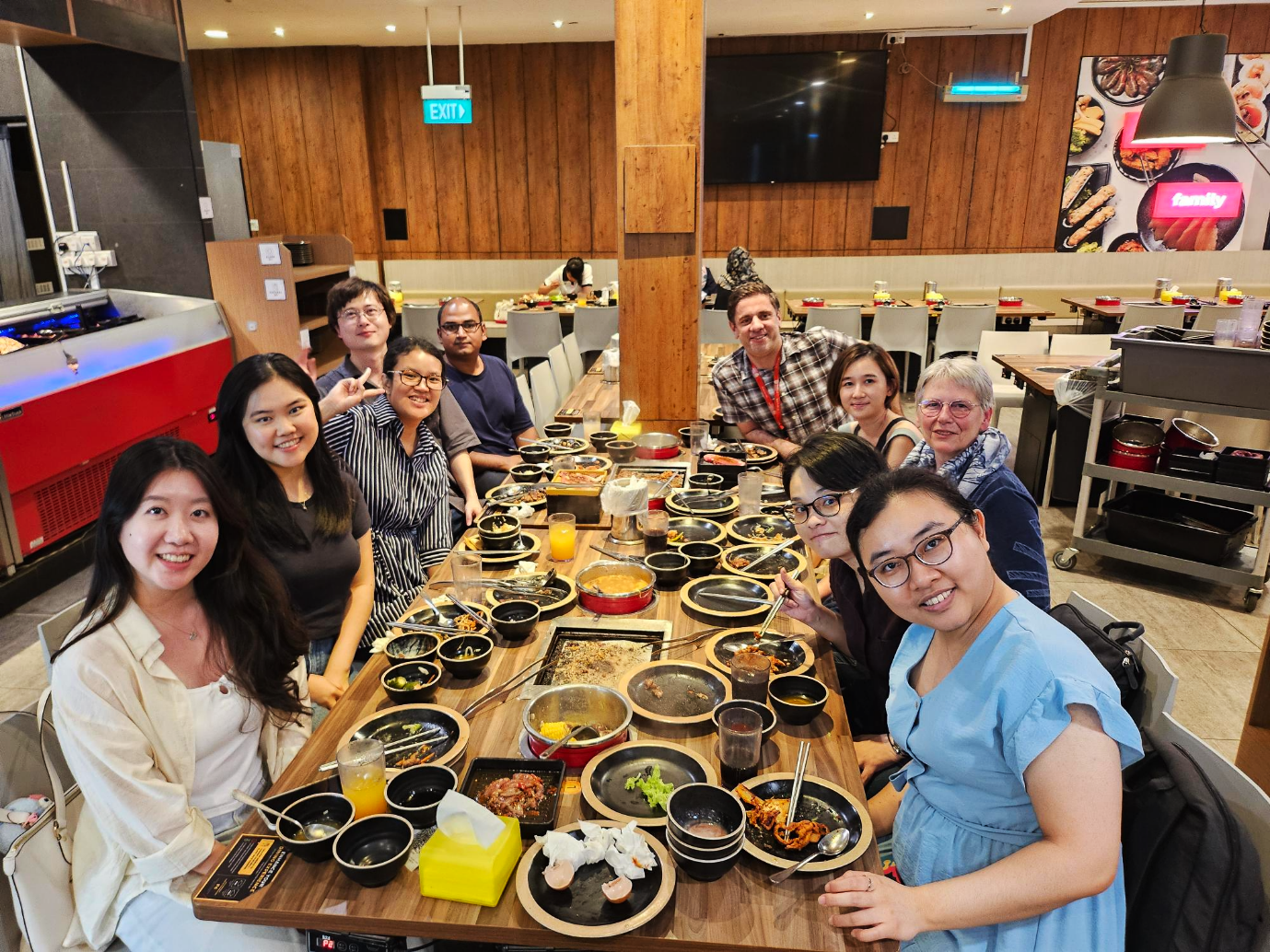
CARES is an international entity with staff members from around the world. Since the programme began in 2013, the size of our team has continued to grow as more scientists and support staff join us both in Singapore and Cambridge. We are proud of the science being generated by our researchers and of the great potential shown across the programme.
We will continuously update this page with available positions.
Strategic Partnerships Lead (Government)
HD4
HD4 is looking for a Strategic Partnerships Lead to act as the programme’s principal liaison with the Singapore public sector for WP5. This is a senior, relationship-led role for someone who has served inside government and understands how ministries and statutory boards operate, think, and make decisions – particularly agencies involved in infrastructure, land use, and geospatial data (e.g. planning, transport, land administration, housing, environment and Smart Nation / GovTech-related functions).
Full-Time | Singapore
Research Ethics and Data Governance Manager
BloodCounts!
The successful candidate will own the governance of the BloodCounts!-AI4S programme across the full lifecycle of data and AI use, ensuring that data, models and research activities are conducted ethically, legally, securely and in accordance with institutional, national and international requirements. Specifically, they will ensure that the BloodCounts!-AI4S research activities at CARES and its Singapore partner organisations comply with all relevant ethical, legal, and institutional requirements in Singapore, and will serve as a central contact point for researchers, administrators, and collaborators on matters related to research integrity and responsible conduct of research. The applicant must have excellent written and verbal communication skills to articulate technical information about ethics and data governance to different stakeholder groups and a degree in a relevant discipline (e.g. life sciences, public health, law, or a related field), or equivalent professional experience in research governance.
Full-Time | Singapore
Lead Machine Learning Researcher
BloodCounts!
The successful candidate will primarily be responsible for the delivery of all machine learning deliverables of the project, leading the design, training and evaluation of the multi-modal foundation model of blood among other duties. The applicant should have substantial machine learning research experience in an academic, data-intensive or clinical context, typically gained over 5-10 years of postdoctoral research or industrial equivalent.
Full-Time | Singapore
Lead Research Software Engineer
BloodCounts!
The Lead Research Software Engineer will be responsible for the software and data infrastructure deliverables of the project, including the delivery of curated datasets for the clinical studies, all backend infrastructure and pipelines along with the deployment tools. They will work day-to-day with the Lead Machine Learning Researcher to deliver an ecosystem of tools required to perform rapid-iteration high-quality reproducible AI research within which all research will be performed. They will be the main point of contact for all queries around hardware and software. The applicant should have substantial software engineering experience in a research, data-intensive or clinical context, typically gained over 5–10 years post-qualification.
Full-Time | Singapore
Testimonials
I gained insights into the complexities of [pre- and post-combustion carbon capture] systems for maritime applications… This knowledge is undoubtedly invaluable to my current and future research in maritime decarbonisation.
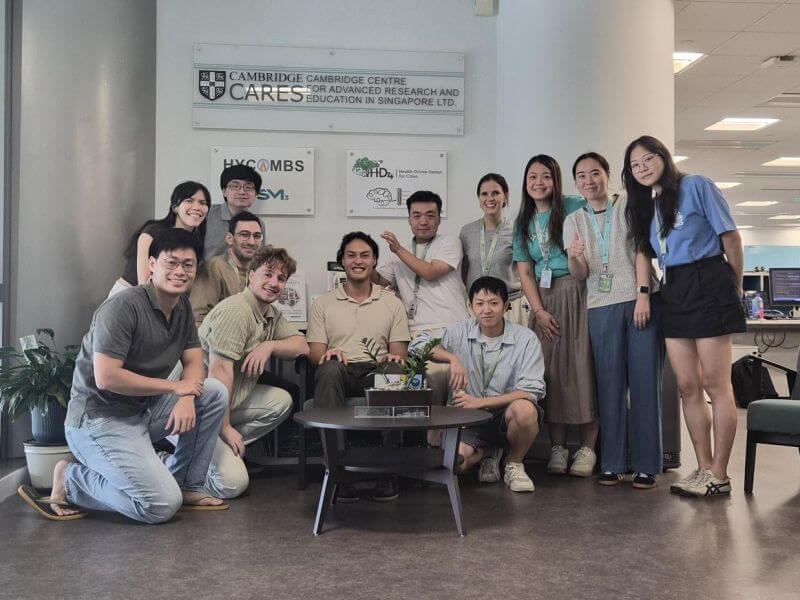
My diploma studies in Law and Management gave me a solid foundation in functional writing but I wanted to experience other facets of writing with impact. Over time, I developed adeptness in identifying the channels’ respective audiences through receiving regular feedback from my supervisor…and reframing my words to suit the context.
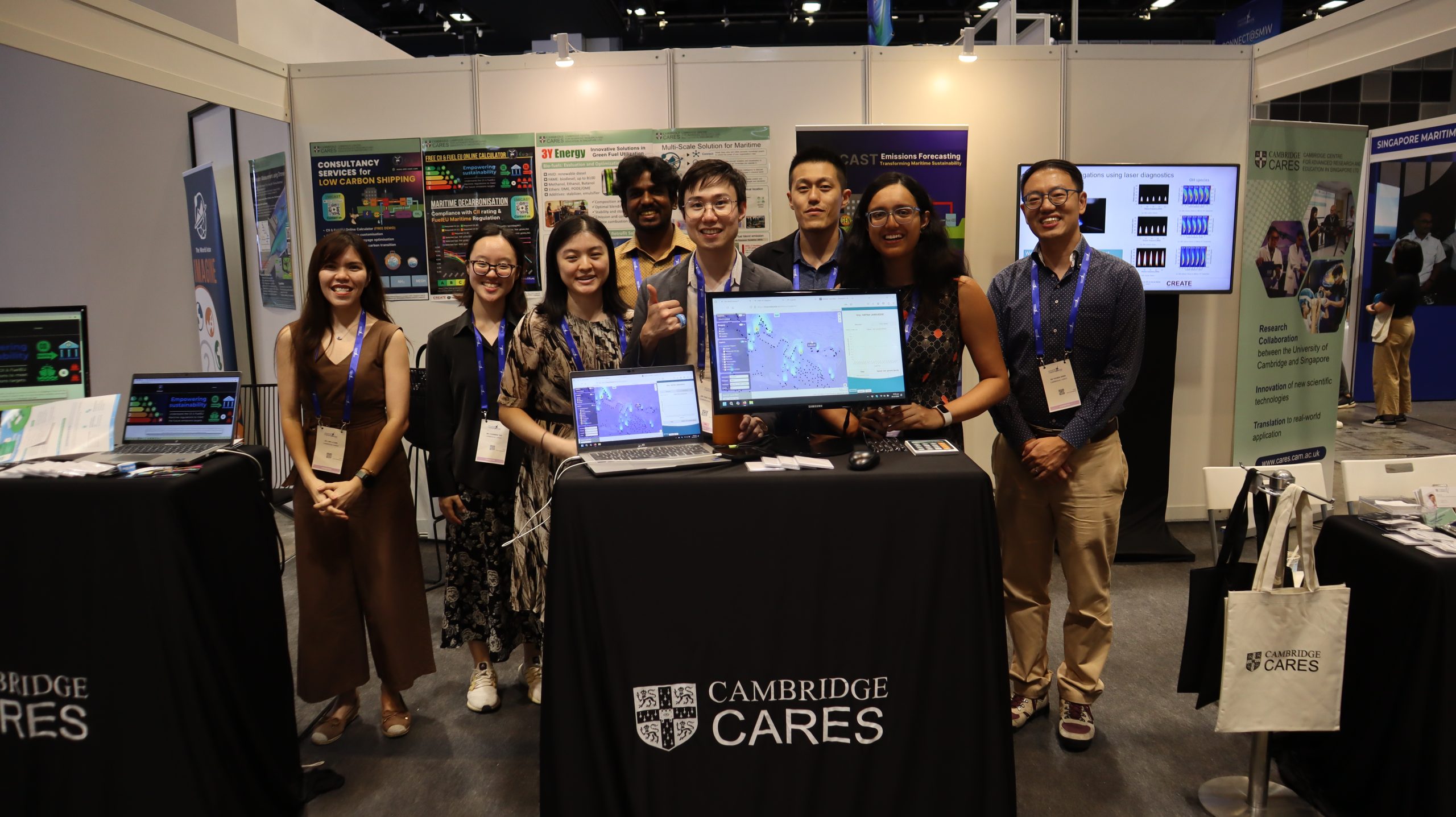
One thing I valued about working at CLIC is its interdisciplinary spirit and collaborative culture, which has created a genuinely supportive environment for exploring difficult questions and challenges without feeling boxed in. I worked with colleagues from diverse backgrounds, each bringing unique perspectives and skill sets to the project…