
About CARES
The Cambridge Centre for Advanced Research and Education (CARES) was established in 2013 as the University of Cambridge’s first research centre outside the UK.
The centre’s history in decarbonisation research started with the flagship programme called Centre for Carbon Reduction in Chemical Technologies (C4T), aiming to decarbonise Singapore’s chemical and related industries. The decade-long C4T programme jump-started the foundational building blocks for more recent projects in carbon-free fuels and chemical network analysis. CARES started its first project in human health and potential in 2020 with the Centre for Lifelong Learning and Individualised Cognition (CLIC).
In 2023, CARES celebrated its 10th anniversary in Singapore. The year was filled with seminars, a compilation of 10 scientific images over the decade, press coverage with Berita Harian, and a Scientific Showcase celebrating the key scientific outcomes at CARES. See this page for a collection of our 2023 highlights.
CARES brings together researchers from the University of Cambridge, Nanyang Technological University, the National University of Singapore, Tohoku University, the Swiss Federal Institute of Technology Lausanne (EPFL), the French National Centre for Scientific Research (CNRS), and the Norwegian University of Science and Technology (NTNU).
A majority of CARES research is funded by the Singapore government through the Campus for Research Excellence and Technological Enterprise (CREATE) programme.
total administered funding
papers published
academic and corporate staff
patents filed
spin-offs registered
Our History
Before 2013
The University of Cambridge discuss how to leverage international collaborations for various streams of research in arts, humanities, biological sciences, medicine, physical sciences, engineering and technology.
Prof Dame Lynn Gladden, the Pro-Vice-Chancellor for Research at the time, initiated discussions with Prof Lam Khin Yong (NTU), Prof Barry Halliwell (NUS), and the National Research Foundation (NRF) on how Cambridge could make the most of partnerships with local Singaporean universities.
2013
CARES is formed as Cambridge’s first overseas research centre. A first for Cambridge, an educational institution over 800 years old!
Our flagship programme, Centre for Carbon Reduction in Chemical Technologies (C4T) starts in response to NRF’s call for research programmes under the new CREATE initiative.
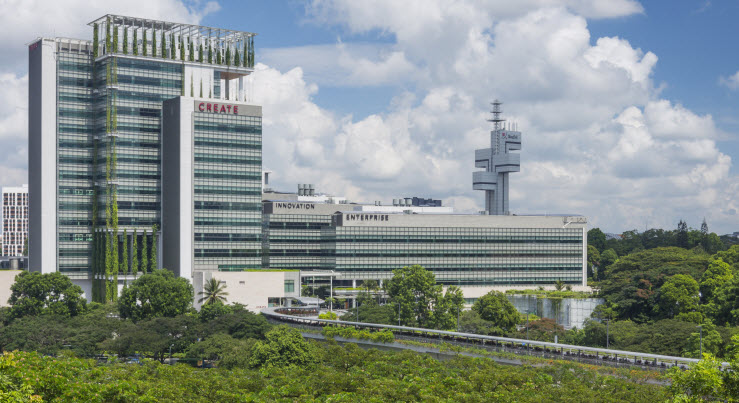
CREATE, short for the Campus for Research Excellence and Technological Enterprise, is the brainchild of Singapore’s National Research Foundation to establish an international research campus and innovation hub made from co-located research centres from top international universities.
2013
Prof Markus Kraft, a celebrated combustion scientist, is appointed as the Founding Director of CARES.
This lends to the initial CARES research having a strong focus on decarbonisation. Prof Kraft’s research investigating new flame-based synthesis routes influences a large part of the lab design in Singapore. This early footprint allowed the Hydrogen and Ammonia Combustion (HYCOMBS) programme to leverage the infrastructure and resources of C4T to get a head start in 2024.
2015
CARES employees move into the CREATE offices. Our very first PhD student joins us in Singapore, kick-starting a successful pipeline of students who will spend 2 years in Cambridge and 2 years in Singapore.
C4T will eventually support 47 PhD students in total. 1 PhD student from this scheme, Dr Nicholas Jose (pictured in the middle), will go on to commercialise his technology for nanomaterial scale-up via his company, Accelerated Materials.
2016
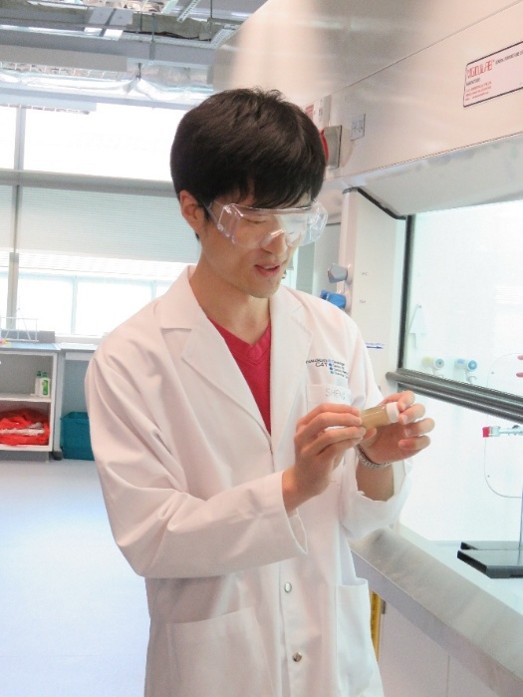
The first experiments start in the newly opened CARES lab.
Pictured is Dr Sheng Yuan, a researcher studying flame synthesis of nanoparticles for catalytic applications, and one of the first lab users.
2017
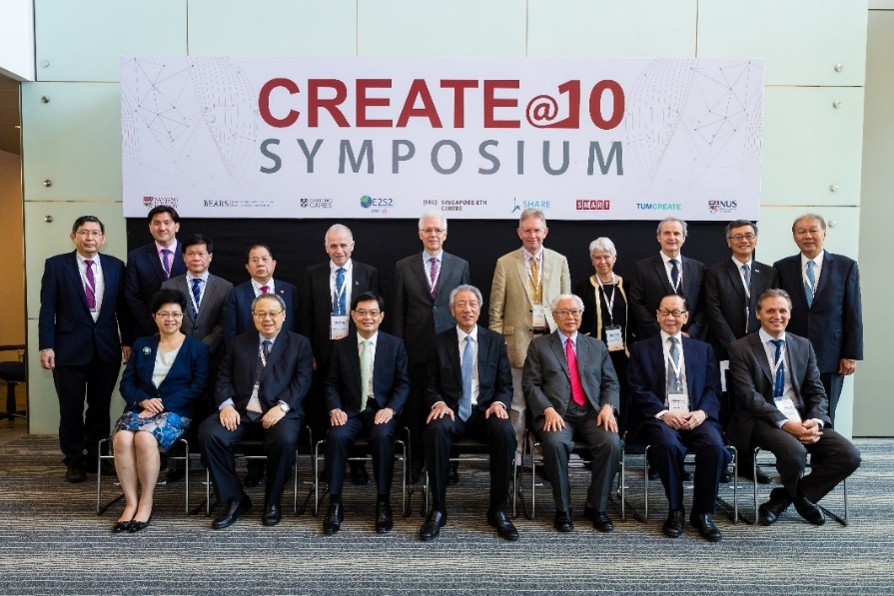
CARES join CREATE’s 10th Anniversary. As of 2026, the CREATE partners include Berkeley, CNRS, ETH-Zurich, MIT, the Hebrew University of Jerusalem, Shanghai Jiao Tong University, TUM, the University of Illinois Urbana-Champaign, and Imperial College London.
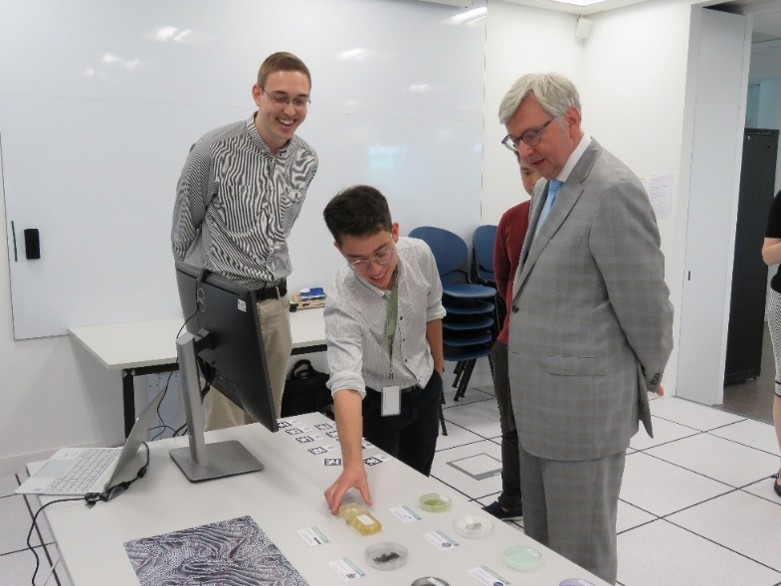
The late Prof Chris Abell (pictured in brown), Pro-Vice Chancellor for Research at the University of Cambridge, attends CREATE’s 10th Anniversary.
2019
CARES starts our first Intra-CREATE project with the Berkeley Education Alliance for Research in Singapore (BEARS) on carbon capture and utilisation called eCO₂EP: A chemical energy storage technology, leveraging the strength of CREATE partners for collaboration.
2020-2021
CARES adapts to home working and staggered lab schedules during the pandemic. Nevertheless, we launch our first programme in Human Health and Potential, the Centre for Lifelong Learning and Individualised Cognition (CLIC), which studies the concept of lifelong learning among the Singaporean population.
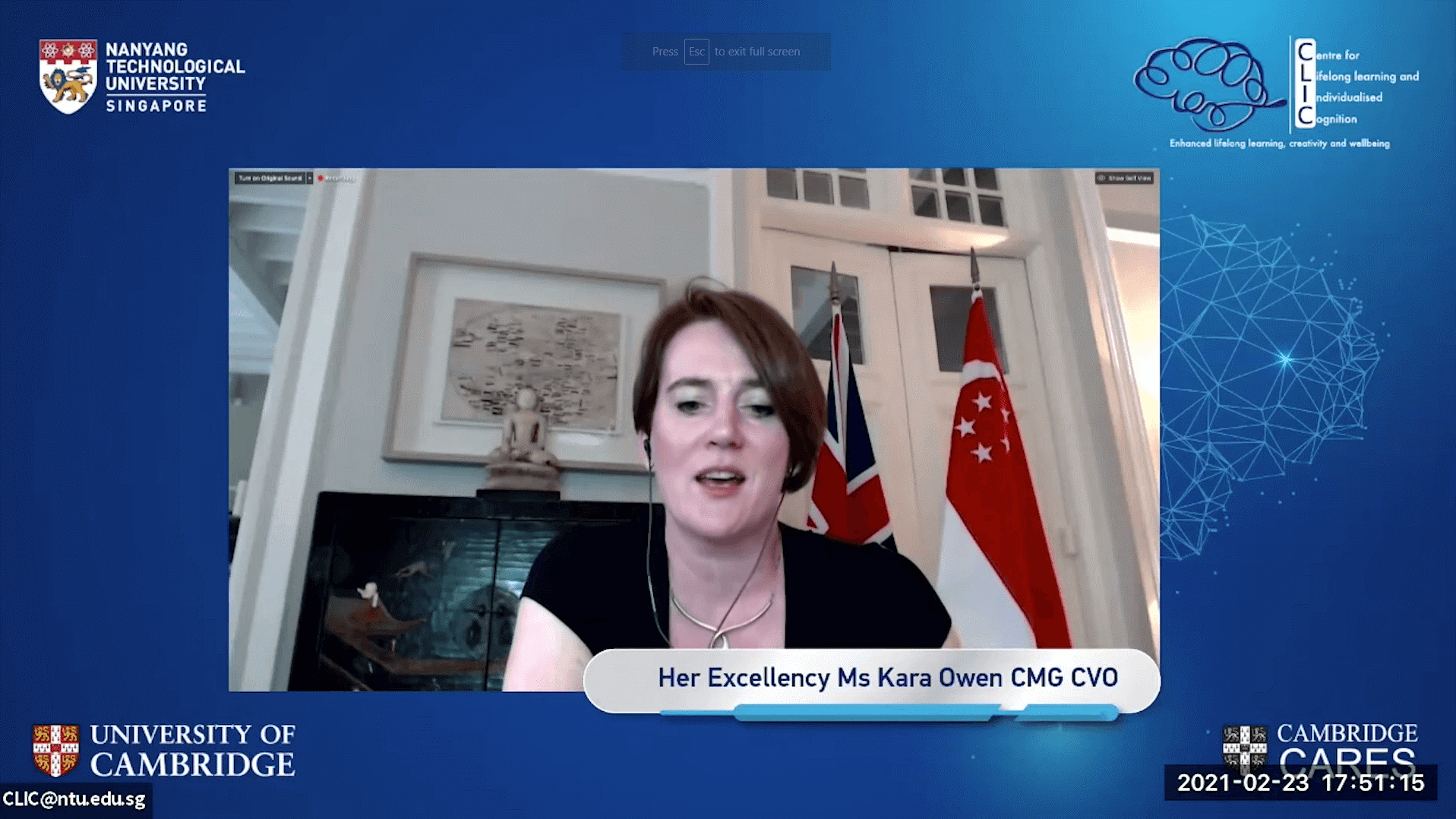
Her Excellency Kara Owen, British High Commissioner to Singapore, provided the opening remarks for CLIC’s online public launch and lecture.
2023
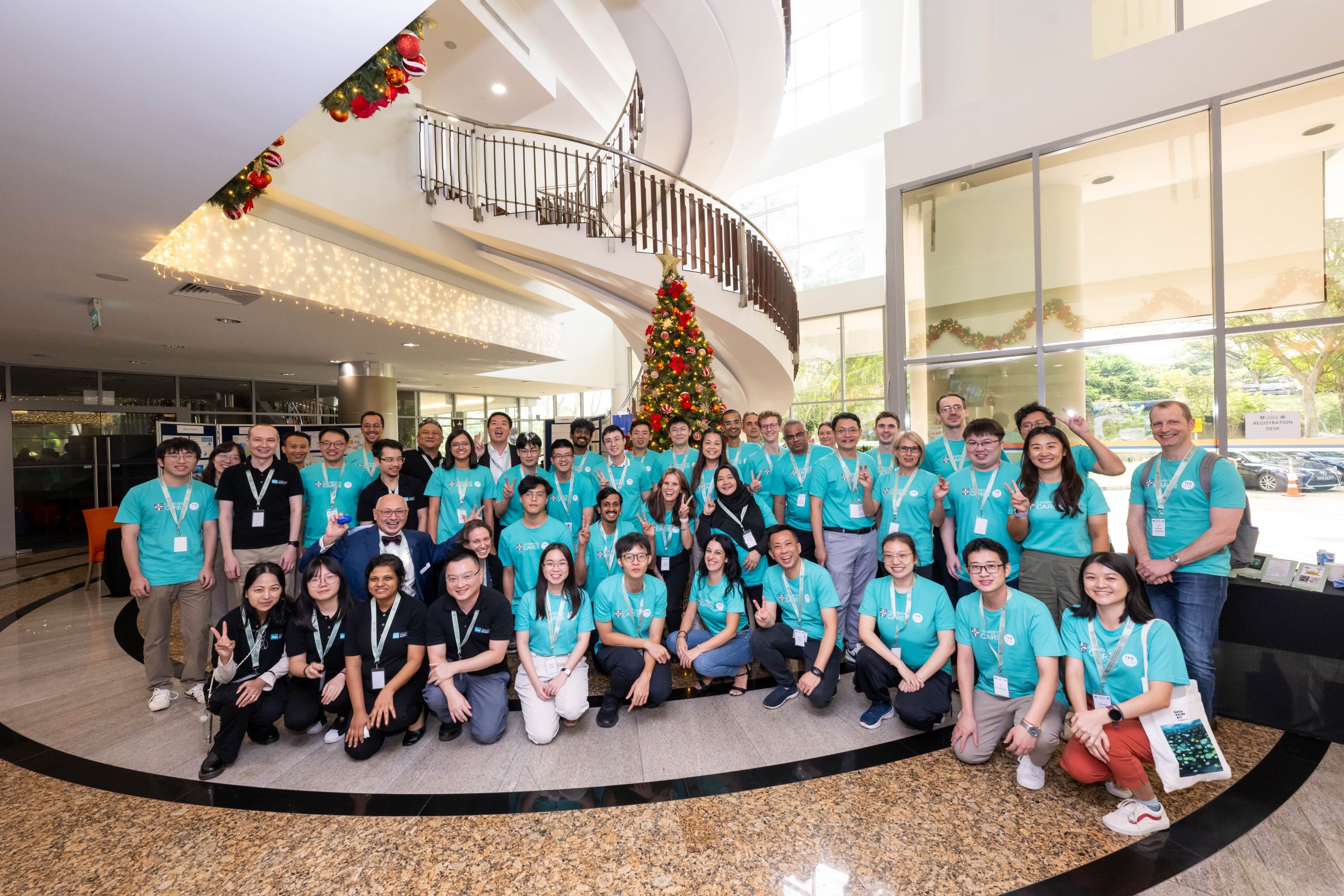
CARES celebrates our 10th Anniversary with an impactful year: 12 seminars (1 involving a drone demonstration), 1 collaborative activity with the Maritime & Port Authority of Singapore, and 1 public outreach event at the ArtScience Museum in Singapore. See this page for a collection of our 2023 highlights.
Our year-end Scientific Showcase highlights the best of CARES over the years and the following evening reception at the British High Commissioner’s Residence emphasises the importance of international collaboration.
2024
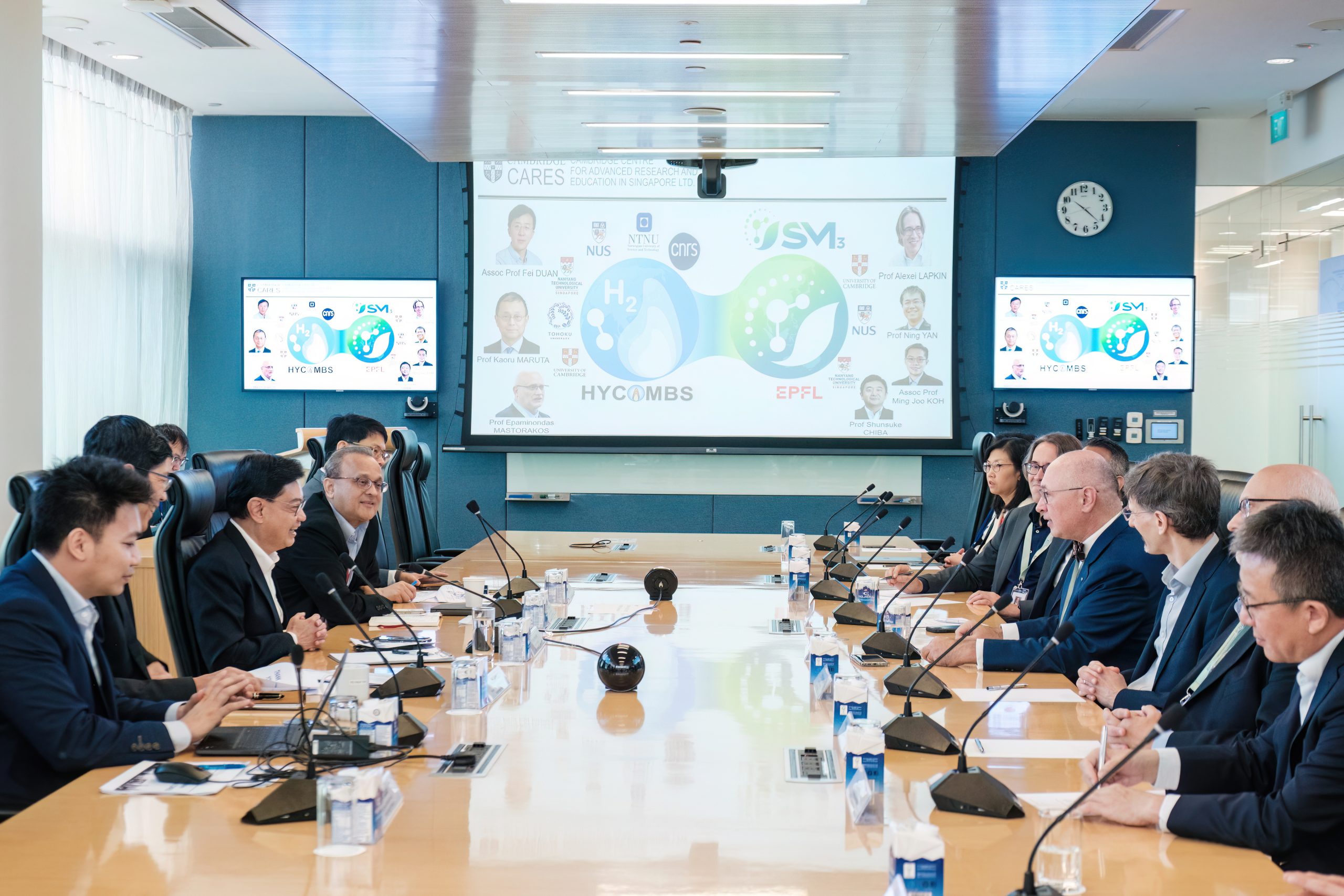
CARES launches three new programmes: Hydrogen and Ammonia Combustion in Singapore (HYCOMBS), Sustainable Manufacture of Molecules and Materials in Singapore (SM3), and Health-Driven Design for Cities (HD4).
In parallel, the launch of HYCOMBS and SM3 as part of nine projects under CREATE’s latest SGD$80m Decarbonisation Programme set the stage for Mr Heng Swee Keat, Deputy Prime Minister of Singapore, to visit the CARES facilities.
2025
CARES expands our Cambridge connections with many “firsts”:
- 1. The first skills training trip for the Research Communications Office in Cambridge to share best practices with CARES researchers
- 2. Gates Cambridge organise their first overseas scholarship interviews for the Southeast Asian region in Singapore in CREATE
- 3. CLIC hosts their first outreach event in Cambridge, reaching up to 70 academics and staff members from across the University
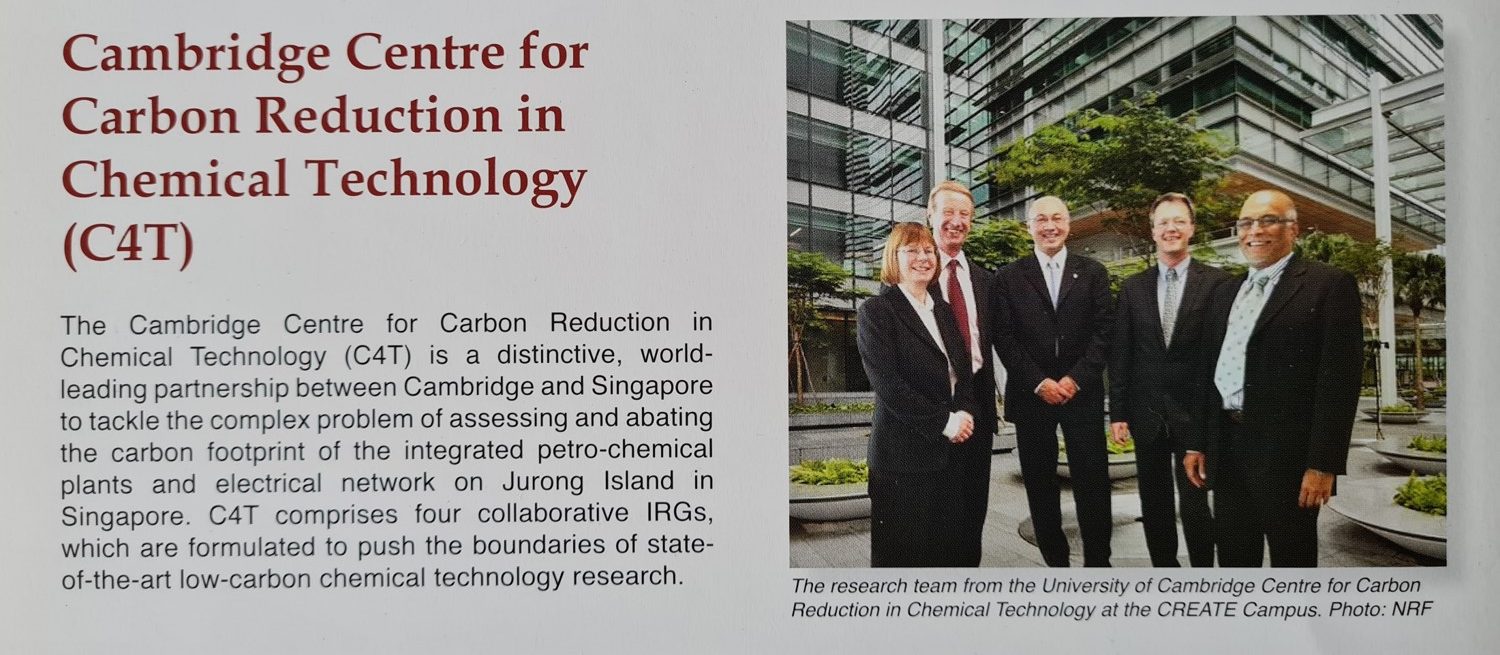
An old CREATE brochure showcasing C4T with (from left to right) Prof Dame Lynn Gladden, Prof John Dennis, Prof Markus Kraft, Prof Adrian Fisher, and Prof Gehan Amaratunga.
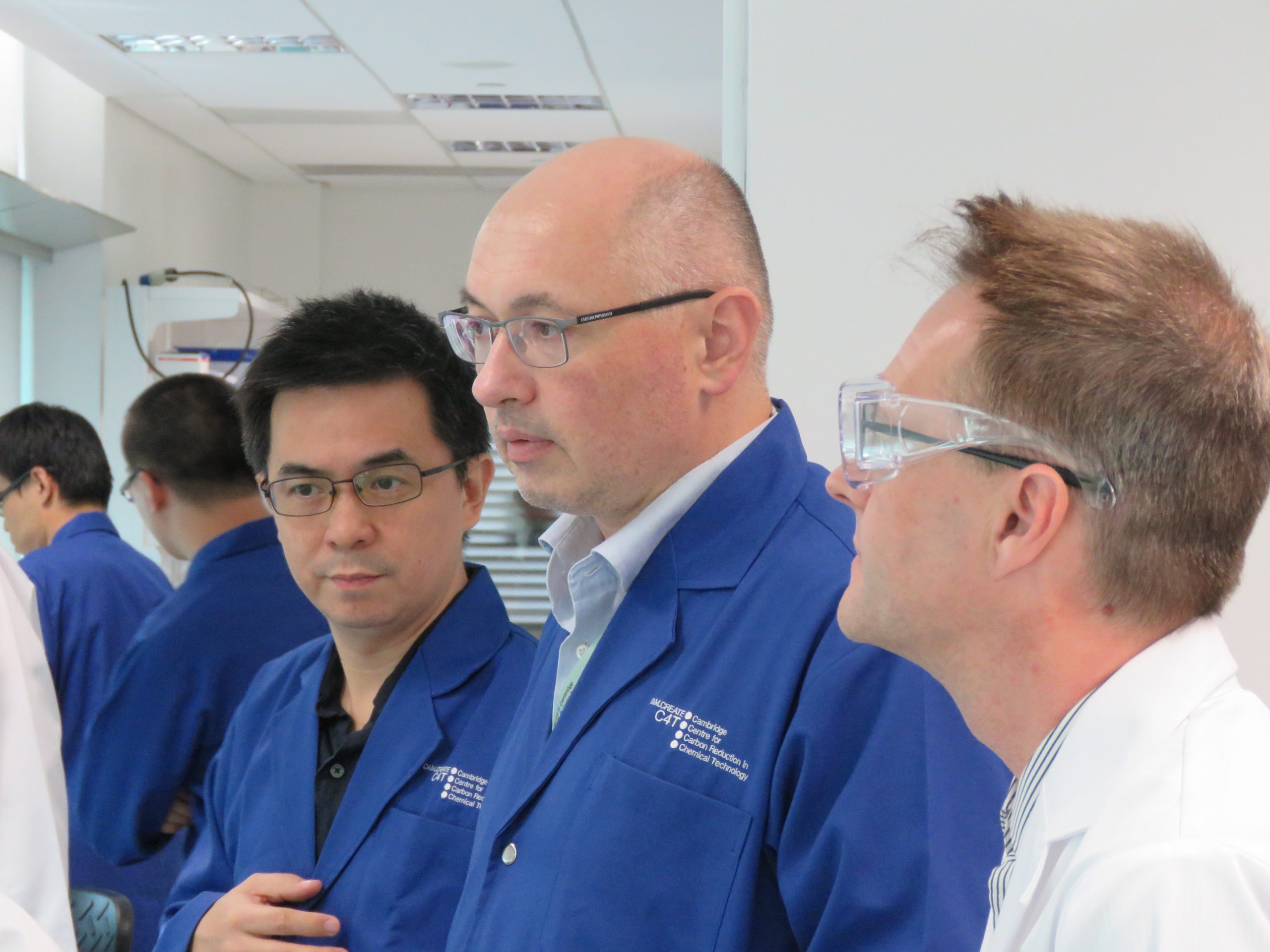
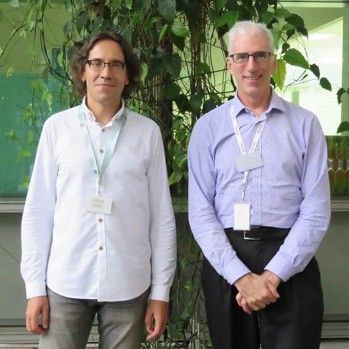
Prof Alexei Lapkin (left) and Prof Joel Ager (right) representing CARES and BEARS, respectively.
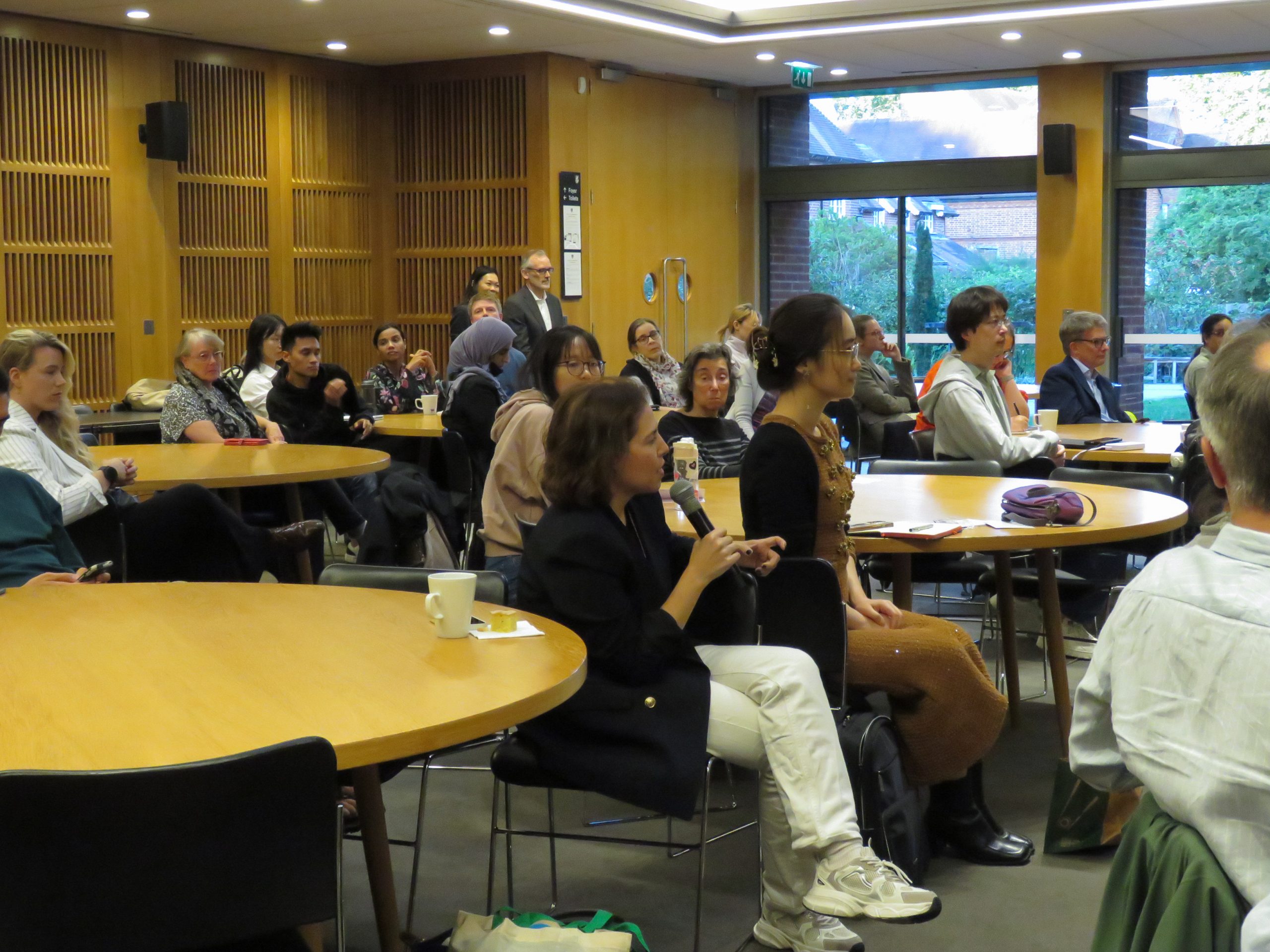
Attendees from CLIC’s outreach event in Cambridge.
Before 2013
The University of Cambridge discuss how to leverage international collaborations for various streams of research in arts, humanities, biological sciences, medicine, physical sciences, engineering and technology.
Prof Dame Lynn Gladden, the Pro-Vice-Chancellor for Research at the time, initiated discussions with Prof Lam Khin Yong (NTU), Prof Barry Halliwell (NUS), and the National Research Foundation (NRF) on how Cambridge could make the most of partnerships with local Singaporean universities.
2013
CARES is formed as Cambridge’s first overseas research centre. A first for Cambridge, an educational institution over 800 years old!
The Centre for Carbon Reduction in Chemical Technologies (C4T) programme starts in response to NRF’s call for research programmes under the new CREATE initiative.
CREATE, short for the Campus for Research Excellence and Technological Enterprise, is the brainchild of Singapore’s National Research Foundation to establish an international research campus and innovation hub made from co-located research centres from top international universities.
An old CREATE brochure showcasing C4T with (from left to right) Prof Dame Lynn Gladden, Prof John Dennis, Prof Markus Kraft, Prof Adrian Fisher, and Prof Gehan Amaratunga.
2013
Prof Markus Kraft, a celebrated combustion scientist, is appointed as the Founding Director of CARES.
This lends to the initial CARES research having a strong focus on decarbonisation. Prof Kraft’s research investigating new flame-based synthesis routes influences a large part of the lab design in Singapore. This early footprint allowed the Hydrogen and Ammonia Combustion (HYCOMBS) programme to leverage the infrastructure and resources of C4T to get a head start in 2024.
2015
CARES employees move into the CREATE offices. Our very first PhD student joins us in Singapore, kick-starting a successful pipeline of students who will spend 2 years in Cambridge and 2 years in Singapore.
C4T will eventually support 47 PhD students in total. 1 PhD student from this scheme, Dr Nicholas Jose (pictured in the middle), will go on to commercialise his technology for nanomaterial scale-up via his company, Accelerated Materials.
2016
The first experiments start in the newly opened CARES lab.
Pictured is Dr Sheng Yuan, a researcher studying flame synthesis of nanoparticles for catalytic applications, and one of the first lab users.
2017
CARES join CREATE’s 10th Anniversary. As of 2026, the CREATE partners include Berkeley, CNRS, ETH-Zurich, MIT, the Hebrew University of Jerusalem, Shanghai Jiao Tong University, TUM, the University of Illinois Urbana-Champaign, and Imperial College London.
The late Prof Chris Abell (pictured in brown), Pro-Vice Chancellor for Research at the University of Cambridge, attends CREATE’s 10th Anniversary.
2019
CARES starts our first Intra-CREATE project with the Berkeley Education Alliance for Research in Singapore (BEARS) on carbon capture and utilisation called eCO₂EP: A chemical energy storage technology, leveraging the strength of CREATE partners for collaboration.
Prof Alexei Lapkin (left) and Prof Joel Ager (right) representing CARES and BEARS, respectively.
2020-2021
CARES adapts to home working and staggered lab schedules during the pandemic. Nevertheless, we launch our first programme in Human Health and Potential, the Centre for Lifelong Learning and Individualised Cognition (CLIC), which studies the concept of lifelong learning among the Singaporean population.
Her Excellency Kara Owen, British High Commissioner to Singapore, provided the opening remarks for CLIC’s online public launch and lecture.
2023
CARES celebrates our 10th Anniversary with an impactful year: 12 seminars (1 involving a drone demonstration), 1 collaborative activity with the Maritime & Port Authority of Singapore, and 1 public outreach event at the ArtScience Museum in Singapore. See this page for a collection of our 2023 highlights.
Our year-end Scientific Showcase highlights the best of CARES over the years and the following evening reception at the British High Commissioner’s Residence emphasises the importance of international collaboration.
2024
CARES launches three new programmes: Hydrogen and Ammonia Combustion in Singapore (HYCOMBS), Sustainable Manufacture of Molecules and Materials in Singapore (SM3), and Health-Driven Design for Cities (HD4).
In parallel, the launch of HYCOMBS and SM3 as part of nine projects under CREATE’s latest SGD$80m Decarbonisation Programme sets the stage for Mr Heng Swee Keat, Deputy Prime Minister of Singapore, to visit the CARES facilities.
2025
CARES expands our Cambridge connections with many “firsts”:
1. The first skills training trip for the Research Communications Office in Cambridge to share best practices with CARES researchers
2. Gates Cambridge organise their first overseas scholarship interviews for the Southeast Asian region in Singapore in CREATE
3. CLIC hosts their first outreach event in Cambridge, reaching up to 70 academics and staff members from across the University
Attendees from CLIC’s outreach event in Cambridge.
Disclaimer: Names, positions, and affiliations are presented as they were at the time of the events described.
The University of Cambridge is committed to achieving excellence in research and scholarship. The pursuit of excellent research and the fulfilment of our responsibilities to participants in research, research users and the wider community require the maintenance of the highest standards of integrity and ethics. These pages provide guidance on and links to University policies addressing issues of research integrity, research ethics and good research practice: http://www.research-integrity.admin.cam.ac.uk/